
If you're searching for an apartment with hardwood floors near me in Richmond, you're probably trying to balance looks, budget, and long-term livability. Hardwood can make a rental feel cleaner, brighter, and more finished, but the smart move is knowing what you're looking at before you sign a lease.
Finding Your Perfect Richmond Apartment With Hardwood Floors
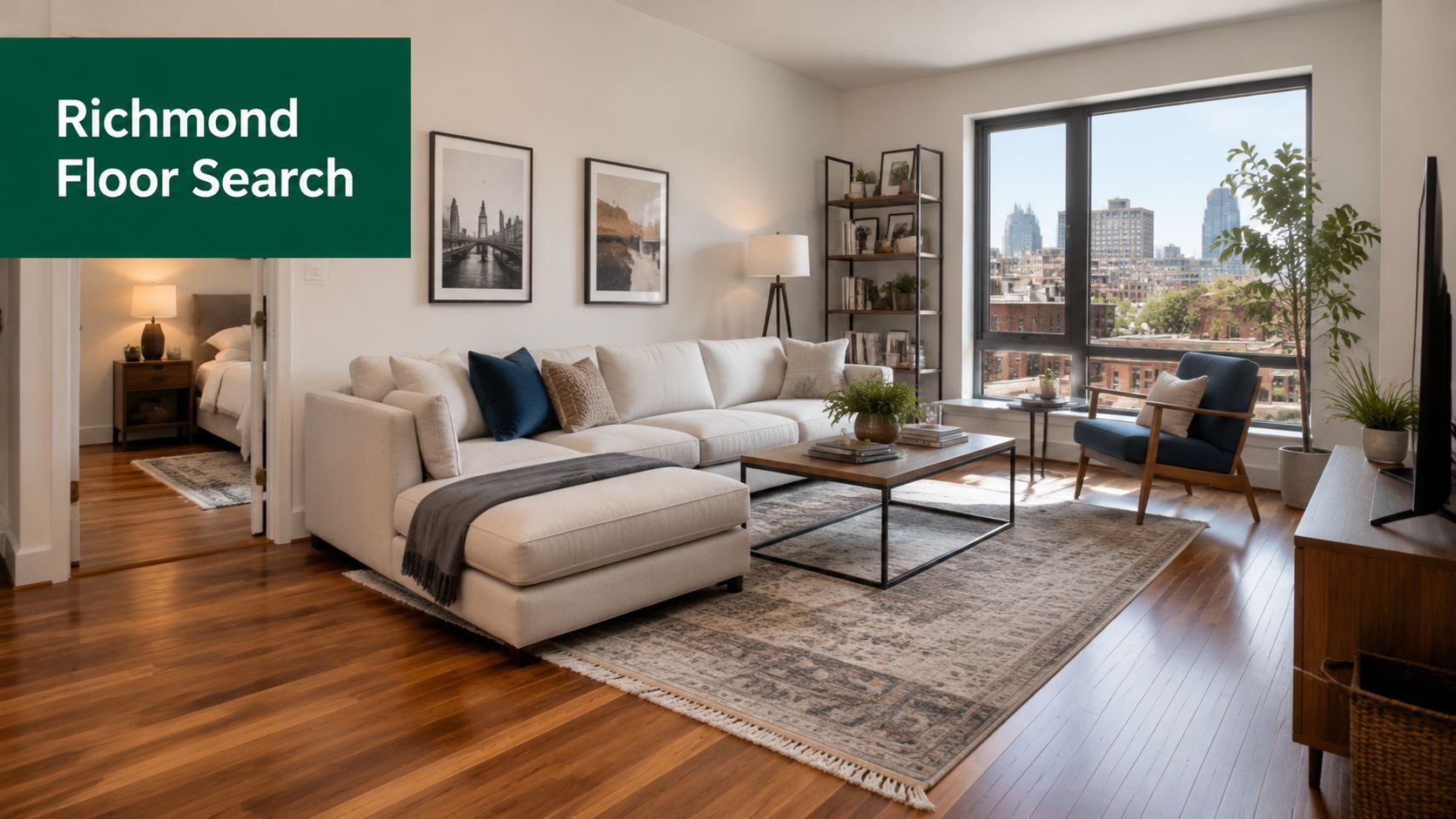
Apartment hunting in Richmond usually starts the same way. You're scrolling listings in places like The Fan, Scott's Addition, Carytown, or Museum District, and the photos with hardwood floors always catch your eye first. They read as better kept, more durable, and more upscale than carpet-heavy units.
That instinct isn't wrong. In Richmond, the average rent for a one-bedroom apartment in 2025 is $1,438 per month, while premium units with desirable features like fully renovated hardwood floors can command significantly higher prices, such as a listing in Carytown for $2,295, according to Richmond rent market trends from Apartments.com. Hardwood is part of what pushes a listing into the premium category.
What renters usually miss
Most listings don't tell you whether the floor was recently recoated, fully refinished, patched in spots, or merely cleaned up for photos. That matters because two apartments can both advertise hardwood and live very differently once you move in.
One floor has a healthy finish that's easy to clean and quiet underfoot. Another has worn-through traffic lanes, dry board edges, and old scratches that collect dirt and keep getting worse.
A quick look at a photo gallery won't tell you the difference.
Practical rule: Don't treat “hardwood floors” as a feature by itself. Treat the condition of the finish as the real feature.
What makes a Richmond search different
Richmond has plenty of older housing stock, and that's part of the appeal. Older apartments often come with real wood floors, better trim, and more character. They can also come with old coatings, uneven subfloors, and years of tenant wear.
That's why it helps to go into tours with a sharper eye. If you want a better baseline before you visit properties, this local hardwood flooring buying guide near me is a useful place to start.
For renters, the upside is simple. If you know how to read the floor, you can tell whether you're looking at a premium apartment or just premium photography.
If you're unsure what you're seeing during a tour, bring photos and questions to a floor specialist before you commit. An honest opinion can save you a frustrating lease.
Your Hardwood Floor Inspection Checklist for Apartment Tours
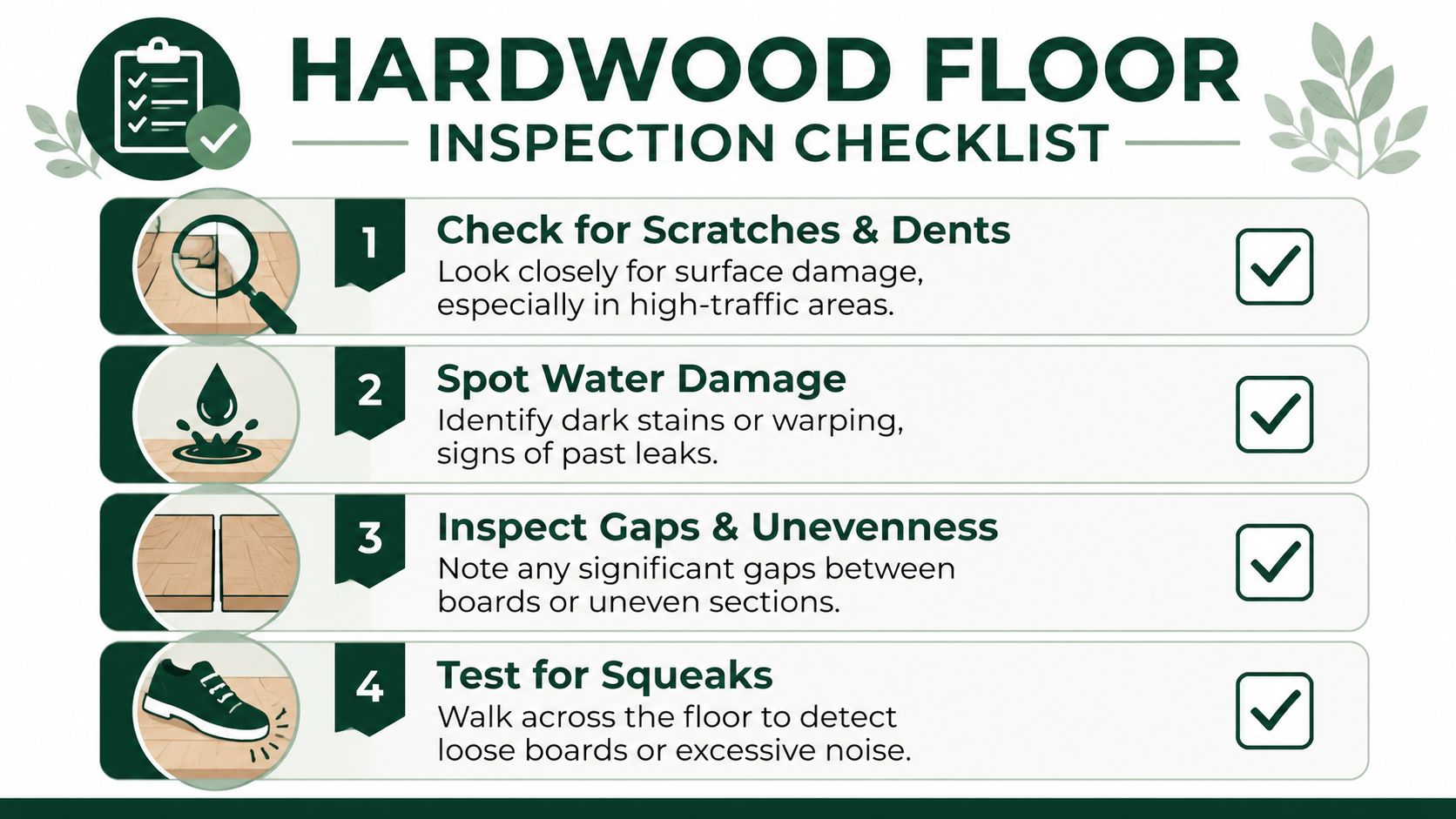
A hardwood floor tour isn't just about asking whether the unit has wood floors. It's about figuring out whether the floor is in solid rental condition, cosmetically tired, or hiding bigger issues.
Start with the finish
The first thing to check is the sheen. A floor with an intact finish may look a little dull from normal wear, but it shouldn't look raw, gray, or dry in the main walking paths.
Here's the practical split:
- Dull but even surface usually points to light wear.
- Scuffs that don't expose bare wood are often surface-level.
- Deep scratches with dark edges or exposed wood are more serious.
- Black staining, pet spots, or swollen board edges are red flags.
According to the NOFMA screen-and-recoat guidance from Crescent Hardwood, a screen-and-recoat, often called a buff-and-coat, can fix dull luster and light scratches with a 90% success rate and a one-day turnaround. That same guidance makes clear it can't fix deep scratches, pet stains, or water damage, which require a full sanding and refinishing process taking 4 to 6 days.
That distinction matters when you're standing in the living room trying to decide if the floor issue is minor or a sign of deferred maintenance.
Check the trouble spots
Don't spend all your time staring at the center of the room. Walk the perimeter and inspect the places where wood usually shows the truth.
Look closely near:
- Windows and exterior doors for fading, discoloration, or water marks
- Kitchen transitions where spills and traffic hit hardest
- Radiators, AC units, or bathrooms nearby for moisture-related movement
- Beds and sofa zones where previous tenants may have dragged furniture
- Hallway lanes where finish often wears down first
If boards are cupped, raised, or uneven under your shoe, that's different from harmless wear. It can point to moisture history or subfloor movement.
A shiny floor can still be a problem floor if the boards feel loose, uneven, or soft at the seams.
Use your ears too
Take a few slow passes across the room. Listen for squeaks, rattles, or hollow spots. Some sound is normal in older Richmond buildings. Excessive movement isn't.
If you want a better sense of what can actually be restored versus what needs heavier work, this guide on how to tell if hardwood floors can be refinished helps renters and landlords make a more informed call.
If the property manager can't explain the floor's condition in plain terms, that usually tells you something too.
Critical Questions to Ask Before You Sign the Lease
A floor can look good during a tour and still become a headache after move-in. The smartest renters ask a few direct questions before they sign, especially in upper-floor units or older multi-story buildings.
Ask about noise, not just appearance
Hardwood upstairs is legal, but that doesn't mean every installation performs well. The often-missed issue is sound transfer. According to this legal discussion of upper-floor hardwood and quiet enjoyment, hardwood floors are legal in upper-floor apartments, but excessive noise can breach a tenant's right to quiet enjoyment. Renters should ask whether there's acoustic mitigation, and many listings don't disclose that upfront.
That means you should ask direct questions like:
- Was any acoustic underlayment installed under the hardwood?
- Are rugs required in certain rooms or high-traffic areas?
- Have past tenants complained about noise from above or below?
- What's the process for reporting repeated impact noise if it becomes a problem?
This isn't being difficult. It's basic due diligence. A beautiful floor loses its appeal fast if every footstep from upstairs sounds like a dropped dumbbell.
Ask who handles what wear
A second issue is responsibility. Hardwood wears differently than carpet, and leases sometimes use broad language that leaves renters guessing.
Ask these in plain English:
- What counts as normal wear versus tenant damage
- Whether furniture pads are required
- How spills, pet accidents, or standing water should be reported
- Whether the floor was recently recoated or refinished before move-in
Those answers tell you how seriously the property is managed. They also help you avoid deposit disputes later.
Worth asking in writing: “If the floor has existing scratches or finish wear, can that be documented before move-in?”
Ask about maintenance history
A property manager doesn't need to give you a technical flooring report. But they should be able to explain whether the floor has been maintained on a schedule or only addressed when it looks rough.
A good answer sounds specific. Something vague like “they were redone at some point” usually means no one is tracking the finish life carefully.
If the apartment checks most of your boxes but the answers are slippery, slow down. The lease term lasts a lot longer than the tour.
If you want help sorting cosmetic issues from true maintenance concerns, get a floor specialist's opinion before you commit to the unit.
For Richmond Landlords How to Make Your Property Stand Out
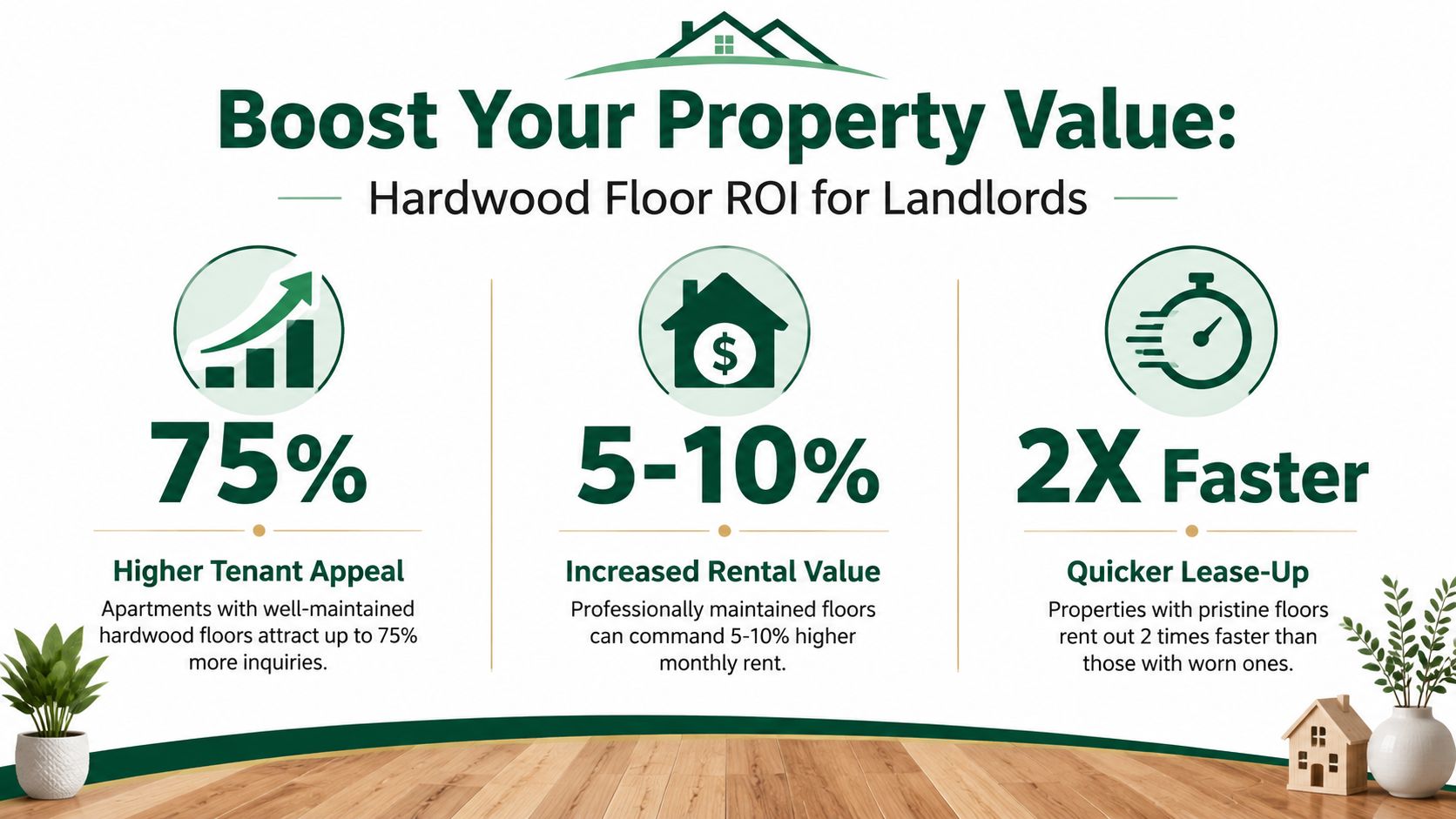
For landlords, hardwood is one of the few upgrades that helps both the look of the listing and the long-term value of the property. Tenants notice it immediately, especially in Richmond neighborhoods where older homes and apartments compete on character.
The business case for maintaining hardwood
Well-kept wood floors photograph better, show better, and usually create fewer objections during tours than stained carpet or patchwork flooring. For owners deciding whether maintenance is worth it, the resale side offers a useful benchmark.
According to this Richmond hardwood home value analysis, investing in new or refinished hardwood floors can increase a property's sale price by up to 2.5%. For a median-priced home in Richmond, that's an extra $10,000, and refinishing delivers a 70 to 80% return on investment.
Even if you're holding a rental rather than selling, the takeaway is clear. Flooring condition isn't cosmetic fluff. It's a value lever.
What good landlords do differently
The strongest rental operators don't wait until the floor looks exhausted. They build floor care into turnover planning and unit prep.
That usually means:
- Documenting floor condition at move-out with photos
- Separating surface wear from deep damage before choosing a remedy
- Handling maintenance between tenants instead of after complaints start
- Making floor condition part of marketing photos, not an afterthought
Owners who want broader leasing help can also review strategies to fill vacancies faster so the floor upgrade fits into a stronger turnover plan instead of standing alone.
Better listings start with honest upkeep
Tenants can tell the difference between well-maintained hardwood and a rushed cleanup. They notice cloudy finish, edge wear, and dark traffic paths even if they don't know the flooring terms.
For property managers in Richmond VA, a practical way to stay organized is to use a seasonal rental property maintenance checklist so floors get reviewed alongside paint, HVAC, and turnover repairs.
If your rental has hardwood, treat it like a managed asset. That approach tends to attract better applicants than calling the unit “updated” and hoping the photos do the work.
Richmond landlords who want a straightforward opinion on whether a unit needs recoating, refinishing, or replacement can get clear recommendations before the next listing goes live.
Common Floor Problems and Professional Solutions
Most rental hardwood problems fall into a few predictable categories. Once you know what causes them, it's easier to match the floor to the right fix.
When a floor looks tired but isn't ruined
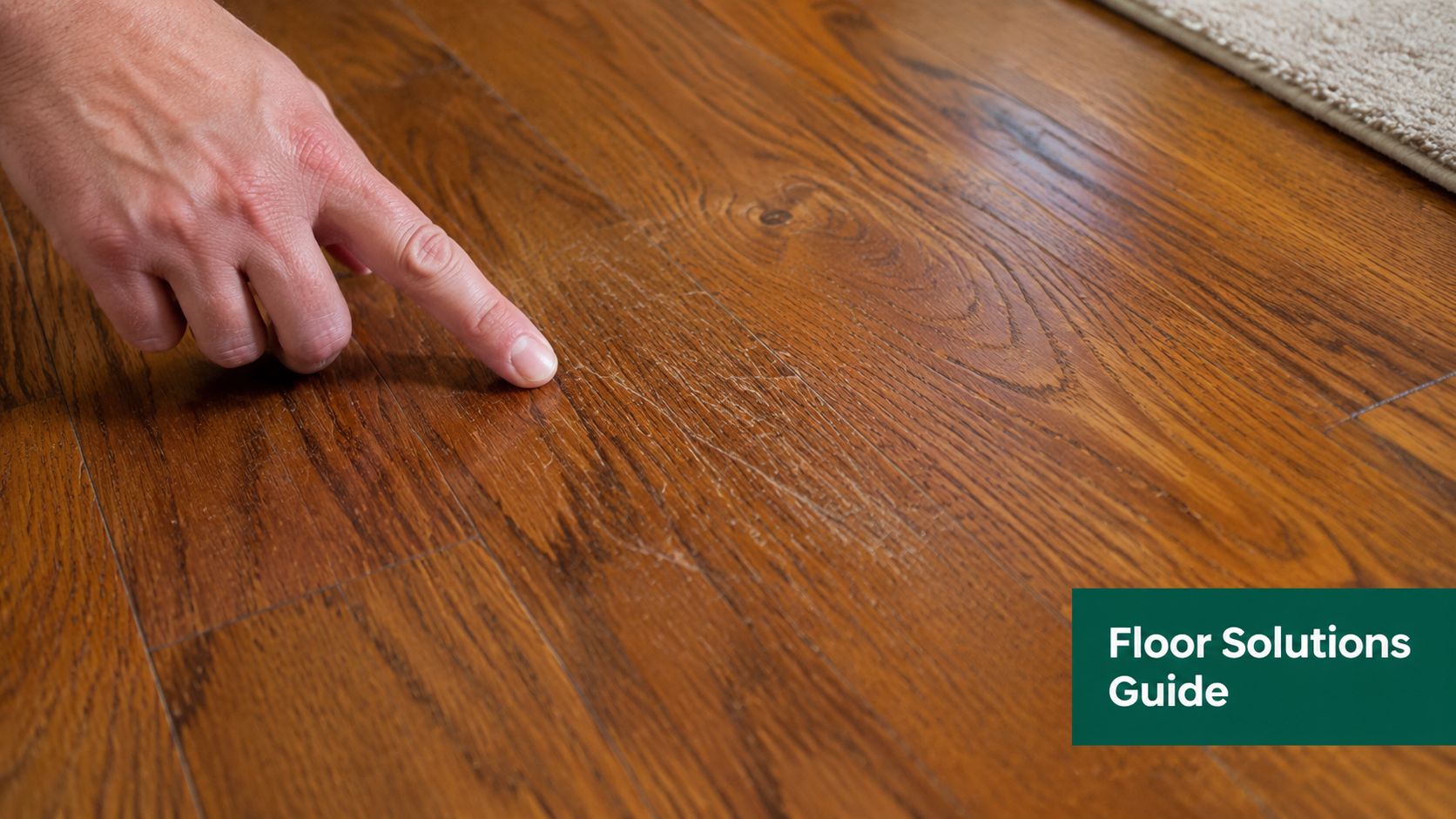
A lot of apartments show the same symptoms. The finish looks flat. Light scratches catch the window light. High-traffic areas feel a little dirty even after cleaning.
That usually points to surface wear, not structural failure.
In Richmond VA, a buff and coat service typically costs between $1.50 and $3.50 per square foot and is designed for that kind of wear, according to this buff and coat hardwood refinishing guide. It's a practical middle ground when the wood itself is still in decent shape.
When the floor needs more than a touch-up
Other floors have deeper scratches, old finish buildup, uneven coloring, or damage that has gone through the protective coat. In those cases, a simple recoat won't solve the underlying issue.
That's where full sanding and refinishing comes in. One major advantage today is dustless sanding, which can reduce airborne dust particles by up to 95% compared to traditional sanding methods, improving indoor air quality according to Buff & Coat's Richmond refinishing cost overview.
Field note: If the floor still looks dirty right after mopping, the finish may be failing, not the cleaning routine.
For renters trying to protect the floor between professional service visits, simple maintenance helps. A quality cleaning routine and tools that limit grit at the entry can make a visible difference. Something like the EcoQuest Purifiers robotic vacuum can help reduce the dirt and fine debris that act like sandpaper underfoot.
A quick video can also help you spot the difference between wear that's cosmetic and wear that needs professional correction.
What actually works and what doesn't
Here's the short version:
| Floor condition | What works | What doesn't |
|---|---|---|
| Dull finish, light scuffs | Buff and coat service | Waxes or shine products that only mask the issue |
| Deep scratches | Sanding and refinishing | Another coat over damaged wood |
| Water marks or pet stains | Full corrective work, sometimes board repair | Surface-only recoating |
| Heavy dirt trapped in worn finish | Professional restoration | Stronger household cleaner |
For renters, understanding that difference helps you ask better questions. For landlords, it helps avoid spending money on the wrong fix.
Frequently Asked Questions About Rental Hardwood Floors
Can I ask a landlord to document floor condition before move-in
Yes, and you should. Ask for existing scratches, finish wear, stains, or noisy spots to be noted in writing and backed by photos. That protects both sides and keeps normal pre-existing wear from turning into a move-out argument.
What should I do if the hardwood floors are noisy after I move in
Report it in writing and be specific about when and where it happens. If the sound comes from another unit, ask management what acoustic mitigation is in place and what building rules apply to rugs or floor coverings. If the issue affects daily living, keep a dated record of your complaints and responses.
Keep your communication factual. Dates, times, room locations, and short videos are more useful than general frustration.
How do I care for hardwood floors in a rental without overdoing it
Use a soft broom, microfiber dust mop, and a cleaner approved for finished wood. Avoid soaking the floor, steam cleaning, or using random DIY products that leave residue. If you want a simple homeowner-friendly overview of everyday upkeep, this Northpoint Construction property care resource is a solid reference.
Is refinishing always the right answer for a rental unit
No. Some floors only need recoating. Some need full sanding. Some are too damaged in isolated areas and need repair work before either option makes sense. The right answer depends on whether the finish is worn, the wood is damaged, or moisture has changed the boards themselves.
Why Richmond Homeowners Choose Buff & Coat
Buff & Coat Hardwood Floor Refinishing is a Richmond-based floor refinishing and installation company with 15+ years of experience. The company serves Richmond, Midlothian, Chesterfield, Henrico, Glen Allen, Short Pump, Mechanicsville, and occasional jobs in Charlottesville, Fredericksburg, and Virginia Beach.
Homeowners and property managers choose Buff & Coat because of the combination of local experience and practical service:
- 15 years in business
- Dustless sanding systems
- Local, owner-operated
- High-quality finishes
- Clear pricing and honest advice
- 5-star customer service
Services include hardwood floor refinishing, buffing and coating, hardwood floor installations, LVP/LVT installs, and hardwood floor repair. If you're comparing hardwood floor refinishing, buff and coat service, wood floor recoating, or floor refinishing in Richmond VA, the biggest advantage is getting a recommendation based on the floor's actual condition, not a one-size-fits-all pitch.
If you're unsure whether your floors need a buff and coat service, full hardwood floor restoration, dustless sanding, or engineered hardwood refinishing, it helps to talk with a local team that does this work every day. Homeowners looking for the best hardwood floor contractor in Richmond usually want the same things: clear answers, solid workmanship, realistic refinishing cost guidance, and a straightforward explanation of how long refinishing takes.
Ready to restore your hardwood floors? Buff & Coat Hardwood Floor Refinishing makes the process fast, clean, and stress-free. Call 804-392-1114 or request your free estimate today at buffandcoatvirginia.com.