

Home Blog Paint Hardwood Floors Black: 2026 Expert Guide
Paint Hardwood Floors Black: 2026 Expert Guide

Richmond homeowners usually start looking at black floors after seeing a room that feels sharp, grounded, and expensive without being busy. The idea is appealing for good reason, but if you want to paint hardwood floors black, you need to know what looks great in photos, what holds up in daily life, and what kind of prep separates a durable finish from one that starts failing early.
This is one of those projects where design choice and workmanship matter equally. In Richmond VA, black floors can look outstanding in older Fan homes, renovated ranches, and newer builds, but they also punish shortcuts faster than most colors. That's why homeowners researching hardwood floor refinishing, dustless sanding, and floor refinishing Richmond VA usually need more than inspiration. They need honest guidance.
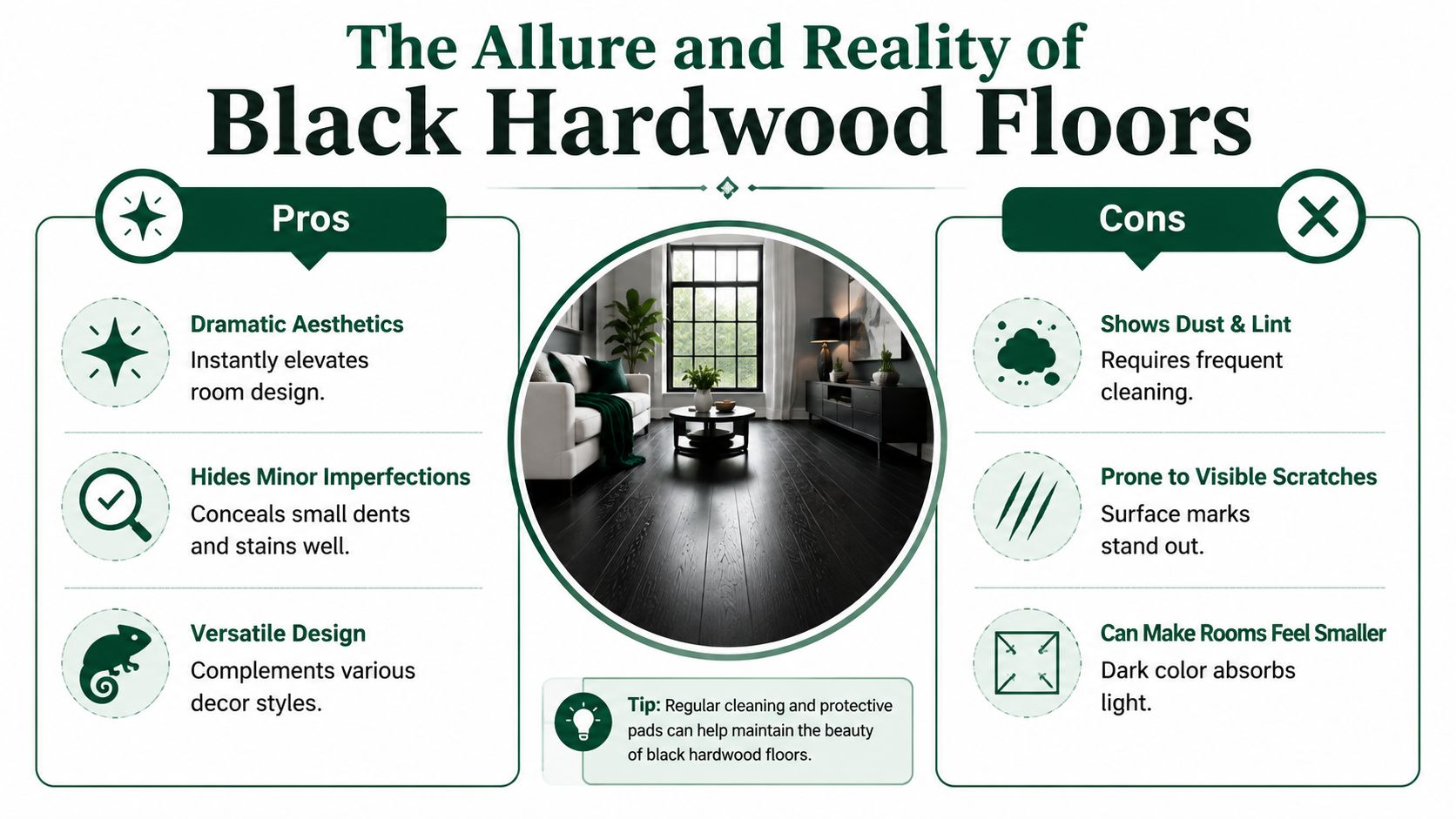
The Allure and Reality of Black Hardwood Floors
You see it a lot in Richmond. A homeowner walks into a row house in the Fan or a renovated Museum District place with black floors, white trim, and good natural light, and the room feels sharper right away. The effect is real. Black hardwood floors give a space weight, contrast, and a cleaner visual read than most medium-tone floors ever will.
They also ask more from the floor and from the homeowner.
Black works best when the room already has something worth highlighting. Painted trim looks crisper. Brass and matte black hardware stand out. Rugs, cabinetry, and stone counters read more clearly because the floor stops competing with them. On older Richmond floors with mixed board tones, patched areas, or uneven color from past repairs, a black finish can also create a more controlled, unified look.
Why people choose black
Homeowners usually choose black floors for a few practical design reasons:
- Strong contrast: Light walls, white trim, and metal finishes look more defined over a dark floor.
- Visual control: Black reduces how much variation you notice from board to board.
- A polished look: Dark floors have stayed popular for years, especially in lower-sheen finishes that feel more current than high gloss, according to District Floor Depot's analysis of dark hardwood floor trends.
Black is also one of the few finish choices that can make an ordinary floor look intentional. That matters in houses where the wood itself is not especially beautiful but the room still deserves a finished, high-end look.
What homeowners underestimate
Maintenance is the part that gets glossed over in photos. Black floors show dust, pet hair, crumbs, and light-colored debris faster than most other floor colors. In Richmond, that includes yellow pine pollen in spring, dry dust in summer, and red clay tracked in after rain. If you live near a yard that drains poorly, or you have kids and dogs using the back entry every day, a black floor will show that traffic by evening.
Footprints can show too, especially with the wrong sheen. So can fine scratches.
Practical rule: If your current floor already annoys you because it shows every bit of dust by the windows or back door, black will raise that annoyance, not reduce it.
Where black floors make sense
Black floors make sense for homeowners who like a tailored look and keep up with regular cleaning. They also make more sense in some Richmond homes than others. I've seen them look excellent in Fan and Ginter Park homes with strong trim detail, in updated brick colonials, and in newer houses where the owner wants contrast without adding more visual clutter.
The finish choice matters as much as the color. A lower-sheen black floor is usually easier to live with because it hides small abrasions better than gloss. If you are still deciding whether you want an opaque painted look or a finish that keeps the wood more visible, this guide on how to choose a hardwood floor stain color can help clarify the direction before you commit.
Black hardwood floors can look outstanding. They are not forgiving. That is the trade-off.
Painting vs Staining Black A Critical Decision
A lot of homeowners use “paint” and “stain” like they mean the same thing. They don't. This is the first decision that should be made before anyone rents a sander, buys floor enamel, or starts pulling furniture out of the room.
What paint does
Paint covers the grain. It creates an opaque surface. If your goal is a near-solid black floor with very little wood character showing through, paint is the path that gets you there.
That can be the right call when the floor already has mismatched boards, old patches, discoloration, or repairs that stain would highlight instead of hide. Paint can unify a floor that isn't especially beautiful in its natural state.
What stain does
Stain preserves the grain. You still see the wood structure underneath. The result usually feels more natural, even when it's very dark.
That's often better for homeowners who like the idea of black or near-black floors but still want the floor to look like wood, not a painted surface. If you want help thinking through tone and final appearance, this guide on how to choose a hardwood floor stain color is a useful place to start.
| Finish choice | Best for | Main drawback |
|---|---|---|
| Black paint | Hiding mismatched boards and creating a uniform look | Grain is covered |
| Black stain | Preserving wood character | Won't hide major visual flaws |
Where DIY decisions go wrong
Wood species matter more than is often understood. A critical distinction often gets missed: painting covers grain, while staining preserves it, and on woods like maple, some black dyes can turn an unnatural blue-black if the wood isn't chemically neutralized properly, according to Woodweb's discussion of black finishing on maple floors.
That's one of the reasons I'm cautious when homeowners say they want “ebony” but haven't decided whether they mean painted-black or stained-black. Oak, maple, and other hardwoods don't all react the same way. If the chemistry and wood species aren't considered upfront, the finished color can miss the mark badly.
A black floor only looks custom when the method matches the wood and the expectation matches the finish.
For homeowners in Richmond VA, this matters even more in older homes where different rooms may have different board ages, repairs, or species mixed into one continuous floor. One black treatment won't behave the same across all of it.
Richmond homeowners who want a fast quote for refinishing or recoating can call 804-392-1114. It's often easier to make the right decision after someone sees the wood in person.
Preparing Your Hardwood Floors for a Flawless Finish
Black is unforgiving. Every shortcut that might slide by under a medium-brown stain becomes obvious once the floor turns dark. Prep work is where the project is won or lost.
The room has to be truly ready
A proper setup starts with an empty room, protected baseboards where needed, and a plan for keeping airborne dust from drifting through the house. Homeowners often think of sanding mess as just a cleanup issue, but it also affects the finish itself.
That's one reason many families in Richmond VA ask about dustless sanding before anything else. A cleaner process protects the home and gives the coating a better chance of laying down smoothly. For whole-home cleanliness during a sanding project, these Can Do Duct Cleaning's dust management strategies are worth reviewing.
Sanding has to be exact
A durable black finish requires a progressive sanding sequence terminating in 220-grit paper, and the sanding needs to run strictly along the grain to avoid cross-grain scratches, according to Paint Loving's guide to painting wood black.
Those scratches matter because black highlights light reflection problems. A floor that seems smooth in raw wood can suddenly show sanding mistakes once the dark coat goes on.
Here's where homeowners usually run into trouble:
- They stop sanding too early: The floor may feel smooth by hand but still carry visible scratch patterning.
- They move across the grain: Black makes that mistake easy to see.
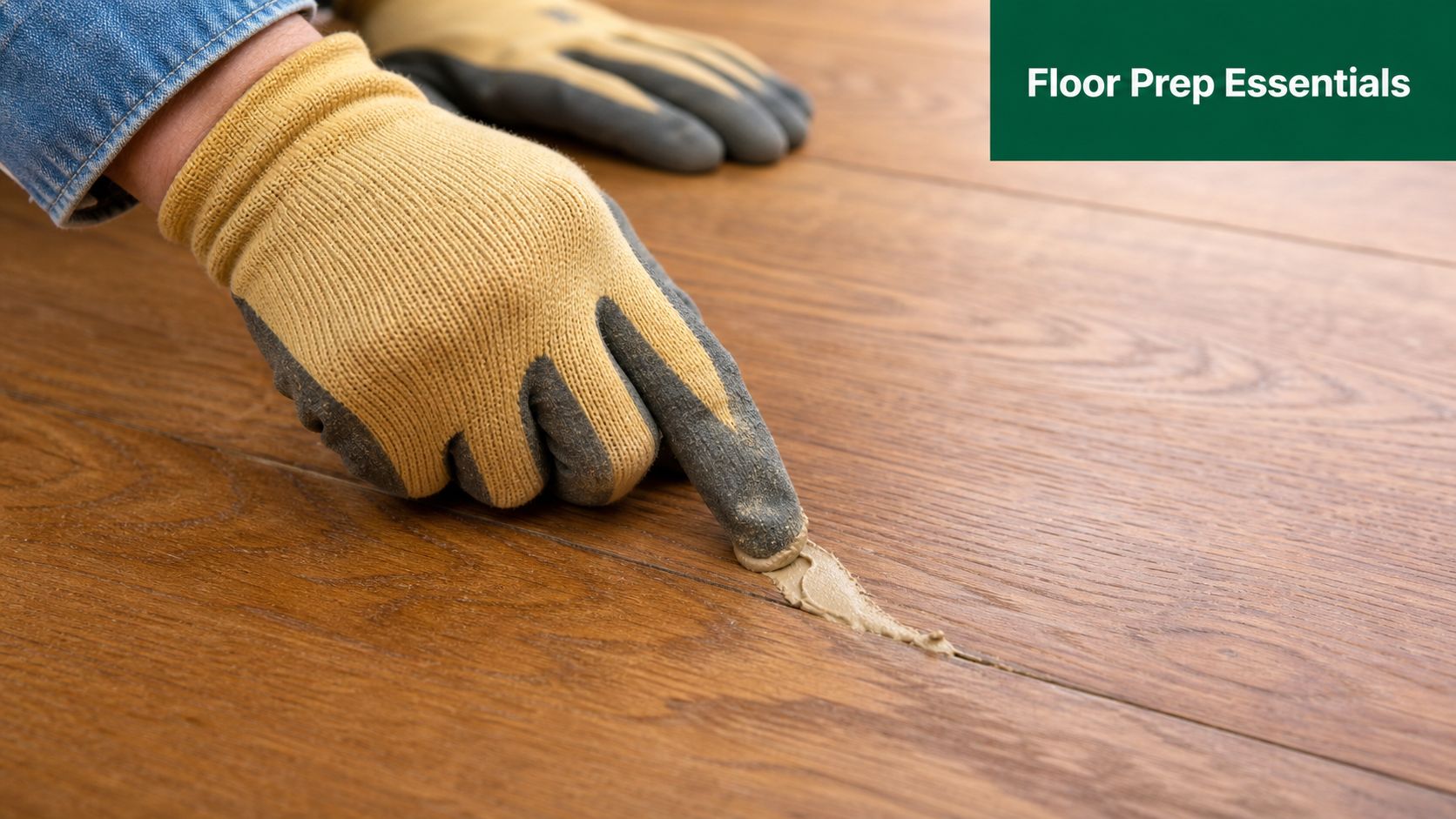
- They skip repairs: Gaps, rough patches, and old filler telegraph through dark coatings.
If you're planning a full hardwood floor restoration project, this checklist on how to prepare your house for hardwood floor refinishing helps homeowners get the space ready the right way.
Cleaning after sanding is not optional
Dust left on the floor becomes part of the finish. The same source notes that failure to vacuum and damp-wipe the floor to remove 100% of dust creates visible bumps in the final surface, and black makes those defects easier to spot than lighter colors.
Sanding creates the shape of the finish. Cleaning protects it.
That's why professionals treat the final vacuum and wipe-down as part of the coating process, not an afterthought. If you want to paint hardwood floors black and have them look intentional, the floor has to be smooth, clean, and consistent before the first drop of primer goes down.
If your floor has repairs, board movement, or heavy scratches and you're not sure whether it's a DIY job, Buff & Coat can inspect it and give you a straightforward recommendation. Call 804-392-1114 or request a free estimate today.
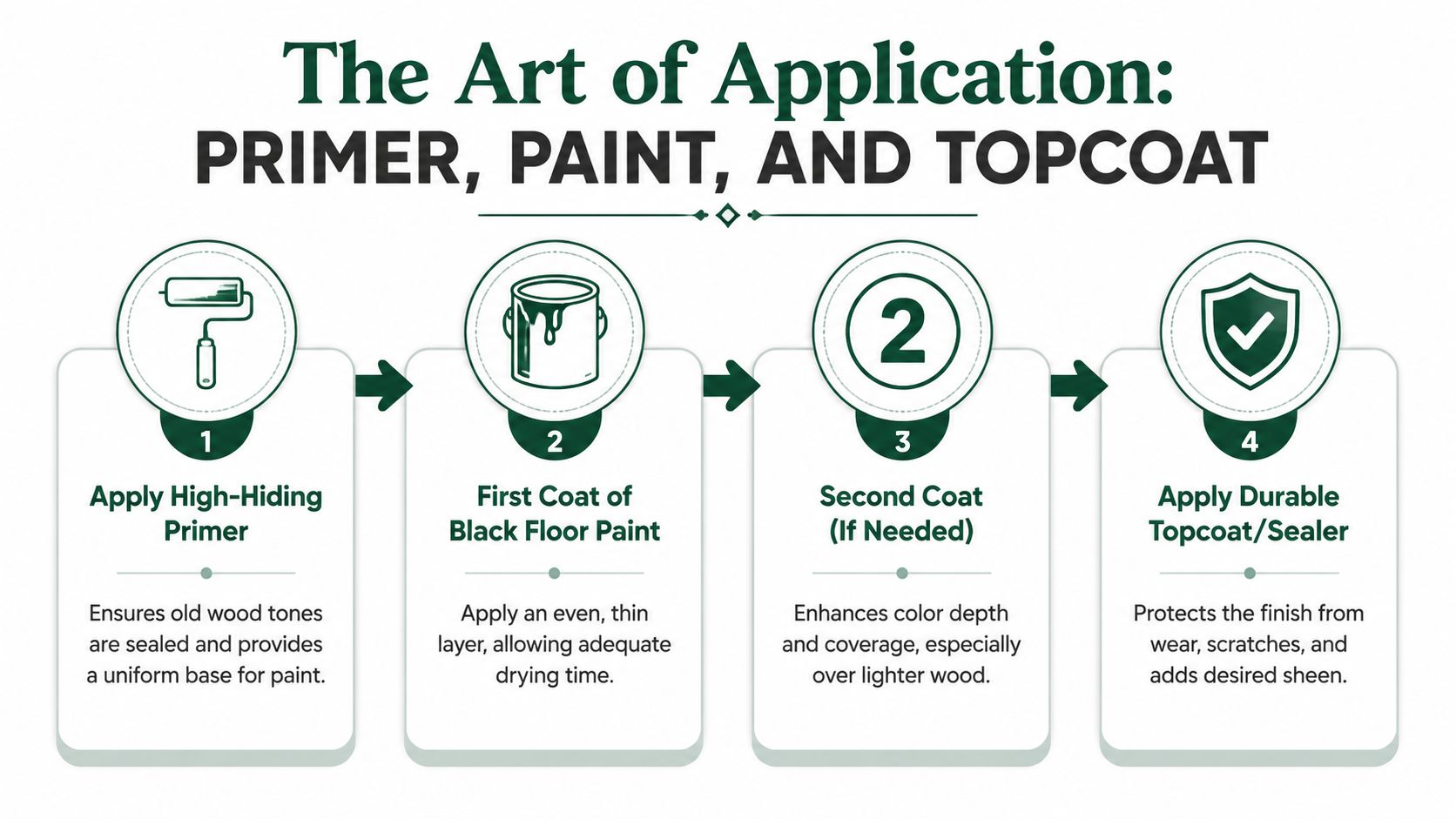
The Art of Application Primer Paint and Topcoat
A black floor can look sharp on day one and tired by month six if the coating system is wrong. The finish build matters as much as the color itself. On painted hardwood, Richmond homeowners are not choosing a stain tone. They are building a film on top of the wood, and that film has to bond well, cover evenly, and stand up to daily traffic.
Start with products made for floors
Use a floor-rated primer and a floor enamel or floor paint that the manufacturer allows over wood. Wall paint is the wrong product here. It does not handle abrasion, chair movement, dog nails, and repeated cleaning the way a floor coating does.
Shellac-based primer is a common choice because it seals fast and blocks some of the uneven absorption that can make black paint look patchy. As outlined in Ideal House's black hardwood floor painting guide, pros typically apply thin coats with the grain and allow full dry time between coats, often about 24 hours depending on the product and site conditions. That same guide also notes that coverage is limited, so larger rooms can use far more material than homeowners expect once primer, two paint coats, and waste are factored in.
Application technique decides how professional it looks
Black shows every overlap, stop mark, and missed edge. That is the hard truth with this color. A painter who gets away with minor inconsistency on a medium brown floor usually will not get away with it on black.
Good application means maintaining a wet edge, cutting in carefully, and spreading each coat evenly instead of trying to get full coverage in one pass. Heavy coats create their own problems. They dry slowly, stay soft longer, and are more likely to show roller texture, bubbling, or uneven sheen under window light.
Primer quality matters here too. If the base coat does not seal uniformly, the finish can read charcoal in one area and deep black in another. I see that most often where old repairs, filler, and board density vary across the room.
A few rules keep the result cleaner:
- Use products approved for wood floors: Check the label and the manufacturer's system, not just the color.
- Apply thin, even coats: Better hiding comes from build and consistency, not from flooding the floor.
- Follow the recoat window: Paint that feels dry to the touch may still be too green for the next coat.
- Watch room conditions: Humidity in Richmond can slow drying and change how the finish levels.
The topcoat carries the wear
On a painted floor, the topcoat is the sacrificial layer. It takes the scuffs so the black color underneath lasts longer. Skip it, and the paint film will show traffic lanes, scratches, and dull spots much sooner.
That is one of the biggest differences between painting and staining. With stain, color sits in the wood and the clear finish protects it. With paint, both the color coat and the clear coat are part of a surface film. Once that film starts to fail, repair is rarely invisible.
For homeowners comparing clear-coat options, this guide to water-based polyurethane finishes for hardwood floors explains how sheen, dry time, and durability affect the final result.
Lower sheen is usually easier to live with on black. Gloss and semigloss can look dramatic, but they also highlight dust, footprints, and every small scratch. In busy Richmond homes, I usually advise homeowners to choose the finish that will still look good on an ordinary Tuesday, not just right after the photos are taken.
Cost Timeline and When to Hire a Pro in Richmond
A lot of Richmond homeowners reach the same point after pricing out black painted floors. The material cost looks manageable at first. The labor, downtime, and margin for error are what change the decision.
Painting a hardwood floor black is full refinishing work with a color layer added on top. That means sanding to bare wood, correcting surface problems, applying the right primer and paint system, then protecting it with a clear topcoat that can handle foot traffic. If any one of those steps is off, black makes the mistake easy to see.
What professional pricing looks like
In Richmond, full sanding and refinishing usually lands in the range of $3 to $8 per square foot, or about $3,000 to $8,000 for 1,000 square feet, according to Buff & Coat's Richmond hardwood floor refinishing cost guide.
The calendar matters as much as the quote. A floor may be dry enough to walk on before it is ready for normal use. Furniture, pets, rugs, and heavy traffic can mark a painted black floor early if the coating has not cured long enough. Homeowners often underestimate that part.
Most projects take several days for sanding, prep, paint, and topcoat, then additional cure time before the room is back to normal. In an occupied Richmond house, that can be the harder cost to manage.
When DIY stops being the cheaper option
DIY can still make sense on a small, low-risk room if the floor is flat, the boards are stable, and you already have the right equipment. A spare bedroom is one thing. A main living area, hallway, or older first floor in a Fan or Museum District home is another.
Black paint raises the standard. Lap marks, dust in the finish, roller texture, uneven coverage, and patched boards that do not sand the same way all show up fast. If the result fails, the fix is usually another full sanding cycle, not a quick touch-up.
A pro is usually the better call if any of these apply:
- The floor has repairs or visible damage: Deep scratches, old patchwork, cupped boards, and movement need correction before paint goes down.
- The home is older: Many Richmond houses have mixed wood species, previous repairs, or uneven board heights that complicate sanding and adhesion.
- The room gets hard use: Kitchens, family rooms, entries, and dog-heavy households are rough on painted surfaces.
- You want the least dust and disruption possible: Professional sanding setups make a real difference in lived-in homes.
- You expect a furniture-grade look: Black is sharp when done well, but it is one of the least forgiving floor finishes to execute.
There is also a judgment call that homeowners cannot always make from the surface. Some floors are poor candidates for black paint because of board condition, prior coatings, or how much seasonal movement the floor already shows. That is where experience matters. A good finisher can tell you whether to paint, stain, recoat, or leave the floor natural instead of pushing the most aggressive option.
For a simple refresh, a buff and coat or recoating service may be enough. For black paint, you are committing to a much more demanding process. If you want a straight answer on cost, timeline, and whether your floor is a good candidate, call 804-392-1114 and get a professional assessment before you start moving furniture.
Why Richmond Homeowners Choose Buff & Coat
Homeowners looking for the best hardwood floor contractor Richmond usually want the same thing. Clear advice, quality workmanship, and no surprises.
The Buff & Coat Advantage
| Feature | Benefit for Your Project |
|---|---|
| 15 years in business | Experience matters on demanding finish work like black painted floors |
| Dustless sanding systems | Helps create the clean surface a dark finish needs and keeps the home more livable |
| Local, owner-operated | Straight answers from a Richmond-area company that knows local homes |
| High-quality finishes | Better durability, better appearance, and a more dependable end result |
| Clear pricing and honest advice | Helps homeowners choose between refinishing, recoating, repair, or replacement |
| 5-star customer service | Better communication before, during, and after the job |
Buff & Coat Hardwood Floor Refinishing serves Richmond, Midlothian, Chesterfield, Henrico, Glen Allen, Short Pump, Mechanicsville, and occasional jobs in Charlottesville, Fredericksburg, and Virginia Beach. From hardwood floor repair to floor installation Richmond projects, the focus stays the same. Do the work carefully and make the process easier on the homeowner.
Frequently Asked Questions About Black Hardwood Floors
Black painted floors get a lot of attention in photos. In real Richmond homes, the questions are usually about wear, upkeep, and whether the existing floor can even take the process.
Can engineered hardwood be painted black?
Sometimes. The deciding factor is the wear layer thickness and the condition of the top veneer.
Some engineered floors can be sanded and painted successfully. Others are too thin, already peeling, or have factory finishes that create adhesion problems. This is one of the places where homeowners get into trouble trying to treat engineered flooring like solid hardwood. It needs to be evaluated board by board before sanding starts.
Will black floors make a room feel smaller?
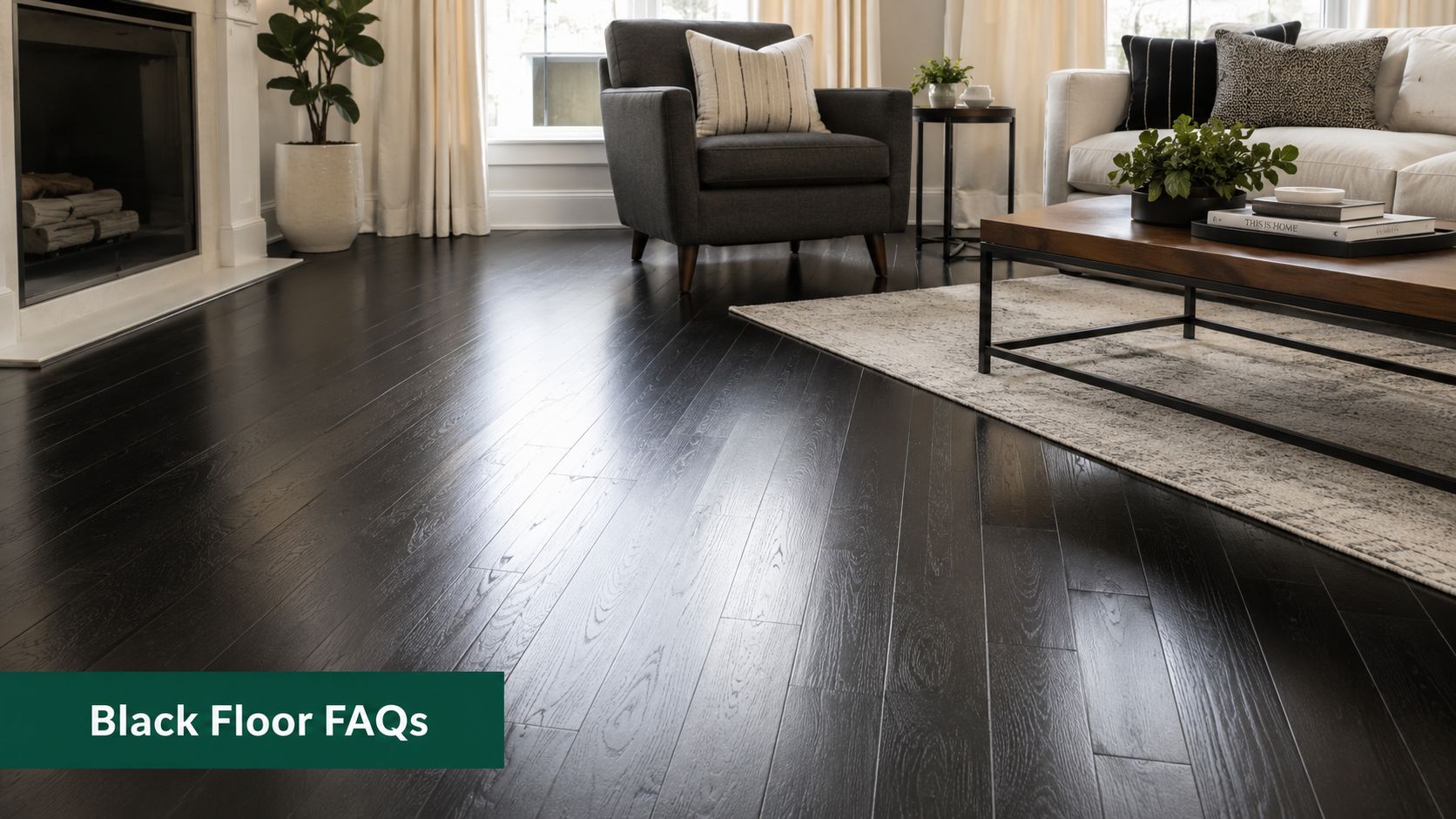
They can, especially in older Richmond homes with limited natural light, lower ceilings, or dark furniture. Black floors usually look better when the room has contrast through lighter walls, painted trim, rugs, and stronger lighting.
A dark floor can look sharp and grounded. It can also make a room feel heavy if the rest of the space is dark too.
How do you maintain black floors?
Expect to clean them more often than medium-tone floors. Dust, pet hair, crumbs, and dried footprints show faster on black, especially in sunlight. Regular dry sweeping or microfiber dust mopping helps keep the finish from getting gritty.
For long-term care standards, the National Wood Flooring Association maintenance resources are a solid reference point.
What if the floor has scratches or board damage first?
Repairs come first. Black paint does not hide board damage the way some homeowners expect. It often highlights low spots, patched areas, edge splintering, and deep scratches because the color creates stronger contrast across the floor.
If a floor has loose boards, bad patches, pet stains, or old repairs, address that work before any primer or paint goes down.
How long does refinishing take?
Most black floor painting projects take several days once sanding, prep, coating, and dry time are included. Full cure takes longer, so furniture move-in and heavy traffic usually need to wait beyond the last coat.
The exact timeline depends on floor condition, humidity, product choice, and how much repair work is needed first.
Is a buff and coat enough if I want black floors?
No. A buff and coat only refreshes an existing finish. It does not change the floor color, and it will not give you a painted black result.
Changing a hardwood floor to black means full prep, full coating, and careful finish work. If the floor has damage, thin engineered veneer, or moisture concerns, that is the point where a pro should step in.


