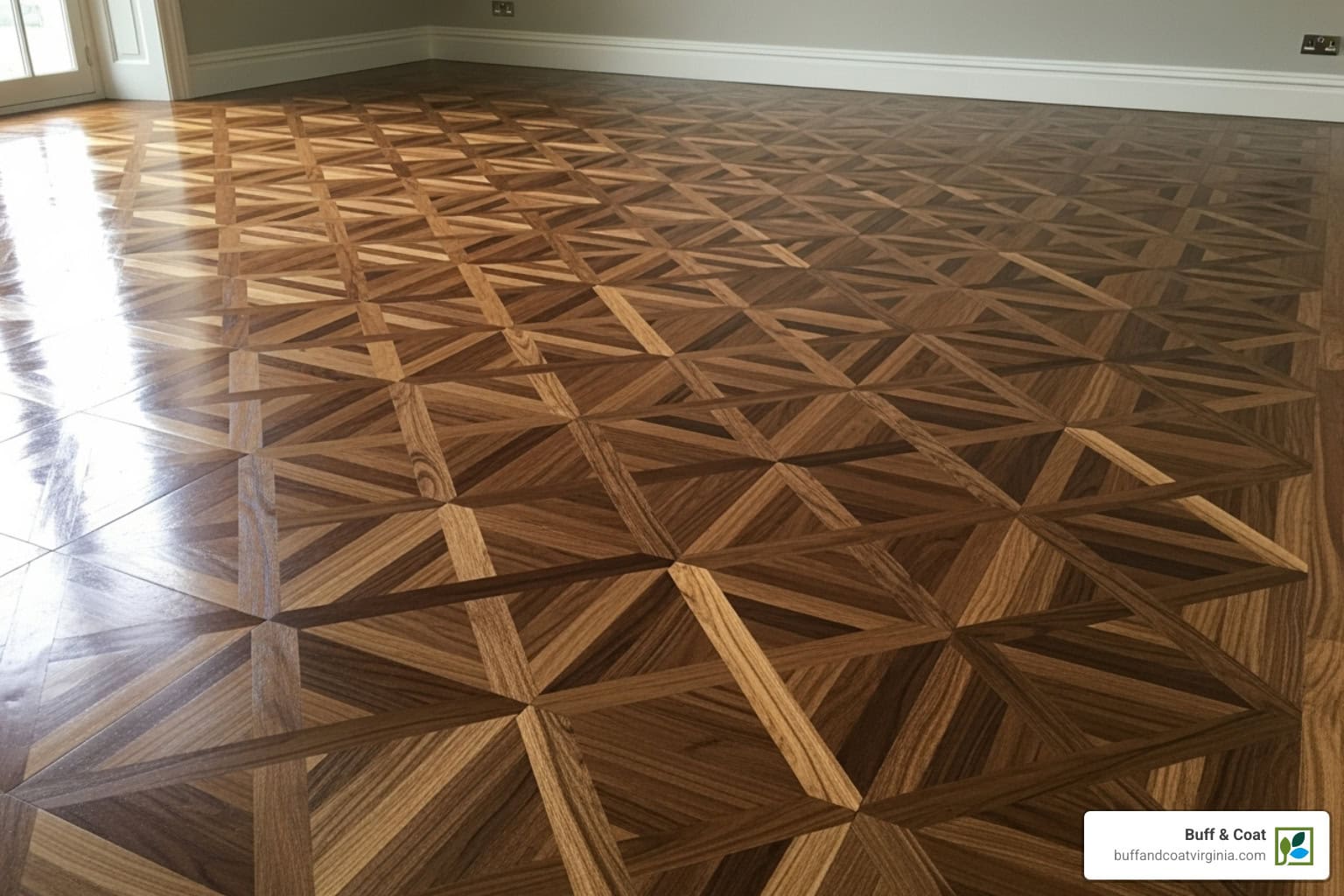
Why Parquet Flooring Restoration Is Worth Every Effort
Parquet flooring restoration can transform worn, damaged floors back to their original beauty, preserving decades of craftsmanship. If you’re looking for expert hardwood floor refinishing, restoring a parquet floor is a rewarding project that improves your home’s beauty and value. The process involves several key stages:
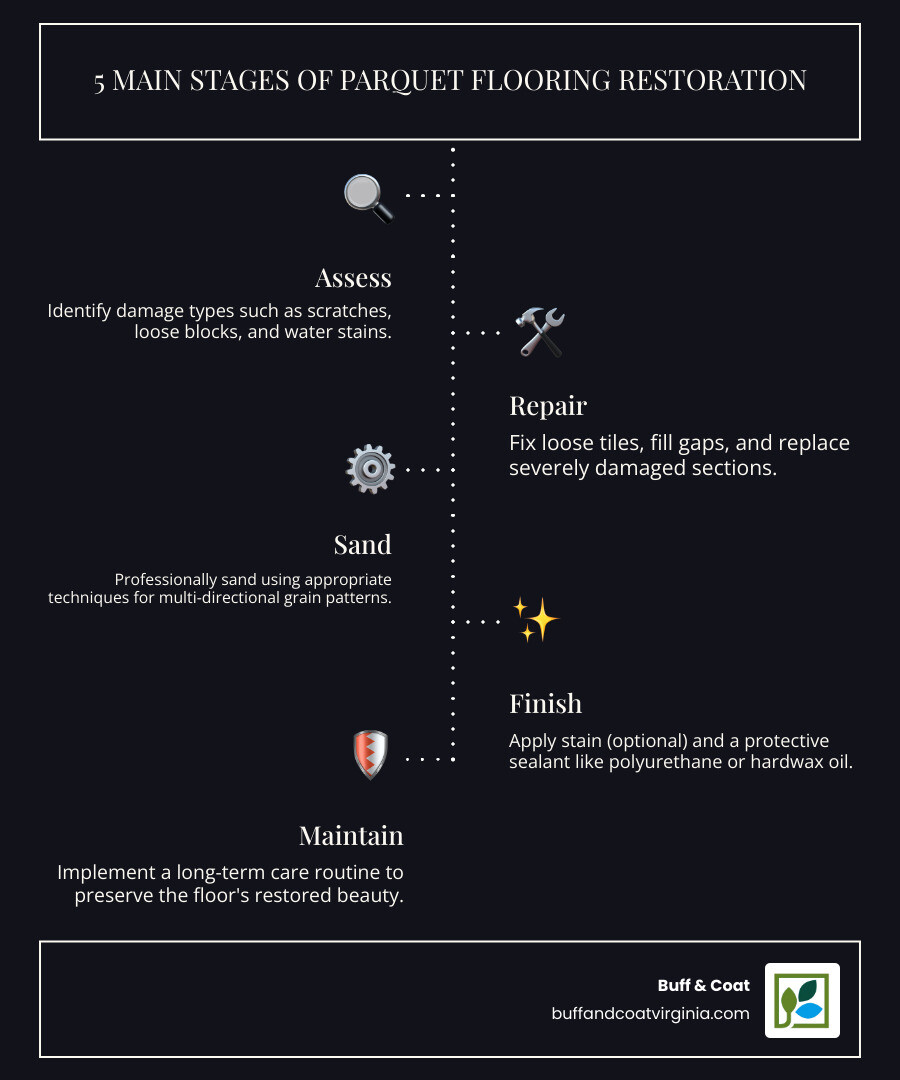
Key Steps for Parquet Flooring Restoration:
- Assess – Identify damage like scratches, loose blocks, and stains.
- Repair – Fix loose tiles, fill gaps, and replace damaged pieces.
- Sand – Use the proper technique for multi-directional grain patterns.
- Finish – Apply stain (optional) and a protective sealant.
- Maintain – Follow a care routine to preserve your investment.
These intricate floors are a testament to history, often made from wood species that are now rare. Restoring them is more than a renovation; it’s an act of preservation. However, parquet presents unique challenges due to its varying grain directions. I’m David Emmerling, and with over 20 years of experience, my company specializes in dust-free refinishing that protects the beauty of these historic floors while minimizing disruption.
Similar topics to parquet flooring restoration:
- book dust-free floor sanding service
- cost of professional floor sanding services
- floor sanding contractors
Preparation: Assessing Your Parquet Floor and Gathering Supplies
Proper preparation is the key to a successful parquet flooring restoration. Before you begin, it’s crucial to understand your floor’s unique characteristics, identify damage, and gather the right supplies. This phase separates a beautiful restoration from a costly mistake. For extensive damage, consider professional floor sanding services, but even then, understanding your floor’s condition is essential.
Understanding the Value and Common Issues
Parquet floors are works of art, with intricate patterns like herringbone, chevron, basketweave, or the elaborate Versailles pattern. Many vintage floors use wood species that are now rare, making your floor a piece of history. Restoring it preserves craftsmanship that can’t be replicated today.
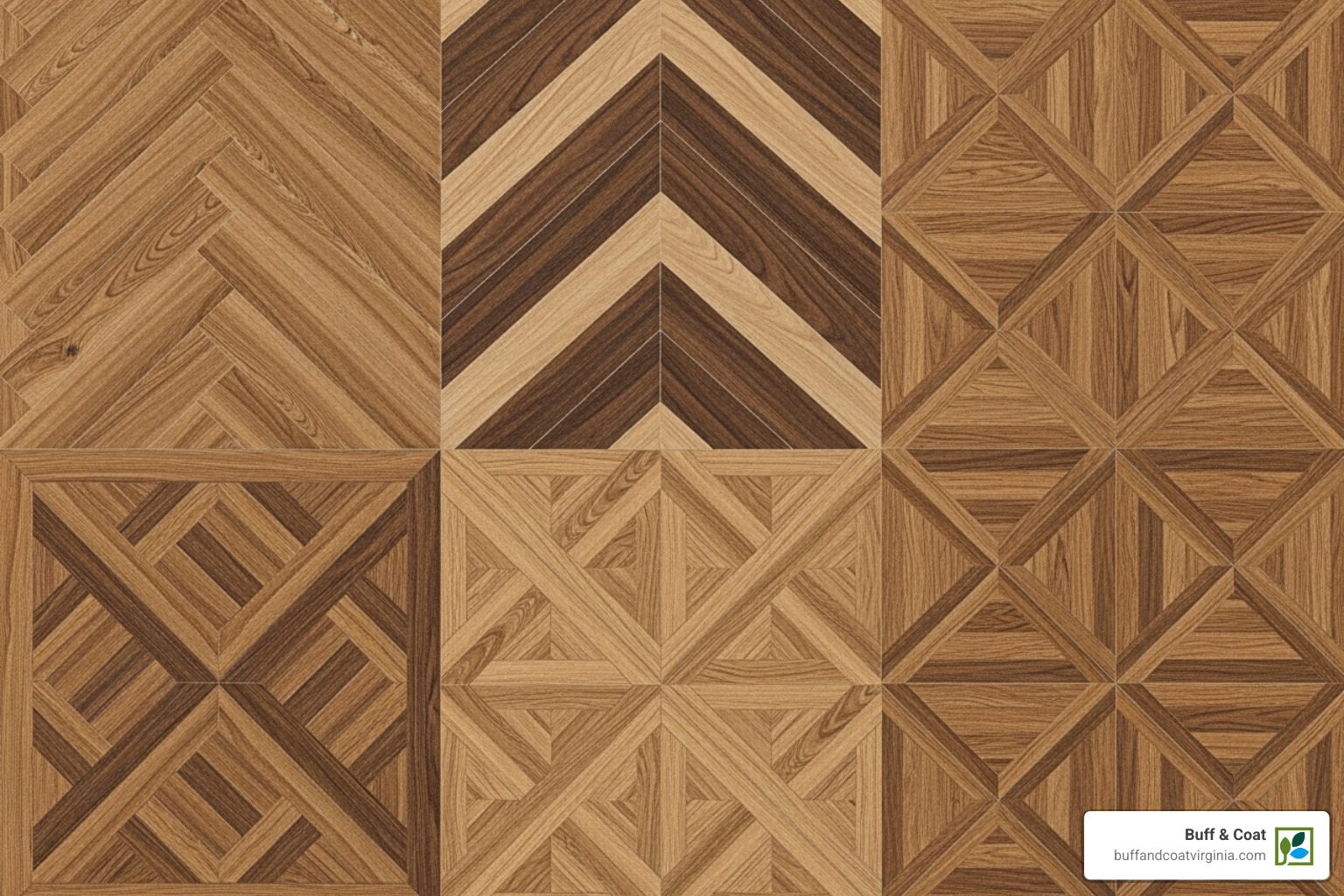
Identifying your parquet pattern is key to understanding its unique restoration needs.
Walk your floor and look for common issues:
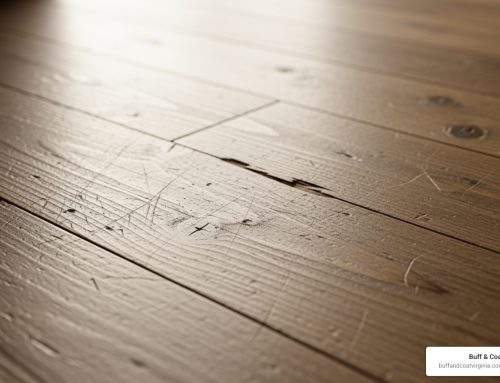
- Surface scratches and scuffs from daily life.
- Deep gouges and dents from dropped objects.
- Water damage and stains, appearing as dark spots.
- Gaps between blocks from wood shrinkage.
- Loose or damaged tiles that creak or move.
- Fading from UV light, especially near windows.
- Warped or cupped boards creating an uneven surface.
This assessment will guide your entire restoration strategy.
Essential Cleaning and Prep Work
Preparing your space is critical. Start by removing all furniture and obstacles. Next, secure the room by covering vents and doorways with plastic sheeting to contain dust.
A deep cleaning of your hardwood floors is next. Use a pH-neutral wood cleaner with a damp (not wet) mop, and dry immediately. Hammer down or remove any loose nails or staples, and tape off baseboards to protect them.
Safety is non-negotiable. Ensure proper ventilation by opening windows. Wear protective gear, including safety goggles, a dust mask or respirator, and ear protection. Keep electrical cords organized to prevent tripping hazards. This thorough preparation is the foundation of a successful project.
The Heart of the Matter: A Guide to Parquet Flooring Restoration
With the prep work done, it’s time for the restoration itself. This is where the magic happens, revealing the stunning beauty hidden beneath years of wear. This phase requires patience and the right techniques, which is why many homeowners opt for professional dust-free floor sanding services. Parquet’s unique challenges can quickly overwhelm a DIY project.
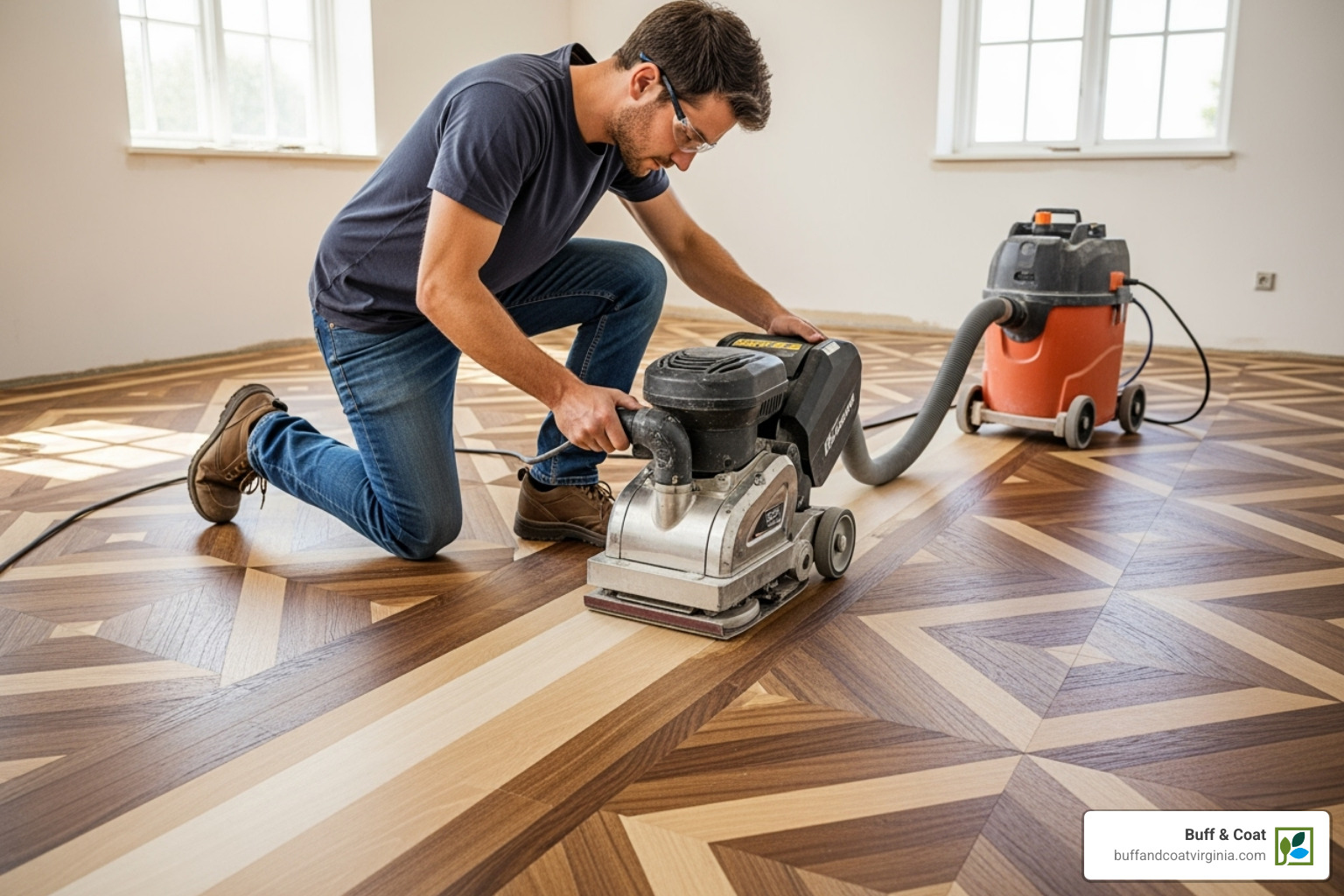
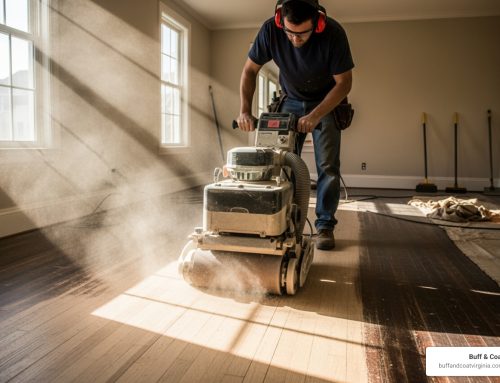
For complex parquet patterns, professional dust-free sanding ensures precision and minimal mess.
Repairing Minor and Major Damage
Before sanding, address any damage.
- Surface scratches: Use a wood touch-up pen or gently sand with 220-grit sandpaper and apply matching wax.
- Deeper gouges: Use a quality wood filler that matches your wood. Overfill slightly, smooth it, let it dry, and sand it flush.
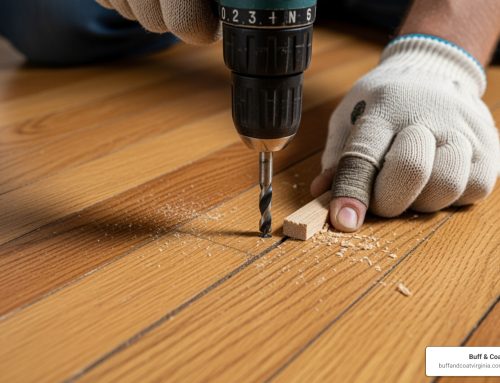
- Loose tiles: Carefully lift the tile, clean away old adhesive, apply fresh wood adhesive, and press it back into place, using weights to hold it down until cured.
- Severely damaged blocks: These require replacement. This can be tricky, as you need to find matching wood. Carefully chisel out the old block, clean the area, and install the new one. For more details, see our post on hardwood floor board replacement.
- Gaps and cracks: Fill small gaps with wood filler during the sanding process. For larger cracks, apply filler directly, let it dry, and sand flush.
- Water damage: First, eliminate the moisture source. Minor warping may be fixed by drying and weighting the area, but severe damage usually requires block replacement.
The Correct Sanding Process for Parquet Flooring Restoration
Sanding parquet is challenging because its grain runs in multiple directions. Using the wrong approach can create scratches that are nearly impossible to fix.
Choosing the right sander is critical. An orbital sander is strongly recommended over a belt sander, as it’s more forgiving on multi-directional grain. For edges and corners, you’ll need an edging sander or a smaller random orbital sander.
The sanding technique for parquet is different. Instead of following the grain, you work diagonally. Start with a coarse grit (40-60), sand diagonally in one direction, then repeat in the opposite direction. This levels the floor and removes old finish evenly. Keep the sander moving constantly to avoid creating depressions.
Progress through grits systematically: 80-100 grit for the medium pass, then 120 grit for final smoothing. Don’t skip grits. Vacuum thoroughly between each grit to remove debris that could scratch the floor. After the final vacuuming, wipe the floor with mineral spirits to remove any remaining fine dust without raising the grain. This ensures your finish adheres perfectly.
Finishing Touches: Staining, Sealing, and Buffing
After sanding, your smooth parquet floor is ready for the most rewarding part of parquet flooring restoration: applying the finish. This step brings out the wood’s natural beauty and protects it for years to come.
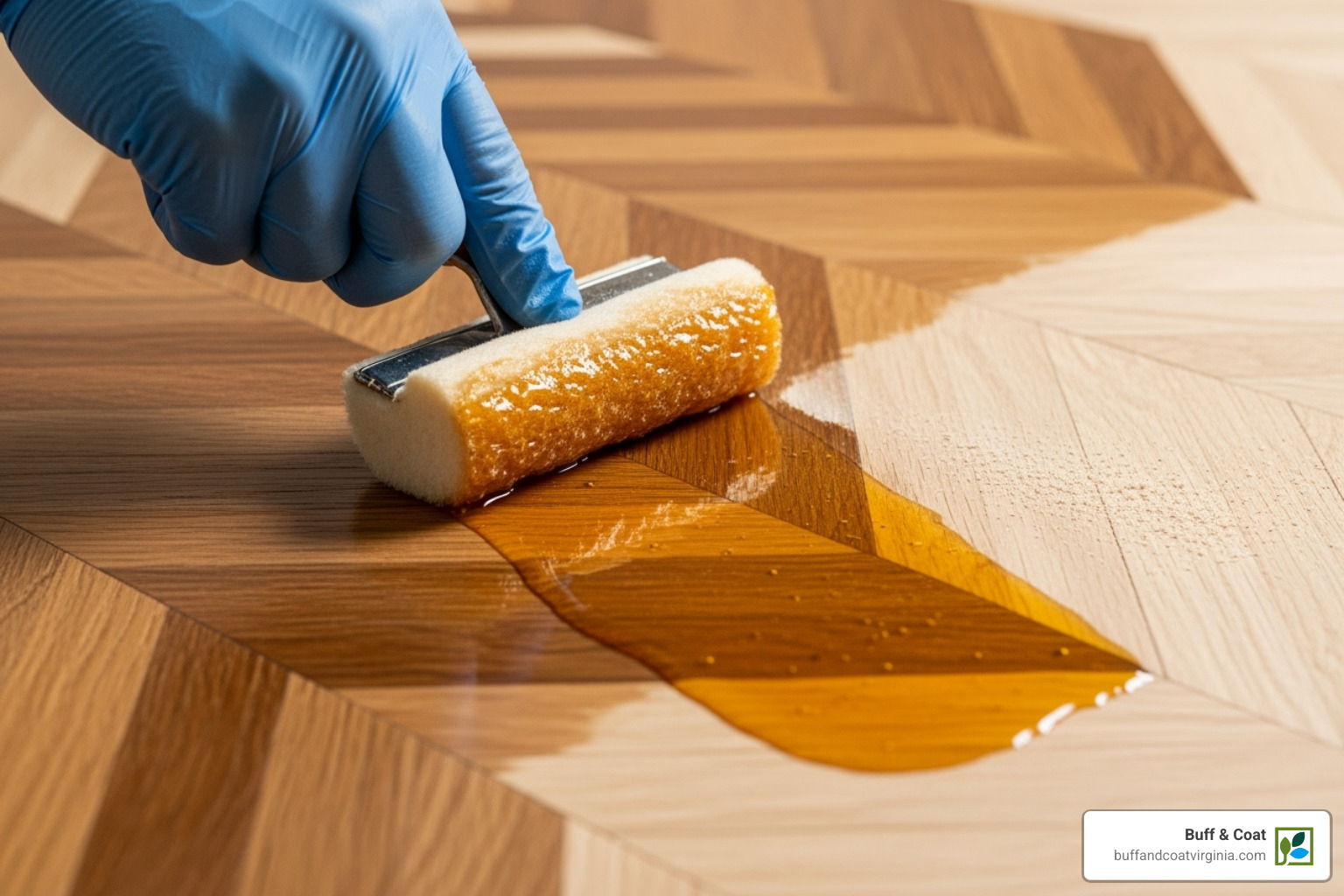
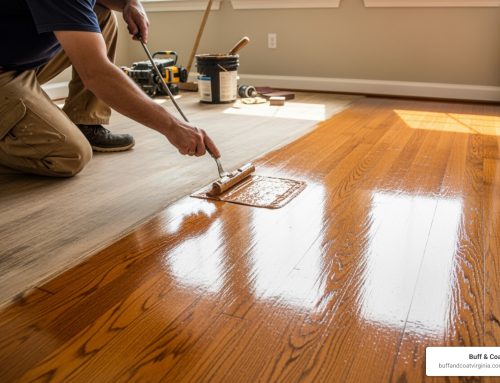
The right finish can dramatically transform your parquet floor, bringing out its unique character and grain patterns.
A Homeowner’s Guide to Parquet Flooring Restoration Finishes
Deciding whether to stain and which protective finish to use will define your floor’s final look and durability.
Testing and Applying Stain
Staining can deepen tones or even out color variations, but it’s not always necessary. The golden rule is to always test first on an inconspicuous area or a spare piece of wood. When applying, work in small sections, follow the grain within each block, and wipe away excess stain after letting it penetrate.
Choosing Your Protective Finish
A protective finish is essential. Here are your main options:
| Feature | Oil-Based Polyurethane | Water-Based Polyurethane | Hardwax Oil (e.g., Rubio Monocoat) |
|---|---|---|---|
| Appearance | Warm, amber glow | Clear, non-yellowing | Natural, matte finish |
| Durability | Very durable | Durable | Good, spot-repairable |
| Drying Time | Longer (8-24 hours/coat) | Faster (2-4 hours/coat) | Faster (cures in days) |
| VOCs / Fumes | Higher | Lower | Very low |
| Application | 2-3 coats | 3-4 coats | 1-2 coats |
| Maintenance | Requires full re-sanding | Requires full re-sanding | Easy to refresh |
| Feel of Floor | Plastic-like coating | Plastic-like coating | Feels like real wood |
Hardwax oils like Rubio Monocoat offer a one-step stain and seal process, resulting in a beautiful matte sheen that feels like natural wood. For a more dramatic look, explore high-gloss floor finish options.
Proper Application Techniques
Apply thin, even coats, working your way out of the room. For polyurethane, lightly sand between coats with 220-grit sandpaper and clean thoroughly before the next layer. Allow each coat to dry completely per the manufacturer’s instructions.
The Importance of Buffing for a Professional Sheen
After the final coat has cured, buffing is the step that creates a truly professional look. It involves using a floor buffer to smooth out microscopic imperfections and even out the sheen. This is a central part of our signature process at Buff & Coat.
To buff, use a floor buffer with a white or red pad on a completely cured finish. Keep the machine moving constantly to avoid swirl marks. For more details, see our guide on how to buff wood floors. This final touch transforms a good floor into a stunning one.
Long-Term Care and Knowing When to Call a Pro
Your restored parquet floor is stunning, but proper maintenance is key to protecting this investment for decades. Consistent, small efforts will keep your floor healthy and beautiful.
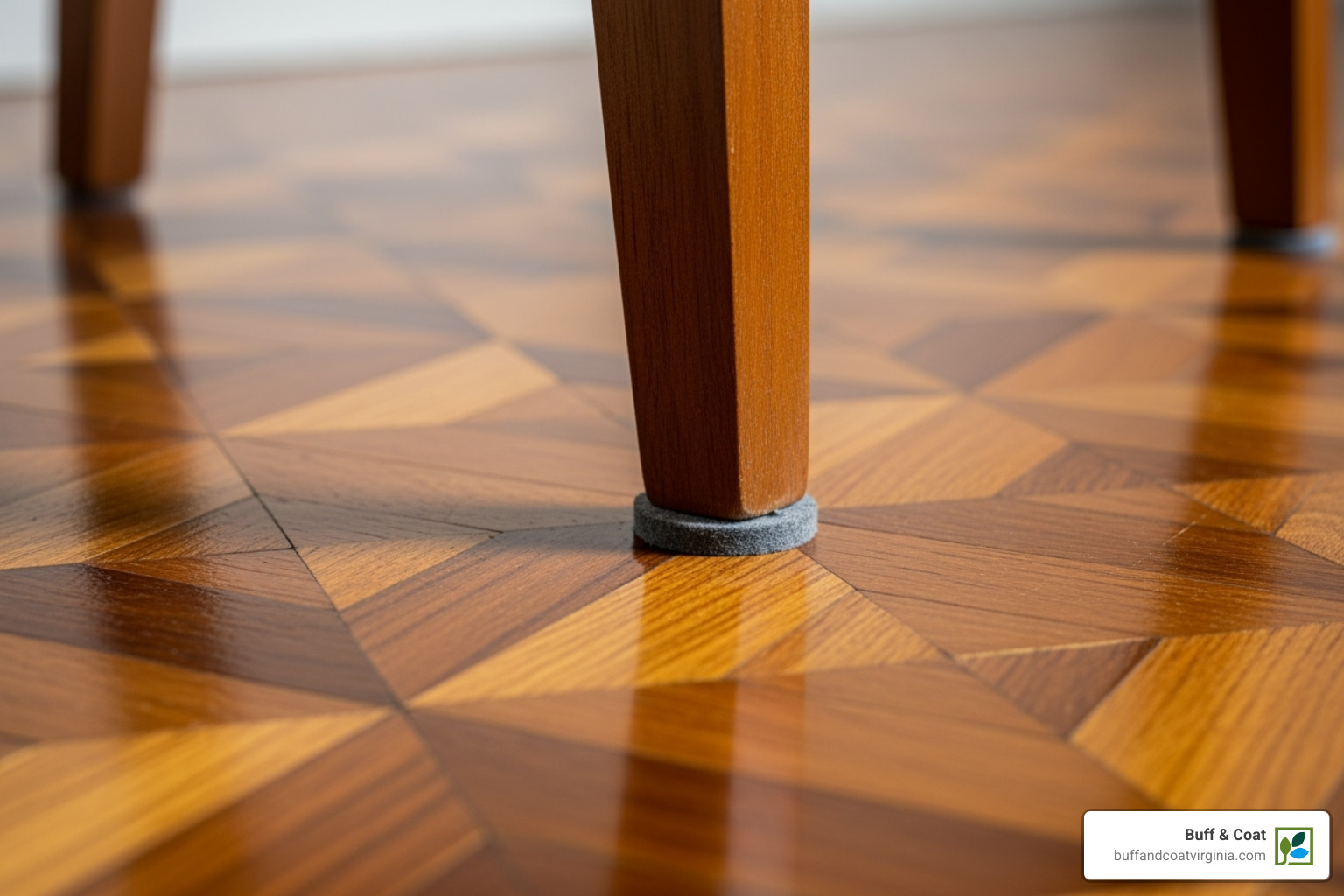
Small preventative measures, like furniture pads, can make a big difference in preserving your restored parquet floor.
Preventative Maintenance for Lasting Beauty
Keeping your parquet flooring restoration looking its best is about consistency.
- Daily Cleaning: Sweep or vacuum with a soft brush to remove grit that can scratch the floor. Blot spills immediately with a soft cloth.
- Furniture Protection: Use felt pads under all furniture legs and check them regularly for wear.
- Humidity Control: Maintain indoor humidity between 45-55% to prevent wood from shrinking or expanding.
- Sunlight Protection: Use window treatments or UV-filtering films to prevent fading.
- Proper Cleaners: Stick to pH-neutral cleaners designed for hardwood floors. Avoid harsh chemicals, wax, and steam mops. For more ideas, see our tips for high-traffic floor protection.
When to Hire a Professional Restoration Service
Sometimes, a DIY project is not the best approach. Knowing when to call a professional can save you time, money, and stress.
Call for help if you see:
- Extensive damage: Widespread water damage, multiple loose blocks, or severe warping often require specialized equipment and knowledge.
- Complex patterns: Intricate designs like Versailles are unforgiving. One mistake with a sander can cause permanent damage.
- Lack of time or equipment: Professionals can complete a job in days that might take a DIYer weeks. They also offer dust-free sanding, which contains 99% of the mess and makes the process much more livable.
When choosing a contractor, look for companies with specific experience in parquet floors. Ensure they are insured and can provide references. For homeowners in the Richmond, VA area, we have over 20 years of experience with these delicate floors. Learn more about the importance of hiring professionals for hardwood floor refinishing on our blog.
Frequently Asked Questions about Parquet Floor Restoration
We get many questions about parquet flooring restoration. After two decades of working with homeowners, I’ve compiled answers to the most common queries.
How much does it cost to restore a parquet floor?
The cost of parquet flooring restoration depends on several factors. The primary drivers are square footage, the level of damage, and the type of finish selected. A floor with minimal wear will cost less than one with water damage or loose blocks requiring extensive repairs. Premium hardwax oils also cost more than standard polyurethane finishes.
A DIY project might cost $300-500 in materials and rentals, but this doesn’t account for your time or the risk of costly mistakes. Professional services cost more upfront but include expertise, industrial-grade dust-free equipment, and guaranteed results. For a detailed breakdown, see our guide on the cost of professional floor sanding services.
Can you use a drum sander on a parquet floor?
Technically, yes, but you shouldn’t. Drum sanders are aggressive and designed for traditional strip flooring where the grain runs in one direction. On parquet, with its multi-directional grain, a drum sander poses a huge risk of cross-grain scratching and gouging. These marks are extremely difficult to remove and can permanently damage the pattern.
For parquet, we always recommend orbital sanders or multi-disc sanders. They are far more forgiving and designed to handle complex grain patterns without causing damage. It’s safer to use the right tool or hire a professional who has one.
How long does the parquet restoration process take?
The timeline for parquet flooring restoration varies. The size of the space and the extent of repairs are the biggest factors. Re-adhering loose blocks or filling gaps adds significant time.
However, drying and curing times often dictate the project’s length. Wood filler, stain, and each coat of finish need to dry completely. The final coat requires days or even weeks to fully cure and achieve maximum durability.
A typical professional project takes 3-5 days for an average room. A DIY project could take several weeks of evenings and weekends. Patience is essential for a successful outcome.
Conclusion
Parquet flooring restoration is more than a home improvement project; it’s an act of preserving history and craftsmanship. From assessing damage to applying the final coat of finish, each step helps uncover the beauty hidden beneath years of wear. The intricate patterns of a restored parquet floor tell a story and add timeless elegance to your home.
While a determined DIY enthusiast can find great satisfaction in this work, the complexities of parquet should not be underestimated. Sanding multi-directional grains and achieving a flawless finish requires skill and precision. For these reasons, the smartest decision is often to call in experts.
At Buff & Coat, we have spent over 20 years perfecting our dust-free sanding techniques for delicate floors like parquet. Our signature process restores your floors and protects them for the future, all while keeping your home clean. We love seeing a worn floor transform into a stunning centerpiece.
Your parquet floors are ready to shine again. Whether you tackle this labor of love yourself or trust it to professionals, the results will dramatically improve your home’s beauty and value. We provide free estimates for all our services. Ready to see what your floors have been hiding? Schedule your free inspection today and let us help bring those beautiful floors back to life.