Why Hardwood Buff and Coat is a Smart Investment
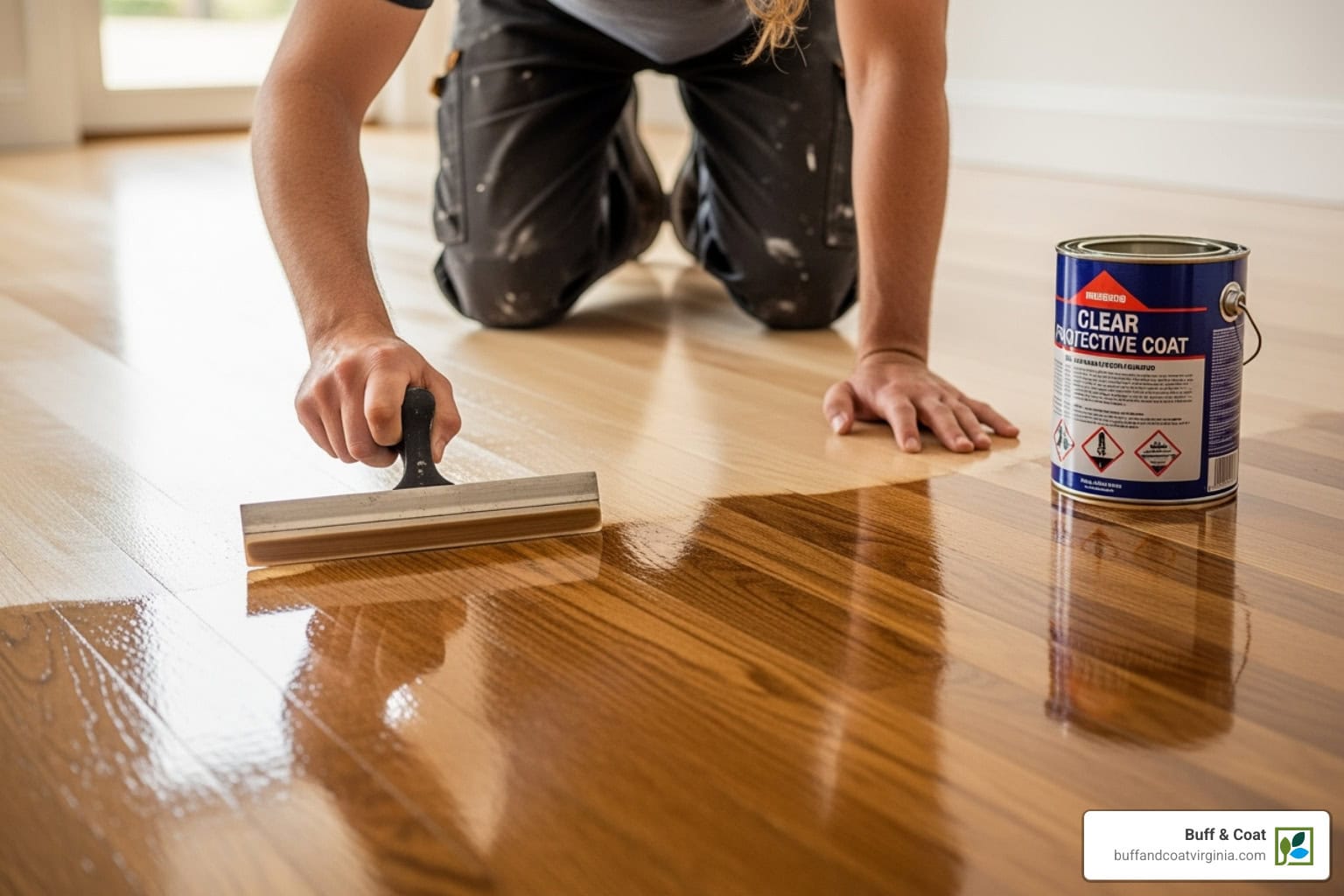
Hardwood buff and coat is a surface-level restoration process that can transform tired, scratched floors back to their original beauty. As a leading hardwood floor refinishing service, we know this maintenance procedure is a smart investment. It involves lightly abrading the existing polyurethane finish and applying a fresh protective coat, giving your floors new life in just one day without the time and expense of full refinishing.
What is a hardwood buff and coat?
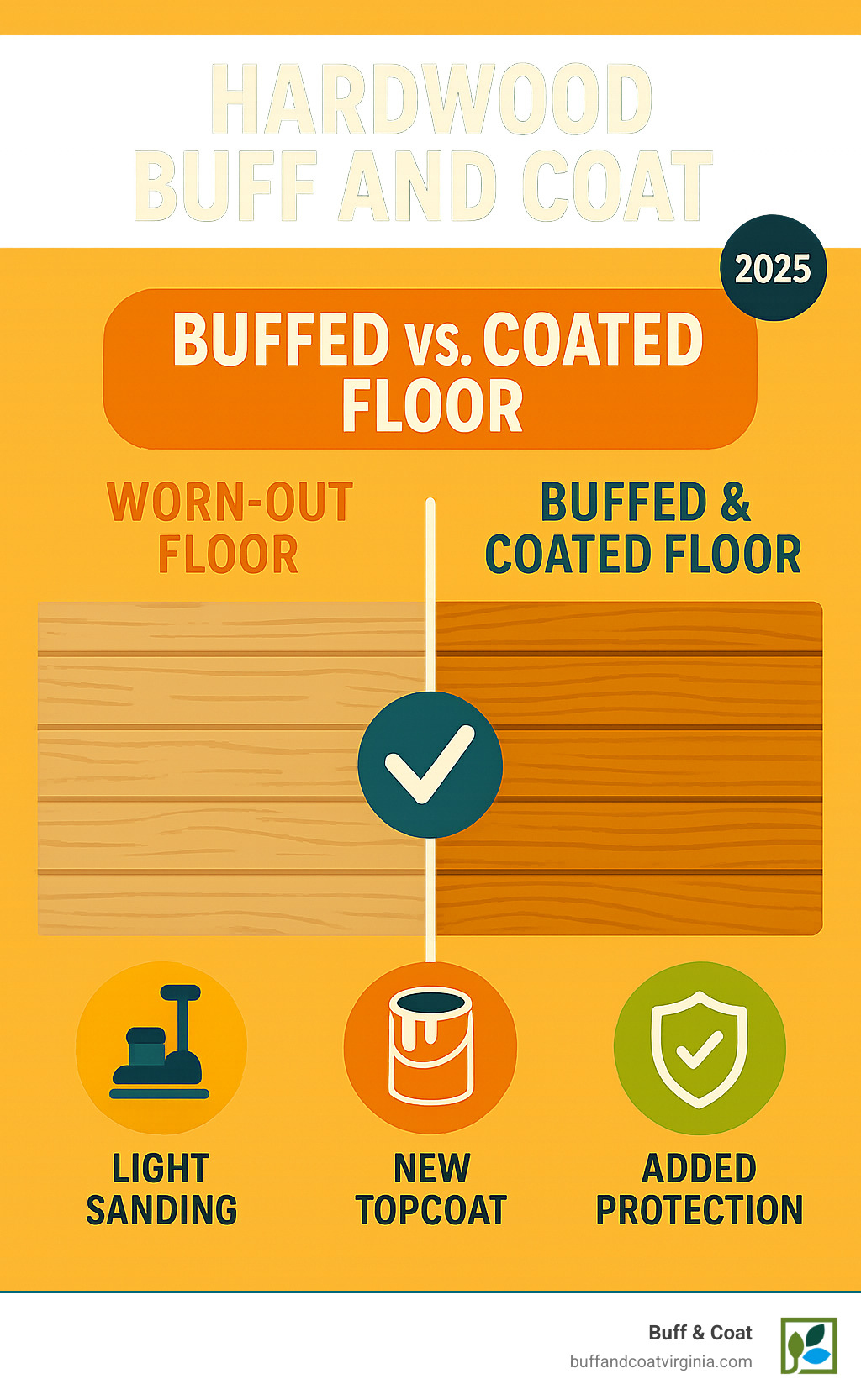
- A light sanding (screening) of the existing finish using fine abrasives
- Deep cleaning to remove contaminants and prepare the surface
- Application of a new polyurethane topcoat for protection and shine
- Cost: $1.50-$2.50 per square foot vs. $4.50-$6.40 for full refinishing
- Timeline: Completed in one day vs. several days for sanding and refinishing
- Best for: Minor scratches, dull finish, and surface-level wear
According to the National Association of REALTORS®, installing and refinishing hardwood floors ranks at the very top for home renovation projects with the best return on investment. A buff and coat offers an affordable way to maintain this valuable investment by refreshing the protective polyurethane layer before costly repairs become necessary.
The process works like sunscreen for your floors – the polyurethane acts as a sacrificial layer that absorbs daily wear and tear. When this protective coating starts to thin, a buff and coat replenishes it, preventing damage to the actual wood underneath.
I’m David Emmerling, President of Buff & Coat Hardwood Floor Refinishing, and I’ve spent over 20 years perfecting dustless hardwood buff and coat techniques that restore floors in a single day. My company serves homeowners throughout Richmond and the surrounding areas with eco-friendly restoration services that deliver professional results without the mess of traditional refinishing.
Hardwood buff and coat helpful reading:
What Exactly is a Hardwood Buff and Coat?
Picture this: your once-gorgeous hardwood floors now look tired and dull, with tiny scratches catching the light in all the wrong ways. You’re dreading the thought of a week-long sanding project with dust covering everything in your home. Here’s the good news – you probably don’t need that dramatic overhaul at all.
A hardwood buff and coat, also called a “screen and recoat process,” is like giving your floors a spa day instead of major surgery. This professional floor restoration service works by refreshing your existing finish rather than stripping everything down to bare wood.
Think of your floor’s polyurethane finish as a sacrificial layer – it’s designed to take the beating so your actual wood doesn’t have to. When this protective shield gets worn and scratched, a buff and coat replenishes it, buying you years before you’d need a full refinish.
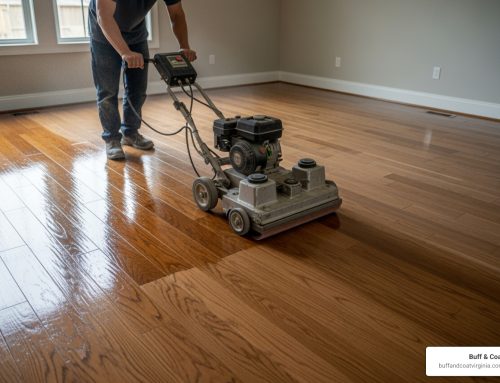
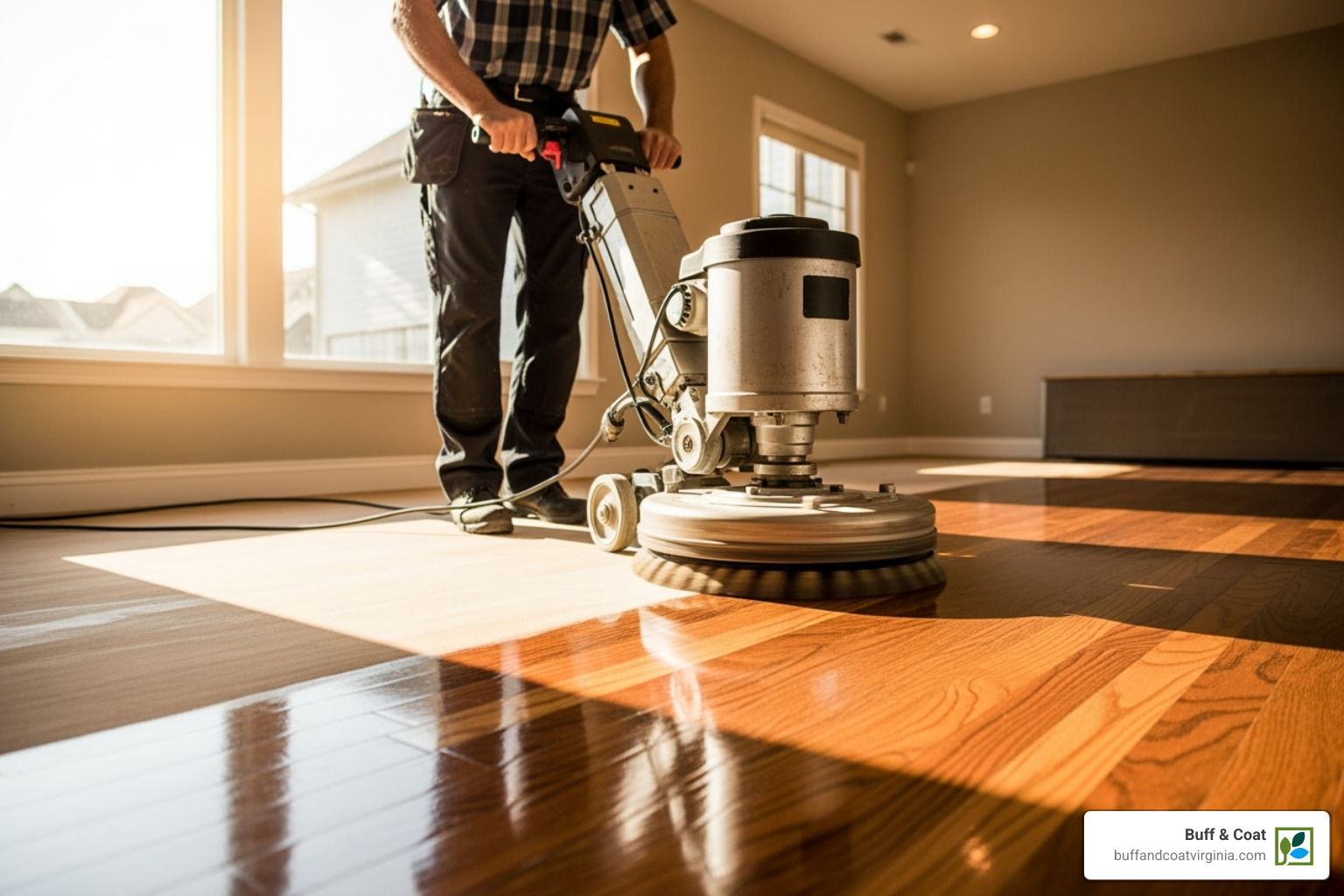
The magic happens through light abrasion rather than aggressive sanding. We use a professional buffer equipped with a fine mesh screen that gently roughens up the existing polyurethane topcoat. This creates the perfect texture for adhesion – allowing a fresh new finish to bond securely to what’s already there.
It’s preventative maintenance at its finest, and you can learn more about the detailed process in our guide on How to Buff Wood Floors.
The Step-by-Step Professional Process
A professional hardwood buff and coat isn’t just “slap on some finish and call it good.” It’s a carefully orchestrated process that starts with the most critical step: deep cleaning.
Before we even think about buffing, your floors get the royal treatment. We use specialized cleaners to strip away every trace of dirt, grime, and especially those sneaky residues from household products. You’d be amazed how many well-meaning homeowners sabotage their floors with the wrong cleaners – if there’s any wax or oil soap residue lurking around, that new finish will peel off faster than you can say “oops.”
Next comes the actual buffing with a screen. Our professional buffer, fitted with a fine-grit sanding screen, gently abrades just the top layer of your existing finish. For those tricky spots the big machine can’t reach – corners, edges near baseboards – we hand-sand to ensure every inch gets proper preparation.
The dust that’s created during buffing gets completely eliminated through HEPA filter vacuuming. Our advanced dust-free techniques mean you won’t find fine particles settling on your furniture days later. We use powerful backpack vacuums with HEPA filters to capture everything, keeping your home clean and your lungs happy.
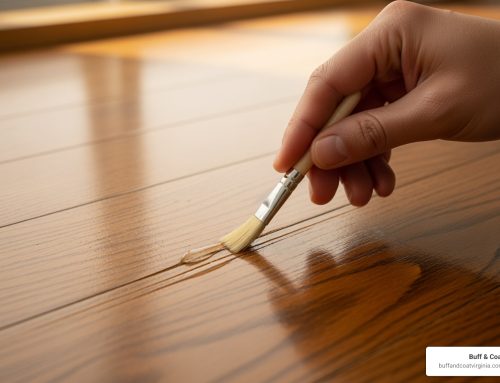
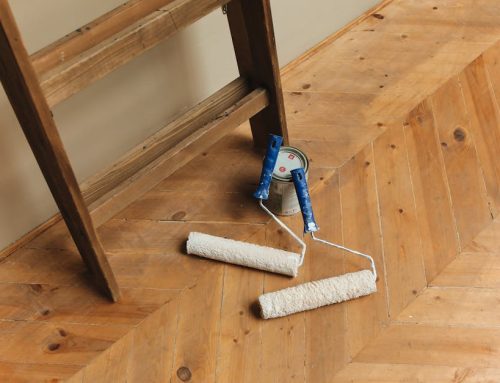
Finally, we apply the star of the show: a fresh coat of low-VOC waterborne polyurethane. We typically use premium brands like Loba, known for their durability, low odor, and environmental friendliness. This new protective layer brings back that beautiful shine while creating a barrier against future wear.
The curing time is crucial – while we complete the work in a day, the new finish needs time to fully harden. We’ll give you clear instructions on when you can walk on the floors and when it’s safe to move furniture back.
Can a Buff and Coat Change My Floor’s Sheen?
Absolutely! One of the most exciting aspects of a hardwood buff and coat is the opportunity to completely transform your floors’ appearance without the expense of full refinishing.
Maybe your floors currently have that high-gloss look from the 1990s, but you’re craving something more modern and subtle. Or perhaps your floors are too dull, and you want them to make more of a statement. During the recoating process, you can choose any sheen level that suits your personal preference.
Matte finish creates an almost natural, unfinished wood appearance – perfect for contemporary homes where you want the wood’s beauty to shine through without any obvious coating. It’s also fantastic at hiding minor imperfections and everyday wear.
Satin finish remains the most popular choice, offering a warm, subtle glow that works beautifully in most homes. It strikes the perfect balance between protection and aesthetics while being forgiving of daily life’s little accidents.
Semi-gloss finish steps up the shine factor, reflecting more light and making rooms feel brighter and more spacious. It’s ideal when you want your floors to have presence without going full-on glamorous.
High-gloss finish makes a dramatic statement with its mirror-like reflection. While it shows scratches more easily, it also showcases your wood’s natural beauty in the most stunning way possible – perfect for restoring shine to formal areas or when you really want your floors to wow.
The choice is entirely yours, and we’re here to help you select the perfect sheen to achieve your vision.
Buff and Coat vs. Sand and Refinish: Making the Right Choice
When your hardwood floors start showing their age, you’re faced with an important decision. Should you go with the quick, affordable hardwood buff and coat option, or is it time to invest in a complete sand and refinish? The answer depends on your floor’s current condition, your budget, and what you’re hoping to achieve.
Think of it this way: a buff and coat is like getting a fresh manicure, while sanding and refinishing is like getting reconstructive surgery. Both have their place, but choosing the wrong one can waste money or leave you with disappointing results.
Here’s how these two approaches stack up against each other:
| Feature | Hardwood Buff and Coat | Sand and Refinish |
|---|---|---|
| Process | Lightly abrades existing finish, applies new topcoat | Sands down to bare wood, applies new stain/finish |
| Depth of Work | Surface-level restoration | Comprehensive, removes top layer of wood |
| Ideal for | Minor scuffs, dullness, light surface scratches | Deep scratches, gouges, water damage, color change |
| Cost | Budget-friendly ($1.50-$2.50/sq ft) | Higher investment ($4.50-$6.40/sq ft) |
| Time | Typically 1 day | Several days to a week or more |
| Disruption | Minimal, virtually dustless and odorless | More disruptive, potential dust/fumes |
| Result | Restores shine, adds protection, maintains current look | Complete change, can change color, remove damage |
| Longevity | Extends life of existing finish | Resets floor’s lifespan, multiple refinishes possible |
The key difference? A buff and coat works with your existing finish, while sanding starts completely over. It’s the difference between maintenance and renovation. For detailed information about the sanding process, check out our guide on Floor Sanding and Polishing.
When a Hardwood Buff and Coat is the Perfect Solution
A hardwood buff and coat is like hitting the refresh button on your floors. It’s perfect when your hardwood looks tired but isn’t actually damaged. You know you’re a good candidate when your floors still have their protective finish intact – they just need that finish renewed.
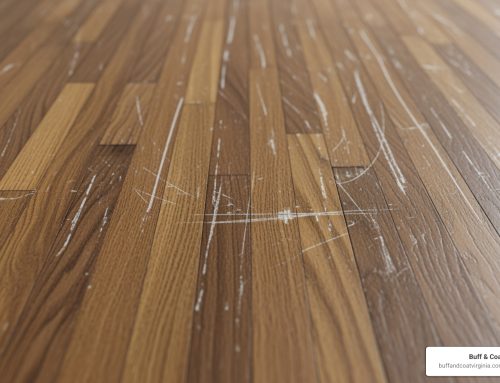
Minor scuffs and light surface scratches are ideal for buffing. These are the clear scratches that catch the light but haven’t gone through to the wood itself. If you can’t feel them with your fingernail, they’re probably just in the topcoat.
Dull finish is another telltale sign. Your floors might look lifeless or cloudy, even after thorough cleaning. This happens when the polyurethane wears thin but hasn’t completely disappeared. A fresh coat brings back that beautiful luster you remember.
The protective layer worn scenario is common in high-traffic areas. Maybe your kitchen entrance or hallway looks different from the rest of the floor – duller, more tired. This is your floor’s way of asking for help before real damage sets in.
If you want to maintain your current look without change, buffing is perfect. You love your floor’s color and character; you just want it to look fresh and protected again. And let’s be honest – the budget-friendly option is appealing when you can get dramatic results for about half the cost of full refinishing.
When You Need a Full Sand and Refinish Instead
Sometimes, though, a hardwood buff and coat just isn’t enough. It’s like trying to put a band-aid on a broken bone – it might look better temporarily, but it won’t solve the underlying problem.
Deep scratches and gouges that go into the wood itself need sanding. These show up as white or light-colored lines because you’re seeing the raw wood underneath. No amount of coating will make these disappear.
Water damage is a buff and coat’s worst enemy. Those black rings from plant pots, dark stains from pet accidents, or grey discoloration from years of moisture – these have penetrated deep into the wood fibers. Only sanding can remove the damaged layers and reveal clean wood underneath.
If you’re dreaming of a color change, sanding is your only option. Want to go from honey oak to rich walnut? You’ll need to sand down to bare wood and start fresh with new stain. A buff and coat only adds a clear protective layer over what’s already there.
Widespread discoloration throughout the floor, especially those grey, worn-through areas in high-traffic zones, means the finish is completely gone. Without that protective barrier, the wood itself has started to deteriorate. At this point, only a complete refinish can restore your floor’s beauty.
For Richmond area homeowners dealing with these more serious issues, our hardwood floor refinishing services in Richmond, VA can completely transform even the most damaged floors.
The bottom line? If your floor’s problems are only skin-deep, a buff and coat works beautifully. But if the damage goes deeper, don’t waste money on a surface solution that won’t last.
Is a Buff and Coat Right for Your Floors?
The million-dollar question every homeowner faces: is your floor ready for a hardwood buff and coat, or does it need something more intensive? Getting this assessment right can save you both time and money, while getting it wrong can lead to frustrating results that leave you wishing you’d chosen differently from the start.
Think of it like choosing between a fresh coat of paint for your walls versus a complete drywall replacement. Both serve a purpose, but using the wrong approach for your situation will leave you disappointed. The same principle applies to your hardwood floors.
Before we dive into the specifics, here’s the most important thing to remember: a professional assessment is always your best bet. While the guidelines below will give you a solid understanding of what to look for, there’s no substitute for having an experienced eye evaluate your floors in person. For more detailed insights into when this process works best, check out our article on Restoring Shine: Hardwood Floor Buff and Coat for Dull Floors.
Signs Your Floors are a Good Candidate
When we walk into a home to evaluate floors for a hardwood buff and coat, we’re looking for specific telltale signs that this gentler approach will deliver the results you’re hoping for. Your floors are likely perfect candidates if you notice several key indicators.
The finish looks tired or dull even after you’ve given them a thorough cleaning. You know that feeling when your floors just don’t seem to shine anymore, no matter how much elbow grease you put into mopping? That’s often a sign the protective polyurethane layer is wearing thin, but the underlying structure is still sound.
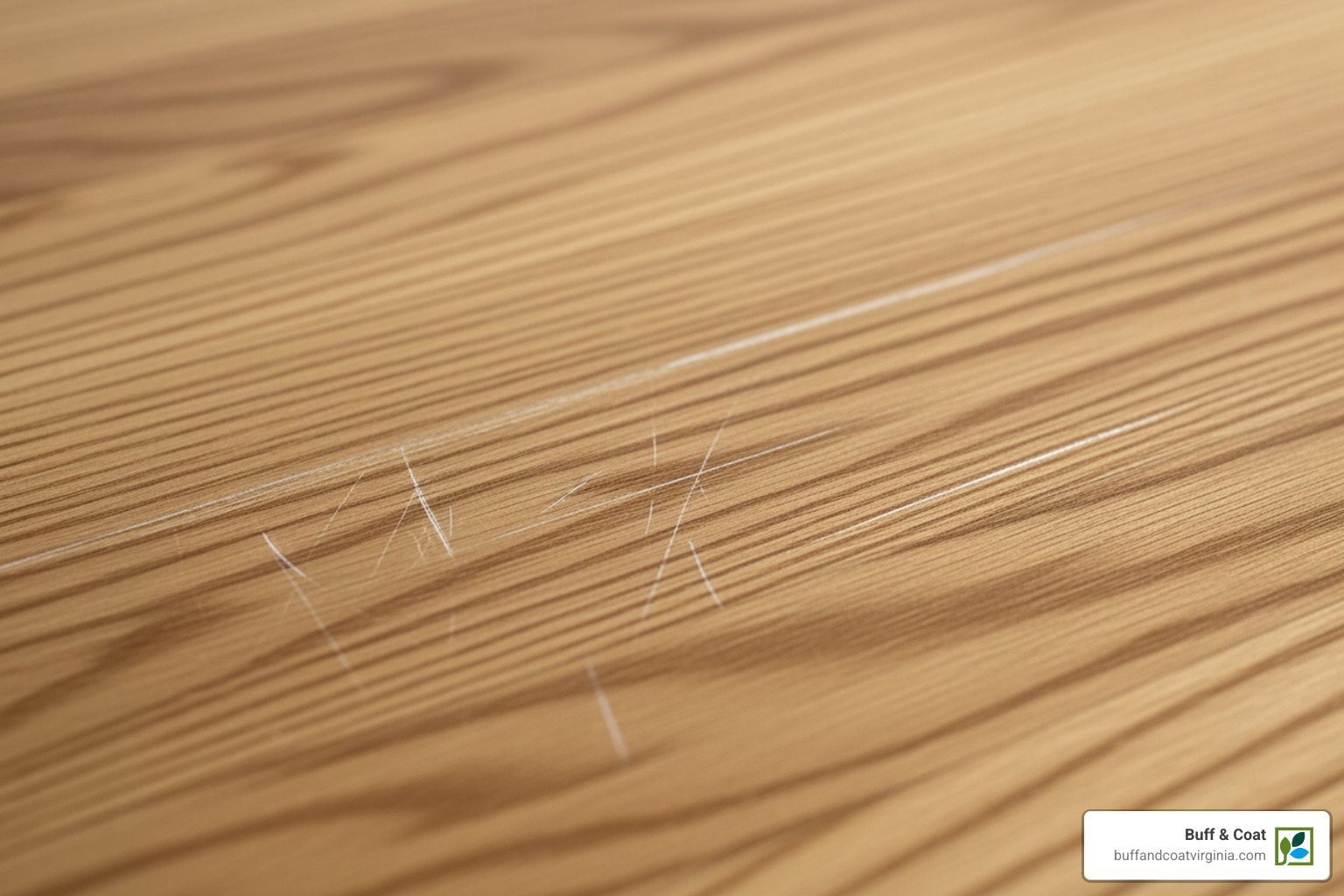
Scratches appear clear and surface-level rather than deep and white. Here’s a simple test: run your hand gently over the scratched areas. If you can’t feel significant indentations and the scratches look more like scuff marks than actual gouges, you’re dealing with damage that’s confined to the topcoat. This is exactly what a buff and coat is designed to address.
Your floor has become difficult to clean despite your best efforts. Sometimes a worn finish creates tiny valleys and rough spots that trap dirt and grime, making your floors look perpetually dirty. A fresh coat creates that smooth, protective barrier that makes cleaning a breeze again.
Most importantly, no bare wood is showing through. This is the golden rule of buff and coat candidacy. If you can walk around your home and not see any areas where the finish has completely worn away to expose raw wood (especially in those high-traffic pathways between rooms), your floors are likely ready for this treatment.
Red Flags: When to Avoid a Hardwood Buff and Coat
Now for the reality check – there are certain situations where attempting a hardwood buff and coat is like putting a band-aid on a broken bone. It simply won’t solve the underlying problem, and you’ll end up frustrated with the results.
Deep gouges that catch your fingernail are an immediate red flag. If you can run your finger across a scratch and feel it catch, or if the scratches appear white or opaque rather than clear, the damage has gone beyond the protective finish and into the actual wood. No amount of screening and recoating will make these disappear.
Widespread grey or discolored areas tell a story of finish that’s completely worn away. When high-traffic zones start looking grey, black, or significantly different from the rest of your floor, it means the wood itself is exposed and possibly damaged. This is particularly common in doorways, in front of sinks, or along main walking paths.
Previous use of certain cleaning products can create invisible barriers that doom any buff and coat attempt to failure. Products like Murphy’s Oil Soap, Orange Glo, Mop & Glo, or furniture polishes leave residues that prevent new polyurethane from bonding properly. If you’ve been using these products regularly, the new finish will likely start peeling within weeks or months.
Water damage or pet stains that have penetrated deep into the wood create permanent discoloration that a surface treatment simply cannot address. These dark watermarks or pet urine stains often go right through the finish and into the wood fibers themselves.
Finally, if you’re dreaming of changing your floor’s color – going from honey oak to rich espresso, for example – a buff and coat won’t help you achieve that goal. Since it only adds a clear protective layer, your floors will look exactly the same color they do now, just shinier and better protected.
When you spot any of these red flags, don’t despair. It just means your floors need a more comprehensive approach to get them back to their former glory. The key is identifying these issues early so you can choose the right solution from the start.
The Benefits and Frequency of Buffing and Coating
When you invest in a hardwood buff and coat, you’re making a smart decision that pays dividends in multiple ways. Think of it as giving your floors a protective shield that keeps them looking beautiful while saving you money in the long run.

The cost-effectiveness alone makes buffing and coating an attractive option. At just $1.50 to $2.50 per square foot compared to $4.50 to $6.40 for full refinishing, you’re getting maximum impact for your investment. Regular buffing prevents those expensive, extensive repairs that come when floors are neglected too long.
But the financial benefits are just the beginning. The quick turnaround means your daily routine stays intact – most jobs are completed in a single day. You can walk on your floors within hours and have your furniture back in place within a day or two. No week-long disruptions or living in construction chaos.
The durability and protection aspect is where the real magic happens. That fresh coat of polyurethane acts like armor for your floors, absorbing the daily punishment from foot traffic, spills, and pet claws. It’s essentially buying your floors more time before they need major work.
Your floors will look dramatically better too. The change from dull and scratched to gleaming and smooth is often stunning. According to the National Association of REALTORS®, hardwood floor refinishing consistently ranks among the top home improvements for return on investment, and maintaining your floors with regular buffing keeps that value strong.
Our dust-free techniques using HEPA filtration systems mean you won’t be dealing with cleanup for weeks afterward. The low-VOC waterborne finishes we use are virtually odorless, so your family can stay comfortable throughout the process.
How Often Should Floors Be Buffed and Coated?
The timing of your hardwood buff and coat maintenance depends on how your floors live their daily life. Like changing your car’s oil, regular maintenance prevents bigger problems down the road.
Most floors benefit from buffing and coating every 3 to 5 years as a general maintenance schedule. However, your specific situation might call for more frequent attention. High-traffic areas like entryways, kitchens, and main hallways take a beating and might need refreshing every 1 to 2 years.
Foot traffic is the biggest factor in determining frequency. A busy family home with kids running around and pets scampering across the floors will show wear much faster than a quiet household. If you have dogs, their nails can quickly dull a finish, making more frequent buffing a wise investment.
Household size and lifestyle play crucial roles too. Active families with young children might find their floors looking tired after just a year or two, while empty nesters could go five years or more between treatments. The key is watching your floors and acting before the protective layer wears completely through.
The goal is preventative maintenance – applying that fresh coat before you see grey patches or bare wood showing through. Once the finish has worn down to the wood itself, you’ve moved beyond buff and coat territory into full refinishing, which costs significantly more.
Regular buffing is like sunscreen for your floors. Apply it consistently, and your floors will age gracefully. Wait too long, and you’ll be dealing with damage that could have been easily prevented. For more detailed guidance on timing, check out our article on How Often Should Hardwood Floors Be Refinished?.
Conclusion: Protect Your Investment with Professional Care
Your hardwood floors represent one of the most valuable investments in your home – they add warmth, character, and significant resale value. The key to protecting this investment isn’t waiting until major damage occurs, but rather maintaining them proactively with regular hardwood buff and coat services.
Throughout this guide, we’ve shown you how a hardwood buff and coat offers a smart middle ground between neglect and expensive full refinishing. This surface-level restoration process addresses the early signs of wear – those minor scuffs, light scratches, and dull finishes that make your floors look tired. By refreshing the protective polyurethane layer before it wears completely through, you’re essentially hitting the reset button on your floors’ protective shield.
The benefits speak for themselves: cost-effectiveness at just $1.50-$2.50 per square foot, quick turnaround in a single day, and long-term protection that extends your floors’ lifespan. Most importantly, regular buffing and coating prevents the need for more extensive and costly repairs down the road. It’s preventative care that pays dividends.
Timing is everything. The sweet spot for a buff and coat is when your floors show surface-level wear but haven’t yet developed deep scratches, water damage, or widespread discoloration. Generally, this means scheduling service every 3-5 years for most homes, though high-traffic households may benefit from more frequent attention.
At Buff & Coat, we’ve perfected our dust-free techniques over two decades of serving Richmond area homeowners. Our expertise lies in recognizing exactly when your floors are ready for this treatment and executing it flawlessly using advanced equipment and eco-friendly finishes.
Don’t wait until your beautiful hardwood floors lose their charm and require expensive full refinishing. For homeowners in the Richmond area, our buff and coat service is the perfect solution to restore your floors’ natural elegance while protecting your investment.
Ready to give your floors the care they deserve? Schedule your free inspection and get a free estimate today by visiting our contact page. We’ll assess your floors’ condition and recommend the best approach to keep them looking beautiful for years to come.