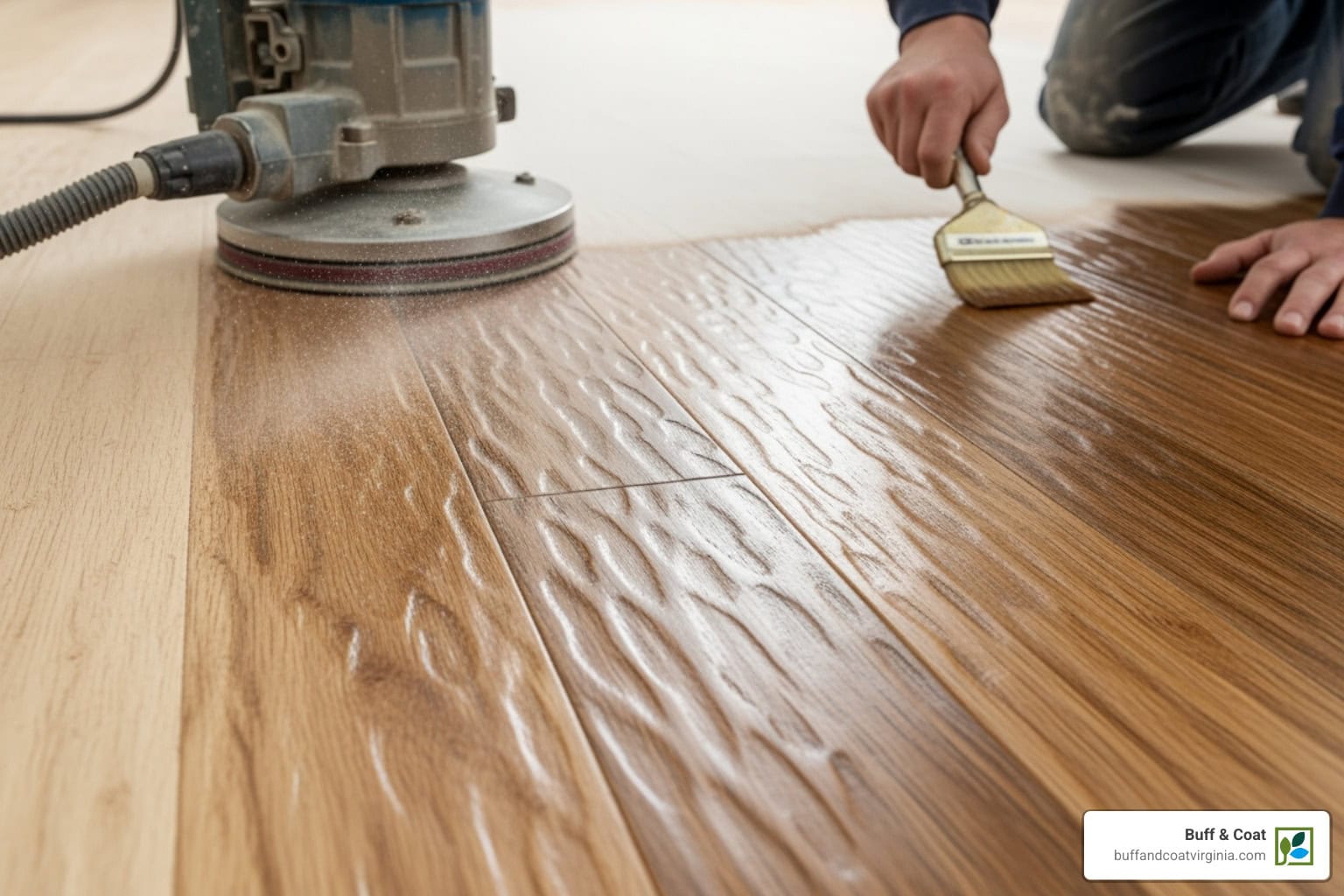
Why Hand-Scraped Engineered Floors Deserve Special Attention
Refinish hand scraped engineered hardwood floors is possible, but requires careful consideration of several key factors:
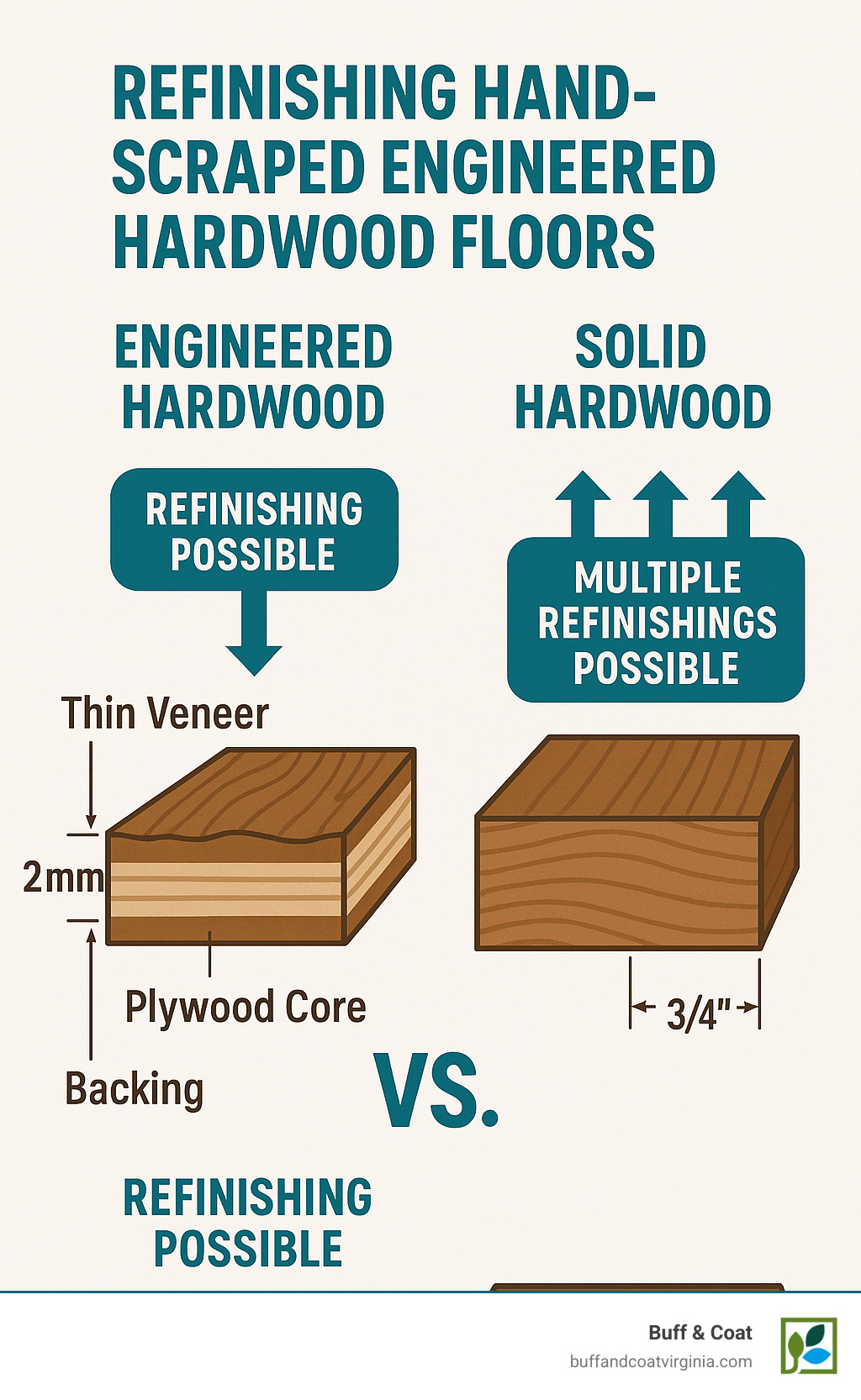
- Veneer thickness: Must be at least 2-3mm thick for safe refinishing
- Number of refinishes: Most engineered floors can only be refinished 1-3 times maximum
- Hand-scraped texture: Will be partially reduced during sanding process
- Professional expertise: Highly recommended due to risk of damaging thin veneer layer
- Cost: Typically $3-10 per square foot, often more cost-effective than replacement
Hand-scraped engineered hardwood floors bring that rustic, old-world charm to any home. These floors combine the durability and moisture resistance of engineered construction with the character-rich texture that hides daily wear and tear beautifully. But when scratches pile up and the finish starts looking dull, many homeowners wonder if refinishing is even possible. The answer isn’t as simple as with solid hardwood floors. With our extensive experience in expert hardwood floor restoration, we know that successfully refinishing these unique floors requires special attention.
Unlike solid wood that can be sanded multiple times, engineered floors have a thin veneer layer on top of plywood. This means you get one, maybe two chances to restore them before hitting the core material underneath. The hand-scraped texture adds another layer of complexity. Those intentional grooves and distressed marks that give your floors their personality? They’ll be affected by the sanding process.
As David Emmerling, owner of Buff & Coat, I’ve helped countless Richmond-area homeowners successfully refinish hand scraped engineered hardwood floors while preserving as much character as possible. The key is understanding what’s possible and working with the right techniques.
Know your refinish hand scraped engineered hardwood floors terms:
- cost of professional floor sanding services
- dust free floor sanding near me
- floor sanding contractors
Understanding Hand-Scraped Engineered Hardwood
Before diving into whether you can refinish hand scraped engineered hardwood floors, let’s break down what makes these floors so special. Think of them as the perfect marriage between modern engineering and old-world charm – and understanding their construction is key to knowing your refinishing options.
What Makes Engineered Hardwood Different?
Here’s where engineered hardwood gets clever. Unlike solid hardwood that’s carved from one thick piece of wood, engineered floors are built like a sandwich. The bottom layer is typically a sturdy plywood core, topped with a thin slice of real wood veneer that you actually see and walk on.
This layered construction isn’t just a cost-saving trick – it’s genuinely smart design. The plywood core makes these floors much more stable than solid wood, so they won’t warp or gap as much when humidity changes. That’s why you can install them in basements or over concrete, places where solid hardwood might throw a fit.
But here’s the catch: that top veneer layer is thin, usually between 2-6mm thick. This “wear layer” is what determines if you can sand and refinish your floors. Too thin, and one aggressive sanding session could punch right through to the plywood underneath – not exactly the look you’re going for.
The moisture resistance and installation versatility make engineered floors popular, but they come with refinishing limitations that solid hardwood doesn’t have. For more details on the refinishing process, check out our guide to hardwood floor refinishing.
The Art of the “Hand-Scrape”
Now let’s talk about that gorgeous textured surface. Hand-scraping isn’t some newfangled trend – it’s actually how our ancestors prepared wood floors back in pioneer days. They’d manually scrape each plank to smooth out rough spots, creating those characteristic gouges and grooves in the process.
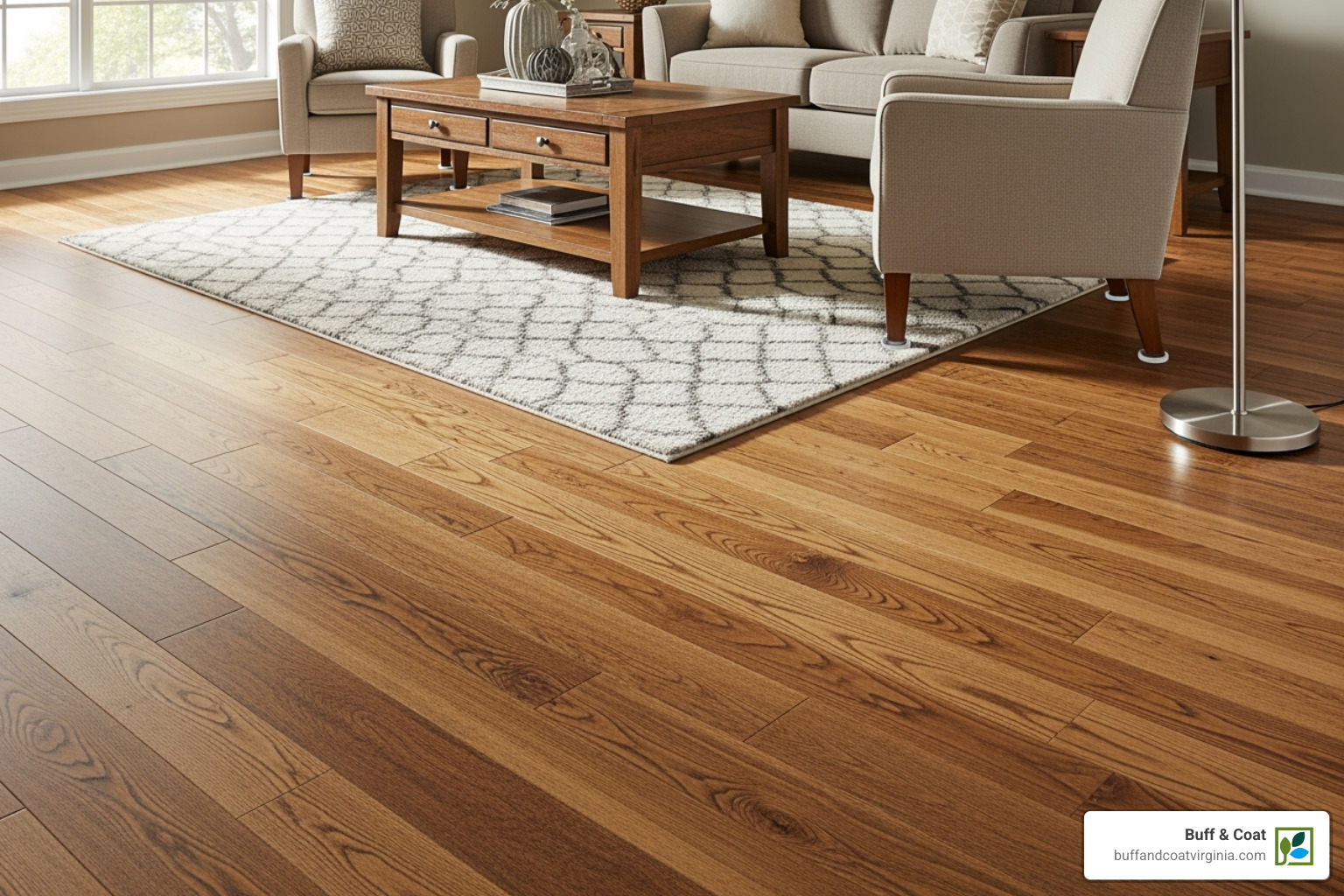
Today’s hand-scraped floors recreate that rustic aesthetic on purpose. Whether done by hand or machine, the goal is the same: create intentional imperfections that give your floors character. Those little gouges and grooves aren’t flaws – they’re features that make each plank unique.
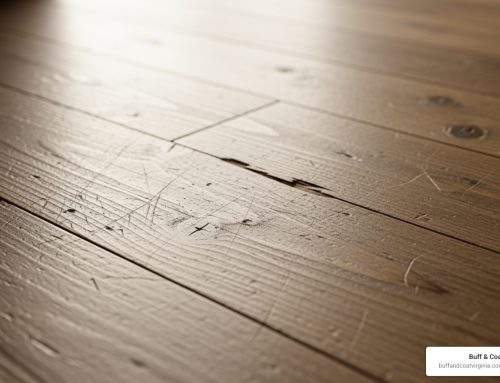
The beauty of this distressed look goes beyond just appearance. Those textured surfaces are masters at hiding imperfections from daily life. Got kids dropping toys? Pets with claws? The hand-scraped texture camouflages minor scratches and dents that would be obvious on smooth floors.
Machine-scraped floors offer a more uniform texture at a lower cost, while truly hand-scraped planks have more variation and character – plus a higher price tag. Either way, you’re getting floors with personality that tell a story. You can learn more about different types of wood and their characteristics.
The question is: when it’s time to refinish hand scraped engineered hardwood floors, how do you preserve all that beautiful texture while refreshing the finish? That’s where things get interesting.
The Big Question: Can You Refinish Hand Scraped Engineered Hardwood Floors?
Here’s the moment of truth. The simple answer is: yes, you can refinish hand scraped engineered hardwood floors in many cases, but it’s not nearly as straightforward as refinishing solid hardwood. Think of it like performing delicate surgery rather than routine maintenance.
The feasibility depends entirely on what you’re working with underneath that beautiful textured surface. Unlike solid hardwood floors that can handle multiple refinishing cycles, engineered floors give you limited opportunities to restore them.
Key Factors That Determine Refinishing Potential
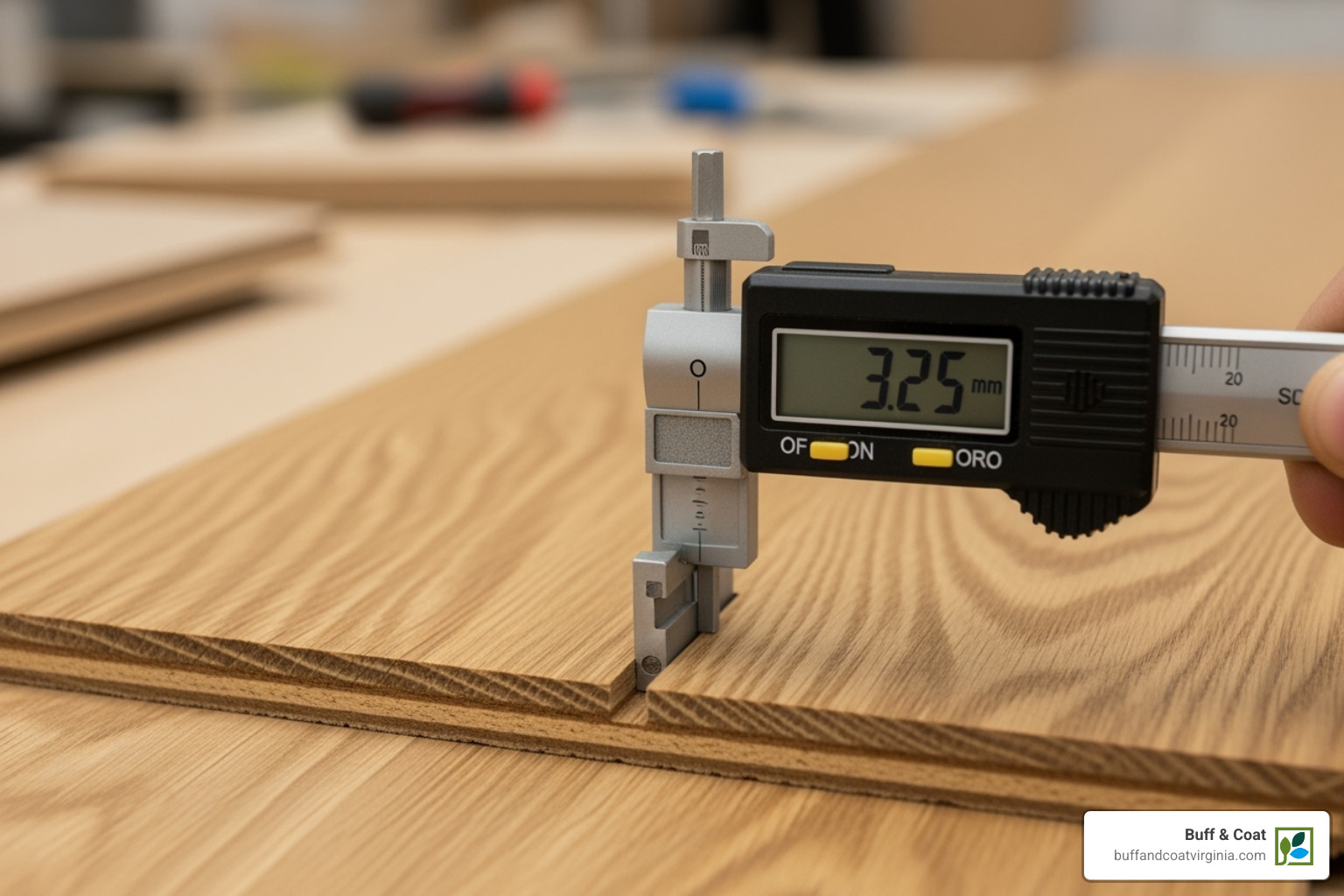
The veneer thickness is your floor’s destiny when it comes to refinishing. This thin layer of real wood on top is everything. If it’s too thin, sanding will punch right through to the plywood core, and you’ll be shopping for new floors instead of restoring old ones.
Most engineered floors need at least 2-3mm of veneer thickness to handle even gentle refinishing. Anything less than that is playing with fire. The good news? Higher-end engineered floors often come with 4mm or thicker veneers, giving you more wiggle room.
The depth of your hand-scraped texture matters too. Those gorgeous grooves and distressed marks that give your floor character? They’ll influence how much material needs to be removed during sanding. Deeper scraping means more aggressive sanding, which eats into that precious veneer faster.
Wood species plays a supporting role here. Oak and hickory, common choices for hand-scraped floors, are tough enough to handle refinishing better than softer woods like pine. But even the hardest wood won’t save you if the veneer is too thin.
Signs of moisture damage like warping, cupping, or widespread discoloration are deal-breakers. These issues run deeper than surface refinishing can fix.
| Veneer Thickness | Refinishing Feasibility | Number of Refinishes (Typical) |
|---|---|---|
| < 2mm (or 1/8″) | Not Recommended | 0 |
| 2-3mm | Light Sanding Possible | 1-2 |
| 4mm+ | Multiple Sandings | 2-3+ |
For more detailed information about the refinishing process, check out our Hardwood Floor Refinishing Complete Guide.
The Impact of Refinishing on the Hand-Scraped Texture
Here’s where things get interesting. When you refinish hand scraped engineered hardwood floors, you’re essentially asking the sanding process to be gentle enough to preserve character while aggressive enough to remove the old finish. It’s a delicate balancing act.
Traditional sanding equipment doesn’t discriminate – it cuts down the high spots more than the low spots. This means those raised areas of your hand-scraped texture will naturally get flattened first. The deeper grooves might survive, but the overall texture will definitely be less pronounced after refinishing.
Think of it like weathering on an old wooden fence. The raised grain gets worn down over time, but the character remains. That’s what happens during refinishing, except it’s intentional and controlled.
The reality is that sanding will reduce your texture’s depth, but it won’t necessarily eliminate the hand-scraped look entirely. A skilled professional can use specialized techniques to preserve as much character as possible while still achieving a smooth, refinished surface.
Setting proper expectations is crucial here. Your floors will look refreshed and beautiful after refinishing, but they won’t have exactly the same dramatic texture they started with. It’s about finding that sweet spot between restoration and preservation.
The Step-by-Step Refinishing Process
Alright, so you’ve done your homework and determined your floors are good candidates for refinishing. That’s exciting! Now let’s walk through exactly how we approach the delicate process of bringing hand-scraped engineered floors back to life. Fair warning though – this isn’t your typical weekend DIY project.
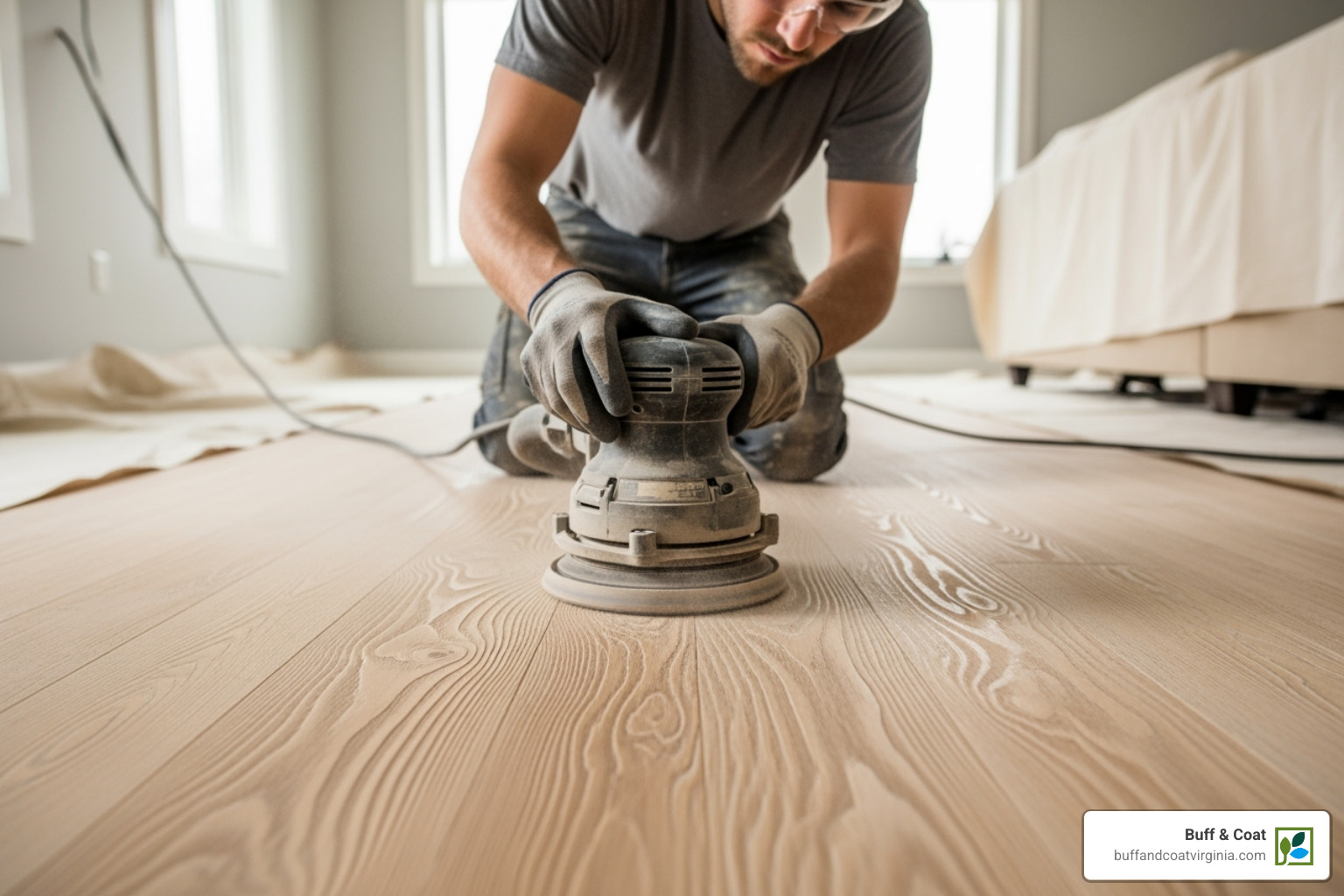
When you refinish hand scraped engineered hardwood floors, every step requires extra care and precision. Think of it like performing surgery on something beautiful – one wrong move and you could damage that precious veneer layer forever.
Step 1: Preparation and Gentle Sanding
The magic starts long before we even plug in our sanders. We begin by changing your living space into a work zone, carefully removing every piece of furniture, area rug, and decorative item. This isn’t just about having room to work – it’s about protecting your belongings from the refinishing process.
Next comes our dust containment setup. We seal doorways and air vents with heavy-duty plastic sheeting, creating a controlled environment. While we specialize in Dust-Free Floor Refinishing techniques, proper preparation is still crucial for achieving professional results.
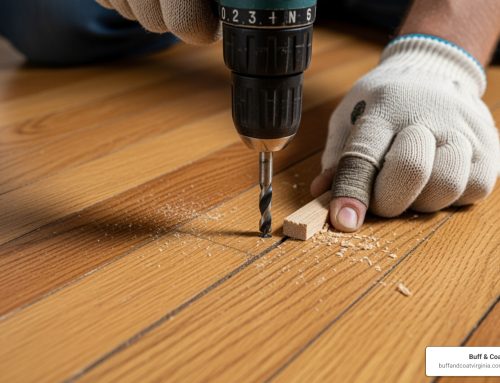
Before any sanding begins, we conduct a thorough floor inspection. We’re looking for loose boards, protruding nails, deep gouges, or any other issues that need addressing. These repairs happen now, not later – it’s much easier to fix problems before we start the refinishing process.
Now comes the most critical part: the actual sanding. Here’s where refinish hand scraped engineered hardwood floors gets tricky. Those beautiful textured grooves that give your floors their character? They’re also what makes this job so challenging.
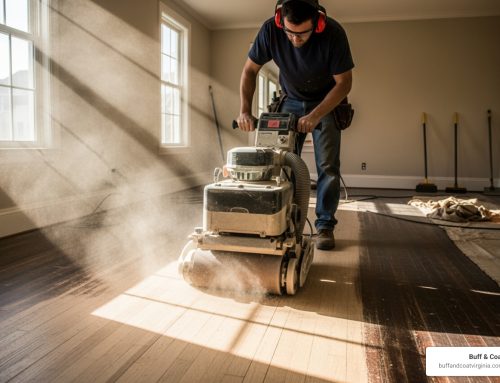
We exclusively use lightweight orbital sanders for this type of work. Unlike the aggressive drum sanders you might see on other hardwood floor sanding projects, orbital sanders move in gentle, random circular motions. This prevents the linear scratches that can ruin a delicate hand-scraped surface and helps preserve more of that precious texture.
We start with 100-120 grit sandpaper – fine enough to remove the old finish without being overly aggressive with the thin veneer layer. Each pass is methodical and controlled, following the natural grain patterns and contours of the hand-scraped design. We’re not trying to flatten everything out; we’re working with the existing texture, not against it.
After that initial pass, we move to even finer grits like 150-180 to create the smooth foundation needed for our new finish. Between each sanding stage, we vacuum thoroughly using HEPA filtration to remove every speck of dust and debris. Clean surfaces are essential for proper stain and finish adhesion.
Essential tools for this specialized work include orbital sanders, various grit sanding discs, edge sanders for corners, high-powered vacuums, safety equipment, wood filler, tack cloths, and all the staining and finishing supplies. Most homeowners don’t have these specialized tools, which is one reason why professional refinishing often makes more sense than attempting this as a DIY project.
Step 2: How to stain and finish when you refinish hand scraped engineered hardwood floors
Once our sanding is complete and the floor is spotless, we move into the change phase – adding color and protection that will keep your floors looking gorgeous for years to come.
If you’re hoping to change your floor’s color, staining comes first. But here’s a pro tip: always test your stain choice in a hidden area first. Maybe inside a closet or under where your couch will sit. Hand-scraped floors can absorb stain differently than smooth surfaces, and those textured grooves might hold more pigment, creating unexpected color variations.
When applying stain to hand-scraped surfaces, we work carefully with the grain, ensuring even coverage while being mindful of how the texture affects absorption. Sometimes we recommend going a shade or two lighter than your original vision – deeper stains can sometimes make the hand-scraped texture look too dramatic or unnatural.
The finishing stage is where your floors get their protection and renewed beauty. Polyurethane is our go-to choice, and we typically recommend water-based formulations for hand-scraped floors. Water-based poly dries faster, has lower odor, and maintains a clearer, more natural appearance that won’t yellow over time. It also allows the wood’s natural character to shine through.
Oil-based polyurethane is another option that offers incredible durability and gives floors a rich, amber tone that deepens with age. The trade-off? Longer drying times and stronger odors during application.
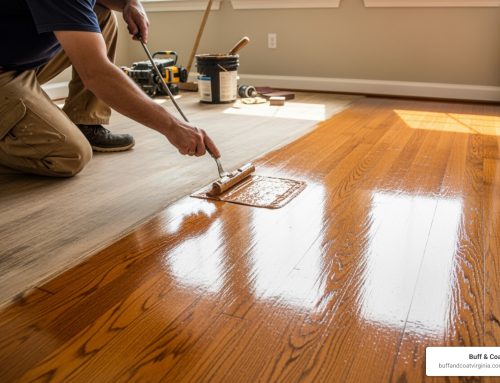
We apply the finish in thin, even coats using professional T-bar applicators, always moving with the wood grain and being extra careful around the textured areas. Two to three coats are typically needed for optimal protection and appearance. Between each coat, we lightly screen the surface with very fine sandpaper to ensure perfect adhesion.
Here’s where patience becomes your best friend. While the finish might feel dry to the touch within hours, it needs 24 to 72 hours or more to fully cure. During this time, no heavy foot traffic, no furniture moving, and definitely no area rugs. Think of it as letting a fine wine age – good things come to those who wait!
The curing process is when the chemical bonds in the finish fully develop, creating that durable, protective surface that will keep your newly refinished floors looking beautiful for years to come.
Alternatives, Maintenance, and Long-Term Benefits
Sometimes, a full sand-and-refinish isn’t necessary, or even possible, for your hand-scraped engineered floors. The good news? There are several gentler approaches that can breathe new life into your floors without the risk of damaging that precious thin veneer.
Alternatives to a Full Sand-and-Refinish
If your engineered floors have a very thin veneer, or if the wear is only superficial, we might recommend less invasive options that can work wonders.
Screen and recoat is like giving your floor a refreshing facial rather than major surgery. This process involves lightly abrading (screening) the existing finish to create a bonding surface, then applying a fresh coat of polyurethane. It’s perfect when your floor’s finish is dull but hasn’t worn completely through to the wood yet.
Our signature buff and coat method is where we really shine at Buff & Coat. This process focuses on restoring that lost luster while protecting the surface from future damage. It’s quick, virtually dust-free, and perfect for floors that just need their sparkle back. You can learn more about Restoring Shine: Hardwood Floor Buff and Coat for Dull Floors to see if this might be the perfect solution for your space.
Glazing techniques offer another gentle approach, especially for lighter engineered floors. Glazes penetrate the wood fibers to subtly improve color and highlight the natural beauty without removing any material. Think of it as makeup for your floors – enhancing what’s already there.
Oil finishes provide a completely different approach. Instead of sitting on top like traditional polyurethane, oil penetrates deep into the wood fibers. This creates a warm, natural look and allows for spot touch-ups in high-traffic areas without needing to redo the entire floor.
Best Practices for Maintaining Your Floors
Here’s the truth: the best way to avoid needing to refinish hand scraped engineered hardwood floors frequently is through consistent, smart maintenance. Think of it as preventive medicine for your floors.
Daily cleaning makes all the difference. Those tiny particles of dirt and grit? They’re like sandpaper under your feet, gradually wearing down the finish. A quick sweep or vacuum with a soft brush attachment designed for hardwood can prevent years of unnecessary wear.
Moisture management is crucial. Wipe up spills immediately – water and wood are not friends, especially with engineered floors where moisture can seep into the layers. Use only pH-neutral cleaners specifically designed for hardwood floors, and avoid the temptation to use too much water when mopping.
Strategic protection is your floor’s best friend. Place quality doormats at all entryways to trap dirt before it travels onto your floors. Those felt pads under furniture legs? They’re tiny heroes preventing scratches every time you move a chair. Area rugs in high-traffic zones, under dining tables, and in living areas act like armor for your floors – just make sure they’re breathable and don’t have rubber backings that can trap moisture.
Environmental control often gets overlooked, but maintaining consistent indoor humidity levels between 35-55% prevents the wood from expanding and contracting excessively. This simple step can prevent cracks, warping, and premature aging.
If you have pets, keeping their nails trimmed is a small effort that pays big dividends in scratch prevention. And here’s a pro tip: rotate your area rugs occasionally so wear patterns stay even.
The beauty of proper maintenance is that it extends the time between refinishing projects significantly. Instead of needing work every 5-7 years, well-maintained floors might go 10-15 years before needing attention. For more insights on timing, check out our guide on How Often Should Hardwood Floors Be Refinished?.
When you invest in these maintenance practices, you’re not just protecting your floors – you’re protecting your investment and maintaining that rustic charm that drew you to hand-scraped floors in the first place.
Frequently Asked Questions about Refinishing Textured Floors
After helping hundreds of Richmond homeowners restore their beautiful floors, we’ve heard just about every question you can imagine about refinish hand scraped engineered hardwood floors. Here are the ones that come up most often, along with honest answers based on our years of experience.
Will sanding completely remove the hand-scraped texture?
This is probably the biggest concern we hear, and it’s a valid one. Here’s the truth: sanding will inevitably reduce some of the texture’s depth, but it doesn’t have to completely flatten your floors.
The key is using the right technique and equipment. When we work on hand-scraped floors, we use lightweight orbital sanders instead of aggressive drum sanders. These move in gentle, circular motions that follow the natural contours of your floor rather than bulldozing over them.
Our goal isn’t to create a perfectly smooth surface – it’s to refresh the finish while preserving as much character as possible. Yes, some of those deeper grooves might become a bit shallower, but the rustic charm and visual appeal that drew you to hand-scraped floors in the first place will largely remain.
Think of it like restoring an antique piece of furniture. You’re not trying to make it look brand new – you’re bringing back its natural beauty while maintaining its unique personality.
How much does it cost to refinish hand scraped engineered hardwood floors?
The investment to refinish hand scraped engineered hardwood floors typically runs between $3 to $10 per square foot. Now, I know that’s a pretty wide range, so let me break down what affects the price.
Your floor’s current condition plays a huge role. Floors with minor wear and a thick veneer are on the lower end. If we’re dealing with deeper scratches, water damage, or an extremely thin veneer that requires extra care, costs go up.
The complexity of your space matters too. A wide-open room is straightforward. But if we’re working around built-in cabinets, lots of furniture, or intricate room layouts, that adds time and effort.
Your location also influences pricing. Here in the Richmond area, we’re competitive with regional rates, but costs can vary significantly across different markets.
The good news? Even at the higher end, refinishing is usually much more cost-effective than replacement. New hand-scraped engineered floors, plus installation, can easily run $12-20+ per square foot. When you factor in the mess and time of a full replacement, refinishing often makes perfect sense.
Is this a good DIY project?
I’m going to be straight with you on this one: refinishing hand-scraped engineered floors is not a great DIY project for most homeowners, especially if you don’t have extensive flooring experience.
Here’s why: that thin veneer layer we’ve been talking about? It’s incredibly unforgiving. One wrong move with a sander, and you can cut right through to the plywood core, essentially ruining your entire floor. We’ve seen it happen, and it’s heartbreaking – and expensive to fix.
Hand-scraped floors add another layer of complexity. The texture means the surface isn’t uniform, so you need to understand how different sanders will interact with those grooves and raised areas. It requires a delicate touch and years of experience to know exactly how much pressure to apply and which equipment to use.
Then there’s the dust factor. Even with “dustless” sanders from the hardware store, you’ll create a mess that can take days to fully clean up. Our professional dust-free techniques protect your home and your family’s health.
The potential cost of mistakes far outweighs any savings from doing it yourself. We’ve had to come in and fix DIY jobs gone wrong, and unfortunately, that often costs more than if the homeowner had called us first.
For a deeper dive into why professional expertise matters, check out our article on The Importance of Hiring Professionals for Hardwood Floor Refinishing: Buff Coat’s Expertise.
Bottom line: your floors are a significant investment in your home. Trust them to someone who does this every day and can guarantee the results you’re hoping for.
Restore Your Floor’s Textured Beauty
The journey to refinish hand scraped engineered hardwood floors isn’t always straightforward, but it’s absolutely worth it when done right. Throughout our exploration, we’ve found that while these floors require more careful consideration than solid hardwood, they can often be successfully restored to their former glory.
The key takeaways? Veneer thickness is everything – you need at least 2-3mm to work with safely. The hand-scraped texture will be somewhat reduced during the process, but skilled professionals can preserve much of that rustic character that makes these floors so appealing in the first place.
What makes this process truly rewarding is watching dull, worn floors transform back into the warm, textured centerpiece of your home. Those intentional grooves and weathered marks that drew you to hand-scraped floors originally? They’ll still be there, just refreshed and protected for years to come.
For homeowners in the Richmond area, working with a local expert who understands the unique challenges of engineered flooring makes all the difference. We’ve seen too many DIY attempts go wrong, and the heartbreak of sanding through that precious veneer layer is something you definitely want to avoid.
The investment in professional refinishing typically pays dividends not just in beauty, but in home value and floor longevity. When you consider that replacement costs can easily run twice as much, refinishing becomes not just the prettier option, but often the smarter financial choice too.
Ready to Revive Your Floors?
Your hand-scraped engineered floors have been quietly enduring daily life, and now it’s time to give them the attention they deserve. Whether you’re dealing with surface scratches, dullness, or just want to refresh that protective finish, the right approach can bring back their original charm without sacrificing their unique character.
The refinishing process might seem daunting, but it doesn’t have to be a mystery. With proper assessment, gentle techniques, and professional expertise, those floors can look stunning again. We’ve helped countless Richmond-area homeowners steer this exact challenge, and we’d love to help you too.
Don’t let uncertainty keep you from enjoying beautiful floors. We give free estimates to help you make the best decision for your home. When you’re ready, schedule a free inspection with us. We’ll assess your veneer thickness, evaluate the condition of your hand-scraped texture, and give you honest advice about your options—no pressure, just professional insight.
Contact Buff & Coat today to schedule your free inspection and receive a free estimate! Let’s write the next chapter in your floor’s textured story together.