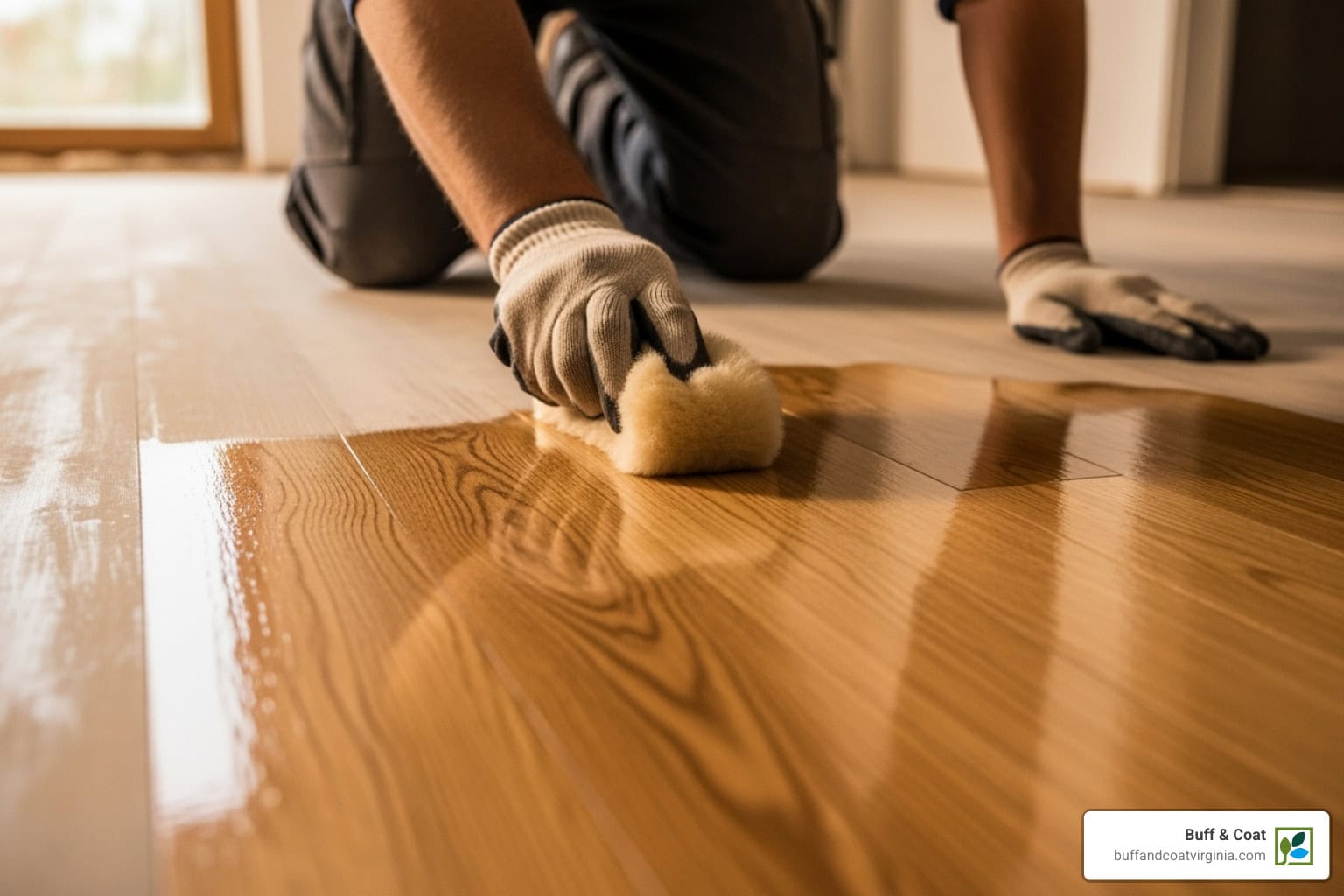
Why Your Engineered Wood Floors Can Get a Second Life
To refinish engineered wood floors is to give them a second life, restoring beauty to your home without the massive expense of a full replacement. Many homeowners believe their engineered floors can’t be saved, but that’s often not the case. Whether your floors show scratches from daily life, have lost their original shine, or just need a color update, our professional hardwood floor refinishing services offer a cost-effective path forward. Our experts can guide you from assessment through finish selection to bring back your floor’s original charm.
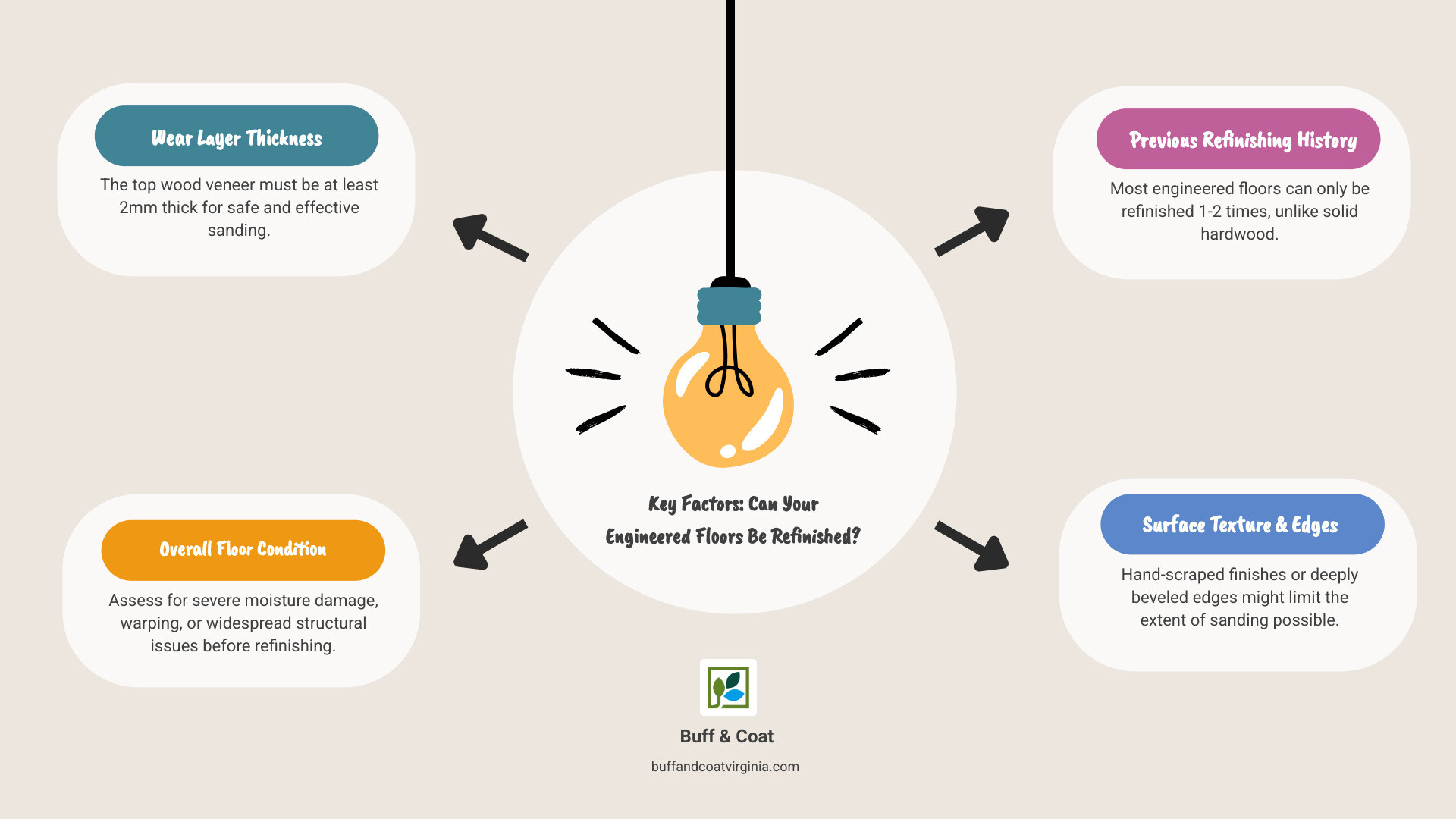
Here’s what determines if you can refinish your engineered floors:
- Wear layer thickness – Must be at least 2mm thick for safe sanding
- Overall condition – No severe moisture damage or warping
- Previous refinishing history – Most engineered floors can only be refinished 1-2 times
- Surface texture – Hand-scraped floors may only handle one refinishing
The basic refinishing process includes:
- Assessment of wear layer thickness
- Gentle sanding with orbital equipment
- Optional staining for color changes
- Application of protective polyurethane finish
Unlike solid hardwood that can be refinished many times, engineered wood has a thin top layer of real wood over a plywood core. This construction makes engineered floors more stable and moisture-resistant, but limits how many times they can be sanded.
For homeowners seeking expert hardwood floor restoration, understanding your floor’s construction is the first step toward making the right choice between refinishing and replacement.
With over 20 years of experience helping Richmond-area homeowners refinish engineered wood floors, I’ve seen that with proper assessment and careful execution, most can be beautifully restored to extend their life for years to come.
The Deciding Factor: Can Your Floors Be Refinished?
The magic of engineered hardwood lies in its clever construction. Unlike solid hardwood, engineered floors are built in layers. The top layer—the wear layer or veneer—is real hardwood, giving the floor its appearance. Below sits a sturdy plywood core, creating stability that resists warping and moisture better than solid wood.
When you want to refinish engineered wood floors, the top wear layer is everything. It’s your floor’s lifeline: the thicker it is, the more times you can sand and refinish. If it’s too thin, one aggressive sanding could punch through to the plywood underneath.
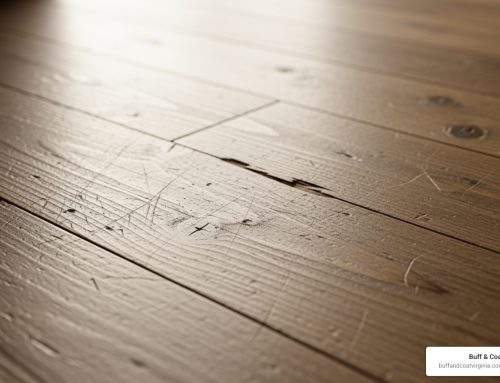
First, a moisture damage assessment is crucial, as water can wreak havoc on engineered floors. We look for telltale signs like warping (curved boards) or discoloration, which suggests water has penetrated the surface. Minor scratches and surface wear are perfect for refinishing, but severe water damage that has compromised the core means replacement.
Here’s how the veneer thickness determines your refinishing options:
| Wear Layer Thickness | Refinishing Potential |
|---|---|
| Less than 2mm | Not recommended – too risky |
| 2-3mm | 1-2 times with very gentle sanding |
| 4-6mm | Up to 10 times (like solid hardwood) |
The sweet spot for most homeowners is a wear layer of 4-6mm thick. These floors can handle multiple refinishing cycles, making them a smart long-term investment. Floors with ultra-thin veneers under 2mm can rarely be refinished, if at all.
For homeowners curious about different wood species and their refinishing characteristics, you’ll find helpful information at More info about different wood types.
Key Factors Before You Refinish Engineered Wood Floors
Proper preparation is the difference between a beautiful refinish and floors damaged beyond repair.
Measuring that wear layer is step one and non-negotiable. If you’re not sure how thick your veneer is, the coin test can offer a clue: a solid, sharp sound when a coin is dropped may indicate a thicker wear layer, while a dull thud might suggest a thinner one. However, this test isn’t foolproof.
Your best bet is finding a spare plank or checking an inconspicuous spot like a closet. You can see the layers from the side and get a real measurement. If that top layer looks thinner than a nickel, you’re likely looking at replacement rather than refinishing.
Hand-scraped finish limitations are real. These textured floors are stunning but typically can only be refinished once. Sanding removes so much material to smooth the texture that most wear layers can’t handle it a second time.
Beveled edges between planks create another challenge. These grooves are tough to sand evenly, and it’s easy to remove too much material from the plank edges while trying to smooth everything out.
Watch for signs it’s too thin to sand: if you see the plywood core through scratches, or if areas feel soft and spongy, the wear layer is compromised. Sanding at this point would cause further damage.
Don’t forget about previous refinishing history. Even floors with decent wear layers have limits. If your floors have already been refinished, they might not have enough thickness left for another round. It’s always better to be conservative.
For more guidance on timing your refinishing project, check out our detailed guide on How Often Should Hardwood Floors Be Refinished?.
The Step-by-Step Guide to Refinish Engineered Wood Floors
When you decide to refinish engineered wood floors, you’re starting a journey that requires patience, precision, and the right approach. Success lies in the details and in treating these floors with the gentle care they deserve.
Refinishing is a methodical process that unfolds over several days. Each step builds on the last, giving your floors a complete makeover from preparation to the final protective coat.
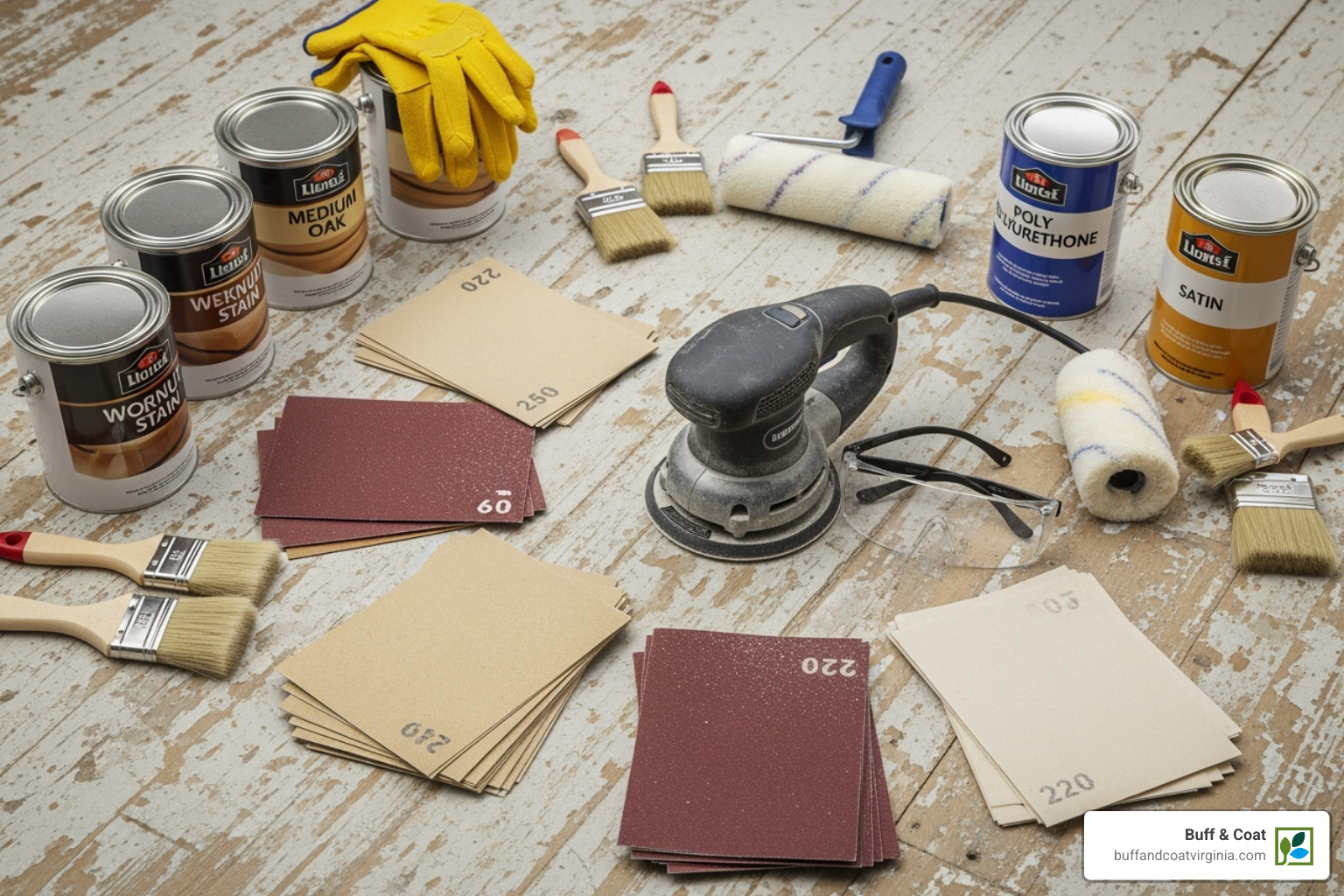
Before we dive in, let’s talk about what you’ll need. The orbital sander is your best friend—it’s gentle enough for the wear layer but effective at removing old finish. You’ll also need sandpaper in various grits (starting around 100-120), a powerful vacuum cleaner, and pH-neutral wood cleaner.
Don’t forget finishing materials: wood filler, optional wood stain, and polyurethane finish. Quality applicators like brushes or rollers make a difference, along with clean rags. Most importantly, use proper safety gear: a dust mask, safety glasses, ear protection, and gloves.
Step 1: Preparation and Cleaning
A successful refinishing project starts with preparation. Clearing the room completely gives you a clean workspace and protects your belongings from dust.
Next, cover vents and doorways with plastic sheeting to contain dust, even with our dust-free systems.
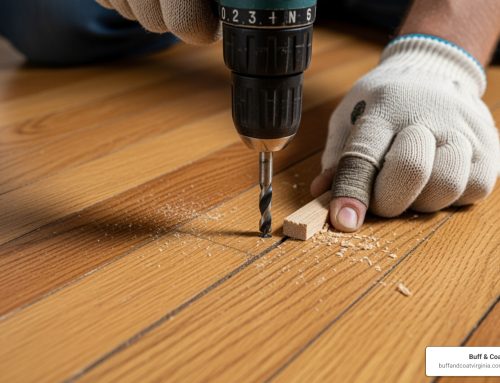
We secure any loose boards, set protruding nails, and fill gaps between planks with wood filler. These details create a smooth canvas and are crucial for the final result.
The deep cleaning phase is vital. This means vacuuming every corner, then mopping with a pH-neutral cleaner for wood floors. The floor must be completely dry before moving on. As flooring experts emphasize, a clean floor is a vital prerequisite for professional results.
For homeowners wanting comprehensive preparation guidance, our detailed guide How Do I Prepare My House for Hardwood Floor Refinishing? covers everything you need to know.
Step 2: Gentle and Precise Sanding
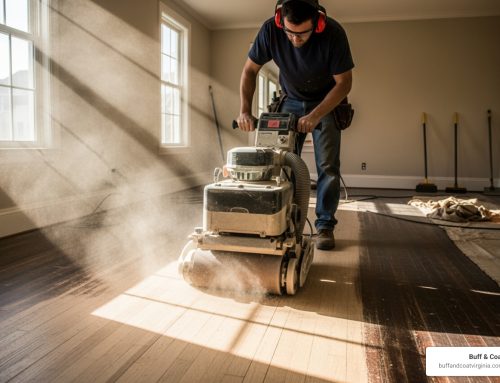
Here’s where the artistry begins. When we refinish engineered wood floors, sanding is about surgical precision, not aggressive material removal. The thin wear layer demands respect, which is why we use orbital sanders rather than heavy drum sanders that can cut too deep.
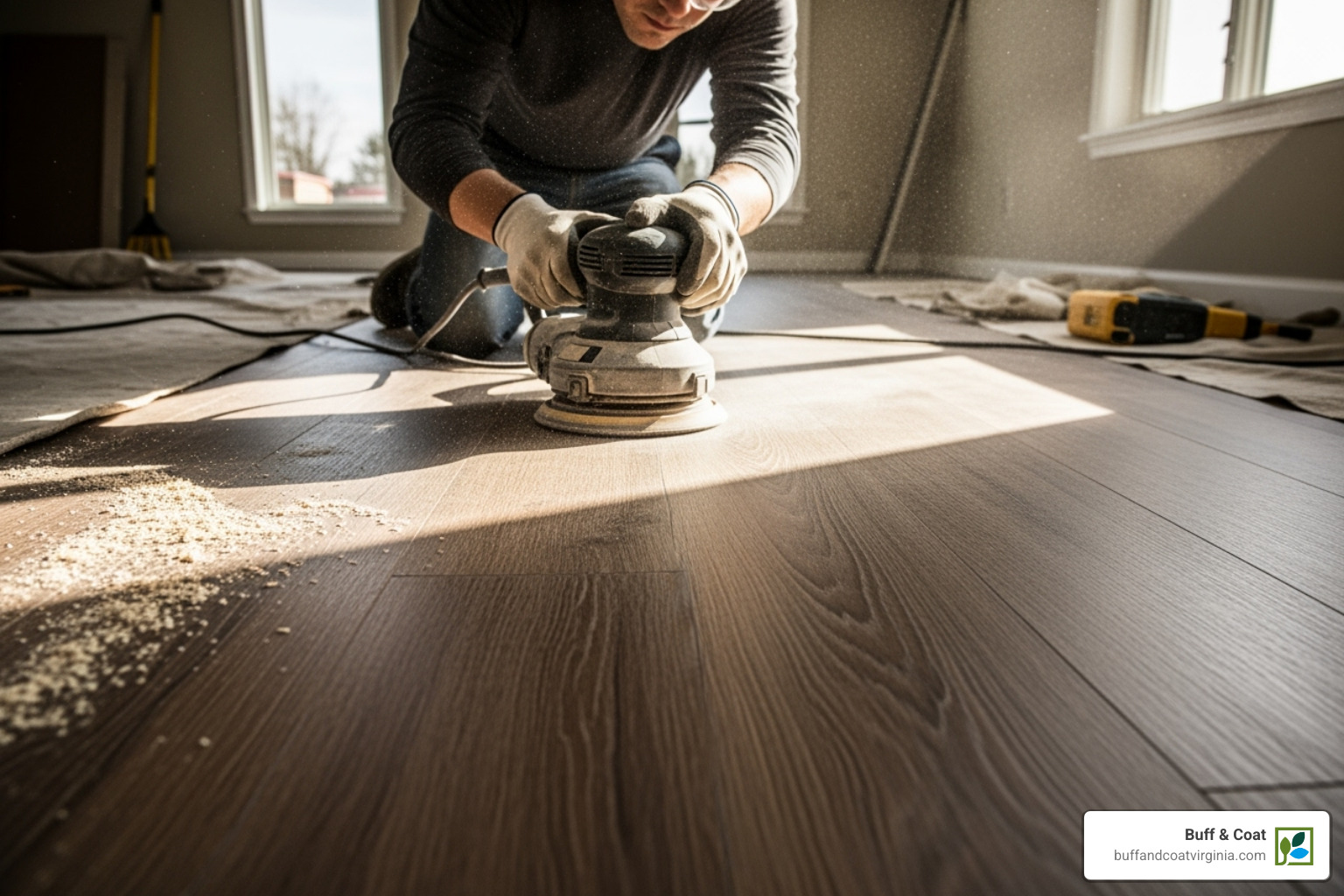
Sanding with the grain is non-negotiable. Cross-grain scratches are nearly impossible to remove and can ruin a perfect job. Our sandpaper grit progression starts gently, around 100-120 grit, to remove the old finish and surface imperfections.
Dust control makes this a manageable process. Our advanced systems capture nearly every particle, but we still vacuum between passes religiously to prevent leftover grit from scratching the wood.
The key is patience. We take our time, checking progress frequently and adjusting our approach as needed. For more insights into different sanding equipment options, using an orbital sander provides excellent guidance on technique and best practices.
Step 3: Staining to Change the Color (Optional)
A great benefit of refinishing is that you can change the color of your engineered hardwood. Once sanded to raw wood, the floor is a blank canvas ready for reinvention.
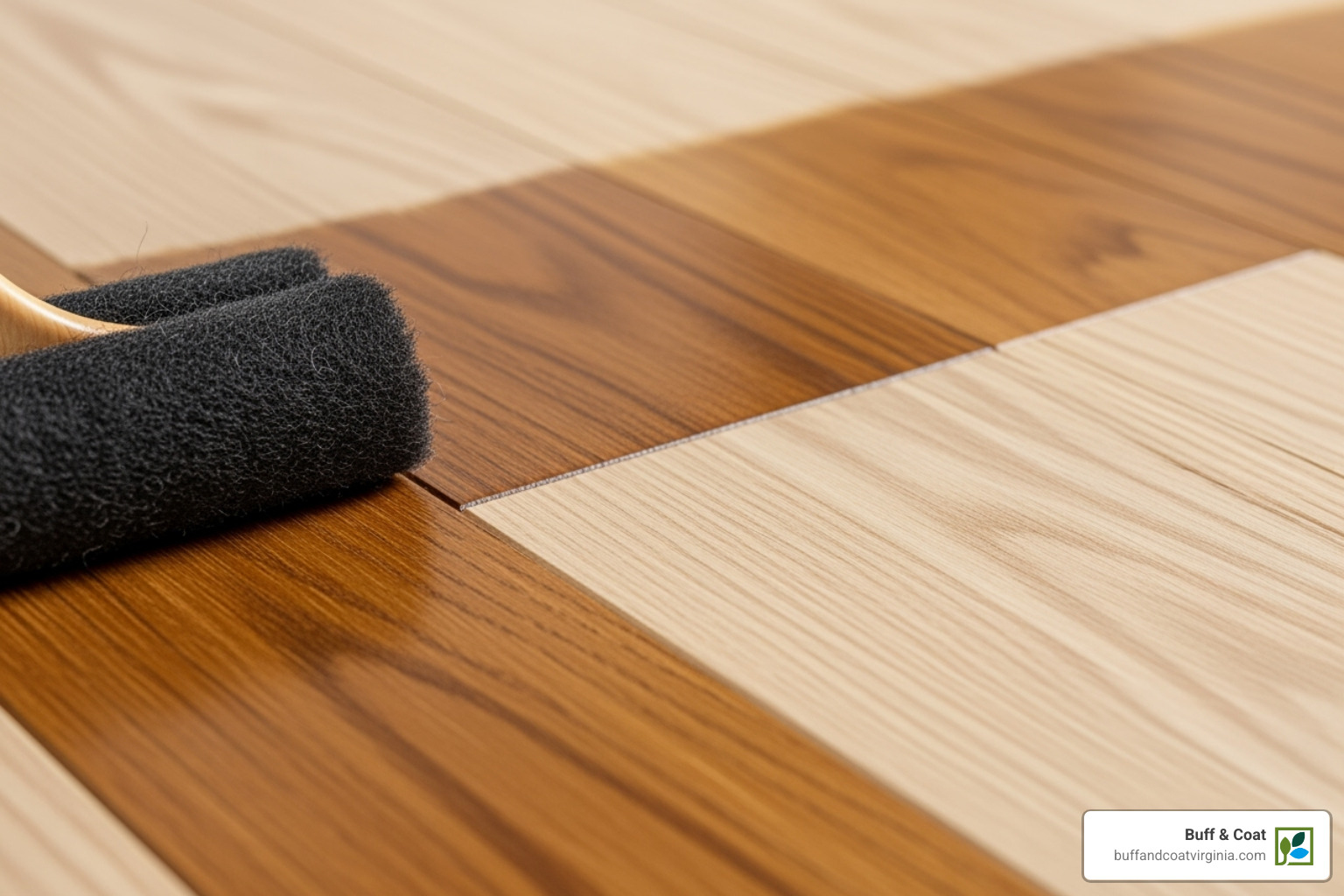
Testing stain in a hidden area is essential. Wood species react differently to stain, so we always test in a closet or under where furniture will sit to ensure you’re happy with the final result.
The application requires a steady hand. We apply stain evenly with brushes or rags, working with the grain for uniform absorption. After the recommended time, wiping excess stain prevents blotchiness and ensures consistent color.
Drying time varies, but rushing can compromise the topcoat. The wait is worth it when you see how dramatically the right stain can transform your space.
Step 4: Applying a Durable Finish and Post-Refinishing Care
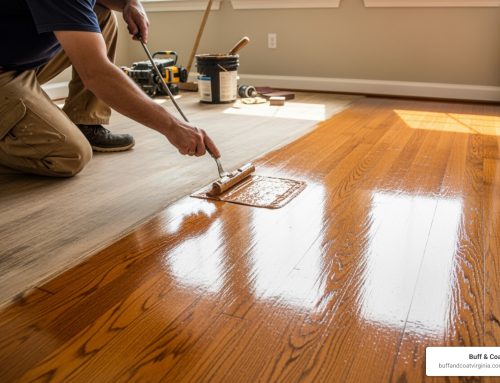
The protective finish transforms your floor from beautiful to durable. Applying polyurethane provides an essential barrier against daily life.
Choosing between water-based and oil-based finishes depends on your priorities. Water-based options dry faster with less odor and maintain the wood’s natural color. Oil-based finishes offer superior durability and a rich, amber patina but require longer cure times.
For detailed information about your options, this resource on polyurethane finish options explains the different types and their specific benefits.
We apply thin coats—typically two to three—allowing proper drying between each. Buffing between coats with fine-grit sandpaper creates a professional, smooth surface.
Curing time ranges from 24 to 72 hours for light foot traffic. We recommend waiting a full week before replacing heavy furniture or area rugs. This patience pays off in longevity.
Post-refinishing maintenance starts immediately. Use felt pads under furniture to prevent scratches and regular cleaning with appropriate products to keep your investment looking fresh. Quick cleanup of spills prevents moisture damage, ensuring your floors stay beautiful for years.
DIY vs. Hiring a Professional
The allure of a weekend DIY project is strong, but when it comes to refinish engineered wood floors, the stakes are much higher than an average paint job.
The biggest risk of DIY is sanding through the veneer. Engineered floors are unforgiving compared to solid hardwood; one mistake with the sander or wrong grit sandpaper can expose the plywood core, a mistake that can’t be undone.
Uneven finish is another common DIY pitfall. Without proper technique, it’s easy to create waves, gouges, or inconsistent stain penetration that looks amateurish.
The cost comparison between refinishing and replacement makes refinishing the clear winner financially. Professional refinishing typically costs $3-$6 per square foot, while full replacement can run $8-$15 per square foot or more. However, if a DIY attempt goes wrong, you might end up paying for professional repairs or even full replacement.
The time commitment for DIY refinishing is substantial, often a full week of clearing the room, sanding, cleaning, staining, applying finish coats, and waiting for it to cure. That’s a long time for a room to be out of commission.
So when should you hire an expert? For engineered floors, we almost always recommend professional help. The margin for error is slim, and the consequences of mistakes are costly. If you’re dealing with hand-scraped textures, beveled edges, or are unsure about your wear layer thickness, professional expertise is essential. For more insights on why professional help matters, check out The Importance of Hiring Professionals for Hardwood Floor Refinishing: Buff Coat’s Expertise.
Who Should Refinish Engineered Wood Floors?
Regarding DIY suitability: unless you have significant experience with delicate refinishing work, engineered floors aren’t the place to learn. The required experience level goes beyond operating a sander; it requires understanding wood behavior and having the finesse to work with thin veneers.
The professional benefits go beyond just having the right tools. We bring years of experience reading floors—knowing how much material can be safely removed, which techniques work best, and how to troubleshoot problems before they become disasters.
Our advanced dust containment technology prevents sanding dust from spreading through your home.
When you hire professionals like us, you get guaranteed results. We stand behind our work and ensure it meets our high standards.
For expert floor sanding services, especially for delicate engineered floors in the Richmond area, consulting a professional is the safest choice to avoid damaging beautiful floors with well-intentioned DIY attempts.
If you’re in the Richmond area and considering refinishing your engineered floors, our team provides expert floor refinishing in Richmond, VA and has helped hundreds of homeowners transform their spaces safely and beautifully. Why risk your investment when expert help is just a phone call away?
Sanding-Free Alternatives for a Fresh Look
Not every floor needs the full sanding treatment to look amazing again. Sometimes your engineered wood floors just need a little TLC to bring back their original beauty. That’s where sanding-free alternatives become your best friend, especially when you want to refinish engineered wood floors without touching that precious wear layer.
Our signature buff and coat process is like giving your floors a spa day instead of major surgery. We lightly scuff up the existing finish just enough to create a good bond, then apply a fresh protective coat right over the top. It’s perfect for floors that have lost their shine, show minor scratches, or just look tired from daily life. The best part? We get beautiful results without removing any of that valuable wear layer that makes future refinishing possible.
This approach works wonderfully when your floors are structurally sound but just need refreshing. Instead of the days-long process of full refinishing, buff and coat can often be completed in a single day with our dust-free equipment. Your floors get renewed protection and that gorgeous shine you remember from when they were new. For more details on how this process transforms dull floors, check out Restoring Shine: Hardwood Floor Buff and Coat for Dull Floors.
Glazing techniques offer another fantastic option, especially if you want to subtly shift your floor’s color or add depth. Think of glazes as tinted protective coats that go over your existing finish. After proper cleaning and light scuffing, we can apply these specially formulated finishes to improve darker tones or add custom touches without the risk of sanding through your wear layer. It’s like adding a filter to your floors that brings out their best features.
For homeowners who love that natural, lived-in look, oil finishes provide a completely different aesthetic. Unlike polyurethane that sits on top of the wood, these penetrating oils soak deep into the wood fibers. They create a beautiful matte appearance that feels more natural under your feet. While they require more maintenance than traditional finishes, they’re incredibly forgiving and can often be spot-repaired without professional help.
These alternatives shine brightest when traditional sanding isn’t practical. Hand-scraped floors are a perfect example – their unique texture is their whole appeal! Sanding them smooth would destroy what makes them special and quickly eat through the wear layer. With buff and coat or oil treatments, we can refresh these textured beauties while keeping their distinctive character intact.
The bottom line? Sometimes the gentlest approach gives you exactly what you need, extending your floor’s life while keeping your wallet happy.
Frequently Asked Questions about Refinishing Engineered Wood
Over my years of helping Richmond homeowners restore their floors, I’ve heard just about every question imaginable when it comes to refinish engineered wood floors. Let me share the answers to the ones that come up most often.
How many times can you refinish engineered hardwood?
This is the most common question, and the answer depends on the wear layer thickness. Each sanding removes a small amount of wood.
If your floor has a thin wear layer of 1-2mm, it may only handle one to three very light refinishing sessions. These floors require the gentlest sanding techniques.
If you have a substantial 4-6mm wear layer, your floor is in solid wood territory. It can potentially be refinished up to 10 times, similar to solid hardwood. This depends on how much material is removed each time and the floor’s overall condition.
I always tell my clients it’s worth having a professional assess your floors. We can measure the wear layer and give you a realistic picture of what’s possible.
Can you change the color of engineered hardwood floors?
Yes, and this is one of the most exciting parts of refinishing. A full sand-down creates a color change potential. Once sanded to raw wood, your floor is a blank canvas.
You can go from light to dark, dark to light, or try something completely different, like honey oak to rich espresso. The possibilities are practically endless.
If a full sand-down isn’t an option for your floors, we have glazing techniques that can subtly shift the color by applying tinted finishes over the existing one. It’s not as dramatic as a complete color change, but it can freshen up your look.
Is it cheaper to refinish or replace engineered hardwood?
Refinishing wins every time when it’s possible. I’ve never seen a situation where replacement was more budget-friendly, assuming the floors are good candidates for refinishing.
Professional refinishing typically runs $3-$6 per square foot, while replacement involves new materials, demolition, disposal, and installation labor. Refinishing costs a fraction of the price for floors that look and feel brand new.
Refinishing also means keeping the floors you already love. It’s environmentally friendly, with no waste heading to a landfill.
Of course, this all assumes your wear layer can handle the refinishing process. That’s why we always start with a thorough assessment. Sometimes replacement is necessary, and I’ll be honest with you about that from the start.
Conclusion
After walking through this guide, I hope you feel confident about the possibilities that await when you refinish engineered wood floors. The journey from worn-out planks to stunning surfaces is about making smart financial decisions and breathing new life into your home.
Refinishing extends your floor’s life significantly, adding years of beauty at a fraction of replacement costs. Whether your floors have surface scratches, have lost their luster, or you’re ready for a color change, refinishing is a practical and transformative path forward.
The importance of the wear layer cannot be overstated—it determines how many times you can refinish and which techniques will work best. Understanding its thickness and your floor’s condition empowers you to make informed decisions.
The good news is that even floors with thinner wear layers have options. A gentle buff and coat process can work wonders without the risks of full sanding, and a professional assessment may reveal more potential than you expect.
For homeowners in the Richmond area, Buff & Coat’s signature dust-free buff and coat process can restore your floors’ beauty without the mess of traditional sanding. Our advanced techniques mean you can enjoy the change without the headache of dust settling throughout your home.
Whether your engineered hardwood needs a light refresh or a complete makeover, our team brings decades of experience and genuine care to every project.
We give free estimates—click on our contact us page to schedule a free inspection.