
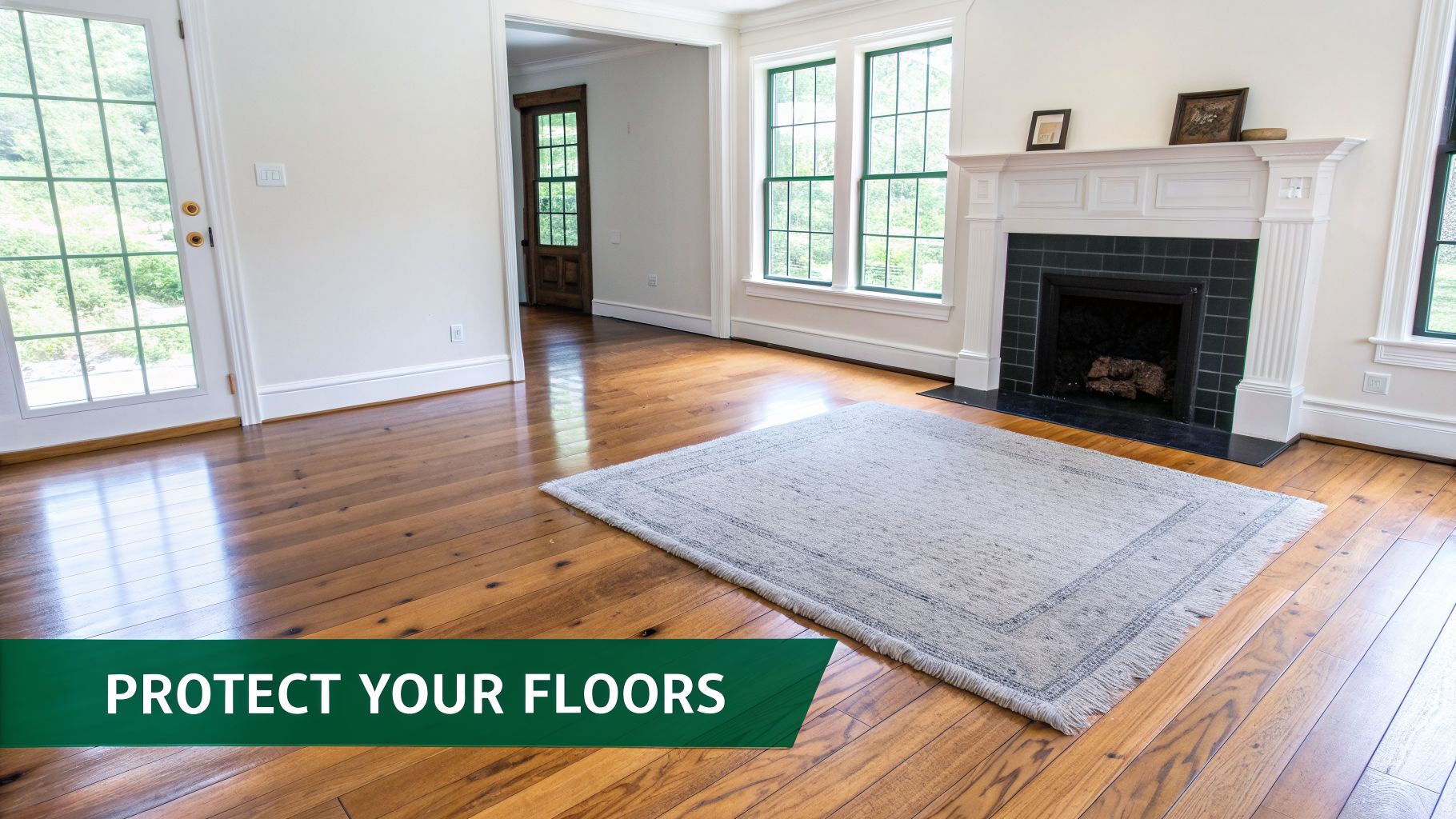
You’ve probably scrolled through dozens of flooring photos, bookmarked a few favorites, and still felt stuck. That’s because choosing hardwood floors isn’t really about picking the prettiest option. It’s about understanding which wood species, grain patterns, and tones actually work with your home’s architecture and your daily life.
In Richmond’s diverse housing market—from Fan District Victorians to Chesterfield County’s modern builds—the same oak plank can look stunning in one home and completely off in another. The difference comes down to matching wood characteristics with your specific home style, room conditions, and how you actually use your space.
Let’s break down exactly how to choose hardwood floors that enhance what you already have rather than fighting against it.
Understanding Wood Species and What They Bring to Your Home
Every wood species has distinct characteristics that affect both appearance and performance. Oak, maple, hickory, walnut, and cherry each bring different grain patterns, color tones, and durability levels to your floors.
These differences matter more than you might think. A wood species that looks perfect in your neighbor’s Craftsman bungalow might feel completely wrong in your Colonial Revival. Understanding what each species offers helps you narrow down options before you even look at samples.
The three factors that matter most are grain pattern visibility, natural color range, and hardness rating. These determine how your floors will look, how they’ll age, and how well they’ll hold up to your lifestyle.
Which Wood Species Work Best for Different Richmond Home Styles
White oak has become the go-to choice for good reason. Its closed grain structure resists moisture better than other species—important in Richmond’s humid summers. The grain is visible but not overpowering, making it versatile enough for everything from traditional to contemporary homes.
You’ll see white oak in Henrico County’s newer Transitional homes and in renovated Fan District rowhouses. It takes stain evenly, so you can go light and modern or rich and traditional. With a Janka hardness rating of 1360, it handles high-traffic areas without showing every scratch.
Red oak offers more pronounced grain patterns with warmer, slightly pink undertones. This species works beautifully in traditional Colonial Revival homes and classic Farmhouse styles where that visible grain adds character. The open grain does show texture more, which some homeowners love for its authentic wood appearance.
Maple brings a tight, uniform grain and lighter natural color. This makes it ideal for contemporary and minimalist designs where you want a clean, uncluttered look. The wood is hard—1450 on the Janka scale—so it’s practical for families with kids and pets. You’ll find maple in modern Chesterfield County homes where homeowners want that sleek, bright aesthetic.
Hickory delivers the most dramatic look with extreme color variation from pale cream to deep brown, often within the same plank. The grain is bold and the wood is incredibly hard at 1820. This species fits rustic, farmhouse, and cabin-style homes where character marks and natural variation are features, not flaws.
Walnut and cherry occupy the darker end of the spectrum. Walnut’s rich chocolate tones and straight grain create sophisticated, formal spaces. Cherry starts lighter but ages to a deep reddish-brown over time. Both work in traditional settings—think Powhatan County estates or historic Hanover County homes—where that warmth and depth enhance the architecture.
The wrong species in the wrong home creates disconnect. Light maple in a Victorian with ornate moldings feels cold. Dark walnut in a bright, modern space can feel heavy. Matching wood species to your home’s architectural language makes everything feel intentional.
How Grain Patterns Change the Look of Your Floors
Grain pattern might sound like a minor detail, but it’s one of the biggest factors in how your floors actually look once they’re installed. The grain comes from how the wood is cut from the log, and different cutting methods create completely different visual effects.
Plain-sawn (also called flat-sawn) is the most common and cost-effective method. It creates those cathedral-like arched patterns in the grain. You’ll see more variation from plank to plank, with some boards showing dramatic arcs and others more linear grain. This works well in traditional and rustic homes where you want that classic hardwood look with visible character.
Quarter-sawn produces straighter grain lines and those distinctive “ray flecks” in oak species. The grain runs more uniformly across the board, creating a cleaner, more consistent appearance. This cutting method is more expensive because it’s less efficient, but the result is worth it for Craftsman, Arts and Crafts, or modern homes where you want visual calm rather than busy patterns.
Rift-sawn falls between the two, offering straight grain without the ray flecks. It’s the most expensive because it produces the least yield from each log, but it gives you the most uniform appearance possible. You’ll see this in high-end contemporary homes where every detail is controlled and intentional.
The grain pattern you choose affects more than aesthetics. Tighter, straighter grains tend to be more dimensionally stable—they expand and contract less with humidity changes. Open grains in species like oak absorb stain more deeply, giving you richer color but also more variation between boards.
For Richmond homes, consider your interior style and how much visual movement you want underfoot. Busy, patterned rugs and detailed furniture pair better with subtle grain patterns. Minimalist spaces with clean lines can handle more dramatic grain without feeling cluttered.
Wide plank flooring—anything 5 inches or wider—shows more grain pattern per board. This amplifies whatever grain characteristics your wood species has. Narrow planks break up the grain into smaller segments, creating a busier overall look but with less dramatic individual boards.
Matching Hardwood Floors to Your Home’s Interior Design Style
Your home’s architectural style creates expectations for materials, colors, and finishes. Working with those expectations rather than against them makes your flooring choice feel right the moment it’s installed.
Traditional Colonial Revival and Victorian homes in Richmond’s established neighborhoods have formal proportions and classic details. These homes call for hardwood floors that match their elegance. Federal-style homes with their symmetry and refined details work similarly.
Modern and contemporary homes—common in newer Chesterfield and Henrico County developments—need flooring that supports their clean lines and open spaces. Transitional styles, which blend traditional and modern elements, offer the most flexibility in flooring choices.
Hardwood Floors for Traditional and Historic Richmond Homes
Traditional homes have specific architectural languages, and your floors need to speak the same language. Colonial Revival homes, with their symmetry and classic proportions, pair beautifully with medium to darker wood tones. Red oak and white oak in natural or medium brown stains complement the formality without overwhelming it.
Victorian homes in the Fan District or Church Hill often have ornate details, high ceilings, and rich woodwork. These spaces can handle darker floors—walnut or dark-stained oak—that add depth and sophistication. The key is matching the formality level. A Victorian with detailed moldings and traditional furnishings needs flooring with similar weight and presence.
Grain pattern matters in traditional homes. The pronounced grain of red oak or the character marks in hickory add authenticity to farmhouse and country-style interiors. These aren’t flaws—they’re features that make the space feel lived-in and genuine.
Historic homes often have existing architectural elements you’re working around—original trim, built-ins, or exposed beams. Your flooring should complement these elements rather than compete. If you have dark wood trim, medium-toned floors create contrast without clash. Light trim works with a wider range of floor colors but looks especially good with natural or honey-toned wood.
Plank width in traditional homes typically stays in the 3-5 inch range. This proportion feels appropriate to the period and doesn’t overwhelm rooms that might be smaller or more compartmentalized than modern open plans. Wider planks can work in larger traditional spaces like formal dining rooms or primary bedrooms.
The finish matters too. Traditional homes often look best with satin or semi-gloss finishes that have a bit of sheen. This reflects light and adds to the polished, formal feeling. Matte finishes, while trending in modern spaces, can feel too casual in a formal traditional interior.
For Powhatan County farmhouses or Hanover County rural properties with farmhouse style, embrace wider planks and more rustic character. Hand-scraped or distressed finishes, visible knots, and color variation all enhance the authentic farmhouse aesthetic. These homes can handle the drama of hickory’s color variation or the warmth of reclaimed wood looks.
Choosing Hardwood Floors for Modern and Contemporary Richmond Homes
Modern and contemporary homes operate on different design principles than traditional spaces. Clean lines, open floor plans, and minimal ornamentation create a canvas where flooring becomes a key design element rather than a background detail.
Light wood tones dominate modern interiors. White oak in natural or light finishes, maple, and ash create the bright, airy feeling that defines contemporary design. These lighter floors reflect natural light—crucial in open-concept spaces where light flows through multiple areas. They also make rooms feel larger, which is why you see them so often in modern townhomes and condos.
Wide plank flooring is almost standard in contemporary homes. Planks 6-10 inches wide create fewer seam lines, contributing to that clean, uncluttered aesthetic. The wider planks also showcase the wood’s natural grain without breaking it up into busy segments.
Grain pattern should stay subtle in modern spaces. Quarter-sawn or rift-sawn oak offers straight, consistent grain that doesn’t compete with furniture and décor. Maple’s tight grain works similarly. You want the wood to register as a warm, natural element without demanding attention.
Matte and low-sheen finishes have become the standard in contemporary design. These finishes let the wood’s natural texture come through without the reflective quality of glossier finishes. They’re also more forgiving—scratches and scuffs are less visible on matte surfaces, making them practical for high-traffic modern homes.
Color consistency matters more in contemporary spaces than in traditional ones. Modern design tends toward controlled, intentional choices rather than organic variation. Select grade hardwood with minimal color variation between planks creates that cohesive look. Character grade with knots and color shifts can feel too rustic unless you’re specifically going for a modern farmhouse hybrid.
For Transitional homes—the most common new construction style in Richmond’s suburbs—you have more flexibility. These homes blend traditional and modern elements, so your flooring can too. Medium-toned white oak in a matte finish works with both traditional furniture and contemporary pieces. Plank width can go either way depending on whether your space leans more traditional or more modern.
Open floor plans in modern homes mean your flooring choice affects multiple spaces at once. What works in your living room also appears in your kitchen, dining area, and hallway. This visibility makes your choice more impactful but also more challenging. Stick with versatile species like white oak that work across different functional areas and lighting conditions.
Making Your Hardwood Floor Decision With Confidence
Choosing hardwood floors for your Richmond home comes down to understanding three things: your home’s architectural style, the wood characteristics that match that style, and your practical needs for durability and maintenance.
Traditional homes in Henrico County’s established neighborhoods call for medium to darker woods with visible grain. Modern homes in Chesterfield County’s newer developments work best with light, wide-plank floors in matte finishes. Transitional styles give you flexibility to blend elements from both approaches.
The wood species, grain pattern, and finish you choose will affect how your home feels every single day. Take time to see samples in your actual space, with your lighting and existing finishes. What looks perfect in a showroom can read completely different in your home.
When you’re ready to discuss your specific home and which hardwood options make the most sense for your style and budget, we can walk you through the decision based on over 20 years of experience with Richmond-area homes.