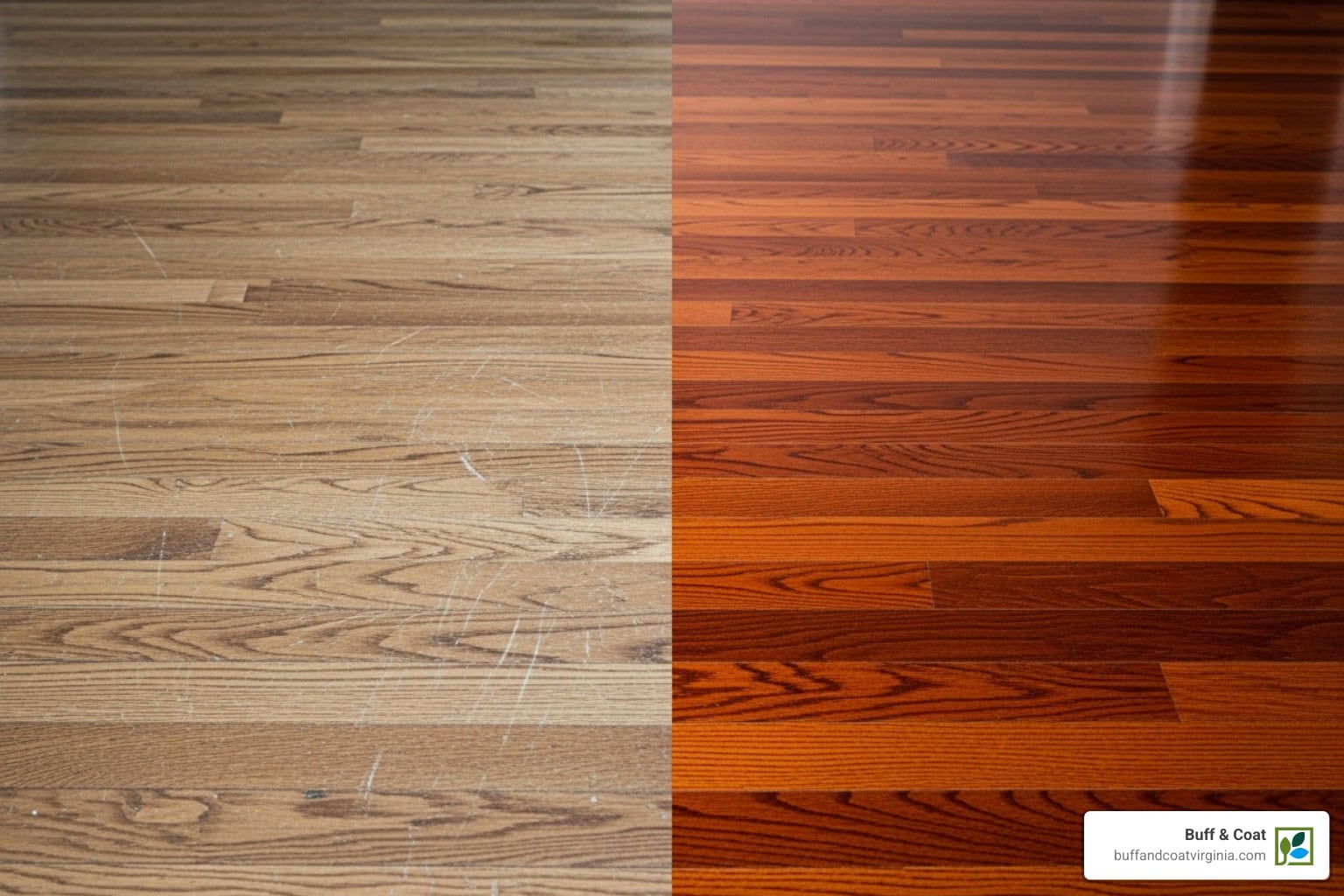
Why Hardwood Floor Refurbishing Brings Your Home Back to Life
Hardwood floors are a timeless feature that adds value and warmth, but daily life can leave them looking worn and dull. For homeowners in the Richmond area, hardwood floor refurbishing is a smart investment that revitalizes your living space. Restoring the natural elegance of hardwood floors is far more cost-effective than a full replacement, with professional refinishing costing between $3 and $8 per square foot.
This guide provides a comprehensive overview of the process, from assessment to the final protective coat. Hardwood floor refurbishing involves sanding away damage, applying a new stain if desired, and sealing the surface with a durable finish. Whether you’re considering a DIY project or hiring a professional, you’ll find the answers needed to make an informed decision.
I’m David Emmerling, President and Owner of Buff & Coat Hardwood Floor Refinishing. With over 20 years of experience in hardwood restoration throughout Virginia, our team specializes in a dustless refinishing process that completes most projects in a single day, delivering beautiful, durable results with minimal disruption.
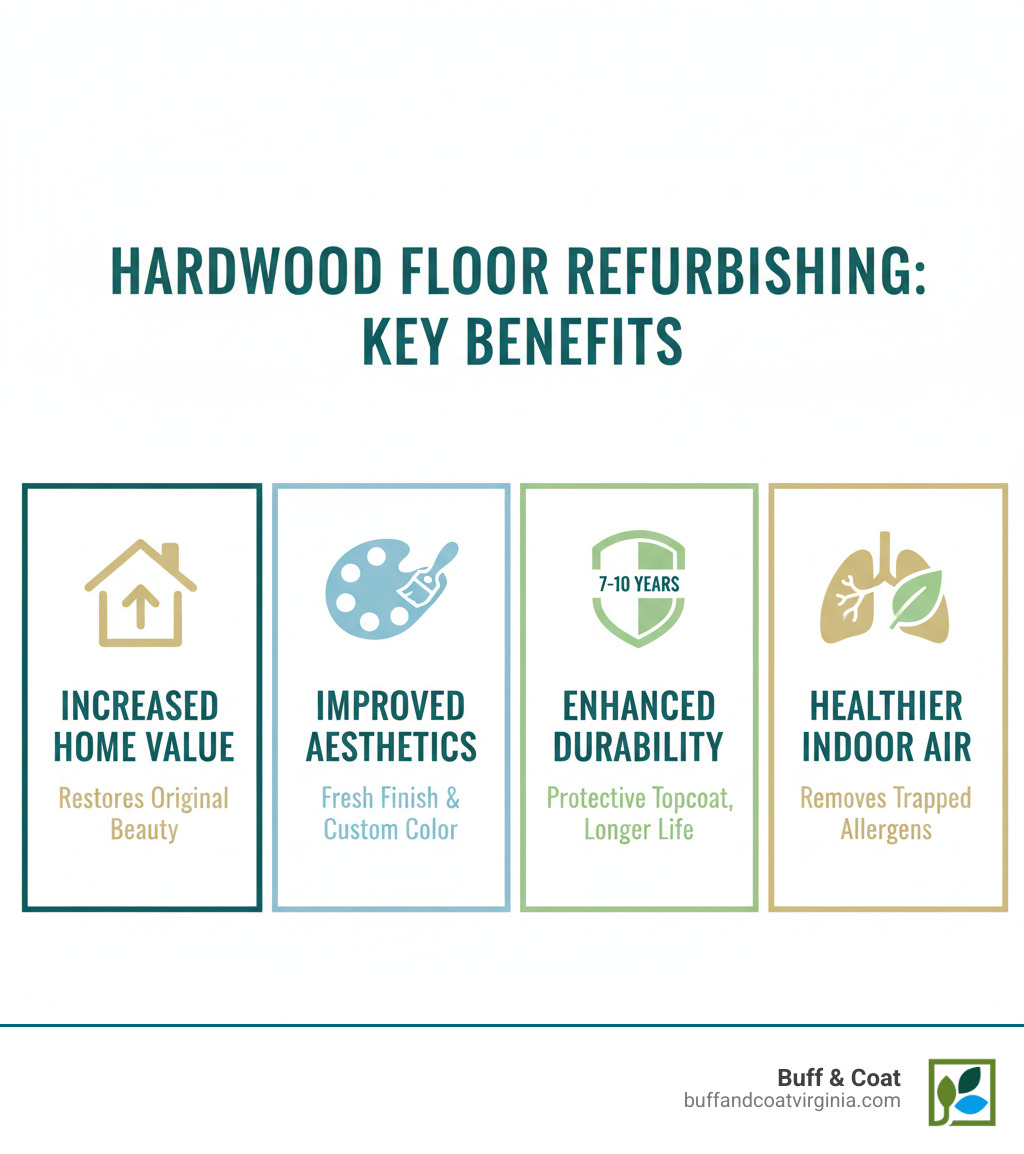
Refinishing vs. Resurfacing: Choosing the Right Revival Method
When hardwood floors show their age, you face a choice: refinishing or resurfacing? Though often confused, these are two different hardwood floor refurbishing methods. Refinishing is a complete makeover that strips floors to bare wood, while resurfacing is a protective top coat applied over the existing finish. Understanding the difference is the first step to a successful restoration.
Key Differences at a Glance
The core distinction is depth. Refinishing involves aggressive sanding to remove the old finish, scratches, and stains. Resurfacing (or buff and coat) is a surface-level treatment, applying a fresh protective layer without removing wood.
| Feature | Refinishing (Full Sand) | Resurfacing (Buff and Coat) |
|---|---|---|
| Process | Sanding down to bare wood, removing all old finish and imperfections | Light buffing and applying new topcoat over existing finish |
| Best For | Deep scratches, gouges, water damage, color changes, heavily worn floors | Minor scuffs, dullness, light surface scratches, maintaining current look |
| Durability | High – new finish bonds directly with raw wood for maximum protection | Moderate – new coat adheres to old finish, providing less penetration |
| Cost | $$$ (typically $3-$8 per square foot) | $$ (generally $478-$1,636 for average rooms) |
| Disruption | High – multi-day project requiring you to vacate the space | Low – often completed in one day with quick return to use |
Pros and Cons of Refinishing
Full refinishing is the most thorough approach, essentially giving you new floors without the cost of replacement.
Pros:
- Removes deep damage: It eliminates deep scratches, gouges, water damage, and stubborn stains by sanding away the affected wood.
- Allows for color change: You can completely change your floor’s color, from light natural tones to rich espresso.
- Extremely durable: A new polyurethane finish bonded to bare wood can last 7-10 years or more and significantly increases home value.
Cons:
- Higher cost: An average-sized space typically costs between $1,099 and $2,660.
- More disruptive: The process takes 3-5 days, and you’ll need to clear the room. Modern Dust-Free Floor Refinishing systems capture 99% of dust, but the space is unusable during the project.
- Limited lifespan: Hardwood can only be sanded 4-6 times before the planks become too thin.
Pros and Cons of Resurfacing (Buff and Coat)
Resurfacing is a lighter, faster approach to floor restoration.
Pros:
- Lower cost and time: It’s significantly cheaper (around $1,024 for an average project) and is often completed in a single day.
- Minimal disruption: There’s no heavy sanding, very little dust, and you can often walk on the floors within hours.
- Extends finish life: It adds a fresh protective layer, pushing back the need for a full refinish by several years and restoring luster.
Cons:
- Cannot fix deep damage: Deep scratches, gouges, and dents will remain visible.
- No color change: You are limited to your current stain color.
- Less durable: The new finish bonds to the old finish, not raw wood, so it’s less durable than a full refinish.
- Requires good existing finish: It only works if the old finish isn’t peeling or excessively worn. Our Buff Coat Hardwood Refinishing Guide helps determine if your floors are good candidates.
The choice depends on your floor’s condition, budget, and goals. If you’re unsure, contact us for a free inspection. We’ll recommend the best approach for your home.
Is It Time to Refurbish? 7 Signs Your Hardwood Floors Need Attention
Your hardwood floors endure daily foot traffic, pet claws, and spills. Eventually, they need more than a simple cleaning—they need professional hardwood floor refurbishing.
A simple test can reveal your floor’s condition: place a drop of water on a high-traffic area. If it beads up, the finish is intact. If it soaks in quickly, the protective layer is gone, and the bare wood is vulnerable. That’s a clear sign it’s time for a refresh.
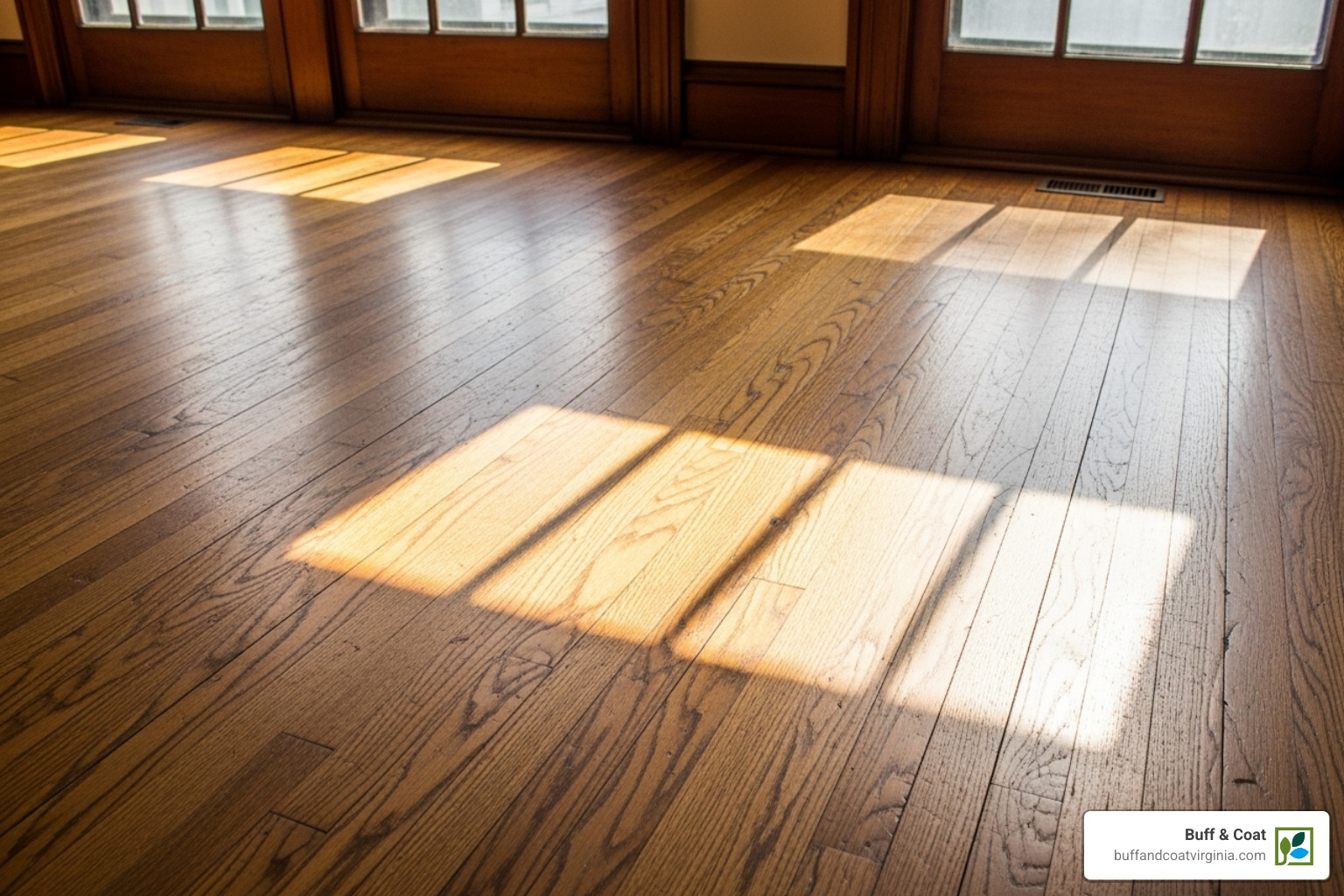
Here are seven key signs your floors need attention:
- Water Damage: Look for dark spots, stains, or “cupping,” where board edges are higher than the center. A grayish hue indicates severe moisture damage that requires immediate intervention.
- Sun Fading (Discoloration): If the wood under a rug or furniture is a different color, UV exposure has altered it. This can only be corrected by sanding down to fresh wood.
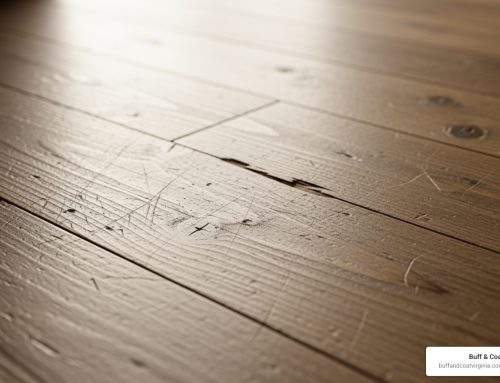
- Deep Scratches and Gouges: Minor surface scratches are normal, but if you can catch your fingernail in a scratch, it has penetrated the finish and requires a full refinish.
- Worn-Out Finish: Dull, hazy patches in high-traffic areas (hallways, doorways) mean the protective topcoat is gone, leaving the wood exposed to dirt and moisture.
- Excessive Scuffing: A network of white or light marks that won’t clean off indicates the finish has broken down. While a buff and coat can fix minor scuffs, widespread marks require more.
- Splintering Boards: Splinters are a safety hazard and a sign of advanced deterioration, meaning the wood is drying out or has structural damage.
- Impossible-to-Remove Stains: Stains from pet accidents or spills that have penetrated deep into the wood fibers can only be removed by sanding.
Most floors need refinishing every 7-10 years. For more on timing, see our guide on How Often Should Hardwood Floors Be Refinished?. If you see these signs, schedule your free estimate so we can assess what your floors need.
The Complete Guide to Hardwood Floor Refurbishing
The hardwood floor refurbishing process consists of four main stages: preparation, sanding, staining, and finishing. While DIY is an option, it’s risky and requires specialized equipment. A professional hardwood floor refinishing service ensures a flawless, durable result with far less disruption.
Step 1: Preparation
Proper preparation is the foundation of a successful project.
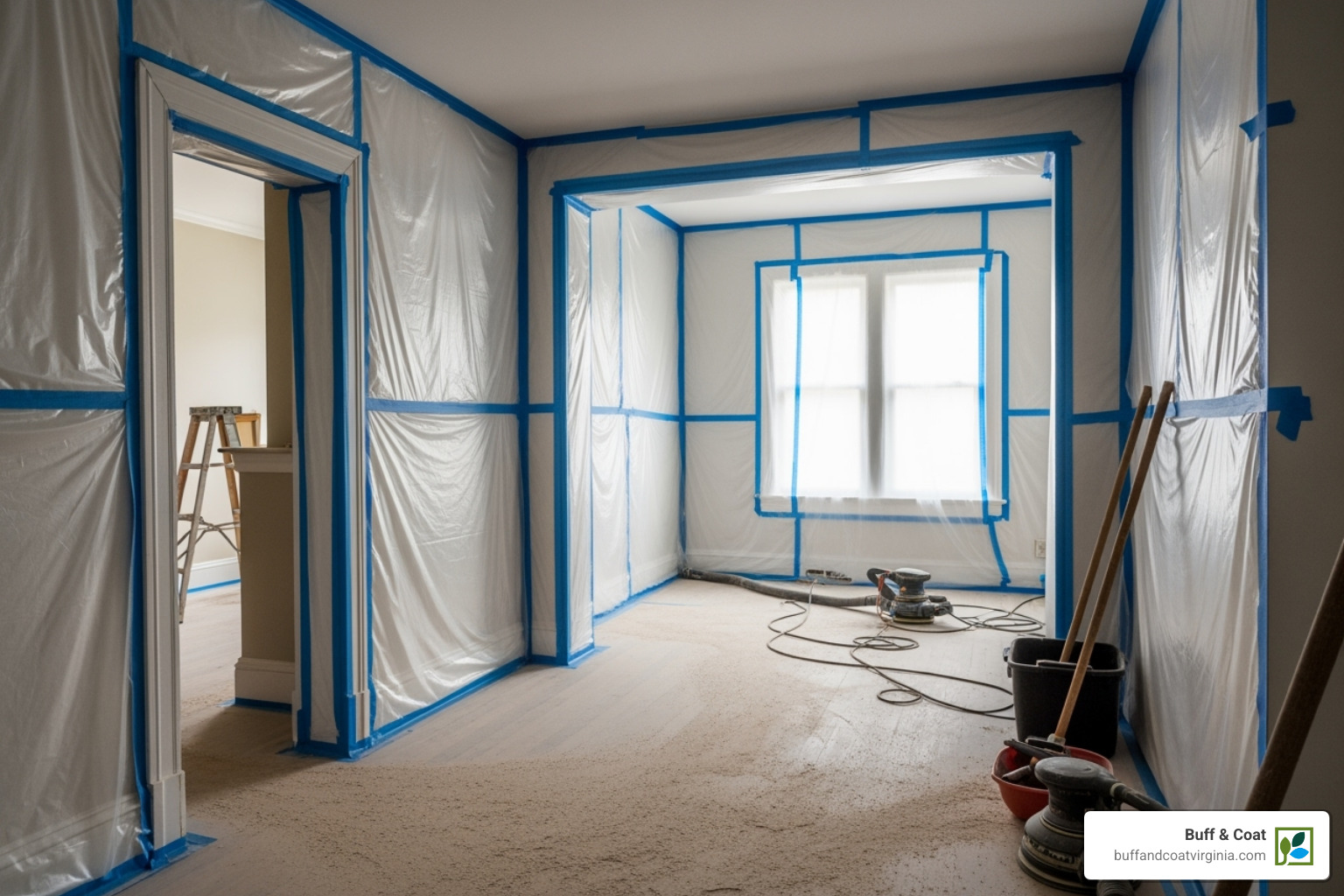
- Clear the Room: All furniture, rugs, and wall hangings must be removed.
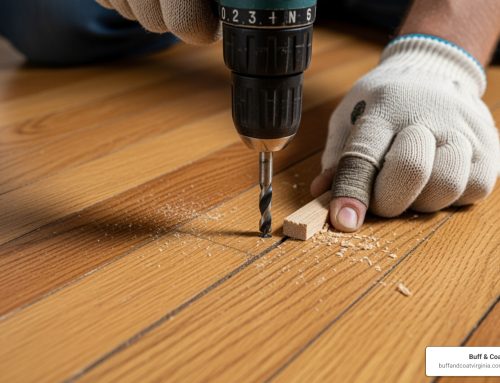
- Secure Boards: Any loose or creaky boards are nailed or screwed to the subfloor to ensure stability.
- Set Nails: Protruding nails are hammered below the wood surface to prevent damage to sanding equipment.
- Remove Baseboards: This allows for sanding right up to the wall, creating a seamless look.
- Seal the Area: Vents and doorways are sealed with plastic to contain dust, even when using dustless systems.
For a detailed walkthrough, see our guide: How Do I Prepare My House for Hardwood Floor Refinishing?
Step 2: Sanding to Bare Wood
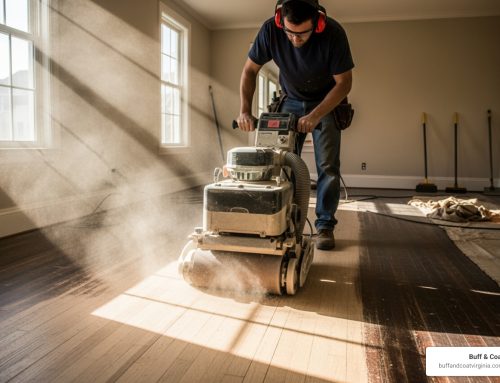
Sanding is the most critical step, as it removes the old finish, scratches, and imperfections to create a clean slate. Professionals use drum sanders and edgers, moving through progressively finer grits of sandpaper (e.g., from coarse 36-grit to fine 100-grit). This gradual process is essential for a smooth surface, as skipping grits leaves visible scratch marks. Our advanced dustless sanding technology captures up to 99% of airborne dust, making the process cleaner and healthier for your home.
Step 3: Staining for a New Look
After sanding and cleaning, a new stain can be applied to change the floor’s color. This is your chance to customize the look, whether matching existing trim or choosing a bold new shade. We use high-quality penetrating stains for rich, lasting color. Alternatively, a clear sealer can be applied to improve the wood’s natural beauty without altering its color. The stain must dry completely before the finish is applied to ensure proper bonding.
Step 4: Applying the Protective Finish
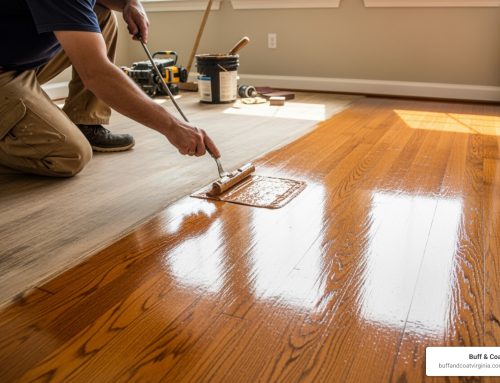
The final step is applying multiple coats of a protective finish, usually polyurethane, to shield the wood from wear, moisture, and UV damage. Light sanding between coats ensures a perfectly smooth result.
- Oil-Based Finishes: Known for exceptional durability and a warm amber tone that enriches the wood’s color over time. They are ideal for high-traffic areas.
- Water-Based Finishes: Dry faster, have less odor, and remain clear, preserving the wood’s true color. They are a popular choice for bedrooms and living areas.
Drying times vary. Oil-based finishes may take 12-24 hours per coat to be ready for light foot traffic, while water-based can be ready in 4-6 hours. However, we always advise waiting a full week before returning furniture to allow the finish to fully cure and harden. This patience ensures your finish will protect your floors for 7 to 10 years or more.
The Cost of Revival: Budgeting for Your Project
The cost of hardwood floor refurbishing depends on the project size, floor condition, and whether you hire a professional. While DIY seems cheaper, mistakes are common and costly to fix, often exceeding the price of a professional job from the start.
Professional vs. DIY Cost Breakdown
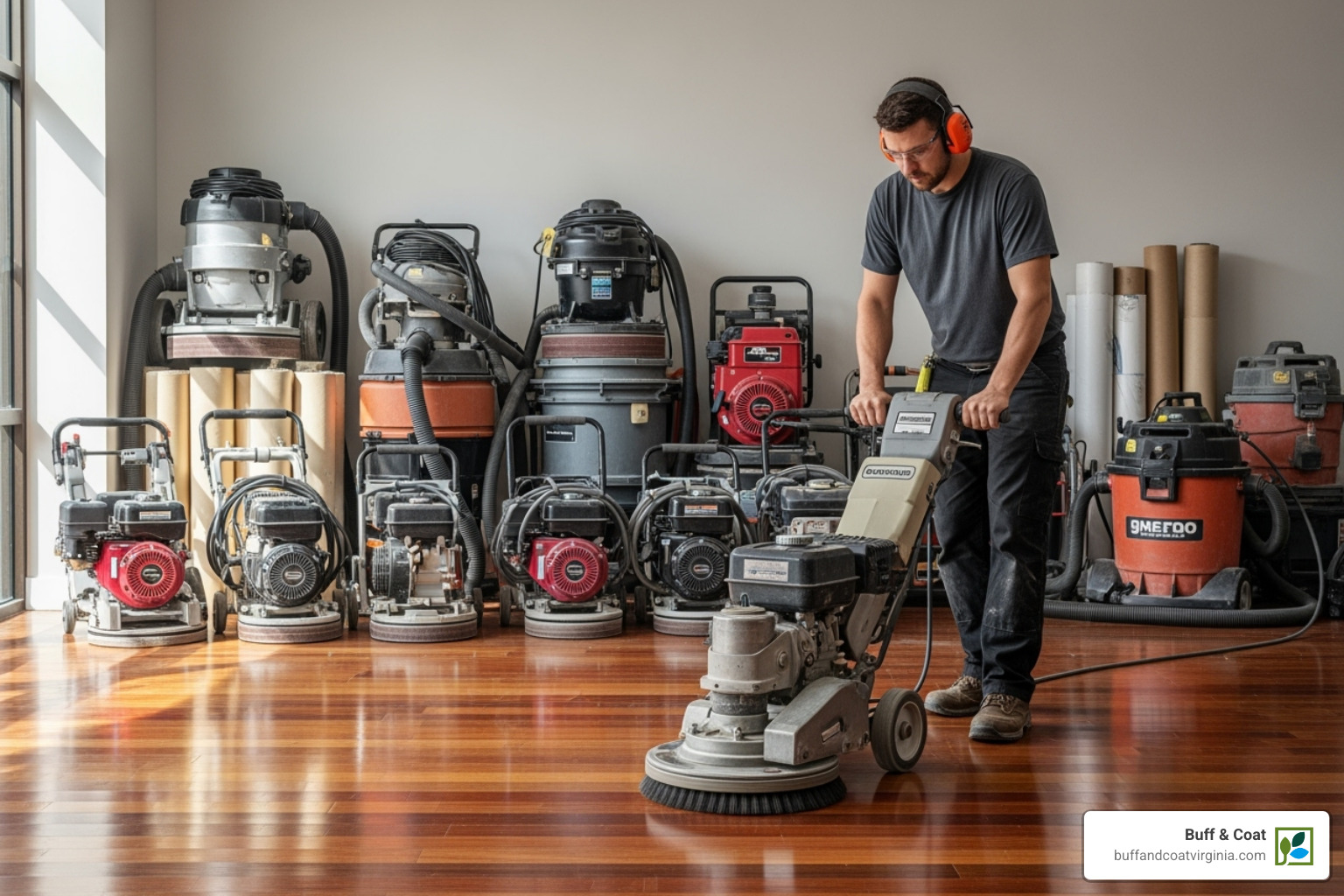
- Professional Refinishing: Typically costs $3 to $8 per square foot. Most homeowners pay around $1,800 for an average project. While labor is a significant portion, it covers expertise, specialized equipment, and guaranteed results.
- DIY Refinishing: Materials and equipment rentals can cost over $500 for a small room. However, our research indicates that 90% of DIY attempts require professional correction due to common errors like uneven sanding or bubbly finishes. This can double the total project cost.
For a detailed breakdown, our Hardwood Refinishing Cost Complete Guide offers a full comparison.
Factors Influencing the Final Price
A professional estimate considers more than just square footage:
- Floor Condition: Extensive damage from water, pets, or deep gouges increases labor and repair costs.
- Wood Type: Softer or more porous woods can be more time-consuming to refinish.
- Finish Type: Oil-based and water-based polyurethanes have different material costs and application times. Our dustless refinishing costs between $5 and $8 per square foot but eliminates mess and health concerns.
- Additional Services: Furniture moving, subfloor repair, or carpet removal will add to the total.
- Location: Labor and material rates vary by region. Costs for floor refinishing in Richmond, VA reflect local pricing.
Is Refinishing a Worthwhile Investment?
Absolutely. Hardwood floor refurbishing is a sound investment that costs significantly less than replacement. According to This Old House, refinishing restores home value and extends the life of your floors by decades. It’s also a sustainable choice that preserves existing materials. A new protective layer will defend your floors against daily wear for another 7 to 10 years, making it an improvement you can enjoy every day.
Frequently Asked Questions about Hardwood Floor Refurbishing
Homeowners often have questions about hardwood floor refurbishing. Here are answers to the most common concerns.
How long does the hardwood floor refurbishing process take?
A professional job typically takes three to five days. This includes sanding, staining, applying multiple finish coats, and allowing for adequate drying time. You can usually walk on the floors with socks 24 to 48 hours after the final coat. However, it is crucial to wait a full week before moving furniture back to allow the finish to fully cure and harden.
Can you refinish engineered wood or prefinished floors?
Yes, most modern engineered and prefinished floors can be refinished, but only if the top wood veneer is thick enough (typically 2-3mm or more). Sanding through this veneer will ruin the floor. This is a job for professionals who can measure the veneer thickness to determine if refinishing is a safe option. For more details, see our Refinish Engineered Wood Floors Complete Guide.
Can laminate flooring be refinished or resurfaced?
No, laminate flooring cannot be refinished or resurfaced like hardwood. Laminate is a synthetic product with a photographic image of wood on its surface. Sanding it will permanently destroy this layer and expose the fiberboard core. If your laminate floor is worn or damaged, replacement is the only option.
Restore Your Floors with Expert Care
Revitalizing your hardwood floors is one of the most impactful home improvements you can make. Whether you need a full sand-and-refinish or a simple buff and coat to restore shine, a professional hardwood floor refurbishing service provides the best results and peace of mind.
At Buff & Coat, we have served Virginia homeowners for over two decades. Our signature dustless refinishing process completes most projects in a single day with minimal mess and disruption. We pride ourselves on delivering a beautiful, durable finish that lasts for years.
Ready to bring your hardwood floors back to life? Call us at (816) 974-7049 or schedule your free, no-obligation inspection today. We’ll assess your floors and provide an honest, customized recommendation.