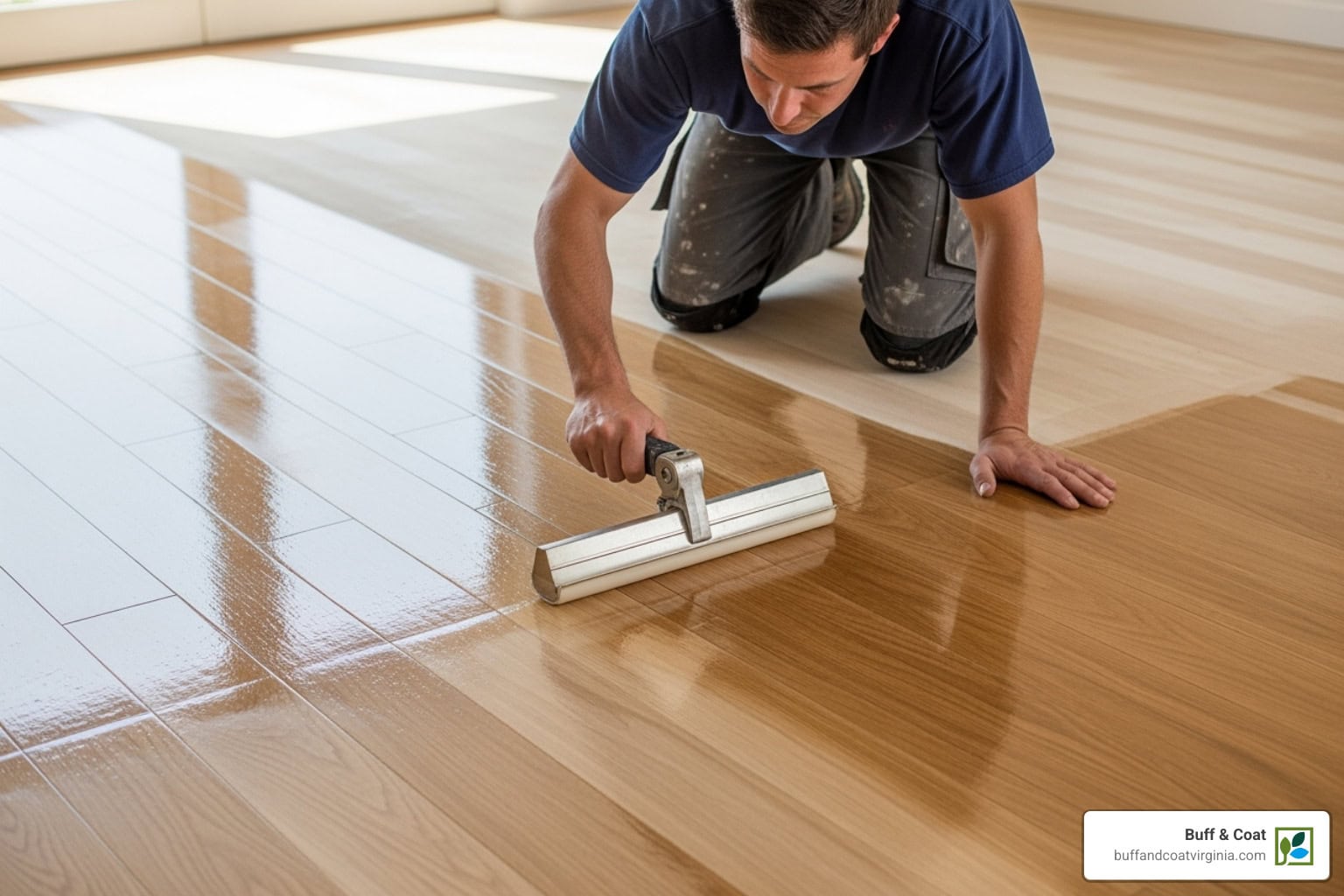
Introduction: Reviving Your Home’s Classic Charm
When your beloved hardwood floors start looking dull, scratched, or just plain tired, it’s time to consider finishing hardwood floors. This process can bring back their original beauty and protect them for years to come. At Buff & Coat, we specialize in professional hardwood floor refinishing that restores your home’s classic charm without the mess or disruption of traditional methods. Understanding your options is the first step, and this guide will walk you through the best approaches, whether you need a simple refresh or a complete overhaul. We’re here to help you make the best choice for your home and budget.
Here’s a quick look at the main approaches:
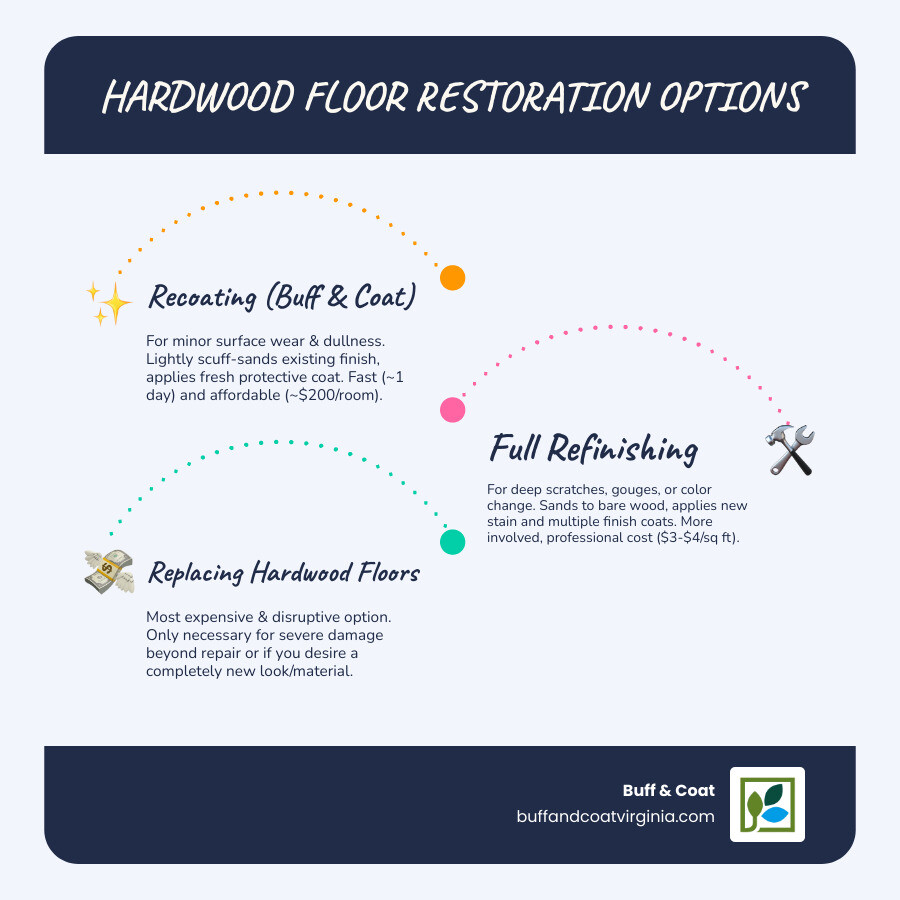
- Recoating (Buff & Coat): Ideal for minor surface wear, this involves lightly scuffing the existing finish and applying a new protective coat. It’s fast, often done in a day, and cost-effective.
- Full Refinishing: For floors with deep scratches or if you want a new stain color, this method sands the floor down to bare wood before applying a new stain and finish. It’s a more intensive restoration.
- Replacing: The most expensive option, reserved for floors with severe, irreparable damage.
I’m David Emmerling, owner of Buff & Coat Hardwood Floor Refinishing. With over 20 years of experience, we specialize in high-quality, dustless buff-and-coat services that transform most floors in a single day with minimal disruption.
Understanding Floor Restoration: Refinish, Resurface, or Replace?
When your hardwood floors look worn, you’ll hear terms like “refinishing,” “resurfacing,” and “replacing.” Understanding the difference is key to choosing the right approach for your home and budget.
Refinishing vs. Resurfacing
Think of your floor’s finish as its protective shield. Over time, this shield gets worn down.
-
Refinishing is a complete overhaul. We sand the floor down to the bare wood, removing the old finish, stain, and surface-level damage like deep scratches and dents. This allows for a total change, including changing the color with a new stain before applying multiple coats of a durable new finish.
-
Resurfacing, which we call our signature Buff & Coat method, is a less invasive refresh. Instead of sanding away wood, we lightly abrade (or “buff”) the existing topcoat to create a surface the new finish can adhere to. This is perfect for floors with minor surface scratches and dullness, restoring shine and protection quickly and affordably.
When Refinishing is Necessary
While a Buff & Coat is great for maintenance, a full refinish is essential for more significant issues:
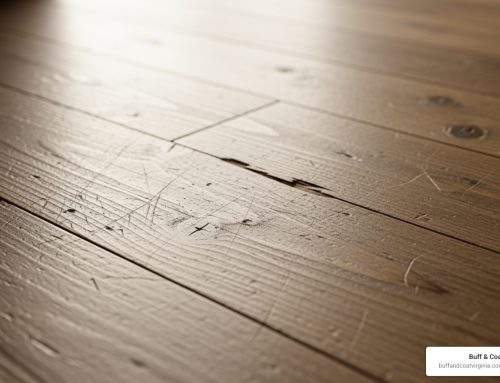
- Deep Scratches and Gouges: Damage that has penetrated the finish and scarred the wood itself.
- Water Damage: Dark stains or discoloration from spills or moisture that have soaked into the wood.
- Changing the Color: If you want to go from a light to a dark stain (or vice-versa), you must sand down to the raw wood.
- Worn-Through Finish: Areas where the protective layer has completely worn away, leaving the wood exposed.
Refinishing vs. Replacing Cost
It is almost always more cost-effective to refinish hardwood floors than to replace them. Replacement involves the cost of new materials, demolition, disposal, and installation, which adds up quickly. According to HomeAdvisor, professional refinishing typically costs between $3 to $4 per square foot, with an average project cost around $1,879. Replacing floors can be several times that amount, making refinishing a much more budget-friendly investment.
How Long Do Hardwood Floors Last?
With proper care, solid hardwood floors can last a lifetime. Most can be sanded and refinished up to 10 times, depending on their thickness. This incredible durability is why hardwood is such a valuable and long-lasting feature in any home. To learn more about the ideal frequency for this service, check out our guide on How Often to Refinish Hardwood Floors.
Ranking the Top 3 Hardwood Floor Finishing Methods
Choosing the right method for finishing hardwood floors depends on your floor’s condition and your goals. Here, we rank the top three approaches, from the most intensive to the quickest refresh.
Method #1: Traditional Full Sand & Refinish
This is the gold standard for floors that need a complete reset, turning back the clock to a like-new condition.
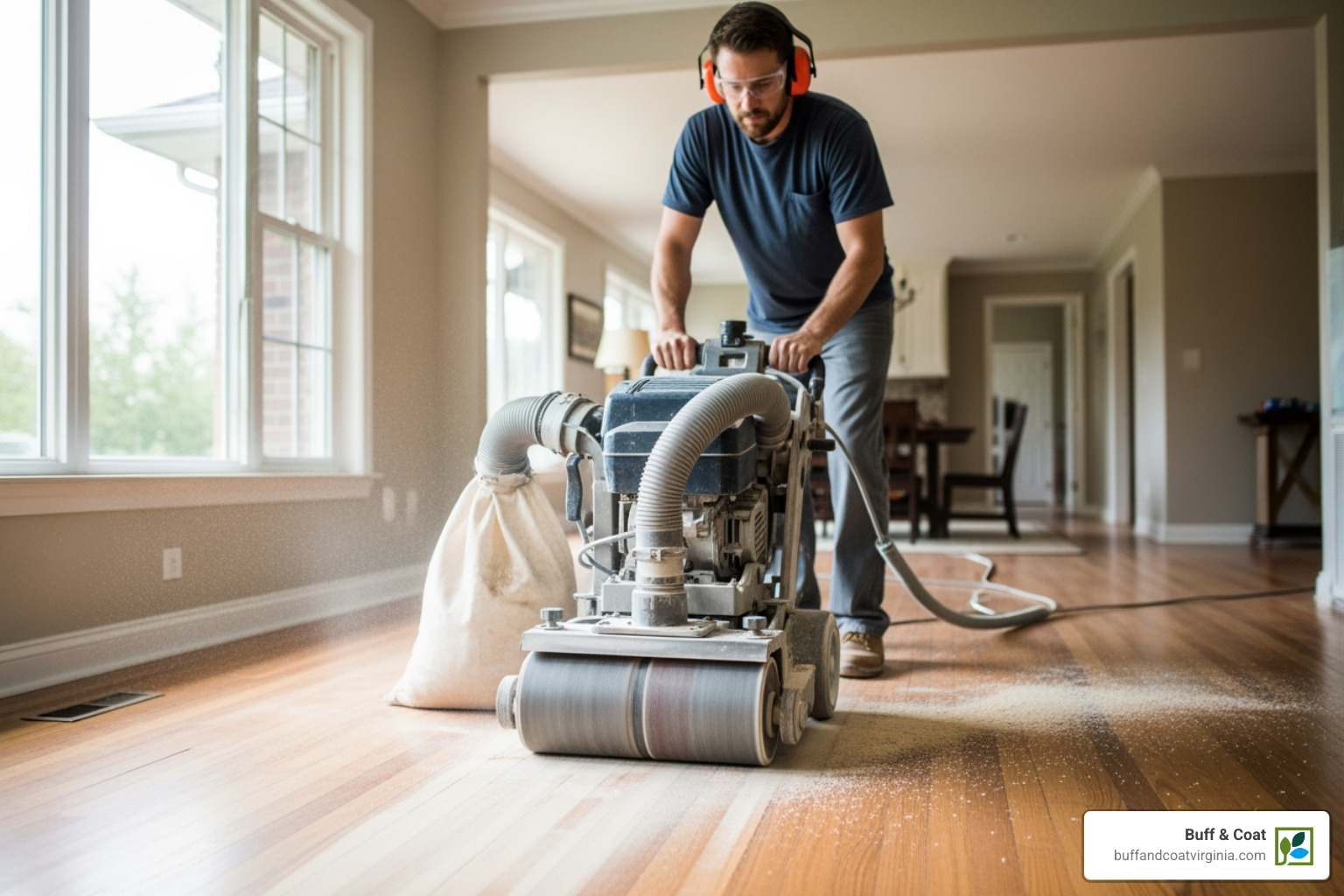
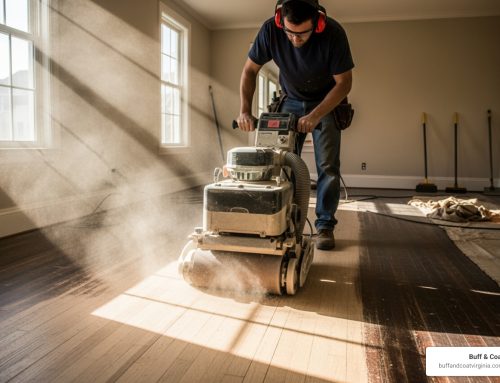
- What it is: This process uses powerful drum sanders and edgers to remove the old finish, stain, and a thin layer of wood. This erases deep scratches, gouges, and water stains, creating a fresh surface. It’s the only method that allows for a complete color change.
- Why it’s great: It delivers a complete restoration, making old floors look brand new. It’s the only way to fix deep damage and allows for total customization of the stain color.
- Things to consider: This is the most disruptive, time-consuming, and expensive option. It requires vacating the area for several days and, while modern systems minimize it, creates more dust than other methods.
- Best for: Floors with significant damage, deep scratches, or for homeowners wanting a dramatic color change.
Method #2: Screen and Recoat (The “Buff & Coat” Method)
Our signature service is the perfect middle ground, ideal for maintaining your floor’s beauty without the intensity of a full sanding.
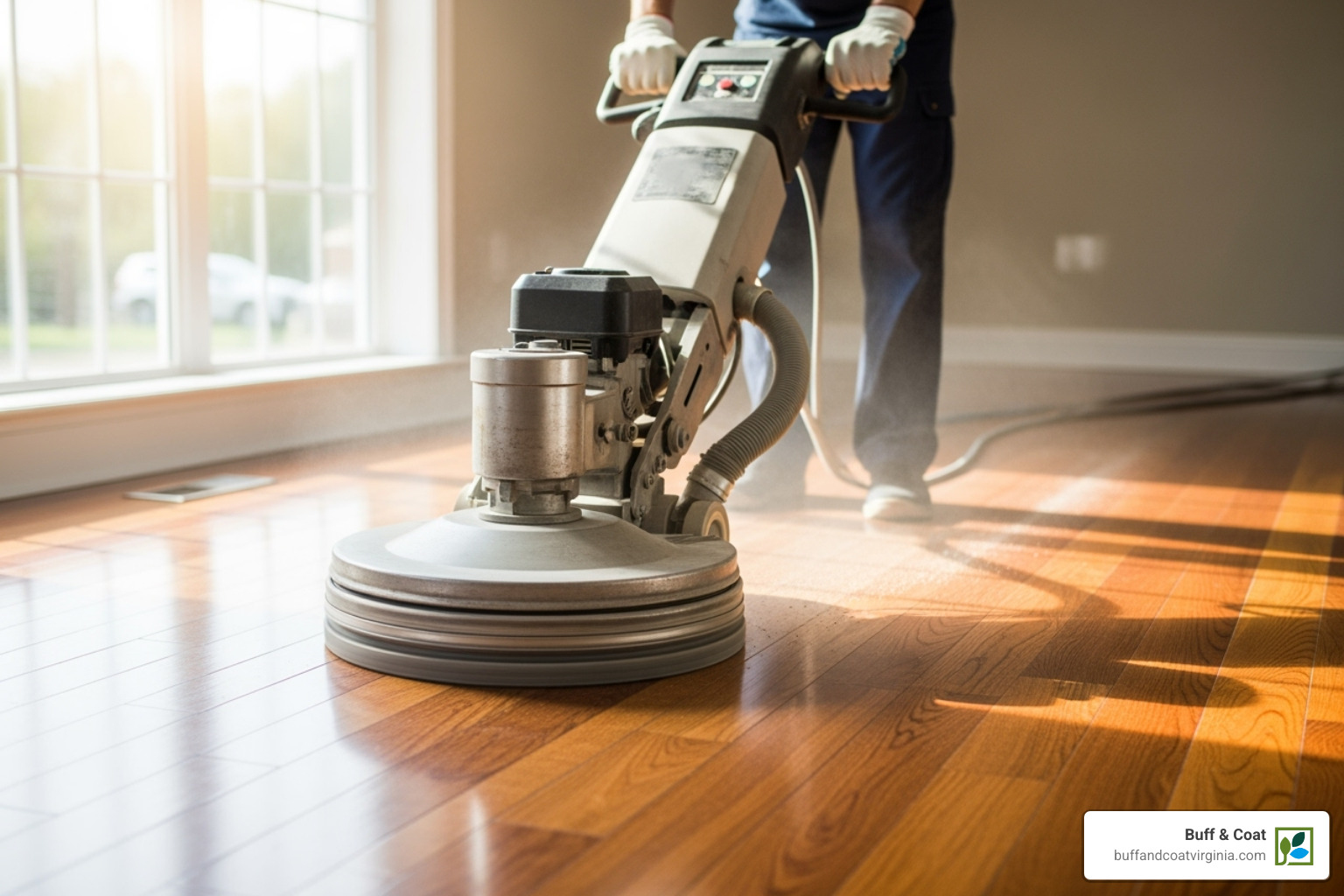
- What it is: Instead of sanding to bare wood, we use a buffer with a fine-abrasive screen to lightly scuff the existing finish. This process, also known as screening, creates an ideal surface for a new coat of finish to mechanically bond to, restoring its protective layer and shine.
- Why it’s great: It’s significantly faster (often done in one day), more affordable, and far less disruptive than a full refinish. Our Dust-Free Hardwood Floor Refinishing process keeps your home clean. Crucially, it doesn’t remove wood, which helps preserve your floor’s lifespan.
- Things to consider: This method cannot fix deep scratches, gouges, or stains that have penetrated the wood. It also does not allow for a change in floor color.
- Ideal for: Floors that are in good structural condition but have lost their luster or have minor surface scratches. It’s the perfect choice for routine maintenance.
Method #3: Chemical Etching or “Sandless” Refinishing
This method uses a chemical solution instead of mechanical abrasion to prepare the floor for a new coat of finish.
- What it is: A liquid solution is applied to the floor to slightly dissolve and etch the old finish, creating a surface for a new topcoat to adhere to. It’s the fastest option and generates no dust.
- Why it’s great: It’s extremely quick and completely dust-free.
- Things to consider: This method can’t fix any physical imperfections like scratches. The chemical bond may not be as durable as the mechanical bond created by screening, and it’s not compatible with all types of existing finishes. Its long-term durability is often less than other methods.
- Best for: Floors with only very light surface dullness, where a quick, temporary cosmetic fix is desired.
For more information on different finish types, see our guide to Understanding Finished Wood Floors.
A Deep Dive into the Process of Finishing Hardwood Floors
Understanding the key steps and choices in finishing hardwood floors helps you appreciate the craftsmanship involved, whether you hire a pro or attempt it yourself.
Choosing Your Perfect Sheen and Finish
The type of finish you choose determines both the look and durability of your floors.
- Finish Types: The most common options are oil-based polyurethane (durable, ambers over time), water-based polyurethane (durable, clear, low odor, fast-drying), and hard-wax oils (natural look, easy to spot-repair).
- Sheen Levels: This refers to how much light the finish reflects. Matte has the least shine and is best for hiding imperfections. Satin offers a soft, low-luster glow and is the most popular choice. Semi-gloss and gloss finishes are shinier and more reflective, but they will show scratches and dust more easily.
For more technical details on wood properties, you can explore external resources like Learn about wood durability and hardness ratings.
The DIY vs. Professional Decision
While a DIY approach can seem cost-effective, refinishing floors is a demanding job that requires specialized equipment and expertise.
-
DIY Challenges: Renting a drum sander, edger, and buffer can be expensive, and using them correctly without damaging the floor is difficult. The process is physically demanding, time-consuming (often taking 4+ days), and creates a significant amount of dust if not managed with professional-grade containment systems. Mistakes like uneven sanding or lap marks in the finish can be costly to fix.
-
Professional Advantages: Hiring experts like Buff & Coat ensures the job is done efficiently and correctly. We use high-powered, dust-contained equipment for a cleaner, healthier process. Our experience guarantees a smooth, even, and durable finish that will last for years. While the upfront cost is higher, it saves you time, stress, and the risk of expensive errors. Learn more about the benefits in our article on Why Hire Professionals for Hardwood Floor Refinishing.
Step-by-Step DIY Guide for Finishing Hardwood Floors
If you’re committed to the DIY route, here is a simplified overview of the process. Patience and attention to detail are critical.
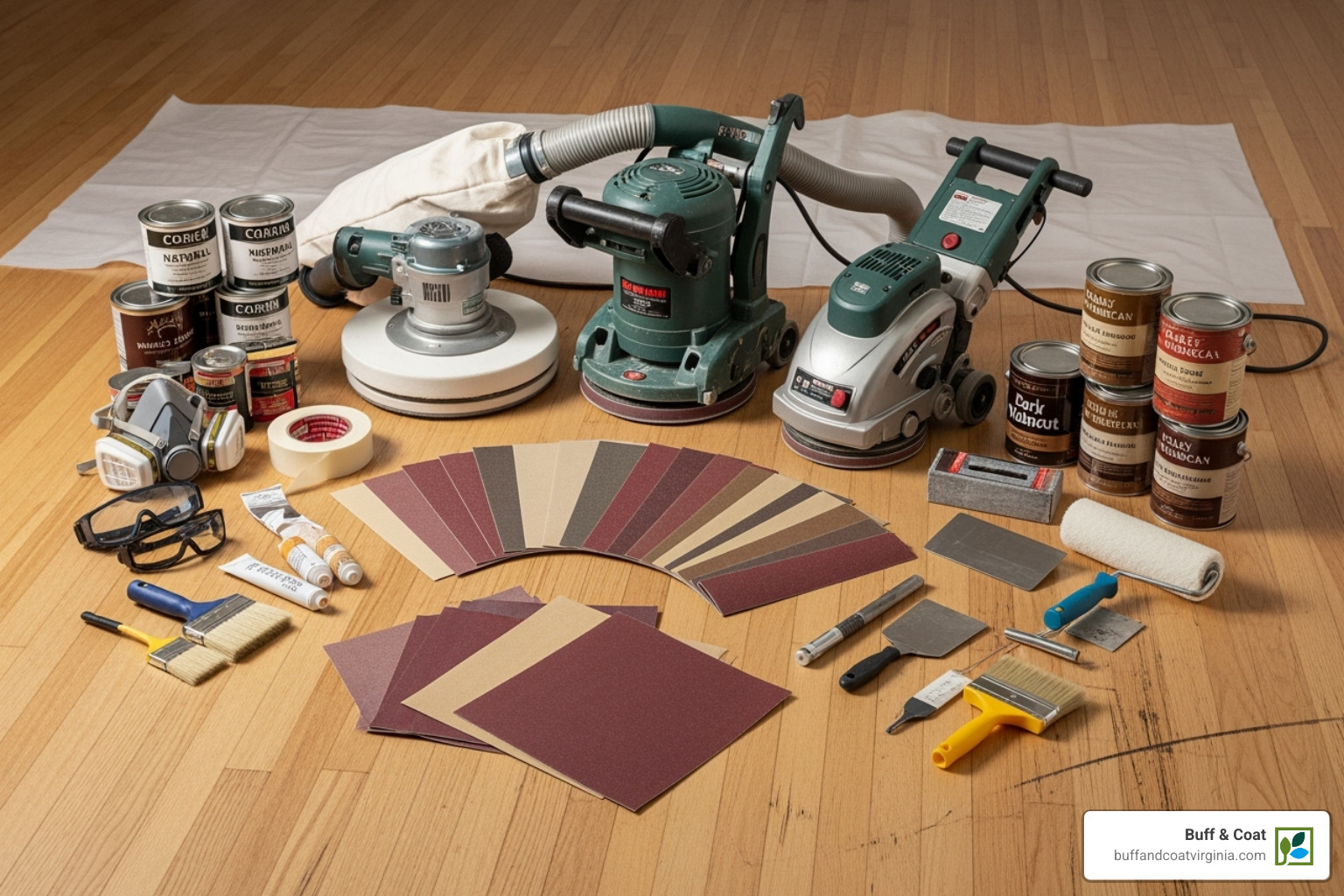
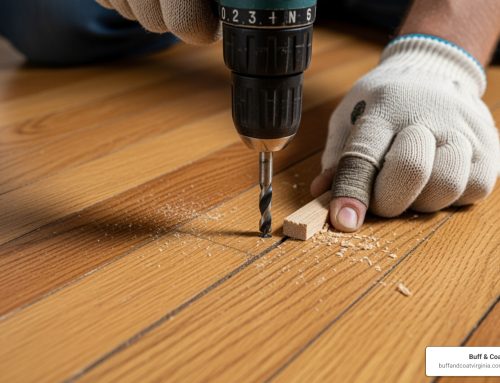
- Preparation: Empty the room completely. Seal off doorways and vents with plastic to contain dust. Remove baseboards and check for any protruding nails.
- Sanding: This is the most crucial step. Use a drum sander for the main floor and an edger for the perimeter. Start with a coarse-grit sandpaper to remove the old finish, then move to progressively finer grits to smooth the wood. This requires a steady hand to avoid creating dips and grooves.
- Cleaning: Thoroughly vacuum all dust between each sanding pass. Before staining or finishing, use a tack cloth to remove any remaining fine particles.
- Staining (Optional): If you’re changing the color, apply the stain evenly with an applicator pad, wiping away the excess as you go. Allow it to dry completely.
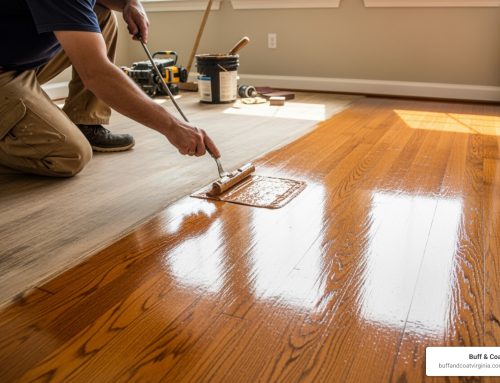
- Applying Finish: Apply 2-3 coats of polyurethane, allowing for adequate drying time between each coat. Lightly sand (or ‘screen’) the floor between coats to ensure proper adhesion and a smooth result.
- Curing: The floor needs several days to fully cure and harden before you can move furniture back in.
For a detailed guide on getting your space ready, see our post on Preparing Your Home for Hardwood Floor Refinishing.
Frequently Asked Questions about Floor Finishing
When considering finishing hardwood floors, homeowners often have questions. Here are answers to some of the most common ones we hear.
How long does it take for the new finish to dry and cure?
It’s important to distinguish between drying and curing.
- Drying: This is when the surface is no longer tacky. Water-based finishes are often dry to the touch in 2-4 hours, while oil-based finishes can take 8-12 hours. You can typically walk on the floor in socks after 24 hours.
- Curing: This is the process of the finish fully hardening and reaching maximum durability. This can take anywhere from 7 to 30 days, depending on the product and environmental conditions. You should wait until the floor is fully cured before placing area rugs or heavy furniture.
Can you refinish hardwood floors without sanding?
Yes, but with limitations. The term “sandless refinishing” usually refers to one of two methods:
- Chemical Etching: This uses a solution to chemically abrade the old finish. It’s fast and dust-free but only works for very minor scuffs and may not create as durable a bond as mechanical abrasion.
- Screen and Recoat (Buff & Coat): This is our preferred method for floors that don’t need a full sand-down. We use a buffer with a fine-grit screen to lightly abrade the surface. This creates a strong mechanical bond for the new finish and is far more effective at removing minor scratches and restoring sheen than chemical methods. It’s the ideal way to refresh your floors without the time and disruption of a full refinishing project.
How long do refinished hardwood floors last?
The longevity of a refinished floor depends on several factors:
- Type of Finish: High-quality, professional-grade polyurethanes offer superior durability.
- Foot Traffic: High-traffic areas like kitchens and hallways will show wear faster than bedrooms.
- Maintenance: Regular cleaning with proper products, using felt pads on furniture, and cleaning up spills promptly will significantly extend the life of your finish.
A professionally applied finish can last 10 to 20 years with proper care. Factory-applied finishes with aluminum oxide can last even longer, sometimes up to 25 years.
Get a Dazzling Finish from Richmond’s Top Experts
Now that you understand the options for finishing hardwood floors, from a full sand-and-refinish to our efficient Buff & Coat method, you’re ready to take the next step. Choosing the right service is an investment that adds significant value and beauty to your home.
Whether your floors have deep scratches from years of family life or have just lost their original luster, we can help you find the right solution for your needs and budget. Our goal is to make the process as smooth and non-disruptive as possible.
For a flawless, durable, and dust-minimized finish in the Richmond, Virginia area, trust the professionals. We pride ourselves on delivering exceptional results with a focus on keeping your home clean throughout the project.
We offer free, no-obligation estimates to provide you with personalized, expert recommendations. Don’t let dull or scratched floors detract from your home’s beauty any longer.
Ready to see how amazing your floors can look? Schedule your free inspection with Buff & Coat today!