
Wood Floor Installers in Pole Green, VA
Hardwood Floors That Actually Add Value to Your Home
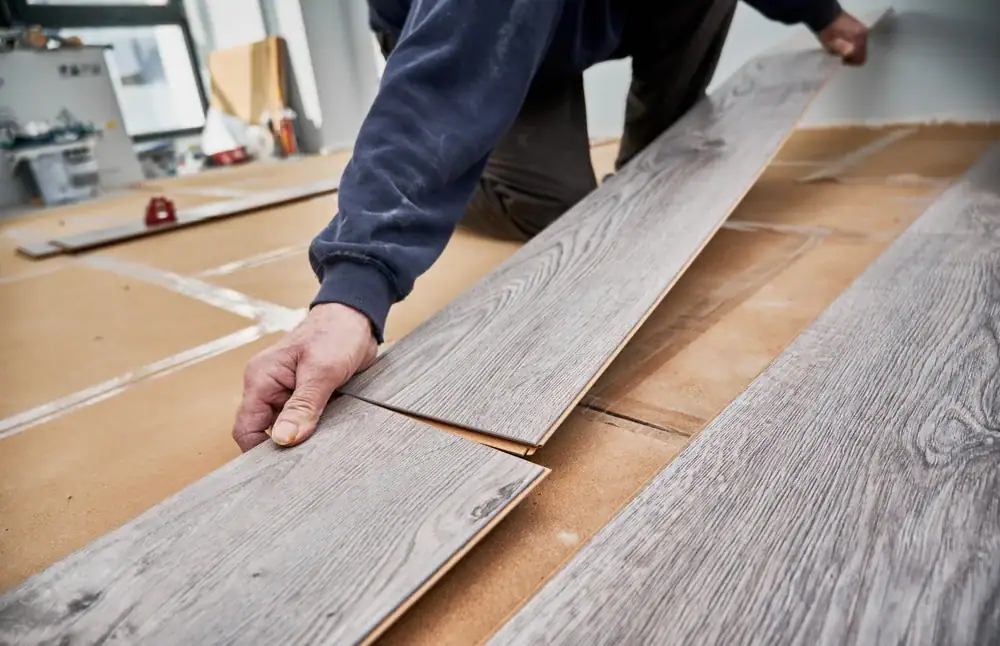
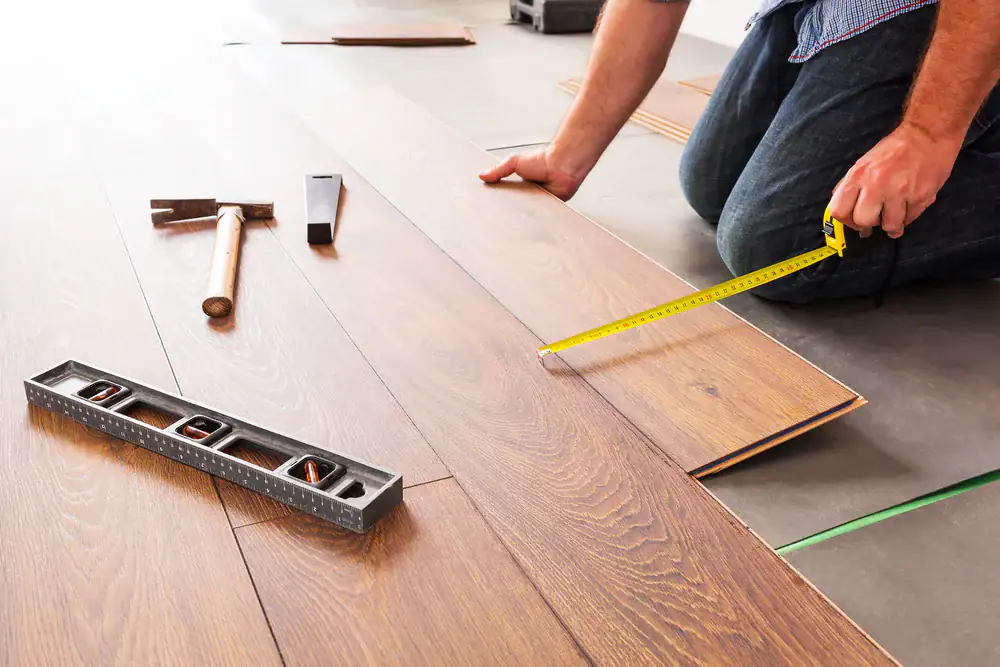
Hardwood Floor Installation in Pole Green
You’re not just getting new floors installed. You’re making a decision that affects your home’s value, your family’s health, and how much you actually enjoy being in your space every single day.
Hardwood floors give you a 70-80% return on investment when you sell. That’s not marketing talk—that’s what real estate professionals see happen over and over. Ninety percent of them will tell you homes with wood floors sell faster and for more money.
But here’s what matters before you ever list your house: you’ll actually want to be home more. The warmth underfoot, the way light moves across the grain, the fact that you’re not dealing with carpet stains or that permanent smell that never quite goes away. It’s the difference between a house that feels finished and one that still feels like a project.
The installation has to be done right, though. Wood expands and contracts with humidity—especially here in Virginia where summers get sticky and winters dry out your house. If the subfloor isn’t prepped correctly, if the planks aren’t acclimated, if moisture barriers get skipped, you’ll hear it in the squeaks and see it in the gaps within a year.
Wood Flooring Contractor Serving Pole Green
We’ve been refinishing and installing hardwood floors across Virginia for over twenty years. We’re not a franchise operation or a crew that does twelve different things. We do floors, and we’ve done enough of them to know what holds up in Pole Green’s climate and what doesn’t.
You’re dealing with a region that sees humid summers, fluctuating groundwater, and enough seasonal temperature swings to make wood flooring tricky if you don’t account for it. We’ve worked in enough homes around here to know which subfloor issues are common, how to handle moisture concerns before they become your problem, and what finishes actually last.
Our process is dustless, which matters more than it sounds like it would. No coating every surface in your house with fine sawdust. No spending a week cleaning after we leave. You can stay in your home while we work, and when we’re done, your floors look new without your house looking like a construction zone.
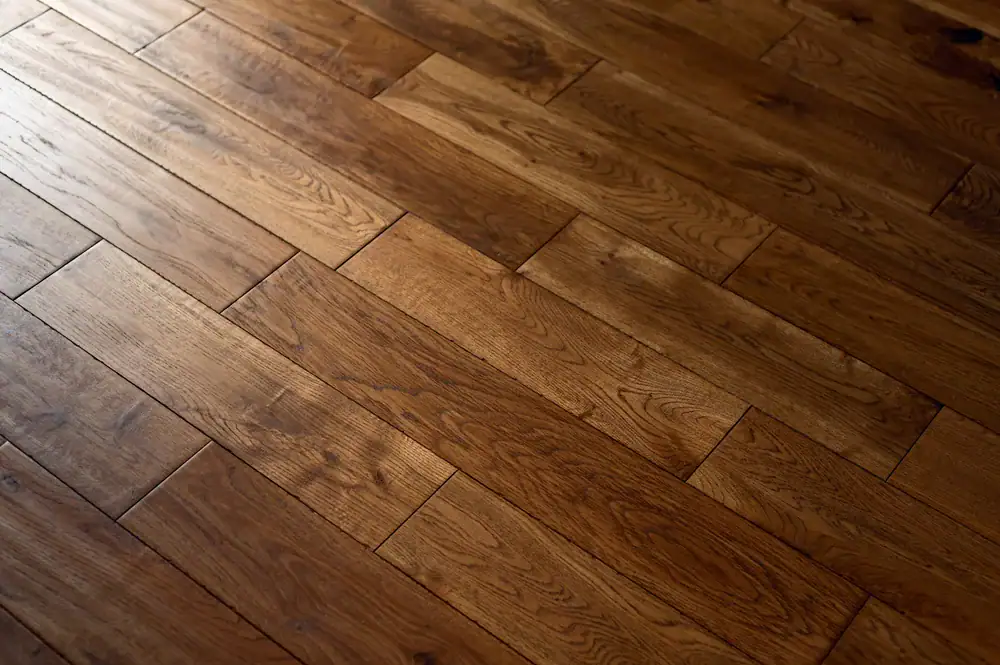
Our Hardwood Floor Installation Process
First, we look at your subfloor. Not every installer does this thoroughly, but it’s the foundation everything else sits on. If there’s moisture, rot, or structural issues, we catch it before it becomes an expensive fix later. We check for level, stability, and any signs of water damage that need addressing.
Next, your flooring materials acclimate to your home’s environment. Wood needs time to adjust to the temperature and humidity where it’s going to live. Skipping this step is how you end up with gaps or buckling down the road. We don’t rush it.
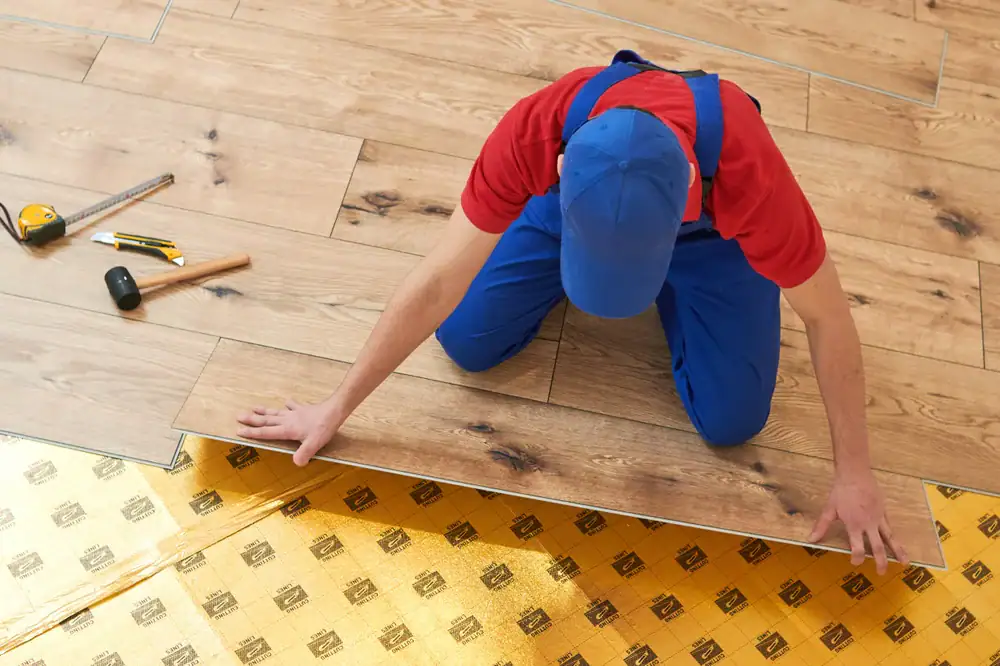
Installation itself is methodical. Each plank gets placed with attention to how the grain flows, how the boards fit together, and how the layout works with your space. We’re not just nailing down wood—we’re making sure expansion gaps are right, transitions between rooms make sense, and everything’s seated properly on the subfloor.
The finish work is where our dustless system makes the biggest difference. Whether you’re getting a new installation finished or existing floors refinished, our equipment captures dust at the source. You’re not living in a cloud of particulate for days. The coating goes on clean, dries without debris settling into it, and leaves you with a smooth, professional finish that actually lasts.
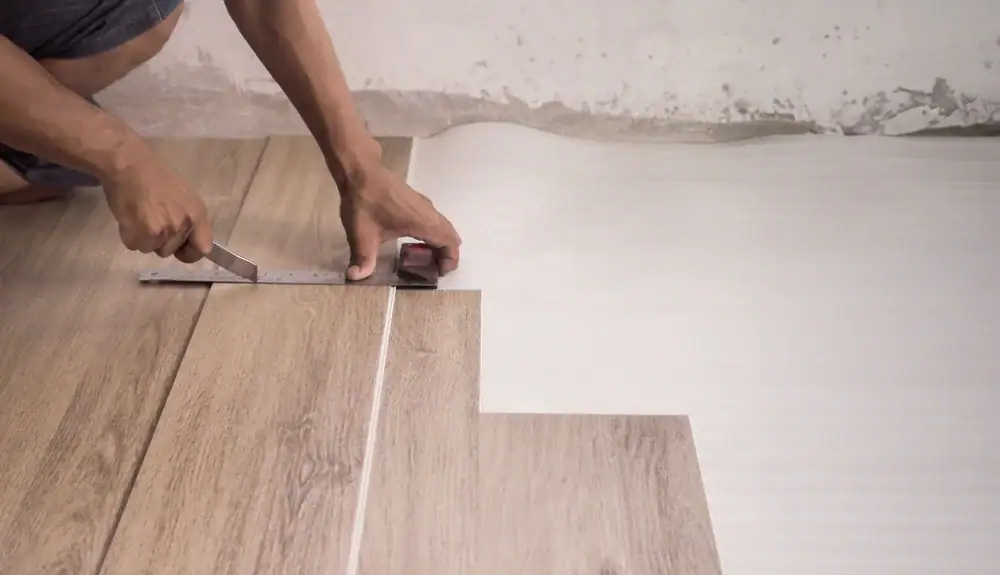
Solid Wood Flooring Installers Pole Green Trusts
You’re getting an installation that accounts for Virginia’s specific climate challenges. Pole Green sits in an area where humidity swings are real, and your floors need to be installed with that in mind. We use proper moisture barriers, leave correct expansion gaps, and make sure your subfloor is ready to support hardwood long-term.
Wide plank flooring is what most homeowners are choosing right now—planks between five and twelve inches that make rooms feel larger and more open. It’s a clean, modern look that also works in traditional homes. We install it often enough to know how to handle the additional movement wider boards experience and how to keep seams tight over time.
You’re also getting options that make sense for your specific situation. Solid hardwood installation for homes where you want maximum longevity and the ability to refinish multiple times over decades. Engineered options for areas where moisture is more of a concern or where subfloor conditions make solid wood impractical. We’ll tell you honestly which makes more sense for your space.
The finish itself is typically matte or low-sheen these days. High-gloss floors show every scratch and footprint—they’re falling out of favor because they’re harder to keep looking good. A matte finish hides minor wear better and still gives you that warm, natural wood appearance without looking dated in five years.
How long does hardwood floor installation actually take in a typical home?
Most installations finish in three to five days depending on square footage and complexity. That includes subfloor prep, installation, and finishing work.
Day one is usually subfloor inspection and preparation. If we find issues, we address them before any wood goes down. Days two and three are installation—the actual laying of your hardwood planks. This is where the bulk of the work happens, and it’s also where experience matters most in terms of layout, fit, and making sure everything’s level and properly secured.
Finishing typically happens on days four and five. If you’re getting prefinished flooring, we’re done sooner. If we’re applying finish on-site, you’ll need to stay off the floors while the coating cures. Our dustless system speeds this up significantly because there’s no massive cleanup phase eating into your timeline. You’re not adding extra days just to make your house livable again.
What's the real difference between solid hardwood and engineered wood flooring?
Solid hardwood is exactly what it sounds like—each plank is a solid piece of wood from top to bottom, usually three-quarters of an inch thick. You can sand and refinish it multiple times over its life, which for many homeowners means the floor can last fifty years or more. It’s the most durable option long-term.
Engineered hardwood has a real wood veneer on top with plywood layers underneath. It handles moisture and temperature changes better than solid wood, which makes it a better choice for basements or homes with humidity control issues. You can refinish it, but only once or twice depending on how thick that top veneer is.
For most homes in Pole Green, solid hardwood makes sense if your subfloor is in good shape and you’re installing on the main level or upstairs. Engineered is the better call if you’re dealing with a concrete slab, a basement, or anywhere moisture is more of a concern. Neither one is universally better—it depends on your specific situation, and we’ll tell you honestly which one fits your home.
How do you handle Virginia's humidity and moisture issues during installation?
Virginia’s climate is tough on hardwood if you don’t install with moisture in mind. Summers here get humid, which makes wood expand. Winters dry everything out, which makes it contract. If your installation doesn’t account for that movement, you get gaps in winter and buckling in summer.
We start by testing your subfloor’s moisture content before anything gets installed. Concrete slabs are especially prone to moisture issues, and wood subfloors can have problems too if there’s been any water damage or if your crawlspace has humidity issues. If moisture levels are too high, we address that first—whether it’s a vapor barrier, dehumidification, or fixing a drainage problem.
The wood itself needs to acclimate to your home’s environment for at least three days, sometimes longer. We bring the flooring into your house and let it adjust to your specific temperature and humidity levels before installation. Then during installation, we leave proper expansion gaps around the perimeter and at transitions. Those gaps give the wood room to move without buckling or creating pressure points. It’s not complicated, but it has to be done right, and a lot of installers skip steps to save time.
What should I look for in a wood flooring contractor?
Experience matters more than price. The cheapest bid usually comes from someone who’s cutting corners—either in prep work, materials, or installation quality. You’ll pay for those shortcuts later in repairs, early refinishing, or a complete reinstall.
Look for someone who actually inspects your subfloor and talks about moisture testing, acclimation time, and expansion gaps. If a contractor shows up, measures your square footage, and gives you a price without looking at what’s underneath your current flooring, that’s a red flag. Subfloor condition determines whether your installation lasts two years or twenty.
Ask what their process is for dealing with humidity and seasonal wood movement. If they don’t have a clear answer, they’re not thinking about how your floors will perform long-term. Also ask about their finishing process—specifically whether it’s dustless. Traditional sanding creates a mess that takes days to fully clean up. Dustless systems contain debris at the source, which means less cleanup for you and a cleaner finish overall.
References and examples of previous work matter too. You want to see floors they installed five or ten years ago, not just last month. Hardwood installation quality shows up over time, not immediately after the crew leaves.
Can you match new hardwood to my existing floors?
Yes, but it takes more effort than most homeowners expect. Wood species, stain color, and finish sheen all have to align, and even then, new wood looks different from wood that’s been in your home for years.
We start by identifying your current flooring—the species, the width, the finish. Oak is most common around here, but we also see maple, hickory, and cherry. Once we know what you have, we source matching material and then work on the finish. Stain matching is part science, part experience. We test samples against your existing floor to get the color right before we commit to the full installation.
The bigger challenge is that new wood simply looks newer. It hasn’t developed the patina your existing floors have. Over time—usually a year or two—the new section will blend better as it gets exposed to the same light and traffic patterns. We can also blend the transition area by feathering the finish where old meets new, which makes the difference less obvious.
If you’re adding onto a room or replacing a damaged section, matching is absolutely doable. We’ve done it plenty of times, including situations where homeowners weren’t sure we’d be able to get it close. It just requires the right materials and someone who’s done it enough times to know how wood ages and how finishes interact.
Is refinishing cheaper than replacing my hardwood floors?
Almost always, yes—if your existing floors are in decent shape. Refinishing costs a fraction of what new installation runs, and you end up with floors that look brand new without the expense or hassle of tearing everything out.
Refinishing makes sense when your floors are worn, scratched, or discolored but the wood itself is still structurally sound. We sand down the existing finish and any surface damage, then apply new stain and coating. Our dustless process keeps your home clean during the work, and most jobs finish in a day or two. You’re looking at around $1.50 per square foot compared to several dollars per square foot for new installation.
Replacement is necessary when the wood itself is damaged—deep water stains that go through the plank, structural issues like rot or severe cupping, or floors that have been refinished so many times there’s not enough wood left to sand again. If you’re seeing large gaps between boards, significant warping, or soft spots when you walk, those are signs the flooring needs to come out.
We’ll tell you honestly which option makes sense after looking at your floors. There’s no point in refinishing wood that’s structurally compromised, and there’s no reason to replace floors that just need a fresh finish. Most of the time, refinishing gets you back to like-new condition for a lot less money and disruption.
Other Services we provide in Pole Green