
Wood Floor Installers in Lewis Gardens, VA
Hardwood Floors Installed Right the First Time
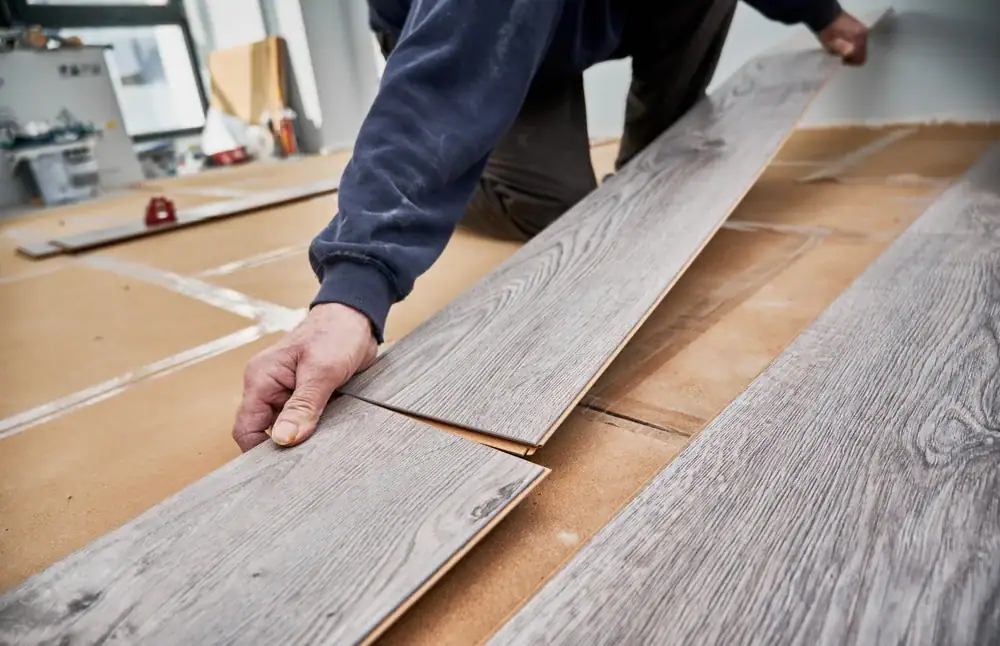
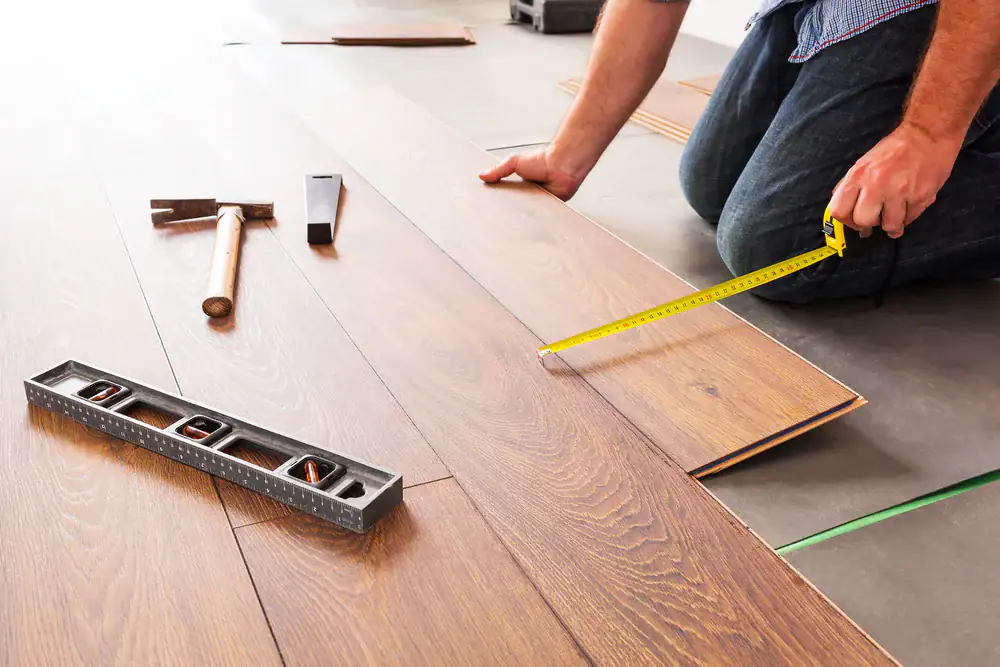
Professional Hardwood Floor Installation Services
You’re looking at your floors every single day. Uneven boards, gaps that collect dust, finishes that wear through in high-traffic areas—these aren’t just aesthetic problems. They’re reminders that someone cut corners.
When hardwood floor installation is done correctly, you don’t think about your floors. You enjoy them. The boards sit flush. The finish holds up to kids, dogs, and daily life. You’re not calling someone back in two years because moisture got under the planks or the subfloor wasn’t prepped right.
That’s what proper installation looks like. No callbacks. No regrets. Just solid wood flooring that adds value to your Lewis Gardens home and holds up to Virginia’s humidity swings without buckling or gapping. You get floors that look as good in year ten as they did on installation day.
Wood Flooring Contractor Serving Lewis Gardens
Buff and Coat Floor Refinishing has been working in Virginia homes since the early 2000s. We’ve seen what happens when floors are installed by the lowest bidder—and we’ve fixed plenty of those jobs.
We serve Lewis Gardens, Midlothian, Chesterfield, Glen Allen, and the greater Richmond area. We know how Virginia’s climate affects hardwood. July humidity and January dryness put real stress on wood floors, and installation methods need to account for that.
Most of our work comes from referrals. Homeowners who had a good experience tell their neighbors. That’s how you build a reputation over 20 years—by showing up, doing the work right, and not disappearing when someone has a question six months later.
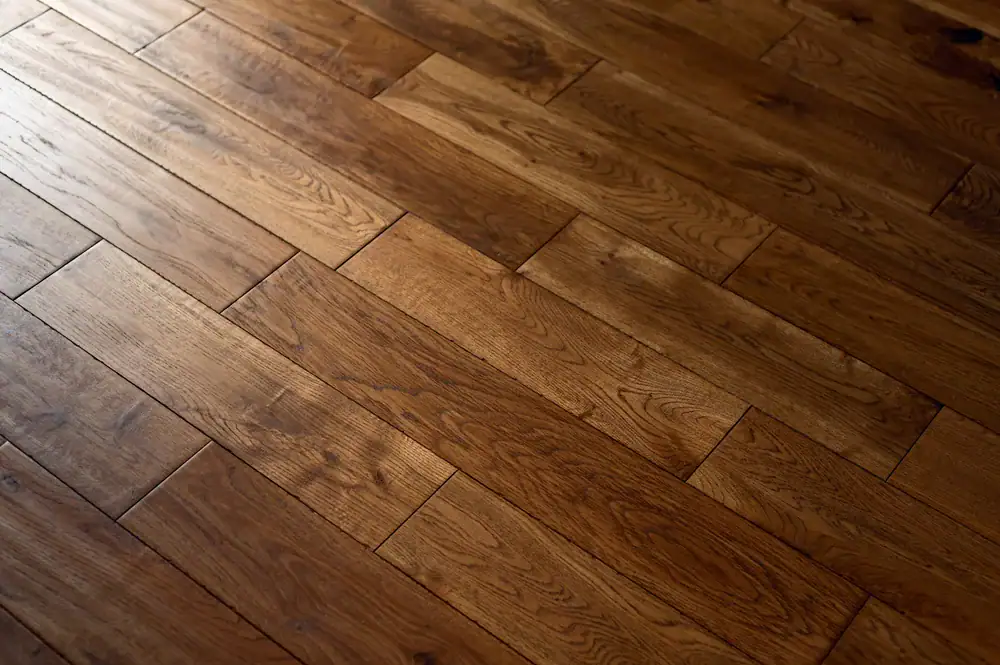
Our Hardwood Floor Installation Process
It starts with looking at your space and subfloor. Not every floor is ready for hardwood, and you need to know that before materials show up. We check the subfloor for level, moisture, and stability. If there’s an issue, it gets addressed before installation begins.
Next comes material selection. Oak dominates the Richmond market for good reason—it takes stain well and holds up to traffic. You’ll choose between red oak and white oak, pick your plank width, and decide on finish. Wide planks are popular right now because they make rooms feel more open.
Installation day involves acclimating the wood to your home’s humidity levels, then laying each board with attention to subfloor prep and spacing. We use dust-free sanding equipment that captures up to 95% of airborne particles. You’re not spending weeks cleaning up after the job.
Finishing involves multiple coats with drying time between each application. Low-VOC finishes are standard now—they’re better for indoor air quality and they cure properly in Virginia’s climate. The final walkthrough happens after everything’s cured, and you know exactly how to maintain what you just invested in.
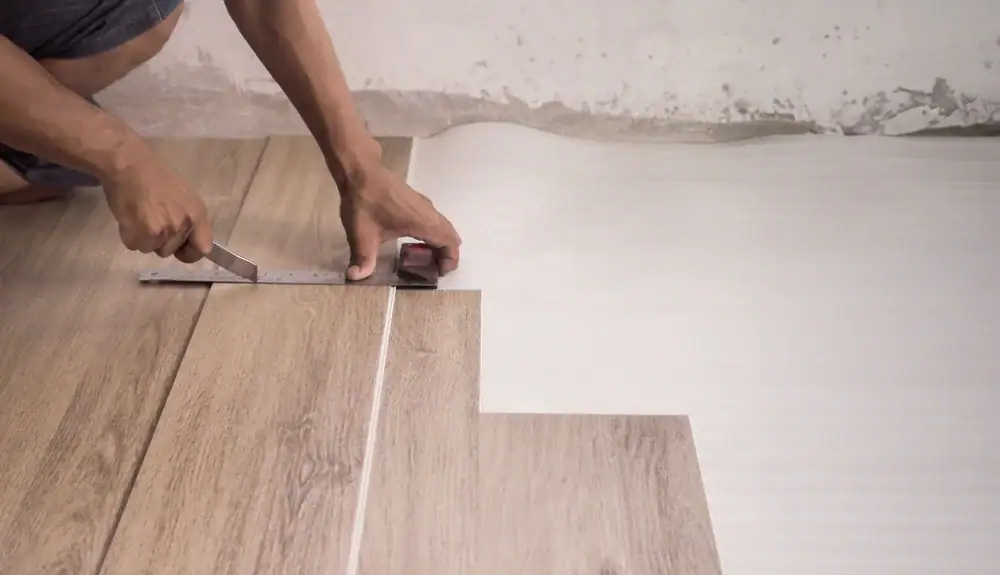
Hardwood Floor Repair and Installation Options
You’re getting subfloor inspection and prep, which is where most DIY jobs and cheap contractors fail. The subfloor needs to be level within industry standards, dry, and structurally sound. Skipping this step leads to squeaks, bouncing, and premature wear.
Material selection includes guidance on species, grade, plank width, and finish options. Red oak and white oak are the workhorses in Lewis Gardens homes, but there are other species if you want something specific. Wider planks—5 inches and up—are increasingly common because they create a more contemporary look with fewer seams.
The installation itself uses proper spacing for seasonal expansion and contraction. Virginia gets humid in summer and dry in winter, and wood responds to those changes. Installers who don’t account for this end up with buckling or gaps.
We offer floor refinishing services if you’re updating existing hardwood instead of installing new. Sometimes the bones are good and you just need new finish. Other times, boards need replacement or repair before refinishing makes sense. Either way, you’re getting an honest assessment of what your floors actually need—not what generates the biggest invoice.
How long does hardwood floor installation take in a typical Lewis Gardens home?
Most installations take three to five days depending on square footage and whether you’re doing the whole house or specific rooms. That includes subfloor prep, installation, sanding, and finishing with proper cure time between coats.
Day one is usually subfloor work and starting installation. Days two and three cover the bulk of installation and sanding. Days four and five are finishing coats. You can walk on the floors in socks after 24 hours, but furniture goes back after about three days, and area rugs wait a week.
The timeline stretches if there are subfloor issues that need addressing first. A subfloor that’s not level or has moisture problems can’t be ignored—it’ll cause problems later. Better to handle it upfront than deal with callbacks.
What's the difference between solid and engineered hardwood for Lewis Gardens homes?
Solid hardwood is one piece of wood from top to bottom, typically three-quarters of an inch thick. It can be sanded and refinished multiple times over its life—we’re talking decades of use. It’s what most people picture when they think of traditional hardwood floors.
Engineered hardwood has a real wood top layer bonded to plywood layers underneath. It’s more stable in areas with moisture fluctuations, which makes it a good choice for basements or homes without perfect climate control. The tradeoff is you can only refinish it once or twice because the top layer is thinner.
For main living areas in Lewis Gardens homes with good climate control, solid hardwood makes sense. It’s a longer-term investment. For below-grade spaces or areas where humidity is harder to control, engineered can be the smarter play. It depends on your specific situation, and that’s something to discuss during the consultation.
How do I know if my subfloor is ready for hardwood installation?
Your subfloor needs to be level, dry, clean, and structurally sound. Level means within 3/16 of an inch over a 10-foot span—any more than that and you’ll feel it when you walk. Dry means moisture content below 12% for wood subfloors. High moisture is the number one cause of hardwood flooring problems.
We check this with a moisture meter and a long straightedge or laser level. If the subfloor isn’t level, it gets corrected with floor leveling compound. If there’s a moisture issue, that gets tracked down and fixed before any wood goes down. Could be a plumbing leak, poor ventilation, or groundwater intrusion.
The subfloor also needs to be solid—no squeaks, no soft spots, no loose boards. Anything that moves or flexes will telegraph through to your finished floor. This prep work isn’t glamorous, but it’s the difference between a floor that lasts 30 years and one that needs repair in three.
What type of wood flooring works best in Richmond's climate?
Oak handles Virginia’s humidity swings better than most species. Red oak and white oak are both solid choices. Red oak has more pronounced grain and a slightly warmer tone. White oak is a bit harder, has tighter grain, and takes on a cooler tone with certain finishes.
Richmond gets humid in summer and dry in winter. Wood absorbs and releases moisture with those changes, which causes expansion and contraction. Oak is stable enough to handle that movement without major problems, assuming it’s installed with proper spacing and the home maintains reasonable humidity levels year-round.
Exotic hardwoods can be beautiful, but some don’t respond as well to seasonal changes. They might be harder or softer than oak, which affects how they wear and how they move. If you’re set on something other than oak, that’s a conversation about acclimation time, installation techniques, and realistic expectations for how the floor will perform long-term.
How much does professional hardwood floor installation cost in Lewis Gardens?
Professional installation typically runs $8 to $14 per square foot installed in the Richmond area. That includes materials, labor, subfloor prep, installation, sanding, and finishing. The range depends on wood species, plank width, site-finish versus prefinished, and how much subfloor work is needed.
Red oak on the standard end, white oak in the middle, exotic species on the high end. Wider planks cost more than narrow ones. Site-finished floors—where finishing happens in your home—give you more customization but take longer. Prefinished floors go down faster but limit your color options.
The cheapest bid usually means corners get cut somewhere. Maybe it’s subfloor prep. Maybe it’s finish quality. Maybe it’s an installer who’s learning on your dime. You’re making a 20-to-30-year investment in your home. Saving a few dollars per square foot and ending up with problems isn’t actually saving money.
Can you install hardwood floors over existing flooring or do they need to be removed?
It depends what’s there now and what condition it’s in. Installing over existing flooring adds height, which affects door clearances, transitions to other rooms, and appliances. In most cases, it’s better to remove what’s there and start fresh so we can inspect and prep the subfloor properly.
If there’s old hardwood that’s still structurally sound, sometimes it makes sense to refinish rather than replace. If there’s vinyl or linoleum, that usually comes up—you need to see what’s underneath. Carpet and pad always come out. Tile is tricky because removing it risks damaging the subfloor.
The real question is whether the existing floor is hiding problems. Moisture damage, subfloor deterioration, or structural issues don’t go away just because you cover them up. A proper assessment tells you what you’re working with and what the right approach is. Sometimes that means removal. Sometimes it doesn’t. But you need to know before installation starts.
Other Services we provide in Lewis Gardens