
Floor Sanding in Hanover, VA
Hanover's Historic Floors Deserve More Than a Quick Fix
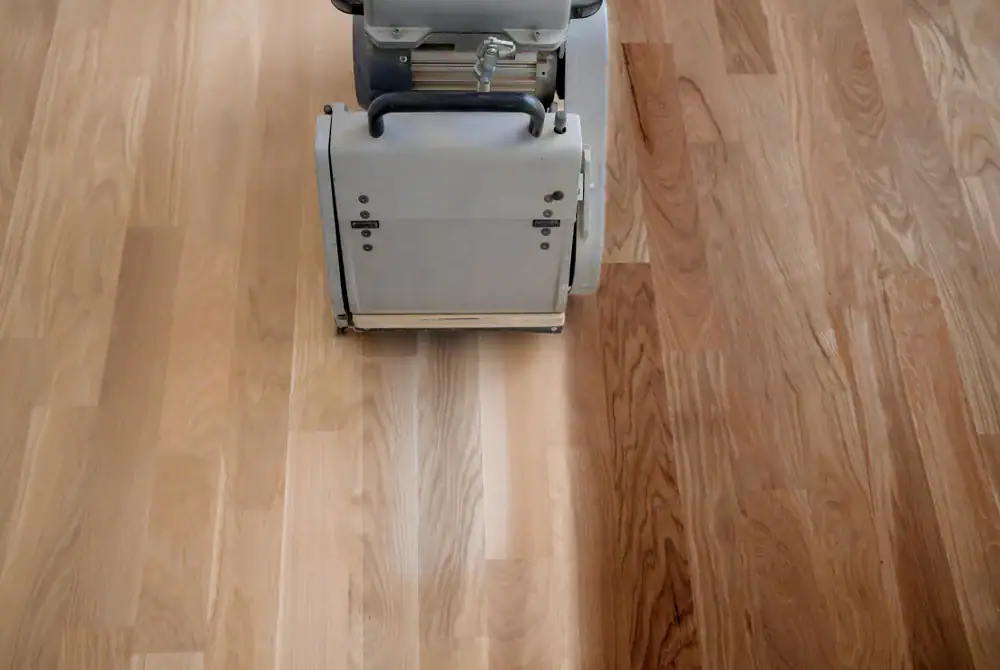
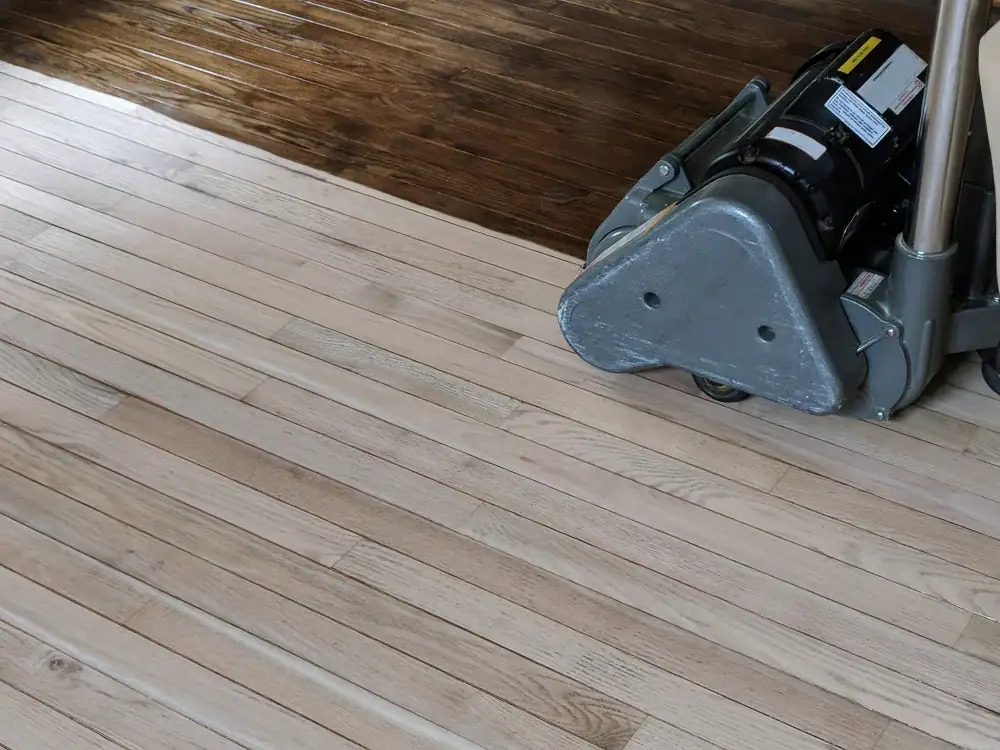
Hardwood Floor Refinishing Hanover, VA
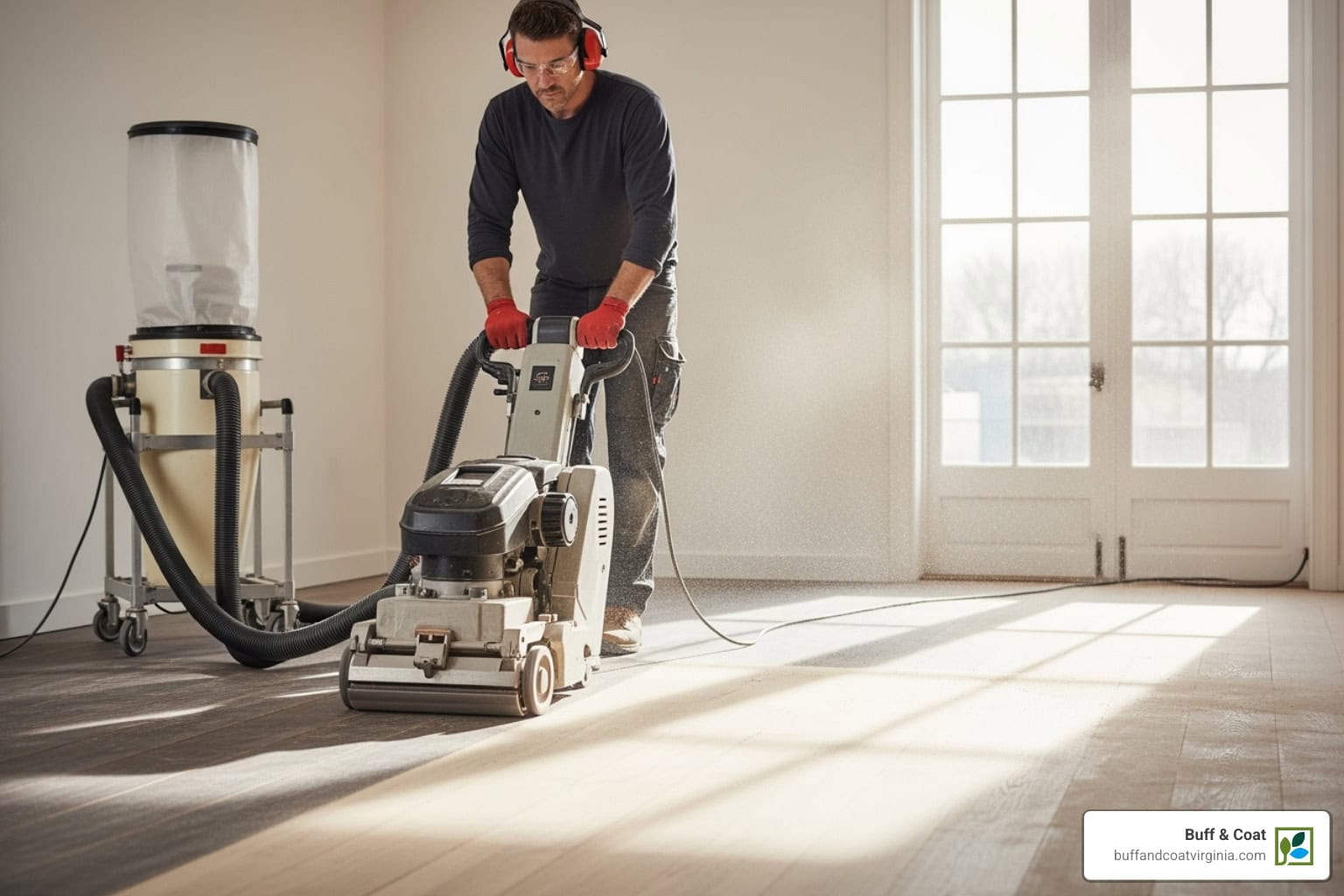
There’s a reason so many Hanover homeowners put this project off. Traditional floor sanding is messy, slow, and disruptive and in an older home filled with original woodwork, antique furniture, and rooms that connect to everything else, the idea of fine dust settling into every corner is enough to make you wait another year. We address this directly: dustless floor sanding captures the dust at the machine before it ever becomes airborne. Your home stays clean. Your furniture stays put.
Hanover’s housing stock skews older than most of the Richmond metro NeighborhoodScout confirms that much of the Hanover Courthouse area was built before World War II. That means a lot of these floors have been through 75 to 100 seasonal humidity cycles. Virginia’s summers push moisture into the wood, causing it to swell. The winters pull it back out. Over time, that cycle breaks down the finish, opens micro-cracks in the surface, and lets grit work its way deeper into the grain. A proper sand gets you back to clean, bare wood and a new finish that can actually hold up to the next several decades of Virginia weather.
The other thing worth knowing: refinishing costs a fraction of what replacement does. Most projects run $3 to $8 per square foot. New hardwood installation runs $6 to $25. On a 1,000 square foot floor, that’s potentially thousands of dollars saved and you keep the original wood, which in a pre-war Hanover home, is genuinely irreplaceable.
Local Wood Floor Sanders Hanover, VA
We’re owned and operated by David Emmerling, who has been refinishing hardwood floors in central Virginia for over 20 years. We’re not a franchise. There’s no call center routing your job to a subcontractor you’ve never met. When you reach out, you’re talking to the person who will actually show up and do the work.
We’re based in Glen Allen about 15 minutes south of Hanover Courthouse via US-301 and Hanover County has been part of our established service area for years. David has worked in the older homes along the county’s rural corridors, the newer custom builds on generous lots in eastern Hanover, and everything in between. He understands what Virginia’s climate does to hardwood floors over time, and he knows how to approach a 1940s floor differently than a floor installed in 2005.
Our 5-star Google rating isn’t an accident. Reviewers consistently mention punctuality, zero mess, and results that exceeded what they expected. That track record matters especially in a community like Hanover, where reputation travels fast and trust is earned one job at a time.
Floor Restoration Process Hanover, VA
It starts before anyone touches the floor. We assess the wood first checking the thickness of the existing boards, looking for signs of previous sanding, evaluating the finish condition, and identifying any areas that need repair before refinishing begins. In older Hanover homes, this step matters more than most people realize. Solid hardwood can only be sanded a finite number of times, and knowing how much material remains determines what approach makes sense. You’ll know what you’re getting before the work starts.
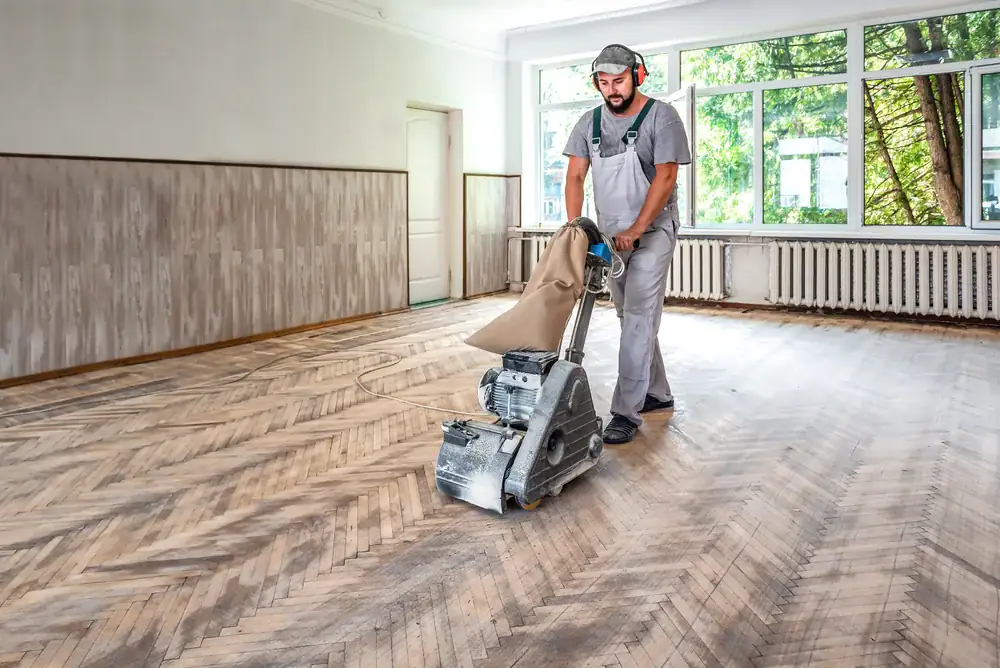
Once the assessment is done and you’re aligned on the plan, the sanding begins using professional dustless equipment. The system pulls dust directly into a containment unit at the machine not into your air, not into your HVAC, not onto your furniture. After sanding, the floor is cleaned, any repairs are addressed, and the finish is applied. We offer water-based, low-VOC finishes that dry faster than traditional oil-based products and don’t leave behind that sharp chemical odor that forces families out for days. Most projects are complete in a single day.
Timing matters in Virginia. Spring and fall are the best windows for floor refinishing moderate humidity, stable temperatures, and ideal curing conditions. Summer’s high humidity can extend drying times, and winter’s dry indoor air from heating systems can affect how the finish bonds. If you’re planning a project, booking in the March-to-May or September-to-November window gives you the best conditions and the smoothest result.
Sanding Wood Floors in Hanover County
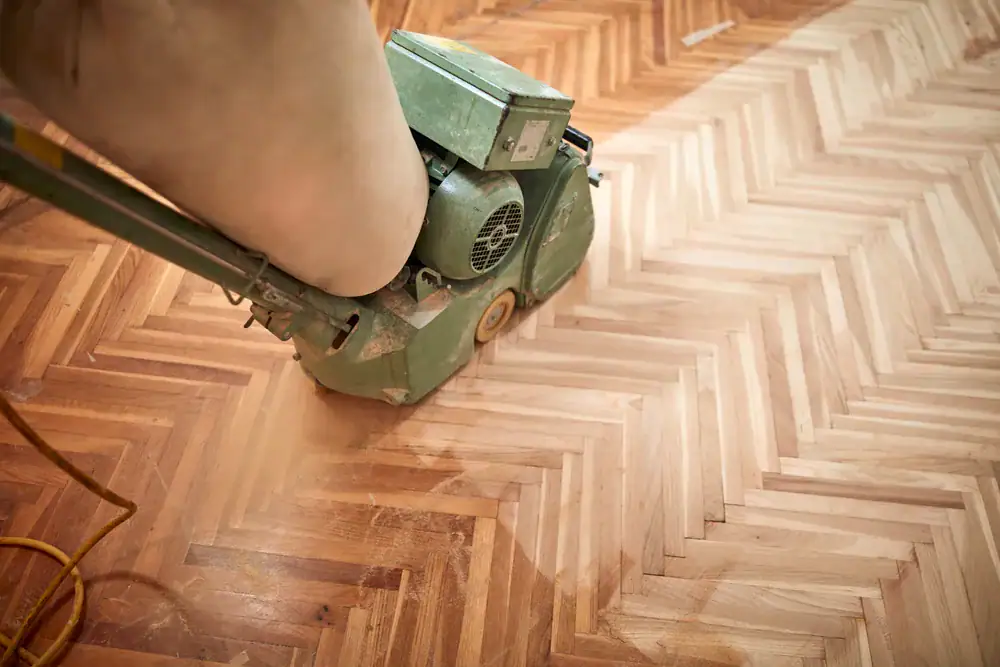
Floor sanding in Hanover isn’t one-size-fits-all, and we don’t treat it that way. The service starts with an honest assessment of what your floors actually need. Some floors need a full sand stripping back to bare wood and rebuilding the finish from scratch. Others are candidates for a buff and coat, which is our signature lighter-touch service that doesn’t require sanding all the way down. You’ll get a straight answer on which one applies to your situation, not a recommendation based on what costs more.
For homeowners doing renovations opening up a kitchen, adding a room, or converting a space floor matching is part of what we handle. Matching new hardwood to 80-year-old floors is genuinely difficult work. The species may be uncommon, the stain color may have mellowed over decades, and the sheen has to align across old and new sections. Getting it wrong is visible and permanent. Getting it right requires experience with the kind of original wood you find in Hanover’s older homes.
Finish selection is also part of the conversation. The 2024-2025 trend has moved clearly away from gray-toned floors toward natural, warm finishes and if your floors were refinished to gray between 2018 and 2022, a fresh sand and a warmer tone could meaningfully update the look of your home. We can walk you through what’s working in the current market, what photographs well for real estate listings, and what finish types hold up best under Hanover County’s seasonal humidity swings.
Can the original hardwood floors in my older Hanover home actually be saved?
In most cases, yes and the result is usually better than homeowners expect. Solid hardwood can be sanded four to five times over its lifetime, which means a floor installed in the 1940s or 1950s may have multiple refinishing cycles remaining. The key variable is how much material is left above the tongue groove which is something we check during the initial assessment before any work begins.
Hanover’s older homes often have wide-plank heart pine or quarter-sawn oak that simply isn’t available in commercial quantities anymore. Replacing it means losing something you genuinely cannot buy back. Refinishing restores the surface without sacrificing the original wood. Even floors that look beyond saving heavily scratched, stained, or worn through the finish typically respond well to a full sand. The assessment will tell you where you stand, and you’ll get an honest answer either way.
How much does floor sanding typically cost for a home in Hanover, VA?
Professional floor sanding generally runs $3 to $8 per square foot, depending on the condition of the floor, the species of wood, and whether any repairs are needed before refinishing. For a typical Hanover project, most homeowners are looking at somewhere between $1,100 and $2,700. Larger homes or floors with significant damage, previous finish buildup, or matching work involved will land toward the higher end of that range.
It’s also worth knowing that industry costs have risen 8 to 12 percent from 2024 to 2025 due to material and labor market pressures so if you’ve been sitting on this project, waiting isn’t likely to make it cheaper. The comparison that puts the cost in perspective: new hardwood installation runs $6 to $25 per square foot. On a 1,000 square foot floor, refinishing instead of replacing can save you anywhere from $3,000 to $17,000 or more and you keep the original wood.
What does "dustless floor sanding" actually mean is it really dust-free?
The term “dustless” refers to a containment system built into the sanding equipment itself. Instead of dust becoming airborne and settling throughout your home, it’s captured at the machine and pulled directly into a sealed containment unit. The result isn’t a sterile cleanroom environment, but it’s dramatically different from traditional sanding which leaves a fine layer of grit on every surface in the house.
For older homes in the Hanover area where rooms connect openly, finished spaces sit below, and families often have antique furniture or original millwork they’re not willing to coat in sawdust this distinction matters. Some competitors advertise “80% dust reduction,” which still means a meaningful amount escaping into your home. Our system is designed to keep your living space clean throughout the process, not just mostly clean. Reviewers have consistently noted that the crew finished and left no visible mess behind.
How does Virginia's humidity affect hardwood floors, and does timing matter for refinishing?
Virginia’s climate is one of the more demanding environments for hardwood floors in the country. Hanover County sits in a zone where summer humidity regularly pushes wood to absorb moisture and expand which can cause crowning, where the center of the board rises above the edges, and surface finish cracking. In winter, heating systems dry the air out significantly, causing the wood to contract and gaps to open between planks. That cycle repeats every year, and over time it degrades the finish and allows moisture and grit to penetrate deeper into the grain.
Timing a refinishing project around Virginia’s seasons makes a real difference. Spring roughly March through May and fall September through November offer the most stable humidity and temperature conditions, which means better finish adhesion and faster, more even curing. Summer refinishing is possible but requires more care with water-based finishes to manage extended drying times. If you’re planning ahead, booking in the spring or fall window gives you the best conditions and the most predictable outcome.
Is floor sanding worth it before listing a home for sale in Hanover County?
The numbers make a strong case for it. The National Association of REALTORS® documents a 147% return on investment for hardwood floor refinishing meaning a $5,500 project can return approximately $8,000 in added home value. Homes with refinished hardwood floors also tend to sell faster and for more than comparable homes without them, with some data showing a premium of up to 2.5%.
In Hanover County, where median home values sit above $424,000 and buyers are often drawn to the area specifically for its older, character-rich housing stock, the condition of the floors sends a clear signal about how the home has been maintained. Buyers notice worn, dull, or scratched floors immediately and they use it to negotiate. A refinish before listing removes that leverage and gives your home a competitive edge in a market where presentation matters. It’s also one of the few pre-sale improvements that consistently delivers more value than it costs.
How do I know if my floors need a full sand or just a buff and coat?
The honest answer is that it depends on what the finish looks like at the wood level, not just the surface. A buff and coat which is our signature lighter-touch service works well when the existing finish is still intact but has lost its sheen, accumulated minor scratches, or just looks dull and worn. It refreshes the surface without removing material from the wood itself, and it’s significantly less disruptive and less expensive than a full sand.
A full sand is necessary when the finish has worn through entirely, when there are deep scratches or gouges that go into the wood, when there’s staining or discoloration that a surface treatment won’t address, or when you’re changing the stain color significantly. In Hanover’s older homes, where floors have been through decades of Virginia humidity cycles, the wear pattern is often uneven heavy in high-traffic areas, better preserved in rooms that see less use. David will assess the floor honestly during the initial visit and tell you which service actually applies to your situation. If a buff and coat will do the job, that’s what we’ll recommend.