
Hardwood Floor Installation in Hanover, VA
Historic Homes in Hanover Deserve More Than a Quick Install
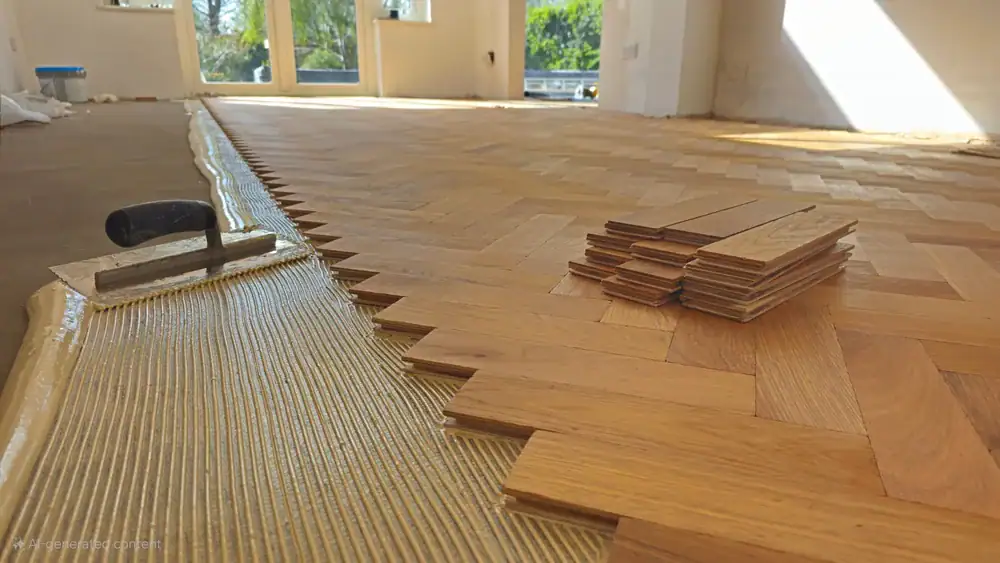
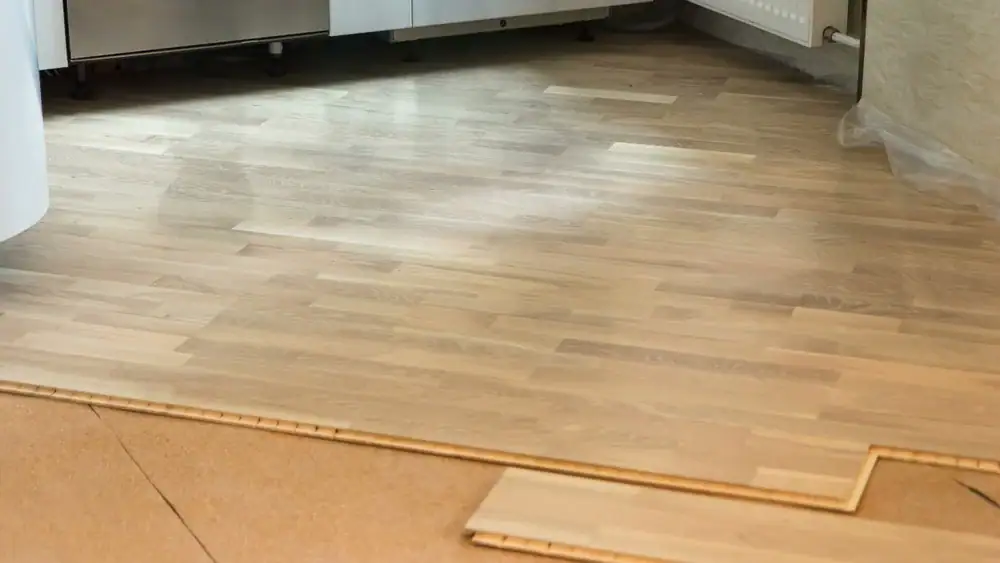
Hardwood Floor Installers Hanover County
Hanover sits in the middle of Virginia’s humid subtropical climate, and that matters more than most homeowners realize when it comes to hardwood floors. Hot, wet summers push moisture into wood. Dry, heated winters pull it back out. If the installer skipped moisture testing or rushed the subfloor prep, you’ll know it by spring gaps, squeaks, or boards that have started to cup along the edges.
A properly installed hardwood floor handles those seasonal swings because the groundwork was laid correctly before the first plank went down. That means your subfloor was checked for levelness and moisture content, your wood was acclimated to your home’s actual conditions, and the installation was done to NWFA standards not just fast enough to get to the next job.
For homes in Hanover with crawlspace foundations which describes a lot of the older housing stock in this area ground moisture from the clay-rich soils underneath can migrate upward through subfloors and quietly cause damage over time. Catching that before installation is the difference between a floor that looks great for thirty years and one that starts failing in the first twelve months.
Local Wood Floor Installers Hanover VA
We’ve been installing and refinishing hardwood floors across the Richmond metro since 2012, and Hanover County has been part of that territory the whole time. From homes near the Hanover Courthouse to newer construction out toward Atlee and Mechanicsville, we’ve worked in the full range of what this county has to offer old crawlspace homes, newer builds, and everything in between.
Owner David Emmerling runs the company, and his name is on every job. That’s not a marketing line it’s just how the business works. When something needs to be addressed, there’s no franchise layer to navigate and no subcontractor to track down. You know who’s responsible.
Hundreds of five-star Google reviews from Richmond-area homeowners back up what the process delivers. The work speaks, and the neighbors have spoken.
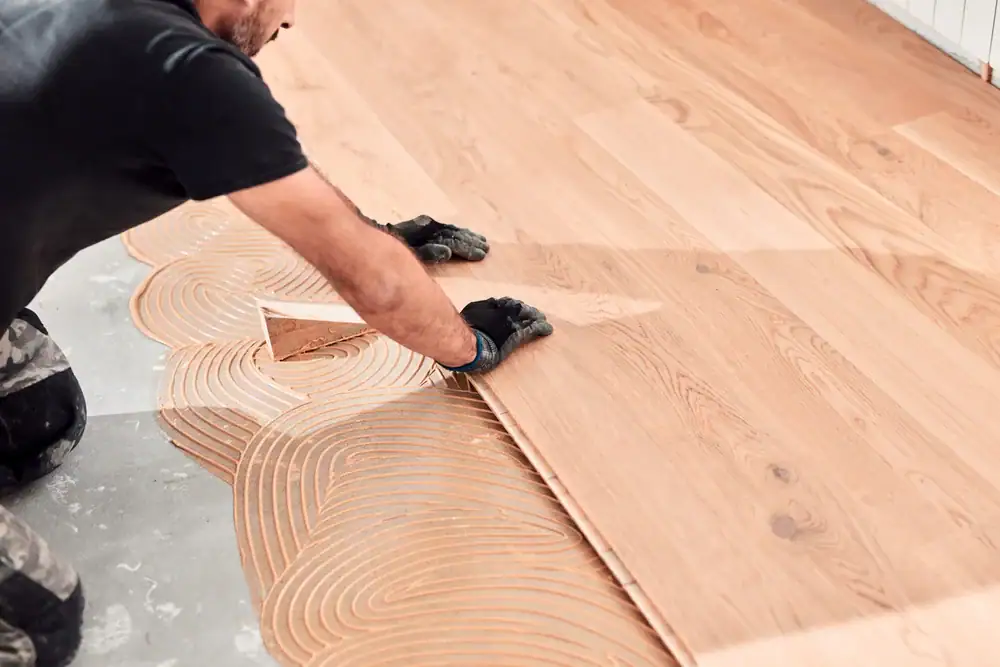
Hardwood Floor Installation Process Hanover VA
The process starts before any flooring is ordered or delivered. A walkthrough of your space gives a clear picture of what the subfloor is working with levelness, stability, and any signs of moisture intrusion. In Hanover, where a significant number of homes were built before World War II and sit on crawlspace foundations, this step often reveals conditions that need to be corrected first. Skipping it is exactly how floors end up squeaking or cupping within a year.
Once the subfloor is assessed and any necessary corrections are made, moisture testing happens on both the subfloor and the wood planks themselves. Virginia’s climate means the moisture differential between the two materials has to be within the right range before installation begins otherwise the wood will move after it’s installed, and that movement shows. The planks then acclimate to your home’s actual temperature and humidity, not just to a warehouse.
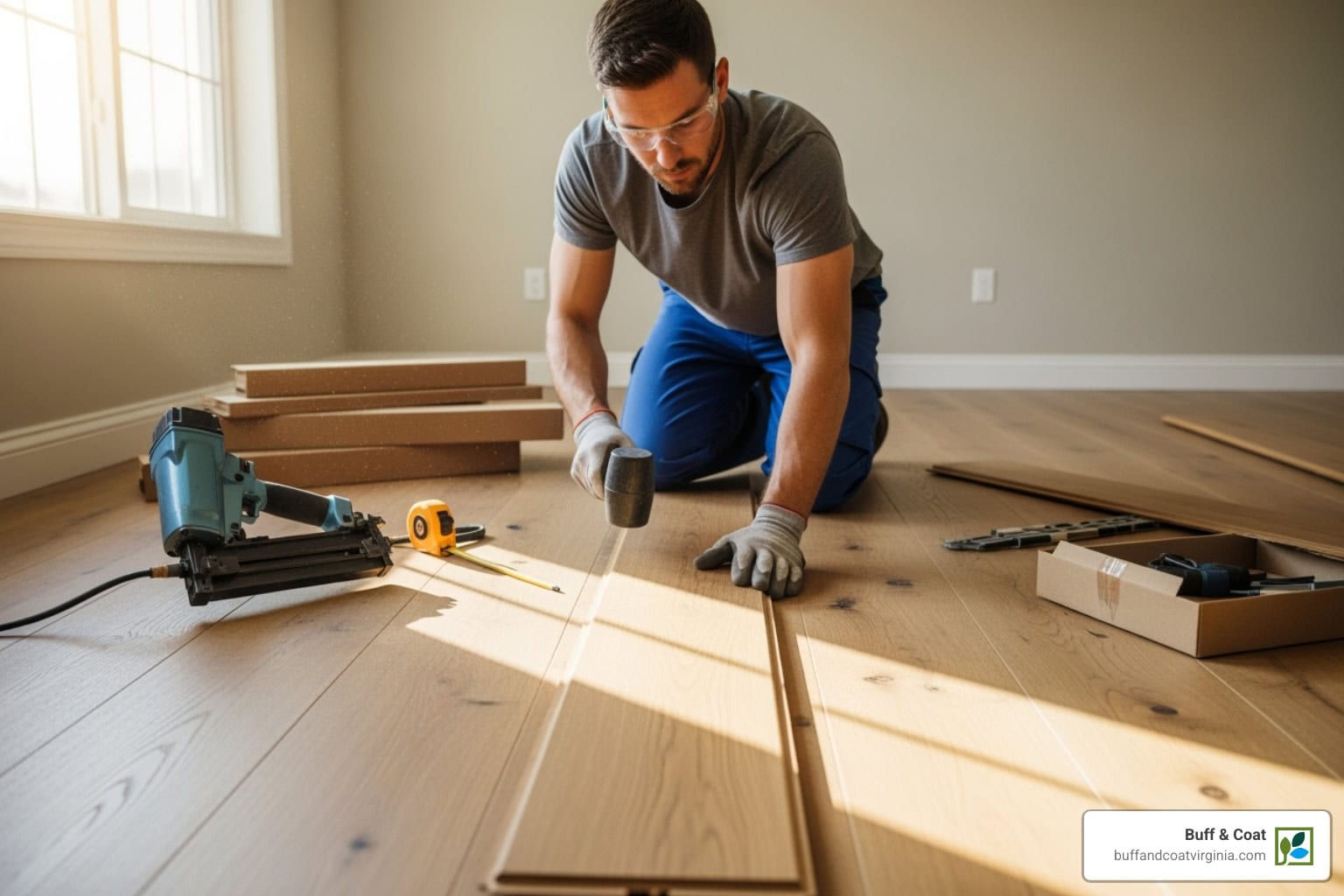
Installation follows once everything is ready. That means properly fastened boards, correct expansion gaps for seasonal movement, and a finished result that’s checked before the crew leaves. The goal isn’t just floors that look good on day one it’s floors that still look good when you’re ready to sell the house.
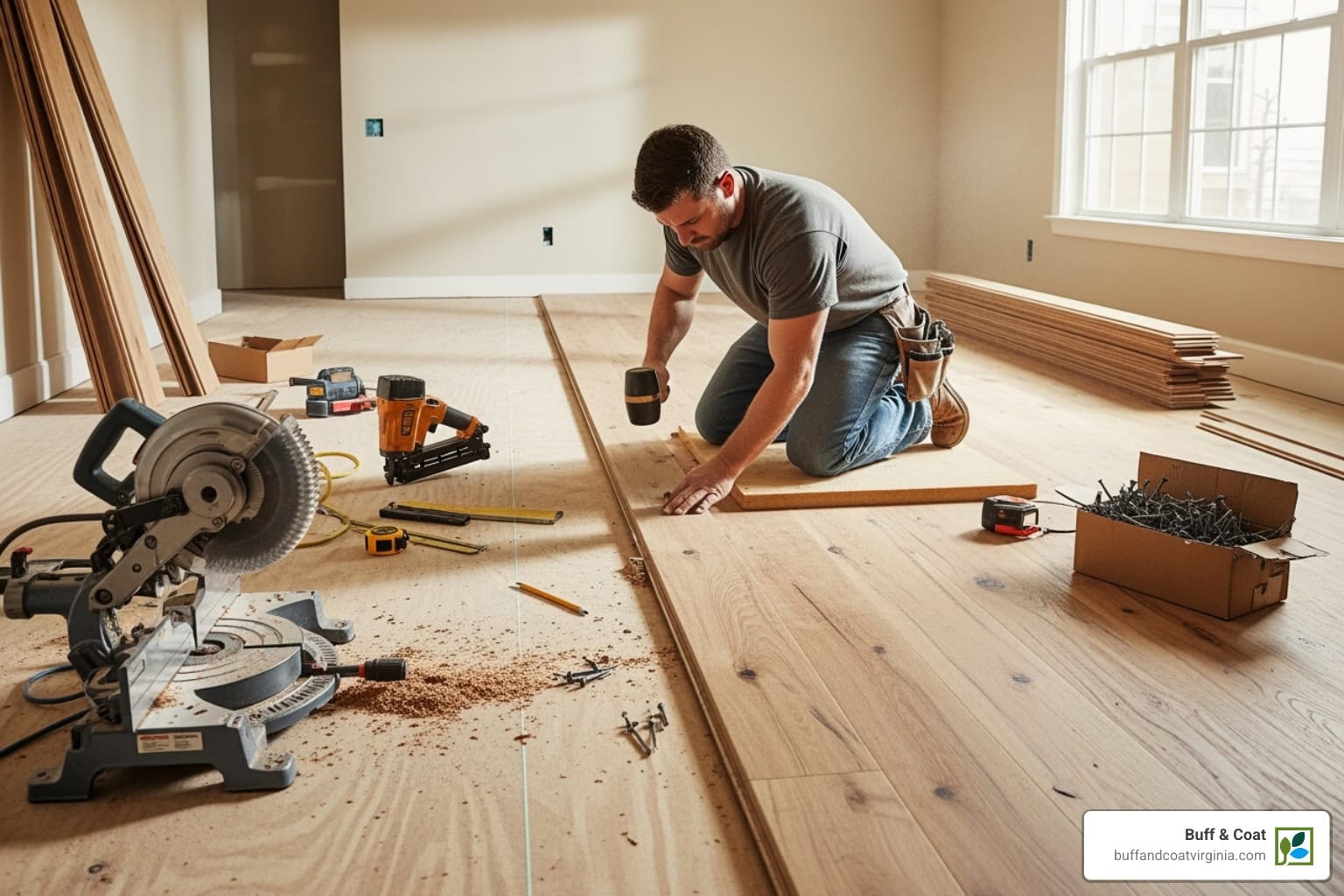
New Wood Floors and Solid Wood Flooring Hanover
Hardwood floor installation with us covers the full scope subfloor assessment, moisture testing, acclimation, installation, and final walkthrough. If your subfloor needs leveling or repair before the hardwood goes down, that gets handled as part of the process, not added as a surprise after the fact.
For homeowners in Hanover with existing hardwood in some rooms and new installation planned for others, matching species, plank width, and finish is something we’ve done consistently. It’s a detail that matters in older homes where the original floors have a character that newer material needs to complement, not clash with.
Solid hardwood is the right choice for a lot of Hanover homes but not every home. If your crawlspace has elevated moisture levels or your subfloor conditions make engineered hardwood the smarter long-term call, you’ll hear that honestly before anything is ordered. Flooring installation cost in Hanover, VA typically runs between $4,700 and $7,000 for most residential projects, with subfloor repairs ranging from $900 to $3,000 depending on what’s found during assessment. Those numbers vary by square footage and material, and a proper estimate starts with seeing the actual space not guessing from a phone call.
Does humidity in Hanover, VA actually affect how hardwood floors are installed?
It does, and it’s one of the most overlooked factors in the installation process. Hanover sits in a humid subtropical climate zone, which means summers are hot and wet average highs around 88°F with humidity that stays elevated through the season. That moisture gets absorbed by wood, causing it to expand. When fall arrives and indoor heating kicks in, the air dries out and the wood contracts. If the installer didn’t account for that cycle during installation, you end up with gaps in winter and potential buckling in summer.
The fix isn’t complicated, but it has to happen before installation starts. Moisture testing both the subfloor and the wood planks, allowing proper acclimation time inside your home, and leaving correct expansion gaps during installation are the steps that make a floor stable through Virginia’s seasonal swings. A floor installed without those steps isn’t a bad-looking floor on day one it’s a problem that shows up six months later.
My Hanover home has a crawlspace. Does that change anything about floor installation?
Yes, and it’s worth taking seriously. Crawlspace homes which make up a large portion of the older housing stock in the Hanover area are more vulnerable to moisture vapor migration than slab-on-grade homes. Ground moisture from the soil beneath the crawlspace, particularly in Hanover County’s clay-rich terrain, can travel upward through the subfloor and into hardwood planks over time. That moisture causes expansion, cupping, and in serious cases, structural damage to the floor system.
Before installation in a crawlspace home, the subfloor moisture reading needs to be within an acceptable range and if it isn’t, the source of the moisture needs to be identified. Sometimes that means improving crawlspace ventilation or adding a vapor barrier before the flooring work begins. It’s an extra step, but it’s the step that determines whether your floors hold up for decades or start showing problems within the first year or two.
How long does hardwood floor installation typically take for a standard home?
For most residential projects, the installation itself takes two to four days depending on square footage, subfloor conditions, and whether any prep work is needed before the hardwood goes down. The acclimation period where the wood adjusts to your home’s temperature and humidity before installation begins typically adds five to fourteen days to the overall timeline. That window exists for a reason and shouldn’t be skipped, especially in Virginia where indoor humidity can vary significantly between seasons.
If your subfloor needs leveling, repairs, or moisture remediation, that adds time as well. The honest answer is that a realistic timeline depends on what’s found during the initial walkthrough. Most homeowners in Hanover are looking at a total project window of one to three weeks from assessment to finished floor, with the actual installation being a relatively small portion of that time.
What's the difference between solid hardwood and engineered hardwood for a Hanover home?
Solid hardwood is exactly what it sounds like a single piece of wood milled to thickness. It’s the classic choice, it can be sanded and refinished multiple times over its lifetime, and it adds real value to a home. The trade-off is that it’s more sensitive to moisture and subfloor conditions, which is why the pre-installation assessment matters so much in a place like Hanover where older homes and crawlspace foundations are common.
Engineered hardwood has a real wood veneer on top with a layered core beneath it, which makes it more dimensionally stable in environments with higher moisture variability. For Hanover homes where crawlspace moisture readings come back elevated, or for rooms that see more humidity fluctuation, engineered hardwood is often the more practical long-term choice. It still looks like real wood because the surface layer is real wood but it handles Virginia’s climate with less risk of movement. The right answer depends on your specific subfloor conditions, and that’s something a proper assessment will tell you clearly.
Can new hardwood floors be matched to the existing wood floors already in my home?
In most cases, yes and it’s a question that comes up often in Hanover’s older homes, where original hardwood in one part of the house needs to be complemented by new installation in another. Matching involves species, plank width, grain character, and finish, and it takes experience to get right. A close match that’s slightly off is sometimes more noticeable than a deliberate contrast, so the approach depends on what you’re working with and what outcome you’re after.
We’ve matched new hardwood installation to existing floors across the Richmond area, and it’s a documented strength in our review history. The honest caveat is that a perfect match isn’t always possible original wood from the 1930s or 1940s can have characteristics that modern milling doesn’t replicate exactly. But a skilled installer can get you close enough that the transition reads as intentional and cohesive rather than mismatched.
How do I know if my subfloor actually needs repairs before new hardwood is installed?
The most reliable way to know is a proper assessment before anything else happens. During a walkthrough, a few things get checked: whether the subfloor is flat within the tolerances required for hardwood installation (typically no more than 3/16 of an inch over a ten-foot span), whether there are soft spots, squeaks, or areas of structural concern, and what the moisture readings look like. In Hanover homes particularly those built before the 1960s it’s not unusual to find subfloor conditions that need attention before new hardwood can go down correctly.
The reason this matters is that hardwood installed over a subfloor that’s out of level, soft in spots, or carrying elevated moisture will eventually show those problems through the finished floor. Squeaks, gaps, and cupping are almost always traceable back to what was underneath. Addressing subfloor issues before installation adds cost upfront, but it’s far less expensive than pulling up new floors to fix a problem that should have been caught at the start.