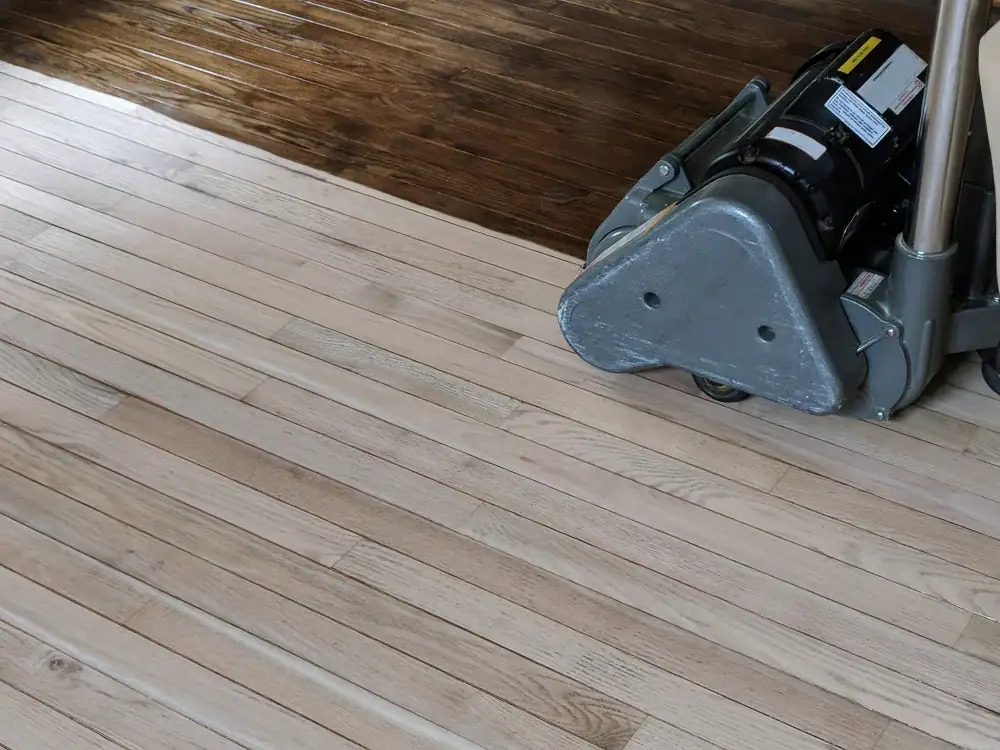
If you're looking at worn, scratched, or dull wood floors and wondering whether they can be saved, you're not alone. Homeowners in Richmond VA ask the same questions every week. Is this a simple buff and coat service, a full hardwood floor refinishing job, or is it time to replace everything?
That confusion gets even bigger when you're researching Nashville hardwood flooring online and seeing product names, construction types, and advice that doesn't always match what works in older Richmond homes. This guide keeps it practical. It covers what different flooring types really mean, how Richmond's climate affects wood, what to expect from dustless sanding, and how to make a smart decision before you spend money.
Your Guide to Beautiful Hardwood Floors in Richmond VA
A lot of Richmond homeowners start in the same place. The floors still have character, but the finish looks tired, the traffic paths are dull, and scratches stand out every time sunlight hits the room. You want the house to feel cleaner and more put together, but you also don't want to pay for the wrong solution.
That matters because most wood-floor work isn't about brand-new construction. According to NWFA industry reports, 66.4% of wood flooring sales are tied to residential replacement projects, which tells you homeowners are actively investing in upgrading existing floors, not just installing wood in new homes. In Richmond VA, that fits what we see on the ground. People are usually trying to improve what they already have.
Practical rule: The right floor decision starts with condition, not appearance alone. Two floors can look equally worn, but one may need recoating while the other needs full sanding or board replacement.
If you're comparing floor refinishing Richmond VA options, trying to understand refinishing cost, or just figuring out how long does refinishing take, the main goal is simple. Match the fix to the actual problem. That's what saves money, protects the floor, and avoids redoing the work later.
Understanding Your Hardwood Flooring Options
To choose between repair and restoration, first identify the flooring material under your feet. In Richmond, that step prevents a lot of expensive mistakes, especially in older houses where one room may have original oak, another may have newer engineered planks, and a kitchen addition may have wood-look vinyl that only appears to match.

Solid hardwood and where it works
Solid hardwood is milled from a single piece of wood. In Richmond homes, especially in Fan, Museum District, and other older neighborhoods, solid oak is still the floor we uncover most often under carpet or newer coverings. It can usually be sanded and refinished more than once, which makes it a strong long-term option for homeowners who want to preserve original character.
Solid wood tends to work best when:
- You plan to keep the home for a long time and want a floor that can handle future refinishing.
- Indoor humidity stays reasonably controlled through the year.
- The crawl space, subfloor, and structure are in good shape, with no chronic moisture problems below.
Richmond's climate is the catch. Summer humidity, damp crawl spaces, and older homes with inconsistent insulation can all push solid wood to expand and contract more than homeowners expect. In a stable house, that movement is manageable. In a house with moisture coming up from below, you can end up with cupping, seasonal gaps, or boards that never sit quite right.
Engineered hardwood and why it often fits Richmond homes
Engineered hardwood uses a real wood wear layer over a layered core. That construction helps the boards stay more dimensionally stable than solid wood, which is one reason it shows up so often in renovations, additions, and homes with less predictable moisture conditions.
One Nashville-labeled engineered product, for example, is built as a 3/4-inch oak floor with a real wood veneer over a 3-ply core, as shown on this Nashville engineered flooring product page. That does not make engineered flooring bulletproof. It does mean the product usually handles normal humidity swings better than a single-piece board.
For Richmond homeowners, engineered wood often makes sense when:
- The house has seasonal humidity swings and you want real wood with better stability.
- You are installing over a subfloor that is not perfectly flat and need a little more tolerance.
- You want wood in parts of the home where solid hardwood may be a riskier choice, such as certain basements or additions, depending on site conditions.
The trade-off is refinishing potential. Some engineered floors can be sanded and refinished. Some cannot, or only once. The wear layer decides that, not the sales label. For a closer comparison, see this guide on solid vs engineered hardwood flooring.
Wood-look vinyl and why it needs to be identified correctly
Some products sold under Nashville hardwood flooring style names are not wood at all. A vinyl version in that product family may use a printed hickory look and a protective wear layer, while the engineered version uses real wood construction. For a homeowner, that difference affects almost every decision afterward.
If the floor is vinyl, you are not sanding it. You are not staining it. You are not treating it like hardwood repair.
If moisture resistance is the top priority, vinyl may be the better fit. If you want real wood grain, natural variation, and the possibility of future refinishing, solid or engineered hardwood is the better path.
Prefinished and site-finished trade-offs
Richmond homeowners also need to choose between prefinished wood and site-finished wood, and the right answer depends on the house.
- Prefinished flooring arrives with the finish already applied. Installation is faster, and the job usually creates less dust and disruption.
- Site-finished flooring is sanded and coated after installation. That usually gives a flatter, more uniform look across the room and more control over stain color and sheen.
In newer homes, prefinished flooring often works well. In historic Richmond homes with patched areas, uneven transitions, or rooms that have settled a bit over time, site-finished work often gives a better final result because the floor can be corrected and blended in place.
The material choice should match the house, not just the sample board. That is especially true in Richmond, where humidity, crawl space conditions, and older construction details can change how a floor performs long after installation day.
Refinish Recoat or Replace Your Floors
Homeowners usually don't need more product options. They need a decision. Should you keep the floor and restore it, apply a fresh topcoat, or stop investing in it and replace it?

The cleanest way to think about it is surface wear versus structural or deep wear. A useful rule from this hardwood refinishing decision guide is that the smart choice depends on wear depth, prior sanding history, and moisture-related damage. Those three factors tell you whether a buff-and-coat is enough or whether refinishing or replacement is the safer long-term move.
What recoating is good for
A recoat or wood floor recoating service is for floors where the finish is worn but the wood itself isn't badly damaged. Think dull traffic lanes, light surface scuffs, or a floor that has lost its protective layer without deep gouges through the stain.
A true buff and coat service is beneficial. The floor is cleaned, lightly abraded, and coated again to renew protection. It doesn't remove deep scratches or change color, but it can buy real life for a floor that's still structurally sound.
Use recoating when you see:
- Dullness without raw wood exposure
- Light scratches you notice visually more than by touch
- A finish that looks tired but still intact across most of the room
When full refinishing makes sense
Hardwood floor refinishing goes further. The existing finish is sanded off, surface damage is removed as much as the wood allows, stain can be changed if desired, and new finish coats are applied.
This is usually the right call when:
- Scratches catch your fingernail
- There are blackened stains, pet wear, or finish failure
- You want a different stain color
- Previous touch-ups left the floor uneven or blotchy
For homeowners in Richmond VA, this is often the sweet spot in older homes where the boards are worth saving but the finish is beyond a simple maintenance coat.
A practical example is a house with solid oak floors hidden under years of wear, minor patching, and old finish buildup. That floor may look rough, but if the boards are stable and the wear layer is there, refinishing often produces a far better result than piecemeal repair.
When replacement is the better investment
Replacement is the right answer when the floor has reached the point where restoration becomes risky, limited, or cosmetically inconsistent.
Common reasons include:
- Severe moisture damage
- Major movement from a failing subfloor
- Boards that are too thin from previous sanding
- Mixed materials or patchwork repairs that won't blend well
- A layout change that makes repair impractical
Here is a simple side-by-side comparison.
| Method | Best For | Process | Timeline |
|---|---|---|---|
| Refinish | Deep wear, stain change, widespread scratches | Sand to bare wood, optional stain, apply new finish coats | Multi-step project with sanding and curing time |
| Recoat | Surface wear, dull finish, maintenance before major damage | Clean, abrade existing finish, apply fresh topcoat | Shorter and less invasive than full refinishing |
| Replace | Severe damage, limited wear layer, major redesign | Remove existing floor, prepare subfloor, install new material | Longest option because demolition and installation are involved |
Here's a useful visual explanation of how those choices differ in practice.
If you're weighing replacement against restoration, this article on the benefits of hardwood floor refinishing vs replacing is worth reading.
Floors don't fail only because the finish looks bad. They fail when moisture, structural movement, or wear history make the next repair short-lived.
If you're unsure which category your floors fall into, that's where an on-site inspection matters. Photos help, but they rarely show sanding history, board thickness, or subtle moisture issues.
How Richmonds Climate Affects Your Hardwood Floors
Richmond VA isn't especially hard on hardwood because of one dramatic weather event. It's hard on hardwood because of constant moisture movement. Seasonal humidity shifts, crawl spaces, and older construction details all affect how wood behaves after installation and during refinishing.
Humidity changes the wood, not just the finish
Wood takes on and releases moisture. When indoor and subfloor conditions change, boards expand and contract. That's normal. Problems start when the movement is uneven or the floor system underneath isn't solid enough to handle it.
That shows up as:
- Cupping, where board edges rise higher than the center
- Gapping, where spaces open between boards
- Squeaks and movement, especially in older homes
- Finish stress, where coating systems wear prematurely because the floor flexes too much
Crawl spaces and subfloors matter more than homeowners think
In Richmond VA, a lot of floor trouble starts below the wood surface. A damp crawl space can feed moisture into the subfloor long before the homeowner sees obvious surface damage. That's why moisture checks matter before installation, hardwood floor repair, or refinishing.
Another technical issue is floor stiffness. According to Textures Hardwood installation guidance, joist systems beyond 19.2 inches on center may require added support up to a maximum of 24 inches, because too much flex raises the risk of finish failure, gapping, and squeaks. In plain English, if the floor system bends too much, even a well-finished hardwood floor won't perform the way it should.
A pretty finish can't fix a soft subfloor. If the structure moves, the floor covering moves with it.
What works better in local homes
In many Richmond VA homes, especially those with crawl spaces or less predictable indoor conditions, engineered hardwood often gives a wider margin for error than solid wood. That's not because solid wood is bad. It's because some houses ask too much of it.
For installations in humid conditions, contractors should be checking:
- Subfloor moisture
- Wood moisture before installation
- Crawl-space conditions
- Joist spacing and floor deflection
- Whether a vapor retarder or additional subfloor work is needed
If a contractor jumps straight to color samples and finish sheen without looking underneath, that's a warning sign.
The Hardwood Floor Refinishing Process What to Expect
A Richmond refinishing job usually starts with a practical question from the homeowner. Can we stay in the house while this is happening, or is the dust, smell, and downtime going to take over the week?

The first visit and honest diagnosis
The first visit should answer that question with specifics, not guesses. A good contractor checks the species, thickness, wear layer, finish condition, previous sanding, damaged boards, and how the floor meets adjacent rooms. In Richmond, I would also expect attention to pet stains, old water marks near exterior doors, and movement around vents or perimeter walls, because those clues often point to a moisture issue below the surface.
Older homes add another layer. In Fan, Museum District, and other historic neighborhoods, it is common to find patch repairs, mixed board widths, soft spots near old plumbing lines, or floors that have already been sanded more than once. A contractor who skips that diagnosis can promise a result the floor cannot deliver.
The practical questions are simple:
- Can a new topcoat solve the problem?
- Is there enough material left for full sanding?
- Do damaged boards need repair before finishing?
- Will stain, sheen, and repair areas blend well enough for your expectations?
If you want a good list of estimate questions before work starts, this guide to hiring the right flooring contractor in Richmond is a useful place to start.
Prep and dust-controlled sanding
Prep decides how the job feels in real life.
Before sanding starts, furniture has to be cleared, wall hangings near the work zone may need to come down, registers should be protected, and nearby rooms need containment. Dust-controlled sanding equipment helps a lot, especially in occupied homes, but no honest contractor should promise a perfectly dust-free house. Fine dust can still travel if the crew rushes prep or leaves openings around returns, doorways, or stairwells.
Jobsite reality: Dust control depends on both equipment and crew discipline. Good machines help, but careful prep, sealing, and cleanup are equally important.
Richmond homes with crawl spaces and older trim profiles need extra care here. Gaps at baseboards, floor penetrations, and older return-air pathways can let dust move farther than homeowners expect. That is one reason communication matters so much. If you call during the day with a question about access, pets, or room readiness, a responsive office setup such as Eden's flooring answering service can make the project run more smoothly.
Stain, finish, and curing
Once sanding is done, the floor gets cleaned thoroughly before stain or finish goes down. Some floors look best left natural. Others need stain to blend repairs, reduce color variation, or better fit the house. That choice has trade-offs. Darker stains can look rich, but they also show dust, scratches, and pet hair faster. Natural finishes hide day-to-day wear better in busy households.
Finish selection affects the next several days. Waterborne products usually dry faster and have less odor. Oil-based finishes can provide a different look and open time, but they often keep rooms out of service longer. The right answer depends on the house, the schedule, and who is living there.
Dry and cured are not the same thing.
Homeowners often hear that the floor is dry for sock traffic and assume life can go back to normal. It cannot. The finish still needs time to harden before rugs, heavy furniture, and full use. Rush that stage, and you can leave marks that were completely avoidable.
Expect these steps after coating:
- Limited access at first
- Careful furniture return with felt protection
- No dragging appliances or heavy pieces across the floor
- Rugs held back until the finish has hardened enough
- A final walkthrough for sheen, repairs, and care instructions
What a real project feels like
A well-run refinishing project feels organized, even if it temporarily disrupts the house. You should know which rooms are offline, where you can walk, when coats are being applied, and what the crew expects from you each day.
The trouble usually starts earlier. The floor was misread, the schedule was oversold, or the homeowner was told the floor would be ready sooner than the finish chemistry allows. Honest expectations make these jobs go better, especially in Richmond homes where humidity can slow drying and older construction can reveal surprises after sanding starts.
How to Choose the Best Hardwood Contractor in Richmond
Hiring the right crew matters more than the finish brand on the can. Good hardwood work comes from diagnosis, prep, moisture awareness, and follow-through. Poor hardwood work usually looks acceptable for a short time, then starts showing avoidable problems.

What to look for during estimates
In Richmond VA, ask contractors direct questions and pay attention to whether the answers are specific or vague. The right contractor should be able to explain what they're seeing in your floor and why they're recommending a certain path.
Use this checklist:
- Experience with local homes. Ask whether they regularly work in older Richmond houses, crawl-space homes, and newer engineered-floor installations.
- Clear scope of work. The estimate should say whether the job includes repairs, sanding, stain, recoating, cleanup, and who moves what.
- Dust control process. If they offer dustless sanding, ask what equipment they use and how they protect adjacent areas.
- Insurance and professionalism. Verify that they're properly insured and operating like a real business, not just showing up with rented equipment.
- Communication. Responsiveness matters. Even something as simple as a reliable office workflow or a specialized tool like Eden's flooring answering service can make a difference in how consistently a company handles calls, scheduling, and follow-up.
Questions worth asking any contractor
These questions usually reveal a lot fast:
How do you decide whether a floor needs recoating, full sanding, or replacement?
Ask that first. A contractor who can't explain the difference in plain language may not diagnose the floor well.
Then keep going:
- What moisture checks do you perform before installation or refinishing?
- How do you handle isolated board replacement so it blends with the surrounding floor?
- What finish system do you recommend for this room and why?
- What should I expect in the house during sanding and curing?
- What problems could keep this floor from turning out the way I want?
The last question is especially useful. Honest contractors don't promise perfection in every situation. They explain risks.
For more guidance, this article on how to hire the right flooring contractor in Richmond VA gives homeowners a solid screening framework.
Signs to slow down
You don't need a dramatic red flag to walk away. Sometimes the warning sign is just a contractor moving too fast.
Be cautious if someone:
- Glances at the floor and quotes immediately
- Doesn't ask about moisture, crawl space, or subfloor
- Can't explain engineered hardwood refinishing limits
- Promises a one-size-fits-all solution
- Pushes replacement without discussing repair or refinishing first
In Richmond VA, the best hardwood floor contractor isn't the one with the flashiest pitch. It's the one who sees what could go wrong before the job starts.
Frequently Asked Questions About Richmond Hardwood Floors
How do I know if my crawl space is putting my floor at risk
A floor can look fine from above while moisture is building below it. In Richmond, that happens often in homes with vented crawl spaces, older insulation, or inconsistent ground covering.
A damp crawl space is one of the biggest hidden issues in humid areas. It can push moisture into the subfloor and hardwood, which leads to cupping, seasonal movement, finish problems, and in some cases board failure. Homeowners should ask what moisture readings a contractor takes in the wood and subfloor before installation or refinishing, and whether they see signs of long-term moisture under the house.
Can you fix just a few damaged boards
Often, yes.
Targeted hardwood repair works well when the damage is limited to a small area and matching wood can still be sourced or milled close enough to blend. The hard part is not the board swap itself. The hard part is getting the repair to disappear into an older floor that may have ambered with age, faded near windows, or picked up wear patterns over time.
That is especially true in Richmond's older homes, where strip widths, species, and previous patchwork do not always match what is sold today.
Is a buff and coat service enough for scratched floors
Sometimes, but only if the problem is in the finish layer.
A buff and coat helps with light surface wear, small scuffs, and dull traffic lanes. It will not fix deep scratches, black water marks, pet stains that soaked into the wood, or boards that have cupped from moisture. If the color is worn through or the floor has contamination from waxes or certain cleaners, a recoat may also fail to bond properly.
Are low-odor finishes available
Yes. Many Richmond homeowners ask for them, especially in homes with kids, pets, or tight schedules.
Water-based finishes usually have less odor and a faster return-to-service time than traditional oil-based products, but they do not look or wear exactly the same in every house. The right choice depends on the species, the sheen you want, the condition of the floor, and how long you can stay off it.
Why Richmond Homeowners Choose Buff & Coat
- Over two decades of experience
- Dustless sanding systems
- Local, owner-operated
- High-quality finishes
- Clear pricing and honest advice
- Strong customer reviews
Ready to restore your hardwood floors? Buff & Coat Hardwood Floor Refinishing handles refinishing, recoating, and repairs with a focus on clear communication and clean job sites. Call 804-392-1114 or request a free estimate at buffandcoatvirginia.com.