
Floor Sanding in Highland Springs, VA
Highland Springs Homes Were Built With Better Floors Than You're Walking On
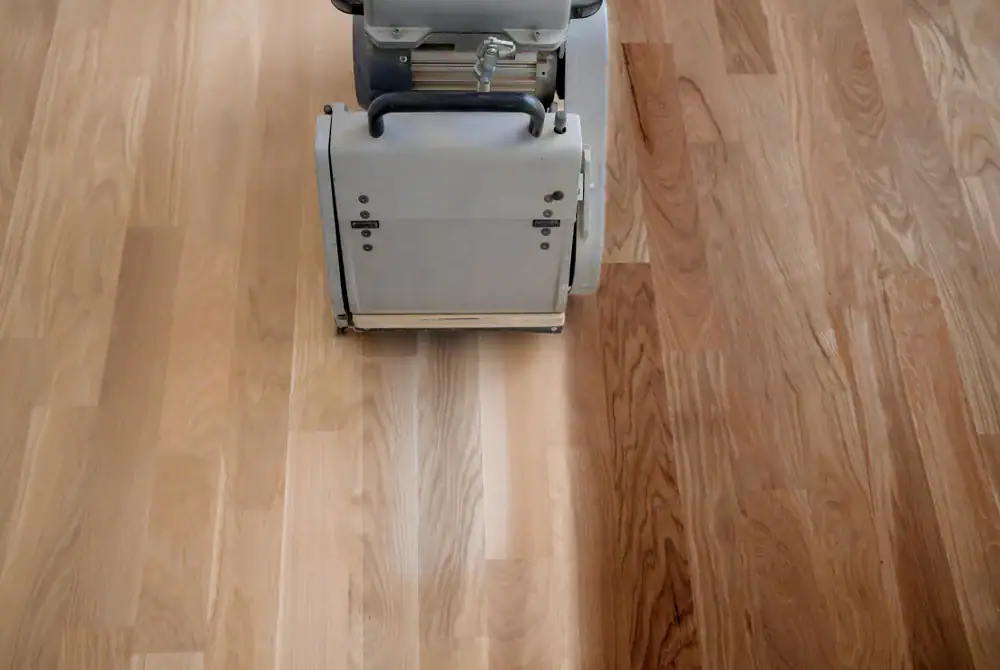
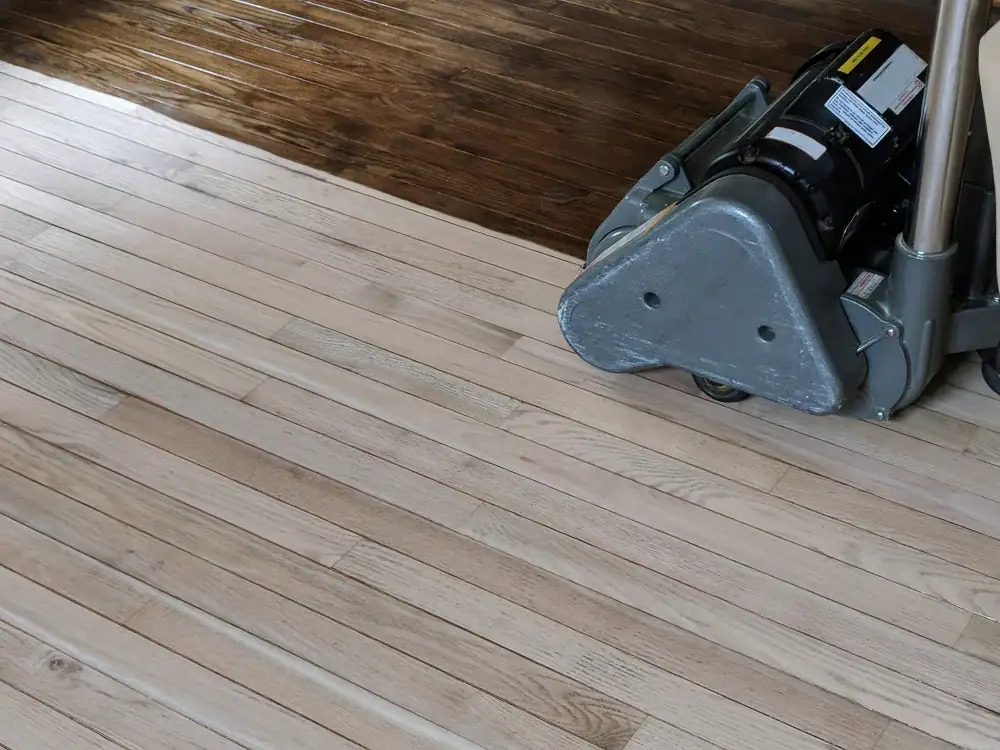
Hardwood Floor Refinishing Highland Springs VA
Highland Springs is one of the few communities in Henrico County where the original floors are still under there real oak and pine, laid down when homes along Ash Street, Cedar, Maple, and the rest of that original grid were first built. Those floors weren’t decorative. They were built to last, and most of them still can. What they need isn’t replacement. They need a skilled hand and the right process.
Virginia’s humidity does a number on hardwood over time. Richmond summers push indoor humidity well above 70%, and then winter heating drops it back down to 15 or 20 percent. That cycle expand, contract, expand again is what causes finish to crack, gray out, and lose its hold. Floors in older Highland Springs homes, many built on crawl space foundations without modern vapor barriers, absorb the full force of that swing every single year. Refinishing with the right finish type stabilizes the surface and gives the wood real protection against the next cycle.
And beyond protecting what’s there, refinished floors change how a home feels and what it’s worth. The National Association of REALTORS® puts the return on hardwood floor refinishing at 147%. In a market where Highland Springs homes are moving in around 33 days and buyers are paying attention to every detail, that’s not a number to ignore. Refinishing costs a fraction of replacement and in most cases, delivers a better result.
Wood Floor Sanders in Henrico County
We’re based in Glen Allen Henrico County, same as Highland Springs. Our owner David Emmerling has been working on hardwood floors in this area for over 20 years, which means he’s seen the inside of homes just like yours: older construction, original trim, floors that have been under carpet for decades and are finally getting a second look.
This isn’t a franchise with a call center somewhere else. When you reach out, you’re talking to the person who will actually show up and do the work. That matters when the floors in your home are original, irreplaceable, and part of what makes the house worth owning.
We hold a valid Virginia contractor license through the state’s Department of Professional and Occupational Regulation not something every operator in this market can say. Five-star Google rating, real reviews, real results. That’s the full picture.
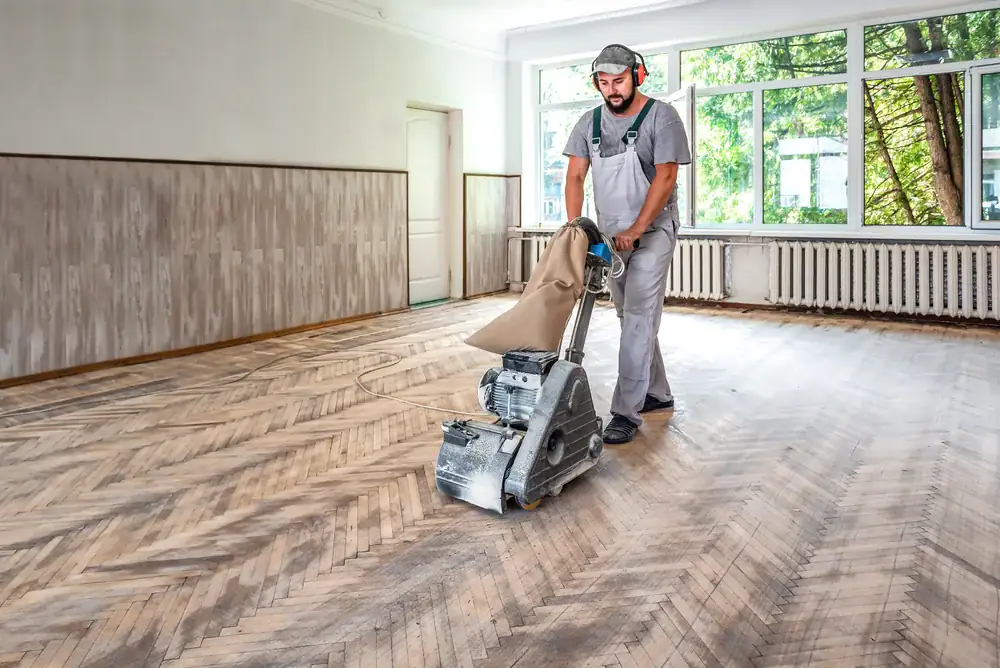
Dustless Floor Sanding Process Highland Springs
It starts before anyone touches the floor. David will assess what you’re actually working with species, thickness, current finish condition, any moisture-related damage that’s common in older crawl space homes throughout east Henrico County. That assessment determines whether your floors need a full sand, a buff and coat, or something in between. You’ll know what you need and what it costs before anything starts.
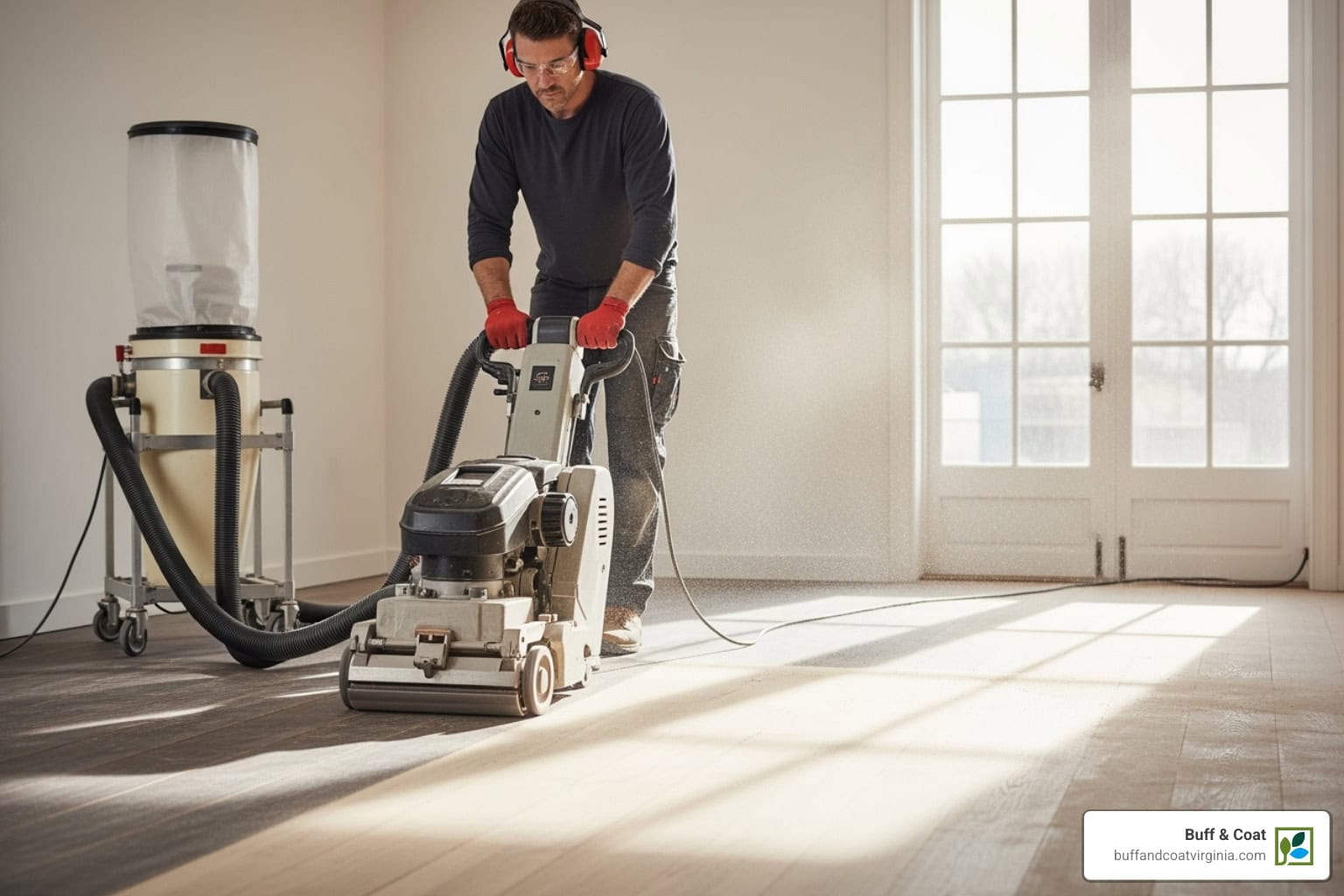
On the day of the job, our dustless sanding equipment comes in and the work begins. The system captures the vast majority of sanding dust at the source not “reduced,” not “minimized,” but contained before it becomes airborne. In a home with original plaster walls, older trim, and rooms full of things that can’t just be boxed up and moved out, that’s the difference between a job you’ll be happy with and one you’ll be cleaning up after for a week.
Once the floor is sanded down to clean, bare wood, the finish goes on. Spring and fall are the best windows for refinishing in this area moderate humidity means better adhesion and more stable curing. That said, jobs get done year-round. Water-based, low-VOC finish options are available and strongly recommended for occupied homes, especially older ones where ventilation isn’t as tight as newer construction. Most projects wrap in a single day. You’re back on your floors the same evening or the following morning.
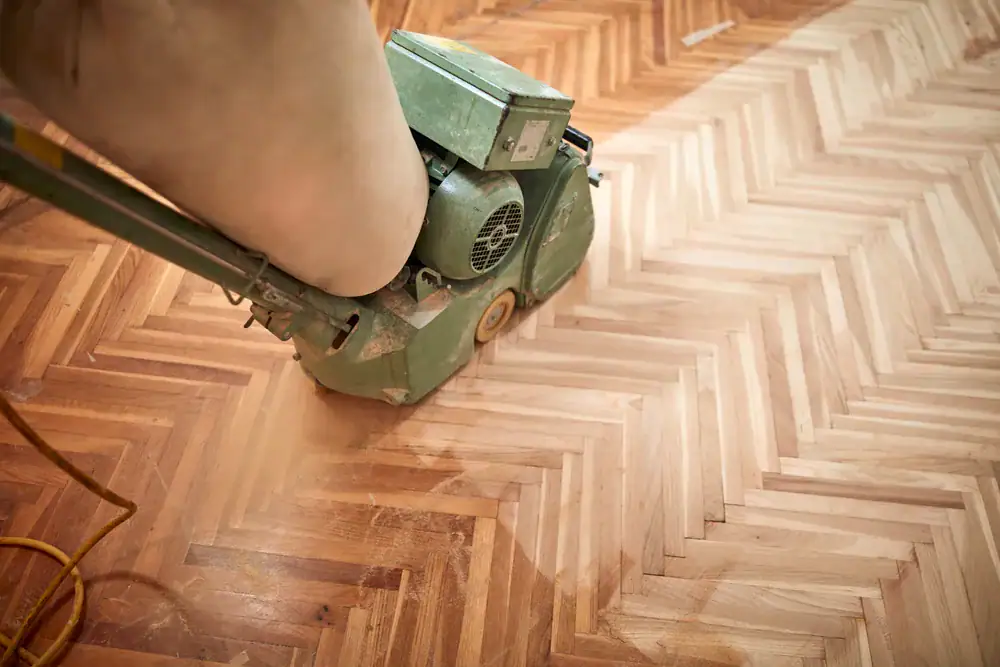
Floor Restoration Services Highland Springs VA
Not every floor in Highland Springs needs the same thing, and a contractor worth hiring will tell you that upfront. We offer the full range from a buff and coat (a surface-level refresh that works when the finish is worn but the wood itself is still in good shape) to a full sand and refinish when the floor needs to go back to bare wood. There’s also repair and board replacement for sections that have cupped, cracked, or been damaged over the years, and stain work for homeowners who want to update the color while they’re at it.
For homes in the Highland Springs Historic District and the surrounding streets where floors may not have been touched since the mid-twentieth century a full sand is often the right call. These floors have the thickness for it. Most solid hardwood at 3/4 inch can be sanded and refinished four to five times over its life. A floor that’s never been professionally done has multiple cycles left in it.
Finish selection is part of the conversation too. The current trend is toward natural, warm tones a move away from the gray and dark stains that were popular a few years back. For original oak and pine floors in older Henrico County homes, a natural or lightly enhanced finish tends to bring out the grain and warmth that make these floors worth keeping in the first place. You’ll see samples, you’ll make the call, and the result will be something that fits the house rather than fighting it.
Can the original hardwood floors in my Highland Springs home actually be refinished?
In most cases, yes and homeowners are often surprised by how much life is left in floors they assumed were too far gone. The homes throughout Highland Springs and the Historic District were built with solid hardwood, typically oak or pine at the standard 3/4-inch thickness. That’s enough material for multiple refinishing cycles, even on floors that have seen 70 or 80 years of use.
The honest answer depends on what’s actually under there. Floors that have been covered with carpet, linoleum, or laminate for decades are often in better shape than expected the covering protected them. What you’re more likely to find is surface wear, finish breakdown, and maybe some minor cupping from moisture exposure over the years. A proper assessment before any work starts will tell you exactly what you’re dealing with and what the realistic outcome looks like. There’s no reason to guess.
How much does floor sanding and refinishing typically cost in Highland Springs, VA?
Professional floor sanding and refinishing generally runs between $3 and $8 per square foot, depending on the condition of the floor, the finish type selected, and whether any repair work is needed. For a typical Highland Springs home, most projects fall somewhere in the $1,100 to $2,700 range though larger homes or floors with significant damage may run higher.
Compare that to new hardwood installation, which starts around $6 per square foot and can reach $25 or more depending on species and materials. On a 1,000 square foot project, you’re potentially saving $3,000 to $17,000 by refinishing rather than replacing and in most cases, the refinished original floor looks better anyway. Our per-square-foot pricing is transparent and discussed before the job starts, so there are no surprises when the invoice arrives.
How long does the floor sanding process take, and do I need to leave my home?
Most projects are completed in a single day. For a standard-sized home in Highland Springs say, 800 to 1,200 square feet of hardwood the sanding, staining if applicable, and first finish coat typically wrap up within a workday. Water-based finishes dry faster than oil-based, which is one of the reasons we recommend them for occupied homes.
You don’t need to book a hotel. You do need to keep foot traffic off the floors while the finish cures, which usually means staying off them for a few hours to overnight depending on the finish used. Furniture can typically go back within 24 to 48 hours. For families in Highland Springs who can’t realistically vacate for days at a time, the one-day turnaround isn’t a sales pitch it’s a practical reason this type of project actually gets done instead of sitting on a to-do list for another three years.
What's the difference between a full sand and refinish versus a buff and coat?
A buff and coat is a lighter process it scuffs the existing finish surface, cleans it thoroughly, and applies a fresh topcoat. It’s the right move when the finish is worn and dull but the wood itself hasn’t taken on scratches or damage deep enough to require sanding down to bare wood. It’s faster, less disruptive, and costs less. For floors that just need to be refreshed rather than restored, it’s often the smarter choice.
A full sand and refinish goes all the way down. The existing finish and surface layer of wood are removed entirely, exposing clean bare wood that can be stained and recoated from scratch. This is what you need when there’s significant scratching, staining, cupping from moisture exposure, or when you want to change the color completely. For many of the older floors throughout Highland Springs floors that may have never been professionally refinished a full sand is the appropriate starting point. The assessment before the job will tell you which one actually makes sense for your floors.
My floors have some cupping and gaps is that a moisture problem or just age?
It’s often both, and it’s worth understanding the difference before any sanding work begins. Cupping where the edges of boards sit higher than the center is almost always moisture-related. In older Highland Springs homes built on crawl space foundations, ground moisture migrates upward through the subfloor and into the hardwood above, especially during humid Virginia summers. That moisture causes the wood to expand unevenly, which is what produces the cupped shape.
Gaps between boards, on the other hand, are typically a winter issue. When heating systems run and indoor humidity drops, the wood contracts and gaps open up. Both conditions are common in the older housing stock throughout east Henrico County, and neither automatically means the floor can’t be refinished. What matters is whether the moisture issue is ongoing or historical. If active moisture intrusion is still happening, addressing that first will produce a better, longer-lasting result from the refinishing work. A proper assessment will identify which situation you’re in before anything gets sanded.
Do you work on floors in the Highland Springs Historic District, and does the age of the home affect anything?
Yes, and the age of the home is actually an advantage more often than a problem. The Historic District encompasses around 1,400 properties, most of them built between the 1910s and 1950s with solid hardwood floors that were standard construction at the time. Those floors are denser and often harder than a lot of what gets installed today, and because they were built at full 3/4-inch thickness, they have real material left for refinishing even after decades of use.
What older homes do require is a more careful approach. Original trim, plaster walls, and period details mean the dustless process matters more, not less there’s no tolerance for sanding dust settling into irreplaceable woodwork or spreading through rooms that can’t be easily cleared out. The assessment process also pays closer attention to subfloor conditions in older construction, where crawl space moisture and decades of seasonal movement can show up in ways that newer builds don’t typically present. None of that makes the work harder to do well it just makes experience and local knowledge more relevant to the outcome.
Other Services we provide in Highland Springs