
Floor Installation in Highland Springs, VA
Older Henrico Homes Deserve More Than a Guess
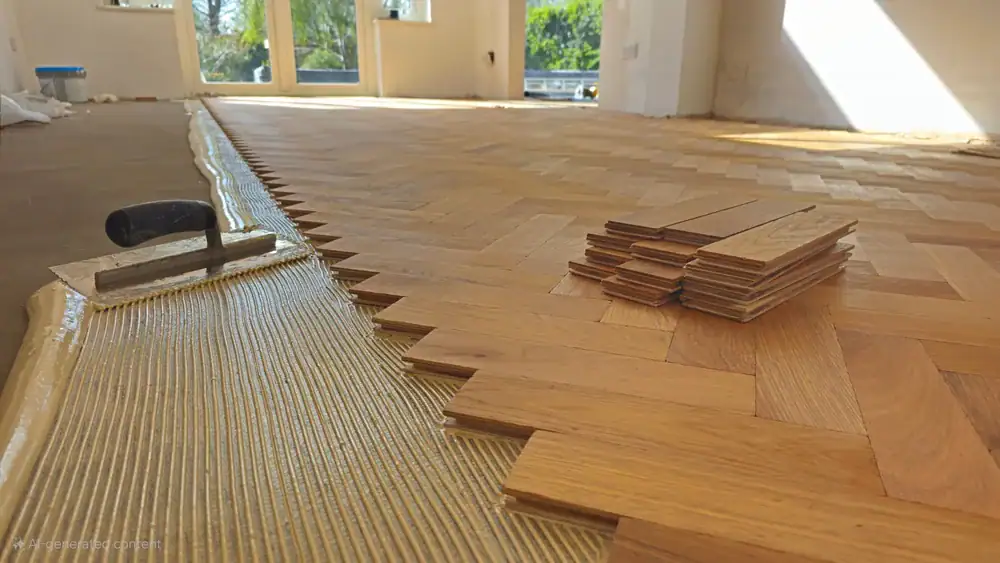
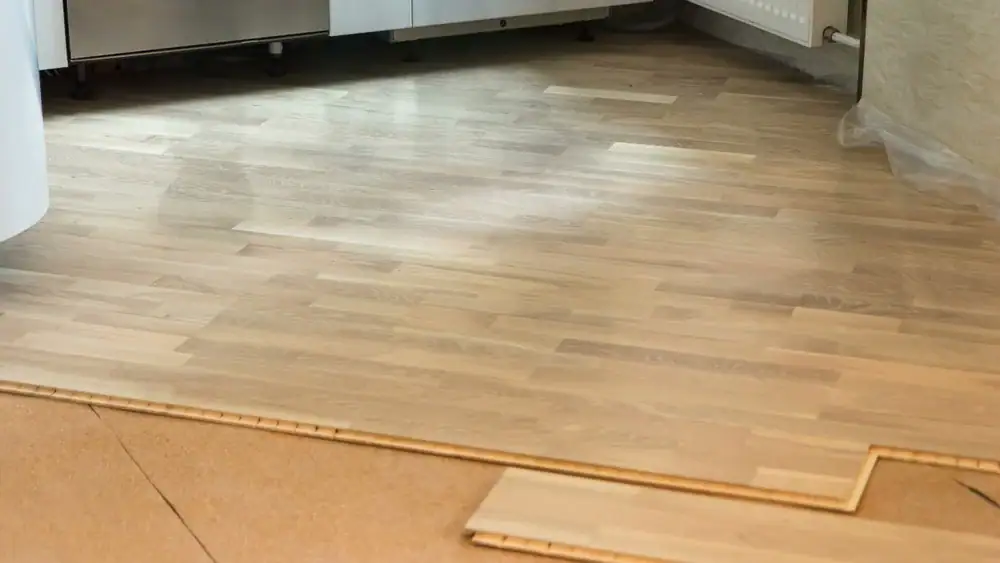
Hardwood Floor Installers Highland Springs, VA
Highland Springs sits in eastern Henrico County, and if your home was built between the 1940s and 1970s which most of them were there’s a real chance your subfloor has absorbed decades of Virginia’s humidity cycles. That’s not a scare tactic. It’s just what happens when crawl space foundations meet hot, humid summers year after year. When a floor installer skips moisture testing in a Highland Springs home like yours, you’re looking at warping, squeaking, and gapping within a year or two. Not because hardwood is fragile, but because it wasn’t installed with your actual conditions in mind.
Getting this right means your floors don’t just look good on day one they stay flat, tight, and quiet through every season. That’s the difference between new wood floors that feel like an upgrade and ones that feel like a regret. Properly installed hardwood in a Highland Springs home also does something else: it adds real resale value in a market where homes move fast. When buyers walk through a well-kept home near Nine Mile Road or off Laburnum Avenue and see hardwood floors that are solid and seamless, that’s a detail that closes deals.
And if you’ve got original hardwood in some rooms and carpet or vinyl in others which is common throughout Highland Springs matching new installation to what’s already there is a skill that not every installer has. When it’s done right, the whole home reads as one cohesive space instead of a patchwork of different renovation eras.
Local Floor Installers Serving Henrico County
We’ve been serving Richmond-area homeowners since 2012, operating out of Glen Allen about 15 minutes from Highland Springs via I-64. This isn’t a franchise with rotating staff and a corporate playbook. It’s an owner-operated business where the person responsible for your floors is the same person who built our reputation one job at a time across Henrico County.
That matters in a community like Highland Springs, where homes have real history and the housing stock tells you everything about what to expect under the surface. Our team has worked in Craftsman bungalows, post-war ranches, and mid-century builds throughout eastern Henrico the kinds of homes where the subfloor has a story, and where cutting corners during installation shows up fast.
Hundreds of five-star Google reviews from Richmond-area homeowners back that up. Not because we ask for them, but because when the job is done right in a home that’s been standing since 1955, people notice.
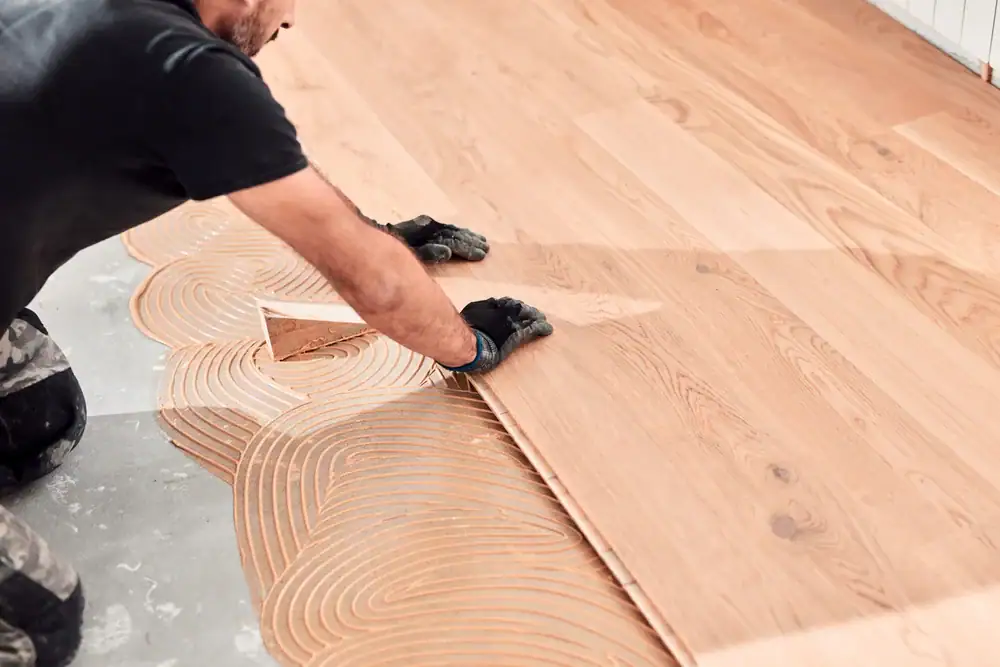
Hardwood Floor Installation Process Highland Springs
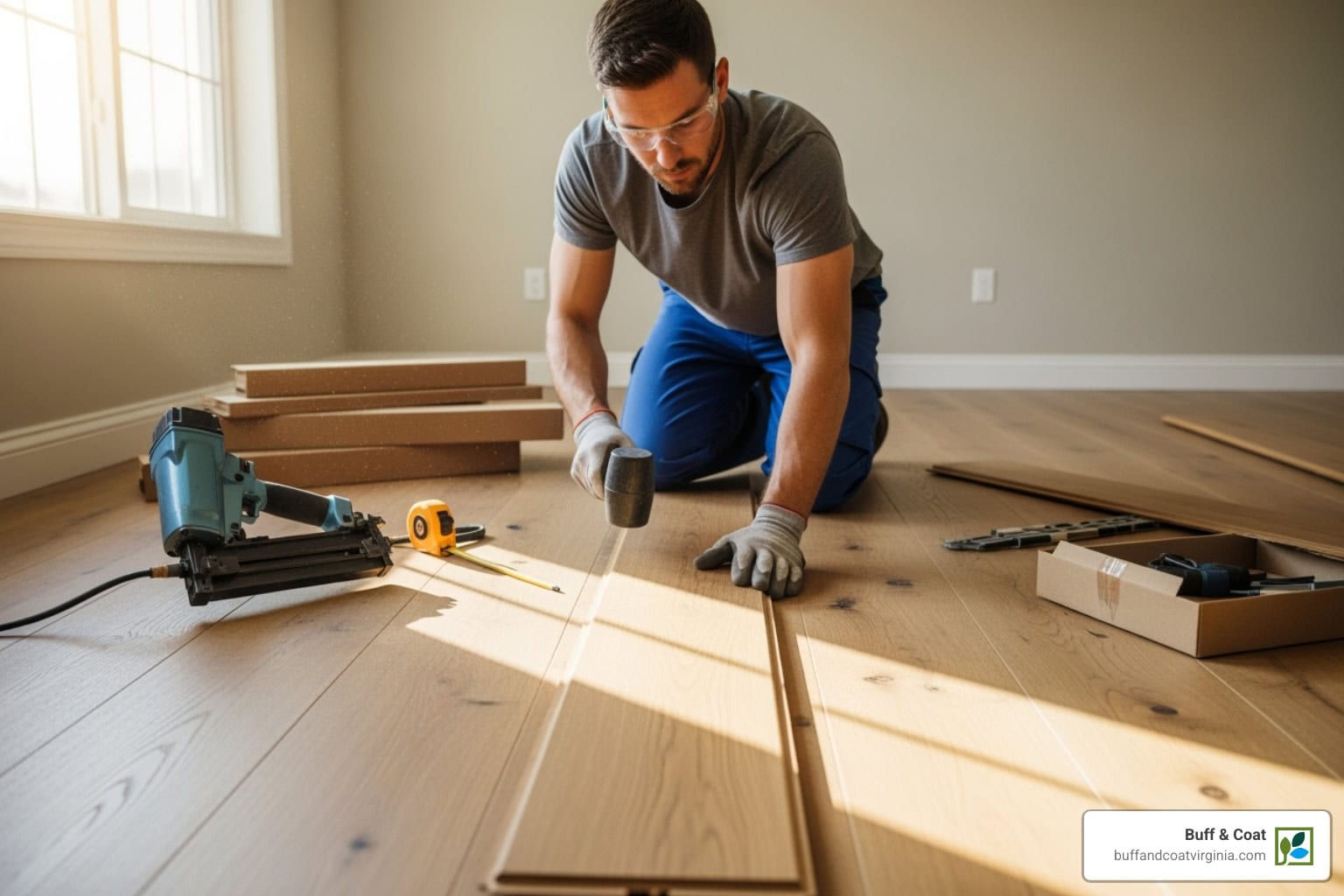
The first thing that happens isn’t installation it’s assessment. Before any wood comes into your home, we check the subfloor for flatness, stability, and moisture. In Highland Springs homes with crawl space foundations, that moisture reading is especially important. Ground moisture migrates upward, and if the subfloor is holding more moisture than the wood can handle, the installation will fail regardless of how good the materials are. That step alone separates a job that lasts from one that doesn’t.
Once the subfloor is cleared, the wood needs time to acclimate to your home’s actual indoor conditions. Virginia’s humidity swings from muggy summers to dry, heated winters mean the wood has to adjust before it’s fastened down. Skipping this step is one of the most common reasons new floors gap or buckle within the first year. The acclimation period typically runs five to fourteen days depending on the season and your home’s specific conditions.
Installation itself moves efficiently once the prep work is done. Most jobs are completed within a few days, which matters if you’re working around a tight timeline whether that’s a renovation deadline, a listing date, or just not wanting your home torn up for weeks. After installation, we’ll give you clear guidance on how to care for the floors through the first full seasonal cycle, because that first year is when hardwood is most sensitive to your home’s environment.
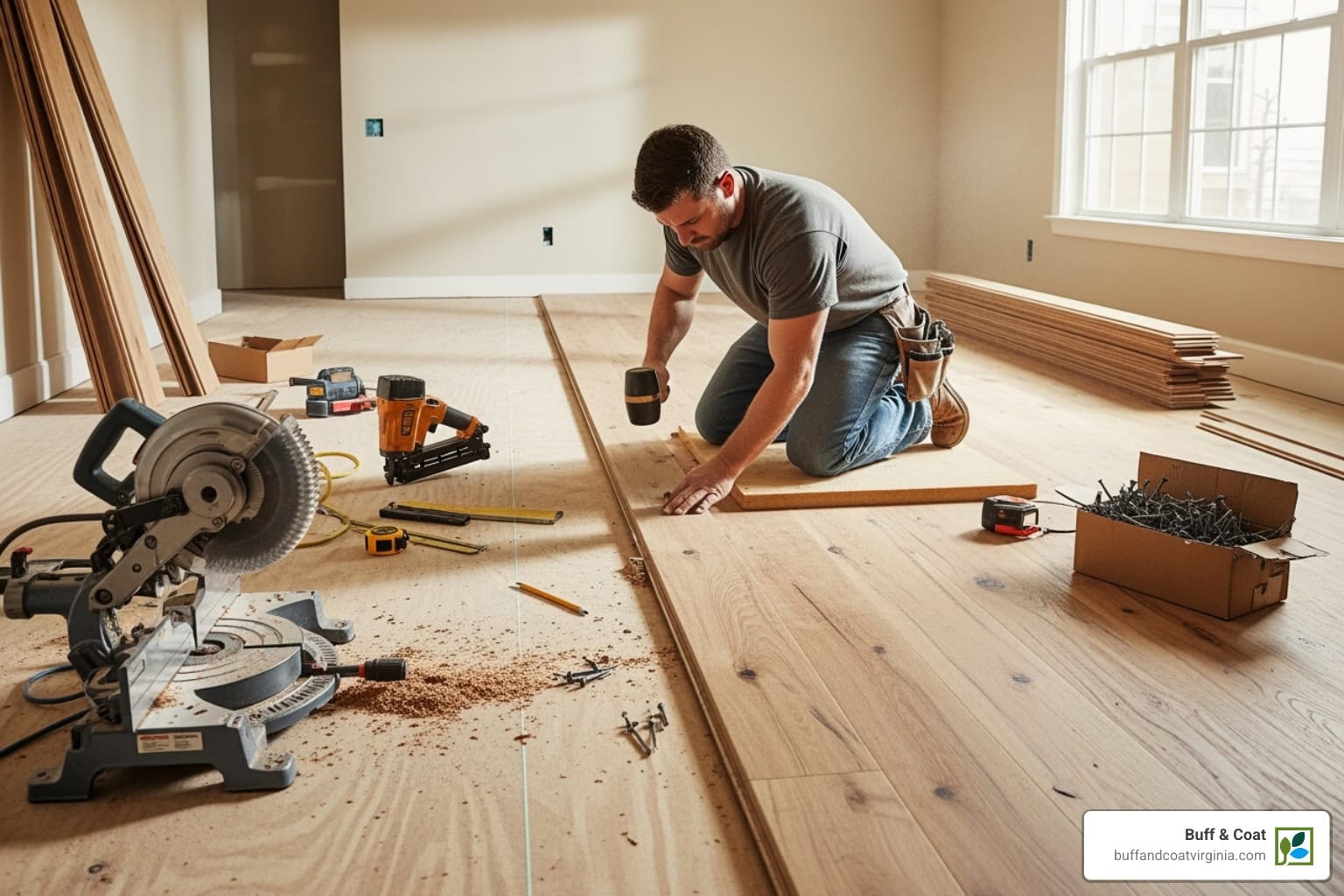
Solid Wood Flooring Options in Highland Springs, VA
Not every Highland Springs home is a candidate for solid hardwood and we’ll tell you that upfront. Homes with crawl space foundations and older subfloors sometimes do better with engineered hardwood, which handles moisture fluctuation more predictably without sacrificing the look or feel of real wood. The recommendation you get should be based on your actual subfloor type, your room’s conditions, and how you live in the space not on what costs more.
For homes in or near the Highland Springs Historic District, where preserving the character of the original structure matters, material selection gets even more specific. Whether you’re extending hardwood into a room that’s had carpet for decades or replacing worn original floors entirely, the goal is always a result that looks like it belongs not like it was added later. That includes matching species, stain tone, and plank width to what’s already in the home, which is a detail that requires real skill and experience with older housing stock.
Flooring installation costs in Highland Springs typically run between $2,500 and $7,000 depending on square footage, material choice, and subfloor condition. If subfloor repairs are needed which is not uncommon in homes built before 1970 that can add to the total, but you’ll know that before work begins, not after. Transparent pricing from the start is part of how we work, because surprises at the end of a job help nobody.
Do older Highland Springs homes with crawl spaces need special preparation before hardwood installation?
Yes, and it’s one of the most important things to get right before any wood goes down. Crawl space foundations are common in Highland Springs’s older housing stock, and they’re a known source of upward moisture migration especially during Virginia’s humid summers when ground moisture is at its highest. If that moisture reaches your subfloor and isn’t accounted for before installation, the wood will absorb it, expand, and eventually cup or warp.
The preparation process involves testing the subfloor’s moisture content and comparing it to the moisture content of the wood being installed. Industry standards require those numbers to be within four percent of each other closer for wider planks. If the subfloor is reading too high, the crawl space conditions need to be addressed first, whether that means improving ventilation, adding a vapor barrier, or waiting for conditions to stabilize. Skipping this step is the single most common reason hardwood installations fail in older Henrico County homes, and it’s entirely preventable with proper upfront assessment.
How much does hardwood floor installation typically cost in the Highland Springs area?
For most homes in Highland Springs, hardwood floor installation runs somewhere between $2,500 and $7,000 depending on the square footage you’re covering, the material you choose, and the condition of your existing subfloor. Solid hardwood generally costs more than engineered hardwood, and wider planks add to the total. Labor costs in the Richmond metro area are fairly consistent, so the biggest variable is usually what’s happening under the surface.
In Highland Springs specifically, homes built before 1970 sometimes have subfloor issues that need to be corrected before installation can begin things like uneven sections, soft spots, or areas that have been patched or modified over the decades. Subfloor repairs can add anywhere from a few hundred to a couple thousand dollars to the overall project cost, but the alternative is installing over a problem and paying to fix it twice. You’ll know what you’re looking at before any work starts, not after the invoice is written.
Is engineered hardwood or solid hardwood better for homes in Highland Springs, VA?
It depends on your specific home and that’s genuinely the right answer. Solid hardwood is a beautiful, long-lasting option, but it’s more sensitive to moisture and requires a subfloor that’s stable and dry. In Highland Springs homes with crawl space foundations, where ground moisture is a real and ongoing factor, engineered hardwood often performs better over time. It’s still real wood a hardwood veneer over a layered core but it handles the expansion and contraction that comes with Virginia’s seasonal humidity swings more predictably than solid wood does.
For rooms above a stable, moisture-controlled subfloor, solid hardwood is absolutely on the table and can be a great long-term investment. The recommendation you get should come after a real look at your subfloor conditions, not from a sales preference. If you’re in a home near the Highland Springs Historic District and want to preserve the character of original hardwood, the material choice matters even more and matching what’s already there may factor into which direction makes the most sense.
How long does hardwood floor installation take from start to finish?
The full timeline depends on a few things: how much prep work the subfloor needs, how long the wood takes to acclimate to your home’s conditions, and the size of the space being installed. Acclimation alone typically takes five to fourteen days the wood needs to adjust to your home’s actual temperature and humidity before it gets fastened down. In Highland Springs, where summer humidity can push indoor moisture levels higher than you’d expect, that acclimation window matters more than it does in a drier climate.
Once the wood is ready and the subfloor has been assessed and prepped, the installation itself usually wraps up within two to three days for a standard residential job. So from the time materials arrive to the time you’re walking on finished floors, you’re typically looking at one to two weeks total. If you’re working toward a specific date a listing appointment, a family event, a renovation deadline that timeline can be planned around. The key is not rushing the prep work to hit a date, because that’s where problems start.
Can new hardwood floors be matched to existing floors in an older Highland Springs home?
Yes, and it’s one of the more common requests in Highland Springs, where a lot of homes have original hardwood in the main living areas and carpet or vinyl in bedrooms or additions that were updated in different decades. When those covered floors get pulled up or when a homeowner wants to extend hardwood into a new room the goal is usually to make everything look like it was always there. That requires matching species, grain pattern, plank width, and stain tone as closely as possible to what’s already in the home.
It’s not always a perfect science, because original floors from the 1940s and 1950s were often milled from species or cuts that aren’t standard today. But with the right experience and the right finishing approach, the results can be seamless or close enough that the difference isn’t visible in normal light. This is one of the things that gets called out specifically in reviews from Richmond-area homeowners, and it’s a skill that comes from working in older housing stock long enough to know what to look for and how to work with it.
Do I need a permit to install hardwood floors in my Henrico County home?
For a standard hardwood floor installation where you’re replacing existing flooring without making structural changes a building permit is generally not required in Henrico County. The work is considered a cosmetic improvement, and Virginia’s building code typically doesn’t trigger a permit requirement for like-for-like flooring replacement in an existing home.
Where it gets more complicated is if the subfloor itself needs significant structural repair. If joists need to be sistered, large sections of subfloor need to be replaced, or there’s damage that goes beyond surface-level prep work, Henrico County may require a permit for that portion of the job. It’s worth confirming with Henrico County’s Building Permits and Inspections office if the scope of work is unclear before anything starts. Any contractor working in Henrico County is also required to hold a valid Virginia contractor’s license something worth verifying before you hire anyone, regardless of what the job involves. If questions come up during the assessment phase, that’s the right time to sort out what applies to your specific situation.
Other Services we provide in Highland Springs