
Floor Installation in Woodmont, VA
Woodmont's Older Homes Deserve More Than a Quick Install
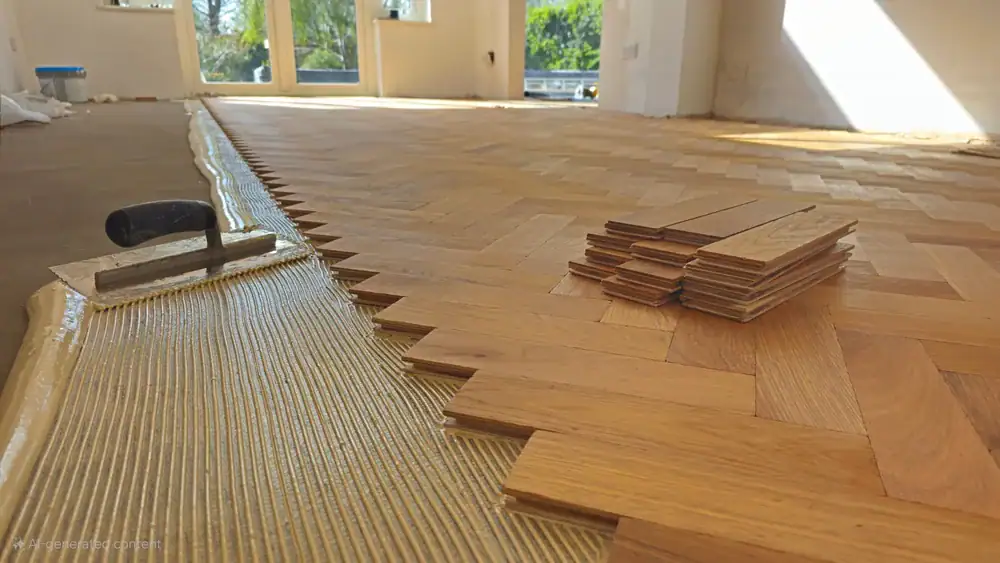
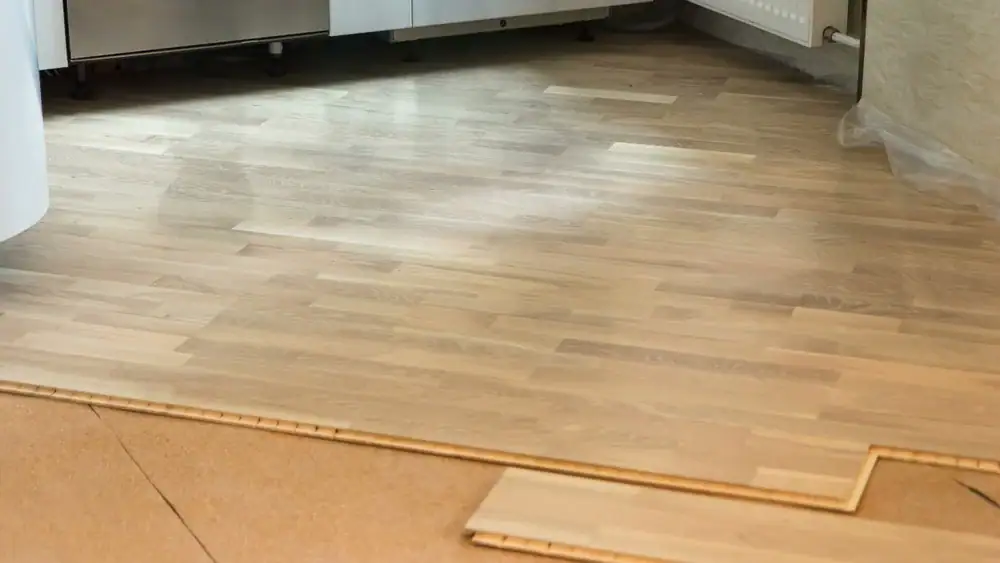
Hardwood Floor Installers Woodmont, VA
Woodmont’s homes were built in an era when craftsmanship mattered but also in an era before anyone thought much about what 60 years of humidity would do to a crawl space. When you’re installing new hardwood in a home built in the 1960s or early 1970s, the surface you’re covering isn’t the whole story. The subfloor underneath has been absorbing North Chesterfield’s summers and drying out every winter for decades. If no one checks it before installation starts, you find out something is wrong when the boards start cupping six months later.
That’s the specific problem we’re built to prevent. Before anything is installed, the subfloor gets assessed for levelness, stability, and moisture content and the incoming wood planks get tested too. Richmond’s humid subtropical climate means summer humidity regularly pushes past 70%, and homes with crawl spaces like most in Woodmont are especially vulnerable to moisture migrating up from the ground. Skipping that testing isn’t just cutting a corner it’s setting up a floor to fail in your specific conditions.
When the prep is done right, what you get is a floor that doesn’t squeak, doesn’t gap, and doesn’t shift with the seasons. One that looks the same in August as it does in January. That’s the outcome and it starts well before the first plank is laid.
Local Floor Installers Serving Chesterfield County
We’ve been installing and refinishing hardwood floors in Virginia homes since 2012. That’s over 13 years of working through Richmond summers, Chesterfield County crawl spaces, and every subfloor condition that mid-century construction can produce. We’re based in Glen Allen a short drive from Woodmont via Powhite Parkway and the work is done by the same people you talk to when you call.
Owner David Emmerling’s name is on the business. That means when a job goes out to a home near Robious Road or off Huguenot Road in Woodmont, it reflects on him directly. There’s no franchise layer between you and the person responsible for the outcome. Hundreds of verified five-star Google reviews from Chesterfield County homeowners back that up not reviews pulled from a national network, but from people in homes like yours, dealing with the same Virginia climate and the same aging housing stock.
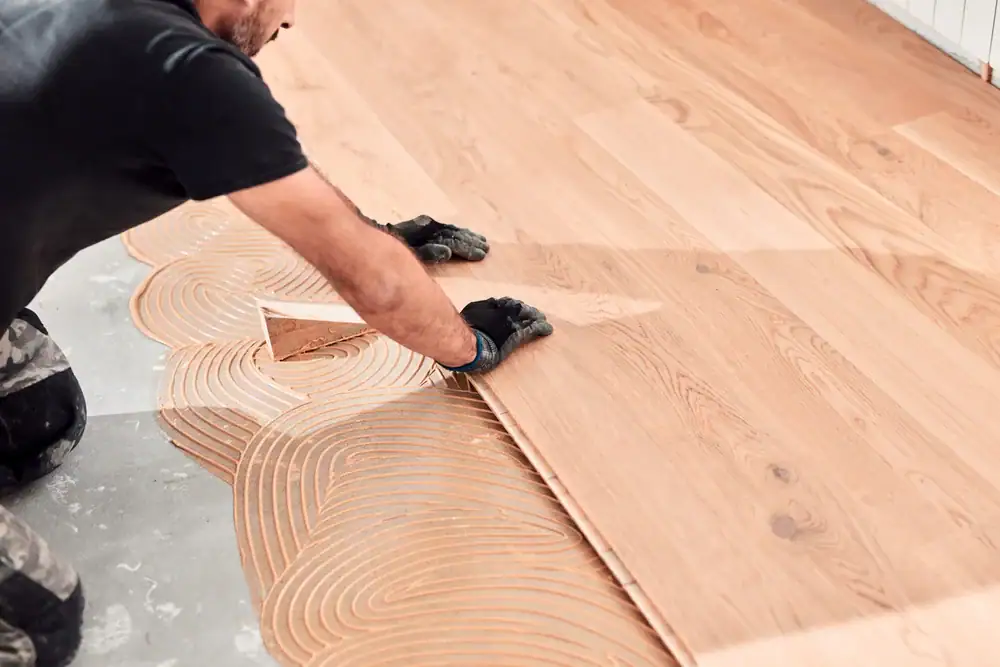
Hardwood Floor Installation Process in Woodmont
It starts with a site assessment. Before any material is ordered or scheduled, the subfloor in your Woodmont home gets evaluated checked for levelness, soft spots, structural stability, and moisture content. In Woodmont’s 1960s and 1970s homes, this step regularly turns up original board subfloors, uneven surfaces from decades of settling, or elevated moisture levels from crawl spaces sitting in Chesterfield County’s clay-rich soil. Any of those issues get addressed before installation begins, not after.
Once the subfloor is confirmed or corrected the wood planks are brought in and allowed to acclimate to your home’s interior conditions. This matters more than most people realize. Wood is a living material, and it needs time to adjust to your home’s specific humidity level before it’s fastened down. Skipping acclimation is one of the most common reasons new floors develop gaps or buckle within the first year. The timing on this step also depends on the season summer installs in North Chesterfield require more acclimation time than fall or spring projects because of the higher ambient humidity.
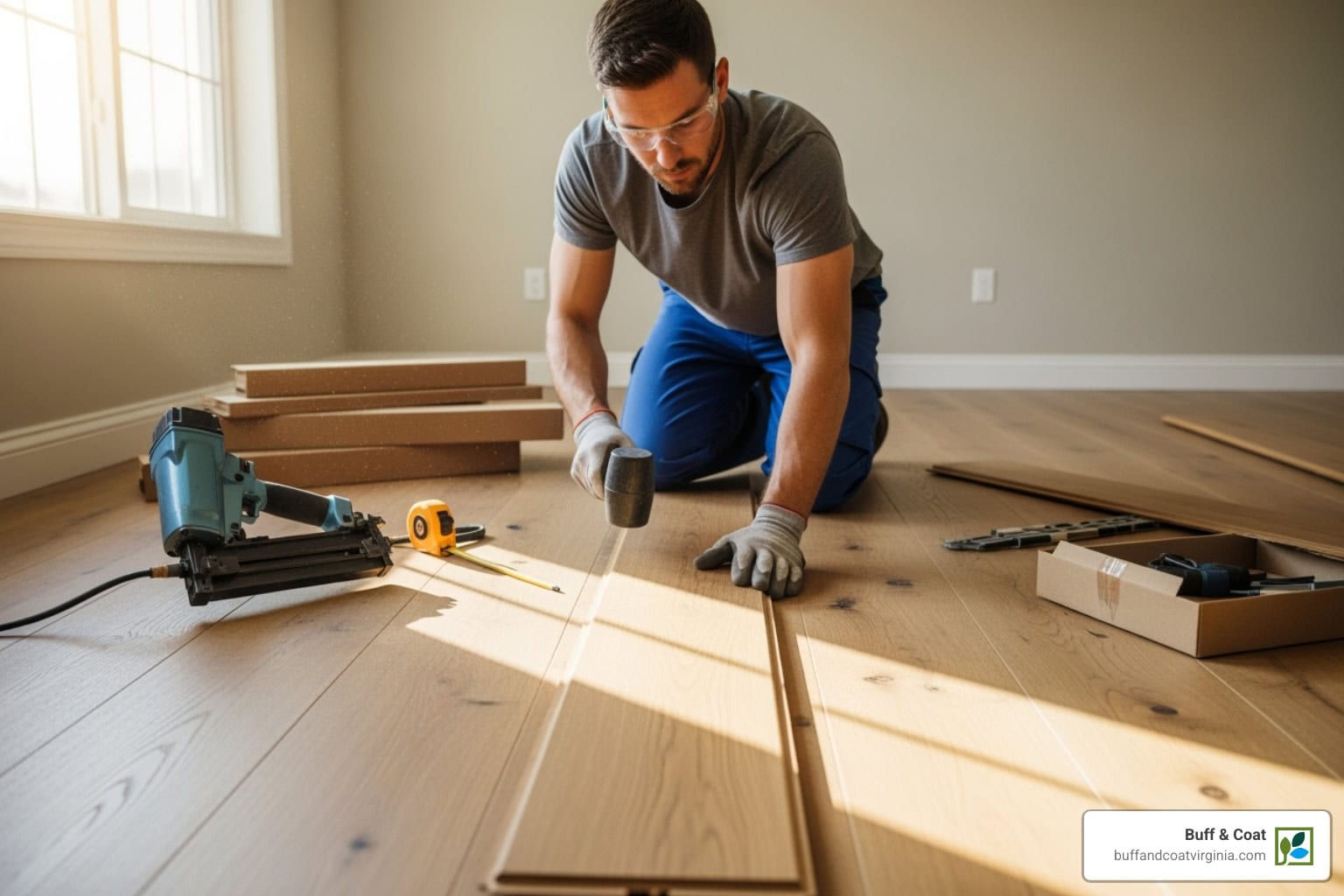
Installation follows with proper fastening, spacing, and fit. After the floor is down, you’ll get a clear walkthrough of what we did, what to expect as the floor settles, and how to care for it going forward. Most projects in homes the size of Woodmont’s typically 1,500 to 2,900 square feet are completed in three days or less.
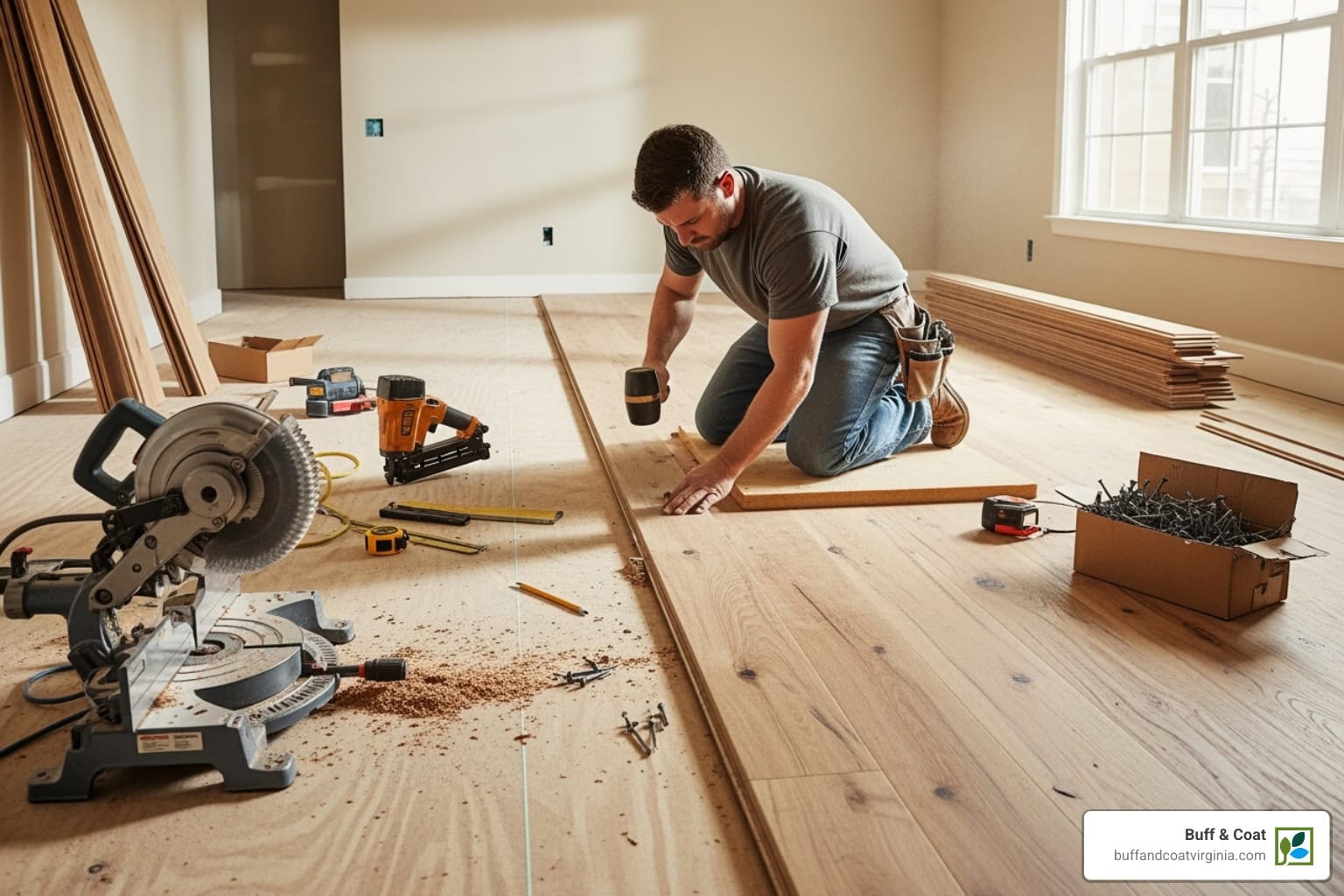
New Wood Floors and Solid Hardwood Flooring in Woodmont
Not every room in a Woodmont home is the right candidate for solid hardwood. Rooms that sit directly above a crawl space common in the ranch-style and split-foyer homes throughout the Bon Air area may be better served by engineered hardwood, which is designed to handle Virginia’s seasonal humidity swings with less movement than solid wood. We don’t push one product over another. The recommendation you get is based on your specific subfloor type, your home’s moisture profile, and how the space is actually used not what’s sitting in a warehouse.
For homes where solid hardwood is the right call, our installation includes full subfloor prep, moisture testing of both the subfloor and the incoming planks, proper acclimation, and expert fastening. If you have original hardwood in other parts of your home which is common in Woodmont’s vintage housing stock matching new flooring to those existing floors is something we’ve done across hundreds of Chesterfield County homes. It requires real knowledge of wood species, grain patterns, and finish types, and it’s the difference between a renovation that looks cohesive and one that looks like a patch job.
Standard hardwood floor installation in Chesterfield County typically does not require a building permit. If subfloor repairs involve structural work, that’s a conversation worth having with Chesterfield County’s Building Inspection division and we’ll flag anything that warrants it during the initial assessment.
How much does hardwood floor installation cost in Woodmont, VA?
The national average for hardwood floor installation runs around $4,723, with most projects falling somewhere between $2,500 and $7,000 depending on square footage, material choice, and subfloor condition. In Woodmont specifically, the subfloor variable matters more than it does in newer construction. Homes built in the 1960s and 1970s frequently have original board subfloors or areas that have shifted over decades and addressing those issues adds cost upfront but prevents far more expensive problems down the road.
Subfloor repairs, when they’re needed, typically run an additional $900 to $3,000. The honest answer is that you won’t know exactly what your project costs until the subfloor has been assessed. Any installer who gives you a firm number before looking at what’s underneath is either guessing or planning to skip that step. We provide a clear, itemized estimate after the initial assessment so you know what you’re paying for and why before any work begins.
Should I choose solid or engineered hardwood for my Woodmont home?
It depends on where in the home you’re installing and what’s underneath. Solid hardwood is a great choice for above-grade rooms with a stable subfloor and controlled interior humidity. But in Woodmont’s crawl-space homes which make up a significant portion of the neighborhood’s 1960s and 1970s housing stock moisture migration from the ground up is a real factor. Solid hardwood expands and contracts more dramatically with humidity swings than engineered hardwood does, and Richmond’s summers push interior humidity high enough that this movement becomes visible over time.
Engineered hardwood is constructed with a real wood veneer over a dimensionally stable core, which makes it significantly more resistant to the expansion-contraction cycle that Virginia’s climate creates. For rooms above a crawl space, or in any area of your home where moisture testing shows elevated readings, engineered hardwood is typically the smarter long-term investment. The right answer for your Woodmont home depends on a room-by-room assessment which is exactly where the process starts.
Can new hardwood floors be matched to the original hardwood already in my home?
Yes and it’s one of the more common requests in Woodmont’s housing stock. A lot of homes in the Bon Air area were built with original hardwood in the main living areas and carpet or vinyl in bedrooms, kitchens, or later additions. When those secondary spaces get updated, homeowners want the new floors to blend with the original wood rather than look like an obvious addition.
Matching new hardwood to existing original floors requires knowledge of wood species, grain characteristics, plank width, and finish type. It’s not a skill every installer has, and it’s not something you can fake with a stain. We’ve done this across hundreds of Chesterfield County homes and understand what it takes to get a cohesive result including how aging affects the original wood’s color and how to account for that in the new material selection. If your existing floors are red oak from the 1960s, the matching process looks very different than it would for a more recent install, and that distinction matters.
How long does hardwood floor installation take in a typical Woodmont home?
For most homes in Woodmont which typically run between 1,500 and 2,900 square feet the installation itself takes around three days once the subfloor prep is complete. The full timeline from first contact to finished floor is usually one to two weeks, including the initial assessment, material selection, acclimation period, and installation.
The acclimation period is the one step that adds time and genuinely cannot be rushed. Wood needs to adjust to your home’s interior humidity before it’s fastened down, and in North Chesterfield’s summer months when indoor humidity is at its highest that process takes longer than it would in the fall or spring. Trying to compress acclimation to save a day or two is one of the most reliable ways to end up with a floor that gaps or buckles within the first year. We build the right timeline for your season and your home’s conditions into the project schedule from the start.
What causes hardwood floors to warp or cup after installation in Virginia?
The most common cause is moisture either in the subfloor, in the wood planks before installation, or both. Virginia’s humid subtropical climate creates a wide swing between summer and winter humidity levels, and homes with crawl spaces like many in Woodmont are especially exposed to this. Moisture migrates up from the ground through the crawl space and into the subfloor, and if the wood planks above aren’t installed at the right moisture content relative to the subfloor, they’ll move as conditions change.
Cupping where the edges of a board rise higher than the center is almost always a moisture problem. Gapping is typically the opposite: wood that was installed too wet dries out and contracts. Both are preventable with proper moisture testing before installation begins. The NWFA’s own installation guidelines specify acceptable moisture content tolerances between the subfloor and the incoming wood, and we test both before any plank goes down. It’s not an extra step it’s the step that determines whether the floor holds up over 20 years or starts showing problems in the first summer.
Do I need a permit to install hardwood floors in Chesterfield County, VA?
For standard hardwood floor installation replacing existing flooring with new hardwood Chesterfield County generally does not require a building permit. It’s treated as a cosmetic or finish improvement rather than structural work, which means most Woodmont homeowners can move forward with an installation project without going through the permitting process.
The exception is when subfloor repairs involve structural modifications. If the assessment of your home’s subfloor turns up damaged joists, significant sections of subfloor decking that need replacement, or moisture damage that has affected the structural framing, those repairs may require a permit from Chesterfield County’s Building Inspection division. We flag anything that falls into that category during the initial subfloor assessment, so you’re not discovering permit requirements mid-project. It’s also worth noting that Chesterfield County offers a partial real estate tax exemption for the rehabilitation and renovation of qualifying older residential structures which may apply to a comprehensive floor renovation in a Woodmont home built before 1980. Confirming eligibility with the county directly is the right move before the project starts.