
Hardwood Floors in Lewis Gardens, VA
Your Floors Restored Without the Mess or Wait

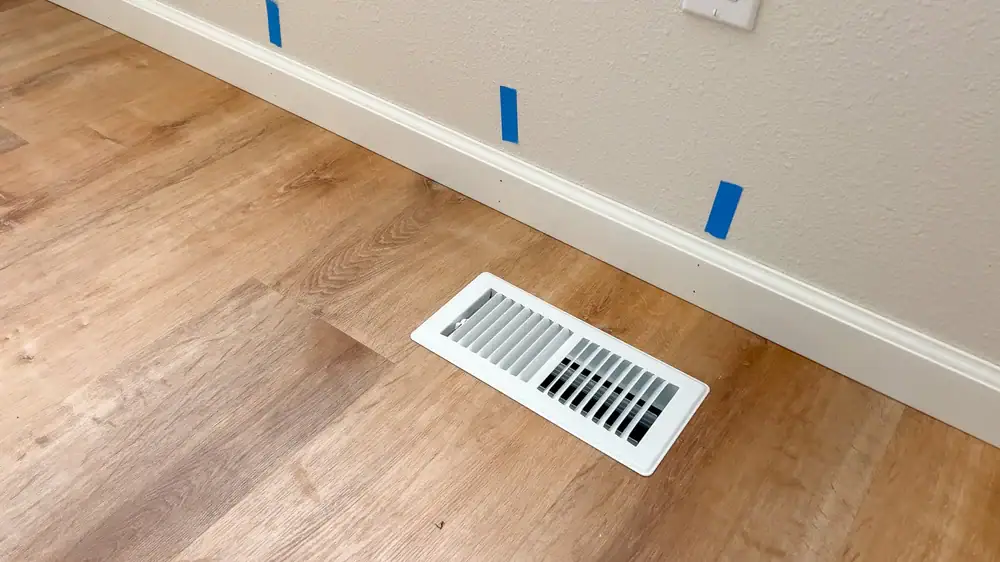
Hardwood Floor Refinishing Lewis Gardens
You walk back into a room that feels brand new. The scratches are gone. The dull finish is replaced with a clean, protective coat that catches light the way it used to.
Your floors aren’t just cleaner—they’re sealed against everyday wear. That means fewer allergens trapped in the grain, less dust settling into cracks, and a surface that holds up to foot traffic without showing it. If you’ve been putting this off because you thought it meant days of disruption and a house full of dust, that’s not how this works anymore.
Most jobs finish in a single day. The process is dustless, so you’re not dealing with cleanup for weeks after. And because we’re screening the surface instead of sanding down to raw wood, your floors get restored without losing thickness or integrity. You’re left with something that looks refinished but didn’t cost you a full replacement or a week of your life.
Floor Contractors Near Me Lewis Gardens
We’ve been restoring hardwood floors across the Richmond area since the early 2000s. That includes plenty of work in Lewis Gardens, where most homes were built before 1939 or during the 70s and 90s—eras that left behind solid hardwood worth keeping.
We’re not a franchise. We’re a local team that knows what Richmond-area floors go through: humidity swings, older construction, finishes that were applied decades ago and are now breaking down. More than 80% of our work comes from referrals, which tells you something about how people feel after the job’s done.
We carry an A+ BBB rating and we’ve built our reputation on being straightforward about what your floors need and what they don’t. If a full sand-and-refinish isn’t necessary, we’ll tell you. If a buff and coat will get you another 10 years, that’s what we’ll recommend.
Hardwood Floor Repair Process Lewis Gardens
We start with a walkthrough to assess the condition of your floors. That means checking for deep scratches, water damage, finish wear, and whether the wood can handle a buff and coat or needs something more involved. You’ll get a clear answer and a flat-rate quote before anything starts.
On the day of the job, we move any furniture that’s in the way—or we work around what you’d rather not move. Then we clean the floors and run a buffer with a screening pad to remove surface scratches and prep the wood for a new finish. This step is dustless, thanks to equipment that captures particles as we go.
After screening, we apply two coats of a durable polyurethane finish. It dries fast, and in most cases you can walk on it the same day. The finish bonds to the existing layer, which means you’re adding protection without stripping the floor down to bare wood. Once it’s cured, your floors are sealed, protected, and ready for daily life again.
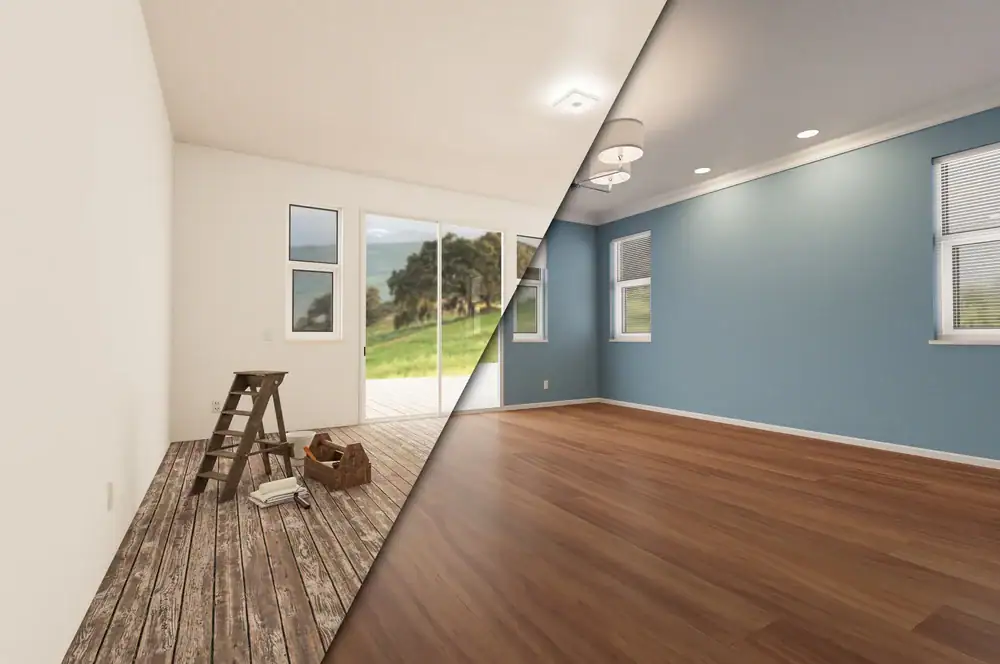
Hardwood Floor Installation Lewis Gardens VA
Every job starts with a free in-home consultation. We measure the space, evaluate the condition of your hardwood, and talk through your options. If you’re comparing finishes or trying to match an existing floor, we bring samples so you can see what you’re getting.
The work itself includes surface prep, dustless screening, and a double coat of finish. We handle the furniture moving if needed, and we clean up completely before we leave. You’re also covered by a full warranty on the refinishing work, which includes any issues with adhesion, finish quality, or application.
Lewis Gardens homes—especially the older ones built in the 1930s—often have original hardwood that’s been refinished multiple times. If your floors are thin or the finish is failing, we’ll let you know whether a buff and coat is still viable or if you’re better off with a full sand. We’ve worked on enough historic Richmond-area homes to know when wood has another refinish left in it and when it doesn’t. That kind of honesty saves you money and prevents bigger problems down the road.
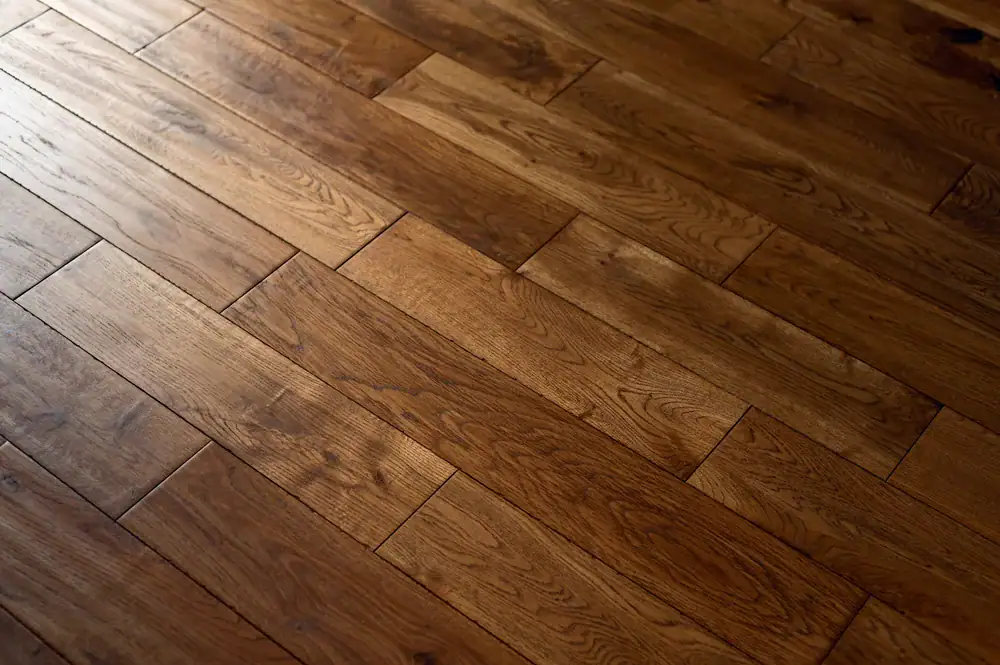
How much does it cost to refinish hardwood floors in Lewis Gardens?
Buff and coat services typically start around $1.50 per square foot, which is significantly less than a full sand and refinish. A standard living room or bedroom usually falls between $300 and $800 depending on square footage and the condition of the existing finish.
If your floors need a full sand-and-refinish instead, costs go up because the process is more labor-intensive and requires more materials. That usually runs between $3 and $5 per square foot. The difference comes down to how much wear your floors have and whether the existing finish can still bond with a new topcoat.
During the free consultation, we measure the space and give you a flat-rate quote. No hourly billing, no surprise fees. If there’s an issue we didn’t catch during the walkthrough—like hidden water damage or subfloor problems—we talk through it with you before moving forward.
How long does hardwood floor refinishing take in a typical home?
Most buff and coat jobs finish in one day. That includes prep, screening, and applying two coats of finish. You can usually walk on the floors the same day, though we recommend waiting 24 hours before moving furniture back.
A full sand-and-refinish takes longer—usually two to three days. That’s because we’re sanding down to raw wood, which creates more steps: multiple sanding passes, staining (if you want color), and several coats of finish with drying time in between.
The timeline also depends on the size of the space and how much furniture needs moving. A single room goes faster than a whole first floor. If you’re working around a schedule—like needing the house ready before guests arrive—we can usually accommodate that as long as we know upfront.
Can all hardwood floors be refinished, or are some too worn?
Most solid hardwood can be refinished multiple times, but engineered hardwood has limits. Solid wood is usually 3/4 inch thick, which gives you enough material to sand down several times over the life of the floor. Engineered wood has a thin veneer layer on top—sometimes as little as 1/16 inch—which means you might only get one or two refinishes before you hit the plywood core.
If your floors were installed during the early 2000s housing boom, there’s a chance they’re engineered with a thin wear layer. We check that during the consultation by looking at the edges near vents or doorways where the cross-section is visible.
Floors with deep gouges, water damage, or structural issues might not be good candidates for a simple buff and coat. In those cases, a full sand might be necessary, or in extreme situations, replacement. We’ll walk you through what’s realistic based on what we see, not what’s easiest to sell.
Is refinishing hardwood floors dusty, and how do you handle the mess?
Traditional sanding creates a lot of dust—enough that it gets into vents, settles on furniture, and lingers for days. We use dustless equipment that captures about 80% of particles during the screening process, which makes a massive difference in cleanup and air quality.
The buff and coat process generates far less dust than a full sand-and-refinish because we’re only screening the surface, not grinding through old finish and wood. The equipment connects to a vacuum system that pulls dust into a containment unit as we work.
You’ll still want to cover or move anything you don’t want near the work area, but you’re not dealing with a layer of fine powder on every surface in your home. Most clients are surprised by how clean the process is compared to what they expected.
How often should hardwood floors be refinished or recoated?
A standard polyurethane finish lasts about 15 to 20 years depending on foot traffic and how well it’s maintained. If your floors haven’t been touched since the early 2000s, you’re likely overdue. The finish breaks down over time, which leaves the wood exposed to moisture, scratches, and dirt that gets ground into the grain.
A buff and coat can extend the life of your floors by another 10 years if the existing finish is still mostly intact. If the finish is flaking, peeling, or worn through to bare wood in high-traffic areas, you’ll need a full refinish instead.
The best time to refinish is before the damage gets deep. Once water stains or scratches penetrate past the finish and into the wood, you’re looking at more intensive repairs. Keeping up with recoating every 10 to 15 years prevents that and keeps your floors looking good without major intervention.
What's the difference between a buff and coat and a full refinish?
A buff and coat screens the existing finish to rough up the surface, then applies a new topcoat. It’s faster, less invasive, and works well when the finish is worn but the wood underneath is still in good shape. You’re essentially adding a fresh protective layer without removing the old one.
A full refinish sands the floor down to raw wood, removes all the old finish, and starts over. It’s necessary when the finish is too damaged to recoat, when you want to change the stain color, or when the wood itself has deep scratches or stains that need to be sanded out.
The buff and coat costs less and takes less time, but it’s not always an option. If the existing finish is peeling or if there’s water damage, sanding is the only way to fix it properly. We assess which approach makes sense during the consultation so you’re not paying for more than you need.
Other Services we provide in Lewis Gardens