
Wood Floor Refinishing in Ziontown, VA
Restore Your Hardwood Floors Without the Dust
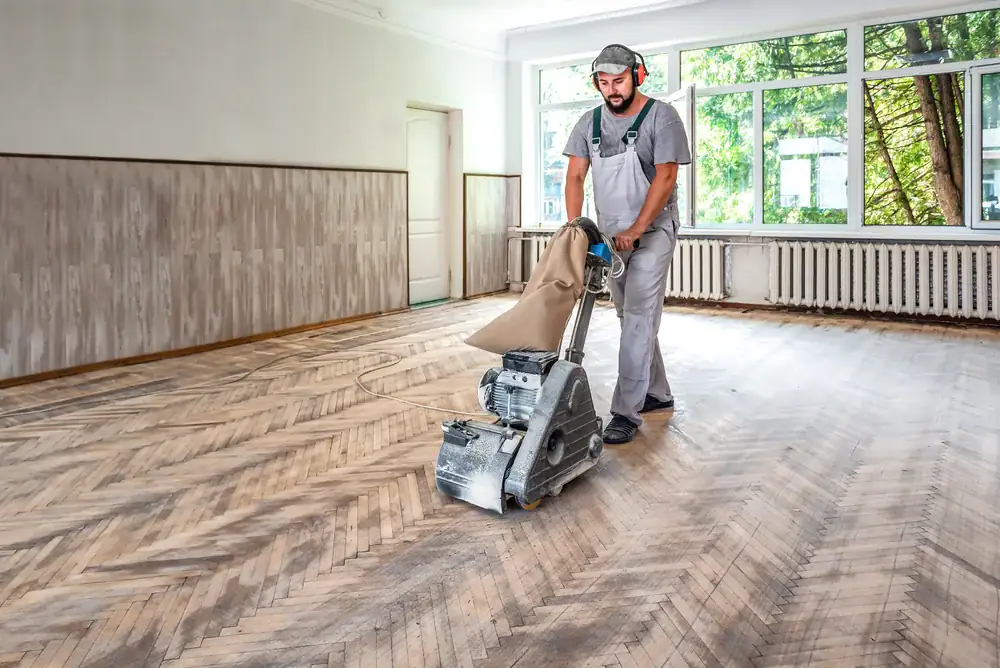
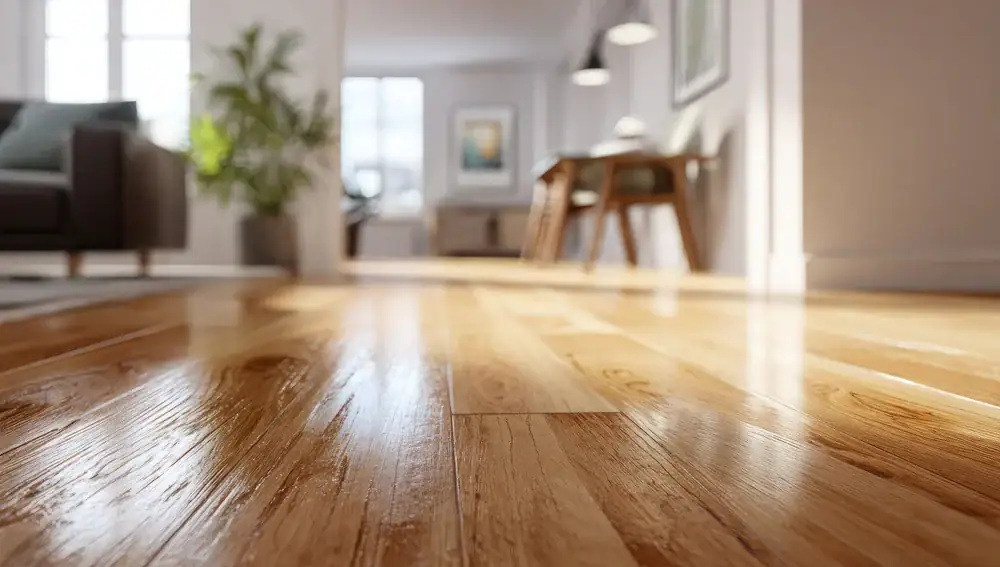
Hardwood Floor Refinishing Results
You walk into rooms that feel completely different. The scratches from years of furniture moves are gone. The dull, faded finish that made your oak look tired now has depth and clarity again.
Your floors reflect light the way they did when they were new. No orange-toned 90s finish, no worn traffic patterns cutting through the living room. Just clean, even color that matches what you actually want your home to look like.
And you got here without the nightmare. No dust coating every surface in your house. No week-long project that forces you out of your home. The whole process took a day or two, and now you’re walking on floors that add real value back to your house.
This is what hardwood restoration should be. Fast, clean, and worth every dollar because you’re looking at floors that will hold up for another decade or more.
Wood Floor Refinishing Ziontown
We’ve been refinishing hardwood floors in the Richmond area for over 20 years. That means we’ve worked through enough Virginia summers and winters to understand exactly what humidity does to your floors and how to account for it.
Most of our work comes from referrals. People in Henrico County who’ve had their floors done tell their neighbors, and those neighbors call us. That’s how we’ve built this business, one floor at a time.
We’re not the cheapest option you’ll find. We use dustless equipment that costs more and takes skill to operate correctly. But you’re not dealing with dust in your HVAC system for months, and your floors come out smooth and even because we’re not rushing through the job.
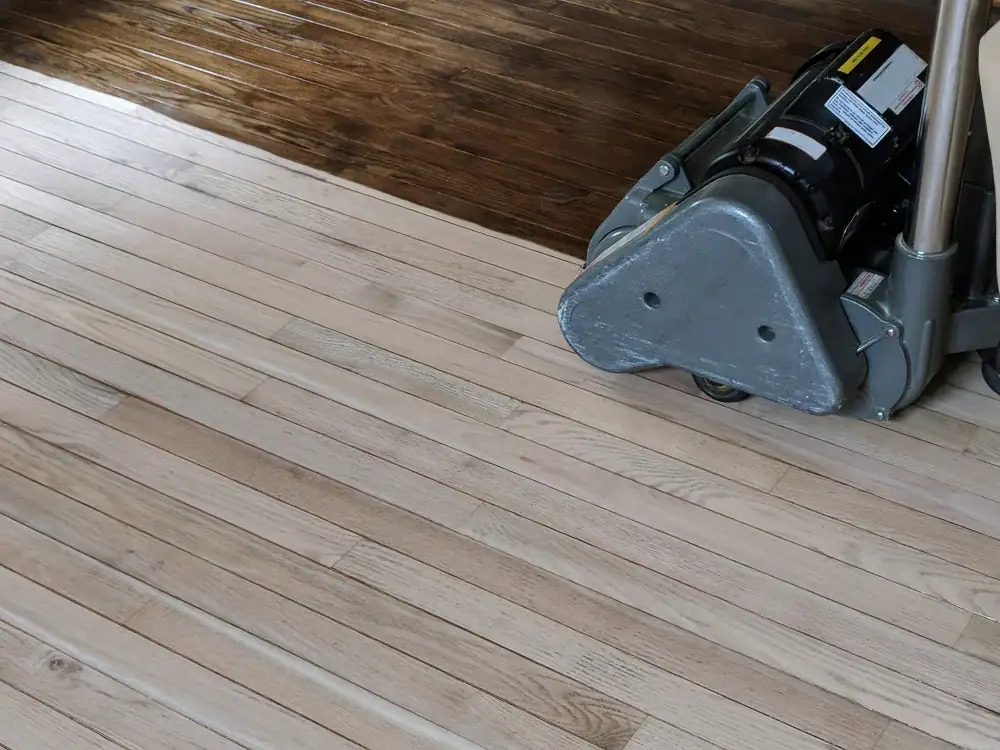
Our Wood Floor Sanding Process
We start by moving furniture out of the way and inspecting your floors for any boards that need attention before we sand. If there are loose boards or gaps that have opened up from seasonal movement, we address those first.
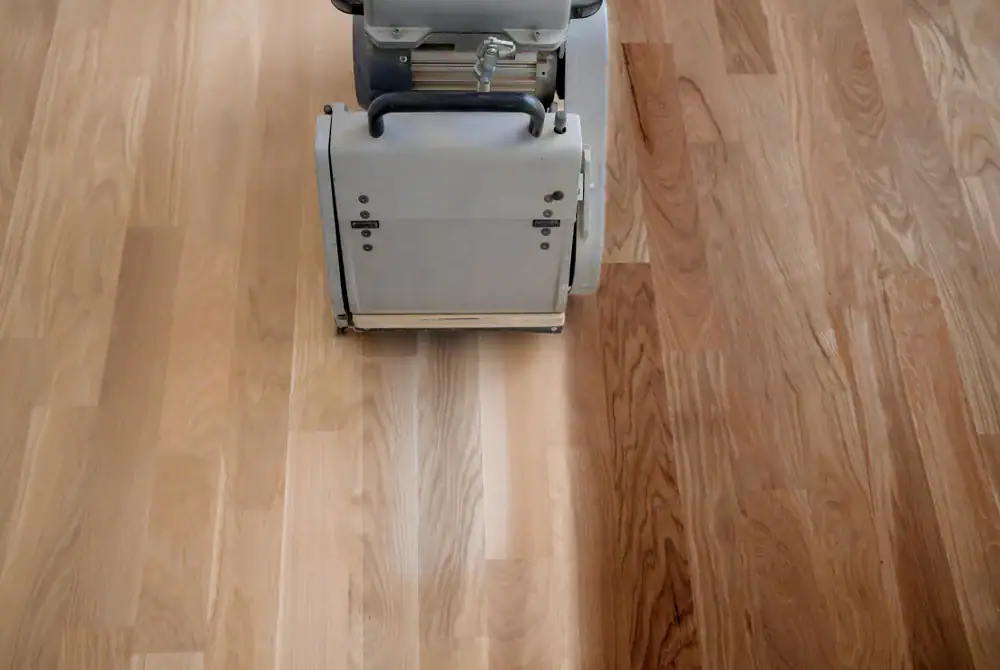
Then comes the sanding. We use dustless equipment that captures 99% of the dust right at the source. You’re not going to see clouds of fine particles settling on everything you own. The vacuum system pulls it directly into a containment unit, and your home stays clean.
After sanding, we apply the finish. You choose the sheen level and color tone you want. Most people in Ziontown are moving away from the high-gloss orange oak and going with satin or matte finishes in more neutral tones. We apply multiple coats, letting each one cure properly.
The whole process typically takes one to two days depending on the size of the space and how many coats you want. You’ll need to stay off the floors while the finish cures, but we’ll give you an exact timeline so you know when you can move furniture back and resume normal life.
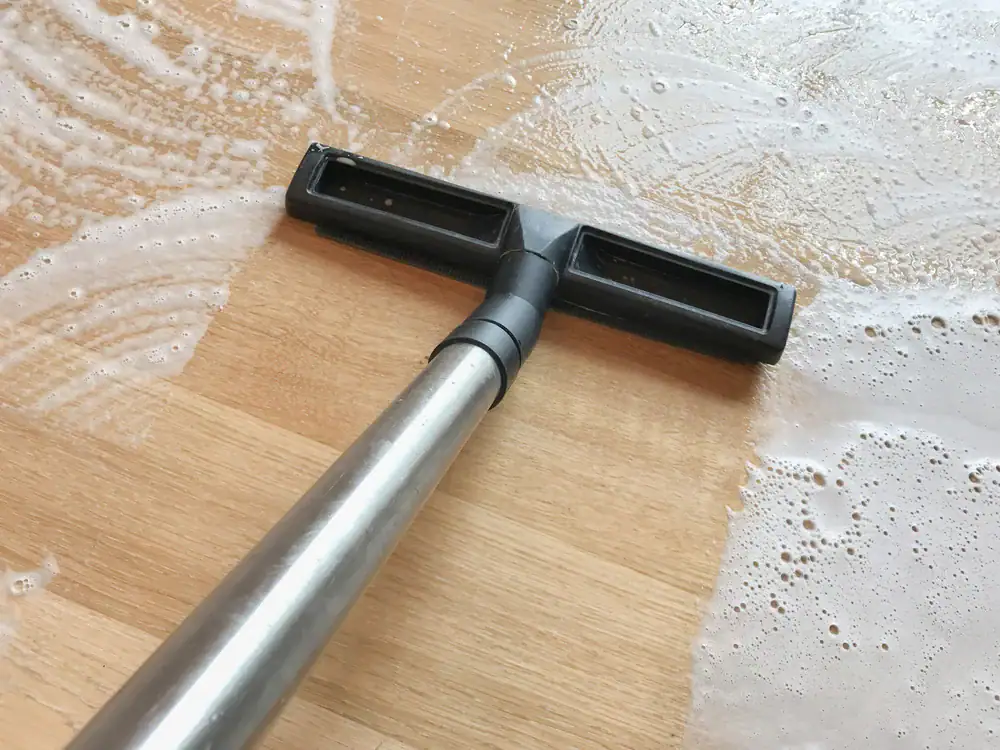
Hardwood Restoration Services Ziontown
You get a full assessment of your floors before we start. We’ll tell you if refinishing makes sense or if there are underlying issues that need fixing first. Some floors in older Ziontown homes have moisture problems or structural issues that refinishing won’t solve.
The refinishing itself includes complete sanding with our dustless system, stain application if you want to change the color, and multiple coats of protective finish. We use low-VOC products that don’t fill your house with fumes, which matters when you’re living here during and after the job.
We also handle the details that separate a decent job from a great one. Edging along baseboards so there are no visible lines. Screening between coats so each layer bonds properly. Checking for any spots that need extra attention before we apply the final coat.
Richmond’s humidity swings are hard on hardwood. Summer moisture makes boards expand, winter dryness makes them contract. We account for this when we work, leaving appropriate gaps and using finishes that flex slightly with seasonal movement. That’s what keeps your floors from developing new squeaks or gaps six months after we’re done.
How much does wood floor refinishing cost in Ziontown?
For most homes in Ziontown, you’re looking at $3 to $5 per square foot for professional hardwood floor refinishing. A standard bedroom around 300-400 square feet typically runs $1,200 to $2,000. Larger spaces like an open living and dining area can range from $3,000 to $5,000 depending on the total square footage.
The price changes based on a few factors. If your floors have deep scratches or water damage that requires extra prep work, that adds to the cost. If you want to change the stain color, that’s an additional step that increases the price. The type of finish you choose matters too—standard polyurethane costs less than specialized options like hard wax oil or commercial-grade coatings.
What you’re really paying for is the difference between a refinishing job that lasts 10-15 years and one that starts showing wear in 3-5. Cheaper work usually means fewer coats of finish, less attention to prep, and equipment that leaves visible lines or missed spots. You end up paying to fix it sooner than you should have to.
How long does the refinishing process take?
Most wood floor refinishing jobs take one to two days for the actual work. Sanding usually takes 4-6 hours depending on the size of the space. Then we apply the first coat of finish, which needs a few hours to dry before we can apply the next coat.
The finish needs time to cure after we’re done. You can walk on the floors in socks after 24 hours, but you should wait 3-4 days before moving furniture back. Full cure takes about a week, which is when the finish reaches maximum hardness and you can put area rugs down or go back to normal traffic.
If you’re refinishing multiple rooms, we can often work in stages so you’re not displaced from your entire house at once. We’ll do bedrooms first, let those cure while we work on living spaces, and coordinate the schedule so you always have somewhere to be in your home. The key is planning it out before we start so you know exactly what to expect each day.
Can engineered hardwood floors be refinished?
It depends on how thick the top layer of real wood is. Most engineered wood flooring has a wear layer between 1mm and 6mm thick. If your wear layer is 3mm or thicker, you can usually refinish it once, maybe twice if you’re careful. Anything thinner than 2mm is risky because you might sand through to the plywood core.
The engineered floors that were popular in Ziontown homes built in the 90s and early 2000s often have thick enough wear layers to handle refinishing. But the only way to know for sure is to check the product specifications or have someone inspect them in person. If you don’t have the original documentation, we can usually tell by looking at the edges or checking a floor vent.
If your engineered floors can’t be refinished, a buff and coat might still work. This process skips the sanding and just adds a fresh layer of finish over the existing one. It won’t fix deep scratches or change the color, but it can restore the shine and add a few more years of protection. Not every floor is a candidate for this, but it’s worth evaluating before you assume you need to replace everything.
Will refinishing get rid of pet scratches and water stains?
Refinishing removes surface scratches completely. The sanding process takes off the damaged finish and a thin layer of wood, which eliminates the scratches you see from pets, furniture, and daily wear. You end up with a smooth surface before we apply the new finish.
Water stains are more complicated. If the water sat on the surface and only damaged the finish, sanding takes care of it. But if water soaked into the wood and caused dark staining that goes deep into the boards, sanding might not remove all of it. We can usually lighten these stains significantly, and sometimes we can get them out completely, but deep water damage that’s been there for months or years can be stubborn.
In cases where stains won’t sand out completely, you have options. Applying a darker stain to the entire floor can hide the spots by making everything a uniform color. Or if only a few boards are badly stained, we can recommend replacing those specific boards before refinishing. Most pet scratches and normal wear come out completely, but it’s good to have realistic expectations about what refinishing can and can’t fix.
How do I know if my floors need refinishing or just cleaning?
If you can feel scratches when you run your hand across the floor, or if there are areas where the finish has worn through and the raw wood is exposed, you need refinishing. Cleaning won’t fix damage to the finish itself.
Dull floors that have lost their shine might just need a deep clean and a buff and coat. This is a lighter service that adds a fresh topcoat without sanding. It works when the existing finish is still intact but has surface scratches and has lost its luster from years of foot traffic and cleaning. You can usually get 3-5 more years out of floors this way before they need full refinishing.
Here’s a simple test: put a few drops of water on your floor in a high-traffic area. If the water beads up and sits on the surface, your finish is still protecting the wood. If the water soaks in and darkens the wood within a few minutes, the finish is gone and you need refinishing. Most floors in Ziontown homes that haven’t been touched since the 90s or early 2000s are past due for refinishing, not just cleaning.
What's the difference between dustless and traditional sanding?
Traditional sanding creates massive amounts of fine dust that gets everywhere. It settles on walls, inside cabinets, in your HVAC system, on top of door frames—basically every surface in your house. You’re cleaning for weeks after the job is done, and if anyone in your home has allergies or asthma, it’s miserable.
Dustless sanding uses equipment with built-in vacuum systems that capture the dust right at the source. The sander has a shroud around it connected to a high-powered vacuum that pulls the dust into a containment system before it can become airborne. You still get some dust, but we’re talking about 99% reduction compared to traditional methods.
The practical difference is huge. You don’t need to cover every piece of furniture in plastic. You’re not finding dust in your kitchen cabinets months later. Your air quality stays normal, and cleanup is minimal. It costs more because the equipment is expensive and requires more skill to operate, but if you’re living in the house during the work or you care about not having construction dust everywhere, it’s worth every penny.