
Wood Floor Installers in Yellow Tavern, VA
Hardwood Floors That Add Real Value to Your Home
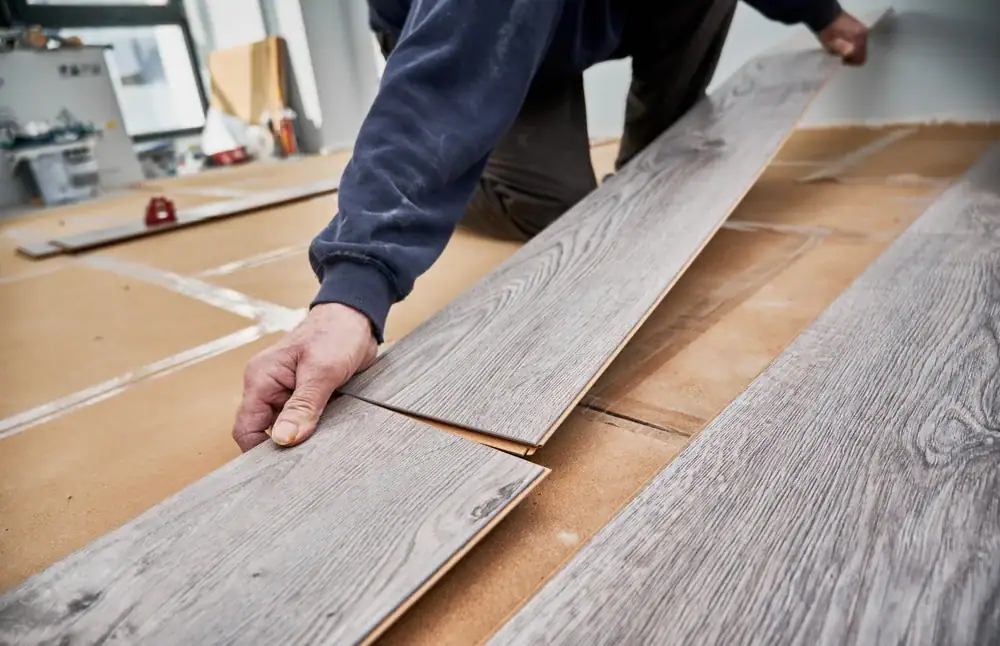
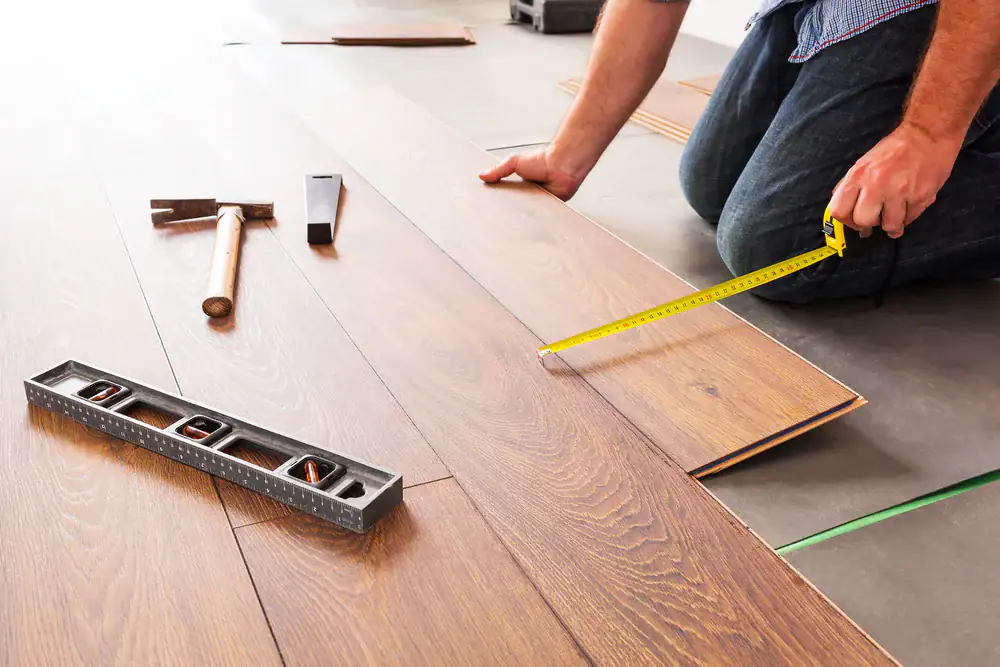
Hardwood Floor Installation in Yellow Tavern
You’re not just getting new floors. You’re making one of the smartest investments you can make in your Yellow Tavern home.
Real estate professionals across Richmond confirm it: homes with hardwood floors sell faster and command higher prices. That’s not marketing talk—that’s what happens when buyers walk through your door and see quality beneath their feet.
But here’s what matters more than resale value right now. You get floors that feel right when you walk on them. That warm, natural character that makes your house feel like home. And you get durability that actually lives up to the promise—floors that handle daily life without showing every scratch or scuff.
The difference comes down to how the job gets done. Proper installation means your floors won’t cup, warp, or separate at the seams two years down the line. It means choosing the right wood for Yellow Tavern’s climate and your home’s specific conditions. And it means working with someone who knows the difference between doing it fast and doing it right.
Professional Wood Flooring Contractor Near You
We’ve been installing and refinishing hardwood floors in the Richmond area for over 20 years. That’s long enough to see which installation methods hold up and which ones fail. Long enough to know how Yellow Tavern’s climate affects different wood species.
You’re working with people who live here, not a national chain that rotates crews through town. We’ve done thousands of floors in homes just like yours. We know what works in older homes with settling foundations and newer construction with concrete subfloors.
What you won’t get from us is the cheapest quote. What you will get is a floor installed correctly the first time, using quality materials and proven methods. And when we say we’ll show up on Tuesday at 9 AM, we show up on Tuesday at 9 AM.
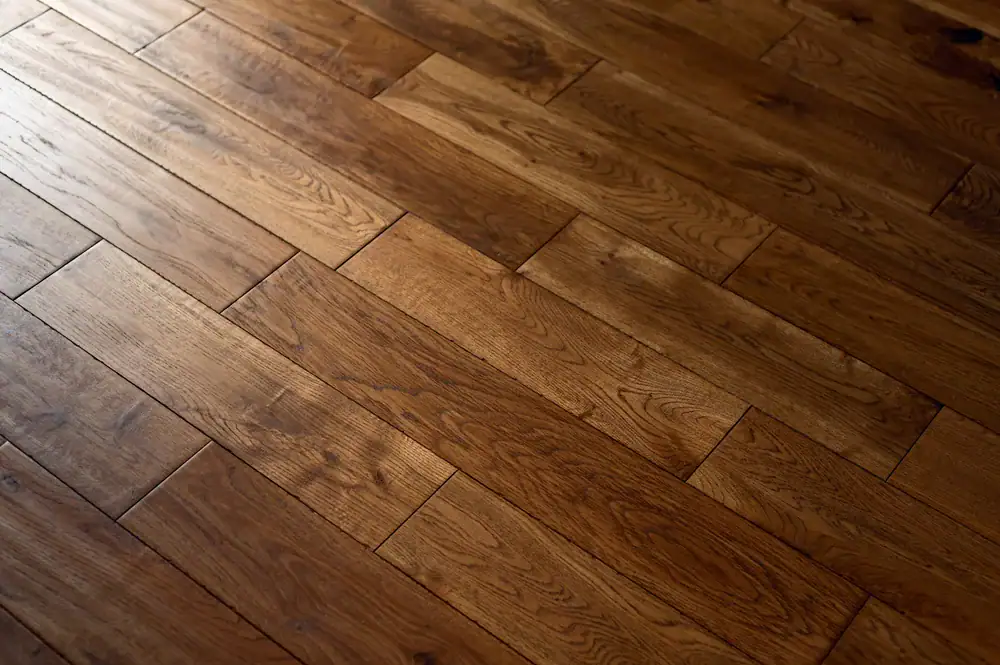
Our Wood Floor Installation Process Explained
First, we come to your home for a free consultation. We look at your subfloor, measure moisture levels, and talk through your options. This isn’t a sales pitch—it’s a real assessment of what your home needs.
You’ll know upfront what type of wood makes sense for your space, whether you need solid hardwood or engineered planks, and what the realistic timeline looks like. We’ll also spot potential issues before they become expensive problems mid-project.
Once you’re ready to move forward, we handle the prep work. That means checking subfloor flatness, addressing any moisture concerns, and acclimating the wood to your home’s environment. Skipping these steps is where most installation problems start.
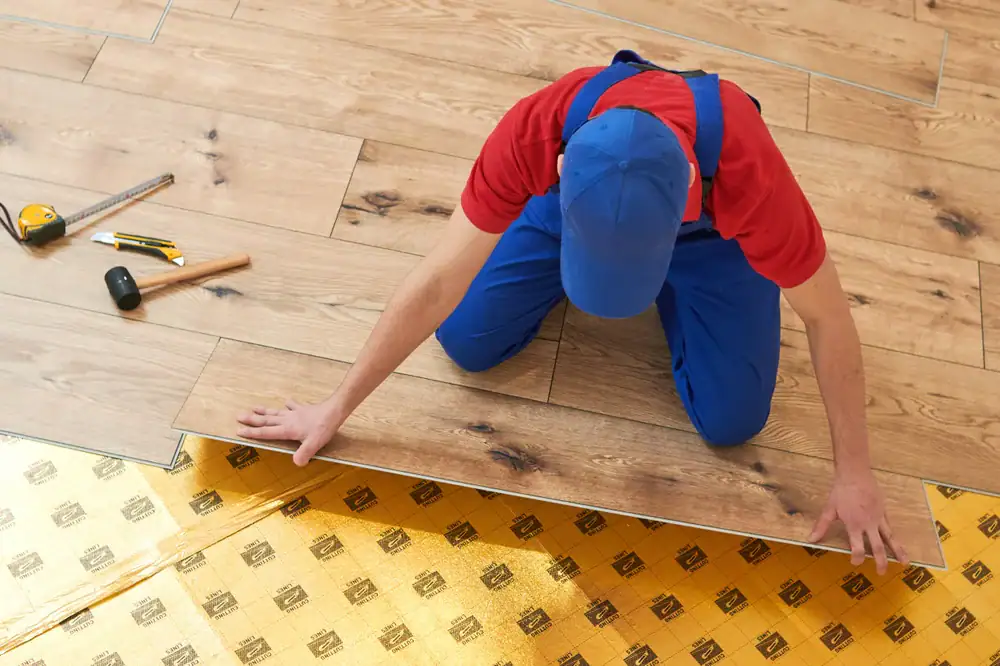
The actual installation depends on what you’re getting. Solid hardwood gets nailed down. Engineered wood might get glued or floated, depending on your subfloor. We’re not rushing to finish—we’re making sure every plank is tight, level, and properly secured.
After installation, you choose your finish. We use low-VOC products that are safe for your family and pets. Most jobs wrap up in a few days, and you can walk on your new floors within 24 hours of the final coat.
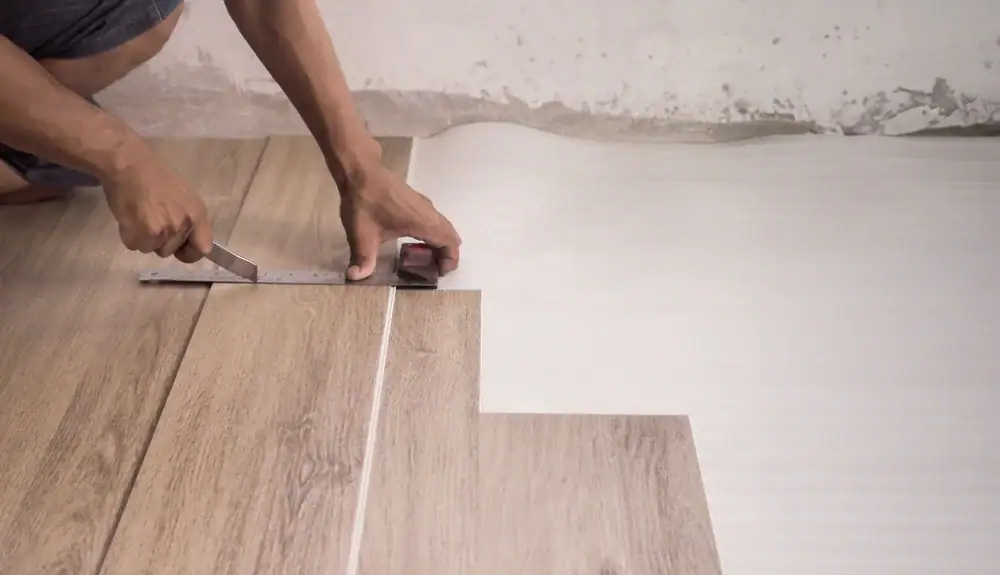
Hardwood Floor Repair and Refinishing Services
You get a complete range of services, not just installation. That includes hardwood floor repair for damaged boards, floor refinishing services to restore worn floors, and our signature buff and coat process that brings back that showroom shine without a full sand-down.
For Yellow Tavern homeowners, this matters because Richmond’s humidity can be tough on hardwood. We’ve seen what moisture does to floors in this area. That’s why we take extra time on moisture barriers and subfloor prep—especially in basements and lower levels where groundwater can be an issue.
We use dustless sanding technology when refinishing existing floors. That means no layer of fine dust coating every surface in your home. The equipment captures 99% of particles at the source, so you’re not cleaning for weeks after we leave.
Material-wise, you’re getting options that make sense for real life. Wide-plank oak if you want that modern, spacious look. Engineered wood for areas where solid hardwood won’t work. Reclaimed wood if you’re after character and sustainability. We’ll walk through what each option actually costs and how it performs long-term.
And because we’re local to the Richmond area, we’re here if something comes up down the road. You’re not calling an 800 number—you’re calling the same people who did the work.
How long does hardwood floor installation actually take in a typical home?
For most Yellow Tavern homes, you’re looking at three to five days from start to finish. That includes subfloor prep, installation, and finishing coats.
Day one is usually prep and acclimation. We need to make sure your subfloor is level and dry, and the wood needs time to adjust to your home’s temperature and humidity. Skipping this step is how you end up with gaps or cupping later.
Installation itself typically takes one to two days, depending on square footage and the complexity of your layout. Rooms with lots of angles, closets, or transitions to other flooring types take longer. After that, finishing coats need 24 hours between applications. Most products require two to three coats.
You can walk on the floors carefully after 24 hours, but we recommend waiting three to five days before moving furniture back. Full cure time is actually closer to two weeks, so go easy on the floors during that period.
What's the real difference between solid hardwood and engineered wood flooring?
Solid hardwood is exactly what it sounds like—a single piece of wood from top to bottom, usually three-quarters of an inch thick. You can sand and refinish it multiple times over its life, which is why it can last 50-plus years.
Engineered wood has a real hardwood top layer bonded to layers of plywood underneath. The top layer is thinner, so you can only refinish it once or twice. But engineered wood is more stable in humid climates like ours, and it works in places where solid hardwood doesn’t—like basements or over concrete slabs.
For Yellow Tavern homes, here’s what actually matters: if you’re installing on a wood subfloor above grade, solid hardwood is usually the better long-term investment. If you’re dealing with a concrete slab, radiant heat, or a below-grade space, engineered wood is often your only real option.
Cost-wise, they’re similar upfront. The difference shows up in longevity. Solid hardwood wins if you’re planning to stay in your home long-term. Engineered wood makes sense if you need stability or you’re working within installation constraints.
How much does professional wood floor installation cost in the Richmond area?
Installation costs in Yellow Tavern typically run between $6 and $12 per square foot, including materials and labor. That’s a wide range because the final price depends on what you’re actually getting.
Basic oak flooring with a standard finish sits at the lower end. Exotic woods, custom stains, or complex patterns push you toward the higher end. If we’re removing old flooring or dealing with subfloor repairs, that adds to the cost.
For a 1,000-square-foot main level, you’re usually looking at $8,000 to $12,000 for a quality installation with mid-grade materials. That includes prep work, installation, finishing, and cleanup.
Here’s what separates a $6 quote from a $10 quote: the cheaper installer is probably skipping moisture testing, using thinner wear layers, or rushing the finish coats. You’ll save money now and pay for it later when boards start cupping or the finish wears through in high-traffic areas.
We give you transparent pricing upfront with a detailed breakdown. No surprises, no hidden fees for “unforeseen issues” that should have been caught during the estimate.
Can you install hardwood floors in kitchens and bathrooms, or is that asking for problems?
You can install hardwood in kitchens—we do it regularly. Bathrooms are trickier, and we’ll be honest about when it’s not a good idea.
Kitchens work fine with hardwood if you’re realistic about maintenance. Spills happen. If you wipe them up promptly, hardwood holds up well. If you let water sit, you’ll get damage eventually. Engineered hardwood is usually the better choice for kitchens because it handles moisture fluctuations better than solid wood.
Bathrooms are a different story. A powder room with good ventilation? Usually fine. A full bathroom with a shower? That’s a lot of humidity and potential water exposure. We’ve seen it work in homes with excellent ventilation and careful maintenance, but we’ve also seen expensive damage when things go wrong.
If you’re set on the hardwood look in a bathroom, engineered wood or wood-look luxury vinyl are smarter options. They give you the appearance without the risk. We’re not going to talk you into an installation that’s likely to cause problems down the road—even if it means a smaller job for us.
Do I need to leave my home during the installation and refinishing process?
For installation of new hardwood, you don’t need to leave. There’s noise and some dust, but it’s manageable. Most homeowners stay during installation without major issues.
Refinishing existing floors is different. The sanding process is loud and disruptive, even with dustless equipment. And while modern finishes have low VOC content and minimal odor, you’ll still want ventilation. Most people choose to stay elsewhere for two to three days during refinishing.
Our buff and coat service is the middle ground. It’s much less invasive than full refinishing—no heavy sanding, less odor, and you can usually stay in your home. You’ll need to keep off the floors for 24 hours while the finish cures, but it doesn’t require moving out.
If you’re doing a whole-house installation, we can work room by room so you’re not displaced from your entire home. We’ll set up a plan that minimizes disruption and keeps at least part of your house functional during the project.
The key is planning ahead. We’ll walk through the timeline during your consultation so you know exactly what to expect and can make arrangements if needed.
How do I know if my existing hardwood floors can be refinished or if I need replacement?
The main factor is how much wood is left. Solid hardwood can typically be sanded and refinished four to seven times over its life, depending on the thickness. If your floors have been refinished multiple times already, you might be at the limit.
We check this by looking at the tongue-and-groove joints. If sanding down further would expose those joints, the floor can’t be refinished again. We also look for structural issues—boards that are cupping, cracking, or separating. Sometimes those can be repaired, sometimes they can’t.
Water damage is the other big factor. Surface stains from water can usually be sanded out. But if water has penetrated deep into the wood or caused mold growth in the subfloor, refinishing won’t fix it. You’re looking at board replacement or full reinstallation.
Engineered wood is more limited. Depending on the thickness of the top layer, you might get one refinish, maybe two. Thinner wear layers can’t be sanded at all.
We’ll give you an honest assessment during the consultation. If your floors can be saved with refinishing, we’ll tell you. If you’re throwing money at a problem that needs replacement, we’ll tell you that too. The goal is helping you make the right call for your situation and budget.
Other Services we provide in Yellow Tavern