
Wood Floor Installers in Old Church, VA
Floors That Actually Increase Your Home's Value
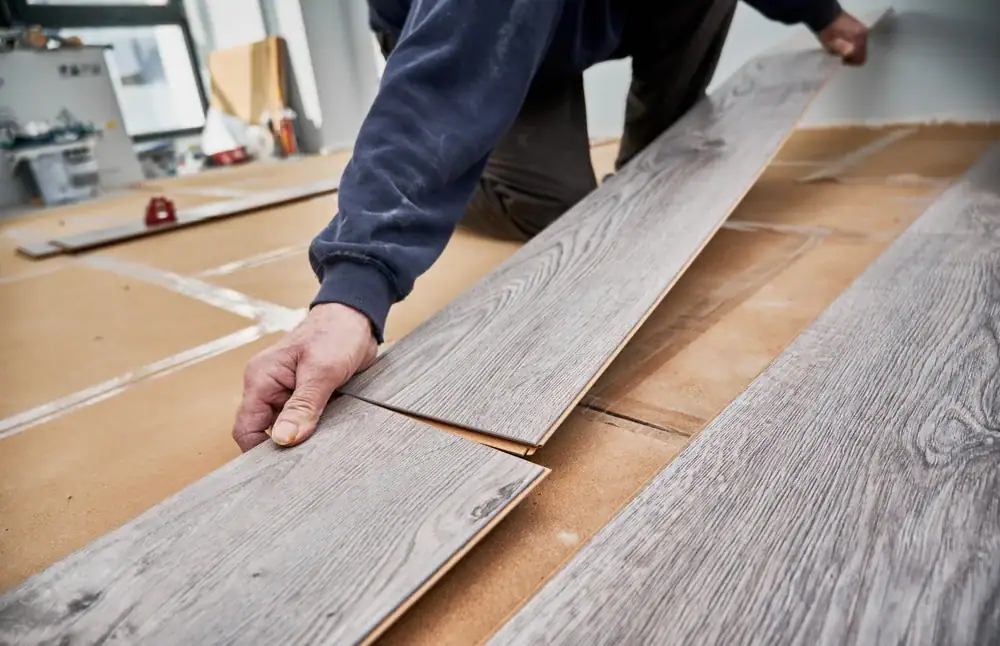
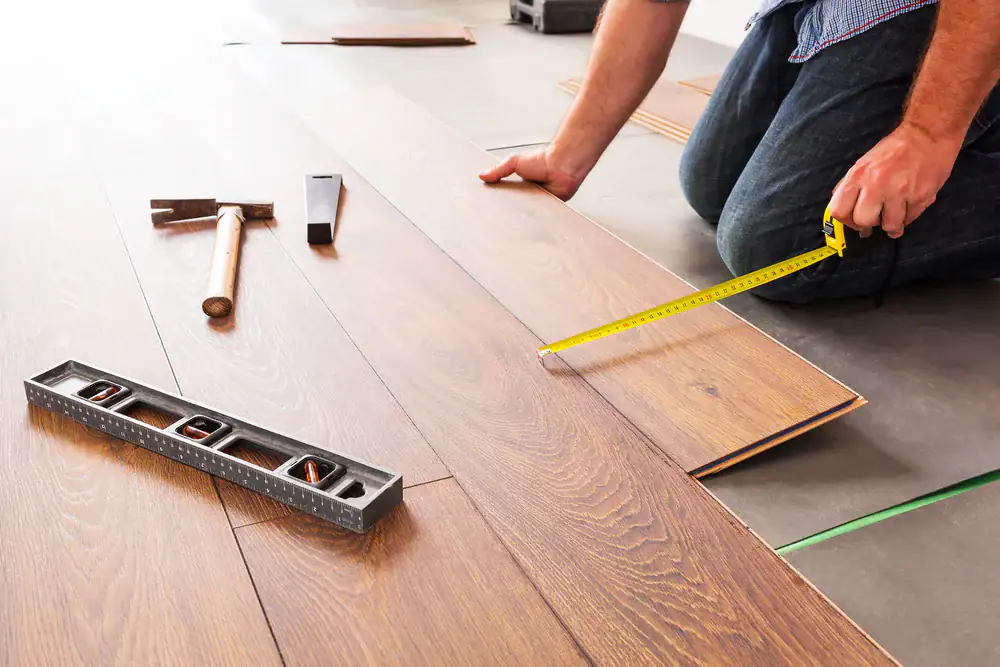
Hardwood Floor Installation Old Church
Your floors should look better than when you moved in. That’s the standard here.
When hardwood floor installation is done correctly, you’re looking at a 3-5% increase in your home’s value. Real estate agents will tell you the same thing: 99% say homes with hardwood floors sell easier, and 90% say they sell for more money. Those aren’t marketing numbers—that’s what actually happens in the Old Church market where buyers expect quality finishes in homes averaging $565,000.
The difference between a good install and a mediocre one shows up fast. Proper moisture testing prevents 80% of the problems that ruin wood floors. Correct subfloor prep means no squeaking six months later. Factory-finished engineered hardwood or solid wood flooring installed with the right acclimation period means your investment lasts decades, not years.
You’re also getting floors that don’t disrupt your life for weeks. Dustless refinishing wraps up in a day for most projects. Low-VOC finishes mean your family isn’t breathing harsh chemicals. And when the work’s done, you have floors that actually make you want to spend more time at home—68% of homeowners report that feeling after installation.
Wood Flooring Contractor Old Church VA
We’ve been working on hardwood floors throughout Virginia since before dustless refinishing was standard. Dave Emmerling started Buff and Coat Floor Refinishing because too many contractors were cutting corners, and homeowners were paying for it twice.
We’re licensed, insured, and maintain an A+ rating with the Better Business Bureau—not because we’re perfect, but because when something needs attention, it gets handled. Dave involves himself in every job. That’s not typical for companies our size, but it’s how we’ve operated for two decades.
Old Church homes built in the 1970s and 80s have specific subfloor considerations. The humidity here affects acclimation times differently than it does in Fredericksburg or Williamsburg. We account for that because we’ve been installing and refinishing floors in Hanover County long enough to know what works and what causes callbacks.
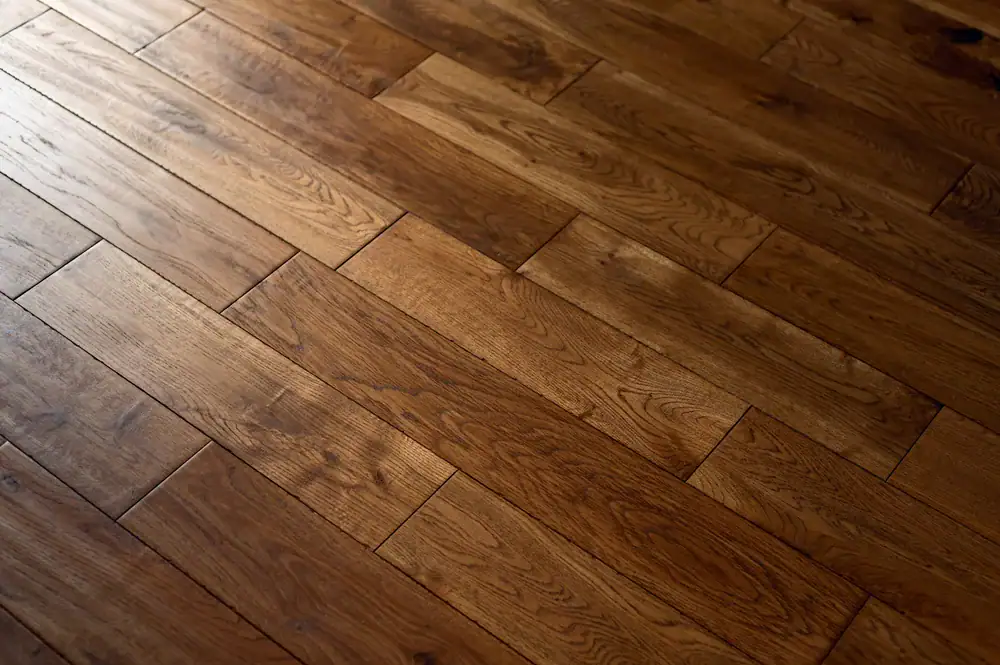
Floor Refinishing Services Old Church
First, we look at your floors and your subfloor. Moisture testing isn’t optional—it’s how we prevent the cupping and buckling that costs $20,000 to fix later. If your subfloor needs leveling or repair, you’ll know before we start, not after.
Next, if you’re installing new hardwood, the material needs to acclimate to your home’s humidity. This isn’t us stalling—it’s physics. Skip this step and your floors will move, gap, or cup within months. We follow manufacturer specs because your warranty depends on it.
Installation day, we’re using dustless equipment that actually works. You’re not covering furniture or finding sawdust in your vents three months later. For refinishing work, most projects finish in one day. For new installations, timing depends on square footage and whether we’re working with solid wood flooring or engineered hardwood, but you’ll have a clear timeline before we start.
Final step is the finish. We’re using low-VOC products that meet current standards for indoor air quality. Matte and satin finishes are what most Old Church clients choose now—they hide wear better than high-gloss and they match the warmer wood tones that are replacing the gray trend.
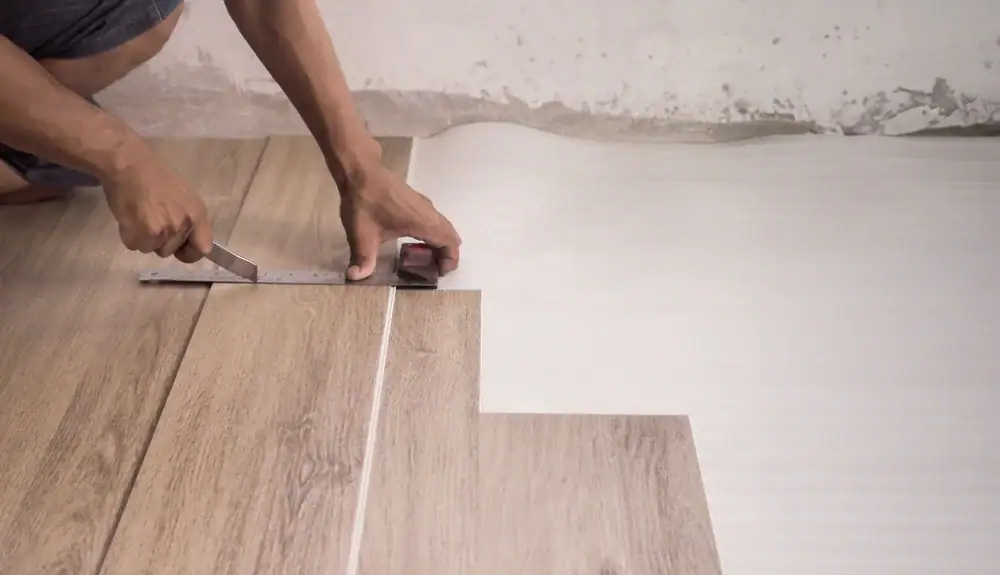
Hardwood Floor Repair Old Church VA
You’re getting a full assessment of your subfloor condition before any work starts. That includes moisture testing, levelness checks, and identification of any structural issues that would compromise the installation. If there’s a problem, you’ll see it in writing with photos.
Material selection comes with actual guidance. Wide plank flooring is popular right now—5 to 10+ inches is standard in new builds around Old Church—but it’s not right for every space or every subfloor condition. We’ll tell you what works for your specific situation, not just what’s trendy.
The installation itself follows manufacturer specifications exactly. Proper spacing for expansion, correct fastener schedules, appropriate adhesive for your subfloor type. These details matter more than most homeowners realize, and they’re where a lot of contractors cut corners to save time.
For refinishing and repair work, you’re getting the same attention to prep work. We don’t sand through your wear layer trying to remove a stain that needs a different approach. Buff and coat services restore your existing finish without the full refinishing process when that’s the right call—it’s faster and costs less, but only works in specific conditions. We’ll tell you which service your floors actually need.
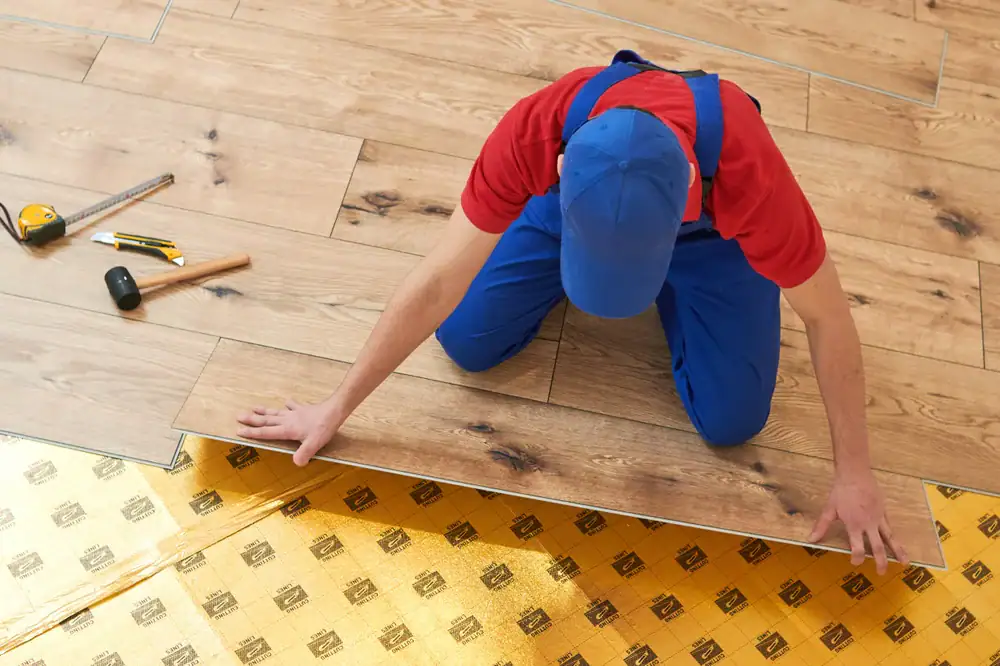
How long does hardwood floor installation actually take in Old Church homes?
For a typical 1,000 square foot installation, plan on three to five days from start to finish. That includes acclimation time, which isn’t negotiable if you want floors that stay flat.
Day one is subfloor prep and material delivery. Your hardwood needs to sit in your home for 3-7 days depending on the product and current humidity levels. This is when the wood adjusts to your home’s moisture content. Skip this and you’ll have gaps in winter or cupping in summer.
Installation day itself usually takes 1-2 days depending on the complexity of your layout and whether we’re working around stairs, multiple rooms, or custom borders. If you’re doing a refinish instead of new installation, most jobs complete in one day with our dustless system. You can walk on the floors the same evening, though we recommend keeping furniture off for 24 hours.
What's the real difference between solid wood flooring and engineered hardwood for Old Church homes?
Solid wood is exactly what it sounds like—a single piece of hardwood from top to bottom, usually 3/4 inch thick. It can be refinished multiple times over its life, sometimes 4-7 times depending on the thickness. It’s more sensitive to moisture and humidity changes, which matters in Virginia where we get humid summers and dry winters.
Engineered hardwood has a real wood veneer on top with a plywood-like core underneath. The layered construction makes it more stable in humidity fluctuations. Factory-finished engineered hardwood is seeing the biggest demand increase right now because it installs faster and the finish is more durable than most site-finished options. You can refinish it, but only 1-3 times depending on the veneer thickness.
For Old Church homes built in the 70s and 80s, engineered often makes more sense in basements or over concrete slabs where moisture is harder to control. Solid wood works great on upper levels and main floors where the subfloor is wood and properly ventilated. Both will increase your home value—the choice comes down to your specific subfloor conditions and how long you plan to stay in the home.
How much does professional wood floor installation cost compared to refinishing what I already have?
Refinishing existing hardwood floors typically costs $3-5 per square foot in the Old Church area. New solid wood flooring installation runs $8-15 per square foot depending on the species and grade you choose. Engineered hardwood installation usually falls in the $6-12 range.
Here’s what matters more than the upfront cost: refinishing returns 70-80% of your investment when you sell, and new hardwood installation returns about 118% according to recent cost recovery data. Both options increase your home’s value by 3-5% on average, which in Old Church’s market means $17,000-28,000 on a median-priced home.
If your existing floors have deep scratches, water damage, or significant wear through the finish, refinishing makes sense and costs a fraction of replacement. If you’re dealing with soft wood species that dent easily, major gaps, or outdated narrow planks that buyers don’t want, new installation is the better investment. We’ll look at your specific floors and tell you which approach actually makes financial sense for your situation.
What wood species and finishes are Old Church buyers actually looking for right now?
Wide plank oak in warmer brown and blonde tones with matte or satin finishes. That’s what’s selling in 2025, and it’s a significant shift from the gray-washed looks that dominated five years ago.
White oak and red oak in 5-10 inch widths are the most requested species right now. They’re durable, they refinish well, and they match the transitional style most Old Church homes are moving toward. Exotic species like Brazilian cherry are less popular than they were a decade ago—buyers want the natural wood look without the high-gloss orange tones.
Matte finishes are leading sales because they hide scratches and wear patterns better than glossy finishes. They also photograph better, which matters when you’re selling. Satin is the middle ground if you want some sheen without the maintenance headaches of high-gloss.
The other trend worth knowing: reclaimed and FSC-certified wood is becoming a selling point for buyers who care about sustainability. It costs more upfront, but it differentiates your home in a competitive market where most properties in your price range have standard hardwood.
How do I know if my subfloor is actually ready for hardwood installation?
Your subfloor needs to be clean, dry, flat, and structurally sound. Most installation failures trace back to subfloor problems that got ignored or missed.
Moisture content is the first test. Wood subfloors should be below 12% moisture content, and within 4% of your hardwood’s moisture content. Concrete slabs need to be below 3 pounds per 1,000 square feet per 24 hours on a calcium chloride test. These aren’t suggestions—they’re the thresholds that prevent the cupping, buckling, and gaps that cause 80% of hardwood floor problems.
Flatness matters more than most people realize. Your subfloor needs to be within 3/16 inch over a 10-foot span. Anything beyond that and your floors will have noticeable dips, or worse, they’ll squeak and move because the planks aren’t fully supported. We check this with a long straightedge, not by eyeballing it.
Structural soundness means no soft spots, no squeaks, and no movement when you walk on it. If your joists are spaced too far apart or your existing subfloor is damaged, that gets fixed before installation starts. Putting new hardwood over a compromised subfloor is like putting new tires on a car with a bent frame—it’s not going to perform the way you expect.
What should I expect during the dustless refinishing process?
Dustless refinishing uses equipment that captures 99% of the dust at the source. You’re not dealing with the mess that traditional sanding creates, but you still need to prepare your space.
We’ll ask you to remove furniture and area rugs from the rooms we’re working on. Baseboards and walls don’t need covering with our system—that’s the point of dustless equipment. You’ll want to plan on being out of the house for the day, not because of dust, but because the equipment is loud and we’re moving through the space constantly.
The actual process involves screening the existing finish to rough it up, applying new finish coats, and letting them cure. Most Old Church homes with standard oak or maple floors finish in 6-8 hours of actual work time. The finish needs 2-4 hours to dry enough for light foot traffic, and 24 hours before you move furniture back.
What you won’t get: dust in your HVAC system, grit on your countertops, or the need to deep-clean your entire house after we leave. The low-VOC finishes we use have minimal odor compared to oil-based products, so you’re not airing out your house for days afterward. That’s the difference between dustless refinishing and the traditional approach that’s been standard for decades.