
Wood Floor Installers in Highland Springs, VA
Hardwood Floors Installed Right the First Time
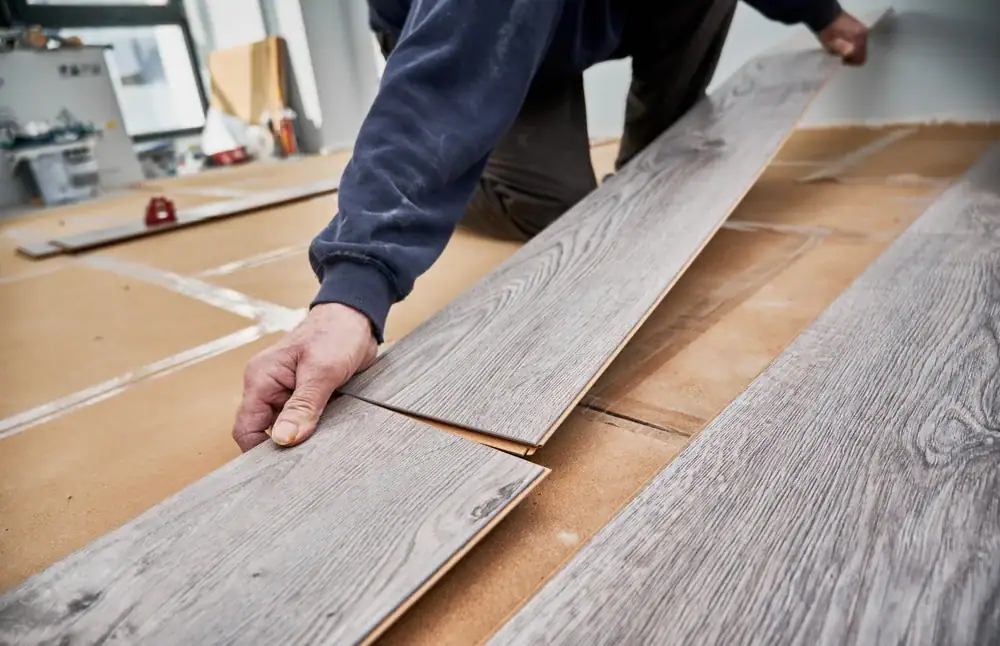
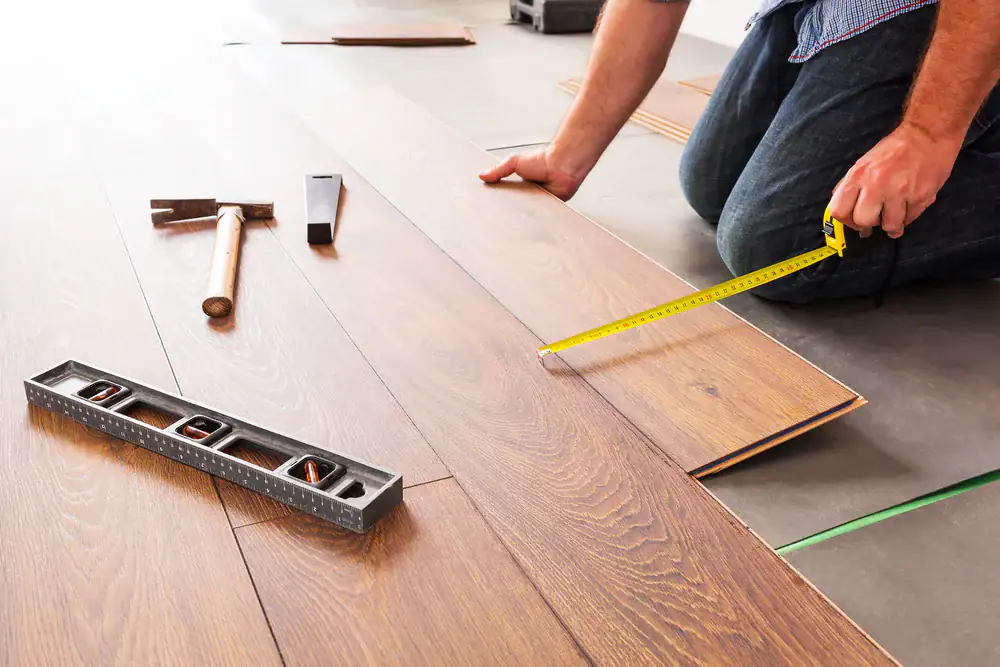
Hardwood Floor Installation in Highland Springs
Most installation problems show up months later. Boards start cupping in the summer humidity. Gaps appear in winter. The finish wears unevenly because the installer didn’t regulate moisture content before laying the floor.
Highland Springs sits in an area with humid summers and clay-rich soil—conditions that make proper installation critical. When moisture isn’t managed correctly during installation, your floors expand and contract beyond normal limits. That’s when you see warping, buckling, and premature wear.
Professional hardwood floor installation means your contractor checks subfloor moisture levels, acclimates the wood to your home’s conditions, and uses the right layout patterns for your space. It means understanding how Richmond’s climate affects wood flooring and planning accordingly. You get floors that look good now and stay that way for twenty years or more.
Wood Flooring Contractors Serving Highland Springs
We’ve specialized in hardwood floors for over twenty years serving Virginia homeowners. Not carpet, not tile, not luxury vinyl—just wood floors.
That focus matters when you’re dealing with Highland Springs homes built in the 1970s with original hardwood that needs replacement or updating. We’ve worked in enough local homes to know what subfloor conditions to expect, which wood species hold up best in this climate, and how to handle the layout challenges that come with older floor plans.
Licensed, insured, and equipped with professional-grade tools, we handle installations the way they should be done. No shortcuts on moisture testing. No guessing on layout patterns. No leaving you without floors for a week.
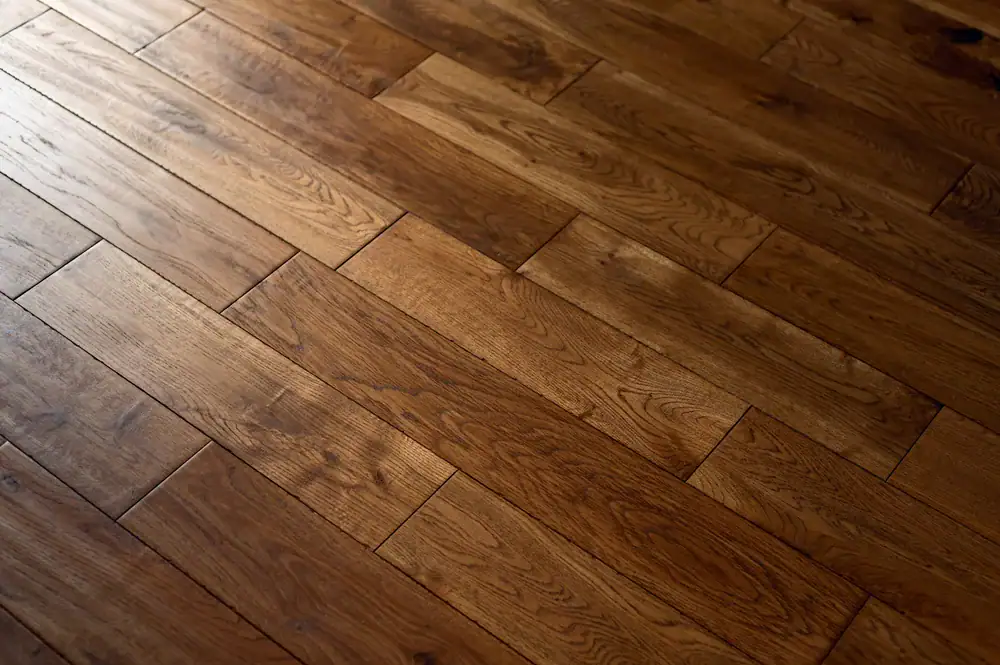
Our Wood Floor Installation Process
It starts with a free in-home consultation where we assess your subfloor, measure moisture levels, and discuss wood species options that fit your budget and lifestyle. We’re looking at your home’s specific conditions—not giving you a generic estimate.
Once you approve the plan, we schedule installation at a time that works for you. Most jobs get completed in a single day. We bring the wood to your home early so it can acclimate to your indoor humidity levels—a step that prevents expansion problems later.
During installation, we use a dustless system that keeps your home cleaner than traditional methods. We check layout patterns to avoid narrow strips at doorways or awkward transitions between rooms. We regulate spacing to account for seasonal movement. After the floor goes down, we apply finish coats if needed and walk you through proper care for the first few weeks.
You’re not displaced for days. You’re not dealing with dust coating your furniture. You get professional installation with minimal disruption and floors that perform the way hardwood should.
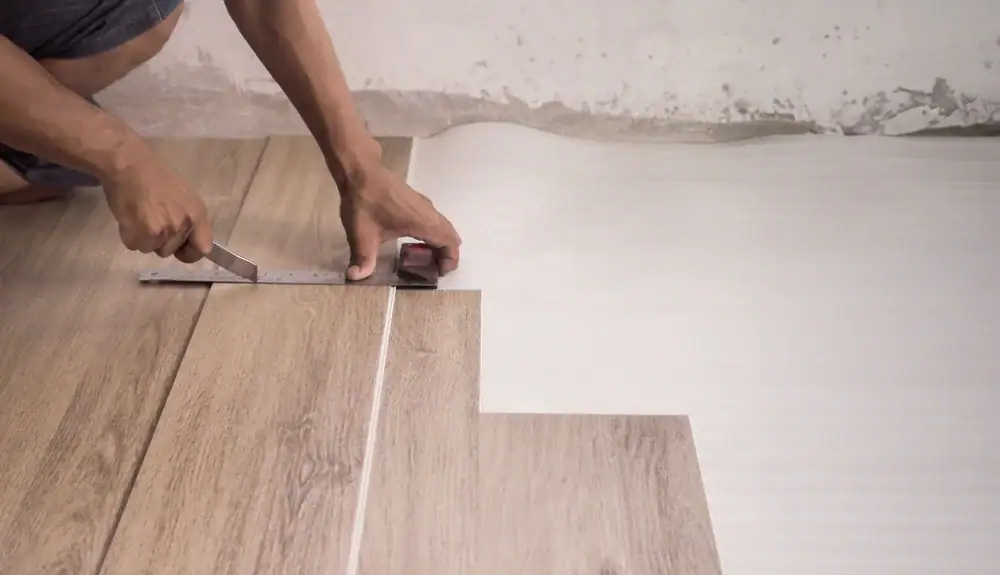
Solid Wood Flooring Installers Highland Springs
Professional wood floor installation covers more than just nailing boards down. It includes subfloor preparation—leveling uneven areas, repairing damaged sections, and installing moisture barriers where needed. In Highland Springs, where many homes sit on clay soil, moisture barriers often make the difference between floors that last and floors that fail.
You get proper wood acclimation before installation begins. The wood sits in your home for several days so it adjusts to your indoor humidity. This step prevents the expansion and contraction issues that cause cupping and gaps.
Installation itself follows manufacturer specifications for your chosen wood species. That means correct nail spacing, proper expansion gaps at walls, and layout patterns that look intentional rather than random. We work with both solid hardwood and engineered wood flooring, and the installation method changes based on which one you choose and what your subfloor conditions allow.
For homes in Highland Springs where humidity swings between summer and winter, we factor in seasonal wood movement when setting expansion gaps. Too tight and your floors buckle in July. Too loose and you see gaps in January. Getting it right requires experience with local climate patterns, not just following a generic installation guide.
How long does hardwood floor installation take in a typical Highland Springs home?
Most residential installations finish in one day for single rooms or main living areas up to about 500 square feet. Whole-home installations covering 1,500 to 2,000 square feet typically take two to three days depending on layout complexity and whether we’re also refinishing adjacent rooms to match.
The timeline assumes your subfloor is in good condition. If we find moisture issues, structural damage, or severe unevenness during the initial assessment, we’ll need to address those first. Subfloor repairs can add a day or two, but skipping them leads to installation failure down the road.
We don’t rush installations to meet artificial deadlines. The wood needs time to acclimate before installation, nails need proper spacing, and finish coats need adequate drying time between applications. A job done right takes the time it takes—but we’re efficient enough that most homeowners are surprised how quickly we complete the work without cutting corners.
What's the difference between solid hardwood and engineered wood for installation?
Solid hardwood is a single piece of wood from top to bottom, typically three-quarters of an inch thick. It can be sanded and refinished multiple times over its lifespan, which in a well-maintained home can exceed fifty years. It requires nail-down installation over a wood subfloor and needs careful moisture management because it expands and contracts more than engineered options.
Engineered hardwood has a real wood veneer on top with plywood layers underneath. It’s more stable in humid conditions, which makes it a smart choice for Highland Springs homes without climate-controlled basements or in rooms where humidity fluctuates. You can install it over concrete subfloors, and it handles moisture changes better than solid wood. The tradeoff is you can only refinish it once or twice before you hit the plywood core.
Neither option is universally better. Solid hardwood makes sense for main living areas in climate-controlled homes where you want maximum longevity. Engineered works better in basements, over concrete slabs, or in homes where humidity control is inconsistent. We’ll recommend the right option based on your specific subfloor, room location, and how long you plan to stay in the home.
How do you prevent moisture problems during installation in Highland Springs?
We start by testing subfloor moisture levels with a moisture meter before any wood gets delivered. Concrete slabs should read below 4.5% moisture content, and wood subfloors should be within 2% of the hardwood flooring moisture content. If readings are too high, we identify the source—whether it’s groundwater, plumbing leaks, or inadequate vapor barriers.
Highland Springs sits in an area with clay soil that holds water, and many older homes lack proper moisture barriers between the ground and the subfloor. If your crawl space or basement shows moisture issues, we’ll recommend solutions like vapor barriers or dehumidification before installation begins. Installing over wet subfloors guarantees cupping and buckling within months.
The hardwood itself needs to acclimate to your home’s humidity levels before installation. We deliver the wood several days early and let it adjust to your indoor conditions. Wood that goes from a climate-controlled warehouse directly onto your subfloor will expand or contract after installation as it adjusts to your home’s environment. Acclimation prevents that movement from causing gaps or buckling. It’s a simple step that many installers skip because it requires planning ahead, but it’s non-negotiable for installations that last.
What should I expect to pay for wood floor installation?
Professional hardwood floor installation in Highland Springs typically runs between $6 and $12 per square foot for labor, depending on the complexity of your layout and the installation method required. Add material costs—$3 to $8 per square foot for solid oak or maple, or $5 to $12 for engineered hardwood or exotic species.
A 300-square-foot living room might cost $2,700 to $6,000 total including materials and labor. Whole-home installations covering 1,500 square feet generally range from $13,500 to $30,000 depending on wood selection and site conditions. Those numbers assume your subfloor is in decent shape. If we need to level concrete, repair damaged joists, or install moisture barriers, that adds to the cost but prevents much more expensive problems later.
The cheapest installer is rarely the best choice for hardwood floors. Installation mistakes cause cupping, gaps, squeaks, and premature wear—problems that cost thousands to fix and often require complete reinstallation. You’re better off paying for experienced installers who check moisture levels, acclimate the wood properly, and follow manufacturer specifications. The difference in cost is a few dollars per square foot. The difference in results is floors that last twenty years versus floors that fail in three.
Can you install hardwood floors over my existing flooring?
Sometimes, but it depends on what’s currently installed and what condition it’s in. Installing over existing hardwood that’s still solid and level can work if the old floor is firmly attached and the new floor won’t create height issues at doorways or transitions to other rooms. We’d install the new hardwood perpendicular to the old boards for proper support.
Installing over vinyl, laminate, or tile is generally not recommended. Those materials don’t provide the solid, even surface that hardwood installation requires. Vinyl can trap moisture against the new hardwood. Tile creates an uneven surface unless you’re willing to install a leveling compound first, which adds cost and height. Laminate flooring often has cushioned underlayment that compresses under hardwood, leading to squeaks and movement.
The best practice is removing old flooring down to the subfloor, then assessing what you’re working with. That lets us check for subfloor damage, test moisture levels accurately, and ensure the new hardwood has a solid foundation. Removal adds labor cost and disposal fees, but it eliminates the risk of installing over hidden problems. In older Highland Springs homes, we often find subfloor issues that would have caused installation failure if we’d just covered over the existing floor.
Do you offer hardwood floor repair or just full installation?
We handle both repairs and full installations. If your existing hardwood has isolated damage—water stains in one area, scratched boards near the entryway, or a section damaged during a plumbing repair—we can often replace just the affected boards and refinish the area to blend with the surrounding floor.
Floor refinishing services are actually what we specialize in at Buff and Coat. Our buff and coat process restores worn hardwood without full sanding, which costs less and completes faster than traditional refinishing. For floors with deeper damage or heavy wear patterns, we do full sand-and-refinish work that takes the floor down to raw wood and rebuilds the finish from scratch.
The decision between repair and replacement depends on the extent of damage and the floor’s overall condition. If you’re dealing with widespread cupping from moisture damage or floors that have been sanded too many times already, replacement makes more sense than trying to salvage what’s there. We’ll give you an honest assessment during the free consultation—sometimes repair saves you thousands, and sometimes it’s throwing money at a floor that needs replacement anyway.
Other Services we provide in Highland Springs