Why Your Hardwood Floors Deserve Better Than Living with Scratches
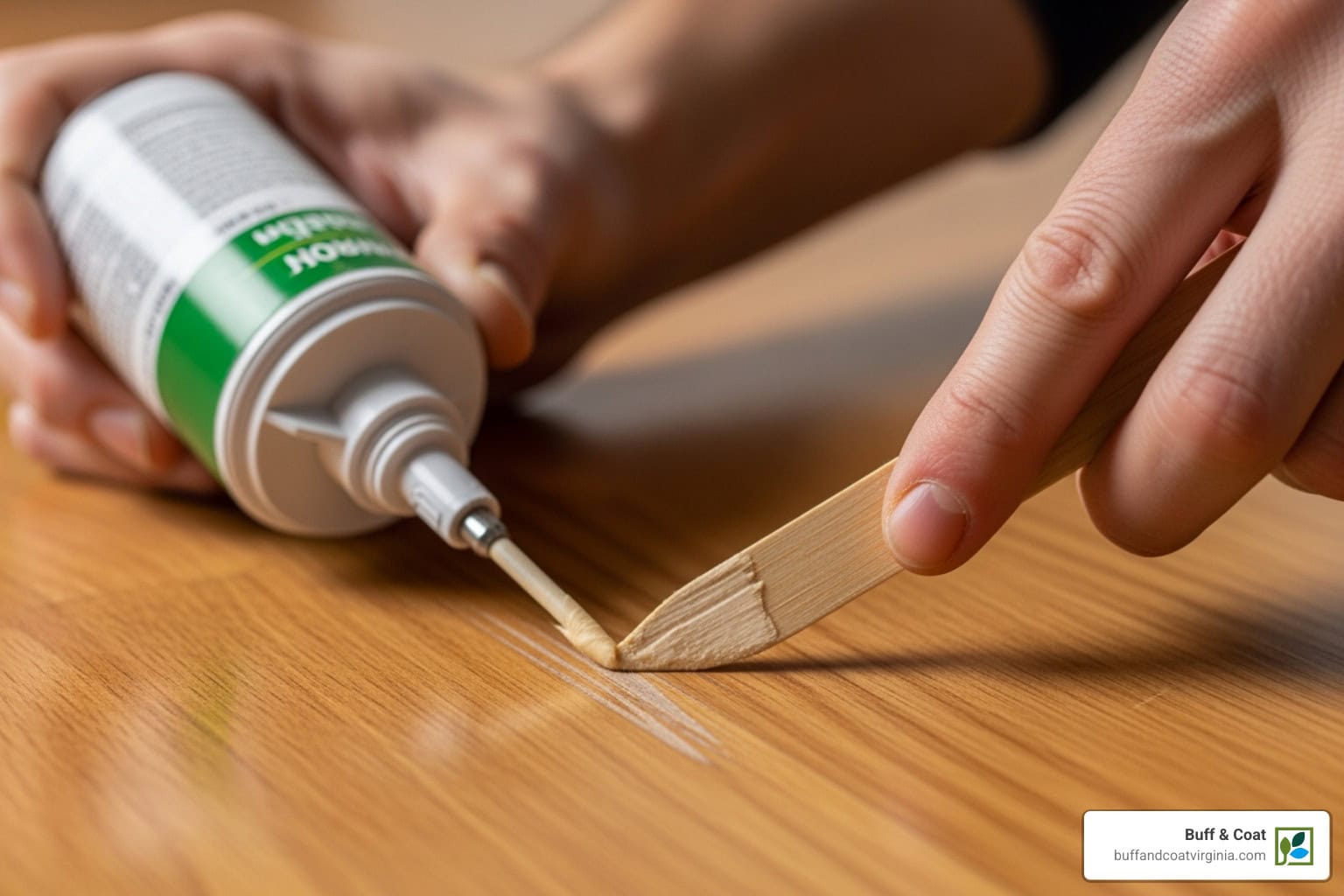
Hardwood floor scratch filler products offer homeowners an affordable way to restore their floors’ beauty without professional refinishing. Whether you’re dealing with pet scratches, furniture marks, or everyday wear, the right filler can make damage nearly invisible. For Richmond area homeowners seeking comprehensive hardwood floor care, understanding your DIY options helps you decide when a simple touch-up will do versus when expert help is needed.
Quick Answer: Best Hardwood Floor Scratch Fillers by Damage Type
- Surface scratches: Wood repair markers (Minwax Wood Finish Stain Marker)
- Medium scratches: Wax filler sticks (DAP Wood Blend Sticks)
- Deep gouges: Wood putty or filler compounds (Minwax Color-Matched Wood Filler)
- Multiple damage types: Complete repair kits with markers and wax sticks
The good news? Most minor scratches can be fixed in minutes with the right approach. A homeowner recently shared: “After testing a few popular methods, I’m sharing the best way to fix scratches and gouges in your hardwood floors… This method is super fast and easy and it gives gorgeous results.”
I’m David Emmerling, and with 20 years of restoring hardwood floors in the Richmond, VA area, I’ve seen every type of scratch imaginable. My experience with hardwood floor scratch filler products—from basic markers to professional-grade compounds—gives me unique insight into what works for different situations.
Understanding the Types of Hardwood Floor Scratch Fillers
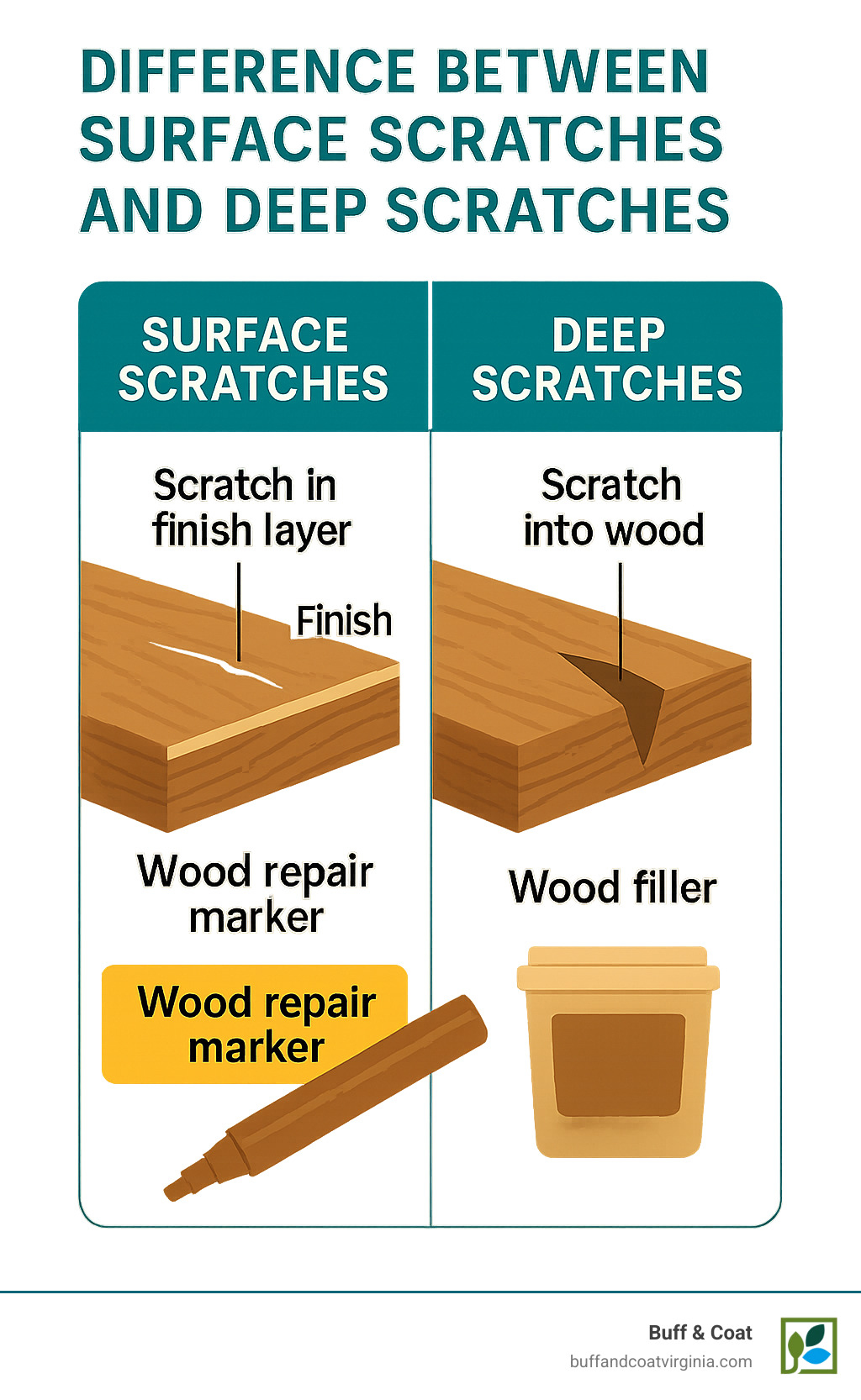
Choosing the right hardwood floor scratch filler is key. Success depends on matching the solution to the problem. After two decades in floor restoration, I’ve learned that understanding the scratch’s depth and severity is the difference between a seamless repair and one that stands out.
The popularity of DIY scratch repair has exploded. Online retailers show products with “10K+ bought in past month” indicators and thousands of positive reviews. This proves homeowners are successfully tackling these repairs, and you can too.
Think of scratch repair like medical triage. A surface scratch needs different treatment than a deep gouge, just like a paper cut requires different care than a deep wound.
| Filler Type | Best For | Ease of Use | Durability | Color Matching |
|---|---|---|---|---|
| Wood Repair Markers | Surface scratches, scuffs | Very High | Low | Good |
| Wax Filler Sticks | Medium scratches, nicks | High | Medium | Very Good |
| Wood Putty/Fillers | Deep damage, gouges, holes | Medium | High | Excellent |
Wood Repair Markers
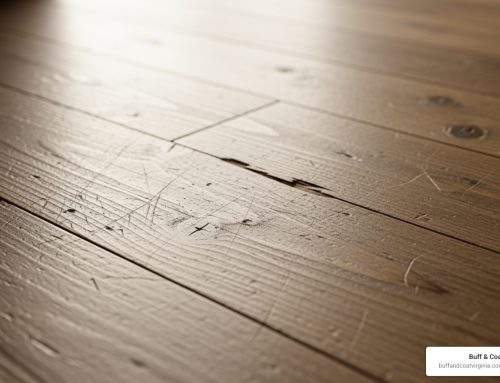
Wood repair markers are the superheroes of quick fixes. These handy stain pens work like magic markers for your floors, perfect for those annoying surface scratches that only damage the finish layer. When a scratch catches the light just wrong, a few strokes with the right marker can make it vanish.
I recommend these for minor scuffs and quick touch-ups that don’t require actual filling – just color correction. The most common colors you’ll find are Oak, Cherry, Walnut, and Maple, covering most popular hardwood species.
The beauty of markers lies in their simplicity. No mixing, no drying time, no mess. However, they won’t fill actual voids in the wood – they’re purely cosmetic. For more detailed guidance on tackling surface scratches, check out our comprehensive guide on fixing scratched wood floors.
Wax Filler Sticks & Crayons
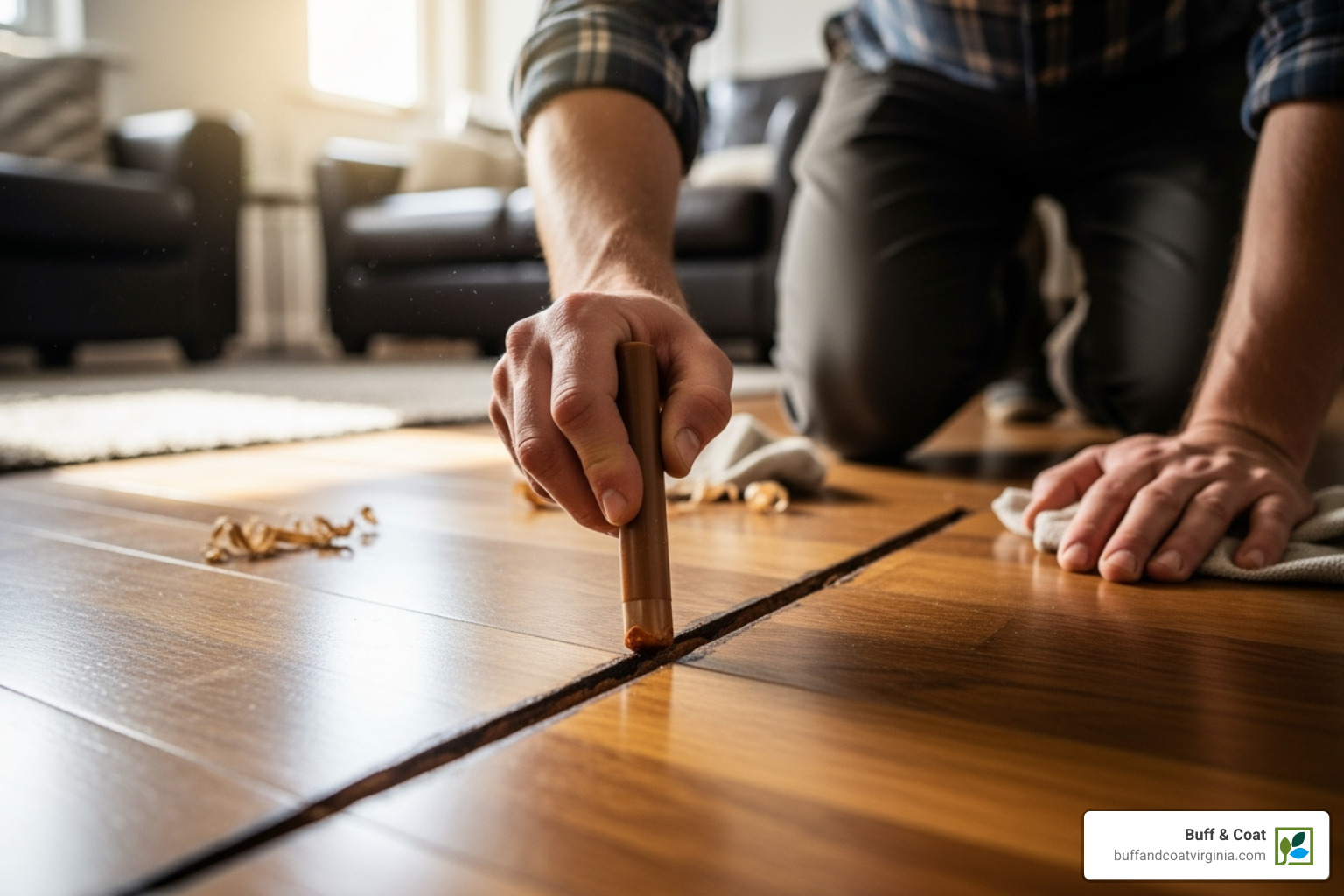
When you run your finger across a scratch and feel a definite groove, it’s time to step up to wax filler sticks. These workhorses handle deeper scratches, nicks, and small gouges that need actual filling, not just color matching.
Wax sticks come in both soft wax and hard wax varieties. Soft wax works well for minor filling, while hard wax provides better durability for higher-traffic areas. Pro tip: warm the wax stick slightly with a hair dryer to make application smoother and more controlled.
An honest reality about wax fillers is they need periodic touch-ups. As some experienced DIYers note, wax fills “kinda disappear after awhile no matter what brand you use.” But for the cost and ease, they’re an excellent medium-term solution.
Wood Putty and Fillers
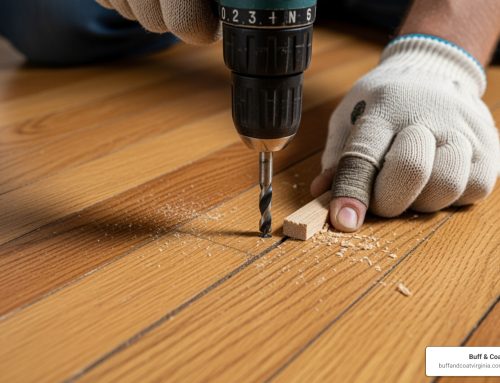
For serious damage – deep gouges, gaps between boards, or actual holes – wood putty and fillers are your heavy-duty solution. These products create permanent repairs that can be sanded, stained, and finished to match your existing floor perfectly.
The two main categories are water-based and solvent-based fillers. Water-based versions clean up easier and have less odor, while solvent-based options often provide superior adhesion and durability. Stainable putty options let you match any wood tone precisely after the repair cures.
Unlike markers and wax, wood fillers require patience. They need time to cure completely before sanding and finishing. But the payoff is a repair that can last as long as your floor itself. For step-by-step DIY techniques, this comprehensive repair guide offers excellent visual instructions for different methods.
The key to success is an honest damage assessment and choosing the right tool. When in doubt, start with the gentlest option and work your way up.
Your Step-by-Step Guide to Applying Hardwood Floor Scratch Filler
Applying hardwood floor scratch filler isn’t rocket science, but it does require patience and attention to detail. We’ve put together a simple, step-by-step guide to help you achieve the best results.
1. Choosing the Right Hardwood Floor Scratch Filler
This is the most crucial step. As discussed, not all fillers are equal.
- Assess scratch depth: This determines the filler type you need. Is it a surface mark (use a marker)? Can you feel it with your fingernail (wax stick)? Or is it a deep gouge (putty/filler)?
- Match wood color: This is vital for an invisible repair. Most products come in various shades. When in doubt, choose a slightly lighter color, as it’s easier to darken than to lighten. Some products, like MagicEzy Wood Floor Scratch REPAIREZY™, use a clear, nanotechnology-powered filler that blends with the wood grain, a unique ‘no mismatched color’ approach.
- Consider floor finish: Does your floor have a high gloss, satin, or matte finish? Some fillers might dry with a different sheen, requiring an additional step (like buffing or applying a topcoat) to match. For instance, paste wax is recommended only for floors with a subtle sheen, not gloss or matte.
- Read product reviews: Customer reviews are gold, offering real-world insights into a product’s performance and ease of use. Products with thousands of positive reviews on Amazon or Walmart are usually a good bet.
For more detailed guidance on repairing various types of floor damage, our blog offers More on repairing floor damage.
2. The Application Process
Once you’ve chosen your weapon of choice, it’s time for action!
- Clean the area: This is critical. Remove all dust, dirt, and debris from the scratch. A clean, dry surface ensures proper adhesion. We recommend cleaning the area with soapy water and a toothbrush, then rinsing and drying it completely.
- Apply the filler:
- Markers: Simply color over the scratch, following the wood grain.
- Wax sticks: For best results, warm the stick slightly with a hairdryer to make it more pliable. Press the wax firmly into the scratch, ensuring it fills the void completely.
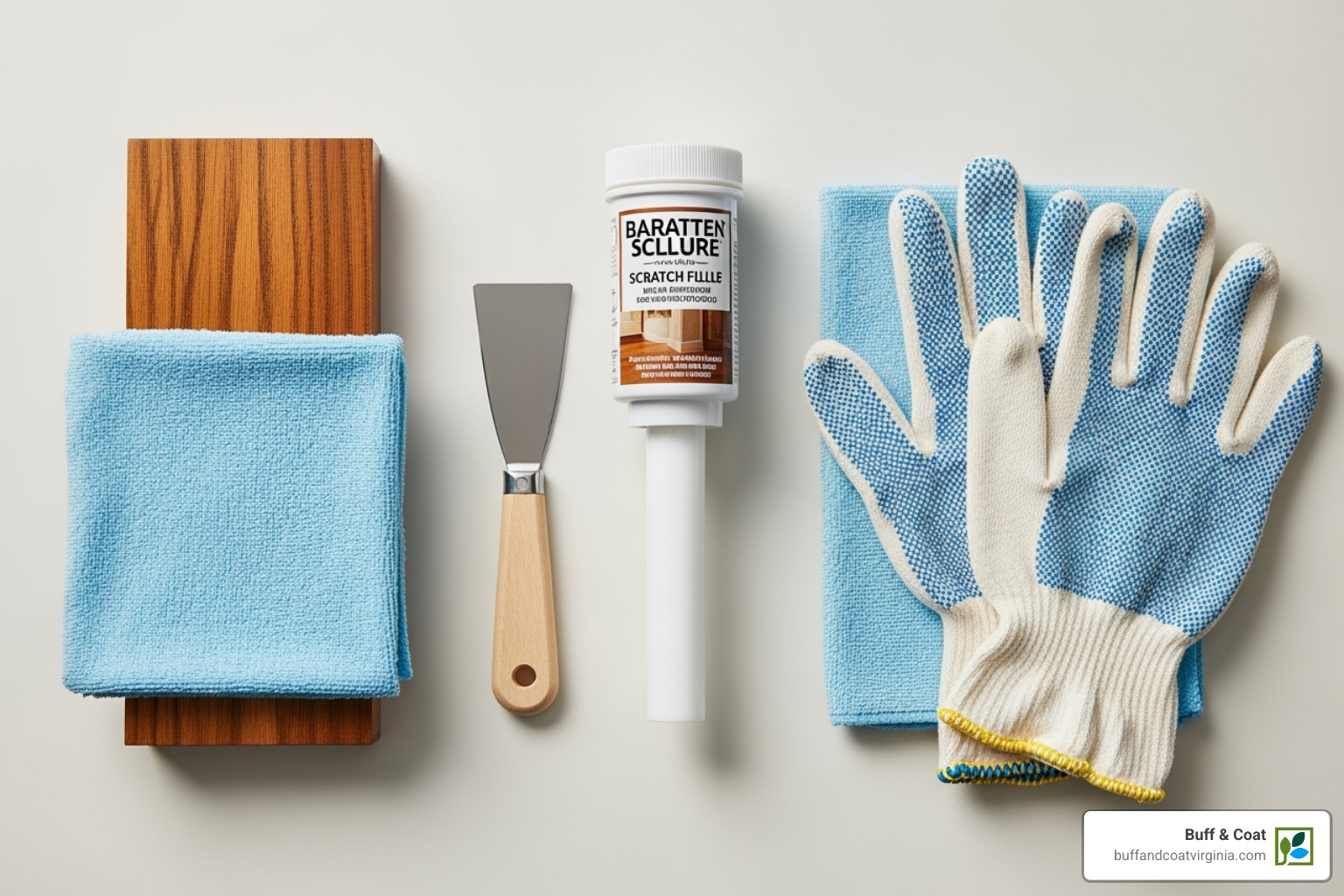
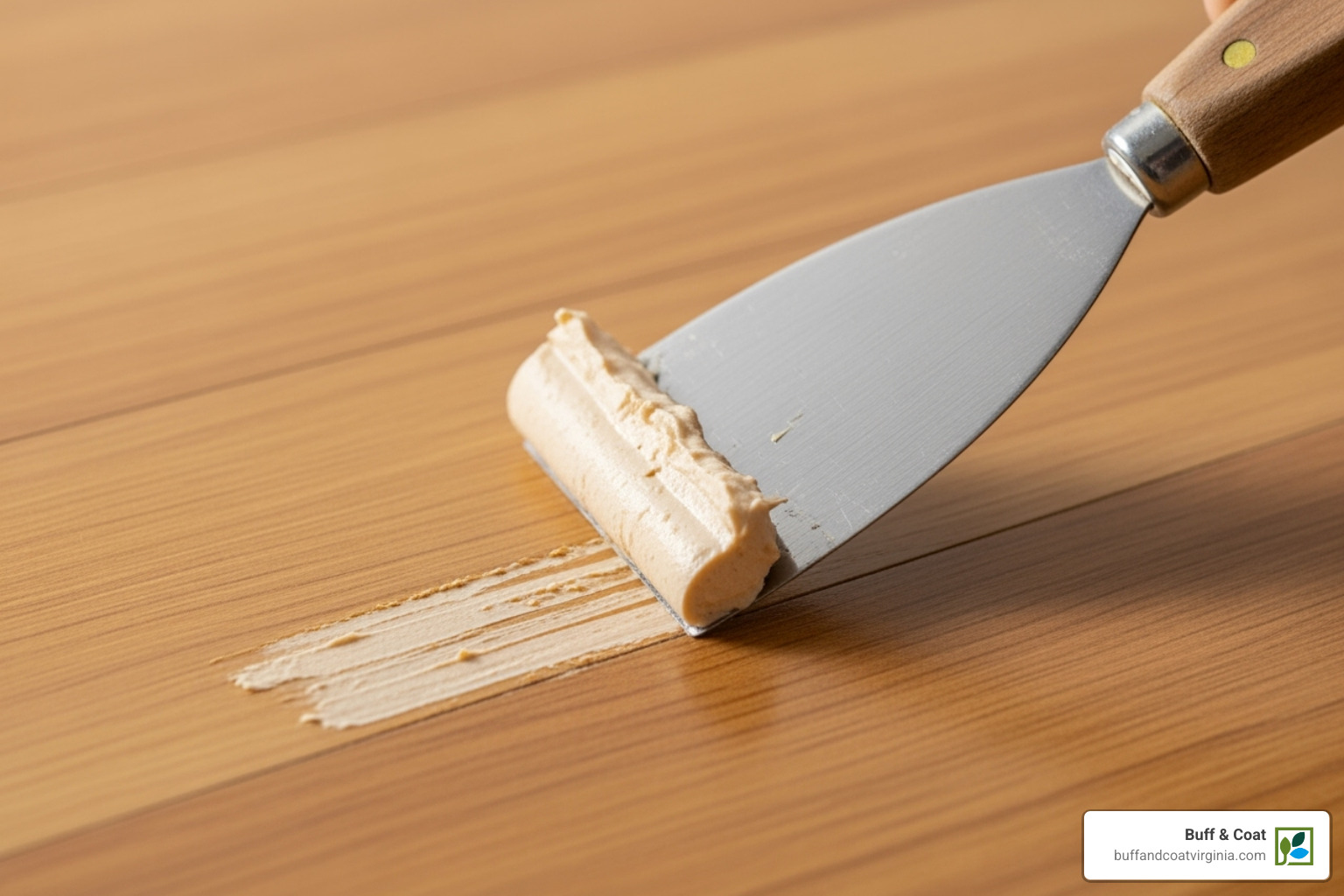
- Putty/Fillers: Apply a small amount with a putty knife, spreading it evenly into the scratch. Slightly overfill to allow for leveling. For deep damage, you might need to apply in layers, letting each layer dry.
- Level the surface:
- Markers: Wipe away excess immediately with a clean cloth, following the grain.
- Wax sticks: Use a plastic putty knife or an old credit card to scrape away excess, making the repair flush with the floor.
- Putty/Fillers: While wet, use a putty knife to level it with the surrounding floor. Once dry, you may need to lightly sand the area with fine-grit sandpaper (following the grain!) for a perfectly smooth surface.
- Remove excess: With markers, wipe immediately. For wax and putty, ensure all excess is removed before it fully hardens to avoid a raised bump.
- Buff and blend: This is where the magic happens.
- For markers and wax sticks, use a clean, lint-free cloth to gently buff the repaired area. This helps blend the filler with the surrounding wood and can restore some sheen.
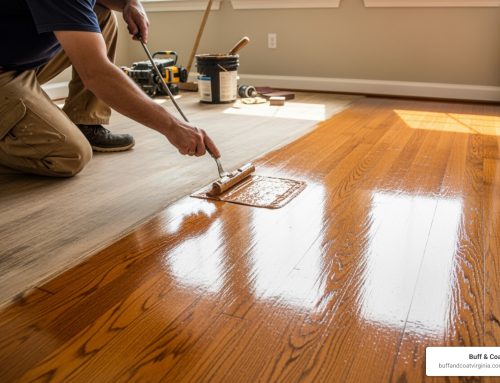
- For putty/fillers, once dry and sanded, you may need to apply a matching stain or a clear topcoat (like polyurethane) to blend it seamlessly. Always test in an inconspicuous area first!
3. Common Mistakes to Avoid
Even seasoned DIYers can make these common mistakes:
- Overfilling the scratch: Overfilling creates a noticeable hump or smear that’s hard to remove. Aim to slightly overfill, then level carefully.
- Poor color matching: This is the most common giveaway of a DIY repair. Always test the filler in a hidden area first. For floors with color variations, pick a shade that blends with the overall tone, or consider a clear filler.
- Skipping preparation: Applying filler to a dirty surface is like painting over rust—it won’t last or look good. Cleanliness is key.
- Applying to a dirty surface: This leads to poor adhesion and a shoddy repair.
- Using the wrong type of filler for the damage: Using a marker on a deep gouge or thick putty on a hairline scratch leads to frustration. Match the filler to the scratch severity.
DIY Fillers vs. Professional Repair: When to Make the Call
Sometimes, a scratch is too big for a hardwood floor scratch filler. If a little voice in your head says the job is too big, it might be right.
The decision between DIY and professional repair depends on budget, time, and skill. DIY is cheaper upfront, but a botched job can cost more to fix later, requiring a professional to repair the original damage and your attempt.
Think of it like this: you wouldn’t perform surgery on yourself to save money. The same principle applies to extensive or complex floor damage.
When DIY Fillers Are Enough
The good news is that DIY fillers work beautifully for many common scenarios. You’re in great shape to tackle the repair yourself when you’re dealing with minor surface scratches – those annoying little marks from pet paws or furniture that barely penetrate the finish.
A few isolated nicks scattered around your floor? Perfect DIY territory. Same goes for light scuffs in low-traffic areas like bedrooms or a formal living room. These spots don’t endure constant foot traffic, so your repair has a better chance of lasting.
If you need a quick, cost-effective fix to improve your floor’s appearance without breaking the bank, quality scratch fillers are your friend. Sometimes you just need your floors to look presentable, and DIY solutions deliver exactly that.
When to Call a Professional
Some damage simply can’t be wished away with even the best hardwood floor scratch filler.
Extensive scratching across large areas is like fixing a leaky roof with band-aids—not practical or effective. If your floor is heavily scratched, individual filler applications become a never-ending project that won’t yield a uniform, beautiful result.
Deep gouges across multiple boards are another red flag. One deep scratch might be manageable, but several often signal the need for board replacement or comprehensive refinishing, which requires professional tools and expertise.
Water damage is a professional-only situation. It warps, discolors, and can compromise your floor’s structural integrity. Filler won’t fix a warped board, and DIY repairs on water-damaged floors can make things worse.
If scratches are accompanied by a faded or worn finish, the protective layer is gone. Individual scratch repair is like putting lipstick on a pig; the underlying problem needs to be addressed.
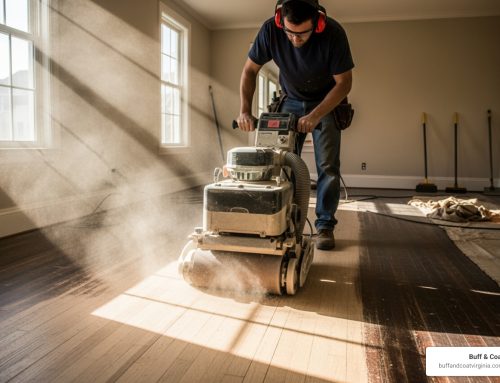
And here’s the reality check: for guaranteed, seamless results, professional work is worth every penny. If you want your floors to look genuinely new again, without any telltale signs of damage, our signature buff and coat process delivers results that DIY simply can’t match.
Pre-finished wood flooring with aluminum oxide layers presents its own challenges. That super-durable finish is fantastic for protection, but it’s incredibly resistant to sanding and blending – making DIY repairs notoriously difficult to hide.
For comprehensive insights into professional restoration options, check out our detailed guide on wood floor restoration. And if you’re dealing with widespread minor wear rather than deep damage, our professional Buff and Coat services might be the perfect middle-ground solution – refreshing your floor’s finish without the extensive sanding of a full refinish.
Keeping Your Floors Pristine: Scratch Prevention Tips
What’s better than having the perfect hardwood floor scratch filler? Never needing it. While we can help you fix scratches, prevention is our top priority.
Think of scratch prevention like sunscreen: a little effort upfront saves you from repair work later. The good news is most prevention strategies are simple and affordable.
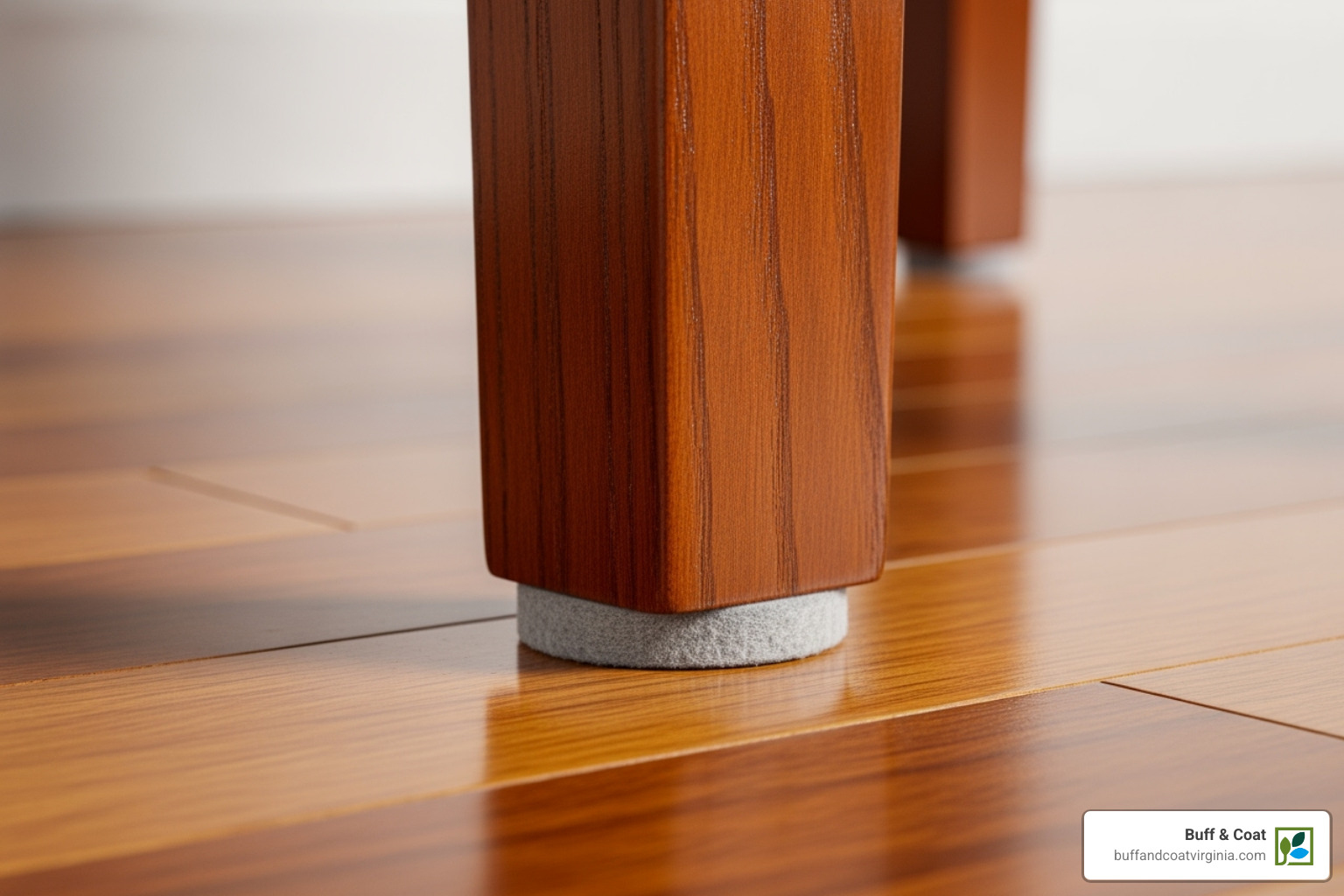
Furniture pads are your floor’s best friend. Those little felt circles might seem insignificant, but they’re absolute game-changers. Every chair leg, table base, and piece of furniture that touches your floor should have them. The investment? Usually under $20 for enough pads to protect an entire room’s worth of furniture.
Area rugs work like armor for your floors, especially in high-traffic areas. Place them strategically under dining tables, in entryways, and along hallways. They’re not just functional—they add warmth and style to your space too.
Many homeowners don’t realize dirt and grit act like sandpaper on floors. Regular cleaning is about protection, not just appearance. A quick daily sweep or vacuum (with a soft brush attachment) removes abrasive particles. Follow up with weekly mopping using a hardwood-safe cleaner.
If you have pets, pet nail trimming is non-negotiable. Overgrown nails can destroy beautiful floors. A quick trim every few weeks prevents claws from becoming floor destroyers. Your pets won’t mind, and your floors will thank you.
Finally, consider a no-shoes policy. Outdoor soles pick up pebbles and dirt, turning every step into a potential scratch. Plus, your floors will stay much cleaner.
These strategies work together. Even just starting with furniture pads and regular cleaning will make a noticeable difference in keeping your floors beautiful for years.
Frequently Asked Questions about Hardwood Floor Fillers
After twenty years of helping Richmond homeowners, I’ve heard every question about hardwood floor scratch filler. Here are the most common ones to help you make the best decisions.
How long do hardwood floor scratch fillers last?
This is the most common question, and the answer isn’t straightforward. The durability of a hardwood floor scratch filler repair depends on a few key factors.
Product type is key. Wood markers are great for quick touch-ups but are only cosmetic. They don’t create a protective barrier and may need reapplication every year or two in busy areas.
Wax sticks fall somewhere in the middle. As one homeowner noted in an online discussion, they “kinda disappear after awhile no matter what brand you use.” That’s because wax is softer and gradually wears away with foot traffic and cleaning.
Wood putty and resin-based fillers, on the other hand, are the marathon runners of the repair world. When properly applied and finished, these can last as long as your floor’s existing finish – often 5 to 10 years or more.
Location matters tremendously. A repair in a guest bedroom will last much longer than one in your kitchen or hallway. High-traffic areas see constant wear, while low-traffic spots remain relatively undisturbed.
Proper application is critical. A rushed or incorrect repair will fail sooner. Clean preparation, correct product selection, and careful finishing make all the difference in longevity.
Can you use scratch filler on engineered hardwood?
Yes! This is great news for homeowners with engineered hardwood. The key is understanding your flooring.
Engineered hardwood has a real wood veneer on top. Since this top layer is genuine wood, hardwood floor scratch filler products work just as well as on solid hardwood, as long as the scratch is within the veneer.
Be careful, as veneer thickness varies significantly. If you have a thin veneer and the scratch goes through to the plywood core, filler won’t be a lasting repair. You’d need board replacement.
Always test in an inconspicuous area first – I recommend this for any floor, but it’s especially important with engineered products. Different manufacturers use different finishes, and you want to make sure your chosen filler plays nicely with your specific floor.
Most general wood fillers, markers, and wax sticks will clearly state on their packaging that they’re suitable for engineered hardwood. When in doubt, check the label.
How do you match the sheen of the filler to the floor?
Getting the sheen right is what separates a pro-looking repair from a DIY-fail.
Your floor’s finish type matters. Is it high gloss, satin, or matte? Most fillers dry with their own sheen, which might not match. This requires some finesse.
Buffing can work wonders. For wax-based fillers, gentle buffing with a clean, lint-free cloth often brings the sheen closer to your floor’s natural appearance.
Finishing wax is your secret weapon for subtle sheens. Products like Minwax Paste Finishing Wax can be applied over the repair to blend the sheen. Wax can make future refinishing more challenging.
Some modern fillers are getting smarter about this. Clear, nanotechnology-based fillers are designed to take on the natural characteristics of the surrounding wood, including its sheen.
Achieving a perfect sheen match is tricky, especially with high-gloss floors. For extensive damage or a challenging finish, it’s best to call professionals with the right tools and experience for seamless results.
Conclusion
You’re now equipped to tackle frustrating scratches on your hardwood floors. The secret to success is to accurately assess the damage, choose the right hardwood floor scratch filler, and apply it with care.
Surface scratches respond beautifully to wood markers for quick touch-ups. Medium scratches that you can feel with your fingernail are perfect candidates for wax sticks. And for those deeper gouges that make you cringe, wood putty or professional-grade fillers provide the permanent solution your floors deserve.
While we love empowering Richmond homeowners with DIY solutions, some damage is beyond what a hardwood floor scratch filler can handle. For extensive scratching, deep water damage, or widespread wear, professional expertise makes all the difference.
For damage beyond a simple fix, Buff & Coat provides professional floor restoration. Our signature process transforms floors, adding value and warmth to your home.
Don’t let scratches diminish your home’s beauty and value. We offer free estimates to help you decide between a DIY approach or professional restoration. Schedule a free inspection with our experts today! We’re here to help Richmond residents keep their hardwood floors looking their best.