
Why Hardwood Floor Scratches Don’t Have to Be Permanent
Hardwood floor scratch repair is easier than you might think. You don’t need to replace your entire floor to fix pet scratches, furniture marks, or everyday wear. Most damage can be fixed with simple DIY methods or professional touch-ups, and our team at Buff & Coat is dedicated to restoring the beauty of your hardwood floors. The key is matching the repair method to the scratch depth, as light scuffs need a different approach than deep gouges.
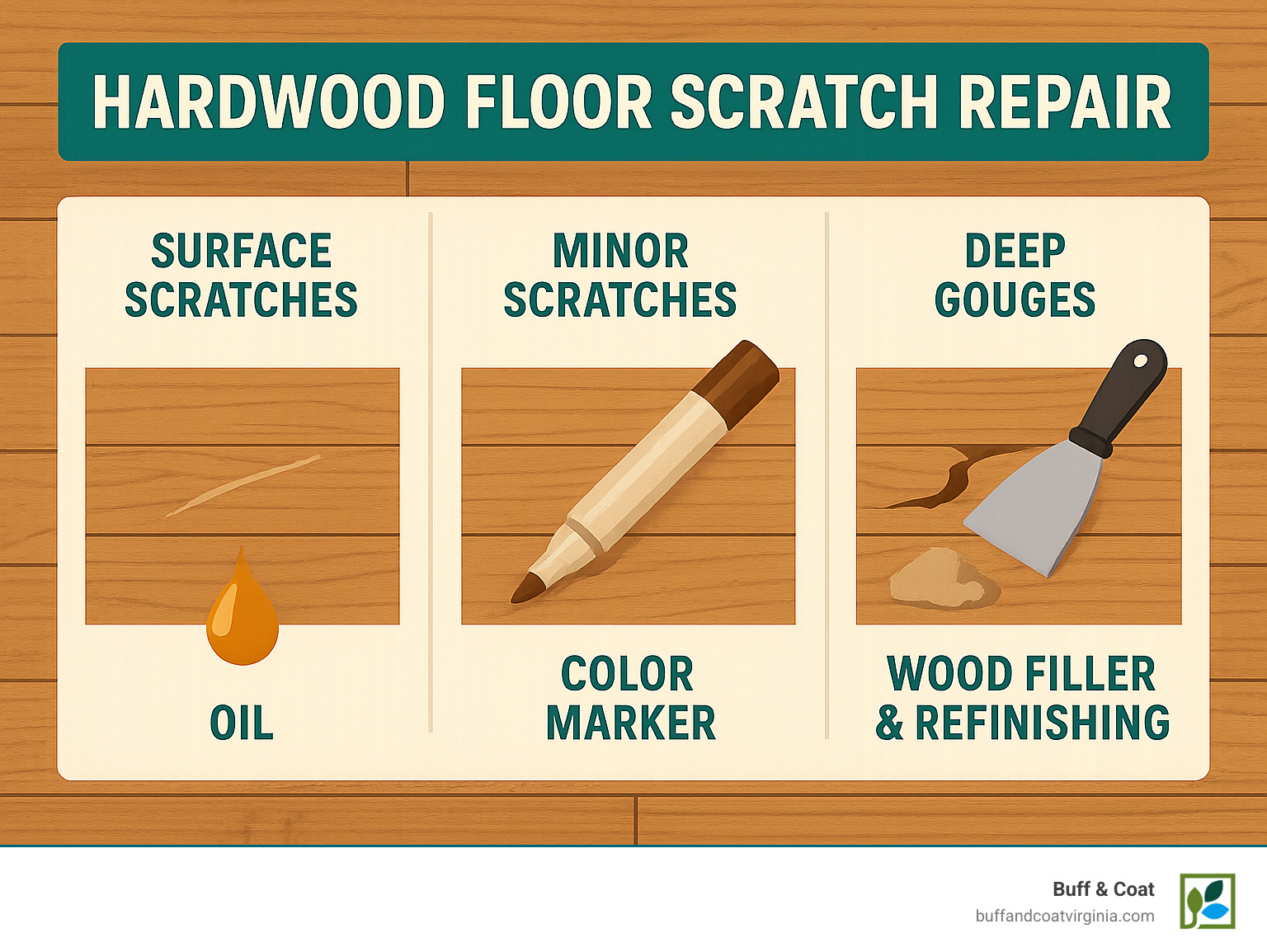
Quick repair solutions by scratch type:
- Surface scratches: Walnut rub, coconut oil, or Magic Eraser
- Minor scratches: Color-matching markers or wax sticks
- Deep gouges: Wood filler, sand, and stain matching
- Widespread damage: Professional hardwood floor refinishing or buff and coat
Well-maintained floors can last up to 100 years, adding significant value to your home. A few scratches don’t mean you need an expensive replacement. As President of Buff & Coat, with over 20 years of experience restoring thousands of floors in the Richmond area, I’ll share the same proven techniques we use for quick, lasting repairs.
Why Do Hardwood Floors Scratch? Assessing Damage First
Understanding why your hardwood floors get scratched is the first step toward effective hardwood floor scratch repair. The biggest culprits are grit and debris acting like sandpaper underfoot, pet claws, and unprotected furniture legs. Even humidity swings can cause wood to expand and contract, stressing the finish. Over time, this leads to finish wear in high-traffic areas, making your wood more vulnerable.
The Scratch Severity Scale
Not every scratch needs the same treatment. Let’s determine what you’re dealing with:
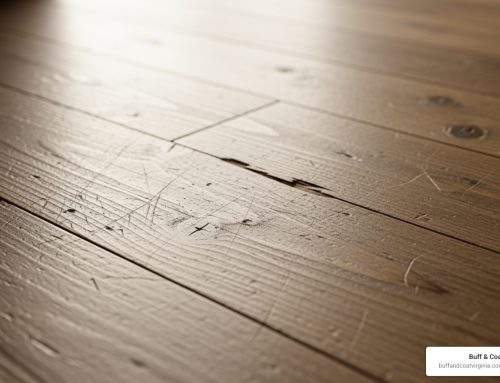
- Superficial scratches are the easiest to fix. They look like white lines or dull spots in the top finish layer and are barely felt with a fingernail.
- Minor scratches go a bit deeper into the finish. You can feel them with a fingernail, and they might show slight wood discoloration.
- Deep scratches or gouges have broken through the finish and dug into the wood itself. You’ll see and feel removed wood fibers.
- Board replacement is for severe damage like cracks, warping, or deep gouges that compromise the board’s integrity. At this point, professional floor sanding or replacement is likely needed.
Tools for a Proper Inspection
You don’t need fancy equipment to assess the damage. A simple flashlight held at a low angle will make scratches cast shadows, revealing their true extent. A magnifier helps you distinguish a surface scuff from a deeper mark. Use blue tape to mark problem areas as you find them. Finally, the classic coin test helps gauge depth: if a coin catches when run across the scratch, it has penetrated the finish.
Step-by-Step Hardwood Floor Scratch Repair Methods
Before starting any hardwood floor scratch repair, always clean the area thoroughly. Dust-mop or vacuum to remove grit, then use a mild cleaner. This ensures repair products adhere properly. For safety, wear gloves and a dust mask if sanding, and ensure good ventilation.
Surface-Level Hardwood Floor Scratch Repair
These barely-there scratches are the most satisfying to fix.
- The walnut rub: Rub a raw walnut kernel along the scratch. Its natural oils and pigment fill and camouflage fine scratches. Wipe away excess with a soft cloth.
- Oil and vinegar mix: Mix equal parts olive oil and apple cider vinegar, apply with a soft cloth, and let it sit for a few hours before buffing clean. The oil moisturizes while the vinegar gently cleans.
- Magic Eraser: Use this with caution on light scuffs. Test in an inconspicuous area first, as its abrasive nature can strip the finish if overused.
Minor Hardwood Floor Scratch Repair
For scratches that are in the finish but haven’t reached the wood, these products are ideal.
- Color-matching markers and pencils: These are great for blending away minor scratches. Choose a color that matches your floor, color over the scratch, and wipe away excess immediately. Use a layering technique, starting with a lighter shade and building up color.
- Wax sticks or crayons: These fill slightly deeper indentations. Rub the stick firmly into the scratch, scrape away excess with a plastic card, and buff with a soft cloth.
- Liquid finish restorers: Products like Weiman or Refresh can refresh dull finishes while hiding fine scratches. Apply evenly with a mop after cleaning and let it dry.
- Scratch covers: For darker woods, products like Old English Scratch Cover or the Trade Secret Scratch Concealer darken the exposed wood to blend with the surrounding finish.
Deep-Gouge Hardwood Floor Scratch Repair
For serious damage, you’ll need to fill the void in the wood.
- Clean and Prep: Clean the gouge, removing any loose wood fibers.
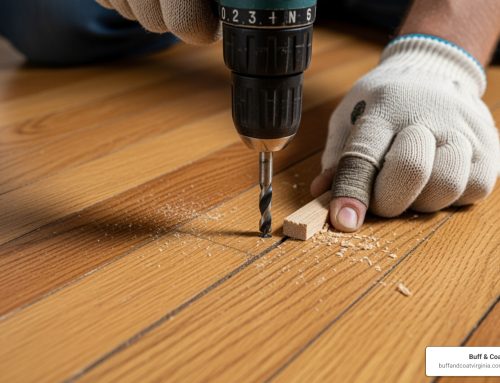
- Apply Wood Filler: Use a putty knife to press color-matched wood filler or putty into the gouge, mounding it slightly above the surface. Apply in thin layers for deep gouges, letting each dry.
- Sand Smooth: Once dry, use 220-grit sandpaper to gently sand the filler flush with the floor, always sanding with the grain.
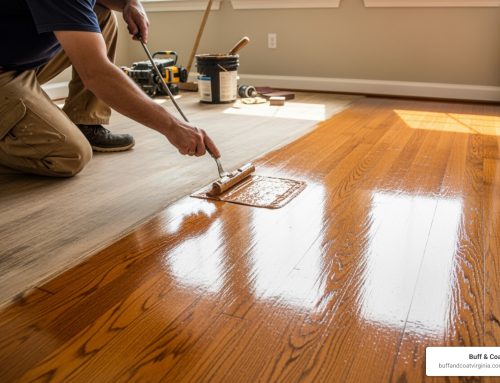
- Stain and Seal: If needed, apply a matching wood stain over the filler. Once dry, apply a thin coat of a matching topcoat like wipe-on polyurethane to seal and protect the repair.
When Full Refinishing Beats Spot Fixes
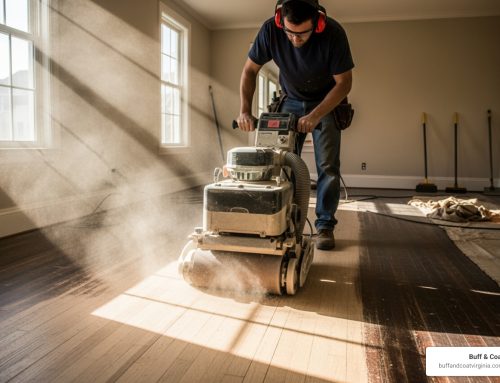
If your floor has widespread scratches, dullness, or numerous gouges, full refinishing is often the best solution. Our screen and recoat process is great for surface wear, while our dust-free sanding and refinishing gives you a brand-new floor surface for more extensive damage. While DIY kits cost under $100, professional refinishing is a larger investment that significantly extends your floor’s life and boosts home value. Learn more about our Professional Hardwood Floor Sanding services.
Choosing the Right Scratch-Repair Product
Choosing the right product is key to a successful hardwood floor scratch repair. Your choice depends on the scratch depth, your floor’s finish, and your comfort level with DIY projects.
- Markers and Pencils: Like makeup for floors, these are best for superficial scratches. They cover discoloration quickly but don’t fill voids.
- Wax Sticks and Crayons: These fill minor scratches and small dents. They are durable but require careful application to blend seamlessly.
- Liquid Restorers and Polishes: These refresh shine over larger areas, hiding widespread fine scratches. They are a great temporary solution for a dull finish.
- Wood Filler and Putty: These are the heavy hitters for deep gouges and chips. They offer a permanent fix but require more skill, including sanding and staining.
Durability varies: liquid restorers may need reapplication every few months, while a proper wood filler repair should last as long as the floor itself.
Sheen matching is critical. A glossy repair on a matte floor will stick out. Always match your product’s sheen (satin, semi-gloss, high-gloss) to your floor’s finish. Similarly, know if your finish is water-based or oil-based and use a compatible product to avoid issues. Water-based products dry faster with less odor, while oil-based ones are often more durable.
Color-Matching Like a Pro
Successful color-matching goes beyond finding “oak.” You need to understand your floor’s undertones—the subtle red, yellow, or gray tints. Always test products in an inconspicuous area, like inside a closet, to prevent a visible mistake. When staining, layer colors by starting with a lighter shade and building up gradually. Finally, blend the sheen by feathering the edges of your clear topcoat into the surrounding finish for a seamless look.
Engineered & Laminate Considerations
These floors require a different approach. Engineered hardwood has a thin wood veneer, so while surface repair products like markers and wax sticks work well, sanding is often off-limits. Sanding can easily go through the thin veneer, ruining the board.
Laminate flooring isn’t wood at all; it’s a photographic layer on a composite core. It can never be sanded or refinished. Use only specialized laminate repair kits designed for this surface. Always check product labels for compatibility.
Preventing Future Scratches & Keeping Repairs Lasting
The best hardwood floor scratch repair is the one you never have to do. A little prevention goes a long way in keeping your floors gorgeous.
- Use Entry Mats: Place sturdy mats at every entrance to trap dirt, sand, and grit before they damage your floors.
- Add Felt Pads: Stick felt pads under all furniture, especially chairs that move often, to prevent constant scratching.
- Trim Pet Nails: Regular nail trims for your pets are crucial to prevent them from scratching the floor.
- Control Humidity: Keep your home’s humidity between 35-55%. Extreme swings cause wood to expand and contract, leading to stress cracks.
- Clean Routinely: Sweep or vacuum regularly with a soft-bristled attachment (never the beater bar) to remove abrasive debris.
For long-term protection, consider a professional re-buff schedule every 3-5 years. Our team can add a fresh protective layer that defends against daily wear. Learn more about Restoring Shine: Hardwood Floor Buff and Coat for Dull Floors.
Maintenance Timeline
- Weekly: Dust-mop or vacuum to remove grit.
- Quarterly: Polish with a recommended cleaner to protect the finish.
- Every 3-5 years: Schedule a professional buff and coat to add a fresh layer of protection and restore shine.
Kid & Pet Friendly Habits
- Establish Shoe-Free Zones: Most damaging grit is tracked in on shoes. A shoe rack by the door encourages a shoes-off policy.
- Use Area Rugs: Place rugs in high-traffic areas like hallways and living rooms to absorb wear and tear.
- Create Play-Mat Zones: Use a simple mat or blanket to protect floors from toys during playtime.
When to Call the Pros & Budget Expectations
While many hardwood floor scratch repair projects are DIY-friendly, some situations require a professional. Calling in an expert can prevent a small issue from becoming a costly mistake.
Professional help is recommended for:
- Board Replacement: Severely cracked, splintered, or damaged boards require expert removal and replacement to ensure a seamless match, especially on historical floors or those with complex patterns.
- Water Damage: Significant water damage that causes cupping or warping needs specialized equipment and expertise to address properly.
- Selling Your Home: If you’re preparing to sell, professional floor refinishing offers a significant return on investment by boosting your home’s value and appeal.
While DIY kits cost $20-$100, professional refinishing is a larger investment that transforms your entire floor. At Buff & Coat, we serve Richmond, Glen Allen, and Midlothian with our signature dust-free processes. For more details on our local services, check out our guide on Wood Floor Repair Richmond VA.
DIY vs Pro Decision Checklist
Consider these factors when deciding:
- Time: Do you have the patience for a multi-day process that includes drying and curing times?
- Tools: Extensive repairs require specialized sanders and dust containment systems that most homeowners don’t own.
- Confidence: Are you comfortable with tricky skills like color-matching and blending? Mistakes can be difficult to fix.
- Durability: Professional refinishing offers superior, long-lasting protection compared to spot repairs.
If you’re unsure, we offer free estimates. Visit our contact page to schedule your free inspection.
Frequently Asked Questions about Hardwood Floor Scratch Repair
Here are answers to the most common questions I hear from homeowners about hardwood floor scratch repair.
Will repair products work on engineered wood?
Yes, most surface repair products like markers, wax sticks, and liquid restorers are safe for engineered wood. However, be extremely cautious with sanding. Engineered wood has a very thin top veneer, and sanding through it can ruin the floor. Stick to gentle, non-abrasive repair methods and always test products in a hidden spot first.
How long does a buff & coat last?
Our signature buff and coat process typically lasts 3 to 5 years, depending on foot traffic and maintenance. A busy family room might need a refresh closer to the 3-year mark, while a less-used room could go 5 years or more. This dust-free service is a cost-effective way to maintain your floor’s protection and shine.
Can I mop immediately after repairing a scratch?
Patience is key! Most repair products need time to dry and cure before they can handle moisture. Wood fillers, stains, and topcoats can take anywhere from a few hours to 48 hours to fully cure. Mopping too soon can smear the repair or prevent it from bonding properly. Always follow the manufacturer’s instructions for drying times.
If you’re unsure about a repair, we’re here to help. Contact us for a free inspection and estimate.
Conclusion
Hardwood floor scratch repair is an achievable project that can restore your floor’s beauty and protect your home’s value. From a simple walnut rub to wood filler for deep gouges, a solution exists for nearly every type of damage. You can achieve stunning results without the cost of a full replacement.
When damage is widespread or you want a flawless, uniform finish, professional refinishing is your best bet. At Buff & Coat, we’ve helped thousands of Richmond-area homeowners revive their floors with our signature dust-free buff and coat process, which transforms tired boards and guards them against future wear.
You don’t have to choose between beautiful floors and your budget. Many DIY repairs cost less than $20, while our professional services provide exceptional long-term value.
Ready to bring back your floor’s original elegance? We offer free estimates and expert guidance. Contact us today at https://buffandcoatvirginia.com/contact/ to schedule your free inspection and find how we can transform your hardwood floors.
Learn more about our approach at Buff & Coat – Your Partner in Restoring the Natural Elegance of Hardwood Floors.