
Wood Floors in Glenbrook Hills, VA
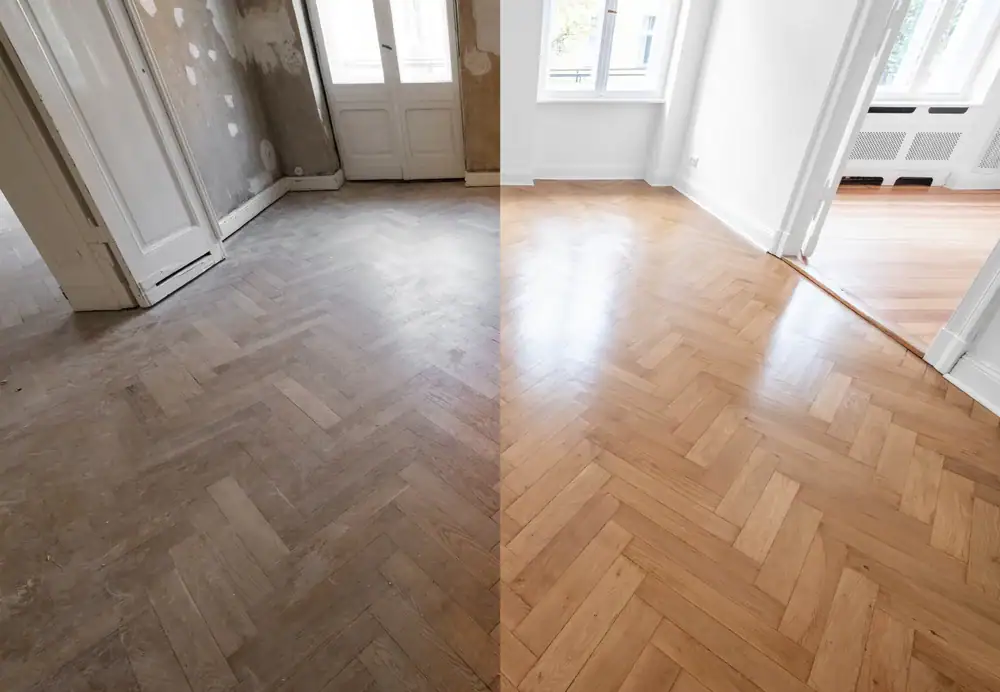
Your Floors Can Look New Again Without Replacement
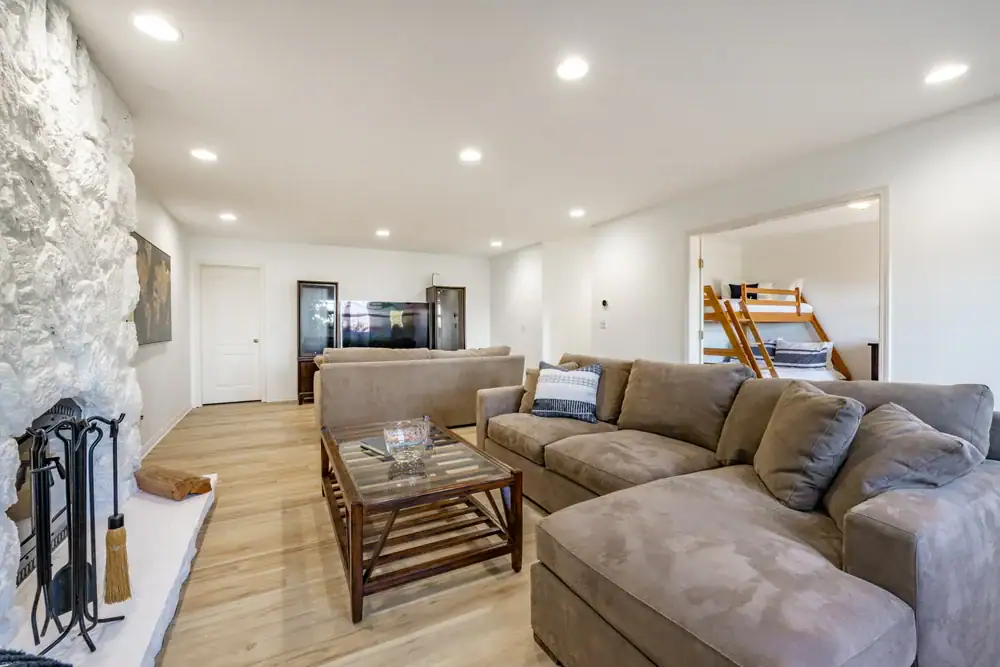
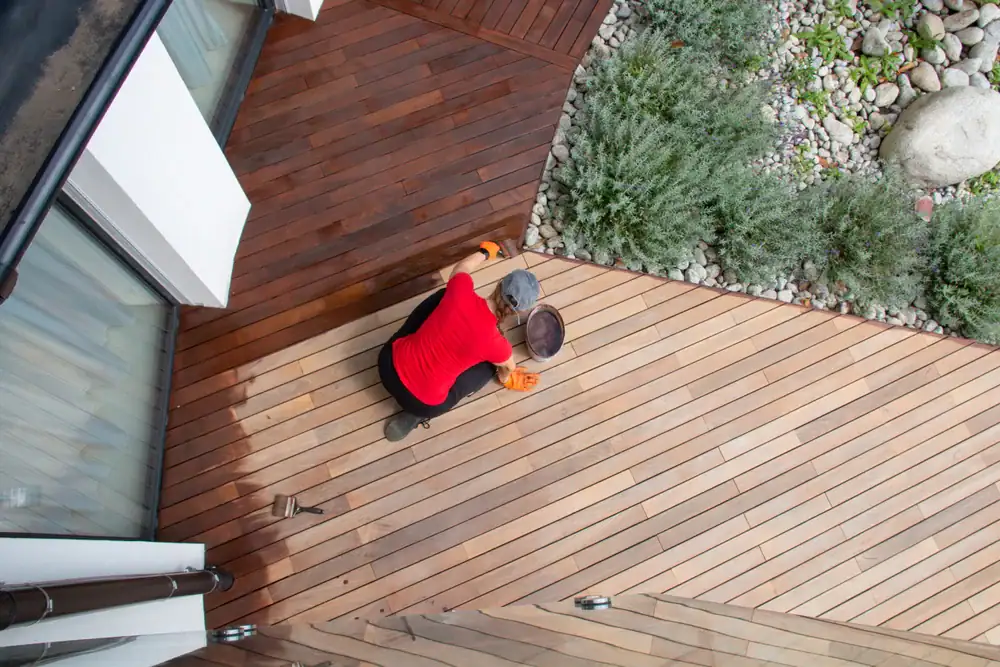
Hardwood Flooring Service in Glenbrook Hills
You’ll walk into rooms that feel completely different. The scratches from your dog are gone. The dull, worn-down traffic patterns disappear. What you’re left with is a smooth, even finish that catches light the way it did when your floors were first installed.
Your home value goes up. Not in some abstract, hard-to-measure way—real estate agents and appraisers consistently rank well-maintained hardwood as one of the top features buyers look for. You’re also extending the life of your floors by decades, which means you’re not dealing with this again anytime soon.
And here’s what matters day-to-day: your floors are easier to clean. No more dirt getting trapped in scratches or uneven surfaces. No more worrying about spills soaking in. Just a sealed, protected surface that handles normal life without falling apart.
Hardwood Flooring Company Serving Glenbrook Hills
We’ve worked on wood floors across the Richmond area since the early 2000s. We know what Virginia’s humidity does to hardwood. We know how floors in Glenbrook Hills age differently than floors in newer construction. We know what works and what doesn’t.
Most of our work comes from referrals. That’s not something we engineered—it’s just what happens when you show up on time, do the work right, and charge what you said you would. We’re not the cheapest option, and that’s intentional. You’re paying for equipment that actually removes dust, finishes that hold up, and someone who’s seen enough floors to know when something needs more attention.
If you’re in Glenbrook Hills and your floors are showing wear, we’ve probably worked on a house near you. This isn’t new territory for us.
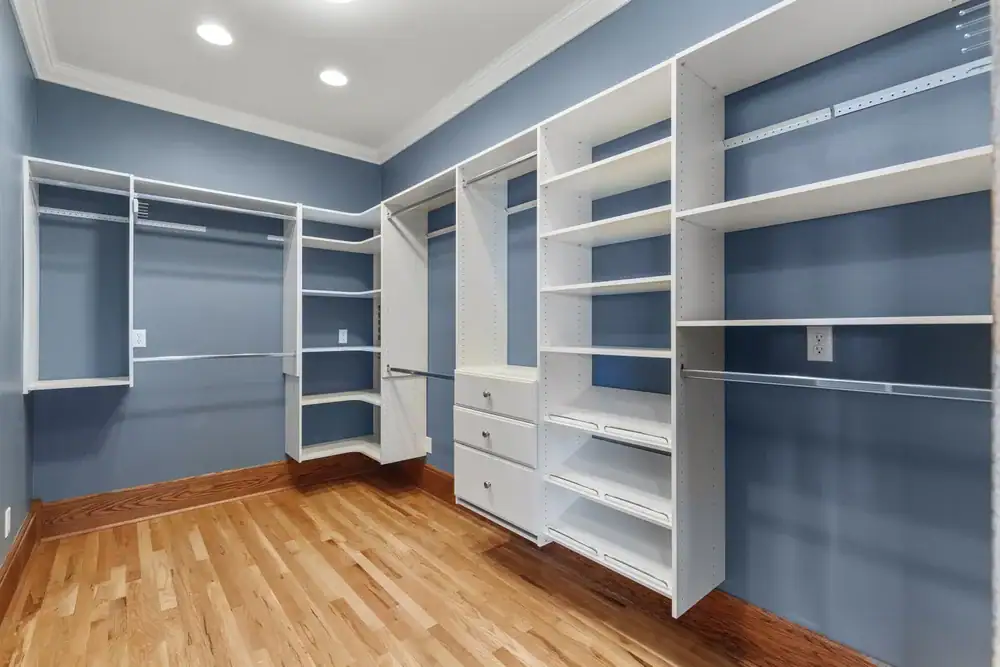
Wood Floor Installation and Refinishing Process
First, we move furniture out of the way or work with you to stage the room so we can access the entire floor. Then we inspect for any boards that need repair—loose planks, gaps, or areas where moisture caused damage. If something needs fixing, we handle it before we touch the surface.
Next comes sanding. We use dustless equipment that captures about 80% of the particles, so you’re not dealing with a layer of dust on everything you own. We go through multiple grits to get the surface completely smooth and even. This is where experience matters—you can tell when someone doesn’t know how to handle transitions between rooms or corners.
After sanding, we apply the finish. Depending on what you want and what your floors can handle, that might be polyurethane, oil-based, or water-based. We let it cure properly—rushing this step is how you end up with soft spots or uneven sheen. Most jobs are done in a day, and you can walk on them within 24 hours.
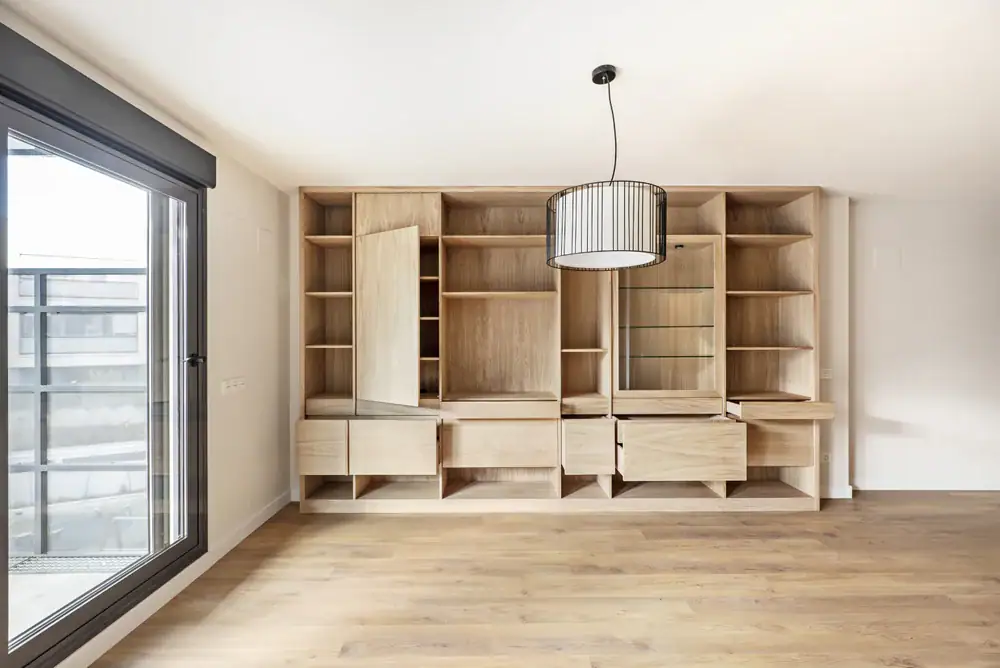
Solid Hardwood Flooring Services in Glenbrook Hills
You’re getting a full assessment before we start. That means we’re checking moisture levels, looking for subfloor issues, and making sure your floors can actually be refinished. Not all engineered wood can be sanded—if yours can’t, we’ll tell you up front instead of halfway through the job.
We handle repairs as part of the process. If you’ve got boards that are cupping from humidity or gaps that opened up during winter, we address those. Virginia’s climate is tough on hardwood. Glenbrook Hills sees plenty of moisture in summer and dry air in winter, and that cycle takes a toll. We’ve worked with enough local floors to know what holds up.
You also get options on finish. Matte finishes are trending right now because they hide dust and wear better than gloss, but if you want something different, we’ll walk through what makes sense for your space. We’re not pushing products—we’re helping you make a decision that fits how you actually use your home.
How much does it cost to refinish hardwood floors in Glenbrook Hills?
Most refinishing jobs run around $1.50 per square foot, but that depends on the condition of your floors and what needs to be done before we sand. If you’ve got significant water damage or boards that need replacing, that adds to the cost. A typical living room and hallway might run $800 to $1,200.
Compare that to replacement, which starts around $8 per square foot and goes up from there. You’re looking at thousands more, plus the hassle of tearing out old flooring and dealing with installation mess. Refinishing makes sense when your floors still have life left—and most solid hardwood does, even if it looks rough right now.
We give you a quote after seeing the floors in person. Photos don’t tell the whole story, and we’re not going to lowball a number just to get you on the schedule.
Can engineered hardwood floors be refinished, or only solid wood?
It depends on how thick the top layer is. Solid hardwood can be sanded multiple times over its life because it’s real wood all the way through. Engineered wood has a thin veneer on top of plywood, and once you sand through that veneer, you’re done.
Most engineered floors can handle one, maybe two refinishes if the veneer is thick enough—usually at least 3mm. Anything thinner and you’re risking sanding through to the plywood, which ruins the floor. We measure before we start, and if your floors can’t be refinished, we’ll tell you that instead of taking your money and doing a bad job.
Some engineered floors are better candidates for a buff and coat, which doesn’t involve heavy sanding. We just scuff the surface lightly and apply a new topcoat. That works if your floors aren’t deeply scratched and you’re just looking to freshen them up.
How long does the refinishing process take, and when can I use the room again?
Most jobs are done in one day. Sanding takes a few hours depending on square footage, and applying finish takes another few hours. Then it needs to cure. You can walk on the floors in socks after about 24 hours, but we recommend waiting 48 hours before moving furniture back.
Full cure time is longer—about a week before the finish is completely hardened. During that time, avoid dragging heavy furniture or putting rugs down. You won’t hurt anything by walking on it, but you want to give the finish time to fully set before you put it under real stress.
If you need the room usable faster, water-based finishes dry quicker than oil-based. The trade-off is durability—oil-based finishes tend to hold up better over time. We’ll talk through what makes sense based on how soon you need the space back and how much traffic it gets.
Will refinishing hardwood floors create a lot of dust in my home?
Not with the equipment we use. Dustless sanding systems capture around 80% of the dust at the source, so you’re not dealing with a fine layer of sawdust on every surface in your house. The other 20% is manageable—we seal off the work area and clean up before we leave.
Old-school sanding creates a mess. Dust gets into vents, settles on furniture, and lingers in the air for days. That’s why we invested in better equipment. It costs more upfront, but it’s worth it for everyone involved. You’re not spending a week cleaning after we’re done.
There’s still some dust. It’s impossible to eliminate completely. But if you’ve heard horror stories about refinishing projects that left entire homes covered, that’s not what you’re getting with modern dustless systems. It’s a different process.
What's the difference between refinishing and a buff and coat?
Refinishing means sanding down to bare wood and starting over. You’re removing the old finish completely, smoothing out scratches and damage, and applying new coats from scratch. That’s what you need if your floors are heavily worn, discolored, or damaged.
A buff and coat is lighter. We scuff up the existing finish just enough for a new topcoat to bond, then apply a fresh layer of polyurethane. This works if your floors are in decent shape but starting to look dull or showing minor wear. It’s faster, cheaper, and less invasive—usually done in a few hours with minimal dust.
The catch is that buff and coat only works if the existing finish is still intact. If you’ve got deep scratches that go through to the wood, or if the finish is peeling, you need a full refinish. We assess which option makes sense when we look at your floors.
How do I know if my hardwood floors can be saved or need replacing?
If the boards are structurally sound—not rotted, severely warped, or separating from the subfloor—they can almost always be refinished. Surface damage like scratches, dullness, or discoloration is cosmetic. Sanding removes that and gets you back to clean wood.
The problems that require replacement are usually moisture-related. If water sat on your floors long enough to cause rot, or if the subfloor underneath is damaged, refinishing won’t fix that. Same with floors that have been sanded too many times—if there’s not enough wood left to sand again, you’re out of options.
We check for soft spots, measure the thickness of the wood, and look for signs of structural issues before we commit to refinishing. If your floors need to be replaced, we’ll tell you. But most of the time, even floors that look beyond saving can be brought back with the right process.
Other Services we provide in Glenbrook Hills