
Wood Floor Refinishing in Westbriar, VA
Your Floors Can Look New Again—Without the Mess
Hardwood Floor Refinishing Westbriar Homeowners Trust
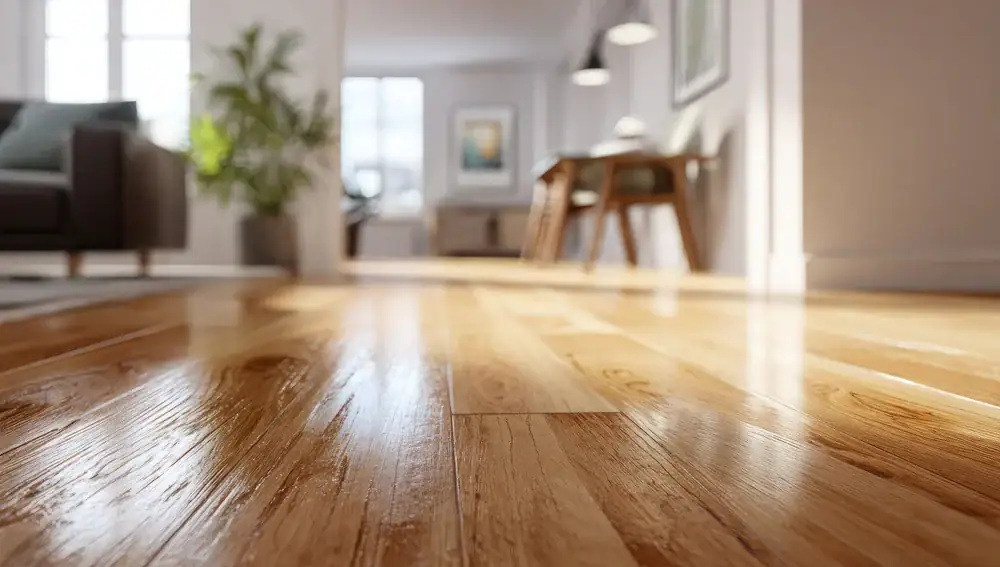
You walk back into a room that feels bigger, brighter, cleaner. The scratches from moving furniture three years ago are gone. The dull spots near the windows where sunlight wore down the finish—smooth and even now.
Your floors aren’t just refinished. They’re sealed, protected, and ready for another decade of real life.
And because the process is dustless, you’re not spending the next week wiping down baseboards or finding sawdust in your kitchen drawers. Most jobs wrap in a single day. You’re back to normal faster than you’d expect, with floors that actually add value when it’s time to sell. According to the National Association of Realtors, hardwood restoration returns about 147% of what you spend. That’s real money back in your pocket, not just curb appeal.
Experienced Wood Floor Refinishing in Westbriar
We’ve been working in Westbriar and the greater Richmond area since the early 2000s. Most of our work comes from referrals—over 80% of it—which tells you something about how people feel after the job’s done.
We’re not the cheapest option, and that’s intentional. You’re paying for equipment that doesn’t coat your home in dust, finishes that hold up to Virginia’s humidity, and someone who shows up when they say they will. Westbriar homes were built solid—many in the 1960s and 70s—and the floors in them deserve more than a quick sand and a coat of whatever’s on sale.
We’re licensed, insured, and we’ve seen just about every floor issue this climate can throw at hardwood.
Our Wood Floor Sanding and Refinishing Process
First, we come out to look at your floors in person. Not every floor needs a full sand. Sometimes a buff and coat is enough—that’s where we lightly abrade the existing finish and apply a fresh topcoat. It’s faster, cheaper, and still makes a big difference if the wood itself is in good shape.
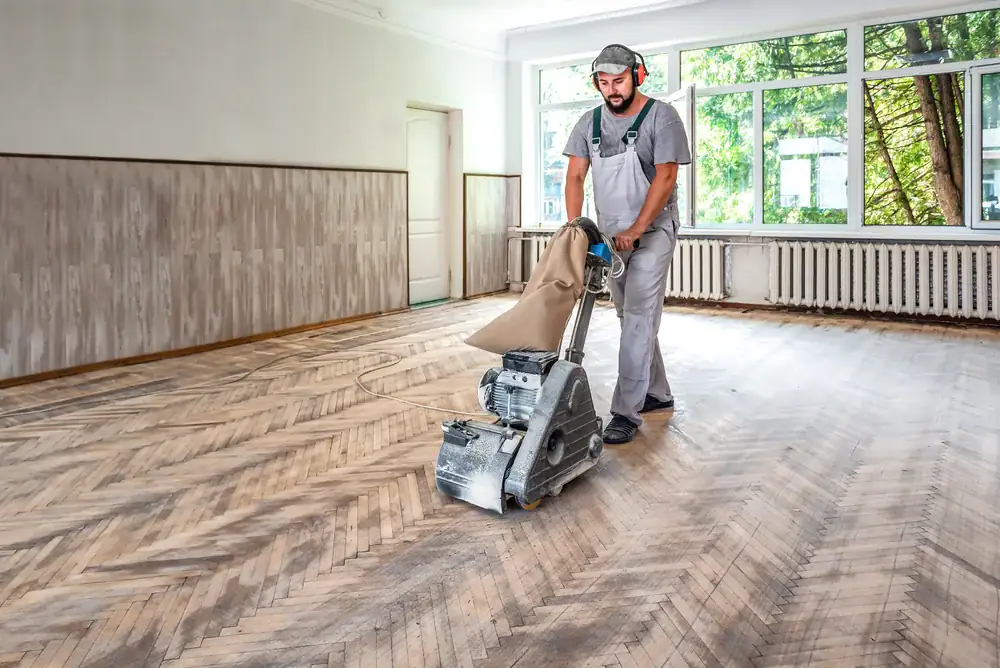
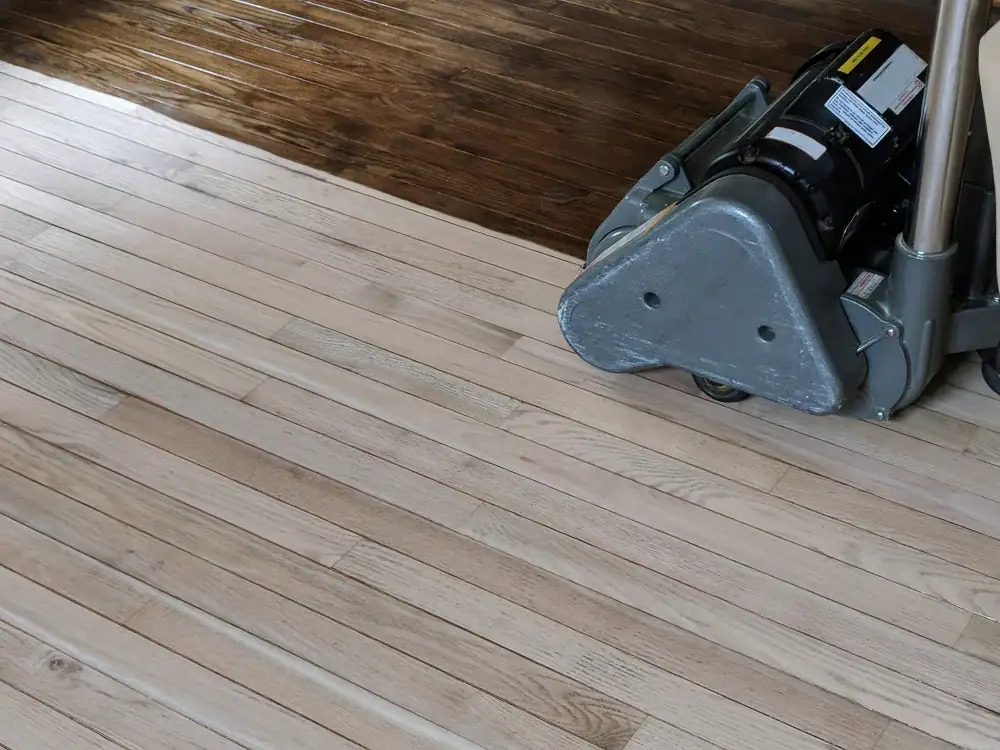
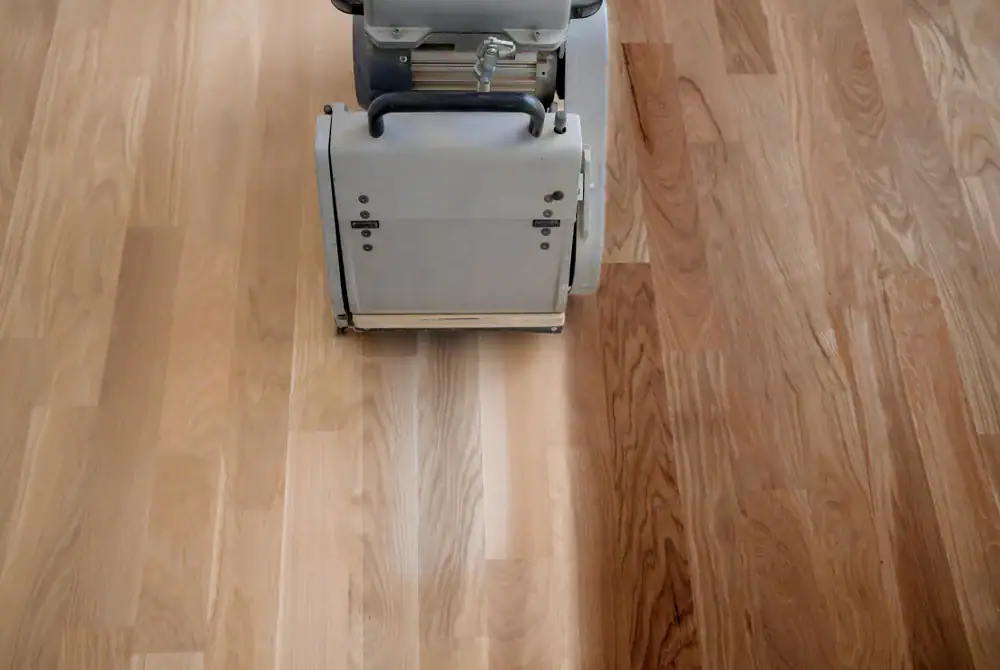
If your floors need more, we’ll do a full refinishing. That means sanding down to bare wood using our dustless system, which connects directly to a vacuum setup that catches about 99% of the dust. You’re not living in a construction zone.
After sanding, we apply stain if you want to change the color or go back to natural if you prefer. Then comes the finish—usually a low-VOC polyurethane that’s durable and safe for your indoor air. We let it cure properly, and you’re walking on it within 24 to 48 hours depending on the product. The whole process typically takes one day for most homes, though larger spaces or custom work might stretch into two.
Hardwood Restoration Services for Westbriar Homes
You get an honest assessment before anything starts. If your engineered wood only has a thin wear layer, we’ll tell you it’s not sandable and save you the money. If your solid hardwood is cupped from moisture, we’ll explain what needs to happen before refinishing makes sense.
The actual work includes furniture moving for smaller pieces, floor prep, sanding or buffing depending on condition, stain application if requested, and finish coats with proper dry time in between. We use commercial-grade equipment that’s maintained regularly, and low-VOC products that won’t leave your house smelling like a chemical plant for weeks.
Westbriar’s housing stock skews older, and older homes come with quirks—uneven subfloors, previous DIY jobs, water damage near old windows. We’ve handled all of it. Richmond’s humidity is tough on hardwood. Wood expands in summer, contracts in winter, and that cycle shows up as gaps or crowning if the floors weren’t installed or finished correctly the first time. We account for that in how we prep and seal your floors so they move with the seasons instead of fighting them.
How do I know if my floors need refinishing or just a buff and coat?
It comes down to how deep the damage goes. If you’ve got surface scratches, light wear, or dullness but the wood itself isn’t exposed, a buff and coat usually does the job. That’s where we scuff up the existing finish so a new coat bonds properly, then apply fresh polyurethane. It’s faster and costs less—typically between $1 and $2.50 per square foot.
If you’re seeing bare wood, deep scratches that catch your fingernail, water stains that have soaked into the grain, or uneven color where the finish has worn through completely, you need a full refinishing. That means sanding down to raw wood and starting over. It’s more involved, but it’s the only way to fix damage that’s deeper than the finish layer.
Not sure which one you need? We’ll come look at it. There’s no point in overselling a full refinish if your floors don’t need it, and there’s no point in doing a buff and coat if the damage is too far gone. We’d rather tell you the truth up front than have you call us back in six months because the cheaper option didn’t hold up.
Can you refinish engineered hardwood floors, or only solid wood?
It depends on the wear layer. Engineered wood is real hardwood on top with plywood layers underneath, and the top layer is what determines whether you can sand it. If that wear layer is 4mm or thicker, you can usually refinish it at least once, sometimes twice. Anything thinner than 3mm and you’re risking sanding through to the plywood, which ruins the floor.
A lot of engineered floors installed in the last 20 years have wear layers around 2mm to 3mm. Those are too thin for traditional sanding, but they might be candidates for a very light buff and coat if the finish is worn but the wood isn’t damaged. We measure before we commit to anything.
Solid hardwood is more forgiving. You’ve got three-quarters of an inch of wood to work with, so even if it’s been refinished a few times already, there’s usually enough material left for another round. Westbriar has a mix of both—older homes tend to have solid oak or maple, while newer builds and renovations often went with engineered. We’ll tell you what you’re working with and what your options are after we take a look.
How long does the refinishing process take, and when can I walk on the floors?
Most residential jobs are done in one day. We’re talking sanding, staining if you want it, and the first coat of finish. Larger homes or commercial spaces might stretch into a second day, but the actual work moves quickly because we’re not stopping to clean up dust every 20 minutes.
The finish needs time to cure before you’re walking on it normally. With water-based polyurethane, you can walk in socks after about 6 to 8 hours. You’re waiting 24 hours before putting furniture back, and a full week before area rugs go down. Oil-based finishes take longer—24 hours before light foot traffic, 48 to 72 before furniture, and a full two weeks before rugs. Oil-based is more durable and gives you that warm amber tone, but it requires more patience.
We’ll give you specific instructions based on what product we use. The curing process matters. If you rush it and put a heavy couch on floors that aren’t fully hardened, you’ll end up with dents or marks that could have been avoided by waiting another day.
What's the difference between refinishing and replacing, and how much does each cost?
Refinishing costs a fraction of replacement. A full refinishing job typically runs between $3 and $5 per square foot depending on the condition and size of the space. A 500-square-foot living room is somewhere around $1,500 to $2,500. Replacement starts closer to $8 to $15 per square foot when you factor in demo, disposal, new materials, and installation. That same living room could easily hit $6,000 or more.
Refinishing also keeps the floors you already have, which matters if your home has original hardwood with character you can’t replicate. Replacement makes sense if the wood is rotted, structurally damaged, or if you’re dealing with cheap laminate that was never real wood to begin with. But if your hardwood is solid and the damage is cosmetic, refinishing is the smarter move financially and practically.
There’s also the mess factor. Replacing floors means tearing out baseboards, dealing with subfloor issues, and living in chaos for a week or more. Refinishing is dustless and done faster. You’re back to normal life in a day or two, not a month.
Will refinishing really add value to my home, or is that just marketing?
It adds real value. The National Association of Realtors puts the return on investment for hardwood refinishing at around 147%, meaning if you spend $3,000, you’re likely adding about $4,400 to your home’s resale value. That’s one of the better ROI numbers in home improvement, better than most kitchen or bathroom updates.
But the value isn’t just in the appraisal. Buyers notice floors immediately. Walk into a home with dull, scratched hardwood and it reads as deferred maintenance. Walk into the same home with refinished floors and it feels move-in ready. That perception matters when you’re competing with other listings, especially in Westbriar where the housing market moves and buyers have options.
Even if you’re not selling anytime soon, refinishing resets the clock on your floors. You’re looking at another 10 to 15 years of life before they need attention again, assuming normal wear. That’s a decade of not worrying about it, which has its own value. You’re also making your home healthier—sealed floors don’t trap dust, allergens, and pet dander the way worn, cracked finishes do.
Do you move furniture, or do we need to clear the rooms first?
We’ll move smaller furniture like chairs, side tables, and lamps. Larger pieces like couches, beds, and dressers are on you, or we can coordinate with a moving company if that’s easier. The goal is to have the rooms as clear as possible before we start so we’re not working around obstacles or risking damage to your stuff.
If you’ve got area rugs, those need to come up. Same with floor vents and any transition strips between rooms that might get in the way. We’ll walk you through what needs to happen during the estimate so there aren’t surprises on the day we show up.
For furniture that’s too heavy or awkward to move out completely, we can work in sections. We’ll refinish half the room, let it dry, move everything to the finished side, then do the other half. It takes a little longer and requires more coordination, but it’s doable if moving everything out isn’t realistic. We’ve worked in occupied homes plenty of times—we know how to make it manageable.
Other Services we provide in Westbriar