
Wood Floor Refinishing in River Road Hills, VA
Your Floors Restored Without the Dust or Drama
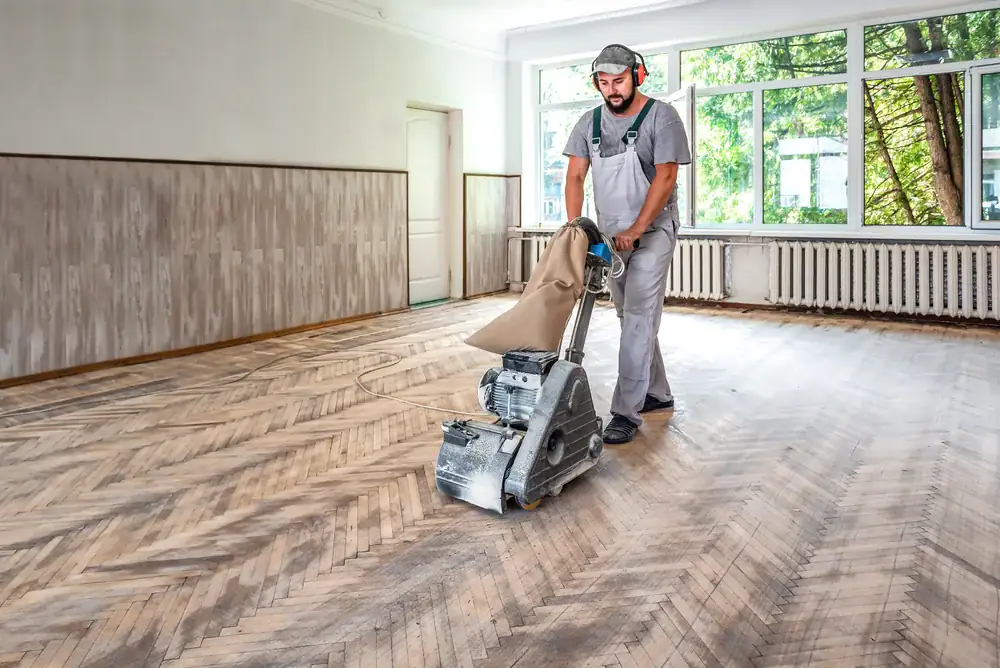
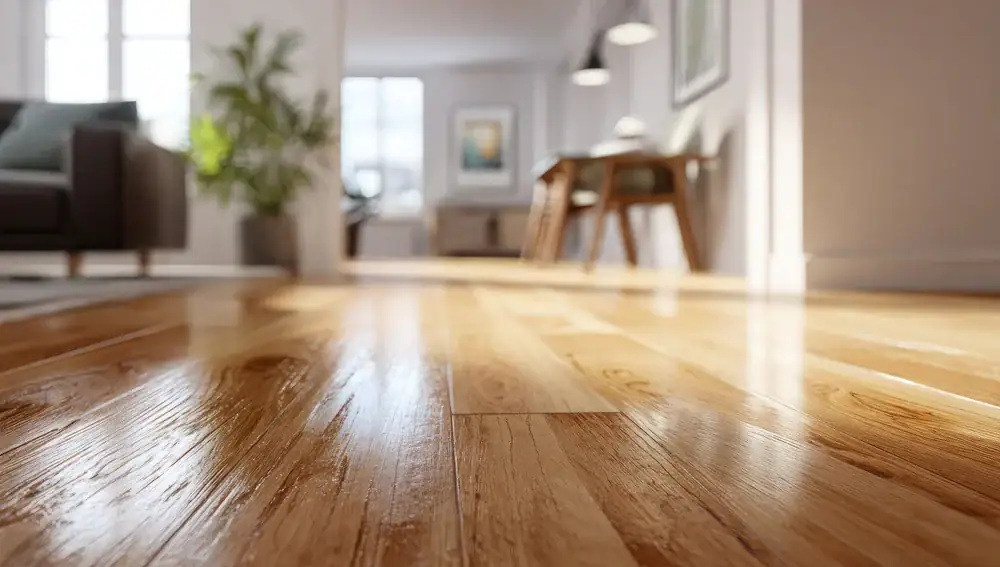
Hardwood Floor Refinishing River Road Hills
Your hardwood floors take a beating. Foot traffic, furniture moves, pets, sunlight – it all adds up. Eventually, the finish dulls, scratches show, and the wood starts looking tired.
Refinishing brings them back. Not just cosmetically, but structurally. A fresh protective coating means your floors resist moisture better, handle scratches without showing damage, and clean up easier when life gets messy.
Here’s what matters: refinished floors add measurable value to your home. The return on investment averages 147%, which means every dollar you spend comes back when you sell – plus about 50% more. But before that, you get to enjoy floors that actually look the way they’re supposed to.
The finish matters as much as the wood itself. When it’s worn through, you’re not just looking at cosmetic issues – you’re exposing the wood to moisture, dirt, and damage that gets harder to fix the longer you wait.
Wood Floor Sanding River Road Hills
We’ve been doing this for over 20 years throughout Virginia. That’s long enough to know what works, what doesn’t, and what homeowners in River Road Hills, VA actually care about when they’re making decisions about their floors.
Most of the homes we work on were built between 1970 and 1999. The floors in these homes have character, but they also have wear patterns that need real attention – not just a quick pass with a sander. We understand how these floors were installed, what finishes were used back then, and how to work with the wood you already have.
You’re not looking for the cheapest option. You’re looking for someone who shows up on time, does the work right, and leaves your home cleaner than most refinishing companies would. That’s what we do.
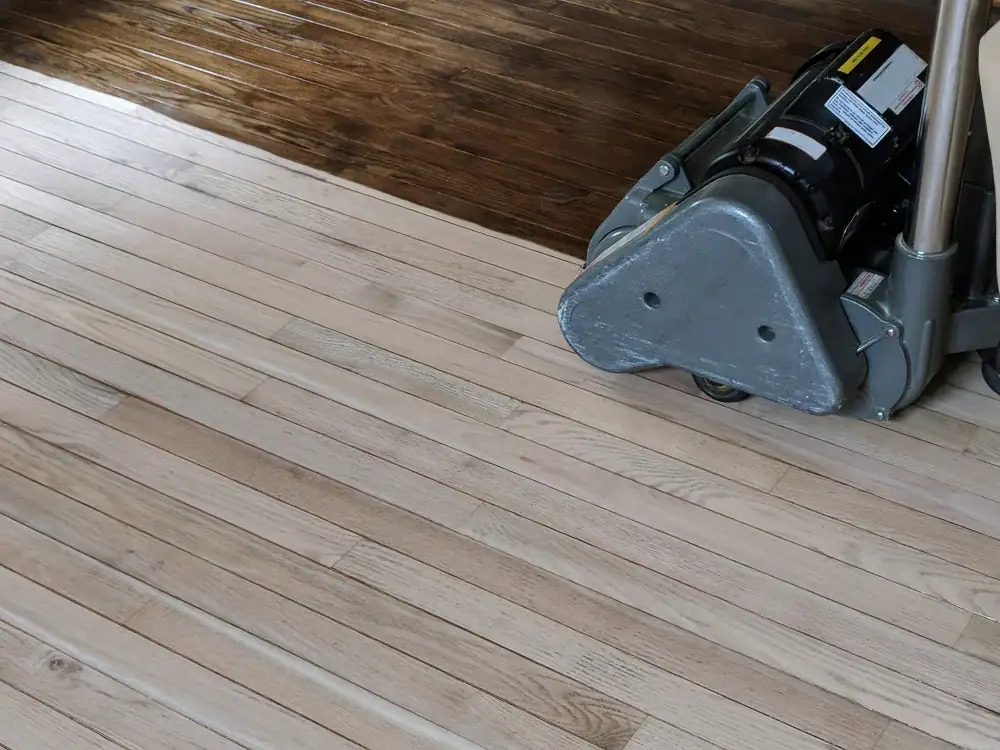
Hardwood Restoration Process River Road Hills
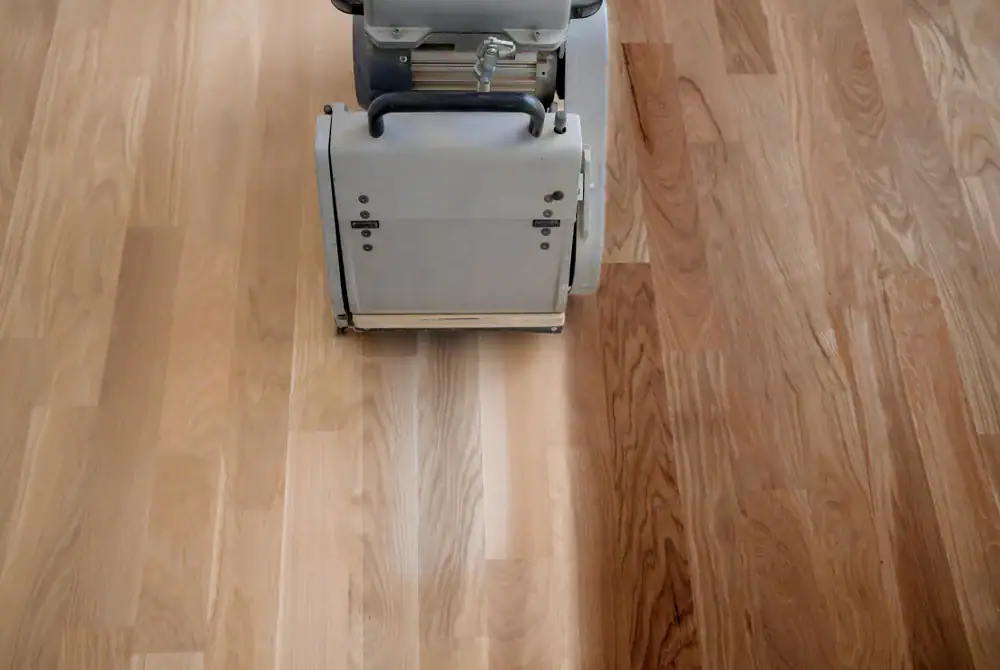
First, we move furniture out of the way and prep the space. Then comes sanding – we use dust-free equipment that captures up to 95% of the dust at the source. This isn’t just about keeping your house cleaner during the job. It’s about protecting your HVAC system, your lungs, and every other room in your home from fine wood particles.
After sanding, we inspect the floor for any damage that needs repair. Gaps, gouges, loose boards – we handle it before applying finish. Then we apply stain if you want to change the color, or go straight to the protective topcoat if you’re keeping the natural wood tone.
The finish we use depends on your lifestyle. High-traffic areas need harder finishes. Homes with pets benefit from specific formulations that resist scratches better. We’ll walk through options during the estimate, but the short version is this: modern finishes cure faster and hold up better than what was available even 10 years ago.
The whole process typically takes three to five days from start to finish. You’ll need to stay off the floors during that time, but once it’s cured, you’re looking at floors that should last another decade or more before they need attention again.
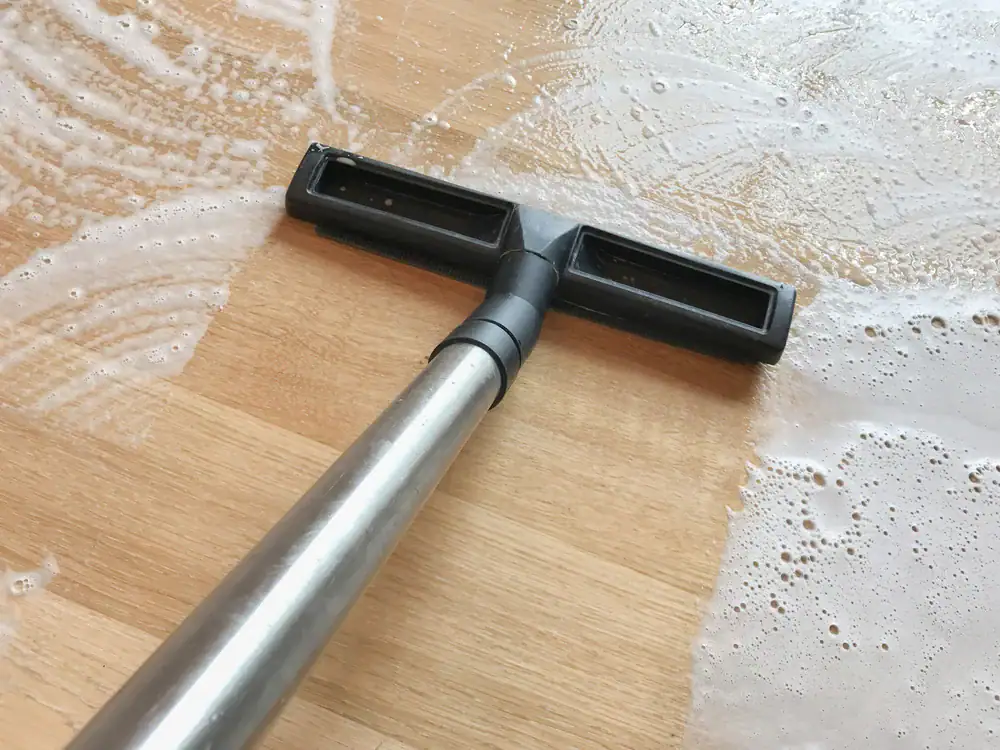
Buff and Coat Services River Road Hills
You get the full process: dust-free sanding with professional-grade equipment, thorough inspection and repair of any underlying issues, stain application if you’re changing color, and multiple coats of protective finish that’s actually designed for the way you use your floors.
We’re also realistic about what refinishing can and can’t do. If your floors are engineered wood with a thin veneer, refinishing might not be possible – or you might only be able to do it once. Solid hardwood can be refinished multiple times over its life. We’ll tell you what you’re working with during the estimate.
In River Road Hills, we see a lot of oak floors – both red and white oak. These sand beautifully and take stain well if you want to go lighter or darker. The trend right now is toward natural, lighter finishes with matte sheens. That’s a shift from the dark, glossy floors that were popular 15 years ago. Lighter floors show less dust, make rooms feel bigger, and they’re aging better style-wise.
The protective finish we apply isn’t just about looks. It’s a barrier against moisture, which matters in Virginia’s humid summers. It also makes cleaning easier – sealed floors don’t trap dirt the way worn finishes do.
How much does wood floor refinishing cost in River Road Hills?
Refinishing typically runs between $2 and $7 per square foot depending on the condition of your floors, the type of wood, and what finish you choose. That’s significantly less than replacement, which starts around $8 to $12 per square foot for decent materials and installation.
For a standard 1,000 square foot area, you’re looking at $2,000 to $7,000 for refinishing versus $8,000 to $15,000 for replacement. The math makes sense if your floors are in decent structural shape – meaning the boards aren’t rotted, the subfloor is solid, and you’re just dealing with surface wear.
The return on investment is real. Refinished hardwood floors return about 147% of what you spend when you sell. But even if you’re not selling anytime soon, you’re protecting an asset that’s already in your home. Letting floors deteriorate past the point where refinishing works means you’re stuck with full replacement costs down the road.
How long does the hardwood floor refinishing process take?
Plan on three to five days from the time we start sanding to the time you can put furniture back. The sanding itself takes a day, sometimes two if it’s a large area or the floors need extra passes to get level. Staining adds another day. Then the finish coats need time to cure.
Modern finishes cure faster than old-school polyurethane. Some can handle light foot traffic within 24 hours, but we recommend waiting at least 48 hours before walking on them and a full week before moving furniture back or putting rugs down.
The curing process continues for about 30 days even after the floor feels dry. During that month, the finish is hardening and reaching full durability. You can use the floors normally, but avoid harsh cleaners or anything that might scratch the surface while it’s still curing. After 30 days, your floors are fully cured and ready for whatever you throw at them.
Is dust-free sanding really dust-free, or is that just marketing?
It’s not 100% dust-free – that would be impossible. But it captures about 95% of the dust right at the sander, which is a massive difference from traditional methods. Old-school sanding sends fine wood particles into every corner of your house, into your HVAC system, and into your lungs.
Dust-free systems use a vacuum attachment that pulls dust into a containment unit as soon as it’s created. You’ll still see some dust in the immediate work area, but it won’t coat your kitchen counters or settle on furniture two rooms away. It also means we’re not exposing you or your family to wood dust, which is a respiratory irritant and has been linked to health issues with long-term exposure.
For homeowners in River Road Hills who are living in the house during the work, this matters. You’re not dealing with days of cleanup after we leave. You’re not worrying about dust getting into electronics or settling into fabrics. The job site stays cleaner, and so does the rest of your home.
Can engineered wood floors be refinished, or only solid hardwood?
Engineered wood can sometimes be refinished, but it depends on how thick the top veneer layer is. Most engineered flooring has a wear layer between 1mm and 6mm thick. If it’s on the thinner end, you might get one light refinishing out of it. If it’s thicker, you might be able to refinish it once or twice over the floor’s lifetime.
Solid hardwood, on the other hand, can be refinished multiple times – usually five to seven times before you run out of wood to sand. That’s because the entire plank is solid wood, so you’re not worried about sanding through to a plywood core.
We can tell you during the estimate whether your floors are solid or engineered and whether refinishing makes sense. If your engineered floors are already showing wear but the veneer is too thin to sand, a buff and coat might work instead. That’s a lighter process that scuffs the existing finish and adds a fresh topcoat without removing much material. It extends the life of the floor without the risk of sanding through the veneer.
Should I refinish my floors before selling or just leave them?
If your floors look worn, refinishing them before listing makes financial sense. Buyers notice floors immediately, and tired-looking hardwood drags down their perception of the entire house. Refinished floors photograph better, show better during walkthroughs, and signal that the home has been maintained.
The ROI on refinishing is 147%, which means you’re likely to recoup your investment and then some in the sale price. But beyond the numbers, refinished floors often mean fewer negotiation points during inspection and less chance of buyers asking for credits or price reductions.
If your floors are in decent shape – just some light scratching but the finish is still intact – you might skip refinishing and let the buyer handle it. But if the finish is worn through in high-traffic areas, if there are visible stains, or if the wood looks dull and grey, refinishing before you list is worth the investment. In River Road Hills where home values are high and buyers expect quality, floors matter more than in markets where cosmetics take a back seat to price.
What's the difference between refinishing and a buff and coat?
Refinishing means sanding down to bare wood and starting over. Buff and coat means lightly scuffing the existing finish and adding a fresh topcoat. Refinishing is what you do when the finish is worn through or you want to change the color. Buff and coat is what you do when the finish is intact but just looking dull or lightly scratched.
A buff and coat costs less – usually 50% to 70% less than full refinishing – and takes less time. It’s a maintenance step that extends the life of your floors between full refinishing jobs. If you stay on top of it, you can go 10 to 15 years between full refinishes instead of needing one every 7 to 10 years.
The catch is that buff and coat only works if the existing finish is still bonded to the wood. If the finish is peeling, flaking, or worn through to bare wood in spots, you need a full refinish. We’ll assess your floors and tell you which option makes sense. Sometimes a buff and coat buys you a few more years before you need to commit to a full refinish, which helps if budget or timing isn’t ideal right now.
Other Services we provide in River Road Hills