
Wood Floor Refinishing in Midlothian, VA
Your Floors Restored Without the Dust or Drama
Hardwood Floor Refinishing Midlothian Homeowners Trust
Your hardwood floors take a beating from Richmond’s humidity swings. Summers make them swell and expand. Winter heating pulls moisture out, causing gaps and shrinkage. Over time, that constant movement shows up as scratches, dullness, and uneven wear that no amount of cleaning fixes.
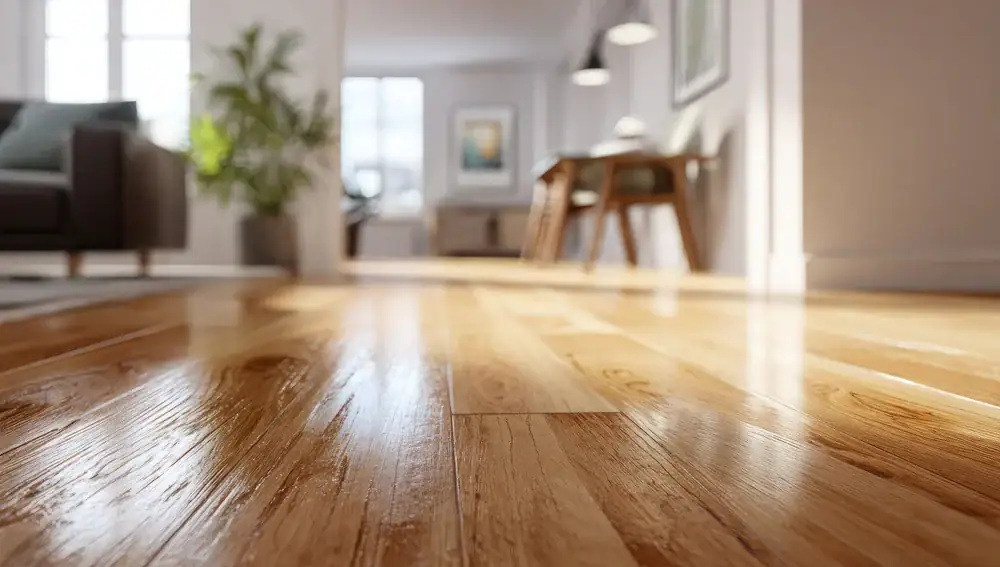
Professional wood floor refinishing brings back the original beauty you remember. The warm glow returns. Scratches disappear. The grain pattern comes alive again. You’re not covering up damage or living with floors that look tired—you’re restoring what’s already there.
Most Midlothian homeowners see a return of $5,000 or more in home value from refinishing. That’s a 147% return on investment when you sell. But before any of that, you get to walk on floors that feel like new every single day. That’s the real payoff.
Midlothian's Wood Floor Restoration Specialists
We’ve been serving Midlothian, Chesterfield County, and the greater Richmond area for over 20 years. David Emmerling leads our team, and we understand what Virginia’s humidity does to hardwood—and more importantly, how to work with it instead of against it.
We’ve refinished floors in historic Richmond homes with original Heart Pine. We’ve restored modern engineered floors in newer Midlothian developments. Every project teaches us something about how different wood species react to this region’s climate, and that knowledge goes into every job we take on.
You’re not getting a national franchise following a script. You’re getting local contractors who’ve seen what works and what fails in Richmond’s conditions, and who show up with dustless equipment that keeps your home livable during the entire process.
Our Wood Floor Sanding and Refinishing Process
First, we inspect your floors to check moisture content and identify any boards that need repair. In Richmond’s climate, moisture readings should sit between 6-12% for most hardwood species. Anything outside that range means we need to address the source before refinishing, or the work won’t last.
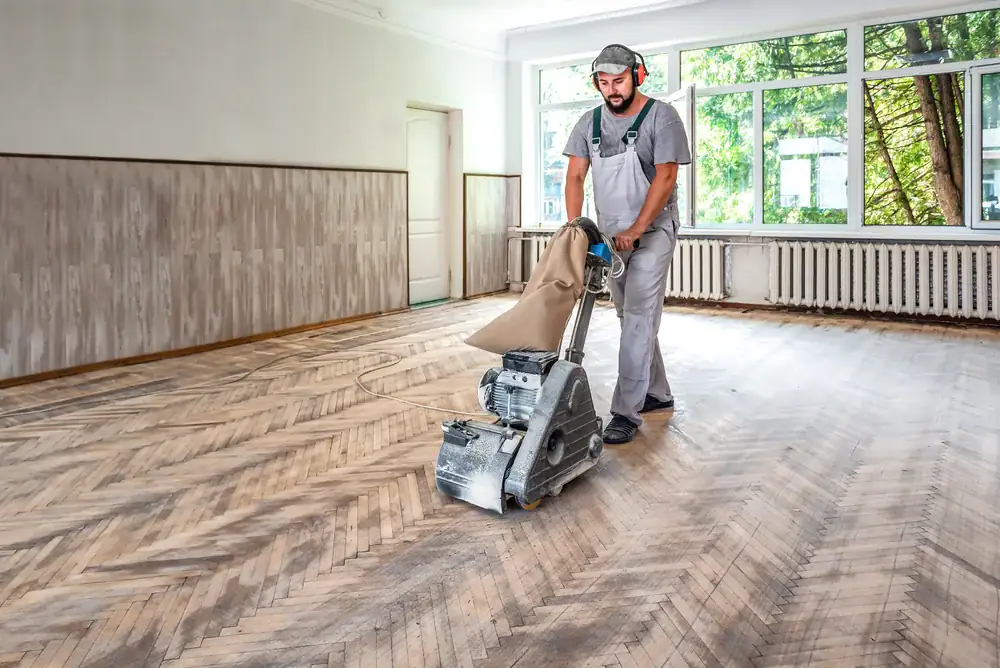
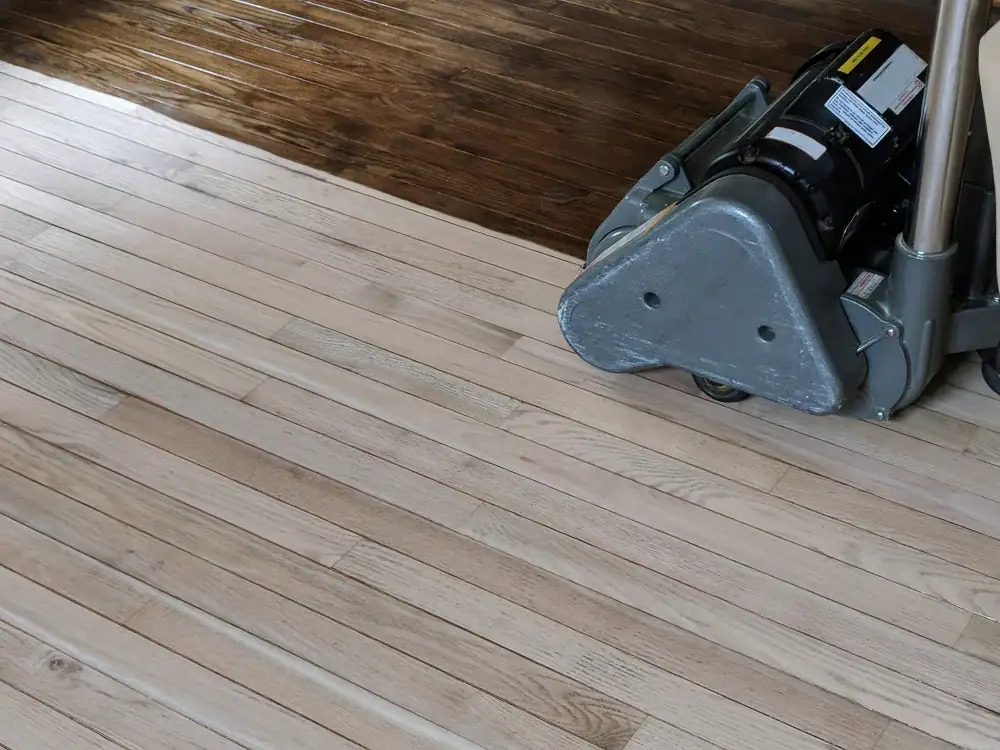
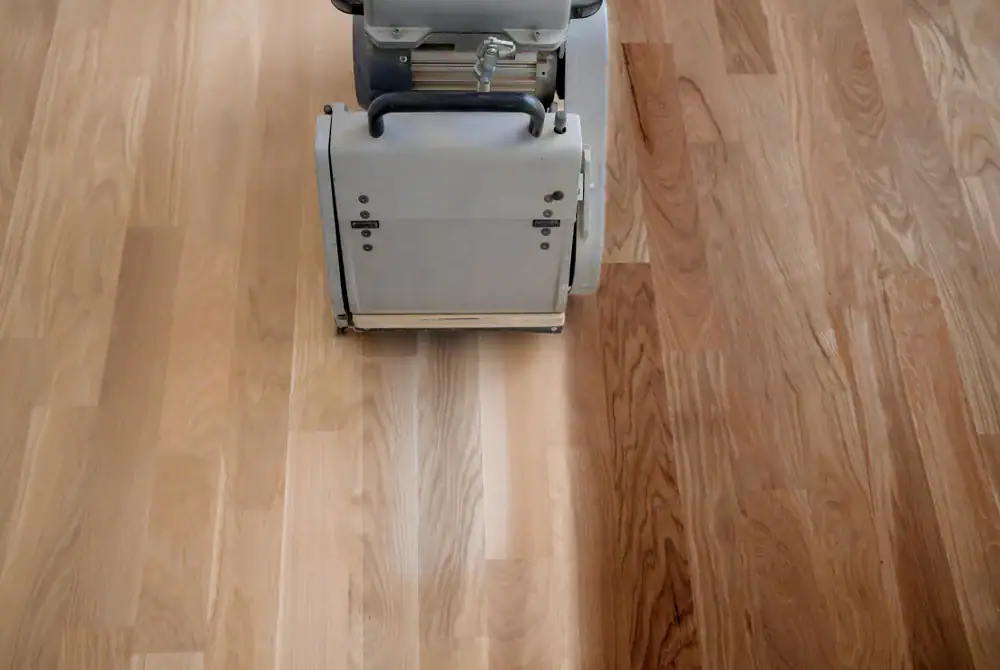
Next comes sanding. We use dustless equipment that captures particles at the source—no dust settling on your furniture or floating through your vents. This is especially important for families dealing with allergies or anyone who doesn’t want to spend days cleaning after we leave. The sanding removes the old finish and surface damage, revealing fresh wood underneath.
After sanding, we apply stain if you’re changing color, then finish with a protective topcoat. The products we use are chosen specifically for Virginia’s humidity levels. Some finishes handle moisture better than others, and we match the product to your wood species and home conditions.
Most projects finish in one day. You can walk on the floors within hours, and they’re fully cured within a week. No extended disruption, no moving out, no covering everything in plastic for days.
Hardwood Restoration Services for Midlothian Homes
Full hardwood floor refinishing includes sanding, stain application, and protective finish coats. We handle solid hardwood and engineered wood refinishing, adjusting our approach based on the thickness of your wear layer. Engineered floors can typically be refinished once or twice, while solid hardwood can be sanded multiple times over decades.
Buff and coat services work for floors that don’t need full sanding—just a fresh topcoat to restore shine and protection. This process costs less and takes less time, but only works if your existing finish is still in decent shape without deep scratches or stain damage.
We also repair individual damaged boards before refinishing. In older Midlothian homes, it’s common to find a few boards with water damage or deep gouges. Replacing those boards first means your finished floor looks uniform, not patchy. This is especially important with vintage Heart Pine flooring common in historic Richmond properties, which requires sourcing and matching techniques that most contractors don’t understand.
Richmond’s climate means your floors need finishes that flex with seasonal movement. We don’t use the same products everywhere—white oak handles moisture differently than red oak, and Heart Pine behaves differently than maple. Matching the finish to your specific wood species and home conditions is what makes refinishing last for years instead of months.
How much does hardwood floor refinishing cost in Midlothian, VA?
Most hardwood floor refinishing projects in the Richmond area run between $3,600 and $3,800 for an average-sized home. That breaks down to about $3 to $8 per square foot for traditional refinishing, or $5 to $8 per square foot for dustless refinishing.
Dustless costs slightly more because of the specialized equipment, but you’re paying for a cleaner process that doesn’t leave dust covering every surface in your home. For families with allergies or anyone who wants to avoid days of cleanup, that extra dollar or two per square foot is worth it.
If your floors need repair work first—replacing damaged boards, fixing gaps, addressing moisture issues—that adds to the cost. Individual board replacement runs $6 to $12 per square foot for the affected areas. But skipping necessary repairs just means your refinished floors won’t look right or last as long, so it’s not a corner worth cutting.
Can engineered hardwood floors be refinished, or only solid wood?
Engineered hardwood can be refinished, but it depends on the thickness of your wear layer. Most engineered floors have a thin layer of real hardwood on top of plywood. If that layer is thick enough—usually at least 3mm—you can sand and refinish it once or twice.
Thinner wear layers don’t leave enough wood to sand through without hitting the plywood underneath. In those cases, refinishing isn’t an option. We measure the wear layer during inspection to tell you whether refinishing will work for your specific floors.
Solid hardwood doesn’t have this limitation. You can refinish solid wood floors multiple times over their lifetime—sometimes five or six times depending on the thickness of the boards. That’s one reason solid hardwood is considered a long-term investment. You’re essentially buying one floor that can be transformed into several “new” floors over the decades you own your home.
What's the best time of year to refinish hardwood floors in Richmond?
Spring and fall are ideal for wood floor refinishing in Richmond because humidity levels are more stable. Summer humidity makes wood swell, and winter heating dries it out. Refinishing during extreme conditions means you’re locking in finish when the wood is at its most expanded or most contracted state.
That said, we refinish floors year-round by adjusting our process for seasonal conditions. In summer, we account for expansion. In winter, we work with the fact that boards have shrunk and may show small gaps. The key is understanding how your specific wood species reacts to Richmond’s climate and timing the work accordingly.
If you’re planning to sell your home, refinishing three to six months before listing gives you the best return. Buyers notice floors immediately, and fresh hardwood consistently helps homes sell faster and for more money in the Midlothian market. Waiting until right before listing can work, but you want the floors fully cured and looking their best when potential buyers walk through.
How long does the floor refinishing process take from start to finish?
Most residential wood floor refinishing projects take one to three days depending on square footage and the number of rooms. With modern dustless equipment, we often complete smaller projects in a single day. Larger homes or floors that need extensive repair work take longer.
Sanding usually takes four to six hours for an average room. Stain application adds another few hours if you’re changing color. Then we apply two to three coats of finish, with drying time between each coat. Water-based finishes dry faster than oil-based, which affects timeline.
You can walk on the floors in socks within a few hours of the final coat. Light furniture goes back after 24 hours. Full curing takes about a week, so we recommend waiting seven days before putting heavy furniture back or placing rugs down. Rushing this part risks marking the finish before it’s fully hardened, which means you’ll see those marks permanently.
Will refinishing create dust throughout my entire house?
Traditional floor sanding creates massive amounts of dust that gets everywhere—on furniture, in vents, on ceiling fans, inside cabinets. It’s one of the biggest complaints homeowners have about refinishing, and it’s why many people put off the project even when their floors desperately need it.
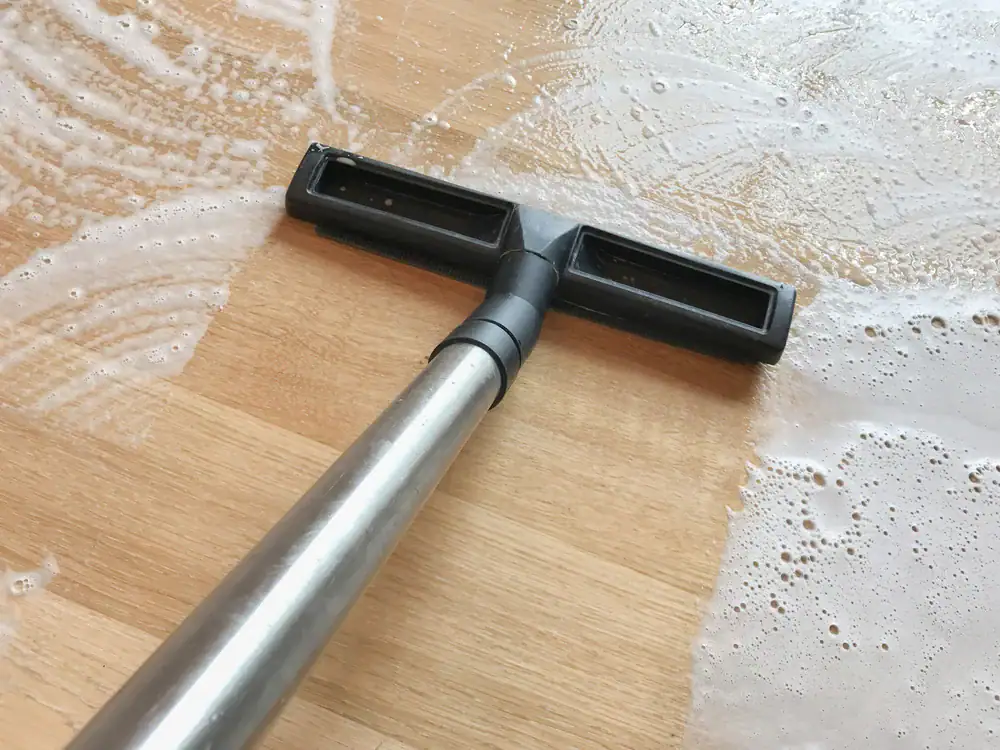
Dustless refinishing equipment changes that completely. The sander connects to a high-powered vacuum system that captures dust particles right at the source. You’ll see some fine dust in the immediate work area, but nothing like traditional methods. No dust floating through your air vents. No film covering everything in adjacent rooms.
For families with allergies, asthma, or anyone sensitive to dust, this makes refinishing possible without major health concerns. It also means you don’t spend days cleaning every surface in your home after we finish. The process is cleaner, faster, and far less disruptive than what most people expect from floor refinishing.
Do you work on historic Heart Pine floors in older Richmond homes?
Yes, and Heart Pine requires different techniques than modern oak or maple. This wood was harvested from old-growth forests over a century ago, and it’s denser and more resinous than today’s pine. Many contractors don’t understand these differences and can damage irreplaceable historic floors by treating them like standard hardwood.
Heart Pine sands differently because of its density. It accepts stain differently because of the resin content. The grain pattern is tighter, and the color variation between heartwood and sapwood is more pronounced. All of this affects how we approach sanding, stain selection, and finish application.
Older Richmond homes often have Heart Pine floors that have been covered with carpet for decades. Uncovering and restoring these floors adds significant value and character to historic properties, but only if the work is done correctly. We’ve restored Heart Pine in homes throughout Midlothian and the Fan District, and we understand the specific requirements these floors demand.
Other Services we provide in Midlothian