
Wood Floor Refinishing in Huguenot, VA
Floors That Look New Again Without Replacement Costs
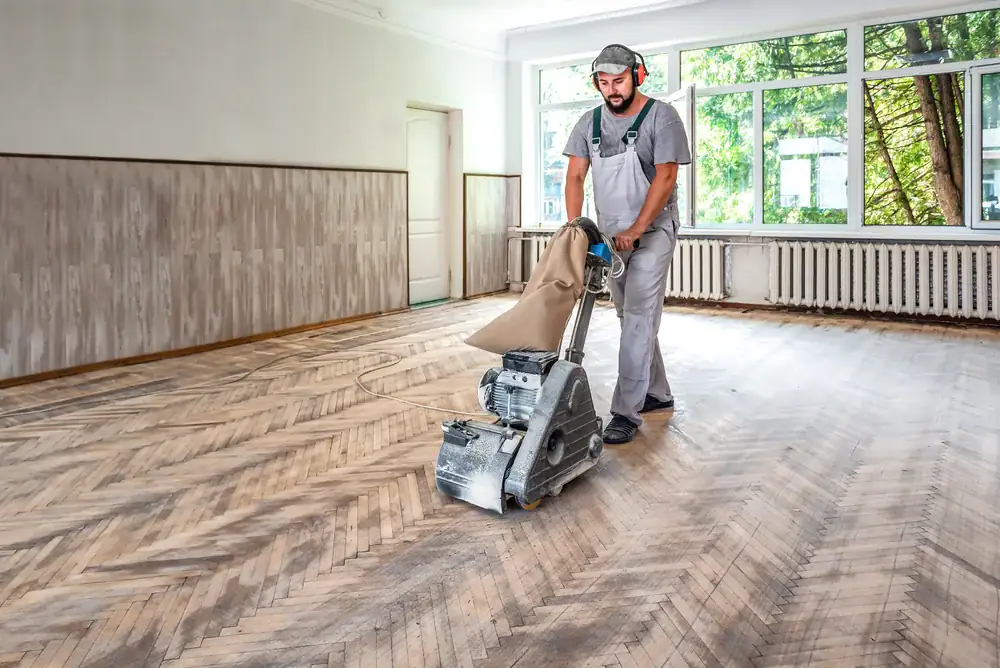
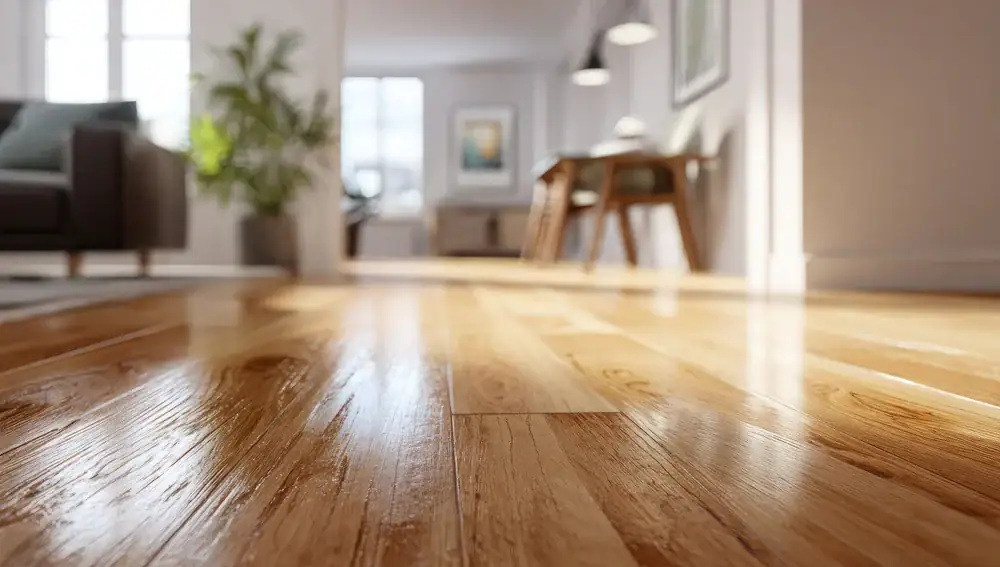
Hardwood Floor Refinishing Near Huguenot
You’re looking at floors that could last another 20-30 years, or you’re considering tearing them out and starting over. Most Huguenot homes built between the 1940s and 1970s have solid hardwood that’s been sanded maybe once, if at all.
That means there’s plenty of wood left. Professional hardwood floor refinishing removes the damaged surface layer, evens out scratches and dents, and applies a fresh finish that protects the wood underneath. The result is a floor that looks factory-new but costs $3-8 per square foot instead of $12-20 for replacement.
You also get a home that shows better if you’re selling. Hardwood floors return 70-80% of what you spend when it’s time to list. Buyers in Huguenot expect quality finishes in homes at this price point, and refinished floors signal that the house has been maintained. If you’re staying, you get a cleaner surface that doesn’t trap dust and allergens the way worn finishes do.
Wood Floor Sanding Experts Huguenot
We’ve been restoring hardwood floors across Virginia for over two decades. We’ve worked in hundreds of Huguenot homes, many with original Colonial Revival and ranch-style flooring from the 60s and 70s.
Most of our work comes from referrals. That happens when you show up on time, finish in the timeline you promised, and leave floors that actually look like the photos. We use dustless sanding systems that capture 95% of particles, which matters in occupied homes where you’re not trying to coat every surface in your house with fine wood dust.
We’re not the cheapest option in Richmond, and that’s intentional. You’re paying for equipment that works, techs who’ve done this enough times to know how different wood species respond, and finishes that hold up under real-world use in Huguenot’s climate.
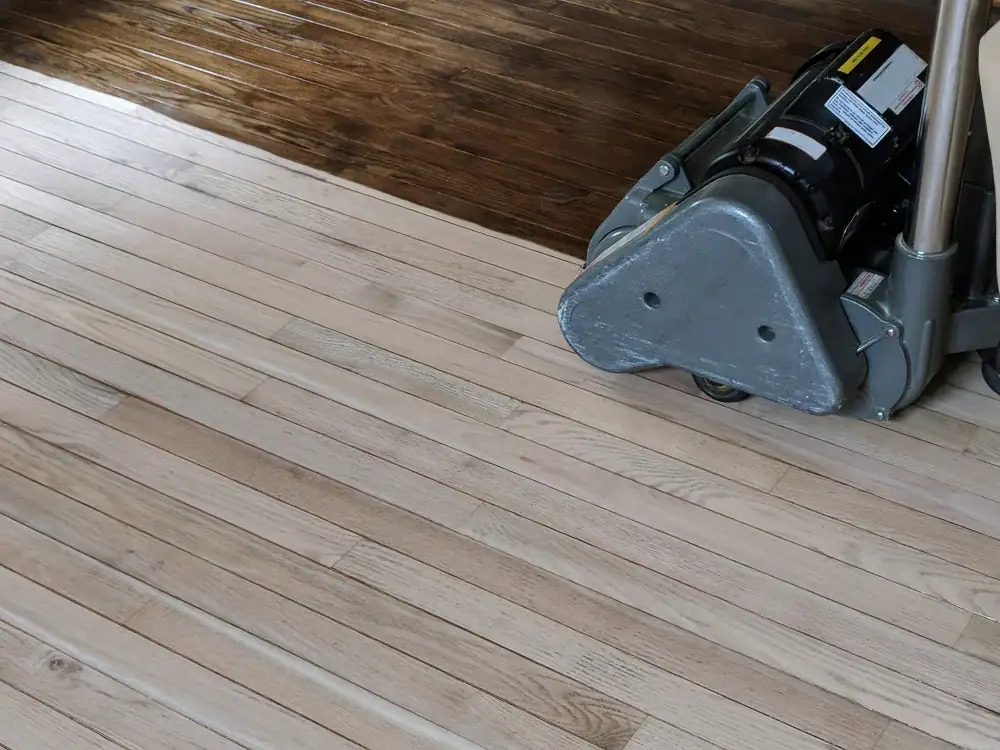
Our Hardwood Restoration Process Huguenot
We start with an in-home assessment to check your floor’s thickness and condition. If you’ve got solid hardwood with at least ¾ inch of wood above the tongue-and-groove, you’re good to refinish. Engineered wood with a thick wear layer can also be refinished, but thinner products can’t handle the sanding.
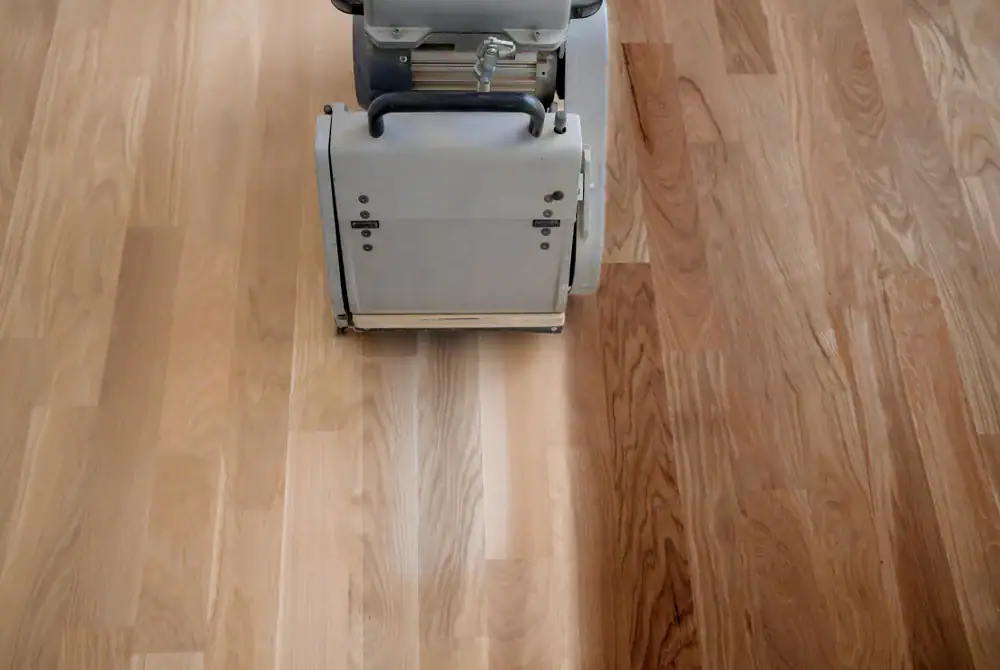
Once we’re on-site, furniture gets moved and floors get sanded in stages using progressively finer grits. Our dustless system connects directly to industrial vacuums, so you’re not dealing with dust settling on countertops or getting into HVAC systems. After sanding, we apply stain if you’re changing color, then seal everything with either oil-based polyurethane or water-based finish depending on your timeline and durability needs.
Most refinishing projects in Huguenot wrap up in one to two days. Oil-based finishes need 24 hours before light foot traffic and 3-4 days before furniture goes back. Water-based dries faster but costs slightly more. Either way, you’re walking on refinished floors within a week, not dealing with a multi-week installation like you would with new flooring.
Buff and Coat Services Huguenot
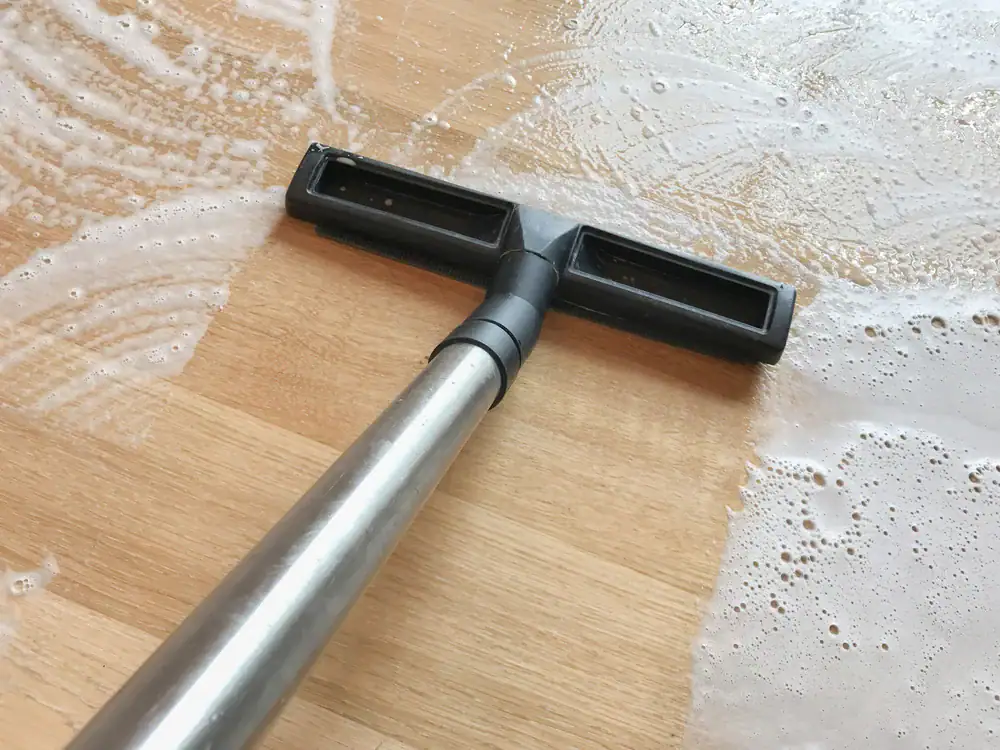
Full wood floor refinishing includes sanding, stain application if you want a color change, and finish coats that protect against daily wear. We also offer buff and coat services for floors that just need a fresh topcoat without full sanding. That works if your finish is worn but the wood underneath isn’t damaged.
In Huguenot’s established neighborhoods, we see a lot of red oak and some white oak original to the home. Both sand well and take stain evenly. The trend right now is moving away from the orange-toned finishes that were popular in the 80s and 90s toward natural, honey, or light brown tones that work with contemporary design but don’t look dated in a 1960s Colonial Revival.
We’re also seeing more requests for matte finishes instead of high-gloss. Matte hides scratches better, doesn’t show every footprint, and feels more current. It’s a smart choice if you’ve got kids, dogs, or just don’t want to be wiping down your floors constantly. The finish you choose affects maintenance as much as it does appearance, so we walk through options based on how you actually use the space.
How long does it take to refinish hardwood floors in a typical Huguenot home?
Most projects finish in one to two days depending on square footage and how many coats you’re applying. A 1,200 square foot main floor typically takes one full day for sanding and first coats, then a second day for final coats and drying time.
The bigger variable is cure time. Oil-based polyurethane needs 24 hours before you can walk on it in socks, and 3-4 days before furniture goes back. Water-based finishes dry faster—usually 6-8 hours between coats and 24 hours before normal use. If you’re on a tight timeline because you’re selling or moving, water-based makes sense even though it costs slightly more.
You don’t need to move out during the process, but you do need to stay off the floors while they’re drying. Most Huguenot homeowners schedule refinishing when they can stay upstairs or in another part of the house for a day or two.
Can you refinish engineered hardwood or only solid wood floors?
It depends on the wear layer thickness. Solid hardwood can be refinished multiple times because you’ve got ¾ inch or more of actual wood above the tongue. Engineered wood has a thin hardwood veneer over plywood, and that veneer determines whether refinishing is possible.
If your engineered floor has a wear layer of at least 3mm (about ⅛ inch), it can handle one or two refinishes. Anything thinner risks sanding through to the plywood, which ruins the floor. We measure during the assessment to confirm before starting any work.
Most engineered products installed in Huguenot homes in the last 10-15 years are on the thinner side and aren’t good candidates for refinishing. In those cases, a buff and coat can refresh the finish without removing wood, or replacement is the better long-term option. We’ll tell you straight which situation you’re in.
Is dustless sanding actually dustless or just less dusty?
It’s about 95% dust-free, not 100%. Our sanding equipment connects to HEPA-filtered vacuums that capture dust at the source before it becomes airborne. You’ll see some fine particles near baseboards or in corners where the sander can’t reach, but nothing like the dust cloud you’d get with traditional sanding.
The difference matters if you’re living in the house during the project. Traditional sanding puts dust in the air that settles on furniture, gets into vents, and takes days to fully clean. Dustless systems contain almost all of it, so you’re not wiping down every surface in your house afterward.
We still recommend covering furniture or moving it out of the room, and we seal off doorways with plastic to keep any stray dust from migrating. But you’re not dealing with the kind of mess that requires a full-house deep clean when we’re done.
How much does wood floor refinishing cost compared to replacing the floors?
Refinishing typically runs $3-8 per square foot depending on the condition of your floors and the finish you choose. Replacement costs $12-20 per square foot or more for quality hardwood, plus disposal of the old flooring. For a 1,000 square foot area, you’re looking at $3,000-8,000 to refinish versus $12,000-20,000 to replace.
The math makes refinishing the obvious choice if your floors are in decent shape. You’re keeping the solid wood that’s already there, which in many Huguenot homes is higher quality than what you’d buy new today. Old-growth oak is denser and more stable than most modern hardwood.
Replacement makes sense if the floor is structurally damaged, has deep water stains that won’t sand out, or has been refinished so many times there’s not enough wood left. We’ll measure and let you know where you stand before you make a decision.
What's the difference between oil-based and water-based polyurethane finishes?
Oil-based polyurethane is more durable and adds a slight amber warmth to the wood. It takes longer to dry—24 hours between coats and several days to cure fully—and has a stronger odor during application. Most contractors prefer it for high-traffic areas because it holds up better over time.
Water-based finishes dry faster, have almost no odor, and keep the wood’s natural color without adding amber tones. They’re a good choice if you want a lighter, more contemporary look or need to use the space quickly. The tradeoff is slightly less durability, though modern water-based products have closed that gap significantly.
In Huguenot homes, we see both. If you’re refinishing before a sale and need it done fast, water-based makes sense. If you’re planning to stay and want maximum durability, oil-based is the better long-term investment. Cost difference is usually $1-2 per square foot.
Will refinishing fix deep scratches, dents, and pet damage in my hardwood floors?
Refinishing removes surface scratches and most moderate wear because we’re sanding down to fresh wood. Deep gouges that go below the wear layer might not sand out completely without removing too much wood, but they’ll be significantly less visible after refinishing and finishing.
Pet scratches usually aren’t as deep as they look. The finish gets scratched more than the wood itself, so sanding resets everything. Dents from dropped objects or furniture are trickier—if the wood is compressed rather than scratched, sanding helps but might not eliminate it entirely.
We assess damage during the initial visit and set realistic expectations. Most floors in Huguenot homes that are 20-40 years old have normal wear that refinishing handles completely. If there’s structural damage or areas where the wood is actually missing, we’ll point that out and discuss whether patching or board replacement makes sense before refinishing.
Other Services we provide in Huguenot