
Wood Floor Refinishing in Glen Allen, VA
Your Floors Restored in One Day, Not One Week
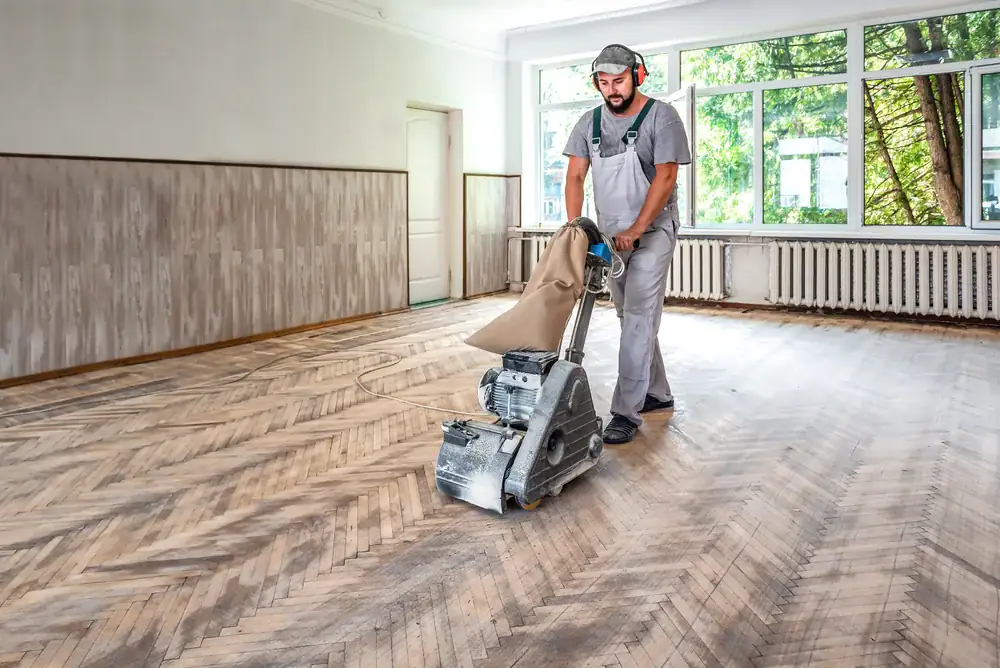
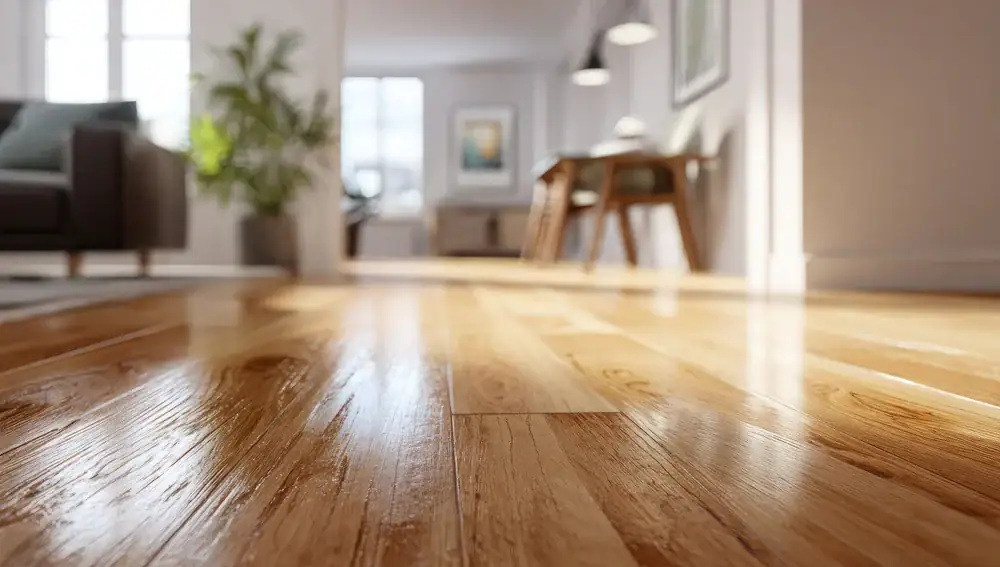
Hardwood Floor Refinishing Glen Allen Homeowners Trust
Your floors look tired. Traffic lanes near the kitchen, dull spots where the sun hits, maybe some scratches from moving furniture or pets. You’ve been living with it because the idea of refinishing sounds expensive, messy, and disruptive.
Here’s what changes when the job’s done right. Your floors look new again—rich color, smooth finish, no more dullness. The work happens in one day for most homes, not the week you’ve heard horror stories about. You’re not displaced, your furniture stays mostly in place, and there’s no thick layer of dust coating every surface in your house.
The finish we apply isn’t just cosmetic. It protects against the wear that damaged your floors in the first place—foot traffic, pet claws, spills, UV exposure. Virginia’s humidity swings are hard on hardwood, and a proper refinishing job accounts for that. Your floors become more durable, easier to clean, and they add real value if you ever sell.
This isn’t about making old floors passable. It’s about making them an asset again.
Local Wood Floor Sanding and Restoration Experts
We’ve been doing this work in Glen Allen and the greater Richmond area since the early 2000s. That’s over 20 years of dealing with the same climate challenges your floors face—humid summers that make wood swell, dry winters that create gaps, and everything in between.
Most of the homes we work in are in Glen Allen, Midlothian, and Chesterfield. We know the housing stock here. We’ve refinished floors in older colonials with original hardwood and newer builds with engineered wood. The approach changes based on what you have, and we’ve seen enough floors to know the difference immediately.
David Emmerling started this company because traditional refinishing created problems it should have solved—dust everywhere, long timelines, and finishes that didn’t hold up. We use a dust-reduction system that cuts airborne particles by 80% or more. Most jobs finish in a day. You get your home back faster, cleaner, and with floors that actually last.
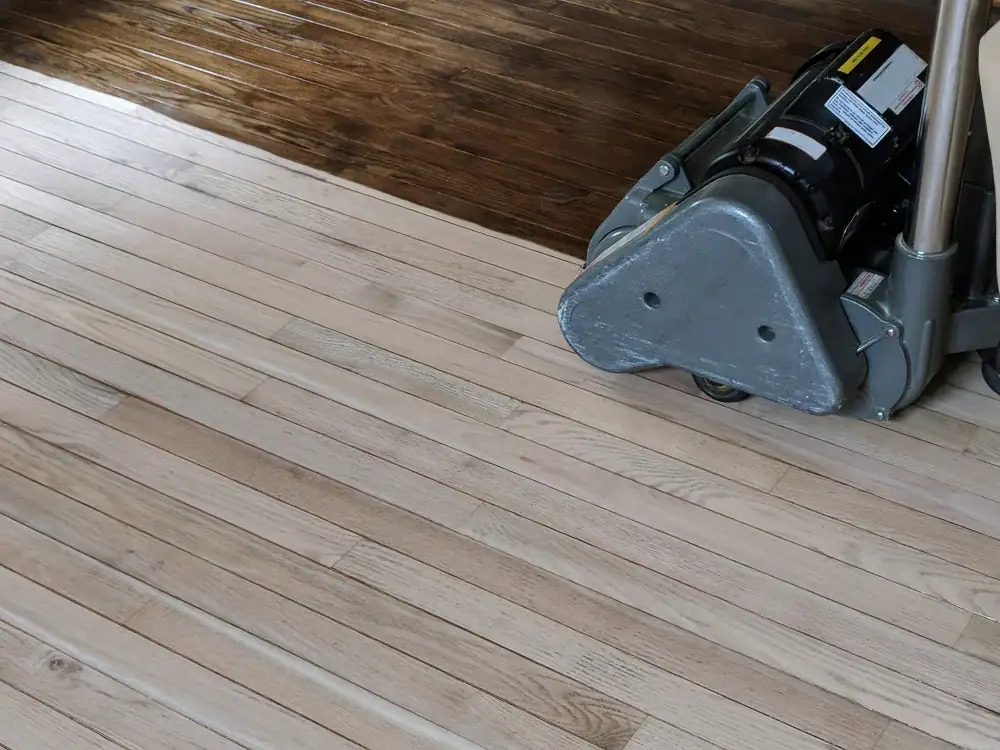
Our Hardwood Restoration Process Explained Simply
We start with an in-person assessment. Not every floor needs full refinishing—some just need a buff and coat, which is faster and cheaper. We’ll tell you what your floors actually need, not what makes us the most money.
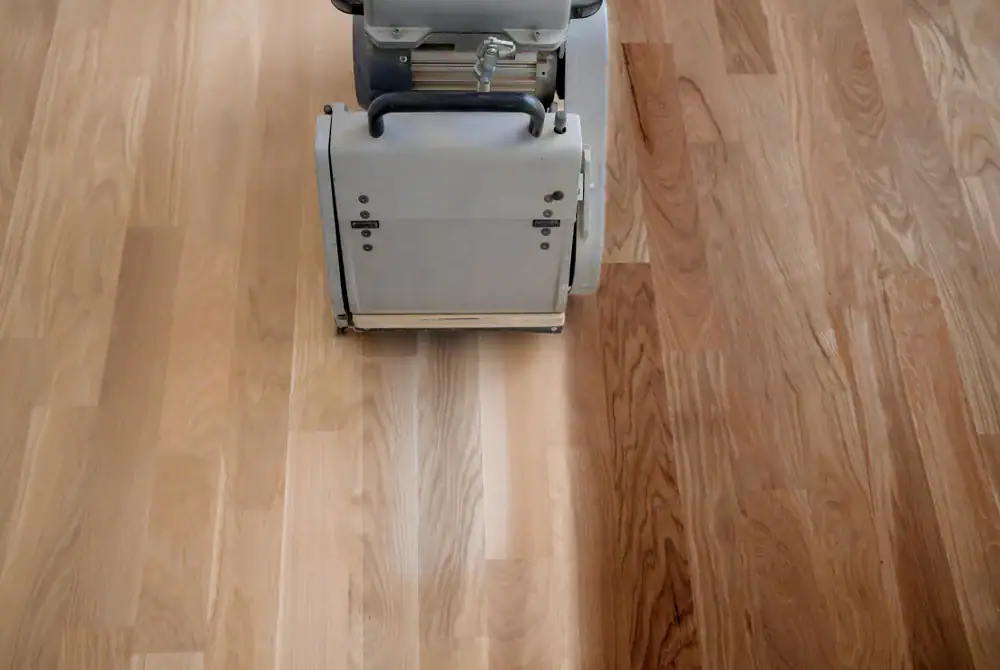
If refinishing is the right call, we move furniture out of the way or work around it. Then comes sanding, which is where our dust-reduction system matters most. Traditional sanding turns your house into a dust storm. Ours doesn’t. The equipment captures most particles at the source, so your counters, vents, and lungs stay clear.
After sanding, we apply stain if you want to change the color or go back to natural if you prefer the original wood tone. The finish goes on next—usually polyurethane for durability. It dries faster than older finishes, which is why most jobs wrap in a day.
You’ll need to stay off the floors for a few hours while everything cures, but you’re not evacuating your house for a week. By the next day, you’re walking on them. Within a few days, they’re fully cured and ready for furniture and normal use.
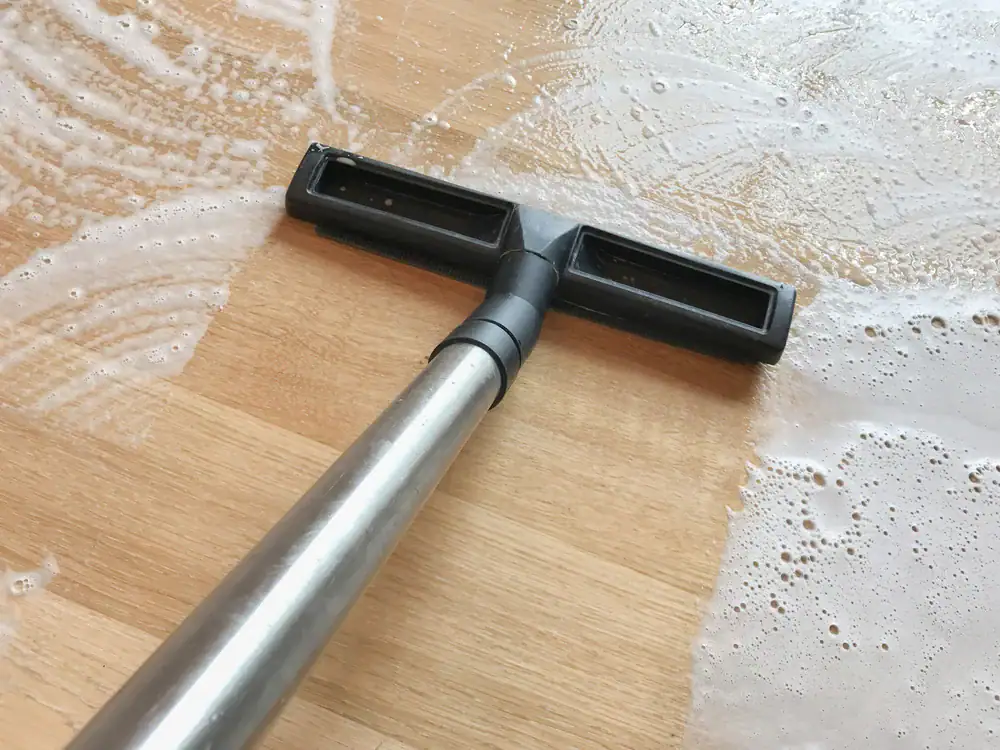
What's Included in Glen Allen Floor Refinishing
Every refinishing job includes sanding, finish application, and cleanup. We handle furniture moving when needed, though clearing smaller items yourself speeds things up. The dust-reduction system is standard, not an upcharge.
Glen Allen homes deal with specific challenges. The humidity here swings hard between summer and winter, which causes wood to expand and contract. That movement creates gaps, cupping, and finish cracks over time. We account for that when we sand and finish your floors, leaving room for seasonal movement so the new finish doesn’t buckle or peel.
We also handle engineered wood refinishing, which not every company does. Engineered floors have a thinner wear layer than solid hardwood, so they require a lighter touch. Sand too deep and you hit the plywood core. We’ve refinished enough engineered floors to know where that line is.
If your floors have deeper damage—water stains, pet urine, large gouges—we’ll address that during the assessment. Some issues need board replacement before refinishing. We’ll tell you upfront what’s fixable with refinishing alone and what needs more work. You decide how to proceed from there.
How much does it cost to refinish hardwood floors in Glen Allen?
Most refinishing jobs in Glen Allen run between $3 and $5 per square foot, depending on the condition of your floors and the type of finish you choose. A typical 1,000-square-foot area costs around $3,000 to $5,000. That’s significantly less than replacement, which can hit $8,000 to $15,000 for the same space.
The price changes based on a few factors. If your floors have deep scratches, water damage, or need board replacement, that adds to the cost. Exotic hardwoods or intricate patterns take more time and care, which also affects pricing. A simple buff and coat—where we skip sanding and just add a fresh topcoat—runs closer to $1.50 per square foot and works well for floors in decent shape that just need a refresh.
We give you an exact quote after seeing your floors in person. No ballpark guesses, no surprise charges later. You’ll know what it costs before we start.
Can all hardwood floors be refinished, or do some need replacement?
Most solid hardwood floors can be refinished multiple times—usually four to six times over their lifespan, depending on the thickness of the wood. Each refinishing removes a thin layer, so eventually, you run out of material to sand. If your floors are already thin or heavily worn down to the subfloor in spots, replacement might be the better option.
Engineered hardwood is trickier. It has a thin layer of real wood on top of plywood, and that top layer can only handle one or two refinishing jobs, sometimes none if it’s already been sanded before. We measure the wear layer during the assessment to see if refinishing is even possible.
Floors with severe water damage, extensive rot, or structural issues usually need replacement. Same goes for floors that are cupping or buckling badly due to moisture problems underneath. Refinishing won’t fix a subfloor issue—it’ll just look good temporarily and then fail again. We’ll tell you honestly if your floors are past the point where refinishing makes sense.
How long does the refinishing process take, and when can I use my floors again?
Most refinishing jobs finish in one day. Sanding takes a few hours, staining and finish application take a few more, and then it’s drying time. Larger homes or floors in rough shape might stretch into a second day, but that’s the exception.
You’ll need to stay off the floors for at least 24 hours after the final coat goes on. Light foot traffic is fine after that, but hold off on moving furniture back for about three days. Full curing—where the finish reaches maximum hardness—takes about a week. During that time, avoid dragging heavy furniture, placing rugs, or putting pets on the floors.
The dustless system we use means you’re not dealing with cleanup for days afterward. Traditional refinishing leaves dust on everything—ceiling fans, inside cabinets, on top of door frames. Ours doesn’t. You might notice a faint smell from the finish, but it’s not the overwhelming chemical odor older products had. Open a window, run a fan, and it clears out quickly.
What's the difference between refinishing and a buff and coat?
Refinishing involves sanding down to bare wood and applying new stain and finish. It removes scratches, dullness, and old coatings completely. A buff and coat skips the heavy sanding—we lightly scuff the existing finish, clean it thoroughly, and apply a fresh topcoat. It’s faster, cheaper, and less invasive.
Buff and coat works well if your floors still look decent but are starting to show wear in high-traffic areas. The finish might be thinning, or you’re seeing light scratches that haven’t cut through to the wood yet. It’s a maintenance step that extends the life of your floors before they need full refinishing.
If your floors are already dull, deeply scratched, or the finish is peeling, a buff and coat won’t fix it. You need full refinishing at that point. We’ll assess your floors and recommend the right approach. A buff and coat costs about half what refinishing does and takes half the time, so if your floors qualify, it’s a smart move.
Will refinishing really add value to my home if I sell?
Yes, and the return is measurable. The National Association of Realtors reports that refinishing hardwood floors delivers a 147% cost recovery on average. Homes with hardwood floors in good condition sell for 2.5% to 10% more than comparable homes without them, depending on the market.
Buyers notice floors immediately. Worn, scratched, or dull hardwood makes a house feel dated and neglected, even if everything else is updated. Fresh, refinished floors do the opposite—they make the whole house feel cared for and move-in ready. That perception matters when buyers are comparing your home to others in Glen Allen.
Refinishing also removes a negotiating point. Buyers won’t ask for a flooring credit or factor replacement costs into their offer if your floors already look new. You’re not leaving money on the table because of something fixable. Even if you’re not selling soon, refinishing protects your investment and keeps your home competitive when the time comes.
How do I maintain my floors after refinishing to make them last?
Keep them clean and protected. Sweep or vacuum regularly to remove dirt and grit that scratch the finish. Use a damp mop with a hardwood floor cleaner—not a soaking wet mop, which can damage the wood. Avoid harsh chemicals, steam mops, or anything that leaves standing water.
Put mats at exterior doors to catch dirt and moisture before it reaches your floors. Use felt pads under furniture legs to prevent scratches when you move chairs or tables. Trim your pet’s nails regularly if you have dogs or cats—long claws are one of the biggest culprits for finish damage.
Refinished floors should last seven to ten years before they need attention again, depending on traffic and care. If you notice the finish starting to dull in high-traffic areas, a buff and coat can refresh it without full refinishing. That’s usually around the five- to seven-year mark. Catching it early means you’re maintaining the floors, not repairing damage, which saves time and money long-term.
Other Services we provide in Glen Allen