
Wood Floor Refinishing in Deep Bottom, VA
Your Floors Restored in One Day, Not Five
Hardwood Floor Refinishing Deep Bottom Homeowners Trust
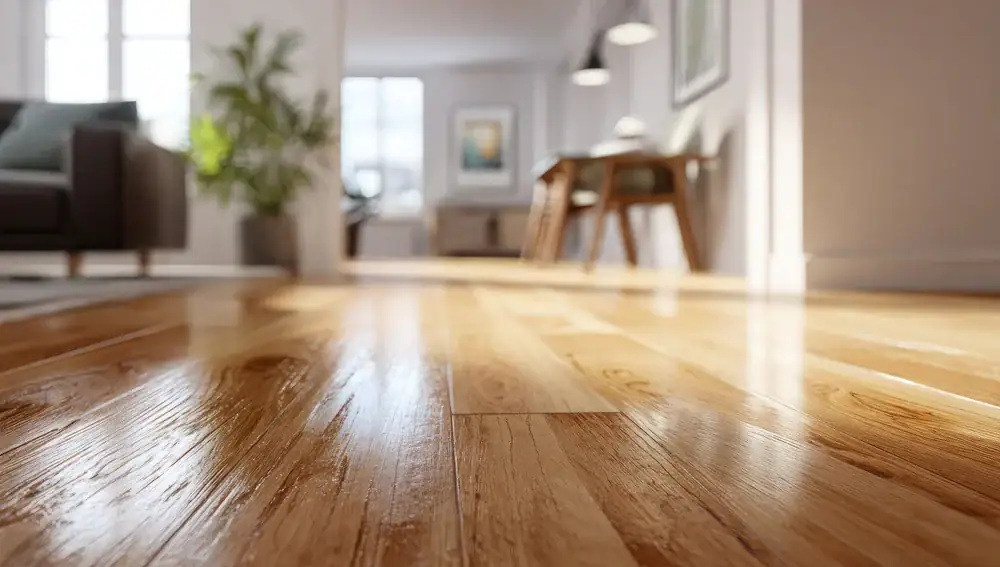
The scratches are gone. The dull, worn finish that made your home feel dated is replaced with a clean, protective coat that catches light the way it did years ago. You’re not wondering if you should’ve just replaced them—you’re wondering why you waited this long.
Most jobs wrap in a single day. You move furniture back that evening or the next morning, depending on the finish. No dust covering your counters or settling into your vents, because we use containment systems designed for residential work.
The floor isn’t just shinier. It’s protected. The new topcoat adds years to the life of your hardwood and gives you time before the next refinish. If you’ve been putting this off because you thought it meant a week of chaos, it doesn’t. It means one day and a floor that feels new again.
Wood Floor Sanding Experts Serving Deep Bottom
We’ve been restoring hardwood floors across Deep Bottom, VA and the greater Richmond area for over 20 years. Most of our work comes from referrals—more than 80% of it. That doesn’t happen unless you show up on time, do the work right, and leave the house cleaner than you found it.
We’re not the cheapest option in Henrico County, and we’re fine with that. You’re paying for equipment that actually contains dust, finishes that hold up to foot traffic and pets, and a crew that knows the difference between oak and pine when it comes to sanding grit and dry time.
Deep Bottom homeowners deal with humidity, older construction, and floors that have seen a lot of life. We’ve worked on hundreds of them. If your floors can be saved, we’ll tell you. If they can’t, we’ll tell you that too.
Our Hardwood Restoration Process in Deep Bottom
We start with an assessment of your floors. Not every floor needs a full sand. If yours just needs a buff and coat—a light scuff and fresh topcoat—that’s what we’ll recommend. It’s faster and cheaper, and it works when the wood itself is still in good shape. If the finish is too far gone or you want to change the stain color, we’ll do a full sand and refinish.
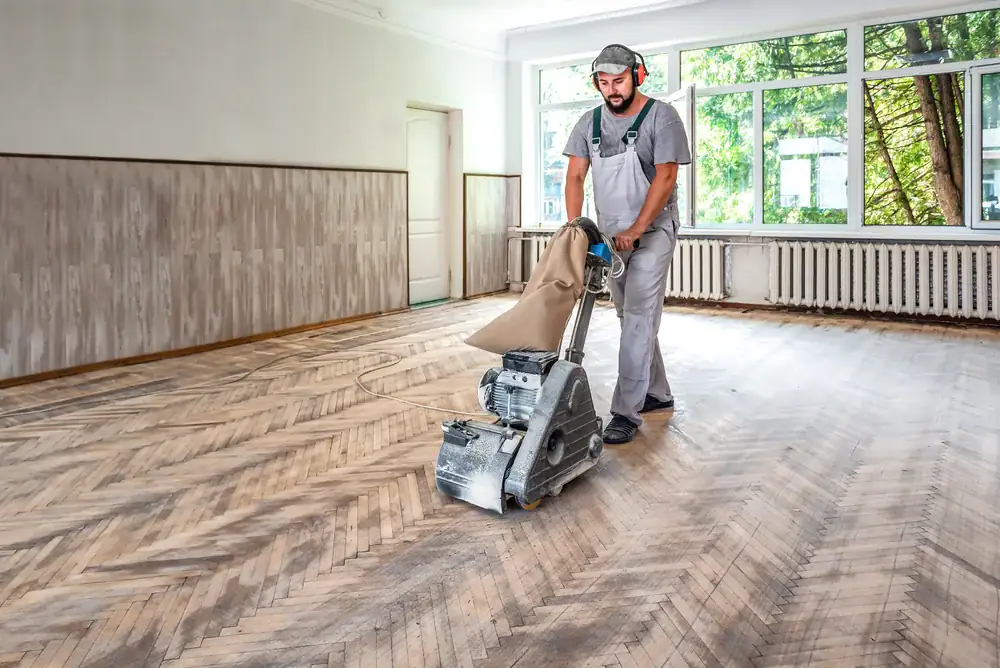
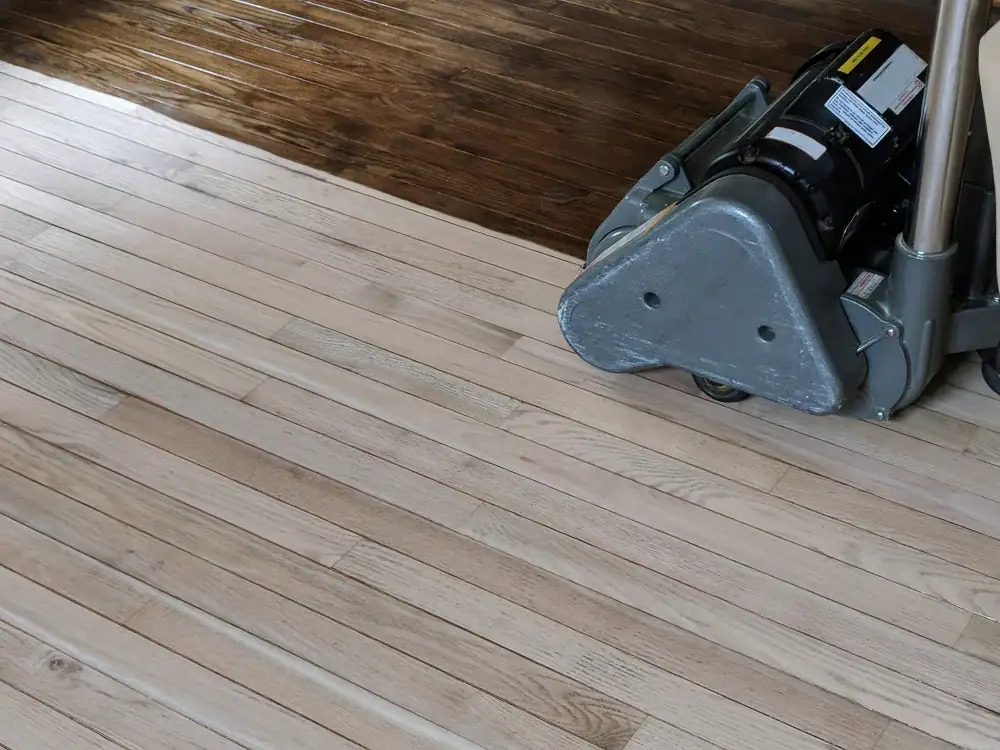
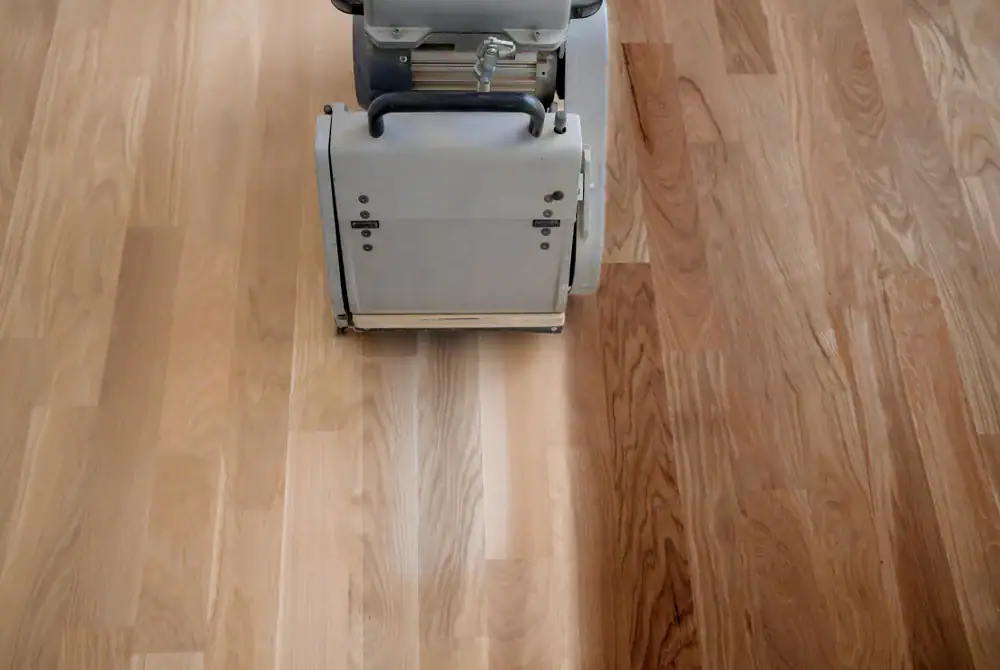
On job day, we move smaller furniture and protect anything staying in the room. Then we sand using a dustless system—not dust-free, but close. The vacuum attachments pull most of the debris into a containment unit, so you’re not cleaning baseboards for a week. We work through grits carefully, especially on older floors that can’t take aggressive sanding.
After sanding, we apply stain if you’re changing color. Then comes the topcoat—usually two layers of polyurethane. We use fast-drying options when possible so you’re not waiting days to walk on your own floors. Most projects finish the same day we start them. You’ll need to wait several hours before moving furniture back, and we’ll give you specific dry times based on the product and your home’s conditions.
Buff and Coat Services for Deep Bottom Homes
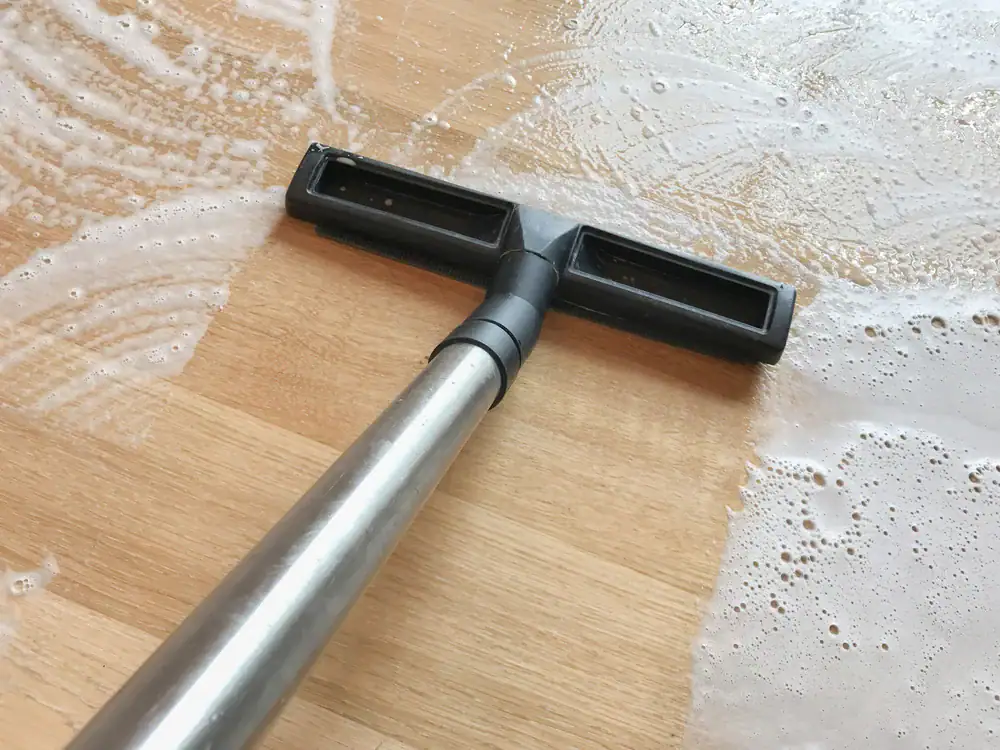
You get a full evaluation before we start. We check for deep scratches, water damage, and whether your engineered wood can even handle another sand—some can’t. If your floors are solid hardwood, they can typically be refinished several times over their life. Engineered wood depends on the thickness of the veneer, and we’ll measure that before making a recommendation.
The work includes sanding, stain application if you want a color change, and a protective topcoat. We’re seeing more Deep Bottom homeowners move toward natural and matte finishes in 2025—less shine, more of the wood’s actual character. That’s a trend across Richmond, and it’s a good one. Matte hides scratches better and doesn’t show every footprint.
We also handle repairs for boards that are damaged beyond what sanding can fix. If a section is cupped, cracked, or stained through to the wood, we’ll replace those boards before refinishing so everything blends. Deep Bottom’s older homes often have original hardwood worth preserving, and that sometimes means a little patchwork before the finish goes down.
How much does wood floor refinishing cost in Deep Bottom, VA?
For a buff and coat, expect around $1.50 to $2.50 per square foot. That’s the light option—scuff the existing finish, apply a fresh topcoat, and you’re done. It works if your floors aren’t deeply scratched and you’re happy with the current color.
Full sanding and refinishing runs between $3 and $5 per square foot for most hardwoods like oak. If you’ve got pine or an exotic wood, it can go higher—pine is softer and requires more careful sanding, and exotics cost more in labor and materials. These are averages for Deep Bottom and the Richmond area. Your actual cost depends on square footage, the condition of your floors, and whether we’re doing repairs.
We’ll give you a flat quote after seeing the floors in person. No surprises, no hourly rate that spirals. You’ll know what it costs before we start.
How long does the refinishing process take, and when can I use my floors?
Most jobs are done in one day. We’re usually in and out in six to eight hours depending on square footage and how many coats you need. If you’re doing a large home or adding custom stain work, it might stretch into a second day, but that’s rare.
You can walk on the floors in socks after several hours, but we recommend waiting overnight before putting furniture back. The finish is dry to the touch faster than it’s fully cured. For heavy furniture and area rugs, wait at least 48 hours. Full cure takes about a week, so go easy on the floors during that time—no dragging couches or dropping anything heavy.
The dustless system means you’re not cleaning for days afterward. You might find a little fine dust near baseboards, but nothing like traditional sanding. Most Deep Bottom clients are surprised how little mess there is.
Can you refinish engineered hardwood, or only solid wood floors?
It depends on the engineered floor. Engineered wood has a thin layer of real hardwood on top of plywood. If that veneer is thick enough—usually at least 3mm—we can sand it. If it’s thinner, sanding will cut through to the plywood and ruin the floor.
We measure before we commit. Some engineered floors have already been sanded once or twice, and there’s not enough wood left for another pass. In those cases, a buff and coat might still work if you just need to refresh the finish without changing the color.
Solid hardwood is more forgiving. You can refinish it multiple times over its life because you’re working with a thick plank of wood, not a veneer. If you’re not sure what you have, we’ll check during the estimate. A lot of Deep Bottom homes built in the last 20 years have engineered wood in certain rooms, and it’s not always obvious until you look closely.
Will refinishing my floors create a huge dust problem in my home?
Not with the equipment we use. Our sanding system has vacuum attachments that pull dust directly into a containment unit. It’s not 100% dust-free—no system is—but it’s close. You won’t see clouds of dust or find it settled on your furniture two rooms over.
Traditional sanding creates a mess that takes days to clean. Fine dust gets into HVAC systems, on top of cabinets, inside drawers. That’s not what happens here. We also seal off the work area when possible and clean as we go.
After we’re done, you might need to wipe down baseboards and do a quick vacuum, but it’s nothing compared to old-school floor sanding. Most of our Deep Bottom clients are back to normal the same day. If dust is the reason you’ve been avoiding this project, it shouldn’t be.
How often do hardwood floors need to be refinished?
Every seven to ten years is the standard answer, but it depends on your home. If you have dogs, kids, or high traffic patterns, you’ll see wear faster. Floors near entryways and kitchens take more abuse than bedrooms.
You’ll know it’s time when the finish starts wearing through in spots. You’ll see dull patches where the polyurethane is gone and the raw wood is exposed. Once that happens, the wood is vulnerable to water damage and staining. Refinishing before it gets that bad is smarter than waiting until the wood itself is damaged.
A buff and coat can extend the time between full refinishes. If the wood is still protected but the finish looks tired, that’s a good middle option. It buys you another few years without the cost of a full sand. We’ll walk you through what makes sense when we look at your floors.
What's the difference between a buff and coat and full refinishing?
A buff and coat is surface work. We lightly scuff the existing finish so a new topcoat will bond, then apply fresh polyurethane. It’s faster, cheaper, and less invasive. You’re not changing the stain color or removing old finish—just adding protection and shine.
Full refinishing means sanding down to bare wood. We remove all the old finish, smooth out scratches and dents, apply new stain if you want a different color, and then seal it with topcoat. It’s the right move when the finish is too damaged for a buff and coat or when you want to change how the floor looks.
Most Deep Bottom homeowners can get away with a buff and coat if they’ve kept up with their floors. If it’s been 15 years and the finish is shot, you’ll need the full process. We’ll tell you which one makes sense when we see the condition of your wood.
Other Services we provide in Deep Bottom