
Wood Floor Refinishing in Chesterfield, VA
Restore Your Floors Without Replacing Them
Hardwood Floor Refinishing Chesterfield Homeowners Trust
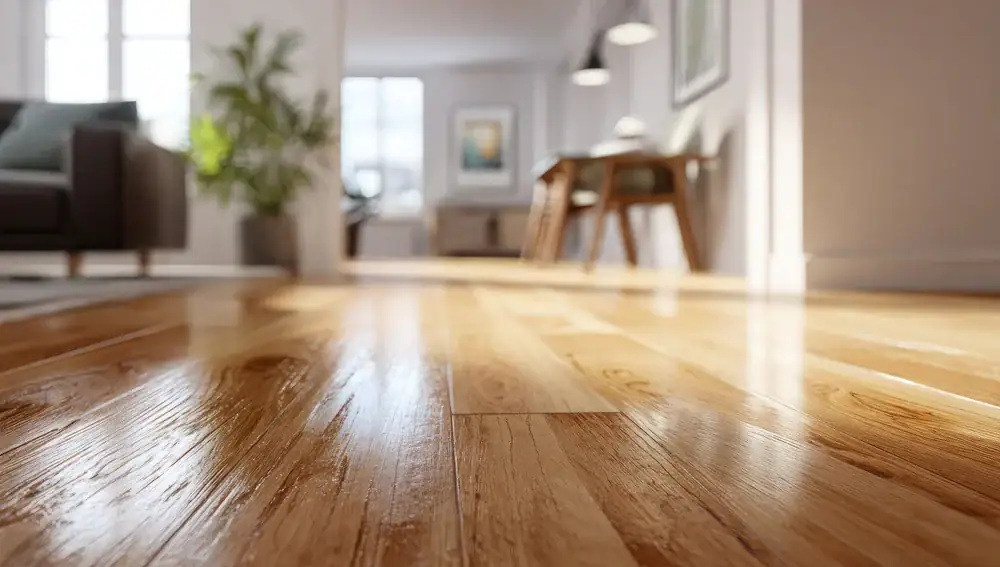
The scratches are gone. The dull, worn patches that made your floors look tired? Erased. The finish is smooth, even, and catches the light the way it did when your floors were new.
You’re not covering up damage or living with “good enough.” The wood itself is restored—sanded down to fresh material, then sealed with a protective finish that can handle your actual life. Kids, pets, furniture, foot traffic. It holds up.
This is what hardwood floor refinishing does when it’s done right. It brings back the floor you paid for without the cost or disruption of tearing everything out and starting over. Most projects in Chesterfield wrap up in three to five days. You’re looking at $3 to $8 per square foot depending on condition and size, compared to $12 to $20 per square foot for new installation.
The return is real too. Refinished hardwood adds measurable value to your home—recent data shows homeowners recover around 147% of what they spend on refinishing when they sell.
Experienced Wood Floor Refinishing in Chesterfield
We’ve refinished floors in Chesterfield homes for more than two decades. That means we’ve seen what works, what doesn’t, and what actually holds up in homes with real wear patterns.
Chesterfield has a high homeownership rate—over 77%—and most of those homes are single-family properties with hardwood floors that were installed 10, 20, sometimes 30 years ago. Those floors don’t need to be replaced. They need to be restored by someone who knows how to evaluate the wood, choose the right approach, and execute without shortcuts.
We use dustless sanding equipment that captures up to 95% of the dust during the process. We don’t rush the drying time between coats. We don’t skip steps to finish faster. The work we do in your home is the same work we’d do in our own.
Our Wood Floor Sanding and Refinishing Process
First, we move the furniture or work with you to clear the space. Then we inspect the floors to check for loose boards, deep gouges, or areas that need repair before we sand. If something needs fixing, we handle it then—not after.
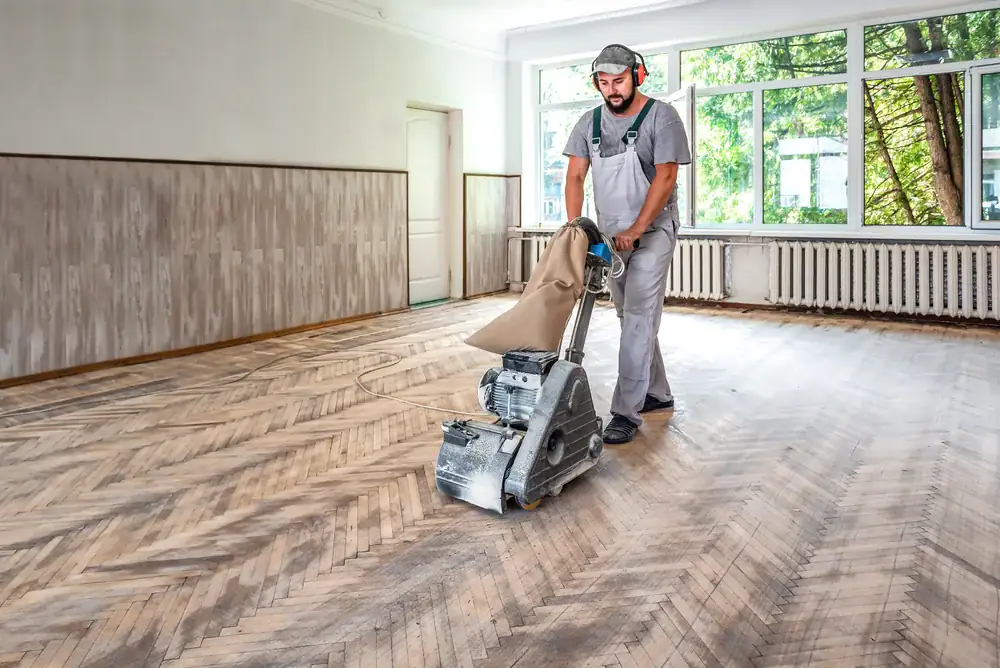
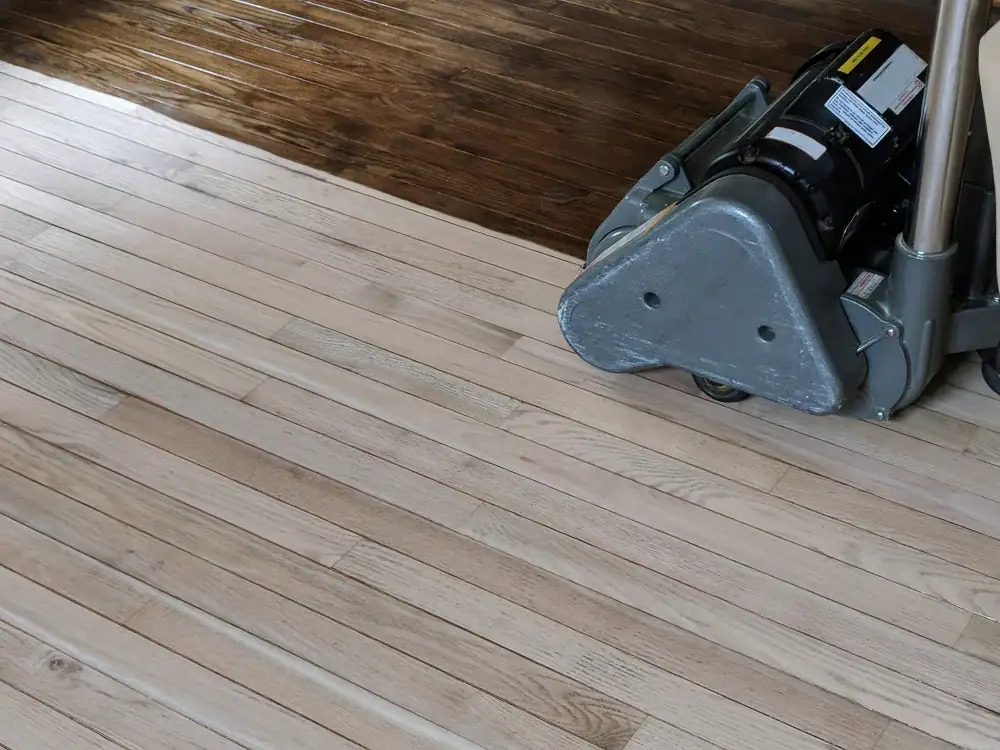
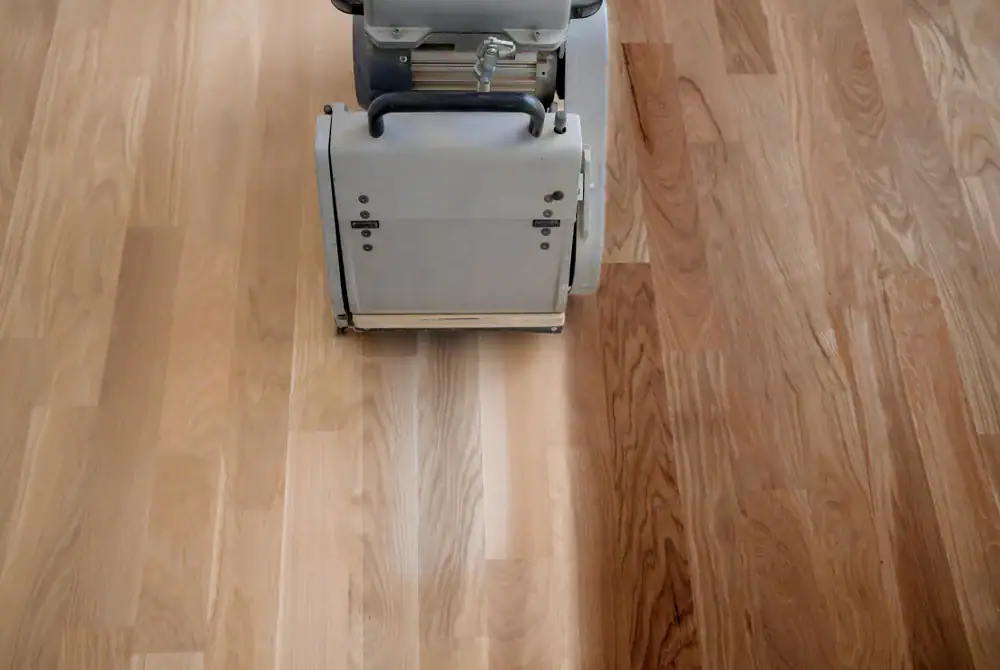
Next comes sanding. We use a drum sander for the main floor area and an edger for corners and tight spots. This is where most of the dust gets created, but our equipment pulls it into a containment system as we work. We start with a coarse grit to remove the old finish and level out scratches, then move through finer grits until the surface is smooth and prepped for stain.
If you’re changing the color, we apply stain after sanding and let it dry completely. If you’re keeping the natural wood tone, we skip this step. Either way, the final stage is applying the topcoat—usually polyurethane. We apply multiple coats with drying time in between. Each coat adds durability and depth to the finish.
The whole process takes three to five days depending on square footage and how many coats you need. You’ll need to stay off the floors while they cure, but once they’re ready, they’re ready. No break-in period.
What's Included in Hardwood Restoration Services
Every refinishing project includes a full evaluation of your floors before we start. We check for structural issues, moisture damage, and whether the wood has enough thickness left to sand. Most solid hardwood can be refinished five to seven times over its life. Engineered wood depends on the thickness of the top veneer, but many can handle at least one or two refinishing cycles.
In Chesterfield, we see a lot of oak, maple, and cherry floors—all of which respond well to refinishing. Oak is especially forgiving because of its open grain and durability. Maple is harder and shows scratches more easily, but it also takes a beautiful, smooth finish. Cherry darkens over time and develops a rich patina that refinishing can enhance.
We also handle buff and coat services, which is a lighter option if your floors are in decent shape but just need a fresh topcoat. This skips the sanding step and adds a new layer of protection. It’s faster and less expensive, but only works if the existing finish is still intact and you’re not dealing with deep scratches or stain issues.
You’ll also get guidance on maintenance after the job is done. The finish we apply is durable, but how you care for it affects how long it lasts. We’ll walk you through what products to use, how often to clean, and when to consider a recoat down the line.
How much does wood floor refinishing cost in Chesterfield, VA?
Most homeowners in Chesterfield pay between $3 and $8 per square foot for hardwood floor refinishing. The total cost depends on the size of the area, the condition of the wood, and whether you’re changing the stain color or adding extra coats for high-traffic areas.
A typical living room and hallway might run between $1,100 and $2,700. Larger projects that include multiple rooms or an entire first floor can range from $3,600 to $4,000 or more. If you add dustless sanding equipment, expect to pay an additional $2 per square foot—but it’s worth it if you want to avoid the cleanup nightmare that comes with traditional sanding.
For comparison, installing new hardwood costs between $12 and $20 per square foot. Refinishing saves you thousands and keeps the floors you already have. If your floors are solid hardwood in decent structural shape, refinishing is almost always the smarter financial move.
How long does it take to refinish hardwood floors?
Most refinishing projects take three to five days from start to finish. That includes sanding, staining (if you’re changing the color), and applying multiple coats of finish. Each coat needs time to dry before the next one goes on, which is why the process can’t be rushed.
The actual work time is usually one to two days. The rest is drying and curing time. You’ll need to stay off the floors during this period, and we’ll let you know exactly when it’s safe to walk on them and when you can move furniture back in.
Compare that to installing new hardwood, which can take two to four weeks when you factor in removal of old flooring, subfloor prep, installation, and finishing. Refinishing gets you back in your space faster with a lot less disruption. You’re not dealing with demolition, disposal, or the extended timeline that comes with a full replacement.
Can engineered hardwood floors be refinished?
It depends on the thickness of the top veneer. Engineered hardwood is made of a thin layer of real wood on top of a plywood base. If that top layer is thick enough—usually at least 3mm—it can be sanded and refinished. Thinner veneers don’t have enough material to work with, and sanding through to the plywood ruins the floor.
We measure the veneer thickness before we start any work. If your engineered floors can handle it, refinishing is absolutely an option. If they can’t, we’ll tell you upfront and talk through alternatives like a buff and coat, which doesn’t involve sanding but can still refresh the finish.
Most higher-quality engineered floors installed in Chesterfield homes over the past 15 years have enough veneer to refinish at least once. Cheaper builder-grade products usually don’t. The only way to know for sure is to have someone evaluate them in person. We do that as part of every estimate, so there’s no guesswork involved.
Is refinishing hardwood floors really dusty, or is that overblown?
Traditional floor sanding creates a massive amount of dust. It gets everywhere—on walls, in vents, on furniture, inside cabinets. Even with plastic sheeting and fans, the cleanup is brutal. That’s not overblown. It’s a real problem with conventional equipment.
Dustless sanding systems change that. The equipment we use has a vacuum attachment that pulls dust directly into a containment system as we sand. It captures up to 95% of the particles before they can spread through your home. You’ll still see some fine dust near the work area, but it’s nothing like the cloud you’d get with a standard drum sander.
If you’ve heard horror stories about dust settling for weeks after a refinishing job, those likely came from contractors using outdated equipment or skipping containment steps to save time. The technology exists to do this work without trashing your house. It costs a little more, but the difference in cleanup and air quality is significant. If dust is a concern—and it should be—make sure whoever you hire uses dustless equipment and can show you how it works.
How do I know if my floors are too damaged to refinish?
Most hardwood floors can be refinished unless they’re structurally compromised. Deep scratches, scuff marks, water stains, fading from sunlight—all of that comes out during sanding. What matters is whether the wood itself is still solid and thick enough to sand down.
The main things that disqualify a floor from refinishing are severe water damage that’s caused warping or rot, boards that are cracked or split all the way through, or floors that have already been sanded too many times and don’t have enough material left. Solid hardwood is typically 3/4 inch thick and can be refinished five to seven times over its lifespan. Each refinishing removes about 1/32 to 1/16 of an inch of wood.
If your floors feel spongy when you walk on them, or if you can see gaps between boards that weren’t there before, that’s a sign of subfloor issues or structural movement. Those need to be addressed before refinishing makes sense. We check for all of this during the estimate. If your floors can be saved, we’ll tell you. If they can’t, we’ll explain why and what your options are. There’s no benefit to refinishing a floor that won’t hold up.
What's the difference between refinishing and a buff and coat?
Refinishing means sanding the floor down to bare wood and applying a completely new finish. Buff and coat means lightly abrading the existing finish and adding a fresh topcoat without removing the old one. They’re two different processes for two different situations.
Refinishing is what you need if your floors have deep scratches, stains that have soaked into the wood, or an old finish that’s worn through in spots. It’s a full reset. Buff and coat works when your floors still look decent but the finish is starting to dull or show light surface wear. It’s a maintenance step that extends the life of your floors before they need a full refinishing.
Buff and coat is faster—usually one to two days—and costs less because there’s no sanding involved. But it only works if the existing finish is still intact. If the topcoat is peeling, flaking, or worn down to bare wood in places, a buff and coat won’t fix it. You need the full process. We can tell you which approach makes sense after we see your floors in person. If you’re not sure, that’s exactly what the evaluation is for.
Other Services we provide in Chesterfield