
Wood Floor Refinishing in Canterbury, VA
Your Floors Deserve Better Than a Quick Fix
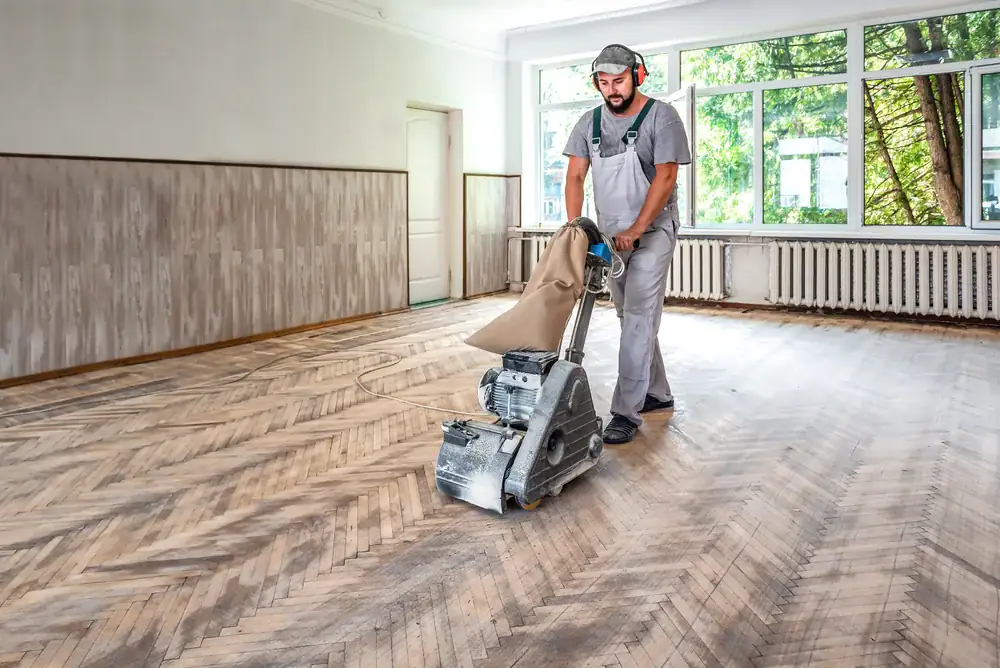
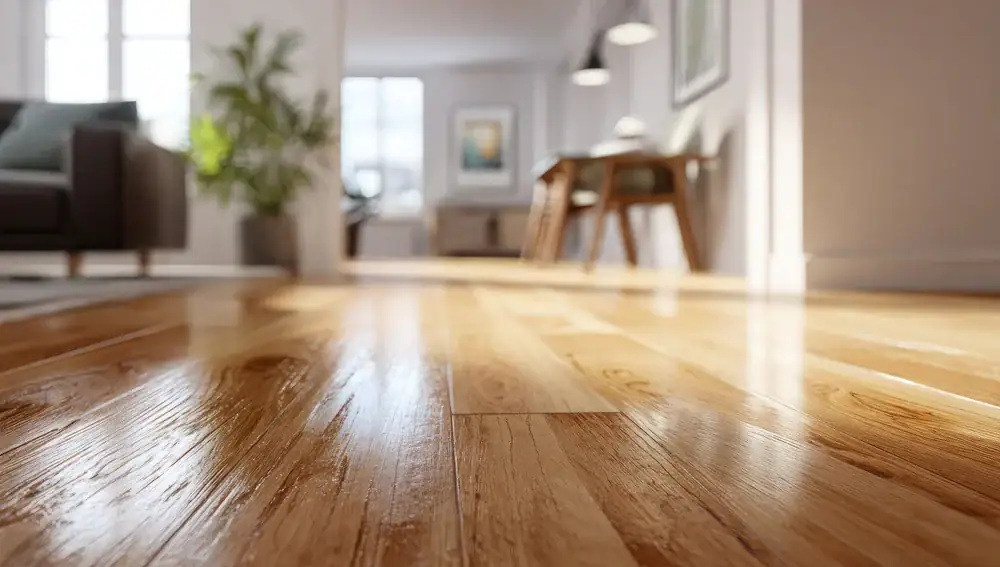
Hardwood Floor Refinishing Canterbury, VA
Your floors stop looking tired. The scratches, dullness, and worn-down traffic patterns disappear. What you’re left with is a surface that looks new again, feels smooth underfoot, and makes the rest of your home look better by comparison.
Refinishing costs about half what replacement does. You’re looking at around $1,500 versus $4,200 for new floors. That’s real money saved, and you get to keep the character of your original hardwood instead of starting over with something that doesn’t have the same depth or history.
The process takes three to five days, not weeks. You’re not displaced from your home for long, and with dustless sanding, you’re not dealing with particles settling into every corner of your house. The floors cure, you move furniture back, and life returns to normal—except now your floors actually look like something worth showing off.
Canterbury Hardwood Floor Restoration Experts
We’ve spent over twenty years working on hardwood floors across Virginia. We’re not new to Canterbury, and we’re not experimenting with your floors to figure out what works. We know what works because we’ve done it hundreds of times.
We use dustless refinishing systems that most companies in the area still don’t have. That means your furniture doesn’t need to be covered in plastic for a week, and you’re not finding dust in your kitchen cabinets two months later. It’s a cleaner process, and it’s one of the reasons people keep calling us back when they move to a new house.
Canterbury homes have character. Many of them have original hardwood that’s worth preserving, and we treat those floors like they matter—because they do. You’re not getting a crew that rushes through to get to the next job. You’re getting people who understand that your floors are an investment, not just a surface.
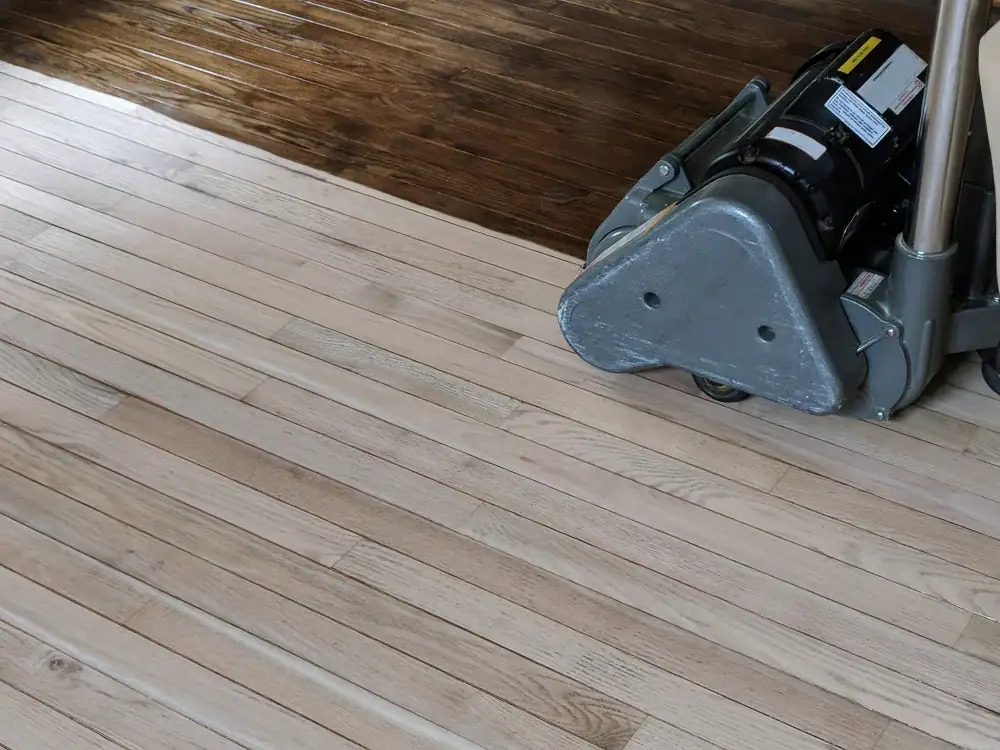
Wood Floor Sanding and Refinishing Process
First, we inspect the floors to see what we’re working with. Not every floor is in the same condition, and not every floor needs the same approach. We check for damage, measure thickness, and figure out how much sanding is required to get down to clean wood.
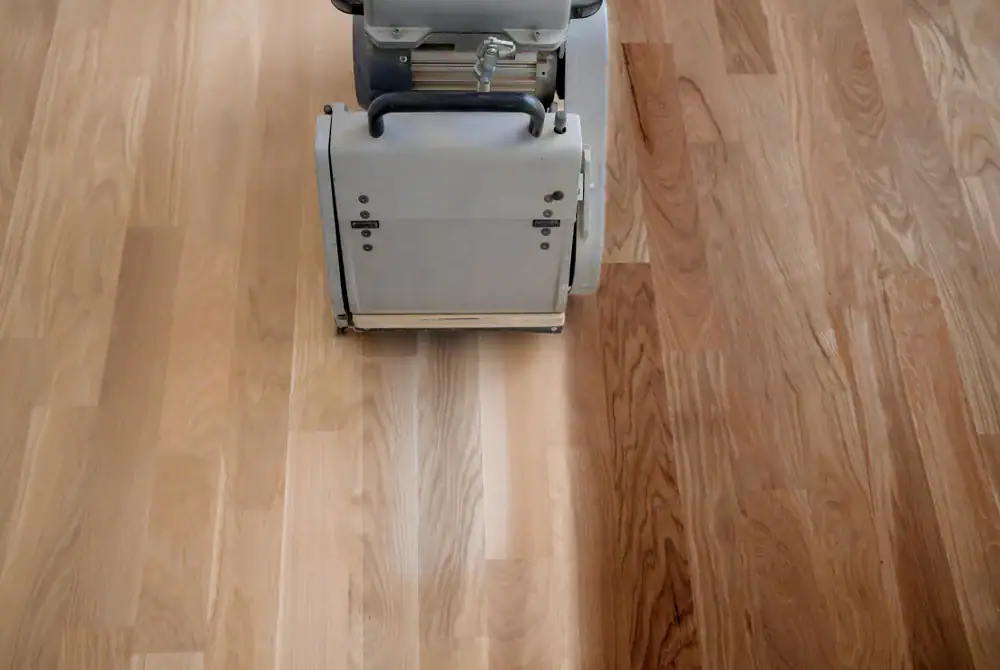
Then comes the sanding. We use dustless equipment that captures about 99% of the particles as they’re created. The floors get sanded in stages, starting with a coarser grit to remove the old finish and level out scratches, then moving to finer grits for a smooth surface. This is where most of the transformation happens—you’re literally removing years of wear.
After sanding, we apply stain if you want to change the color. If not, we go straight to the finish. Most people choose a waterborne polyurethane because it dries faster, doesn’t yellow over time, and has low VOCs. We apply multiple coats, sanding lightly between each one, so the final surface is durable and smooth. The finish needs time to cure—usually 24 hours before you can walk on it, and a few days before you move furniture back. After that, your floors are ready to handle whatever your household throws at them.
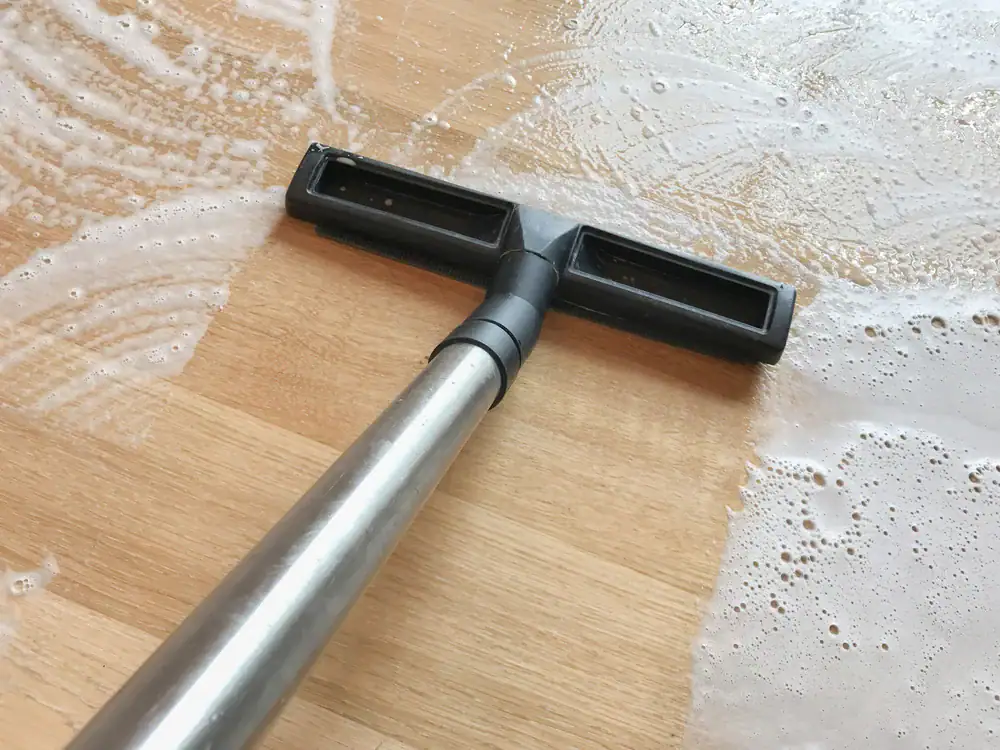
Hardwood Restoration Services in Canterbury
You get a full assessment before we start. We don’t guess at what your floors need—we measure, inspect, and give you a clear picture of what’s possible. If there are boards that need repair or areas that need special attention, we tell you upfront.
The refinishing itself includes complete sanding, stain application if you want it, and multiple coats of finish. We’re not cutting corners to save time. Each coat gets applied properly, with adequate drying time, so the finish lasts. You also get a workspace that’s protected—we’re not tracking dust or finish into other rooms.
Canterbury homeowners are increasingly interested in warmer tones and natural finishes. The gray trend is fading, and people want wood that actually looks like wood again. We can match that, whether you’re going for a honey tone, a rich walnut, or just a clear finish that lets the grain speak for itself. And because we’re local, we understand what holds up in Virginia’s humidity and temperature swings. The products we use are chosen for durability in this climate, not just because they’re popular somewhere else.
How much does it cost to refinish hardwood floors in Canterbury?
Most refinishing projects in Canterbury run between $1,200 and $2,000, depending on the square footage and the condition of the floors. If you’ve got a standard three-bedroom home with hardwood in the main living areas, you’re probably looking at the middle of that range.
The cost breaks down into labor, materials, and equipment. Sanding takes the most time, especially if the floors are uneven or heavily damaged. Staining adds to the cost if you’re changing the color. The finish itself—usually polyurethane—comes in multiple coats, and each one adds to the timeline and the price.
What drives the cost up is damage. If there are deep gouges, water stains, or boards that need replacing, that’s extra work. But even with repairs, refinishing is still about half the cost of installing new floors. You’re paying for the skill to bring back what’s already there, and that’s almost always cheaper than starting from scratch.
How long does the wood floor refinishing process take?
Plan on three to five days from start to finish. Day one is sanding. Day two is usually another round of sanding with finer grits, plus any repairs or staining. Days three through five are for applying finish coats and letting them cure.
You can stay in your home during most of this, but you’ll need to keep off the floors while they’re drying. With waterborne finishes, you can walk on them in about 24 hours. Furniture goes back after 48 to 72 hours. Rugs and heavy traffic should wait about a week.
The timeline can stretch if there are complications—extra coats needed, humidity issues, or repairs that take longer than expected. But most jobs in Canterbury stick to that three-to-five-day window. We’re not dragging it out, and we’re not rushing through to hit an unrealistic deadline. The finish needs time to cure properly, and that’s not something you can shortcut without consequences.
Is dustless floor sanding really dust-free?
It’s not 100% dust-free, but it’s close—around 99% of dust gets captured. The equipment we use has a vacuum system built into the sander, so particles are pulled into a containment unit as soon as they’re created. What used to coat your walls and furniture now stays in a bag.
You’ll still want to do some light cleaning after we’re done, but it’s nothing like traditional sanding. No dust settling on ceiling fans, no grit in your cabinets, no need to wipe down every surface in your house. Most of our clients are surprised by how clean the process actually is.
The difference matters if you have allergies, asthma, or just don’t want to spend a week cleaning up after a flooring project. It also means we can work in occupied homes without forcing you to move out or cover everything in plastic. The system costs more to operate, but it’s worth it for the convenience and the cleanliness.
Can engineered hardwood floors be refinished?
It depends on the wear layer. Engineered floors have a thin layer of real hardwood on top of plywood, and that top layer can only be sanded so many times. If the wear layer is at least 3mm thick, you can usually refinish it once or twice. Thinner wear layers—1mm or 2mm—don’t leave much room for sanding.
We measure before we commit to anything. If the wear layer is too thin, sanding through it will expose the plywood underneath, and at that point, the floor is ruined. But if there’s enough thickness, refinishing works just like it does on solid hardwood. You get a fresh surface, new finish, and extended life out of the floor.
A lot of newer homes in Canterbury have engineered floors, and homeowners don’t always know whether refinishing is an option. The good news is that many engineered products from the last 10 to 15 years do have thick enough wear layers to handle at least one refinishing. We can tell you for sure after a quick inspection.
What's the difference between refinishing and a buff and coat?
Refinishing means sanding down to bare wood and starting over. A buff and coat—sometimes called a screen and recoat—just refreshes the existing finish without removing it. You’re adding a new topcoat over what’s already there, which hides light scratches and restores the shine.
Buff and coat is faster and cheaper. It takes one or two days instead of five, and it costs a fraction of what full refinishing does. But it only works if the existing finish is still in decent shape. If the finish is worn through to the wood in high-traffic areas, or if there are deep scratches and stains, buffing won’t fix it. You need to sand.
Most floors can go through a buff and coat every few years to keep them looking good. Eventually, though, the finish builds up too much or the wood underneath needs attention, and that’s when you refinish. Think of buffing as maintenance and refinishing as restoration. Both have their place, but they’re not interchangeable.
Will refinishing increase my home's value?
Yes, but not in some vague, impossible-to-measure way. Refinished hardwood floors can increase a home’s value by 5% to 10%, according to the National Wood Flooring Association. On a $300,000 home, that’s $15,000 to $30,000. Even if you only see half of that when you sell, you’re still ahead.
Buyers care about floors. In fact, 72% of homebuyers say hardwood floors are an essential feature, according to the National Association of Realtors. They’re not just nice to have—they’re expected. And buyers will pay more for floors that look new than for floors that are scratched, dull, or stained.
The return on investment is one of the best you’ll find in home improvement. You’re spending $1,500 to $2,000 and potentially adding $15,000 or more in perceived value. Even if you’re not selling anytime soon, refinished floors make your home more enjoyable to live in. That’s worth something too, even if it doesn’t show up on an appraisal.
Other Services we provide in Canterbury