
Wood Floor Installers in Woodmont, VA
Floors That Last Generations, Installed Right the First Time
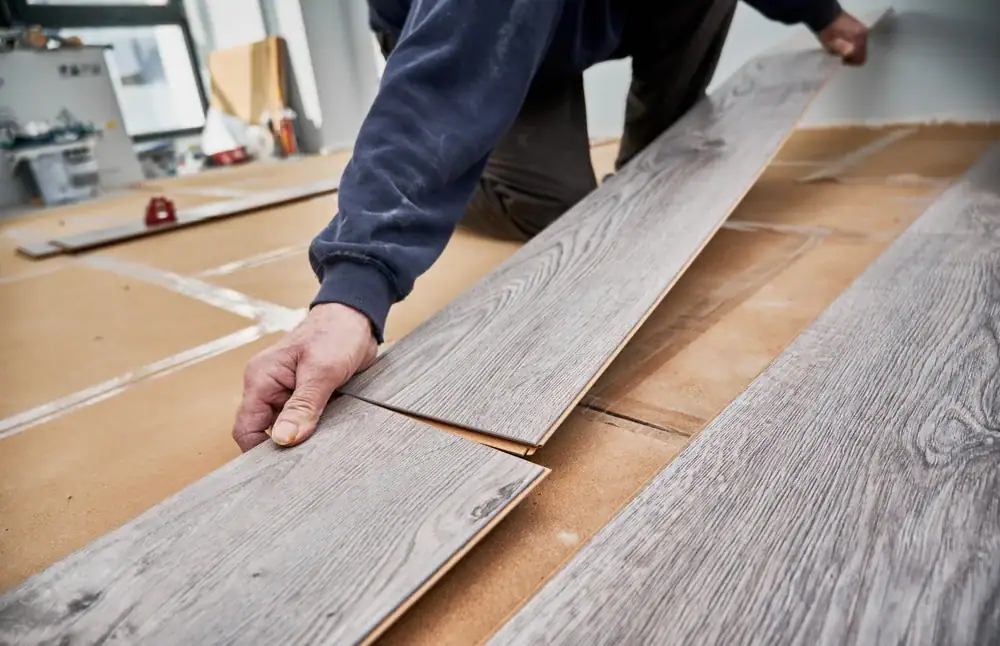
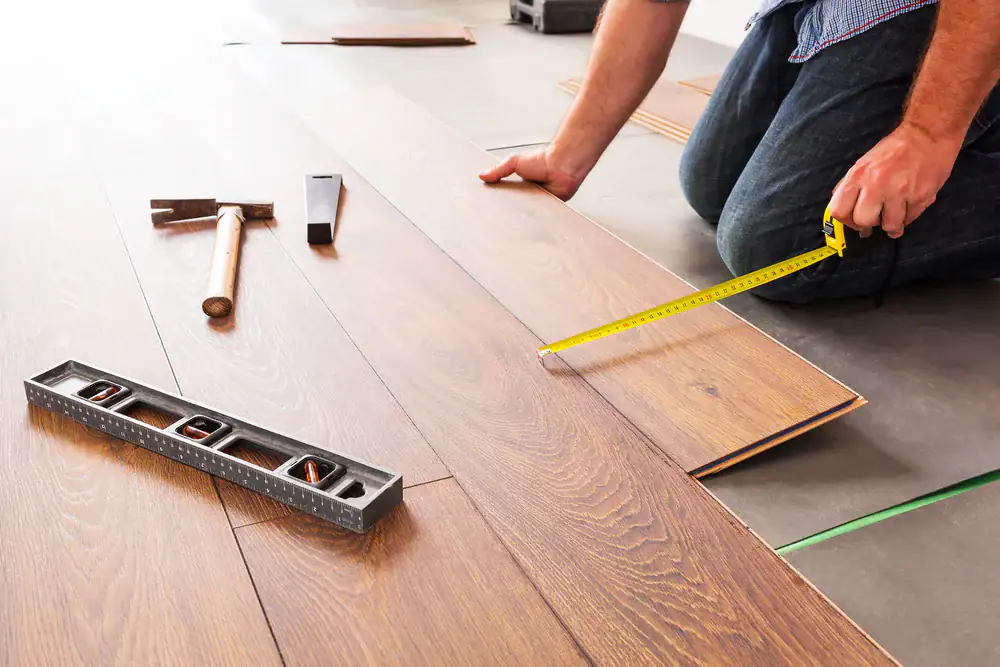
Hardwood Floor Installation in Woodmont
Roughly 80% of wood floor problems trace back to moisture issues that should’ve been caught before the first plank went down. That’s not a small number. It’s the difference between floors that age beautifully and floors that buckle, gap, or cup within the first year.
When wood floor installers skip moisture testing or rush subfloor prep, you’re the one who pays for it later. Creaking planks. Uneven surfaces. Gaps that appear out of nowhere. Most of those issues don’t show up until after the crew is gone and your check has cleared.
Proper hardwood floor installation starts below the surface. We test moisture levels in both your subfloor and the wood itself, because what’s acceptable for tile or vinyl will destroy hardwood. We correct subfloor irregularities before anything gets nailed down—because even small dips or humps will telegraph through and cause problems you’ll hear and feel every day.
You also get dust containment systems that capture about 95% of airborne particles. That’s not a luxury feature—it’s respect for your home and your time. The difference between spending days cleaning fine dust out of every corner versus walking on your new floors the same week.
Wood Flooring Contractor Serving Woodmont
David Emmerling started Buff & Coat Floor Refinishing more than 20 years ago, and we’ve been working in Woodmont and the surrounding Richmond metro ever since. We’re licensed and insured through the Virginia Board for Contractors, and we’ve seen what happens when installations are done right—and when they’re not.
Woodmont homes average nearly 3,500 square feet. Many are valued between $1 million and $2 million. These aren’t starter homes, and they don’t get starter-level floors. You’re maintaining a property that appreciates, and every detail matters.
We’re not the cheapest wood flooring contractor you’ll find. We’re the ones who show up with moisture meters, dust containment systems, and the experience to handle subfloor issues before they become your problem. That’s the difference between an installation and an investment.
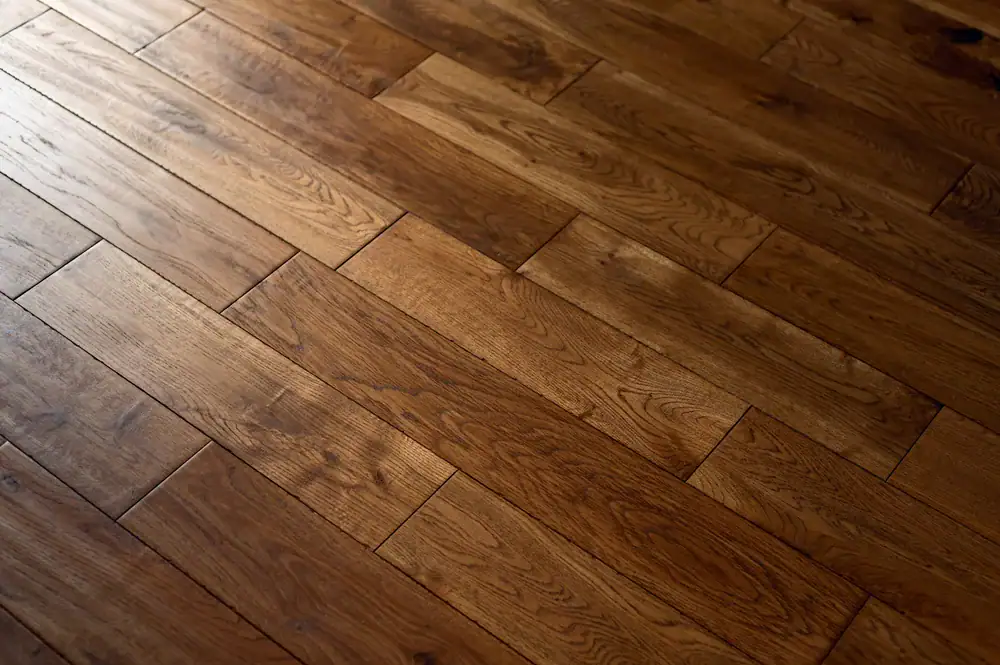
Our Hardwood Floor Installation Process
We start with a consultation at your home. We’re looking at your subfloor, testing moisture levels, talking through wood species, finishes, and what makes sense for your space. Oak dominates about 40% of installations for good reason—it’s durable and takes stain well. Maple and hickory are other solid choices depending on your aesthetic and how much traffic the room sees.
Once you approve the plan, we order materials and let the wood acclimate in your home for several days. Wood expands and contracts with humidity, and skipping acclimation is one of the fastest ways to end up with gaps or buckling. It’s not optional.
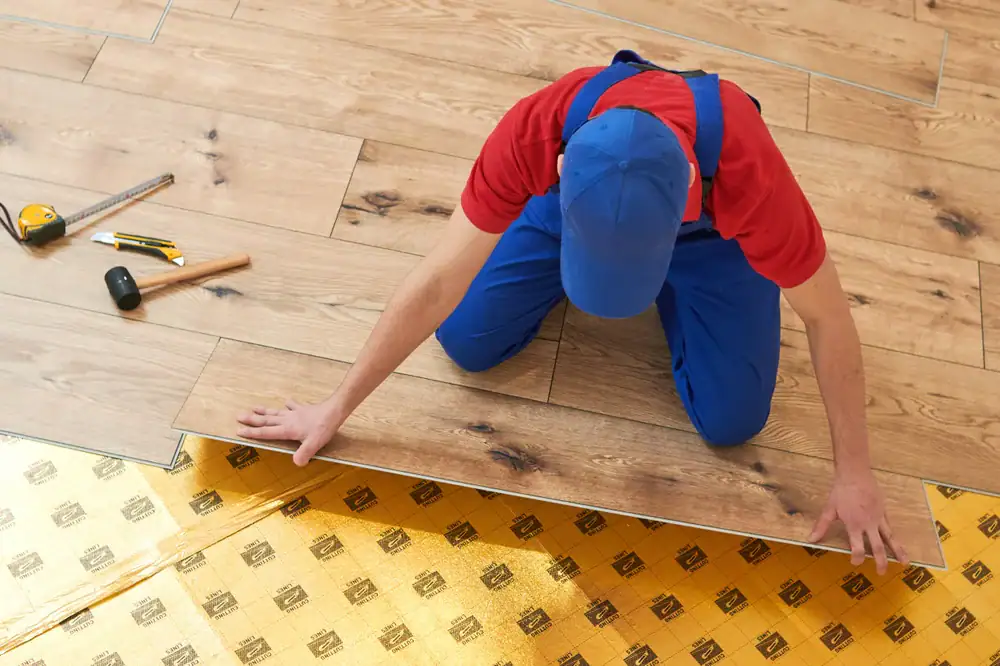
Installation day starts with subfloor prep. We level any irregularities using leveling compounds, because a perfect floor starts with a flat foundation. Then we install using the method that fits your wood type—nail-down for solid hardwood, float or glue-down for engineered. Every plank gets checked for fit and finish as we go.
Most full-room installations take between two and seven days depending on square footage and complexity. We’re covering roughly 200 to 400 square feet per day, and we’re not cutting corners to hit a deadline. After installation, we apply your finish if it’s unfinished wood, or we clean and inspect if it’s prefinished. You’re walking on your new floors within days, not weeks.
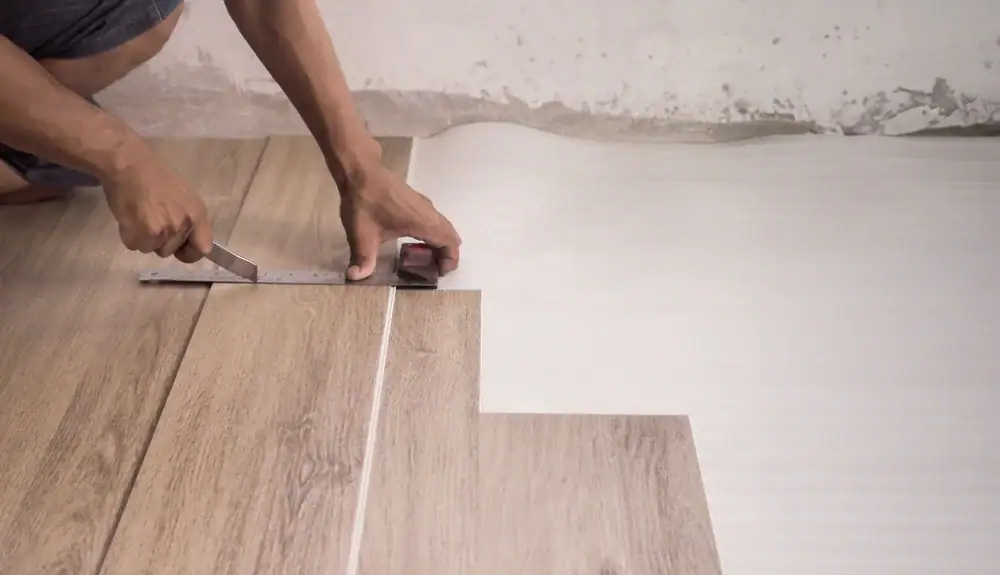
Solid Wood Flooring Installers in Woodmont
You’re getting comprehensive moisture testing on both subfloor and wood materials before we start. This isn’t a quick glance—it’s documented readings that tell us whether conditions are safe for installation. Virginia’s humidity fluctuates, and Woodmont homes need installers who account for that.
Subfloor correction is part of the process, not an upcharge we surprise you with later. If there are dips, humps, or structural issues, we address them with leveling compounds or other solutions before the first plank goes down. You’re also getting dust containment during any sanding or prep work—systems that capture around 95% of particles so your home stays livable.
We handle wood acclimation by delivering materials to your home several days before installation. The wood needs to adjust to your home’s temperature and humidity, and rushing this step leads to expansion or contraction problems down the road. It’s a waiting period that protects your investment.
The installation itself is done by experienced technicians who’ve worked on hundreds of Richmond-area homes. We’re not subcontracting to the lowest bidder. And after installation, you’re getting a walkthrough and care instructions so you know exactly how to maintain what you just invested in. Hardwood floors can last generations if they’re installed correctly and cared for properly—we make sure you’re set up for both.
How long does it take to install hardwood floors in a typical Woodmont home?
Most full-room installations take between two and seven days depending on square footage, wood type, and subfloor condition. We’re typically covering 200 to 400 square feet per day, but we don’t rush to hit arbitrary deadlines.
The timeline includes subfloor prep, acclimation time for the wood, the actual installation, and finishing if you’re using unfinished hardwood. Prefinished floors cut down on time since there’s no staining or sealing required on-site. For a 500-square-foot living room, you’re looking at about three to four days from start to finish.
What slows things down is usually subfloor issues we find during prep—damage, unevenness, or moisture problems that need to be corrected before we can proceed. We’d rather take an extra day to fix it right than install over a problem that’s going to cost you thousands later.
What's the difference between solid hardwood and engineered wood flooring?
Solid hardwood is exactly what it sounds like—planks milled from a single piece of wood, usually three-quarters of an inch thick. It can be sanded and refinished multiple times over its lifespan, which is why it’s considered a long-term investment. Oak, maple, and hickory are the most common species we install.
Engineered wood has a thin layer of real hardwood on top, with multiple layers of plywood or composite underneath. It’s more dimensionally stable than solid wood, meaning it handles humidity changes better and works in spaces where solid hardwood might expand or contract too much. Basements and areas with fluctuating moisture levels are better suited for engineered.
Both look nearly identical once installed, but solid hardwood gives you more refinishing options down the road. Engineered can usually only be refinished once or twice depending on the thickness of that top veneer layer. For Woodmont homes where longevity and resale value matter, solid hardwood is usually the better play unless moisture conditions make engineered the smarter choice.
How do you handle moisture issues before installing wood floors?
We test both the subfloor and the wood materials using moisture meters before anything gets installed. Concrete subfloors need to be below 3% moisture content for solid hardwood, and wood subfloors should be within 2% of the hardwood’s moisture level. If readings are off, we don’t proceed until the issue is corrected.
Moisture causes about 80% of wood floor failures—cupping, buckling, gaps, even mold growth underneath. Most of these problems are preventable if you catch them early. Sometimes it’s as simple as letting a new concrete slab cure longer. Other times we’re installing vapor barriers or addressing drainage issues around the foundation.
Virginia’s humidity swings make this step even more important. A subfloor that tests fine in winter might have issues in summer, so we’re also looking at your home’s HVAC setup and whether you’re maintaining consistent indoor humidity. If your home runs too dry or too humid, we’ll tell you before it becomes a $10,000 repair job.
Do you move furniture and handle the prep work?
We handle subfloor prep, leveling, and all the technical work required to get your floors ready for installation. That includes removing old flooring if needed, though we’ll discuss that during the consultation since it affects timeline and cost.
Furniture is usually on you to move before we arrive, or we can recommend local movers who handle it affordably. We’re not a moving company, and our insurance doesn’t cover your furniture during a move—so it’s cleaner and safer for everyone if that’s handled separately. Most clients either clear rooms themselves or hire movers for the heavy pieces.
Once the room is clear, we take care of everything else. Subfloor inspection, moisture testing, leveling compounds, underlayment if needed, and the installation itself. We also handle cleanup and haul away any debris from the job. You’re not left with a pile of old flooring or sawdust in your driveway.
How much does hardwood floor installation cost in Woodmont?
Installation costs vary based on wood species, square footage, subfloor condition, and whether you’re using solid or engineered hardwood. As a rough baseline, professional hardwood floor installation typically runs between $6 and $12 per square foot for materials and labor combined, but that number moves depending on what you’re choosing.
High-end species like walnut or exotic hardwoods cost more than oak or maple. Subfloor repairs add to the cost if we find damage or significant leveling issues. Intricate patterns or borders increase labor time. And if you’re going with unfinished hardwood that needs staining and sealing on-site, that’s additional work compared to prefinished planks.
We give you a detailed estimate after the consultation so there aren’t surprises later. If we find subfloor issues during prep, we’ll talk through options and costs before proceeding. The goal is to give you a clear picture upfront so you can make an informed decision about your investment. Cheap installations usually mean cut corners, and you’ll pay for those later in repairs or early replacement.
Can you match new hardwood floors to existing floors in other rooms?
Matching existing floors is possible but tricky, and it depends on a few factors. If your existing floors are a common species like red oak and they’re not too worn or faded, we can usually get close with the right stain and finish. But wood ages and changes color over time, so a perfect match is rare unless the existing floors are relatively new.
The better approach is often creating a clean transition between rooms using thresholds or borders. That way the new floor doesn’t have to match perfectly—it’s clearly intentional. We can also refinish the existing floors at the same time as installing the new ones, which gives you a consistent look across the entire space.
We’ll assess your existing floors during the consultation and talk through realistic options. If matching is important to you, we’ll do everything we can to get it right, but we’re also going to be honest about what’s achievable. Sometimes a slight difference in tone or grain is unavoidable, and it’s better to know that upfront than be disappointed after installation.
Other Services we provide in Woodmont