
Wood Floor Installers in Taylorsville, VA
Floors That Last Decades, Not Just Years
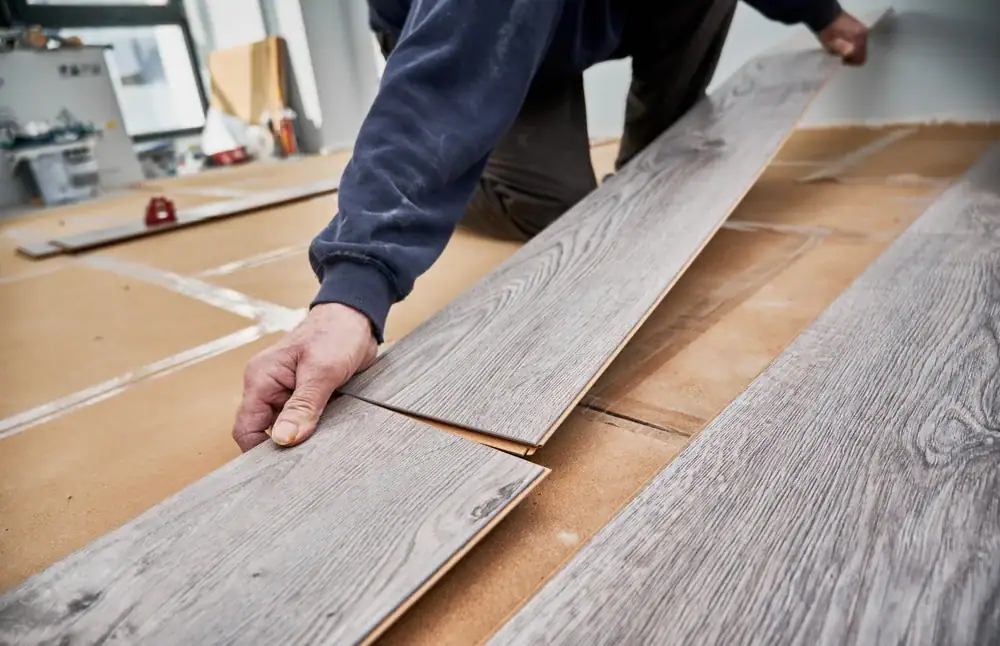
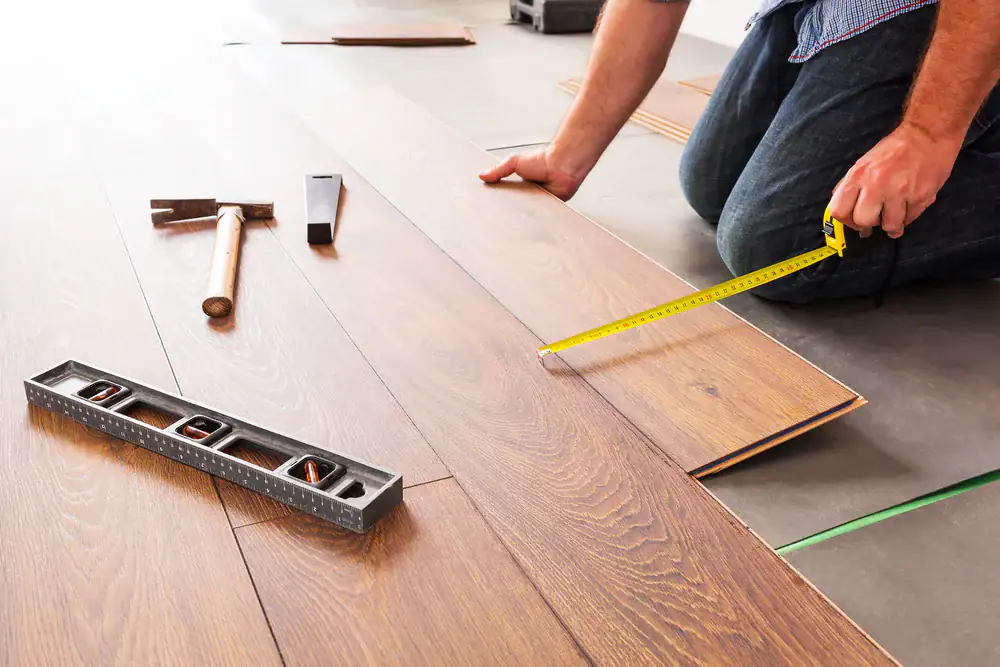
Hardwood Floor Installation Taylorsville Homeowners Trust
You’re looking at a 3-5% bump in property value when hardwood flooring goes in correctly. That’s not marketing talk—that’s what appraisers see when floors are level, the finish is clean, and there’s no evidence of rushed work.
But the real return shows up later. Floors installed with proper subfloor prep and moisture regulation don’t develop the problems that force you to call someone back in five years. No cupping from humidity issues. No squeaking from inadequate fastening. No premature wear from uneven surfaces.
The difference between a wood flooring contractor who knows what they’re doing and one who doesn’t becomes obvious around year three. That’s when shortcuts start announcing themselves. Proper installation means you’re still happy with your floors a decade in, not budgeting for repairs.
Experienced Wood Flooring Contractor in Taylorsville
We’ve been handling hardwood floor installation and refinishing in Taylorsville and throughout Hanover County for over 20 years. David Emmerling runs the operation, and our focus has always been straightforward: do the prep work right, use quality materials, and don’t leave until the job meets the standard.
Taylorsville homeowners know what matters in this area—older homes with subfloors that need attention, humidity levels that fluctuate with the seasons, and a preference for work that doesn’t create a dust storm through the house. The dust-free process we use captures 95% of sanding dust, which matters when you’re living in the space.
You’ll find our work in historic properties around Hanover County and newer construction in the Richmond suburbs. Our approach doesn’t change based on the home’s age—just the specific prep requirements.
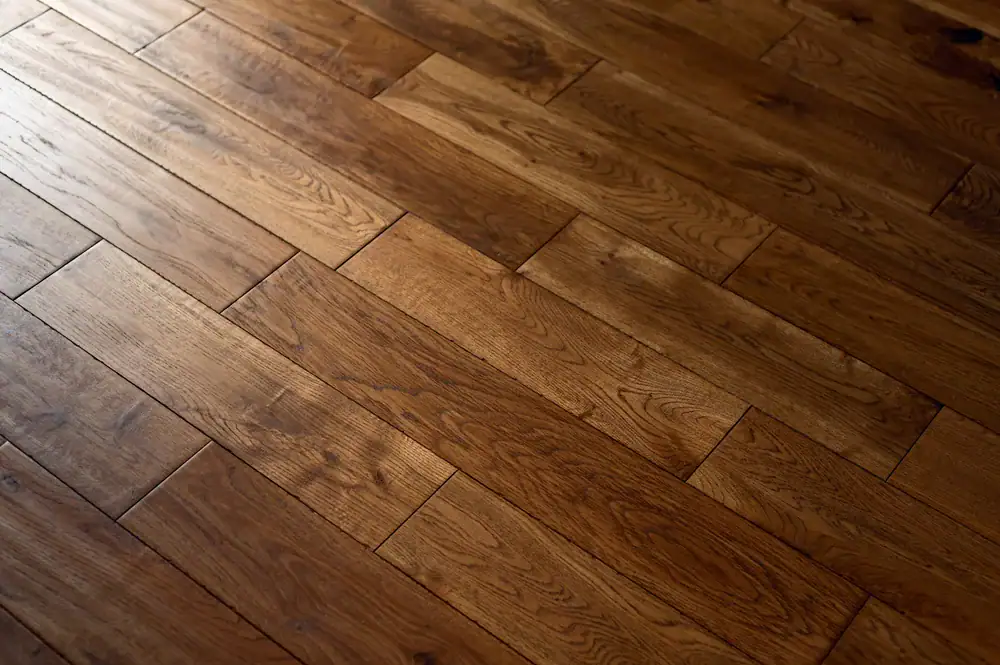
Our Hardwood Floor Installation Process
Everything starts with the subfloor. Before any hardwood goes down, we’re checking for level, moisture content, and structural integrity. If the subfloor isn’t right, nothing else matters. This is where most problems originate, and it’s where most contractors rush.
Moisture testing comes next. Roughly 80% of wood flooring failures trace back to moisture issues. We’re measuring both the subfloor and the hardwood itself, making sure they’re acclimated and within acceptable ranges for Taylorsville’s climate. Virginia humidity is real, and wood responds to it.
Layout and installation follow once the prep is confirmed. We’re planning the pattern, determining the best starting point, and making sure the fastening method matches your subfloor type. Solid wood flooring installers who skip this planning create avoidable problems—weird transitions, poor sight lines, and boards that end in awkward places.
The finish work is the final phase. Whether you’re going with a natural look or a stain, the application process determines durability. We’re using quality finishes that hold up to foot traffic, and we’re applying them in controlled conditions so they cure properly.
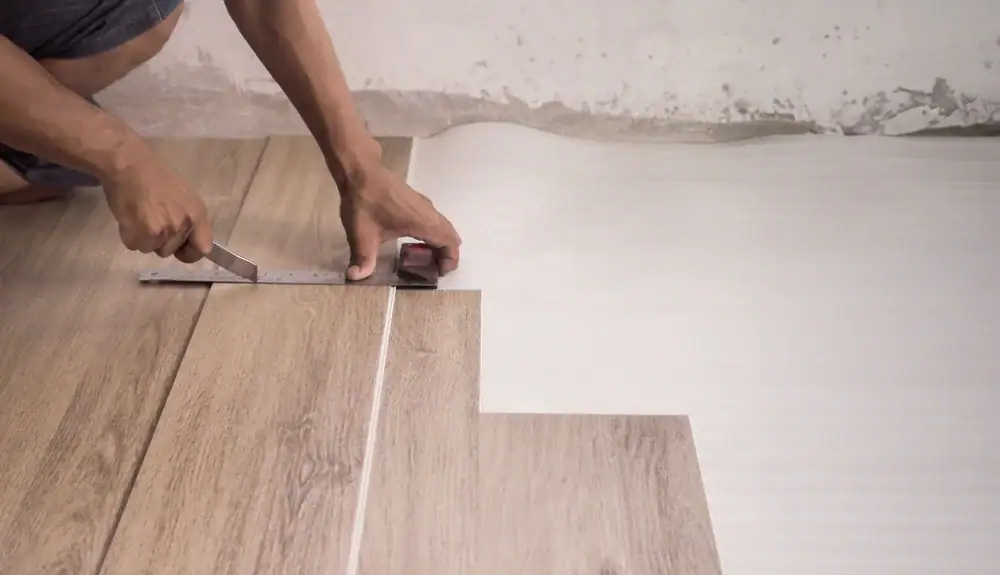
Hardwood Floor Repair and Installation Services
You’re getting a full assessment before any work starts. That means identifying subfloor issues, discussing wood species options based on your traffic patterns, and walking through finish choices that match your maintenance preferences. No upsells—just information about what works in Taylorsville homes.
The installation itself includes subfloor preparation, moisture barrier installation where needed, hardwood acclimation verification, and the actual floor installation using appropriate fastening methods. We’re also handling transitions between rooms, floor vents, and any areas that require custom cuts around existing features.
Hanover County homes often need hardwood floor repair before new installation, especially in older properties. We handle that too—replacing damaged sections, addressing subfloor rot, and making sure the existing structure can support new flooring. It’s common in this area, and it’s factored into the timeline.
Floor refinishing services are part of the same conversation. Sometimes your existing floors just need proper restoration rather than replacement. We’ll tell you which makes more sense for your situation and your budget. The goal is floors that perform, not unnecessary work.
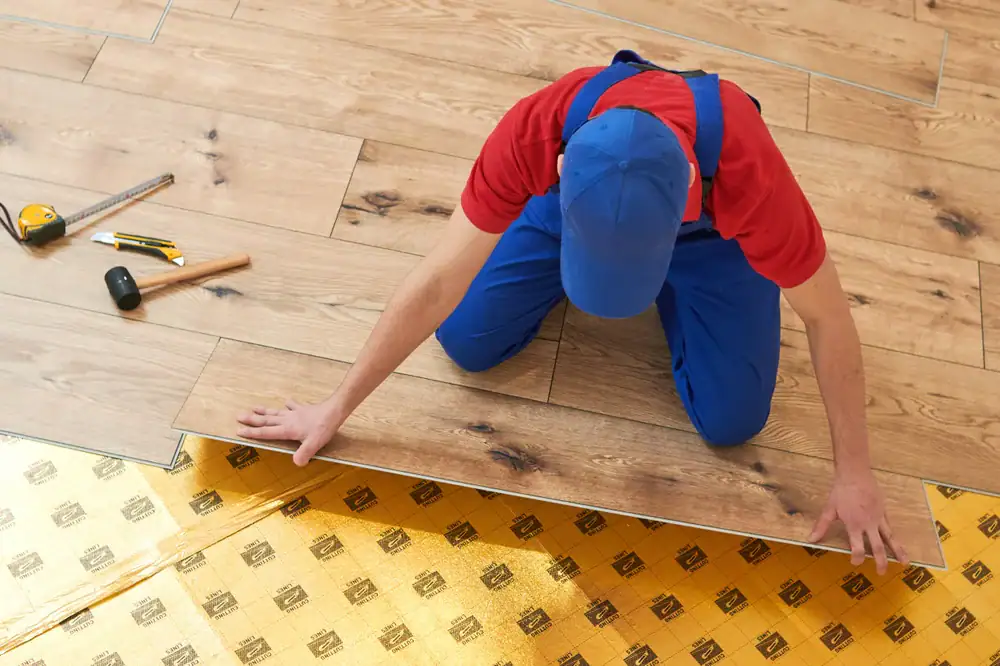
How long does hardwood floor installation take in a typical Taylorsville home?
Most installations in Hanover County homes take three to five days for an average-sized room, but that timeline shifts based on what we find when we start. If your subfloor needs repair or leveling, add time. If we’re working around existing trim or built-ins, add time. If you’re installing in multiple rooms with transitions, add time.
The acclimation period happens before we even start. Your hardwood needs to sit in your home for at least three days to adjust to your specific humidity levels. Skip this, and you’re risking gaps or cupping later. Virginia’s climate makes this step non-negotiable.
We don’t rush the finish either. Each coat needs proper cure time, and you can’t walk on the floors until that’s complete. Plan on staying off them for at least 24 hours after the final coat, longer if humidity is high. The finish schedule determines when you can move furniture back in, usually around three to five days after completion.
What's the difference between solid and engineered hardwood for Taylorsville homes?
Solid hardwood is exactly what it sounds like—a single piece of wood from top to bottom, typically 3/4 inch thick. It can be refinished multiple times over its life, which in a properly maintained floor means decades of use. It’s more sensitive to moisture and humidity changes, which matters in Virginia where seasonal shifts are significant.
Engineered hardwood has a real wood veneer on top with plywood layers underneath. It handles moisture better than solid wood, making it a smarter choice for basements or areas where humidity control isn’t perfect. The tradeoff is refinishing limits—you can usually refinish it once, maybe twice, depending on the veneer thickness.
For Taylorsville homes with good climate control and above-grade installation, solid hardwood gives you more long-term value. For areas with moisture concerns or below-grade spaces, engineered makes more sense. Neither is universally better—it depends on where it’s going and how your home handles humidity. We measure moisture levels during the assessment to recommend which type fits your specific conditions.
How do you handle subfloor problems during installation?
We find subfloor issues in about half the homes we work in around Hanover County, especially older construction. The most common problems are uneven surfaces, moisture damage, and inadequate support. All of them need correction before hardwood goes down, or you’ll have performance issues later.
Leveling comes first if the subfloor is out of spec. We’re using leveling compound for minor variations and more extensive repair for serious problems. Hardwood installed over an uneven subfloor will squeak, wear unevenly, and potentially crack. The tolerance is tight—within 3/16 inch over 10 feet for most installations.
Moisture damage requires more involved work. If we find rot or water damage, that section gets replaced. Installing over compromised subfloor is asking for failure. We’re also addressing the moisture source if it’s active—no point in replacing material if the problem continues. This is especially common in Taylorsville homes with crawl spaces or older plumbing. The subfloor repair adds time and cost, but it’s not optional if you want floors that last.
What wood species hold up best in high-traffic areas?
Oak remains the standard for high-traffic areas in Richmond-area homes, and there’s a reason for that. Red oak has a Janka hardness rating of 1290, white oak comes in at 1360. Both handle foot traffic, furniture movement, and the occasional dropped item without showing damage quickly. White oak is gaining popularity for its cleaner grain and better moisture resistance.
Hickory is harder—1820 on the Janka scale—but the dramatic grain pattern isn’t for everyone. If durability is the only concern and aesthetics are secondary, hickory outperforms most other domestic species. It’s common in entryways and kitchens where traffic concentrates.
Maple sits at 1450, offering a middle ground with a more subtle grain than oak. It takes stain less evenly than oak, so most people keep it natural. For Taylorsville homes with contemporary design, maple fits better aesthetically while still handling traffic. The species choice affects your maintenance schedule and how the floor ages. Softer woods like pine or fir show character faster—some people want that, others don’t. We discuss traffic patterns during the consultation to match the wood to your actual use.
Do you offer dust-free sanding for refinishing projects?
The dust-free system we use captures about 95% of sanding dust during refinishing work. It’s not literally zero dust—that doesn’t exist—but it’s a significant reduction from traditional sanding methods that send fine particles throughout your home. The system uses specialized equipment with direct vacuum attachment to contain dust at the source.
This matters more than people realize until they’ve lived through a traditional sanding job. Fine wood dust travels through HVAC systems, settles on surfaces in other rooms, and lingers in the air for days. The dust-free approach keeps the mess contained to the work area, which means less cleanup and less disruption to your daily routine.
For Taylorsville homeowners living in the house during refinishing, this system makes the project manageable. You’re not covering every surface in plastic or dealing with dust in your HVAC system for weeks afterward. The equipment costs more and requires more expertise to operate properly, but the difference in your living conditions during the project is substantial. We include it as standard on floor refinishing services because the alternative creates problems for everyone involved.
How soon after installation can I move furniture back onto new floors?
Light foot traffic is usually fine after 24 hours, but furniture is a different timeline. Most finishes need 72 hours minimum before you’re placing furniture on them, and that’s in ideal conditions. High humidity extends cure time, which is relevant in Virginia during summer months. Rush it, and you risk finish damage that shows up as impressions or dull spots where furniture legs sit.
Heavy furniture requires even more caution. Wait at least a week before moving large pieces back, and use felt pads or protective barriers under all legs. The finish continues curing for up to 30 days after application, becoming progressively more durable. Early in that process, it’s more susceptible to marking and damage from concentrated weight.
Area rugs need to wait too—at least two weeks, preferably longer. Placing a rug too early can trap moisture and prevent proper curing, creating discoloration or soft spots in the finish. For Hanover County homes where we’re working in summer humidity, we’re often recommending longer wait times than the minimum. The finish manufacturer’s guidelines give us the baseline, but we adjust recommendations based on actual conditions in your home during installation. Patience here prevents problems you’d otherwise be looking at for years.
Other Services we provide in Taylorsville