
Wood Floor Installers in Sweet Briar Park, VA
Hardwood Floors That Last Decades, Not Just Years
Hardwood Floor Installation Sweet Briar Park
You’re not just getting new floors. You’re getting a surface that won’t buckle when humidity shifts in summer or gap when winter hits. That’s what happens when the subfloor gets assessed correctly and materials acclimate before installation starts.
Most problems with hardwood floors don’t come from the wood itself. They come from rushed prep work or installers who skip steps to finish faster. When your subfloor isn’t level or moisture levels aren’t checked, you end up with squeaks, movement, and boards that don’t sit right.
Proper installation means your floors look clean and feel solid underfoot. No hollow spots. No creaking when you walk across the room. Just a floor that works the way it should and holds up to daily life in a home like yours—where kids run through, furniture gets moved, and spills happen.
Homes in Sweet Briar Park were built between the 1940s and 1960s. That means subfloors need attention before new hardwood goes down. Skipping that step costs more later.
Wood Flooring Contractor Sweet Briar Park
We’ve been working on hardwood floors across Virginia for over 20 years. We’ve seen what holds up in older homes and what doesn’t. Sweet Briar Park has a lot of mid-century construction, and those homes need installers who understand how foundations settle and how subfloors behave over time.
We’re not the cheapest option. That’s intentional. Cheap installations skip the prep work that prevents problems. We check subfloors for rot, level uneven surfaces, and let materials acclimate to your home’s humidity before anything gets nailed down.
You’ll work with the same crew from start to finish. No subcontractors. No rotating teams. Just experienced installers who know how to handle the details that matter—like expansion gaps, transitions between rooms, and how to work around existing trim without tearing up your walls.
Professional Wood Floor Installation Process
First, we look at your subfloor. Not just a quick glance—we check for soft spots, moisture issues, and whether it’s level enough for hardwood. If it’s not, we fix it before installation starts. This step gets skipped by installers trying to move fast, and it’s why floors fail early.
Next, your materials sit in your home for several days. Wood needs to adjust to your humidity levels, or it’ll expand and contract after installation. That’s what causes gaps and buckling. We don’t rush this part.
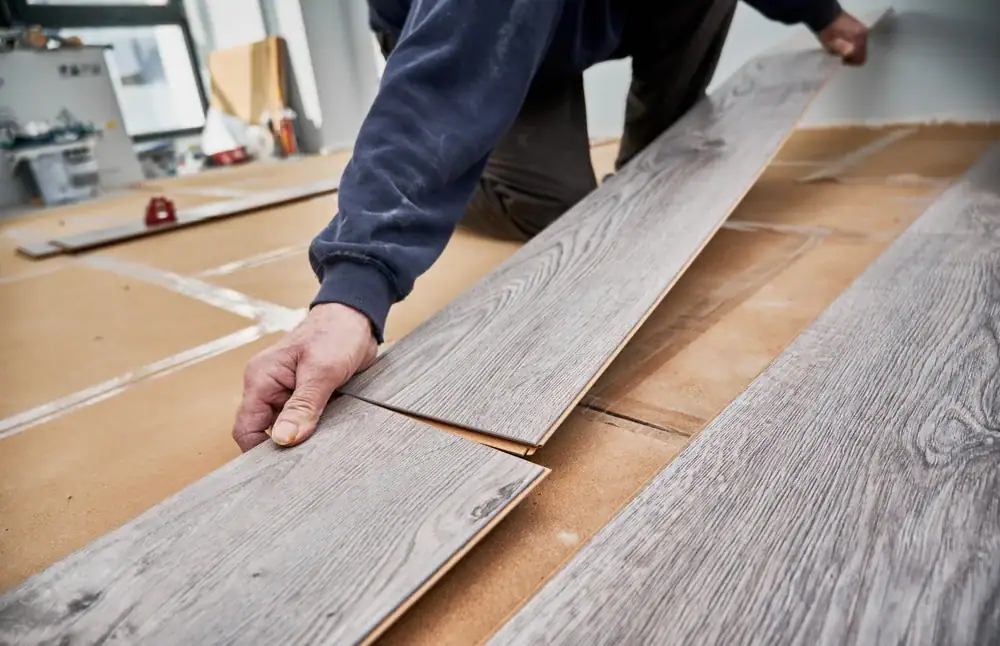
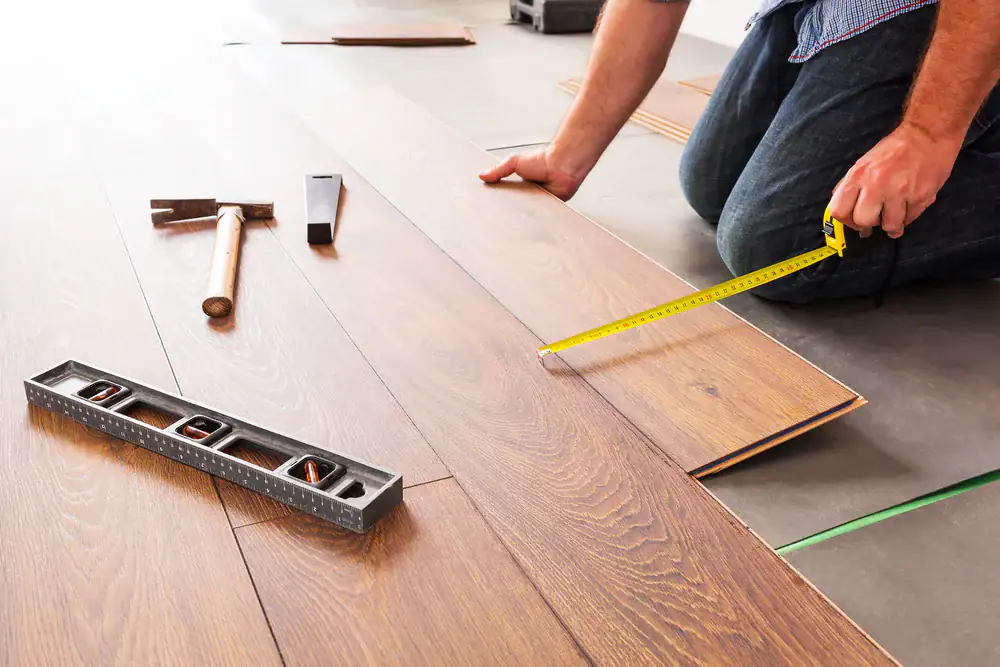
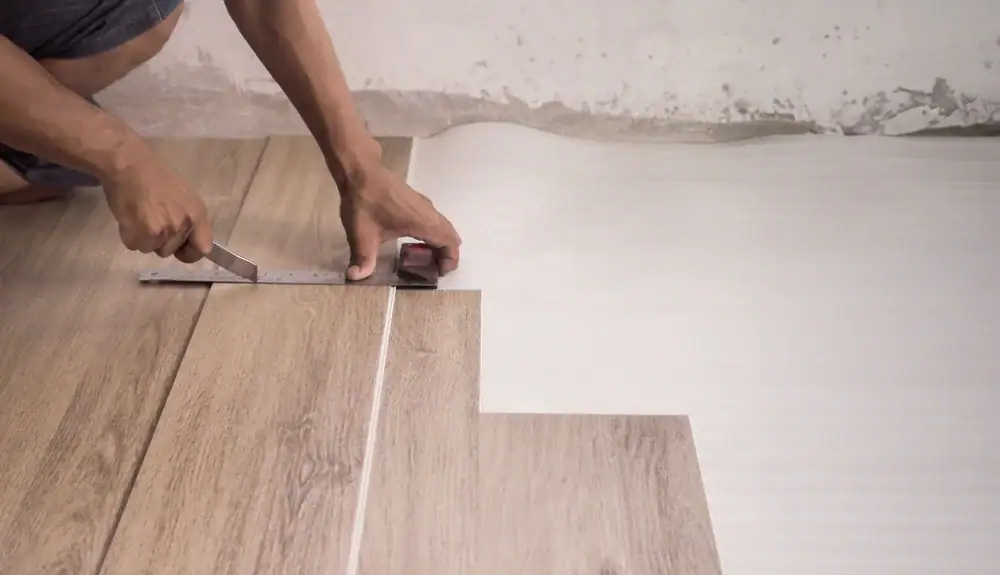
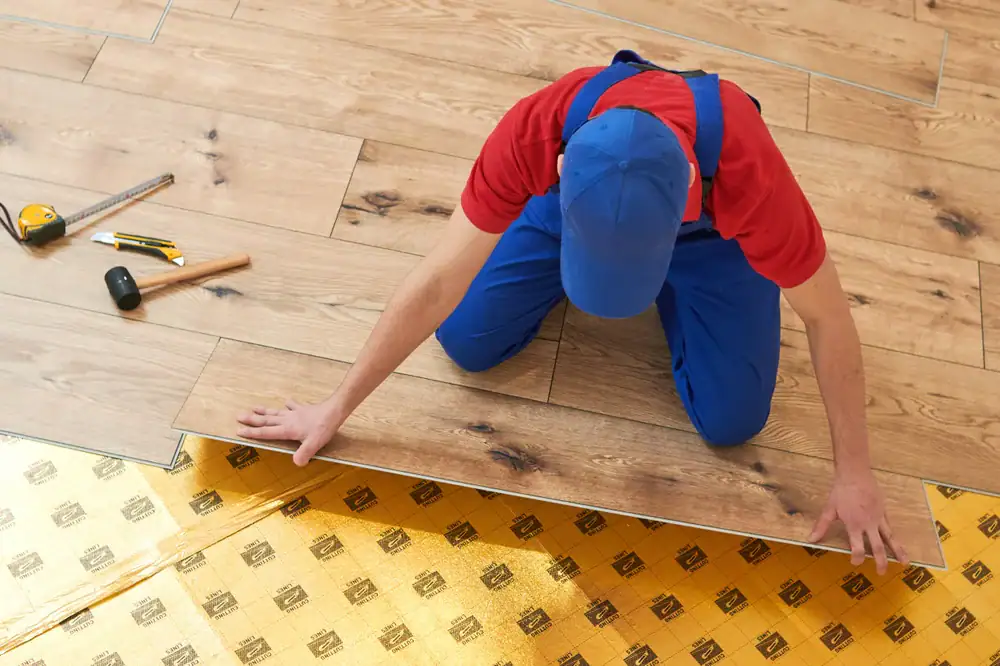
Installation day, we move furniture and seal off the work area to keep dust contained. Boards get laid with proper spacing for expansion. Transitions between rooms get planned so nothing looks awkward or feels uneven when you walk through doorways. Every board gets checked before it’s secured.
After installation, we clean up completely. No sawdust left behind. No nails in the driveway. Your floors get a final inspection, and we walk you through care instructions so you know how to keep them looking right. The whole process typically takes two to four days depending on square footage, and you’ll know the timeline upfront—no surprises.
Solid Wood Flooring Installers Near Me
You get a full subfloor assessment before any work starts. We’re looking for plywood rot, uneven joists, or moisture problems that’ll ruin hardwood down the line. If your subfloor needs repair, you’ll know exactly what’s required and why it matters. No upselling—just honest assessment of what your floor needs to perform correctly.
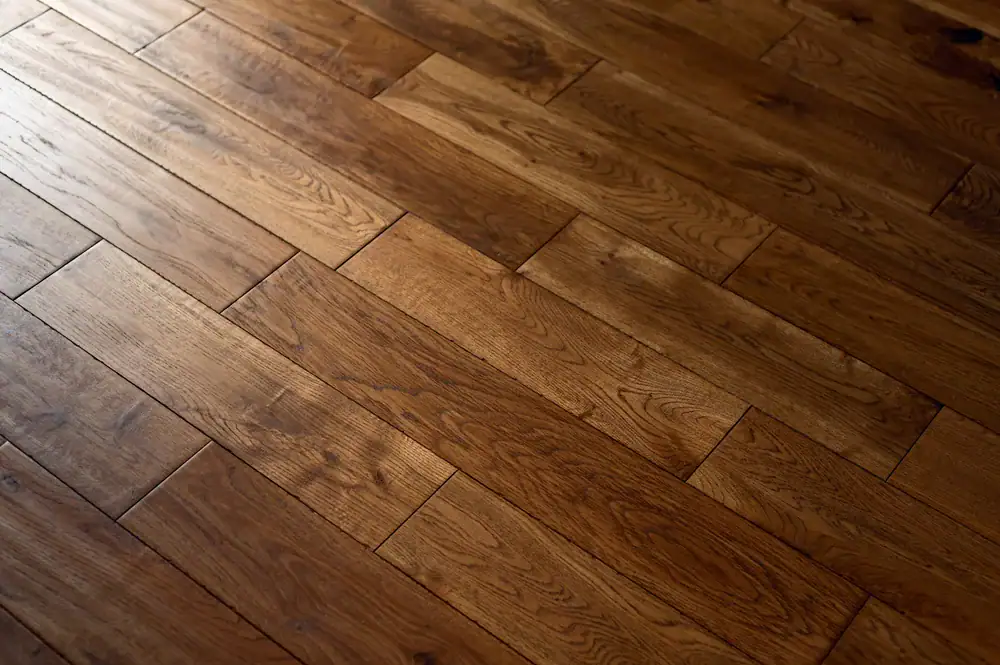
Material selection happens with your input. Oak, maple, walnut—whatever fits your style and budget. We work with quality suppliers, and you’ll see samples in your actual lighting before making a decision. Stain and finish options get explained in plain terms so you understand what you’re choosing.
Sweet Briar Park homes often have original hardwood in some rooms and carpet or vinyl in others. If you’re matching existing floors, we help you find the closest match possible or create a clean transition that looks intentional. Wide plank installations are popular right now—6 to 10 inches wide—because they make rooms feel more open and show fewer seams.
Installation includes furniture moving, dust containment, and full cleanup. We’re not leaving you with a mess to deal with. Matte and satin finishes are most requested lately because they hide minor scratches better than high-gloss and look more natural. Your floors will be ready to walk on within 24 hours, fully cured within a week.
How much does hardwood floor installation cost in Sweet Briar Park?
Installation costs run between $6 and $12 per square foot for most projects, covering both labor and materials. That’s for standard oak or maple in a typical room layout. If you’re looking at higher-end woods like walnut or hickory, or if your space has a lot of angles and transitions, expect $13 to $25 per square foot.
A single room—say, a living room around 300 square feet—usually falls between $1,800 and $3,600. Whole-home installations in Sweet Briar Park homes, which average 1,700 to 2,300 square feet, typically range from $12,000 to $28,000 depending on wood choice and subfloor condition.
The biggest variable is subfloor work. Older homes sometimes need plywood replaced or joists reinforced. That adds cost, but it’s not optional if you want floors that don’t squeak or sag. We give you a clear estimate after inspecting your subfloor, so there’s no guessing about final price.
How long does hardwood floor installation take to complete?
Most single-room installations take one to two days. Whole-home projects usually run three to five days, depending on square footage and how much furniture needs moving. Subfloor repairs add time—anywhere from half a day to two days if there’s rot or leveling work involved.
Material acclimation happens before installation starts, and that takes three to seven days. Your wood sits in your home, adjusting to humidity levels. Rushing this step causes boards to expand or contract after they’re installed, which leads to gaps or buckling. It’s not exciting to wait, but it prevents problems you’d be dealing with for years.
After installation, floors are walkable within 24 hours. Full curing takes about a week. You can move furniture back carefully after two days, but avoid dragging anything heavy or putting down rugs until the finish fully hardens. We’ll give you a specific timeline based on your project size and the finish type you choose.
What's the difference between solid and engineered hardwood installation?
Solid hardwood is a single piece of wood, typically three-quarters of an inch thick. It can be sanded and refinished multiple times over its life—usually four to six times depending on thickness. That’s decades of use if maintained properly. Solid wood works best on main floors with wood subfloors, not basements or concrete slabs where moisture is a concern.
Engineered hardwood has a real wood top layer bonded to plywood layers underneath. It handles humidity changes better than solid wood, which makes it smarter for basements or areas where temperature fluctuates. The tradeoff is refinishing limits—you can usually sand it once, maybe twice, depending on the wear layer thickness.
Installation methods differ too. Solid hardwood gets nailed down, which requires a wood subfloor. Engineered can be glued or floated over concrete, giving you more options in homes with slab foundations. For Sweet Briar Park’s older homes with wood subfloors, solid hardwood often makes more sense unless you’re finishing a basement. Cost is similar, so the choice comes down to where the floor is going and how long you plan to stay in the home.
Will hardwood floors work in my kitchen or bathroom?
Hardwood in kitchens is common and holds up fine if you’re realistic about maintenance. Spills need to get wiped up quickly—standing water will damage any wood floor. High-traffic kitchens show wear faster than living rooms, but that’s true for any flooring. If you cook a lot and want something more forgiving, engineered hardwood handles moisture slightly better than solid wood.
Bathrooms are trickier. Hardwood can work in a powder room or master bath that doesn’t see heavy shower splash, but it’s not ideal near tubs or showers where water exposure is constant. Even sealed wood will eventually show damage if it’s getting wet regularly. Most people choose tile or luxury vinyl in full bathrooms and save hardwood for bedrooms and main living areas.
If you’re set on wood in a kitchen or bathroom, go with engineered hardwood and a water-resistant finish. Keep mats near sinks. Wipe up spills immediately. Accept that these areas will need refinishing sooner than your living room. We’ll walk you through the realistic maintenance expectations before you decide, because the last thing you want is buyer’s remorse six months in when water damage starts showing up.
Do you move furniture and put it back after installation?
Yes, furniture moving is included. We’ll relocate everything that needs to move for installation access—couches, tables, beds, dressers. Large items like pianos or heavy armoires might need specialty moving, which we can arrange, but standard furniture is handled by our crew.
Smaller items—lamps, decor, anything breakable—you’ll want to pack up yourself before we arrive. We’re careful, but it’s smarter for you to handle anything fragile or valuable. We’ll also need closets cleared if we’re installing in bedrooms, since we work wall to wall and need access to the full floor space.
After installation and cleanup, we move furniture back carefully. Felt pads go under legs to protect your new floors. We don’t rush this part—dragging furniture across fresh hardwood defeats the purpose of a quality install. If you’re replacing furniture or waiting on new pieces, we can leave the room empty. Just let us know your preference when we schedule the work.
How do I maintain hardwood floors after installation?
Sweep or vacuum regularly—dirt and grit act like sandpaper under foot traffic and dull the finish over time. Use a soft-bristle broom or a vacuum without a beater bar. Skip the steam mops and wet mopping. Hardwood doesn’t like standing water, even sealed hardwood. Damp mop occasionally with a cleaner made for hardwood, and dry immediately.
Felt pads under furniture legs prevent scratches and dents. Rugs in high-traffic areas reduce wear, but make sure they’re breathable—rubber-backed rugs can trap moisture and discolor wood. Trim your pet’s nails. Keep humidity levels between 35% and 55% to prevent wood from expanding or contracting with seasonal changes.
Refinishing becomes necessary every 10 to 15 years in high-traffic homes, longer if traffic is light. You’ll know it’s time when the finish looks worn through in spots or scratches don’t buff out anymore. Solid hardwood can be refinished multiple times, so you’re looking at decades of use before replacement is even a consideration. We’ll show you what to watch for and when to call for maintenance before minor wear turns into bigger problems.
Other Services we provide in Sweet Briar Park