
Wood Floor Installers in Scotchtown, VA
Hardwood Floors Installed Right the First Time
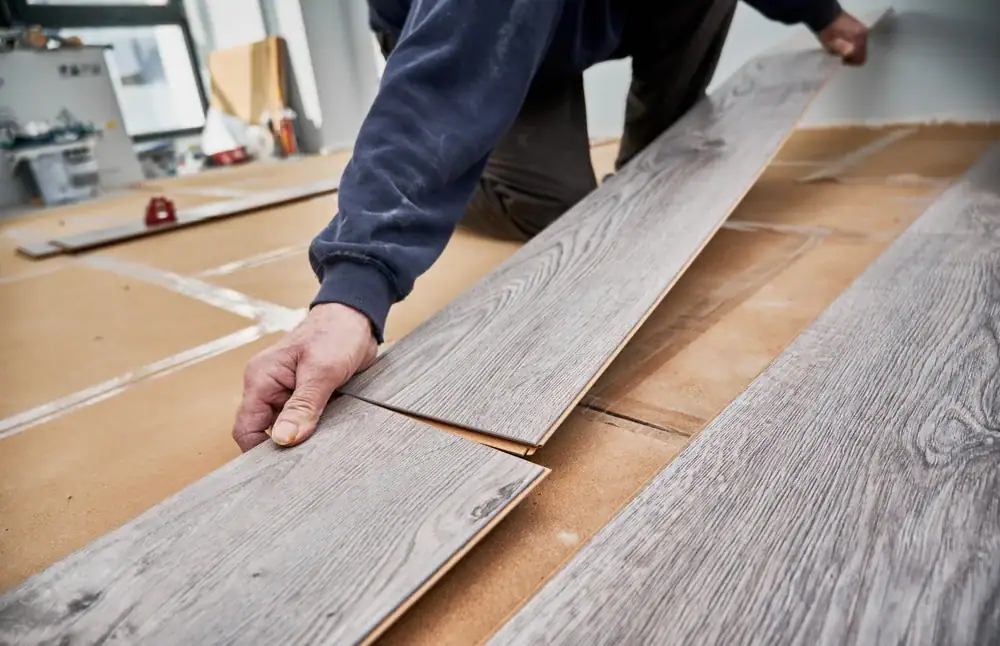
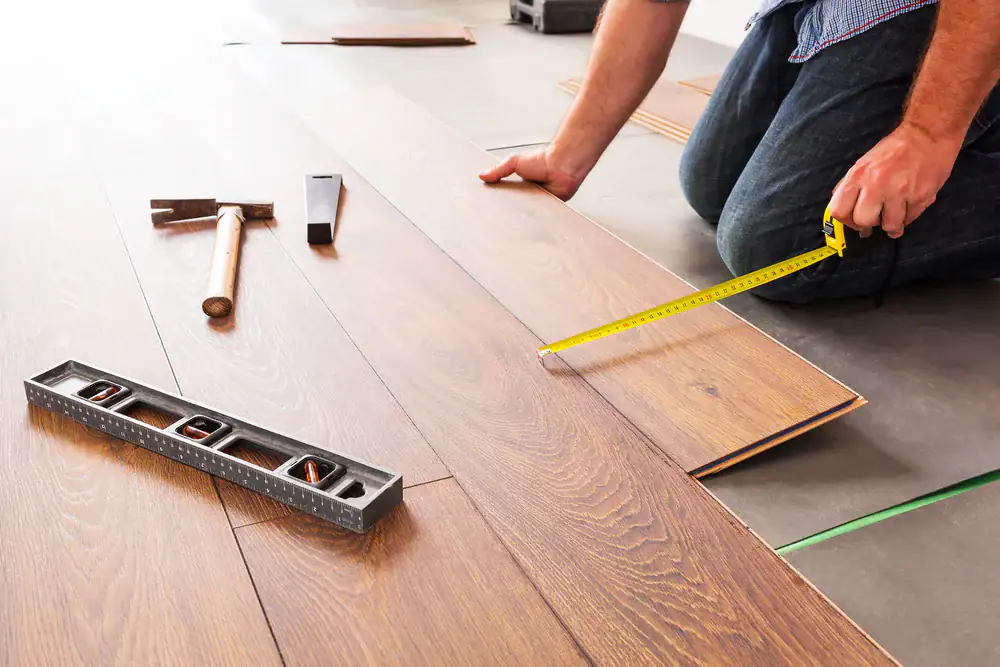
Hardwood Floor Installation Scotchtown Homeowners Trust
You’re not just getting new floors. You’re making one of the smartest investments in your Scotchtown home—one that typically returns more than what you put in when it’s time to sell.
The difference shows up immediately. Your rooms feel bigger, cleaner, more finished. Natural wood brings warmth that carpet and vinyl just can’t match. And unlike those materials that wear out in 5-10 years, properly installed hardwood lasts for decades with basic care.
Here’s what changes after installation: less time cleaning (wood floors don’t trap dust and allergens like carpet), better air quality for your family, and a home that feels more valuable because it actually is. Most Hanover County appraisers will tell you the same thing—quality hardwood flooring consistently adds resale value.
We use dust-containment systems during installation, which means you’re not washing dust off every surface in your house for weeks afterward. Most projects wrap up in a day or two, not a week. And because we’ve been installing floors in this area since the early 2000s, we know exactly how wood behaves in Virginia’s humidity and what installation methods hold up long-term in Scotchtown homes.
Experienced Wood Flooring Contractor Serving Scotchtown
We’ve been working in Scotchtown and the surrounding Hanover County area for over 20 years. That’s long enough to have installed floors in some of these homes twice—once when they were built, and again when the homeowners wanted an upgrade.
You’ll work with the same crew from start to finish. No subcontractors, no surprises. We’ve seen what works in Virginia’s climate and what doesn’t, especially in older Scotchtown homes where subfloor prep makes or breaks the job.
Most of our work comes from referrals, which tells you something. When your floors are done, we’re still here—same number, same people. If something needs attention down the road, you’re not tracking down a company that’s disappeared or changed names.
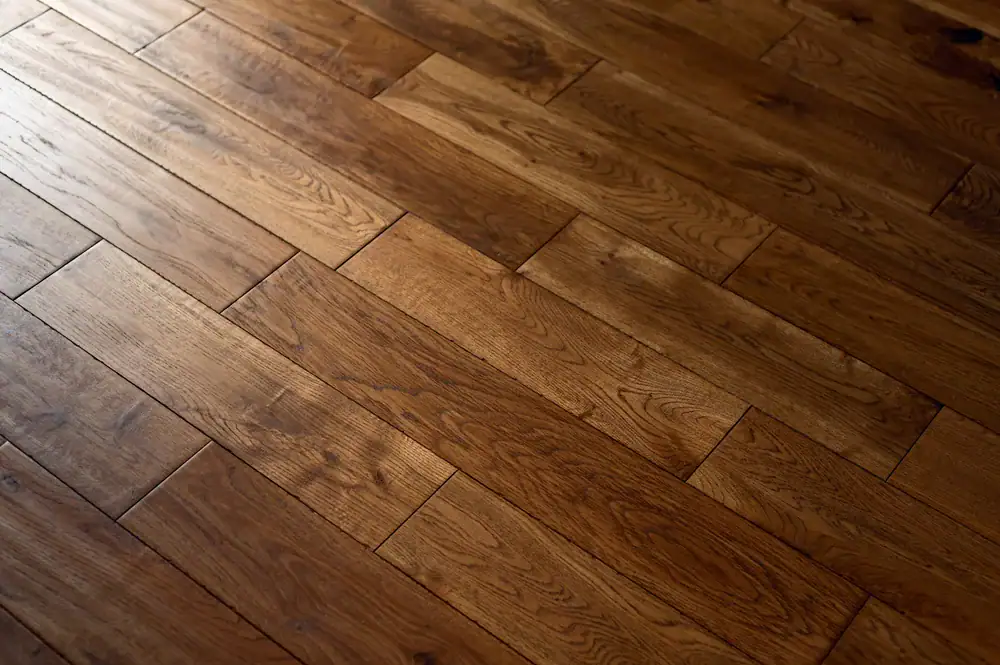
Our Hardwood Floor Installation Process
It starts with looking at your space in person. We check subfloor conditions, measure moisture levels, and talk through wood species and finish options. This isn’t a 10-minute walk-through—we need to see what we’re working with to give you an accurate estimate.
Once you’re ready to move forward, we schedule the work around your timeline. Before any wood goes down, we prep the subfloor. This step matters more than most people realize. An uneven or improperly prepared subfloor leads to squeaks, gaps, and premature wear.
Installation happens with dust-containment equipment running the entire time. You’ll see the difference compared to traditional methods—no fine layer of sawdust coating everything in your house. We acclimate the wood to your home’s humidity levels before installation, which prevents the gaps and cupping issues that happen when installers skip this step.
After the floor is down, we apply your chosen finish. If you’re going with a natural or matte look (which most Scotchtown homeowners are choosing lately), that’s typically two coats. High-gloss finishes need more. We don’t rush dry times. Each coat needs to cure properly, or you’ll have adhesion problems within the first year.
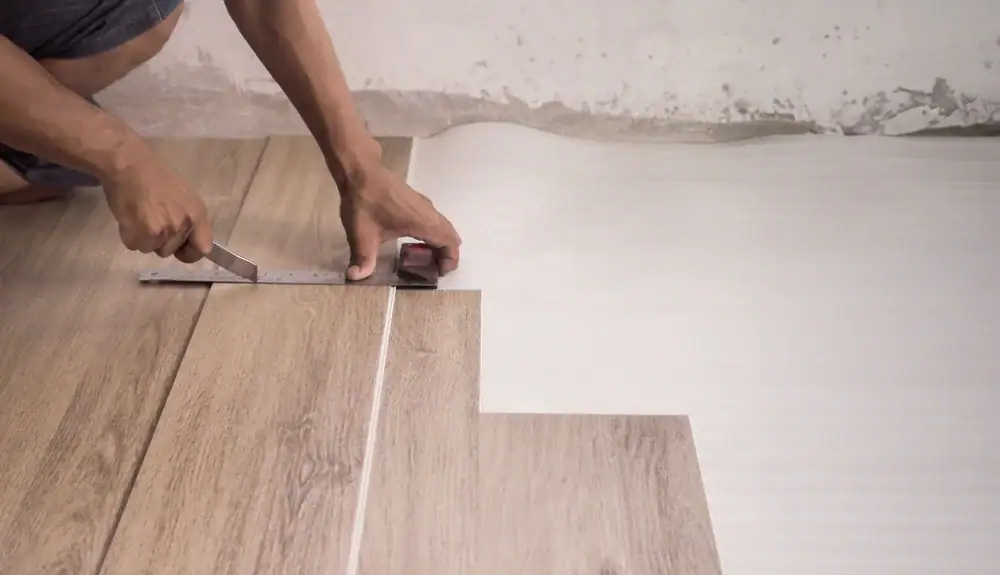
Solid Wood Flooring Installers Scotchtown Residents Recommend
You get a full consultation where we walk through wood species, plank widths, and finish options. White oak is popular right now in Scotchtown for good reason—it’s durable, takes stain well, and the grain pattern works with most home styles. But we’ll show you samples of everything from traditional red oak to hickory and maple so you can see the actual color and grain in your lighting.
Subfloor preparation is part of every installation we do. We level high spots, secure loose areas, and address any moisture issues before wood goes down. Skipping this causes problems you’ll hear and feel for years. We also handle furniture moving and put it back when we’re done, though clearing out smaller items beforehand helps us work faster.
The installation itself uses proper fastening techniques for your specific subfloor type. Nail-down, glue-down, or floating—each method has situations where it’s the right choice. We’re not locked into one approach. And because Hanover County homes range from new construction to historic properties, we’ve handled just about every subfloor scenario.
Your finish options include water-based polyurethane (low odor, fast drying, doesn’t yellow), oil-based poly (more amber tone, extremely durable), or hardwax oil (easy to repair, matte look). Each has tradeoffs. We’ll explain what you’re getting with each so you can make the call based on your priorities, not ours.
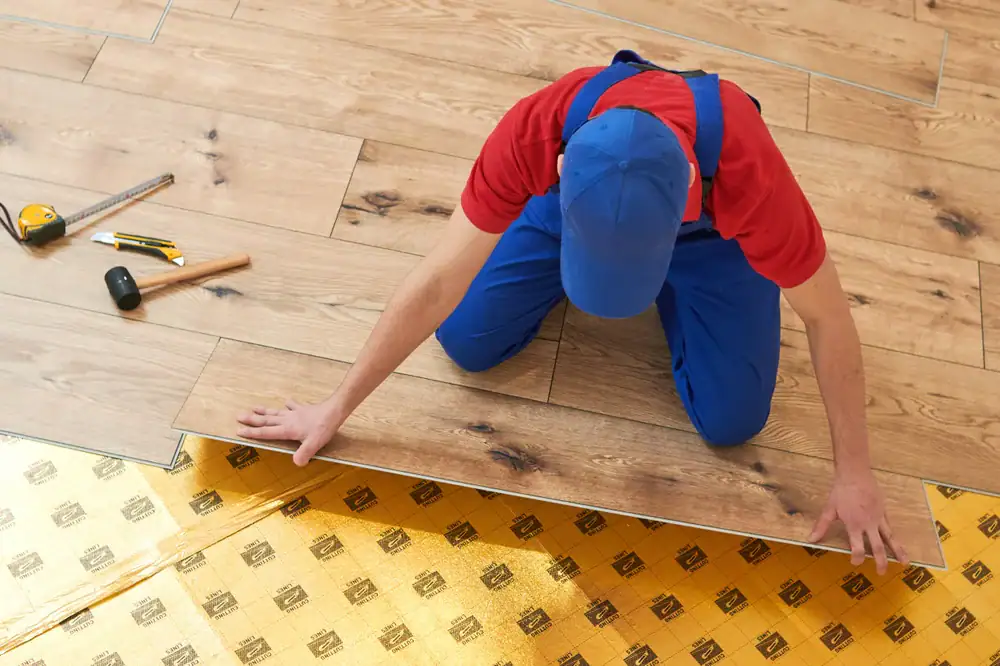
How long does hardwood floor installation take in a typical Scotchtown home?
Most installations take 2-4 days depending on square footage and whether we’re doing multiple rooms. A standard living room and hallway usually wraps up in two days—one day for installation, one day for finishing.
Larger projects that include multiple bedrooms or open-concept main floors can stretch to 3-4 days. The finish needs proper drying time between coats, which you can’t rush. We’re not the company that’ll tell you to walk on your floors in 4 hours. That leads to scuff marks and finish problems.
After installation is complete, you’ll need to stay off the floors for 24 hours minimum. Light walking is usually fine after that, but we recommend waiting 3-4 days before moving furniture back. Full cure takes about a week, so hold off on area rugs during that time.
What's the difference between solid and engineered hardwood for Scotchtown homes?
Solid hardwood is exactly what it sounds like—a single piece of wood from top to bottom, usually 3/4 inch thick. It can be sanded and refinished multiple times over its life, which is why you see 50-year-old solid oak floors that still look great after refinishing.
Engineered hardwood has a real wood top layer (the part you see and walk on) bonded to plywood layers underneath. It’s more stable in humid environments and can go in basements where solid wood shouldn’t. The tradeoff is you can only refinish it 1-2 times depending on the thickness of that top layer.
For most main-level installations in Scotchtown, solid hardwood makes sense. It costs slightly more upfront but lasts longer and gives you more refinishing options down the road. Engineered works well for basements or homes with significant humidity fluctuations. We’ll measure your space’s moisture levels during the estimate and recommend what actually fits your situation.
Will the installation process create dust throughout my entire house?
Not with our equipment. We use dust-containment systems that capture 99% of airborne particles during cuts and prep work. You’ll still want to clear out the rooms we’re working in, but you won’t find dust on your kitchen counters or bathroom sinks.
Traditional installations without dust control create a mess that takes weeks to fully clean up. Fine sawdust gets into HVAC systems, settles on ceiling fans, works its way into cabinets. We’ve heard the horror stories from homeowners who dealt with that before calling us.
Our setup includes barriers between work areas and the rest of your home, plus commercial air filtration running continuously. It’s not completely dust-free—that’s impossible—but it’s dramatically cleaner than standard methods. Most clients are surprised at how little cleanup is needed after we’re done.
How much does professional wood floor installation cost in Scotchtown?
Installation typically runs $6-12 per square foot depending on the wood species, installation method, and finish you choose. A 300-square-foot living room usually falls in the $2,500-4,000 range including materials and labor.
Solid oak or maple sits at the lower end. Exotic species like Brazilian cherry or hickory cost more. Wider planks (which are trending right now) also add to material costs. And if your subfloor needs significant prep work, that affects the final number.
We give you a detailed written estimate after seeing your space. No ballpark figures over the phone, because too many variables affect pricing. Square footage matters, but so does room layout, subfloor condition, and whether we’re working around stairs or built-ins. The estimate breaks down materials, labor, and prep work separately so you see exactly what you’re paying for.
What type of wood flooring works best in Scotchtown's climate?
White oak performs extremely well in Virginia’s humidity swings. It’s stable, dense, and the grain pattern hides minor expansion and contraction better than some other species. That’s why you see it in so many Hanover County homes built in the last 20 years.
Red oak is the traditional choice and still works great. It’s slightly softer than white oak but more affordable and readily available. The grain is more pronounced, which some people love and others don’t. Both oaks handle refinishing well, so you’re not locked into your current finish color forever.
Maple and hickory are harder and more dent-resistant, which matters if you have large dogs or move furniture frequently. They’re also lighter in natural color, fitting the current trend toward brighter, more open-feeling spaces. The downside is they don’t take stain as evenly as oak, so if you want a dark floor, oak is usually the better choice. We bring samples to your home so you can see how each species looks in your actual lighting before making a decision.
Can you install hardwood floors if I have an older Scotchtown home?
Yes, and we do it regularly. Older homes in Scotchtown often have subfloor challenges that newer construction doesn’t—uneven joists, boards that have settled over time, or previous flooring installations that need to be addressed.
The key is proper assessment and prep work. We check for structural issues, level the subfloor where needed, and make sure moisture levels are appropriate before any hardwood goes down. Sometimes that means additional prep time, but it prevents the squeaks and movement issues that happen when installers rush through older homes.
Many older Scotchtown properties actually have solid hardwood under carpet or vinyl that was installed decades ago. If that’s your situation, refinishing the existing floor might be a better option than installing new. We’ll tell you honestly what makes sense after looking at what’s there. Sometimes the original floor is in better shape than homeowners expect, and refinishing costs significantly less than new installation.
Other Services we provide in Scotchtown