
Wood Floor Installers in Richmond Heights, VA
Hardwood That Handles Richmond's Humidity Without Warping
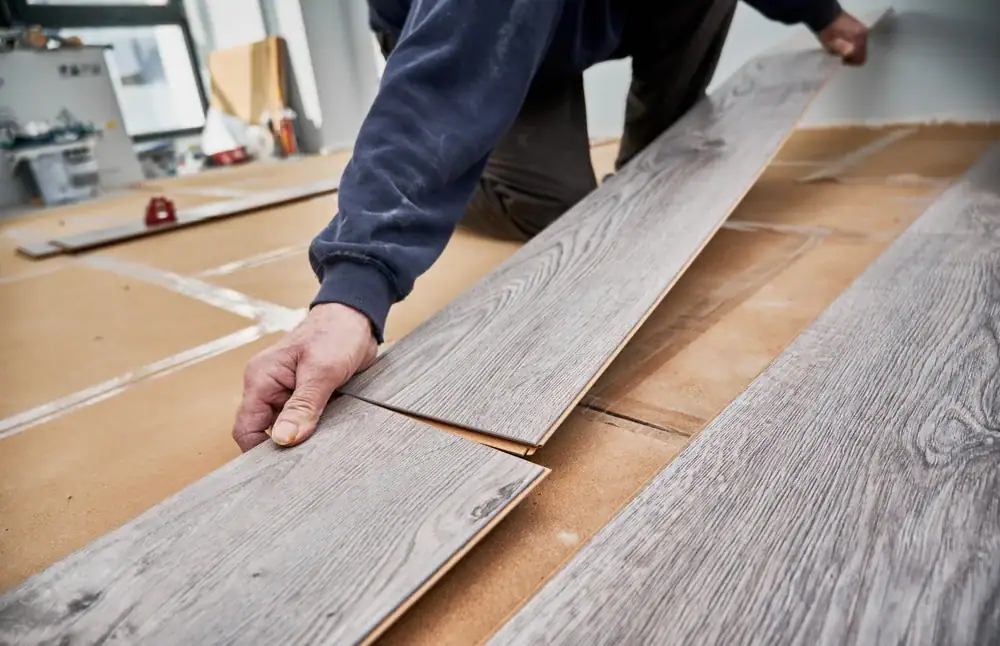
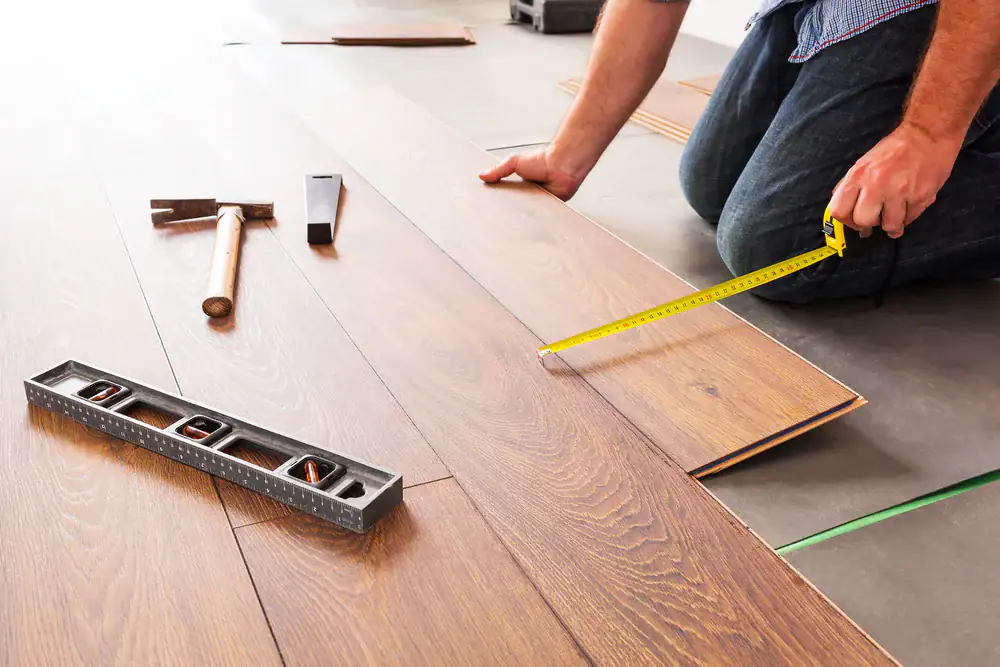
Hardwood Floor Installation Richmond Heights
You’re looking at a 70-80% return on your flooring investment when you sell. That’s not a guess—it’s what quality hardwood floor installation does in Richmond’s real estate market, where median home prices hit $404,000 and buyers notice the details.
But only if the wood doesn’t buckle in July or gap by January. Richmond Heights sits in a climate zone that punishes shortcuts. Summer dew points climb into the oppressive range. Winter heating systems dry out your home. The wood flooring contractor you choose either understands how to prep for that, or you’ll be calling someone else to fix it.
We install hardwood that acclimates to your home before a single plank goes down. We address subfloor moisture in homes with crawl spaces—a common issue in Richmond Heights’ older housing stock. We select species that naturally handle Virginia’s humidity swings. The result is a floor that looks better in five years than most do in five months.
Professional Wood Flooring Contractor Richmond
We’ve spent over 20 years installing and refinishing hardwood floors across Richmond Heights, Henrico, Chesterfield, and the surrounding Virginia region. That’s two decades of learning which oak suppliers deliver stable boards, which subfloor prep methods prevent squeaks in 1950s-era homes, and which finishes hold up when your HVAC cycles between 80% summer humidity and 30% winter dryness.
Richmond Heights has a housing stock where 34% of homes were built in the 1940s-60s and another 29% before 1939. These homes have character. They also have settling foundations, uneven joists, and moisture patterns that newer construction doesn’t deal with. We know how to work with that.
You’re not hiring a crew that learned flooring in a different climate and hopes it translates. You’re hiring wood floor installers who’ve seen what works here and what fails.
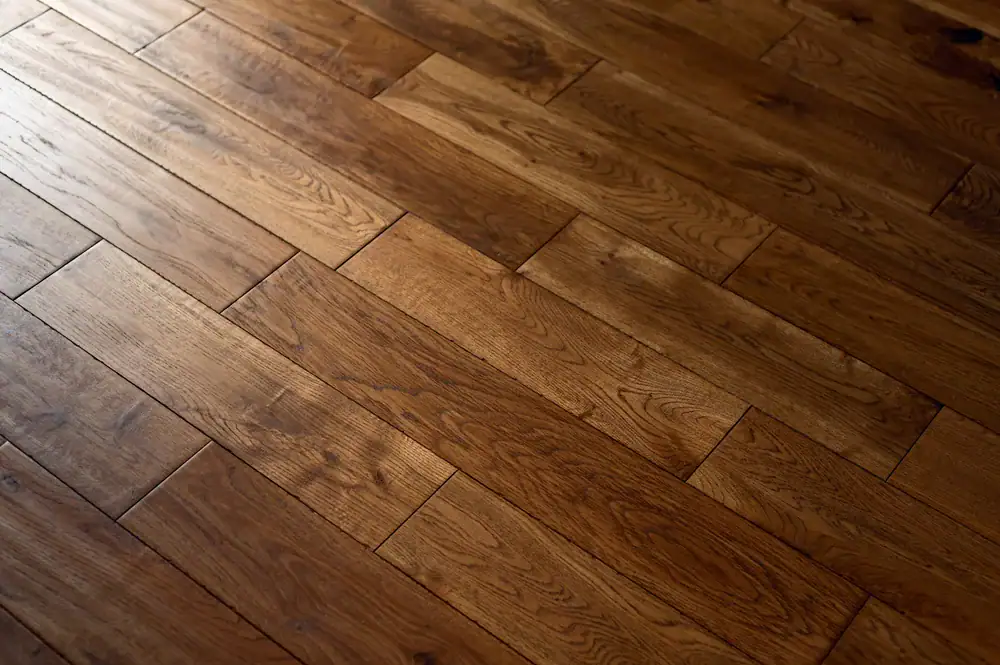
Wood Floor Installation Process Richmond Heights
We start with a free on-site estimate where we check your subfloor condition, measure moisture levels, and talk through wood species that fit your home’s specific conditions. If you have a crawl space, we assess ventilation and vapor barriers. If your home was built before 1970, we look at joist spacing and levelness. This isn’t a quick measurement and quote—it’s a diagnostic.
Once you approve the plan, we deliver the wood to your home 7-10 days before installation. It sits in the room where it’ll be installed, acclimating to your home’s temperature and humidity. Skipping this step is the number one reason floors gap or cup within the first year. We don’t skip it.
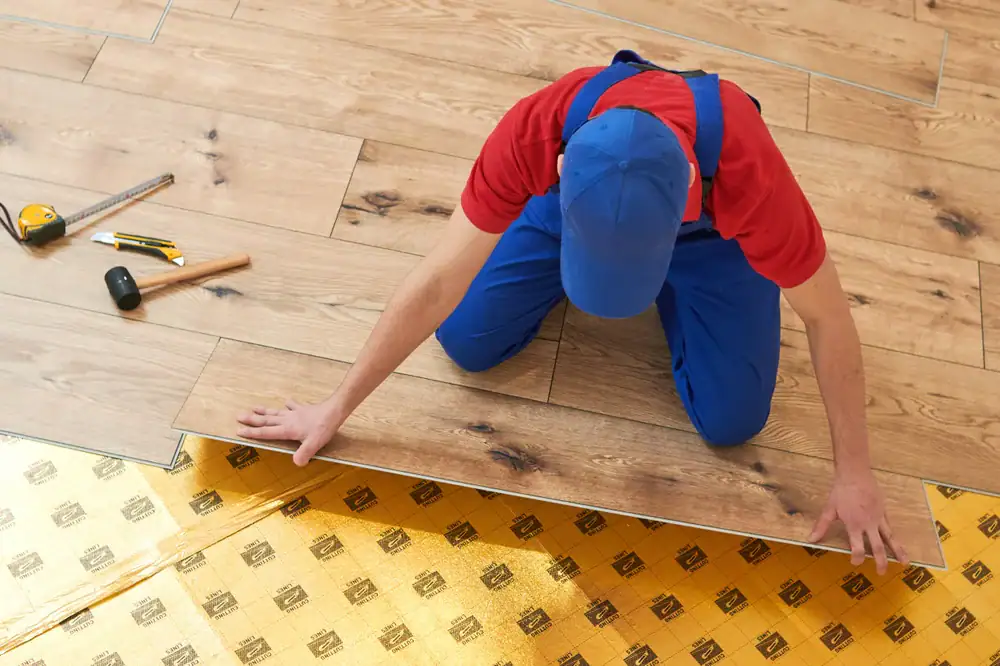
Installation day starts with subfloor prep—cleaning, leveling, and drying to within 3mm over 2 meters. Then we install using the method that matches your subfloor type: nail-down for solid wood over joists, glue-down for concrete slabs, or float for engineered planks. We finish with dust-free sanding and your choice of finish, from high-gloss to the matte, lived-in look that’s trending in Richmond right now.
You get a final walkthrough where we explain care, show you how the wood will respond seasonally, and answer any questions about maintenance.
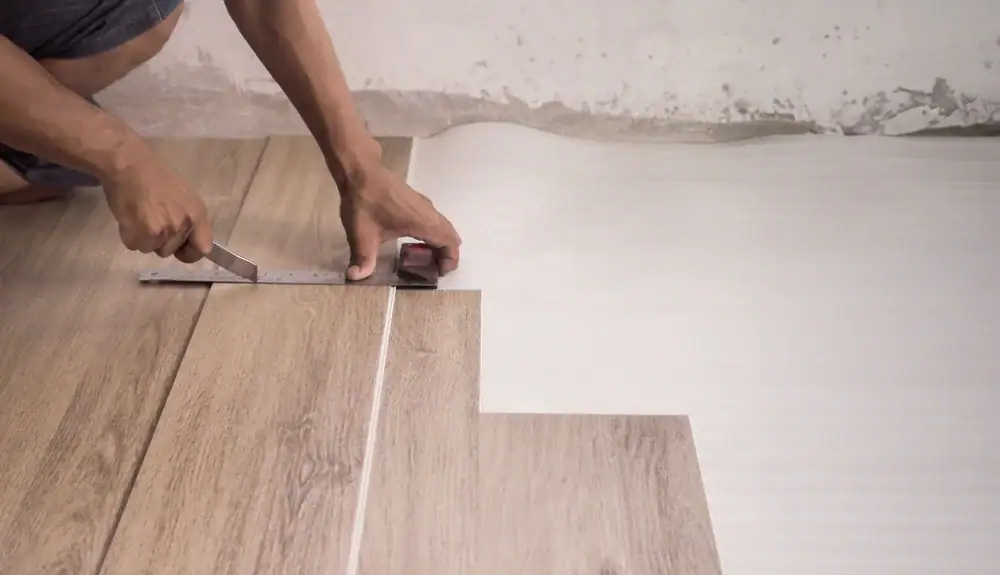
Solid Wood Flooring Installers Richmond Heights
Every installation includes subfloor inspection and prep, moisture testing, wood acclimation time, professional installation with appropriate fastening methods, and dust-free finishing. We also handle furniture moving, old flooring removal if needed, and baseboard/trim work so transitions look clean.
For Richmond Heights homes, we source hardwood from regional Virginia mills when possible—oak, hickory, and walnut that’s already adapted to the climate. We also work with national suppliers for exotic species or engineered options if that’s what fits your design goals. Engineered planks are worth considering if you have a concrete slab foundation or a room that gets direct sunlight most of the day, since they handle expansion and contraction with less drama.
We install vapor barriers in homes with crawl spaces or basements, which is critical in Richmond Heights where clay-rich soil holds moisture. We also coordinate HVAC considerations—if your system can’t maintain 30-50% relative humidity year-round, we’ll recommend species and installation methods that tolerate wider swings.
The finish options range from water-based polyurethane (dries fast, low odor, clear finish) to oil-modified poly (amber tone, more durable) to hardwax oil (natural look, easy to spot-repair). We’ll explain what each one means for maintenance and appearance five years from now, not just on installation day.
How long does hardwood floor installation take in a typical Richmond Heights home?
Most installations take 3-5 days for an average-sized room, but the timeline depends on square footage, subfloor condition, and whether we’re removing old flooring first. A 300-square-foot living room with a solid subfloor in good condition typically takes three days: one day for subfloor prep and installation, one day for sanding, and one day for finish application with drying time.
If your Richmond Heights home was built before 1960, add time for subfloor leveling or joist reinforcement. Older homes settle, and joists weren’t always spaced to modern standards. We won’t install over an uneven subfloor because it leads to squeaks and premature wear. Fixing that upfront adds a day but saves you years of problems.
The acclimation period happens before we start, so factor in 7-10 days for the wood to adjust to your home’s environment. We deliver it, stack it in the room, and let it equalize to your humidity and temperature. Rushing this step is how you end up with gaps by winter or cupping by summer. We’ve seen it too many times to skip it.
What's the best wood flooring for Richmond Heights' humidity and temperature swings?
White oak and hickory handle Richmond’s climate better than most species. Both are dense, stable, and naturally resist moisture movement. Red oak works too, though it expands and contracts slightly more than white oak. If you want something more unique, walnut and maple are solid choices, but they require tighter humidity control in your home.
Engineered hardwood is worth considering if your home struggles to maintain consistent humidity or if you’re installing over a concrete slab. The cross-layered construction resists expansion and contraction better than solid wood. You lose the ability to refinish as many times over the decades, but you gain stability in challenging conditions.
Avoid bamboo and certain exotic species unless you have excellent HVAC control. They’re beautiful, but they don’t tolerate Richmond’s summer humidity spikes or winter dryness as gracefully. We’ve pulled out too many failed bamboo floors from homes where the moisture swings were just too much. Stick with North American hardwoods that evolved in climates similar to Virginia’s, and you’ll have fewer problems long-term.
Do I need to worry about moisture problems with crawl spaces in Richmond Heights?
Yes. Crawl spaces are common in Richmond Heights’ older homes, and they’re a primary source of moisture that damages hardwood floors from below. Clay-rich Virginia soil holds water, and without proper ventilation and vapor barriers, that moisture migrates up through your subfloor and into your hardwood. You’ll see cupping, warping, and eventually mold.
Before we install wood flooring in any home with a crawl space, we check moisture levels in the subfloor. If readings are above 12%, we address the source—usually inadequate vapor barriers or poor ventilation. Sometimes it’s as simple as adding vents or a dehumidifier. Other times it requires a full crawl space encapsulation with sealed vapor barriers. We’ll tell you what’s needed and why.
Installing hardwood over a moisture problem is like painting over rot. It looks fine for a few months, then the floor starts moving. We’ve been called to repair enough of these situations that we won’t install without addressing moisture first. It’s not an upsell—it’s the difference between a floor that lasts 30 years and one that fails in three.
How much does professional hardwood floor installation cost in Richmond Heights?
Professional installation typically runs $6-12 per square foot for materials and labor combined, depending on wood species, subfloor condition, and finish choices. A 300-square-foot room averages $1,800-3,600. Solid domestic hardwood like oak falls on the lower end. Exotic species, engineered planks, or homes requiring significant subfloor work fall on the higher end.
That price includes acclimation time, subfloor prep, installation, sanding, and finish application. It doesn’t include removing old flooring, moving furniture, or repairing structural subfloor issues—those are quoted separately after we assess your specific situation. Richmond Heights homes built before 1960 sometimes need joist reinforcement or leveling, which adds cost but prevents long-term problems.
You’ll find cheaper quotes from contractors who skip acclimation, rush subfloor prep, or use lower-grade materials. You’ll also find yourself calling someone else in two years when the floor gaps or buckles. We’re not the cheapest option in Richmond. We’re the option that doesn’t require a do-over. Most homeowners recoup 70-80% of quality hardwood installation costs at resale, and homes with well-installed hardwood sell faster in Richmond’s market. That return disappears if the floor looks damaged or poorly installed.
Can you install hardwood floors year-round in Richmond, or is there a best season?
We install year-round, but spring and fall offer the most stable conditions. Richmond’s humidity levels are more moderate in April-May and September-October, which means less extreme expansion or contraction during the acclimation and installation process. Summer installations work fine, but we’re managing higher moisture levels. Winter installations require careful attention to indoor humidity since heating systems dry out homes significantly.
The bigger factor isn’t the season—it’s your home’s HVAC control. If you can maintain 30-50% relative humidity and 60-80°F temperature year-round, we can install anytime. If your system struggles or you don’t run heat and AC consistently, we’ll recommend waiting for milder months. The wood needs stable conditions during acclimation and for the first few weeks after installation while it settles.
Summer is peak season for flooring projects in Richmond Heights because people are doing home renovations, so scheduling fills up. If you’re flexible on timing, spring and fall give you more availability and slightly easier working conditions. But we’ve successfully installed hardwood in every month of the year here—it’s about controlling the environment and following the process correctly, not just picking a calendar date.
What maintenance does hardwood flooring require after installation in Richmond Heights?
Regular sweeping or vacuuming to remove grit that scratches the finish, damp mopping with hardwood-specific cleaner every week or two, and managing indoor humidity levels year-round. That’s the core maintenance. Richmond’s climate makes humidity control especially important—run a dehumidifier in summer if your home climbs above 55% relative humidity, and run a humidifier in winter if it drops below 30%. Those swings are what cause gaps and cupping over time.
Refinishing depends on traffic and finish type, but most hardwood floors in Richmond Heights homes need refinishing every 7-10 years. High-traffic areas like entryways and kitchens may need attention sooner. Solid hardwood can be refinished 4-6 times over its lifetime, which is why it outlasts almost every other flooring option. Engineered hardwood can typically be refinished 1-2 times depending on the thickness of the top veneer layer.
Avoid wet mopping, steam cleaners, and oil soaps—they damage the finish and seep into seams. Use felt pads under furniture legs. Trim your dog’s nails. Put mats at exterior doors to catch grit and moisture. These aren’t complicated steps, but skipping them means you’ll refinish sooner than necessary. Hardwood is durable, but the finish is what protects the wood, and Richmond’s humidity plus daily wear will break down that finish faster if you’re not maintaining it properly.
Other Services we provide in Richmond Heights