
Wood Floor Installers in Mooreland, VA
Hardwood Floors That Last Decades, Not Years
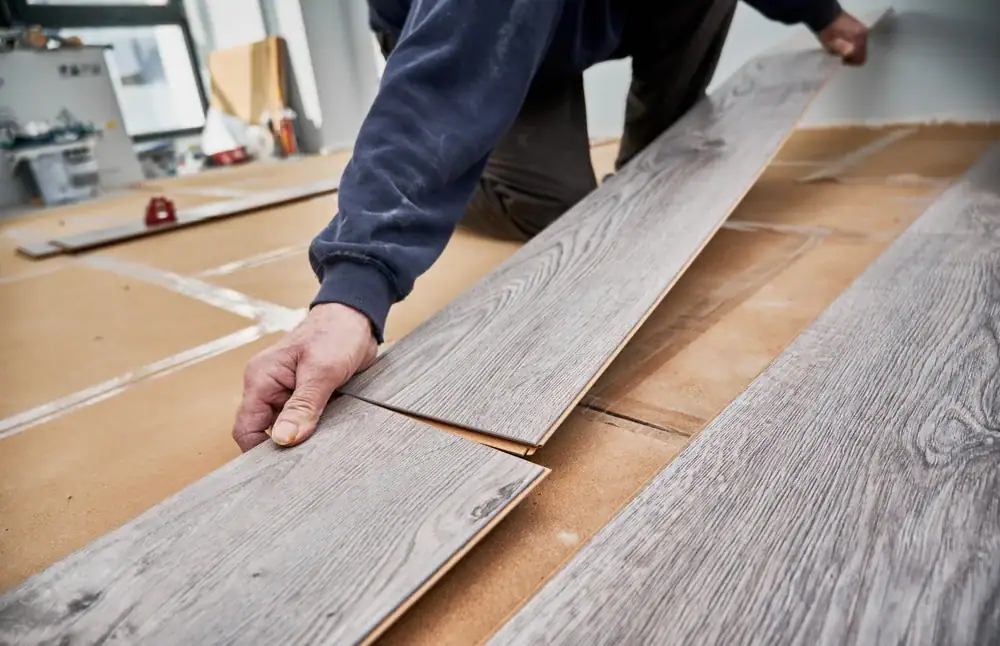
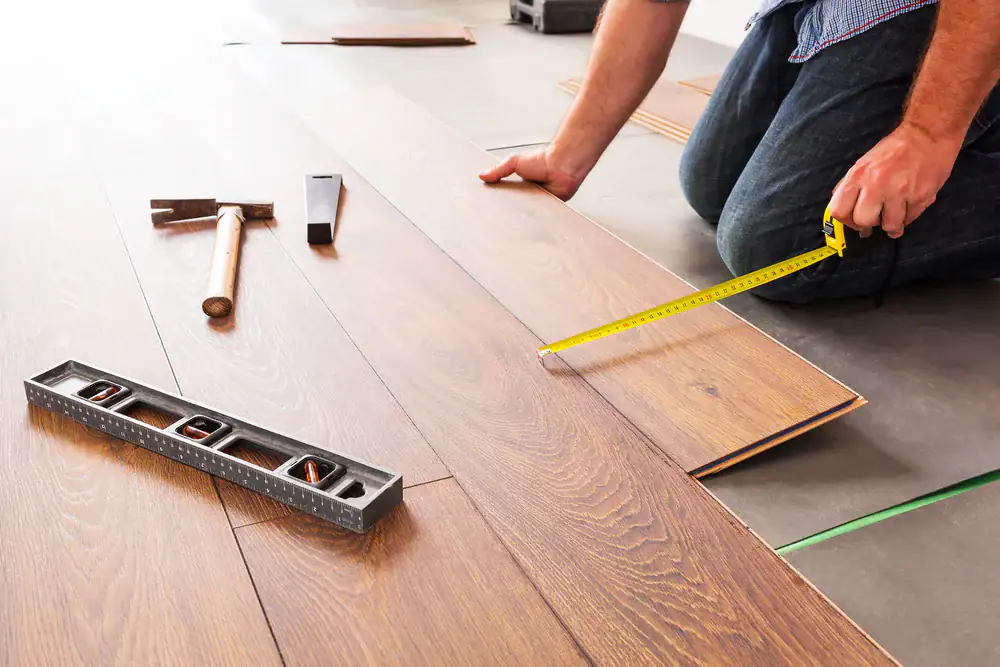
Hardwood Floor Installation Mooreland, VA
When hardwood floor installation is done right, you stop worrying about gaps, warping, or uneven surfaces showing up six months later. Your floors stay level, the finish holds up under real life, and you’re not calling someone back to fix what should’ve been done correctly the first time.
The homes in Mooreland deserve installation work that matches their quality. That means proper subfloor prep, moisture regulation before a single plank goes down, and attention to the details that prevent callbacks. Most flooring problems trace back to rushed prep work or contractors who skip the moisture testing because it takes time.
You get floors that look sharp now and stay that way. No squeaks when you walk across the room. No gaps opening up between boards. Just solid hardwood floor installation that holds up to daily wear and still looks good years later.
Experienced Wood Flooring Contractor Mooreland
We’ve been working on hardwood floors across Richmond, Glen Allen, Mechanicsville, Midlothian, and surrounding areas for over 20 years. We’ve seen what happens when installation gets rushed, and we’ve fixed plenty of floors that didn’t need replacing—they just needed to be installed correctly from the start.
We’re BBB accredited with an A+ rating because we show up when we say we will, we do the work right, and we don’t leave until you’re satisfied. The homes in Mooreland aren’t starter properties—they’re significant investments, and the people who own them expect contractors who understand that.
Our work in Henrico, Chesterfield, Goochland, Powhatan, and Hanover Counties means we know the local conditions that affect hardwood flooring. We’re licensed, insured, and we use the equipment and methods that deliver results you can see and feel underfoot.
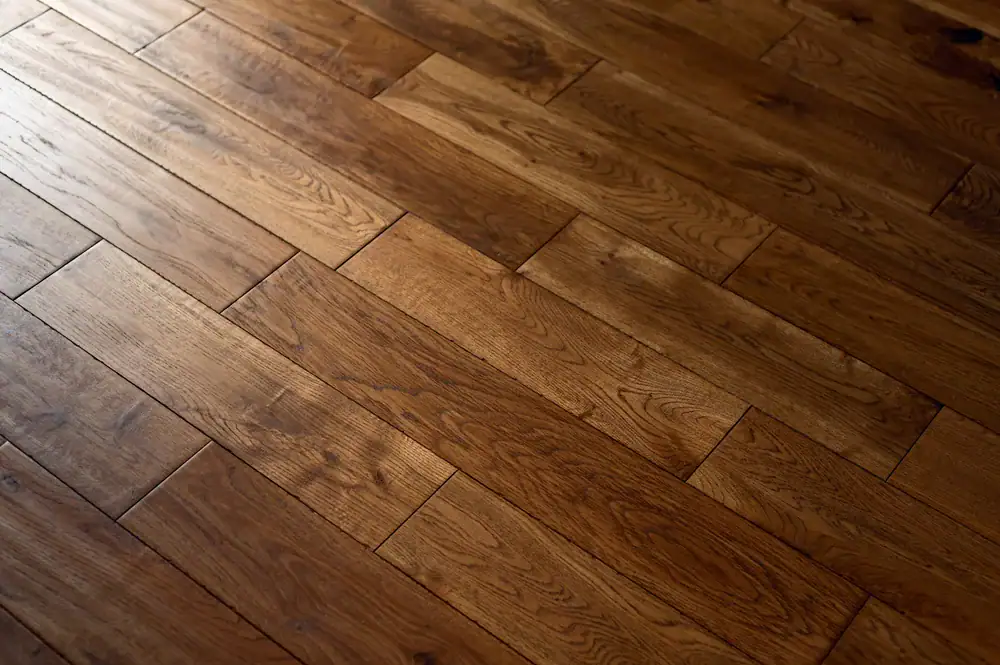
Our Wood Floor Installation Process
First, we assess your subfloor. This isn’t optional—it’s where most installation problems start. We check for level, moisture content, and structural integrity. If your subfloor isn’t right, your hardwood won’t be either, no matter how good the materials are.
Next comes moisture testing and climate acclimation. Wood expands and contracts with humidity changes, and Virginia’s climate means this step matters. We measure moisture content and relative humidity before installation begins. Skip this, and you risk gaps in winter or buckling in summer.
Then we install your flooring with precision. Every board gets checked for fit. Transitions between rooms get planned out. We’re not racing to finish—we’re making sure each section goes down correctly. Most of our installations complete within the projected timeline because we plan the work properly from the start.
Finally, we finish and seal. Whether you want a natural look or a custom stain, the finish gets applied evenly with proper cure time between coats. We use low-VOC products that are safer for your family and pets. You get floors that are ready to use without the heavy chemical smell lingering for weeks.
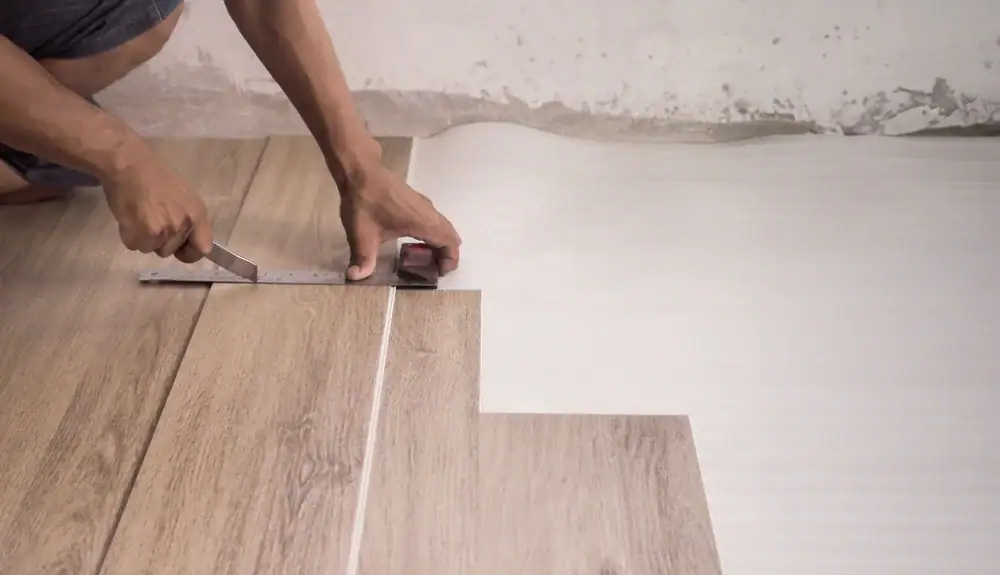
Floor Refinishing Services Mooreland, VA
You get a full assessment before any work starts. We measure your space, evaluate your subfloor condition, discuss wood species options, and give you a clear timeline. No surprises halfway through the job.
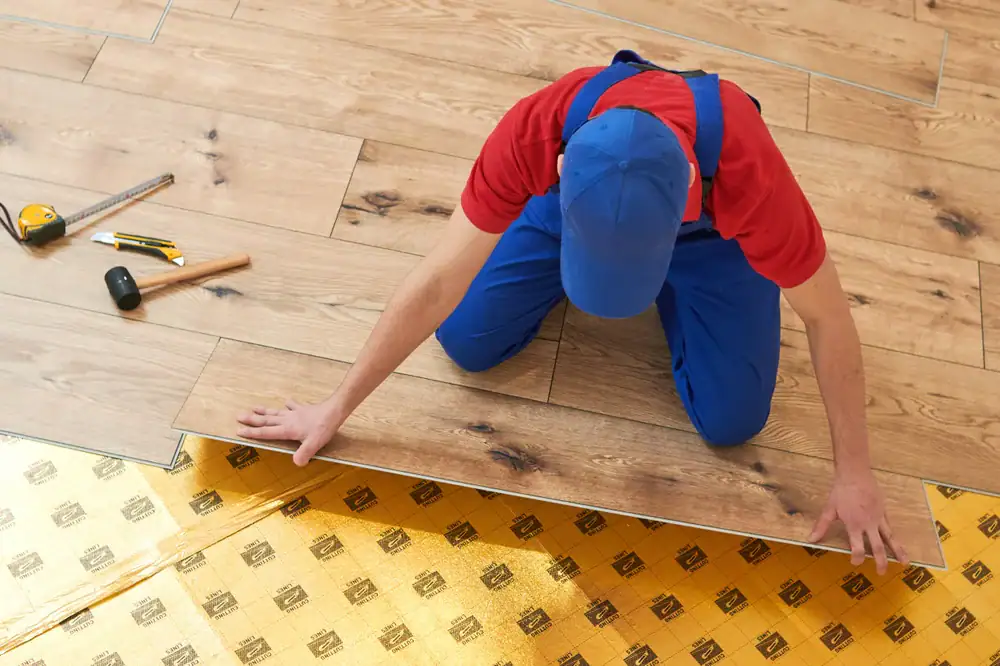
The installation itself covers subfloor preparation, moisture barrier installation when needed, precise plank layout and installation, and professional finishing. We handle solid hardwood, engineered hardwood, and wide plank installations. If you’re working with specific architectural details in your Mooreland home, we plan the installation to complement those features rather than work around them awkwardly.
In Mooreland and the broader Henrico County area, we’re seeing more homeowners choose wide plank floors and lighter, natural finishes. These styles make rooms feel larger and brighter—something that works well in both the classic homes built in the 70s through 90s and the stately properties that define this area. We also offer our dustless refinishing service, which renews existing floors in about a day without the mess of traditional sanding. It’s a practical option when your floors need refreshing but the wood itself is still solid.
How long does hardwood floor installation take in a typical home?
Most residential hardwood floor installation projects take between three to five days, depending on square footage and complexity. That includes subfloor prep, acclimation time for the wood, installation, and finishing.
The actual installation of the planks usually happens over one to two days. The finish coats need cure time between applications, which adds another day or two. If we’re working in multiple rooms or dealing with intricate layouts, stairs, or custom borders, expect the longer end of that timeline.
We don’t rush finish work. Each coat needs proper drying time, or you’ll end up with soft spots or uneven sheen. Most of our Mooreland clients appreciate that we build in the right timeline from the start rather than promising unrealistic completion dates. You’ll know exactly when your floors will be ready to use before we start.
What's the difference between solid and engineered hardwood flooring?
Solid hardwood is exactly what it sounds like—planks milled from a single piece of wood, typically three-quarters of an inch thick. It can be sanded and refinished multiple times over its life, which in a well-maintained home means decades of use. Solid hardwood works best on wood subfloors and above-grade installations.
Engineered hardwood has a real wood veneer on top with layers of plywood or composite underneath. It’s more stable in areas with humidity fluctuations and can be installed over concrete or in basements. The trade-off is you can only refinish it once or twice because the top veneer layer is thinner.
For the homes in Mooreland, we install both depending on the specific situation. If you’re working with the original wood subfloors common in homes from the 70s through 90s, solid hardwood often makes sense. If you’re finishing a lower level or want extra stability, engineered is the better choice. The decision comes down to your subfloor type, the room’s location, and how long you plan to stay in the home.
Why does subfloor preparation matter so much for wood floor installation?
Your subfloor is the foundation for everything that sits on top of it. If it’s not level, clean, and dry, your hardwood will telegraph every imperfection. You’ll feel dips when you walk across the room, boards will squeak, and in worst cases, the flooring can crack or separate.
Moisture in the subfloor is the number one cause of flooring failure. If we install hardwood over a subfloor that’s too wet, the wood will absorb that moisture and expand. Then when conditions dry out, it contracts. That cycle creates gaps, cupping, and buckling. We test moisture content in both the subfloor and the hardwood before installation—it’s not optional.
Leveling matters too. An uneven subfloor means your furniture won’t sit flat, and you’ll see and feel the waves in your floor. We address high and low spots during prep. It takes extra time, but it’s the difference between an installation that lasts and one that needs repair work within a year. Most cheap installations fail because contractors skip proper subfloor prep to save time.
How do I choose the right wood species and finish?
Start with how you actually use your space. If you have kids, dogs, or high traffic, you want harder wood species like oak or maple that resist denting. Softer woods like pine or fir look beautiful but show wear faster. Oak remains the most popular choice in Virginia because it’s durable, widely available, and takes stain well.
For finish color, lighter and natural tones are trending right now because they make spaces feel larger and brighter. That works especially well in Mooreland homes where you’re often working with substantial square footage and want to enhance that sense of space. Darker stains can look dramatic but show dust and scratches more readily.
The finish type matters as much as the color. We typically recommend low-VOC polyurethane finishes that offer good protection without harsh fumes. If you want a more natural look, oil-based finishes penetrate the wood and are easier to touch up later, but they require more maintenance. During your consultation, we’ll show you samples and discuss what makes sense for your specific rooms and lifestyle. The goal is floors that match how you actually live, not just what looks good in a photo.
Can existing hardwood floors be refinished instead of replaced?
Most solid hardwood floors can be refinished multiple times before they need replacement. If your floors are worn, scratched, or dated but the wood itself is structurally sound, refinishing costs a fraction of new installation and can make them look brand new.
We assess the wood thickness first. Solid hardwood can typically handle five to seven sandings over its lifetime. If previous refinishing jobs already took the floor down close to the tongue and groove, replacement might be necessary. But most floors we see in Mooreland-area homes still have plenty of life left.
Our dustless buff and coat service works for floors that need refreshing but don’t require full sanding. This process screens the existing finish, addresses minor scratches, and applies new topcoats. It’s done in about a day with minimal dust or odor, and it extends your floor’s life by several years. If your floors have deeper damage, uneven wear, or you want to change the stain color completely, traditional refinishing with full sanding is the better option. We’ll tell you honestly which approach makes sense after looking at your specific floors.
What should I expect to pay for professional wood floor installation?
Professional hardwood floor installation in the Mooreland area typically runs between eight and fifteen dollars per square foot installed, depending on wood species, installation complexity, and finish choices. That includes materials, labor, subfloor prep, and finishing.
Solid oak or maple with a standard finish falls in the middle of that range. Exotic woods, wide planks, or intricate patterns like herringbone cost more. Engineered hardwood can sometimes run slightly less than solid, but high-end engineered products with thick wear layers cost about the same as solid hardwood.
The lowest bid isn’t always the best value. Cheap installations usually mean corners get cut—inadequate subfloor prep, rushed acclimation, thin finish coats, or inexperienced installers. You’ll pay to fix those problems later. We price our work based on doing it right the first time: proper moisture testing, careful installation, quality materials, and finishes that hold up. Most of our Mooreland clients understand they’re making a long-term investment in their home’s value and want installation work that matches the quality of their property.
Other Services we provide in Mooreland