
Wood Floor Installers in Lakeside, VA
Hardwood Floors Installed Right the First Time
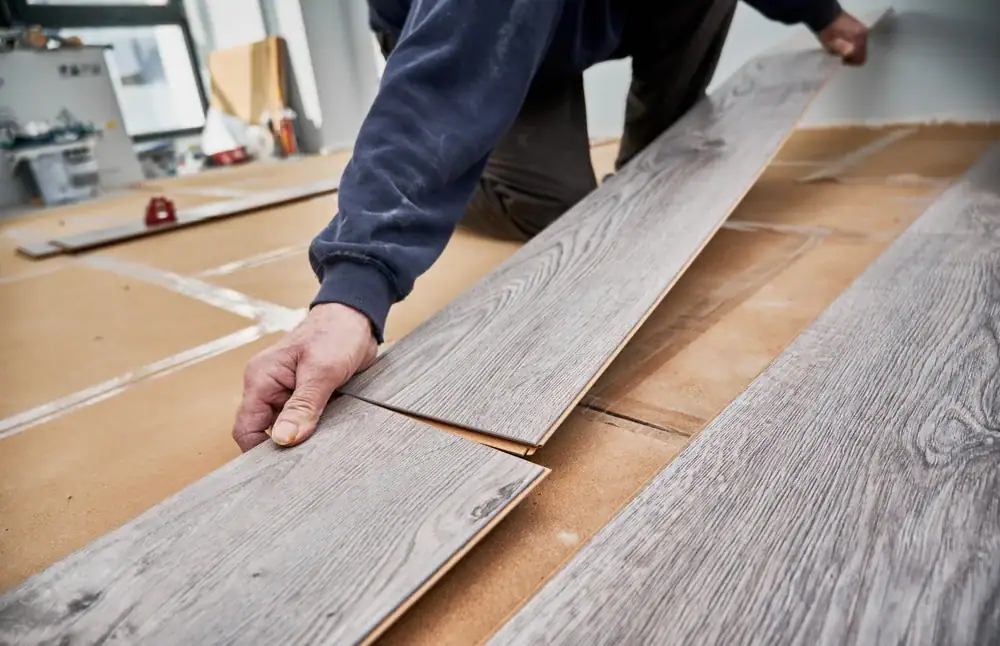
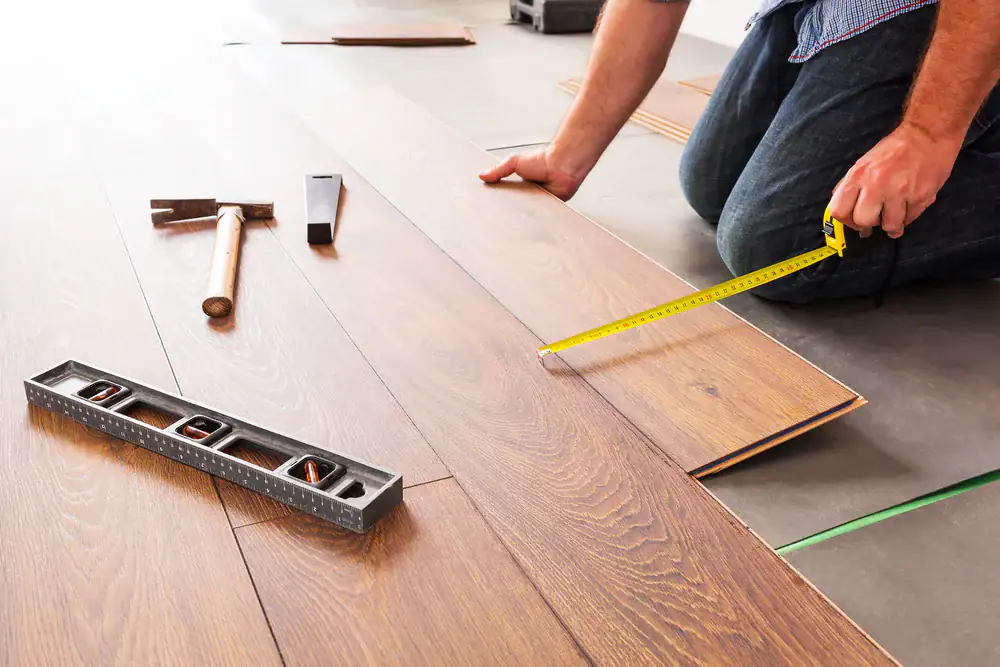
Hardwood Floor Installation in Lakeside
Poor installation is the number one reason hardwood floors fail early. Gaps appear. Boards cup or crown. The finish wears unevenly.
When your floors are installed correctly from day one, they handle Virginia’s sticky summers and bone-dry winters without warping or separating. The wood stays stable because it was acclimated properly and installed at the right moisture content.
You get floors that look beautiful now and stay that way for decades. No callbacks. No gaps opening up six months later. Just solid hardwood that adds real value to your home and holds up to daily life—kids, pets, furniture, all of it.
Most installations wrap up in a day or two, depending on square footage. You’re not living in chaos for a week. And with dustless equipment, your home stays clean throughout the process.
Wood Flooring Contractor in Lakeside
We’ve been working in Virginia for over 20 years. That means we’ve seen what happens when floors aren’t installed right, and we’ve learned exactly how to prevent those problems.
We’re not a national chain sending different crews every time. You’re working with local professionals who understand Central Virginia’s climate and how it affects hardwood. We know the humidity levels your floors will face year-round, and we install accordingly.
Every installation starts with proper moisture testing and acclimation. We don’t rush the process because we know shortcuts lead to callbacks. Your floors are an investment, and they should perform like one.
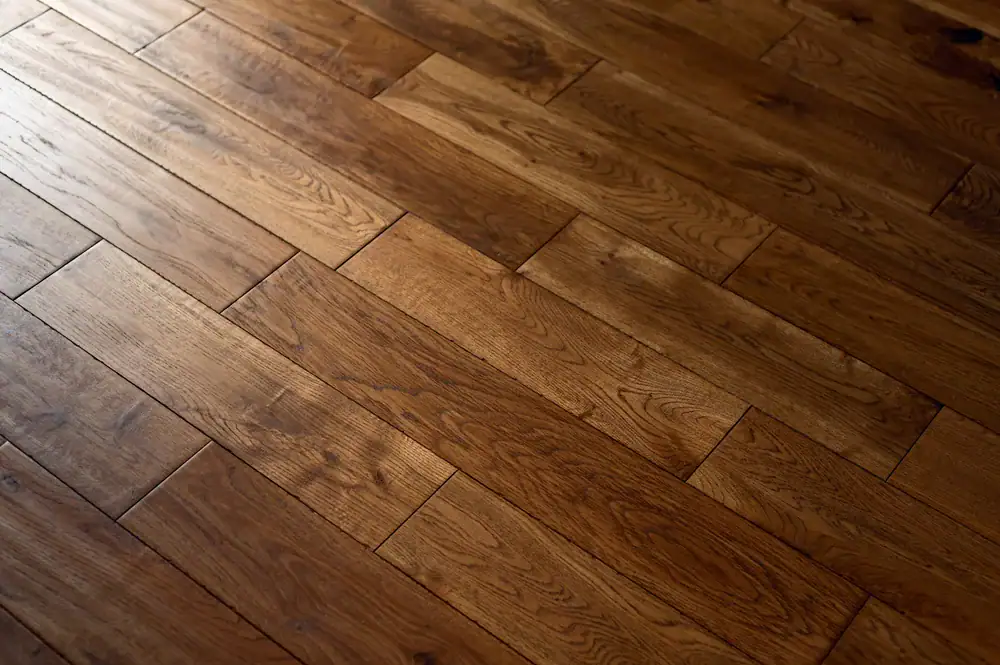
Professional Hardwood Floor Installation Process
First, we assess your subfloor and test moisture levels. This step matters more than most people realize—it’s where bad installations usually go wrong. If the subfloor isn’t dry enough or level enough, we address it before any wood goes down.
Next, your hardwood aclimates to your home’s environment. Depending on the species and your indoor humidity, this can take several days. We don’t skip this. Wood that isn’t properly acclimated will expand or contract after installation, causing gaps or buckling.
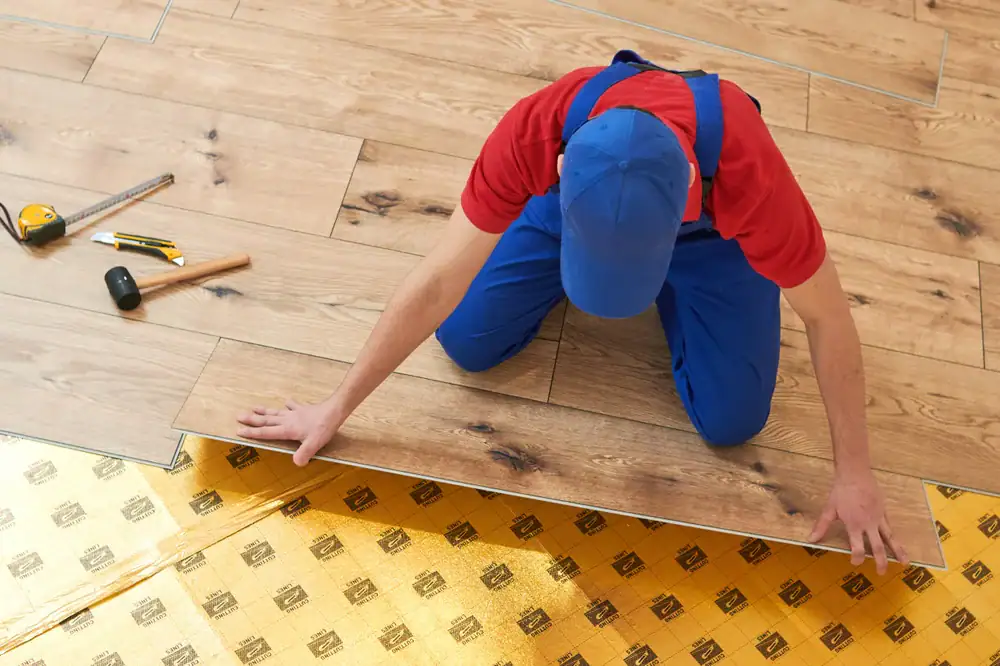
Then we install. We use the right fasteners for your subfloor type, maintain proper spacing, and ensure every board is seated correctly. Most jobs finish in one to two days, depending on size and layout complexity.
After installation, we clean up completely. With dustless equipment, there’s minimal mess to begin with. You’re left with beautiful new floors and a clean home—not sawdust covering every surface.
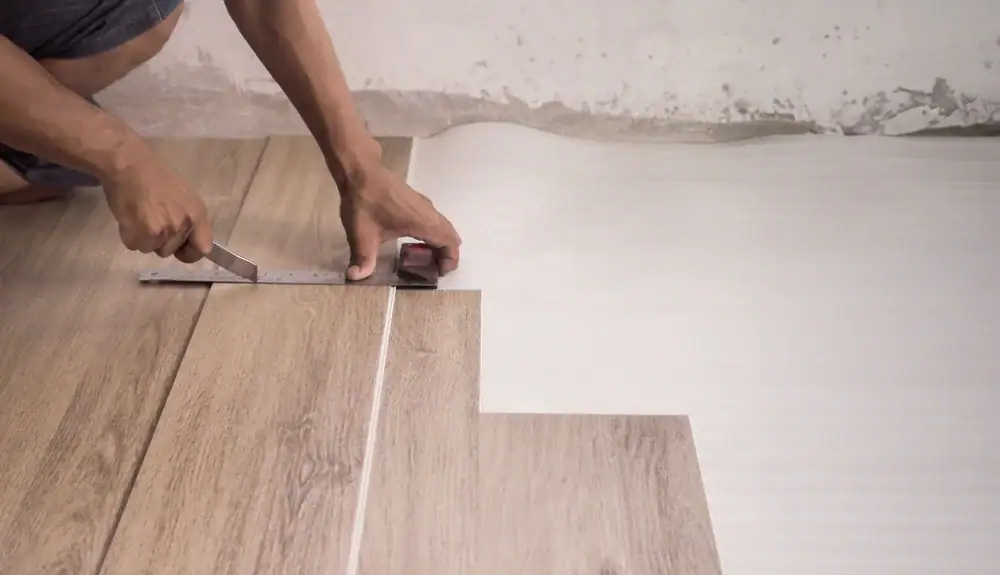
Solid Wood Flooring Installers Lakeside
You’re getting hardwood installed by people who’ve done this thousands of times in Virginia homes specifically. That local experience matters because Lakeside’s climate presents specific challenges—humidity swings between 30% and 70% depending on season.
We handle both solid hardwood and engineered wood flooring. Solid hardwood works great in most of your home, while engineered options make sense for basements or areas with higher moisture exposure. We’ll walk through what makes sense for each space in your home.
Every installation includes proper moisture barriers where needed, correct fastener selection for your subfloor type, and attention to expansion gaps around the perimeter. These details aren’t visible once the job’s done, but they’re what keep your floors performing correctly for 30-plus years.
The cost typically runs between $6 and $12 per square foot installed, depending on wood species and job complexity. That’s significantly less than you’ll spend on repairs and refinishing if the installation is done poorly the first time. And it’s a fraction of what you’d pay to rip out and replace floors that failed due to improper installation.
How long does hardwood floor installation take in a typical home?
Most installations finish in one to two days for an average-sized room or main living area. A whole-home installation might take three to five days depending on square footage and layout complexity.
The timeline includes the actual installation day, but not acclimation time. Your hardwood needs to sit in your home for several days before installation—usually three to seven days depending on the species and your home’s humidity levels. This step happens before we start, so plan accordingly.
If we’re removing old flooring first, add another day or two. But once we start laying new wood, the process moves quickly. You’ll have walkable floors within 24 hours, though we recommend waiting 72 hours before moving heavy furniture back in.
What's the difference between solid hardwood and engineered wood flooring?
Solid hardwood is exactly what it sounds like—each plank is a solid piece of wood, typically three-quarters of an inch thick. It can be sanded and refinished multiple times over its life, which can easily span 50-plus years. It’s the traditional choice and works great on main floors and upper levels.
Engineered hardwood has a real wood veneer on top, but the core is made of layered plywood or high-density fiberboard. It’s more stable in areas with moisture fluctuations, which makes it a better choice for basements or homes without climate control. You can refinish it, but only once or twice depending on veneer thickness.
For most Lakeside homes, solid hardwood makes sense for living areas, bedrooms, and hallways. Engineered wood is the smarter play for below-grade spaces or anywhere moisture is a concern. Both look identical once installed—the difference is in performance and longevity based on where they’re used.
How do I know if my subfloor is ready for hardwood installation?
Your subfloor needs to be clean, dry, level, and structurally sound. We test moisture content with a meter—concrete slabs should read below 3% moisture, and wood subfloors should be within 2-4% of the hardwood’s moisture content.
Level matters too. If your subfloor has dips or humps greater than 3/16 of an inch over a 10-foot span, we’ll need to level it first. Installing over an uneven surface leads to squeaks, gaps, and premature wear.
We check all of this during the initial assessment. If your subfloor needs work, we’ll tell you exactly what’s required and why. Most subfloors in Lakeside homes are fine, but older homes sometimes need minor repairs or leveling compound. It’s better to handle these issues before installation than to deal with floor problems later.
Will hardwood floor installation create a lot of dust in my home?
Not with dustless equipment. We use specialized tools that capture dust at the source, so you’re not dealing with a layer of sawdust on every surface in your home.
Traditional installation methods can create a mess, especially if any sanding or cutting happens inside. Our equipment contains about 99% of dust particles, which means your furniture, counters, and belongings stay clean. You don’t need to cover everything or plan a deep cleaning after we leave.
There’s still some minor cleanup involved—it’s construction work, after all. But you won’t find dust in your air vents three months later or spend days wiping down every surface. Most clients are surprised by how clean their homes stay throughout the installation process.
How much does professional hardwood floor installation cost in Lakeside?
Professional installation typically runs between $6 and $12 per square foot, including materials and labor. The exact cost depends on the wood species, room layout, and whether we’re removing old flooring first.
Exotic hardwoods like Brazilian cherry cost more than domestic oak or maple. Complicated layouts with borders or patterns add labor time. Removing old flooring, moving furniture, or addressing subfloor issues increases the total.
For a 500-square-foot living room and hallway, expect to invest somewhere between $3,000 and $6,000 for a quality installation with solid hardwood. That’s less than half what you’d spend fixing or replacing floors that were installed incorrectly by a cheap contractor. And it’s a fraction of the $8,000 to $15,000 you’d pay for a full-home replacement down the road.
Can hardwood floors handle Virginia's humidity swings throughout the year?
Yes, if they’re installed correctly. Virginia’s climate actually suits hardwood pretty well compared to extreme environments, but you need an installer who understands moisture management and acclimation.
The key is controlling indoor humidity year-round. Hardwood performs best when your home stays between 30% and 50% relative humidity. In summer, run your AC to keep moisture down. In winter, use a humidifier to prevent the air from getting too dry. These steps prevent the expansion and contraction that causes gaps and cupping.
We install with proper expansion gaps around the perimeter and use moisture barriers where needed. The wood is acclimated to your home’s specific conditions before installation. These steps ensure your floors handle seasonal changes without developing problems. Central Virginia’s climate is actually an advantage for hardwood owners—as long as the installation is done right from the start.
Other Services we provide in Lakeside