
Wood Floor Installers in Hanover Farms, VA
Hardwood That Lasts Decades, Installed Right the First Time
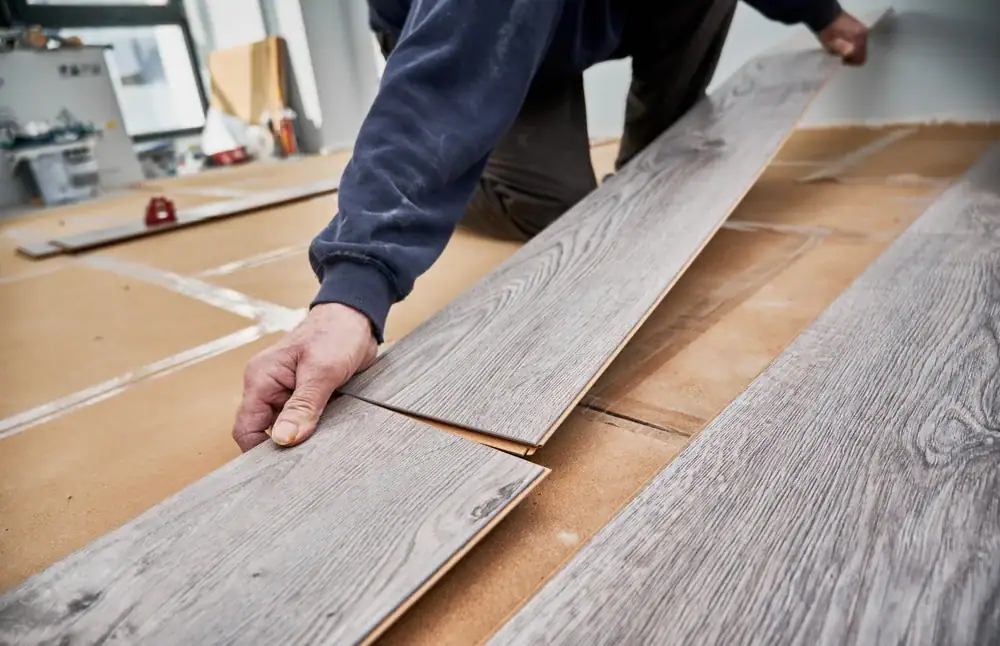
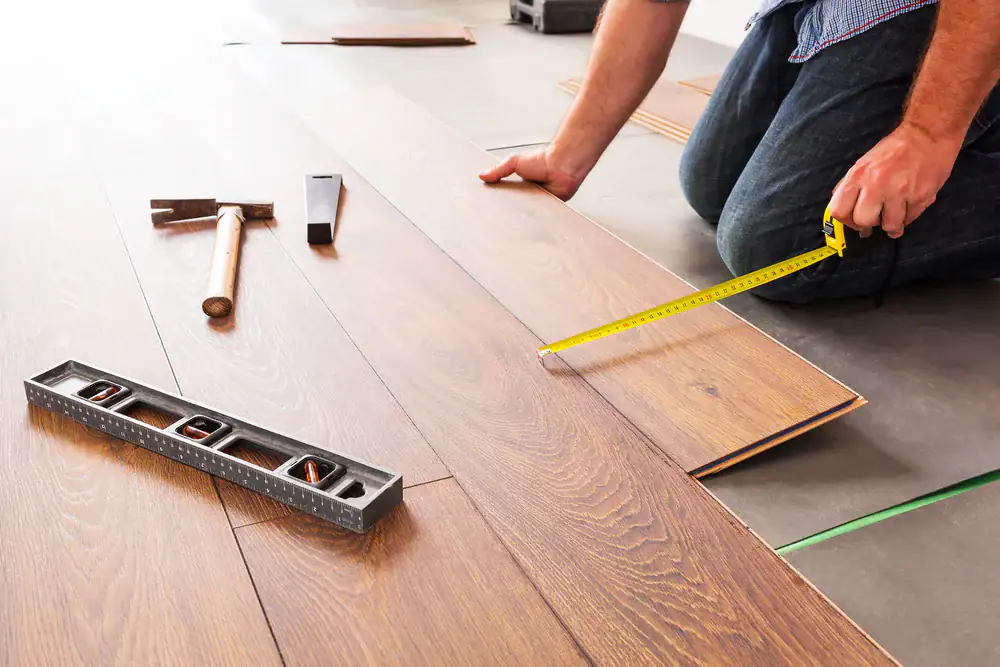
Professional Hardwood Floor Installation Near You
When hardwood is installed correctly, it becomes part of your home’s structure. Not just a surface. That means no warping when humidity shifts in summer. No gaps opening up between boards. No creaking when you walk across the room during a quiet morning.
You get floors that look better in five years than most installations look after one. That’s what happens when the subfloor is assessed properly, materials are acclimated to your home’s environment, and every plank is set with precision.
Hanover Farms homes deserve installations that match their quality. Most properties here are 3-5 bedroom single-family homes with owners who plan to stay long-term. Your floors should reflect that same commitment. When installation is done right, you’re looking at decades of performance and a measurable increase in resale value if you ever decide to move.
Experienced Wood Flooring Contractor in Virginia
We’ve been working in Virginia for over twenty years. That means we know how homes in Hanover County behave. We understand the subfloor issues that come with older construction and the moisture challenges that affect newer builds.
Most of our work comes from referrals. That happens when you show up on time, finish when you say you will, and don’t leave a mess behind. We’re not the cheapest option in the area, and we’re upfront about that. You’re paying for experience that prevents expensive fixes later.
Hanover Farms homeowners typically have higher expectations because their properties represent significant investments. Median household income here is nearly $99,000, and most residents are established professionals who’ve done their research. We respect that by being transparent about process, pricing, and realistic timelines.
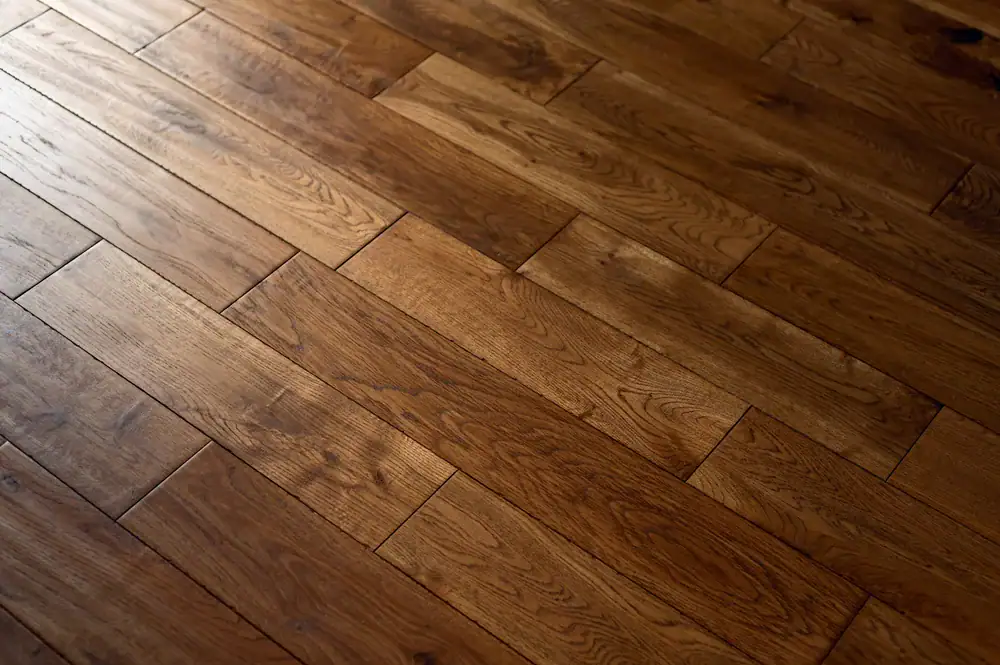
Our Hardwood Floor Installation Process
First, we assess your subfloor. This isn’t optional. Rotting plywood or moisture issues will destroy even the best hardwood, so we check for soft spots, squeaks, and moisture levels before any material gets ordered. If there’s an issue, we tell you exactly what it’ll take to fix it.
Next, your flooring materials acclimate in your home for several days. Wood expands and contracts with temperature and humidity changes. Skipping acclimation is how you end up with gaps or buckling six months later. We don’t skip it.
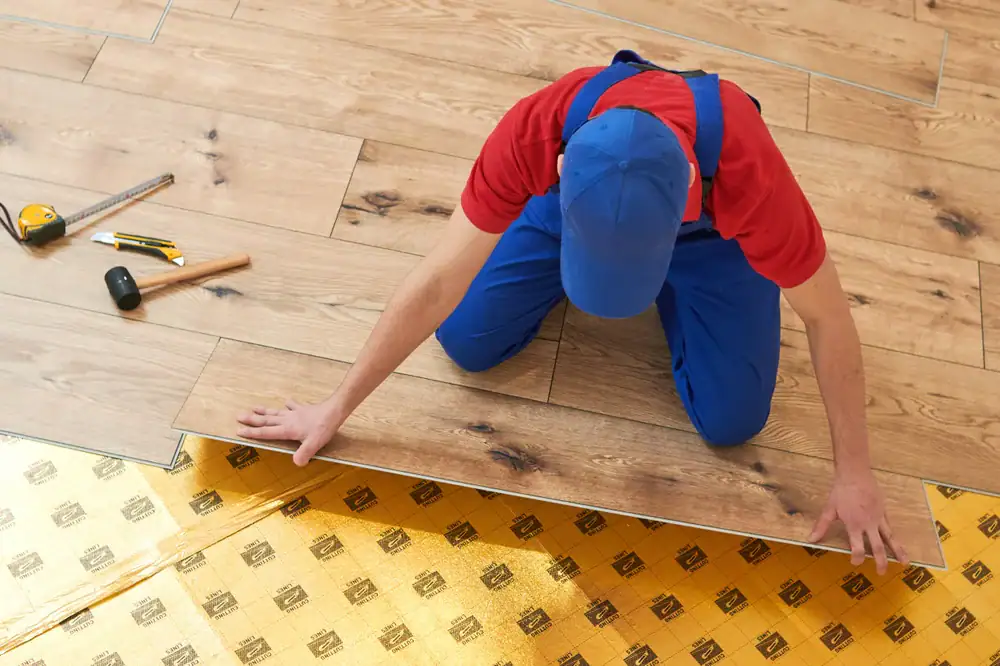
Installation day is when everything comes together. We use professional-grade equipment and dustless methods, so you’re not dealing with a layer of sawdust covering your furniture. Most installations finish in one day, though larger spaces or complex layouts may take two. After installation, coatings need time to cure. We use low-VOC products and make sure you know exactly when it’s safe to move furniture back in. Typically, you can walk on floors within 24 hours, but full curing takes about a week.
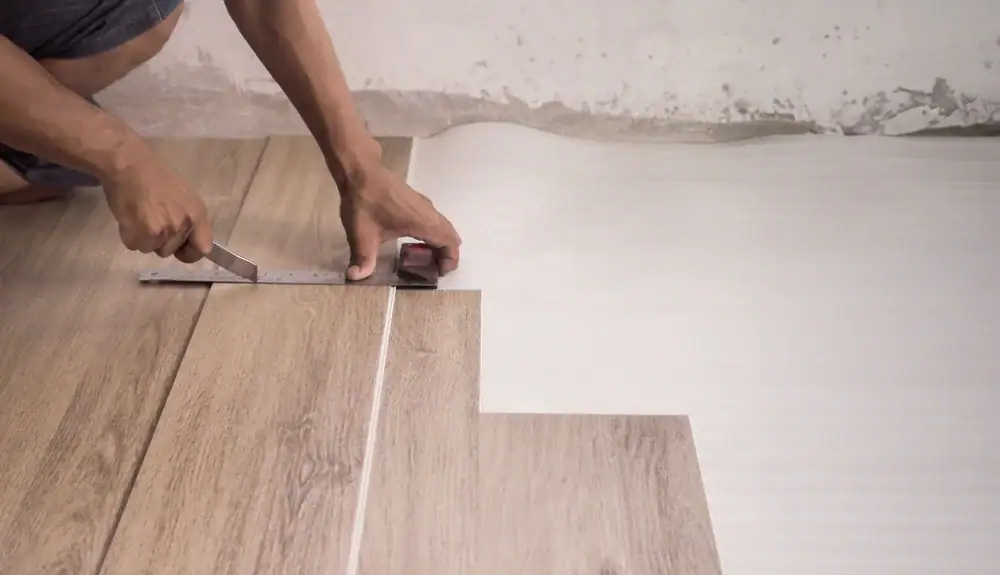
Solid Wood Flooring Installers Hanover Farms
Every installation starts with a thorough evaluation. We measure the space, assess subfloor condition, and discuss wood species options that make sense for your home. Oak and maple are popular in this area because they’re durable and handle Virginia’s humidity well. We’ll talk through finish options too—matte and satin finishes are trending right now because they hide minor scratches better than high-gloss, which matters if you have pets or kids.
Wide planks (6 to 10 inches) are what most Hanover Farms homeowners are choosing lately. They create a more contemporary or rustic look depending on the finish, and they’re particularly striking in open-concept layouts, which are common in this neighborhood. We source FSC-certified domestic species when possible, which appeals to buyers who care about sustainability without sacrificing aesthetics.
Pricing for materials typically runs $5 to $20 per square foot depending on species, with installation adding another $3 to $8 per square foot. We’re transparent about costs upfront. You’ll know exactly what you’re paying before we start, and we don’t surprise you with add-ons unless we discover something during subfloor assessment that genuinely needs addressing. For homes in Hanover Farms, where property values are strong and owner-occupancy rates are high, professional hardwood installation is one of the few renovations that consistently delivers ROI.
How long does hardwood floor installation actually take from start to finish?
Most installations are completed in one day once materials are acclimated. But here’s the full timeline: after you approve the quote, materials typically arrive within one to two weeks depending on species and availability. Those materials then need to acclimate in your home for at least three to five days—sometimes longer if it’s winter and your heat is running, or summer when humidity is high.
Installation day itself usually takes six to ten hours for an average-sized room. Larger spaces or homes with multiple rooms can stretch into a second day. After installation, you’ll need to stay off the floors for 24 hours while the finish sets. Full curing takes about seven days, which is when you can move furniture back and resume normal use.
If we find subfloor issues during the initial assessment, that adds time. Replacing damaged plywood or addressing moisture problems can take an extra day or two, but it’s not optional. Skipping subfloor repair is how you end up with squeaky, uneven floors that fail prematurely.
What's the difference between refinishing my existing floors and installing new hardwood?
Refinishing works when your existing floors are solid hardwood and the wear hasn’t gone through to the bare wood in multiple areas. If you’ve got surface scratches, dullness, or minor damage, refinishing sands down the top layer and applies a fresh finish. It’s faster and costs less—usually $3 to $5 per square foot.
New installation makes sense when your current floors are engineered wood that’s already been refinished, when there’s structural damage like warping or deep gouges, or when you’re dealing with outdated materials you just don’t like. Installation gives you a completely fresh start. You choose the species, plank width, and finish. It’s a bigger investment, but it also gives you exactly what you want.
In Hanover Farms, where most homes are owner-occupied and residents plan to stay long-term, new installation often makes more sense than repeatedly refinishing aging floors. You’re building equity in a property you’ll live in for years, and new hardwood can last 50+ years with proper maintenance.
How do I know if my subfloor is in good enough condition for hardwood installation?
We check three things during the initial assessment: structural integrity, moisture levels, and levelness. Structural integrity means walking the space and feeling for soft spots, listening for squeaks, and visually inspecting for water damage or rot. If the plywood is compromised, it needs replacement before any hardwood goes down.
Moisture is the bigger issue in Virginia. Concrete subfloors hold moisture and change temperature, which causes wood to expand and contract. We use a moisture meter to get exact readings. If levels are too high, we’ll recommend a moisture barrier or additional drying time. Installing over a damp subfloor is a guaranteed way to end up with cupping or buckling.
Levelness matters because hardwood won’t sit flat on an uneven surface. Minor variations can be corrected with underlayment, but significant dips or humps require more extensive prep work. We’re upfront about what we find. If your subfloor needs work, we’ll tell you exactly what’s required and what it’ll cost before moving forward.
Is dustless installation really dustless, or is that just marketing?
It’s not zero dust, but it’s close. We use professional-grade equipment with built-in vacuum systems that capture about 99% of airborne particles during sanding and cutting. What that means for you: no fine layer of dust settling on your countertops, furniture, or in your HVAC system.
Traditional sanding creates a mess that takes days to fully clean. Dust gets into air vents, behind cabinets, and into rooms you didn’t even think were affected. Our dustless system contains particles at the source, so cleanup is minimal and you’re not breathing in sawdust for the next week.
This matters especially in Hanover Farms homes where open-concept layouts are common. Dust doesn’t stay contained to one room when your kitchen, dining, and living areas all flow together. Dustless methods protect your space and make the whole process less disruptive. You’re still going to want to move furniture and cover anything valuable nearby, but you won’t be dealing with a construction zone that takes days to recover from.
What type of hardwood holds up best in Virginia's climate?
Oak and maple are your best options. Both are domestic hardwoods that handle humidity fluctuations well, which matters in Virginia where summers are humid and winters are dry. White oak is especially popular right now because it has a lighter, more contemporary look and it’s naturally more water-resistant than red oak.
Maple is harder than oak, which makes it more scratch-resistant. That’s useful if you have dogs or kids. It also takes stain well, so you can go lighter or darker depending on your aesthetic. Both species are FSC-certified and widely available, which keeps costs reasonable compared to exotic imports.
Engineered hardwood is another option if you’re installing over concrete or in areas prone to moisture, like basements. It’s real wood on top with a plywood base that’s more dimensionally stable than solid hardwood. It won’t expand and contract as much with humidity changes. For main living areas in Hanover Farms homes, solid hardwood is usually the better long-term investment, but engineered makes sense in specific situations.
How much does professional hardwood floor installation cost in Hanover Farms?
Materials run $5 to $20 per square foot depending on species and grade. Installation adds another $3 to $8 per square foot. For a 500-square-foot living room, you’re looking at roughly $4,000 to $14,000 total, depending on what you choose.
Oak and maple are on the lower end of that range. Exotic species like Brazilian cherry or reclaimed wood push costs higher. Wide planks cost more than standard widths because there’s less yield per tree. Custom stains or hand-scraped finishes also add to the price.
Subfloor repair is extra if needed, typically $2 to $5 per square foot depending on extent of damage. We’ll identify any subfloor issues during the initial assessment, so there are no surprises once work starts. In Hanover Farms, where median home values are strong and most owners plan to stay long-term, hardwood installation is one of the few renovations that consistently returns 70-80% of cost at resale. You’re not just paying for a floor. You’re increasing your property’s value and appeal.
Other Services we provide in Hanover Farms