
Wood Floor Installers in Glenbrook Hills, VA
Hardwood Floors That Last Decades, Not Just Years
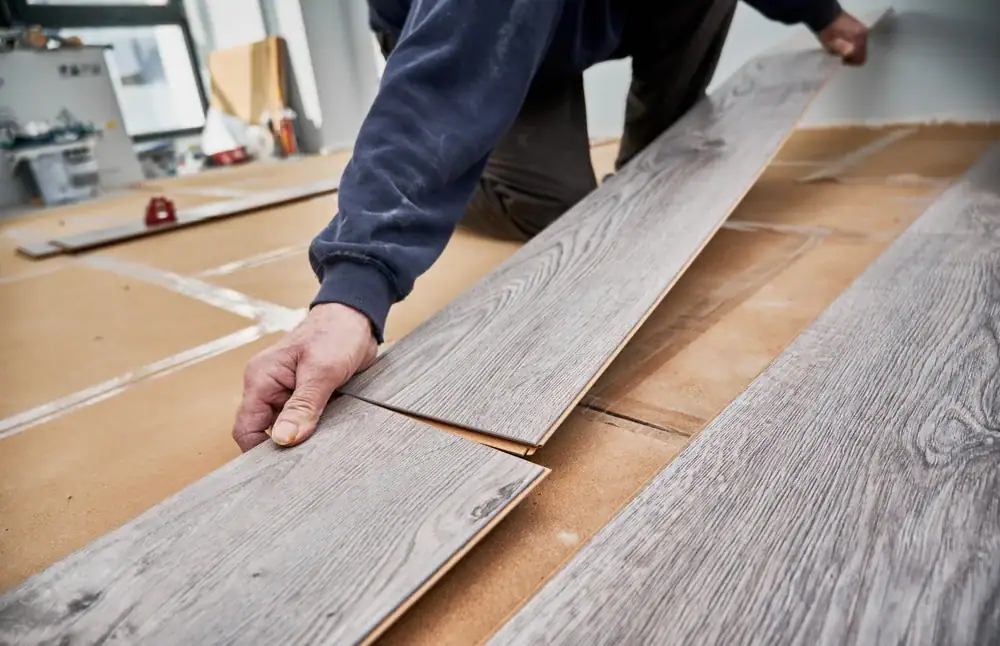
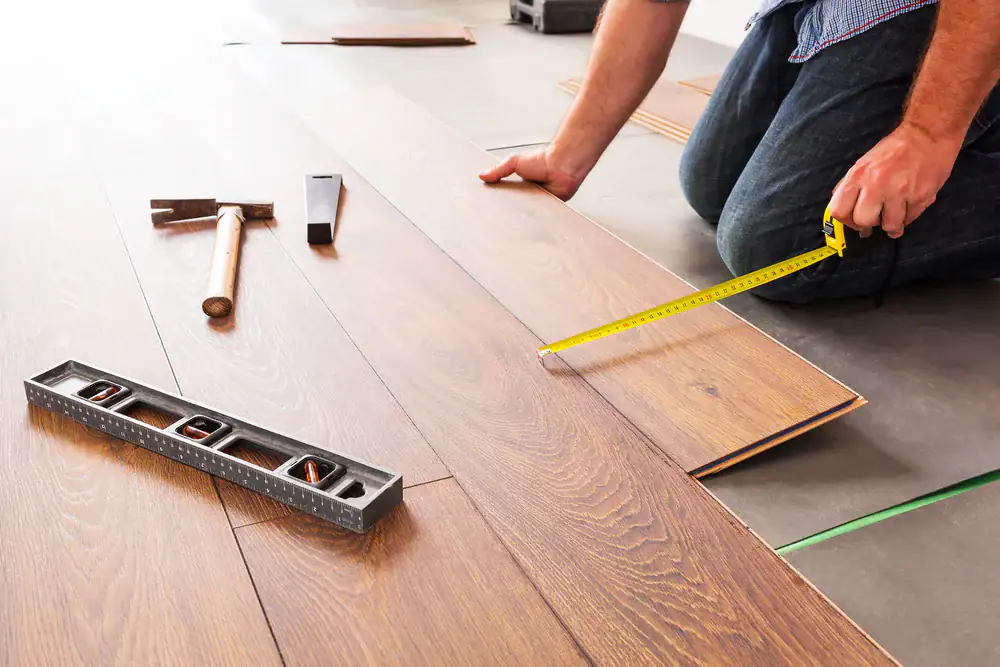
Hardwood Floor Installation in Glenbrook Hills
Your floors won’t buckle next summer when humidity hits. They won’t gap in winter when the heat kicks on. And you won’t be calling someone back in six months to fix what should’ve been done correctly the first time.
That’s what happens when wood floor installers understand how Richmond’s climate affects hardwood—and when they prep the subfloor like it matters. Because it does.
You get floors that handle the temperature swings, the moisture, and the daily wear without warping or cupping. You get a finish that holds up to foot traffic and doesn’t need touch-ups every year. And you get to stop worrying about whether you made the right call, because the work speaks for itself from day one.
Wood Flooring Contractor Serving Glenbrook Hills
We’ve been doing hardwood floor installation in the Richmond area since before dustless systems were standard. That means we’ve seen what works, what fails, and what homeowners in Glenbrook Hills actually need when they’re investing in real wood floors.
We’re not the cheapest option, and that’s intentional. You’re hiring installers who understand subfloor prep, acclimation periods, and how to handle the humidity swings that come with Virginia summers. That knowledge costs more upfront and saves you thousands in repairs later.
We’re licensed, insured, and we’ve installed floors in homes where the real estate value depends on getting every detail right. That’s the standard we work to, whether it’s solid oak or engineered hardwood.
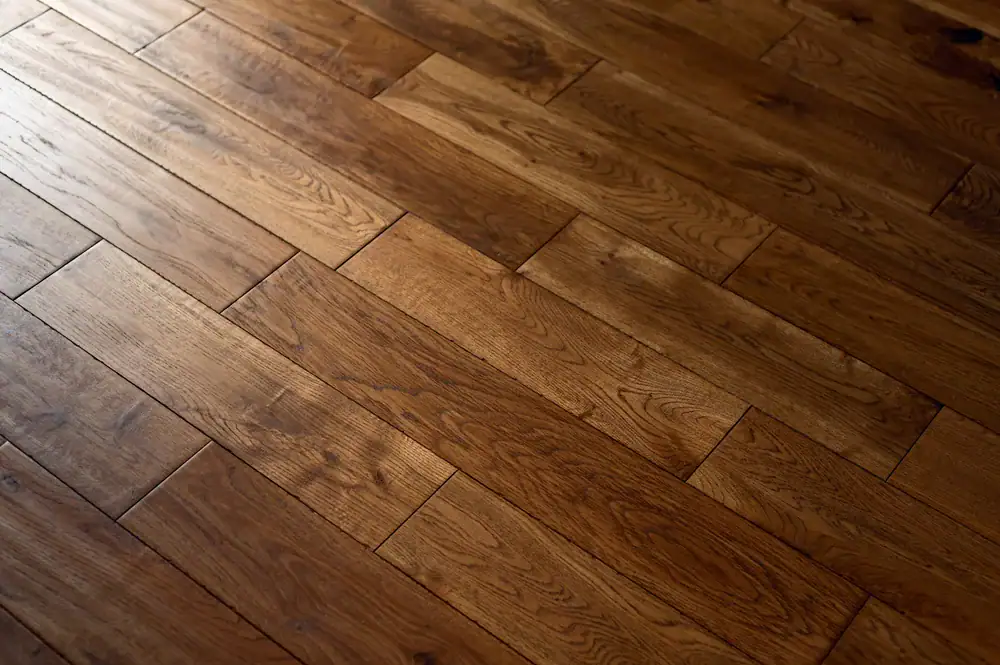
Our Hardwood Floor Installation Process
First, we assess your subfloor. Not every floor is ready for hardwood, and trying to install over a subfloor that’s uneven or moisture-compromised is how you end up with problems six months later. We check moisture levels, flatten high spots, and make sure the foundation is solid before any wood goes down.
Next, we acclimate the wood to your home’s environment. This step gets skipped by installers trying to finish fast, but it’s the difference between floors that stay flat and floors that warp. Wood needs time to adjust to your home’s temperature and humidity before installation.
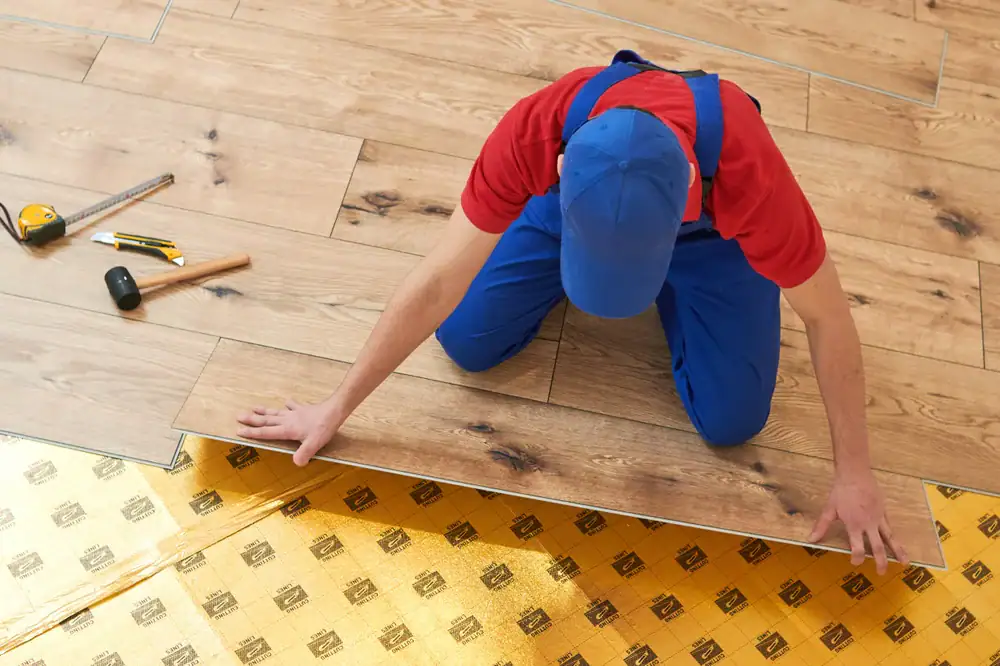
Then we install using the right method for your wood type and subfloor. Nail-down for solid hardwood over wood subfloors. Glue-down or float for engineered over concrete. We’re not using one method for everything because that’s not how wood works.
Finally, we finish with dustless sanding if you’re going with unfinished wood, or we inspect and seal the edges if it’s prefinished. You get a walkthrough, care instructions, and a timeline for when the floor is fully cured and ready for furniture.
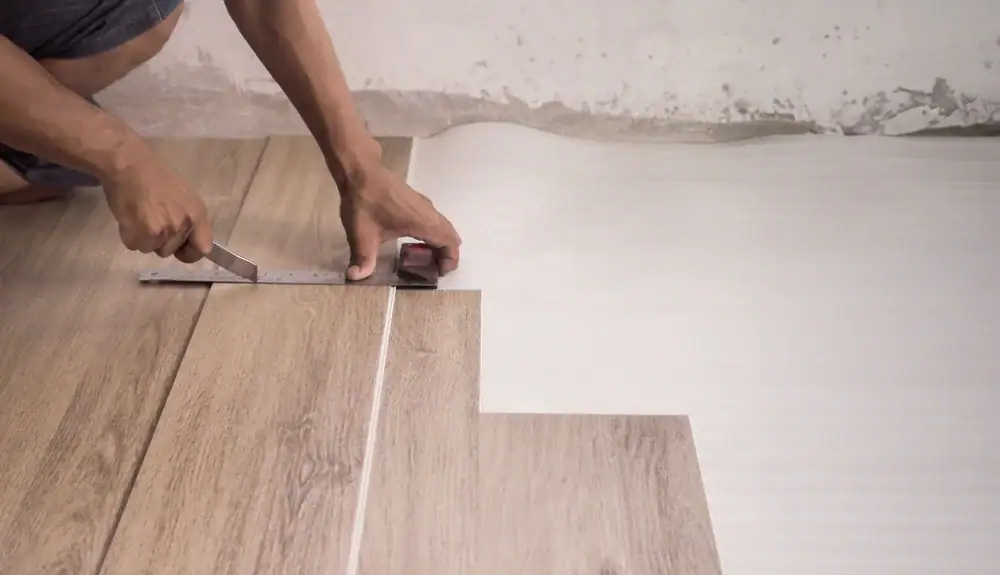
Solid Wood Flooring Installers in Glenbrook Hills
You’re getting a free consultation where we measure your space, assess your subfloor, and talk through wood species that make sense for your home. White oak is still the most popular choice in Glenbrook Hills for good reason—it’s durable, it handles stain well, and it fits both modern and traditional homes.
We handle subfloor prep, which includes leveling, moisture testing, and any necessary repairs. This is where most installation problems start, so we don’t skip it or rush it.
You’re getting professional installation with the correct fastening method for your wood and subfloor type. We’re also using dustless sanding systems that cut airborne dust by 80%, which matters when you’re living in the house during the project.
In Glenbrook Hills, where homes average nearly $1 million in value, your floors are a significant part of that investment. We treat them that way. That means proper acclimation time, attention to expansion gaps, and finishes that hold up to the foot traffic your home actually sees. Most installations wrap in one to two days depending on square footage, and you’re walking on them within 24 hours.
How long does hardwood floor installation take in a typical Glenbrook Hills home?
Most installations finish in one to two days depending on square footage and wood type. A 1,000-square-foot main level typically takes one full day for installation, then another few hours for finishing work if you’re using unfinished hardwood.
Prefinished hardwood cuts that timeline down because there’s no sanding or staining on-site. You’re walking on it within 24 hours. Unfinished wood needs a few days for finish coats to cure before you can move furniture back in.
The bigger variable is subfloor prep. If we find moisture issues or significant leveling work, that adds time upfront. But it’s time well spent, because trying to install over a bad subfloor is how you end up with callbacks and warranty claims.
What's the difference between solid and engineered hardwood for homes in this area?
Solid hardwood is exactly what it sounds like—planks milled from a single piece of wood, usually three-quarters of an inch thick. It can be sanded and refinished multiple times over its life, which is why it lasts decades. It’s the best choice if you’re installing over a wood subfloor and you want maximum longevity.
Engineered hardwood has a real wood veneer on top with plywood layers underneath. It’s more stable in areas with humidity swings or over concrete subfloors, which makes it a smart pick for basements or homes with moisture concerns. You can refinish it, but only once or twice depending on veneer thickness.
In Glenbrook Hills, where most homes have wood subfloors and central climate control, solid hardwood is the most common choice. But if you’re adding wood floors to a lower level or a room with concrete underneath, engineered makes more sense. We’ll walk you through what fits your specific situation during the consultation.
Will hardwood floors increase my home's value in Glenbrook Hills?
Yes, and it’s one of the few home improvements where you can expect to recoup most of your investment when you sell. Hardwood floors are a major selling point in this price range, and buyers expect them in homes at this value level.
In Glenbrook Hills, where the median home price is over $960,000, outdated or damaged flooring can actually hurt your sale price or time on market. Fresh hardwood signals that the home has been maintained, and it appeals to buyers who don’t want to deal with flooring projects after closing.
The return depends on doing it right. Poorly installed floors or cheap materials won’t move the needle. But professional installation with quality wood species like white oak or walnut adds both market appeal and functional value that buyers recognize immediately.
How do I know if my subfloor is ready for hardwood installation?
Your subfloor needs to be flat, dry, and structurally sound. We check for all three during the consultation. Flatness means no dips or humps greater than 3/16 of an inch over a 10-foot span. Anything beyond that and we’re leveling before installation starts.
Moisture is the bigger issue in Virginia. We use a moisture meter to check levels in both the subfloor and the hardwood before installation. If your subfloor is reading above 12% moisture content, we’re not installing until we figure out why and fix it. Installing over wet subfloors leads to cupping, warping, and gaps.
Structural soundness means the subfloor isn’t bouncy, cracked, or damaged. If you’ve got squeaks or soft spots, those get addressed first. Trying to cover up subfloor problems with new hardwood just means you’ll have expensive hardwood floors with the same problems underneath.
What type of wood holds up best in Richmond's climate?
White oak is the most stable option for Richmond’s humidity swings, and it’s why you see it in most higher-end homes around here. It’s a tight-grain hardwood that handles moisture changes better than softer species, and it takes stain evenly if you want a custom color.
Red oak is another solid choice and slightly less expensive, but it has a more pronounced grain pattern that some homeowners don’t want. It’s just as durable as white oak, just a different look.
If you want something harder, hickory and walnut are both good options. Hickory is one of the hardest domestic woods available, which makes it great for high-traffic areas. Walnut has a rich, dark color that doesn’t need stain, but it’s softer than oak so it will show wear faster in busy spaces. We’ll talk through what makes sense based on where the floors are going and how much traffic they’ll see.
Do you offer dustless hardwood floor installation and refinishing?
Yes. We use dustless sanding systems that capture about 80% of airborne dust during installation and refinishing. It’s not completely dust-free—nothing is—but it’s a massive difference compared to traditional sanding, which turns your house into a dust storm for days.
The system uses industrial vacuums attached directly to the sanding equipment, pulling dust into a containment unit before it gets into your air. That means less cleanup for you, less dust settling on furniture and in vents, and a healthier environment if anyone in your home has respiratory concerns.
This matters more than most people realize. Hardwood dust isn’t just annoying—it’s a health hazard if you’re breathing it for hours or days. Dustless systems let us work in occupied homes without forcing you to leave or deal with a week of cleanup afterward. Most jobs wrap in a day, and you’re not scrubbing dust off surfaces for the next month.
Other Services we provide in Glenbrook Hills