
Wood Floor Installers in Glen Allen, VA
Hardwood Floors Installed Right the First Time
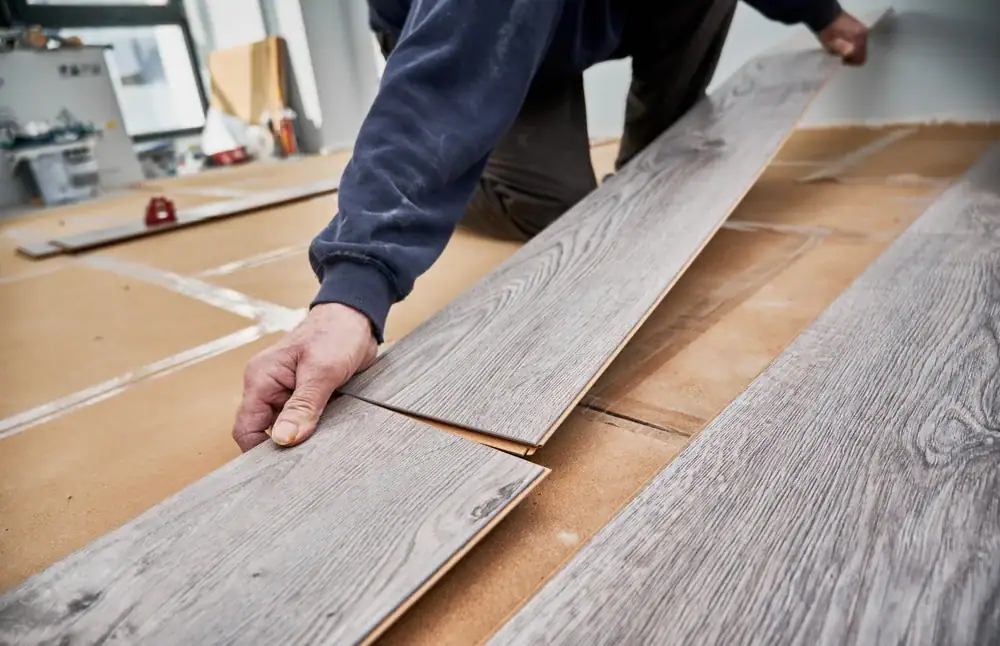
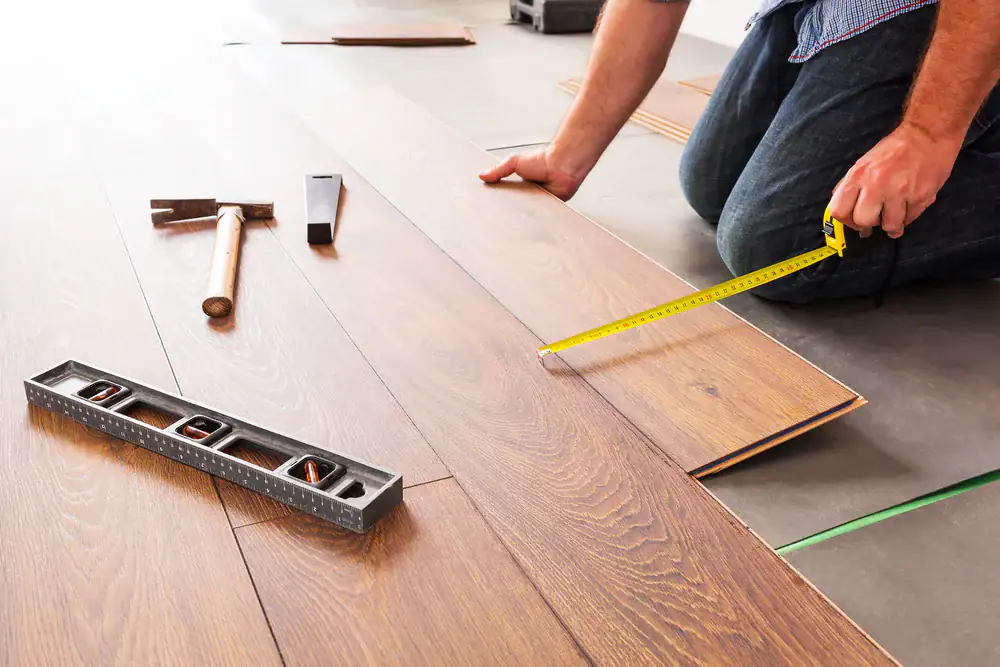
Hardwood Floor Installation Glen Allen, VA
When hardwood floors are installed correctly, they don’t buckle in summer or gap in winter. They don’t creak under foot traffic or show uneven wear patterns after a year. They look clean, sit flat, and hold up under real life.
That’s what happens when the subfloor is prepped right, moisture levels are tested before anything goes down, and expansion gaps are calculated for Virginia’s humidity swings. You’re not dealing with callbacks or repairs. You’re living on floors that were built to last.
The National Association of Realtors found that new hardwood flooring recovers about 91% of its cost at resale. But that only holds true if the installation was done properly. Poorly installed floors don’t just look bad—they actively hurt your home’s value. Buyers notice gaps, buckling, and uneven transitions. They walk away or negotiate down.
Glen Allen homeowners are sitting on a median property value of $338,000. That’s above the national average, and it’s worth protecting. Professional hardwood floor installation isn’t about aesthetics alone. It’s about maintaining the investment you’ve already made.
Wood Flooring Contractor Glen Allen, VA
Buff and Coat Floor Refinishing has been working in Virginia for over 35 years. We’re not new to Glen Allen’s housing stock, its climate, or the way homes settle in Henrico County. We’ve installed and refinished floors in everything from historic properties near Wyndham to newer builds off Nuckols Road.
We’re licensed, insured, and local. That means if something needs attention after the job, we’re here. Not in another state. Not unreachable. Here.
Most of our work comes from referrals. That doesn’t happen by accident. It happens because people trust the quality of the install and the way we communicate through the process. You’ll know what’s happening, when it’s happening, and what to expect when we’re done.
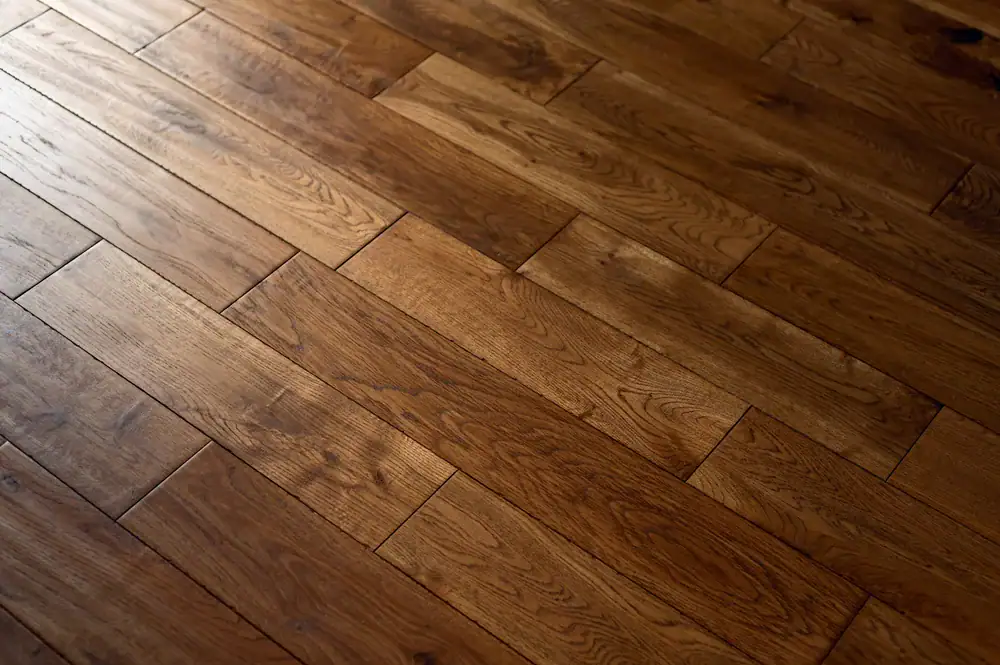
Professional Hardwood Floor Installation Process
First, we assess the subfloor. That’s where most DIY projects and rushed contractors fail. If the subfloor isn’t level, clean, and dry, nothing above it will perform correctly. We check for damage, moisture content, and structural issues before a single plank goes down.
Next, we acclimate the wood. Hardwood needs time to adjust to your home’s temperature and humidity before installation. Skip this step and you’re looking at gaps or buckling within months. In Glen Allen, where humidity can swing significantly between seasons, acclimation isn’t optional.
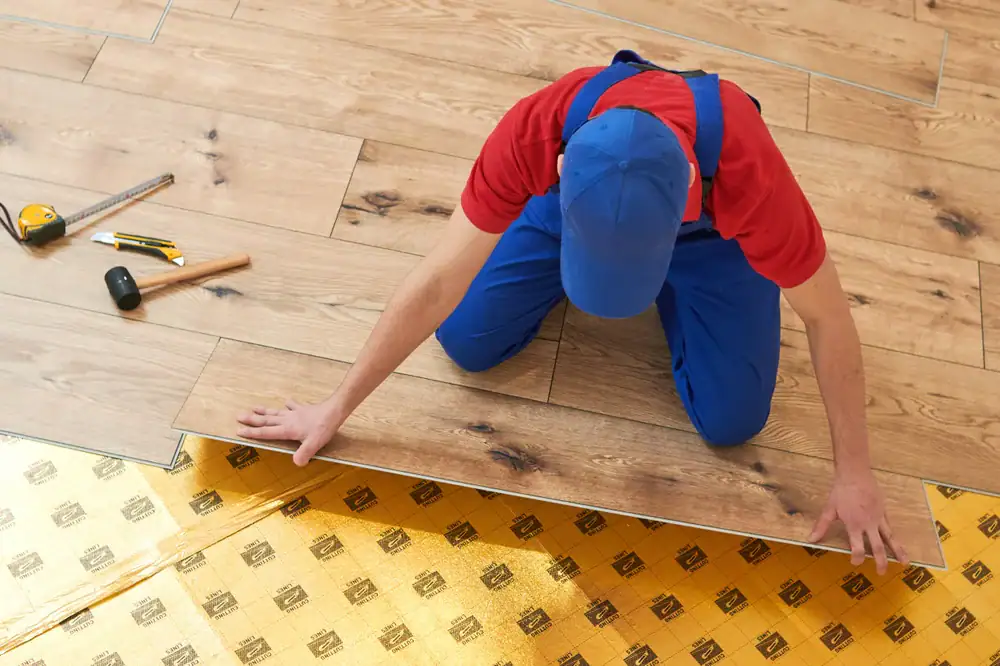
Then comes layout and installation. We map the room to minimize waste and avoid awkward cuts near doorways or transitions. Boards are installed with proper expansion gaps around the perimeter. Those gaps allow the wood to move naturally without buckling. We use the right fasteners, the right spacing, and the right techniques for your specific floor type—whether that’s solid hardwood, engineered wood, or wide plank.
Finally, we finish and protect. If it’s unfinished hardwood, we sand and apply your chosen finish on-site. If it’s prefinished, we ensure clean transitions and proper thresholds. You’re left with floors that look professional because they were installed by professionals.
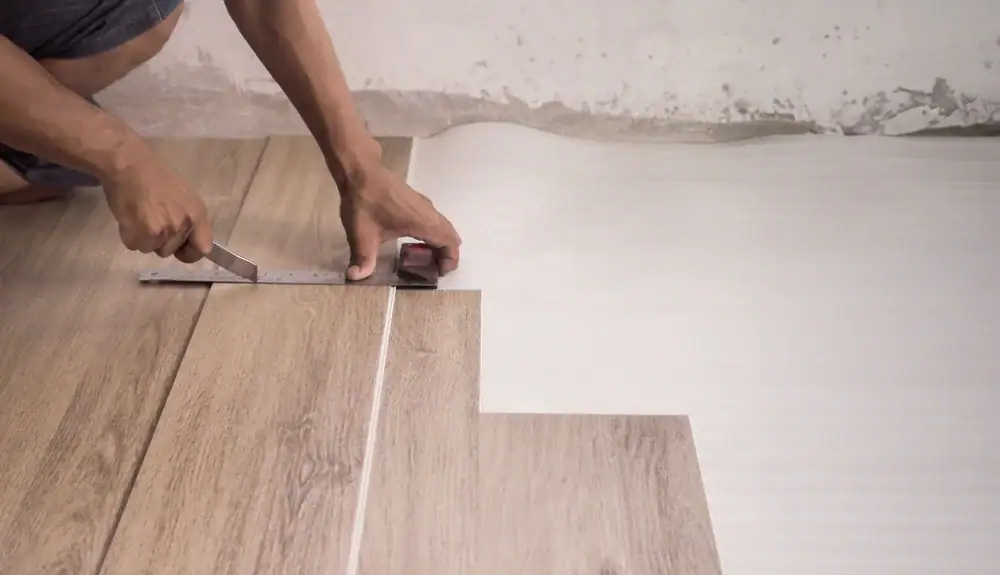
Solid Wood Flooring Installers Glen Allen
You’re getting a full subfloor assessment and preparation. That includes leveling compounds if needed, moisture barrier installation for concrete subfloors, and repairs to any damaged areas. Roughly 80% of wood flooring problems stem from moisture issues. We test before we install.
You’re also getting proper acclimation time for your materials. We don’t rush this. Your hardwood sits in your home for several days to adjust to the environment. It’s a small step that prevents major problems.
During installation, we handle all cuts, transitions, and thresholds. That includes stairs, doorways, and any areas where your new hardwood meets tile, carpet, or existing flooring. Clean transitions matter. They affect how the whole floor looks and functions.
In Glen Allen, where home styles range from traditional colonials to modern builds, we adjust our approach based on your home’s architecture and your floor’s intended use. High-traffic areas get extra attention. Homes with pets or kids get recommendations for harder wood species and more durable finishes. We’re not selling you the same floor we installed next door. We’re installing what works for your home.
If you’re choosing unfinished hardwood, we sand and finish on-site. That gives you more control over sheen level and color. If you’re going with prefinished, we ensure every plank is seated correctly and every seam is tight. Either way, the result is a floor that performs as well as it looks.
How long does professional hardwood floor installation take in Glen Allen?
For an average-sized room—around 300 square feet—expect two to three days. That includes subfloor prep, acclimation time, installation, and finishing if you’re using unfinished hardwood. Larger spaces or homes with multiple rooms take longer, but we’ll give you a clear timeline before we start.
The actual installation is quicker than most DIY projects because we have the tools and experience to move efficiently. But we don’t rush the prep work. A poorly prepped subfloor will cause problems no matter how fast the planks go down.
If you’re using prefinished hardwood, the timeline is shorter because there’s no sanding or finishing required on-site. You can walk on prefinished floors within 24 hours. Unfinished floors need a few days for the finish to cure fully, depending on the product used.
What's the difference between solid hardwood and engineered wood flooring?
Solid hardwood is exactly what it sounds like—planks milled from a single piece of wood, typically three-quarters of an inch thick. It can be sanded and refinished multiple times over its lifespan, which can stretch decades. It’s a good choice for above-grade installations and homes where longevity is the priority.
Engineered wood is made from multiple layers of wood pressed together, with a hardwood veneer on top. It’s more stable in environments with humidity fluctuations, which makes it a smart option for basements or homes without consistent climate control. The tradeoff is that it can only be refinished once or twice, depending on the thickness of the veneer.
In Glen Allen, both options perform well. The choice usually comes down to where the floor is going and how long you plan to stay in the home. If you’re installing in a basement or over a concrete slab, engineered is often the better call. If you’re installing on the main level and want a floor you can refinish multiple times, solid hardwood makes more sense.
Do you handle subfloor repairs before installing hardwood floors?
Yes. A subfloor that isn’t level, dry, or structurally sound will ruin even the best hardwood installation. We assess the subfloor before anything else and handle any necessary repairs as part of the process.
Common issues include uneven areas that need leveling compound, moisture problems that require a vapor barrier, or damaged sections that need replacement. We also check for squeaks, loose boards, or any movement that could transfer to the finished floor.
If you’re installing over concrete, we test moisture levels using a moisture meter. Concrete can hold moisture for months or even years after a home is built, and installing hardwood over wet concrete is a guaranteed failure. If moisture levels are too high, we’ll recommend a moisture barrier or suggest waiting until levels drop. It’s not the answer people want to hear, but it’s the one that saves you from a costly mistake.
Will hardwood floor installation create a lot of dust in my home?
If you’re installing prefinished hardwood, dust is minimal. The planks are already finished at the factory, so there’s no sanding required on-site. You’ll see some sawdust from cuts, but nothing that requires serious cleanup.
If you’re installing unfinished hardwood, there will be dust from sanding and finishing. We use dust containment systems to minimize spread, but sanding raw wood generates fine particles that can travel. We seal off the work area as much as possible and clean thoroughly after each day.
Most Glen Allen homeowners who choose unfinished hardwood do so because they want a custom stain color or a specific finish that isn’t available in prefinished options. The tradeoff is a few extra days of work and some additional cleanup. If dust is a major concern—maybe you have allergies or respiratory issues—prefinished hardwood is the cleaner option.
How do I know if my home is ready for hardwood floor installation?
Your subfloor needs to be dry, level, and structurally sound. If you’re installing over concrete, the slab needs to be fully cured and moisture levels need to be below 3 pounds per 1,000 square feet. If you’re installing over wood subfloor, it needs to be free of rot, movement, or damage.
Your home’s humidity should be stable. If you’re installing in summer when humidity is high, the wood will acclimate to those conditions. When winter hits and your heat kicks on, the wood will contract. That’s normal. But if your home doesn’t have climate control or if humidity swings wildly, hardwood may not be the best choice for every room.
We’ll assess all of this during the initial consultation. If something needs attention before installation, we’ll tell you upfront. It’s better to address issues before the floor goes down than to deal with callbacks and repairs later. Most homes in Glen Allen are ready to go with minimal prep, but older homes or new construction sometimes need extra attention.
What's the cost difference between DIY and professional hardwood floor installation?
DIY installation might save you labor costs upfront, but it rarely saves money overall. You’ll need to rent or buy specialized tools—a flooring nailer, miter saw, moisture meter, and possibly a table saw. That’s several hundred dollars before you even start. Then there’s the learning curve. Mistakes on the first few rows can throw off the entire floor.
Professional installation costs more initially, but it includes subfloor prep, proper acclimation, correct fastener spacing, and a finish that’s applied evenly. You’re also getting a warranty. If something goes wrong, we fix it. If you install it yourself and something goes wrong, you’re paying to fix it or paying someone else to redo the whole job.
The National Association of Realtors found that professionally installed hardwood floors recover about 91% of their cost at resale. DIY floors don’t carry the same value because buyers can often tell the difference. Uneven gaps, visible fasteners, or poor transitions hurt your home’s appeal. If you’re planning to sell within the next few years, professional installation is the smarter financial move.
Other Services we provide in Glen Allen