
Wood Floor Installers in Genito, VA
Floors That Last Decades, Installed Right the First Time
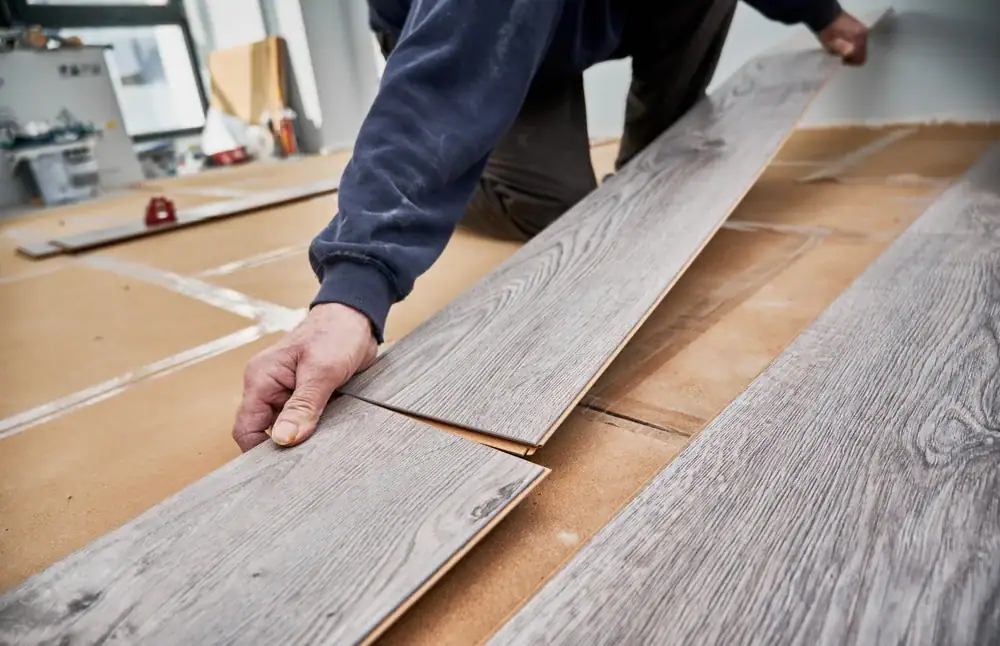
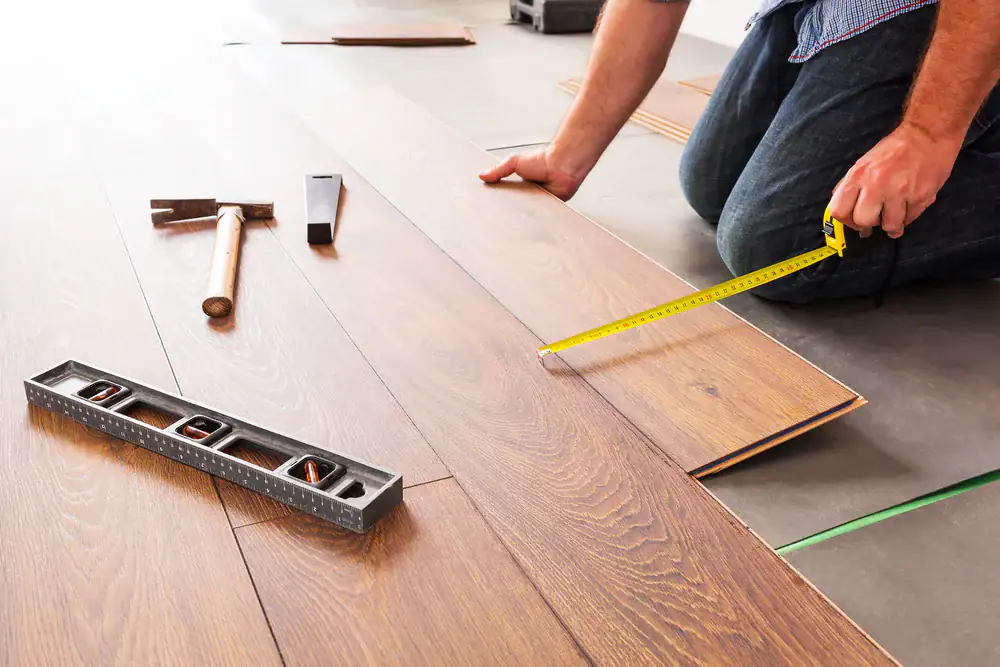
Hardwood Floor Installation in Genito
Most flooring problems trace back to installation mistakes. Subfloors that weren’t prepped right. Wood that wasn’t acclimated properly. Fasteners placed wrong or skipped entirely.
You don’t see these issues on day one. You see them six months later when boards start separating, or a year in when sections begin to buckle. By then, fixing it costs more than doing it right would have.
Proper hardwood floor installation means your floors stay flat, quiet, and beautiful for 30 years or more. The wood moves with your home’s natural shifts instead of fighting against them. You’re not calling someone back to fix gaps or addressing moisture damage that could’ve been prevented.
When the subfloor is level, the wood is acclimated to your home’s humidity, and every plank is secured correctly, your floors just work. No callbacks. No surprises. Just solid wood flooring that does exactly what it’s supposed to do.
Wood Flooring Contractor Serving Genito
We’ve been installing and refinishing hardwood floors across Virginia for over 20 years. We’re licensed, insured, and BBB accredited with an A+ rating.
Dave Emmerling oversees every job personally. That’s not marketing talk—he’s actually there, making sure the subfloor prep is done right and the wood is acclimated before installation starts.
Genito homeowners deal with the same humidity swings and seasonal changes that affect wood floors throughout central Virginia. We account for that during installation so your floors can expand and contract the way they’re supposed to. Most of our work comes from referrals, which tells you what you need to know about how those floors hold up years later.
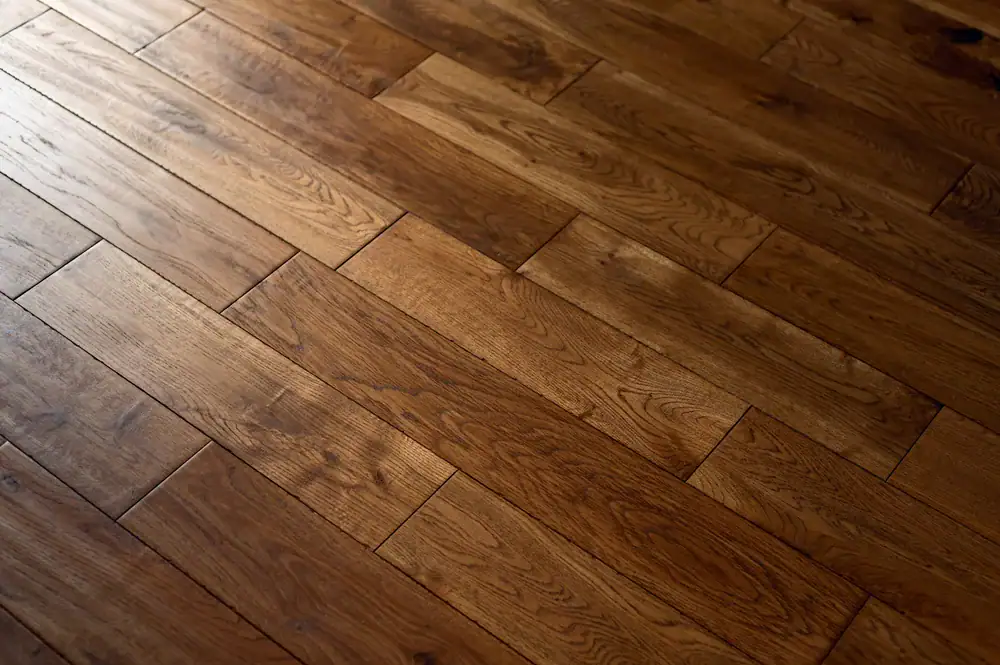
Our Hardwood Floor Installation Process
First, we assess your subfloor. If it’s not level or has moisture issues, we address that before any wood goes down. Skipping this step is how you end up with squeaks and uneven wear.
Next, your hardwood needs to acclimate to your home’s humidity levels. We don’t rush this. Wood that hasn’t adjusted to your environment will expand or contract after installation, causing gaps or buckling.
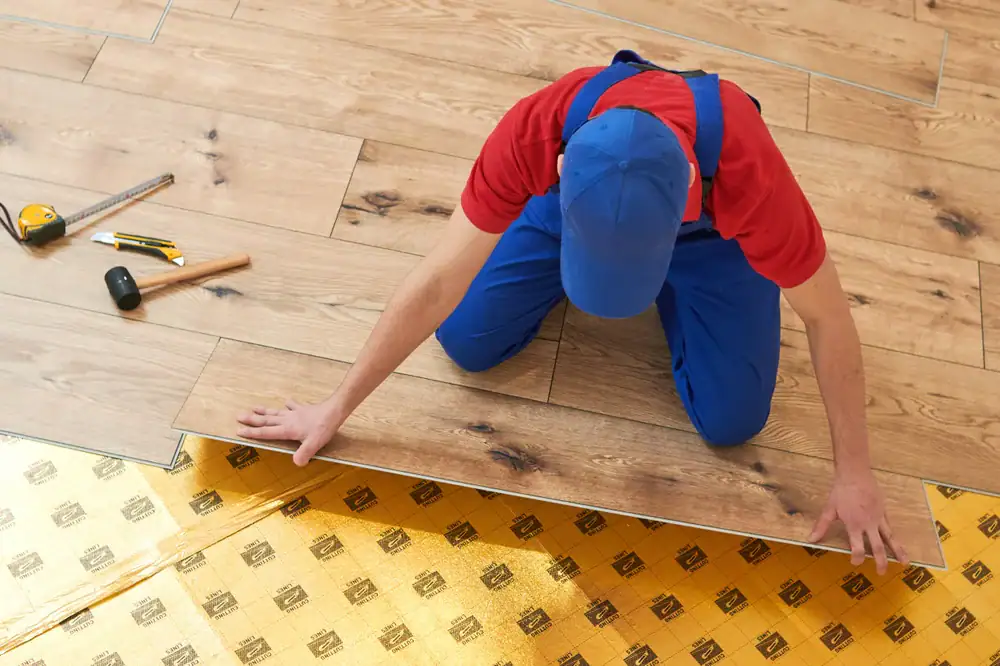
Installation itself involves proper fastener placement at the right intervals and angles. Every plank gets checked for fit before it’s secured. We’re not racing to finish—we’re making sure it’s done right.
For refinishing work, we use a dustless buff and coat process that renews your existing floors without the mess of full sanding. Most jobs finish in one day. The finish we apply is low-VOC and safe for your family and pets.
You’ll know exactly what to expect before we start, how long it’ll take, and what your floors will look like when we’re done.
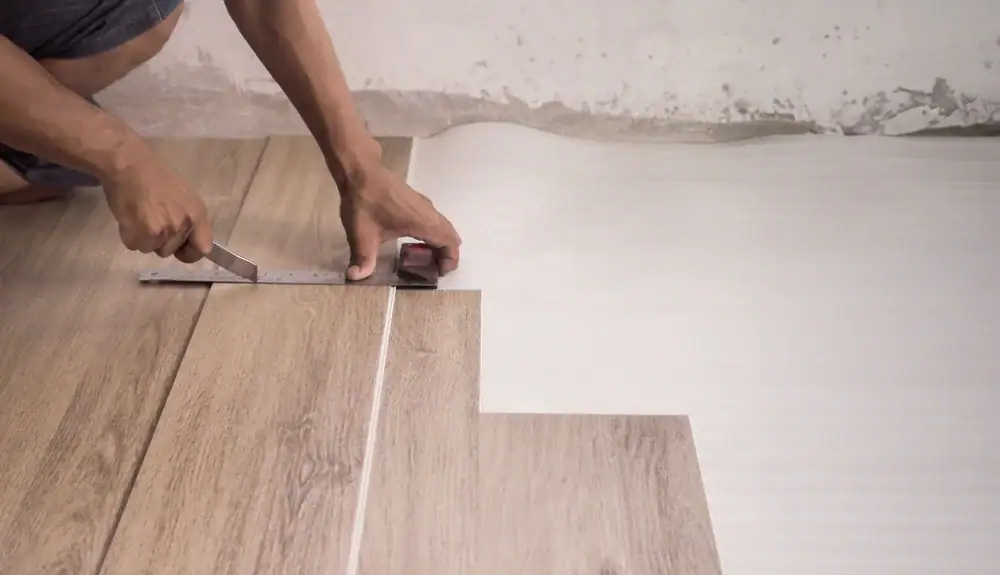
Floor Refinishing Services in Genito, VA
You’re getting licensed contractors who know how to prep subfloors correctly and acclimate wood to central Virginia’s climate. That matters more than most people realize until they’re dealing with floor problems a year after installation.
Our dustless refinishing process means you’re not cleaning dust out of your home for weeks afterward. The equipment captures particles at the source. You can use your floors the same day in most cases.
Genito homes—especially older ones—often have subfloor issues that need addressing before new hardwood goes down. We catch those during the assessment and fix them as part of the job. You’re not discovering foundation problems or moisture issues after the wood is already installed.
The finishes we use are low-VOC and eco-friendly. You’re not breathing harsh fumes or worrying about your kids and pets being around fresh finish. We also handle hardwood floor repair for damaged sections, so you don’t need to replace entire rooms when a few boards need attention.
Every installation and refinishing job includes a walkthrough afterward. You’ll see exactly what was done and how to maintain your floors so they last as long as they should.
How long does hardwood floor installation actually take in a typical home?
Most residential hardwood floor installation projects take one to three days depending on square footage and the condition of your subfloor. A single room might be done in a day. A whole main floor usually takes two to three days.
The timeline depends heavily on prep work. If your subfloor needs leveling or moisture barriers, that adds time upfront but prevents problems later. We also factor in acclimation time—your hardwood needs to sit in your home for several days before installation to adjust to your humidity levels.
Refinishing existing floors is faster. Our buff and coat process typically completes in one day for most homes. You can walk on the floors the same evening in many cases. Full sanding and refinishing takes longer—usually two to three days—but that’s only necessary if your floors are heavily damaged or haven’t been refinished in decades.
What's the difference between solid hardwood and engineered wood flooring?
Solid hardwood is exactly what it sounds like—each plank is solid wood from top to bottom, usually three-quarters of an inch thick. You can refinish it multiple times over its life, which can span 50 to 100 years. It’s the most durable option but needs a proper wood subfloor and doesn’t work in basements or areas with high moisture.
Engineered wood has a real hardwood top layer bonded to plywood underneath. It’s more stable in humid environments and can be installed over concrete or in basements. The tradeoff is you can only refinish it once or twice because the top hardwood layer is thinner.
For Genito homes, solid hardwood works well on main floors and upper levels. Engineered makes sense for basements or rooms where humidity fluctuates more. Both look identical once installed—the difference is in how they’re constructed and where they can be used. Your subfloor type and the room’s moisture levels usually determine which option makes sense for your situation.
How do I know if my existing hardwood floors can be refinished or need replacement?
If your floors are solid hardwood and the damage is mostly surface-level—scratches, dullness, minor stains—they can almost always be refinished. Solid hardwood can be sanded and refinished multiple times before you run out of wood to work with.
Deep gouges, water damage that’s caused cupping or warping, or boards that are cracked or split might need replacement. If the damage is isolated to a few boards, we can often replace just those sections and refinish everything to match.
Engineered hardwood is trickier. If the wear has gone through the top hardwood layer into the plywood underneath, refinishing won’t help. But if the damage is just in the finish or the top layer still has thickness, a light refinishing or our buff and coat process can bring them back.
The only way to know for sure is an in-person assessment. We’ll tell you honestly whether refinishing makes sense or if replacement is the better investment. Sometimes refinishing costs more than it’s worth if the floors are too far gone.
What causes hardwood floors to buckle or cup after installation?
Moisture is the culprit in about 80% of cases. Either the subfloor had moisture issues that weren’t addressed before installation, or the wood wasn’t acclimated to your home’s humidity levels before going down. Wood expands when it absorbs moisture and contracts when it dries out.
If wood is installed too dry and then absorbs moisture from your home, it expands and has nowhere to go. That causes buckling—where boards push up against each other. Cupping is when the edges of boards are higher than the centers, usually from moisture coming up through the subfloor.
Poor installation practices make it worse. If expansion gaps weren’t left around the room’s perimeter, the wood has no space to expand into. Inadequate fasteners or improper subfloor prep can also allow boards to move more than they should.
The fix depends on the cause. Sometimes you need to address a moisture source like a leak or poor ventilation. Other times the wood needs to acclimate to normal humidity levels and then be reinstalled correctly. Prevention is straightforward—proper subfloor prep, correct acclimation time, and leaving appropriate expansion gaps during installation.
Is dustless floor refinishing actually dustless, or is that just marketing?
It’s not 100% dustless, but it’s close enough that you won’t be cleaning dust out of your home for weeks. The equipment uses high-powered vacuums that capture dust right at the sanding source before it becomes airborne. You’ll see minimal dust compared to traditional sanding methods.
Traditional floor sanding creates fine dust that gets everywhere—in your vents, on your walls, inside cabinets. You’re cleaning for days afterward. Dustless systems reduce airborne dust by about 95% or more. You might see a light film on surfaces in the immediate work area, but it’s nothing like conventional sanding.
The process works well for buff and coat refinishing where we’re not doing heavy sanding. We’re removing the old finish and applying new coating, which generates less dust to begin with. For floors that need deeper sanding due to damage, there’s slightly more dust, but still far less than old-school methods.
Most customers are surprised by how clean their homes stay during the process. You don’t need to cover furniture in other rooms or worry about dust traveling through your HVAC system. It’s one of the main reasons people choose refinishing over living with worn floors—the process isn’t disruptive anymore.
How much does professional hardwood floor installation cost in Genito?
Professional hardwood floor installation in the Genito area typically runs between $6 and $18 per square foot, all-in. That includes materials, labor, subfloor prep, and finishing. A 300-square-foot room usually costs between $1,800 and $5,400 depending on the wood species and complexity.
The wide range comes down to wood choice and site conditions. Standard oak or maple costs less than exotic species. If your subfloor needs significant prep work or moisture barriers, that adds to the cost. Stairs, intricate patterns, or working around built-ins also increase labor time.
Refinishing existing floors costs less—usually $3 to $8 per square foot. Our buff and coat process is on the lower end of that range because it’s less labor-intensive than full sanding and refinishing. If your floors need repairs before refinishing, that’s additional but usually minor compared to full replacement.
The cheapest bid isn’t always the best value. Installation mistakes cost more to fix than the upfront savings. You’re better off paying for proper subfloor prep and correct installation than dealing with buckling floors or callbacks a year later. We give you an honest estimate based on what your floors actually need, not what sounds good to get the job.
Other Services we provide in Genito