
Wood Floor Installers in Gayton, VA
Hardwood Floors Installed Right the First Time
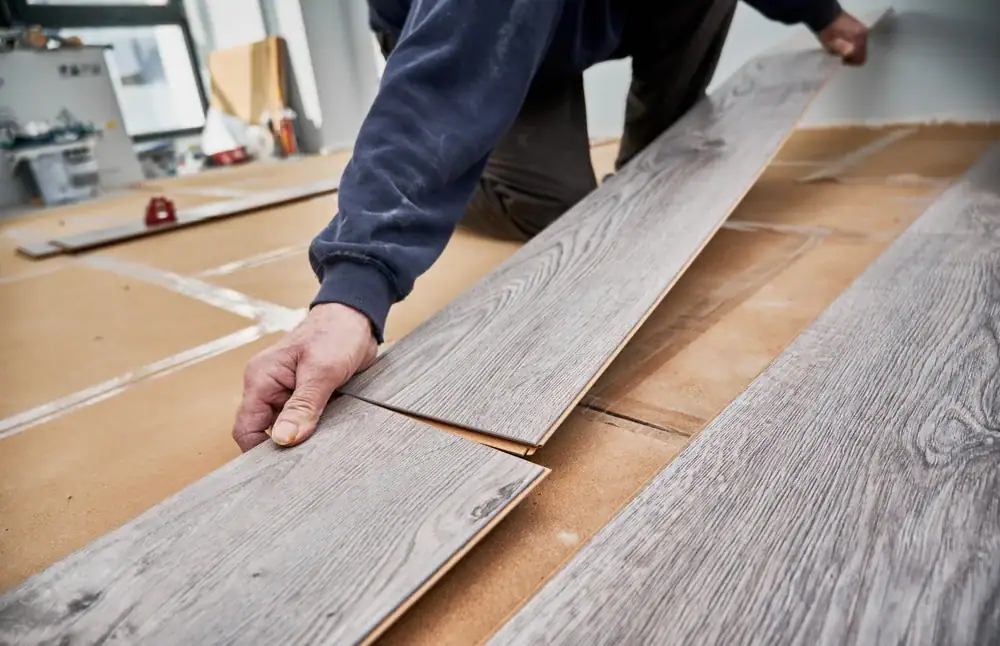
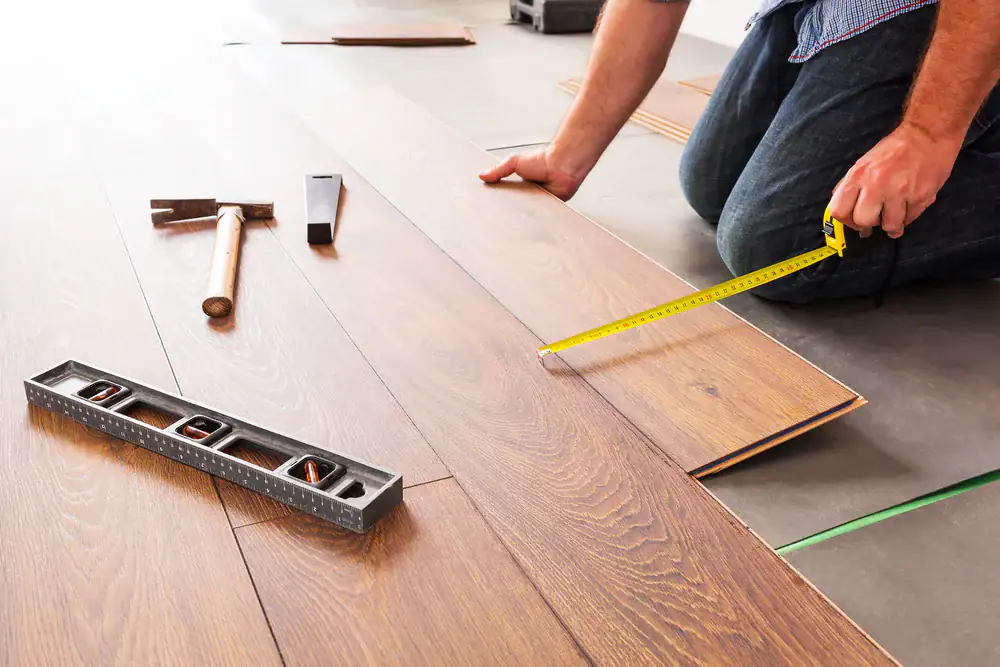
Hardwood Floor Installation in Gayton
You’re not just getting new floors. You’re getting a solution that won’t gap when winter heating kicks in or buckle when summer humidity hits.
Virginia’s seasonal swings are brutal on hardwood. Indoor heating in winter drops humidity fast, causing solid wood to shrink and crack. Summer brings the opposite problem. Most installers don’t account for this.
We use engineered solutions that expand and contract significantly less than traditional solid wood during humidity fluctuations. That means fewer gaps between boards, less seasonal movement, and floors that look consistent year-round. The installation process is dustless, so you’re not dealing with fine particles settling on every surface in your home for weeks. Most projects wrap in a single day, not the week-long disruption you’d expect from traditional hardwood floor installation.
Wood Flooring Contractor Gayton VA
Buff and Coat Floor Refinishing has been working in Gayton and throughout Henrico County for over 20 years. Dave Emmerling, the owner, is personally involved in every project. Not as a sales pitch, but because that’s how quality control actually works.
We’re licensed (License #2705021815), carry an A+ BBB rating, and use low-VOC, eco-friendly products. The Gayton area, with its mix of established homes from the 80s and 90s, presents specific flooring challenges. Homes in Gayton Forest and Gayton Station weren’t always built with modern moisture barriers or climate considerations. We’ve seen what works here and what fails in five years.
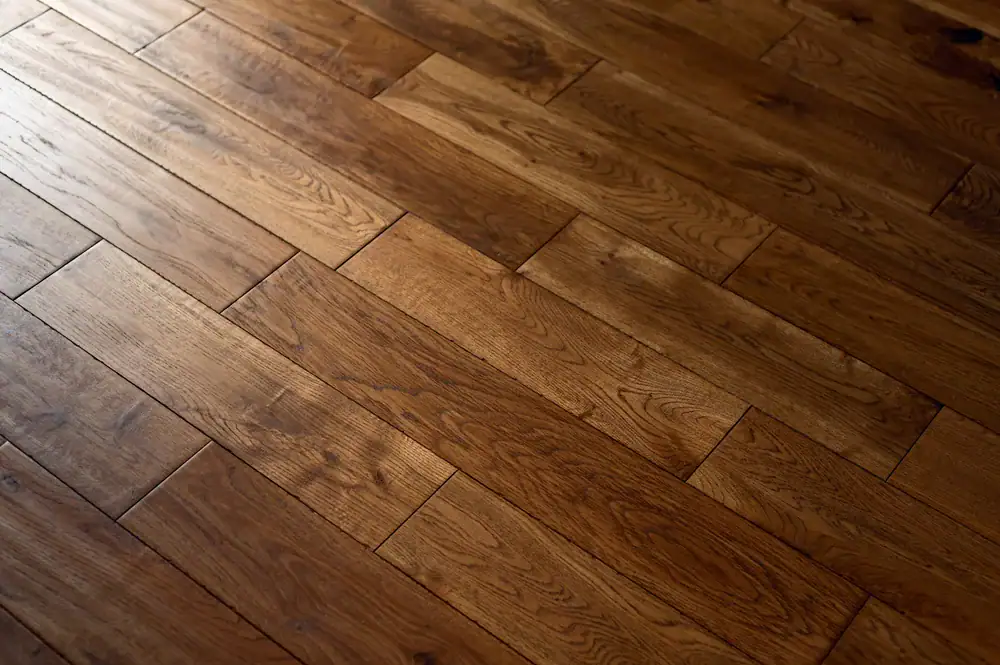
Floor Refinishing Services Process
First, we assess your subfloor condition and moisture levels. This step gets skipped by contractors in a hurry, but it’s the difference between floors that last and floors that fail. If there’s a moisture issue or structural concern, you’ll know before installation starts.
Next, we discuss material options based on your home’s specific conditions. Engineered oak for kitchens that see temperature swings. Waterproof laminate for bathrooms or basements. Solid wood for main living areas with proper climate control. The recommendation depends on your space, not our inventory.
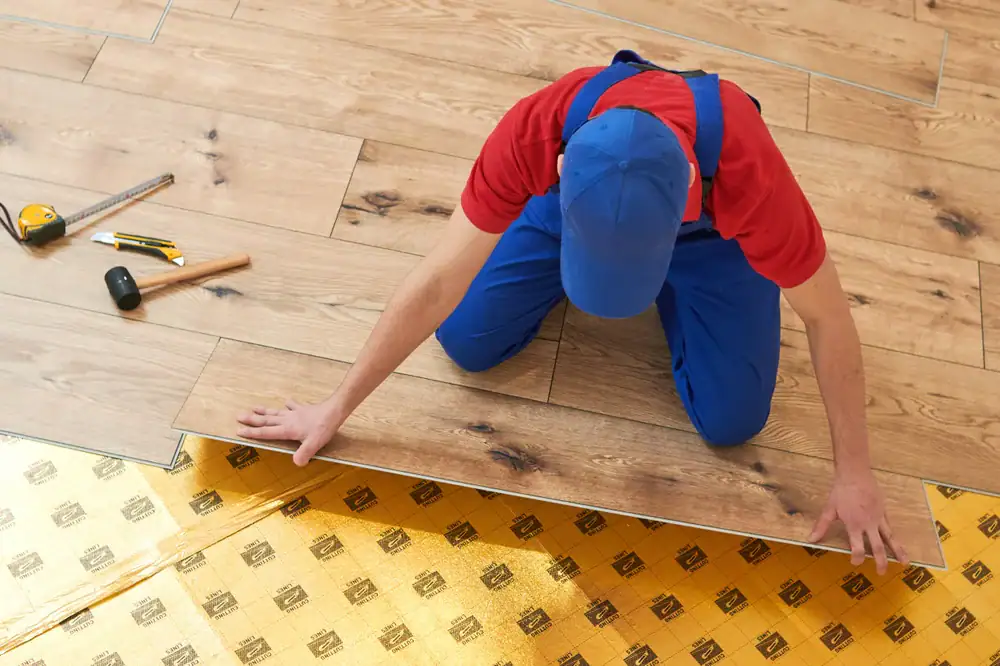
Installation uses dustless equipment and modern techniques that minimize mess. We’re not sanding for hours and leaving your home covered in fine dust. Most installations complete in one day. You’ll see the space cleared, prepped, installed, and finished without the week-long disruption traditional methods require. After installation, we walk you through maintenance specific to your floor type and Virginia’s climate patterns.
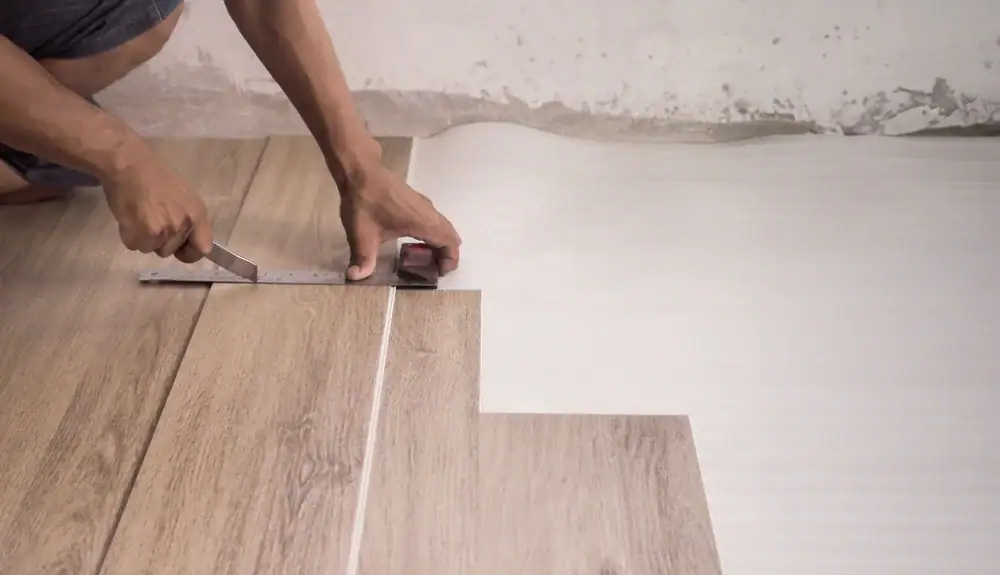
Solid Wood Flooring Installers Gayton
You get a full subfloor inspection and moisture assessment before any material gets ordered. This catches problems early, when they’re fixable without ripping out new floors six months later.
Material selection is based on your home’s age, your subfloor condition, and how each room is used. Gayton homes, particularly those built in the 80s and 90s, often have settling issues or outdated moisture barriers. We account for that. The installation itself uses dustless technology and professional-grade equipment. You’re not dealing with contractors showing up with a truck full of consumer-grade tools.
We include a comprehensive warranty and ongoing maintenance guidance. Virginia’s humidity swings mean your floors need seasonal attention. We’ll tell you exactly what to watch for and when to call. The goal is floors that increase your home’s resale value, which hardwood does better than any other flooring type. But only if it’s installed correctly and maintains its appearance over time.
How long does hardwood floor installation actually take in a typical Gayton home?
Most installations complete in one day. That’s not an exaggeration or a best-case scenario. It’s the standard timeline for our dustless installation process.
Traditional hardwood floor installation can take three to five days because of sanding, multiple finish coats, and drying time between each step. Our approach uses modern equipment and techniques that compress that timeline without cutting corners. You’re looking at one day for installation and finishing in most residential spaces.
Larger homes or projects that include multiple rooms might extend to two days. If we’re also doing subfloor repair or addressing moisture issues, that adds time upfront. But the actual installation and finishing? One day for most projects. You can move furniture back in after 24 hours, and the floors are fully cured and ready for normal use within a few days.
What's the difference between solid wood and engineered flooring for Virginia homes?
Solid wood is exactly what it sounds like: a single piece of hardwood from top to bottom. Engineered flooring has a real hardwood top layer bonded to a plywood base. Both are real wood. The difference is how they handle Virginia’s humidity swings.
Solid wood expands and contracts more dramatically with seasonal changes. In winter, when your heating system drops indoor humidity, solid wood shrinks. You’ll see gaps between boards. In summer, it swells. Engineered flooring moves less because the plywood base provides stability. That makes it a better choice for kitchens, bathrooms, or homes without perfect climate control year-round.
Solid wood can be sanded and refinished multiple times over its life. Engineered flooring can typically be refinished once or twice, depending on the thickness of the top layer. For Gayton’s climate and the age of most homes here, engineered flooring often makes more sense. But if you have a well-controlled environment and want the longest possible lifespan, solid wood is still a strong option.
Will hardwood floor installation create dust throughout my entire house?
Not with dustless equipment. Traditional sanding creates fine dust that settles everywhere, gets into HVAC systems, and takes weeks to fully clean up. Dustless systems capture 99% of particles at the source.
The equipment uses industrial vacuums integrated directly into the sanding tools. Dust gets pulled into a containment system before it ever enters your air. You’ll still want to close off the work area and cover nearby furniture as a precaution, but you’re not dealing with dust coating every surface in your home.
This matters especially in Gayton homes where open floor plans are common. Without dustless equipment, particles travel through the entire house. With it, the mess stays contained to the immediate work area. You can stay in your home during installation without breathing in dust or dealing with a massive cleanup afterward.
How much does professional wood floor installation cost compared to DIY?
Professional installation typically runs $6 to $12 per square foot for materials and labor combined, depending on the wood type and your subfloor condition. DIY might seem cheaper upfront, but the hidden costs add up fast.
You’ll need to rent or buy specialized equipment: a flooring nailer, saws, moisture meters, and finishing tools. That’s easily $500 to $1,000 in rentals alone. Then there’s the learning curve. Mistakes in spacing, moisture management, or finishing techniques can ruin expensive materials. Most DIY projects take three to four times longer than professional installation because you’re learning as you go.
The bigger risk is long-term failure. If you don’t properly assess subfloor moisture or account for seasonal expansion, your floors might look fine initially but develop gaps, cupping, or buckling within a year. Fixing those problems costs more than hiring a professional installer from the start. Professional installation includes warranty coverage and the peace of mind that it’s done right.
Can you install hardwood floors over existing flooring or concrete?
It depends on what’s underneath and its condition. Installing over existing flooring is possible in some cases, but it’s rarely the best approach. Installing over concrete requires specific preparation and moisture management.
If you have old vinyl or linoleum in good condition, we can sometimes install engineered flooring over it. But if the existing floor is uneven, damaged, or showing signs of moisture issues, it needs to come up first. Installing over a problem just transfers that problem to your new floors. Carpet and padding always need to be removed completely.
Concrete subfloors are common in Gayton basements and some slab-foundation homes. Concrete holds moisture, and hardwood doesn’t tolerate moisture well. We test concrete moisture levels before installation. If levels are too high, we’ll install a moisture barrier system first. Engineered flooring works better than solid wood over concrete because it’s more stable. The key is proper assessment upfront. Skipping moisture testing is the fastest way to end up with buckled floors and an expensive repair bill.
What kind of maintenance do hardwood floors need in Virginia's climate?
Virginia’s seasonal humidity swings mean you need to pay attention to indoor climate control. Keep humidity levels between 35% and 55% year-round. In winter, that usually means running a humidifier. In summer, your AC handles it.
Regular cleaning is straightforward: sweep or vacuum regularly to prevent dirt from scratching the finish, and use a hardwood-specific cleaner for mopping. Avoid excessive water. A damp mop is fine; a soaking wet one will damage the wood over time. Put felt pads under furniture legs and use rugs in high-traffic areas.
You’ll need to refinish or recoat floors every 7 to 10 years, depending on traffic and wear. Buff and coat services can extend that timeline by refreshing the finish without full sanding. Watch for gaps between boards in winter or cupping in summer. Small gaps are normal with seasonal changes, but large gaps or persistent cupping mean there’s a moisture issue that needs addressing. Catching problems early keeps repair costs low.
Other Services we provide in Gayton