
Wood Floor Installers in Gaines Mill, VA
Hardwood Floors Installed Right the First Time
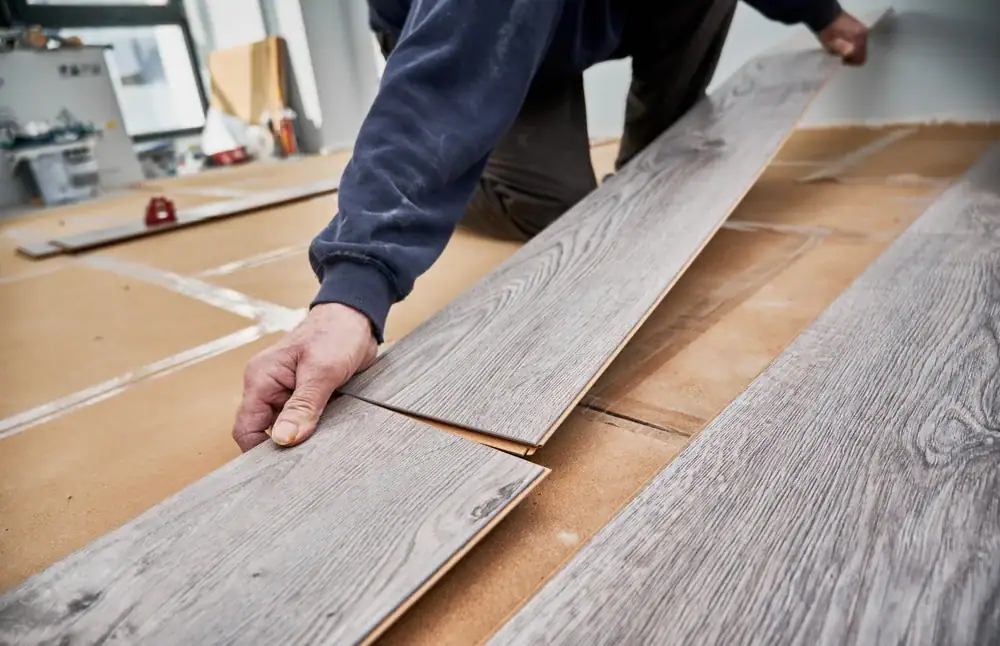
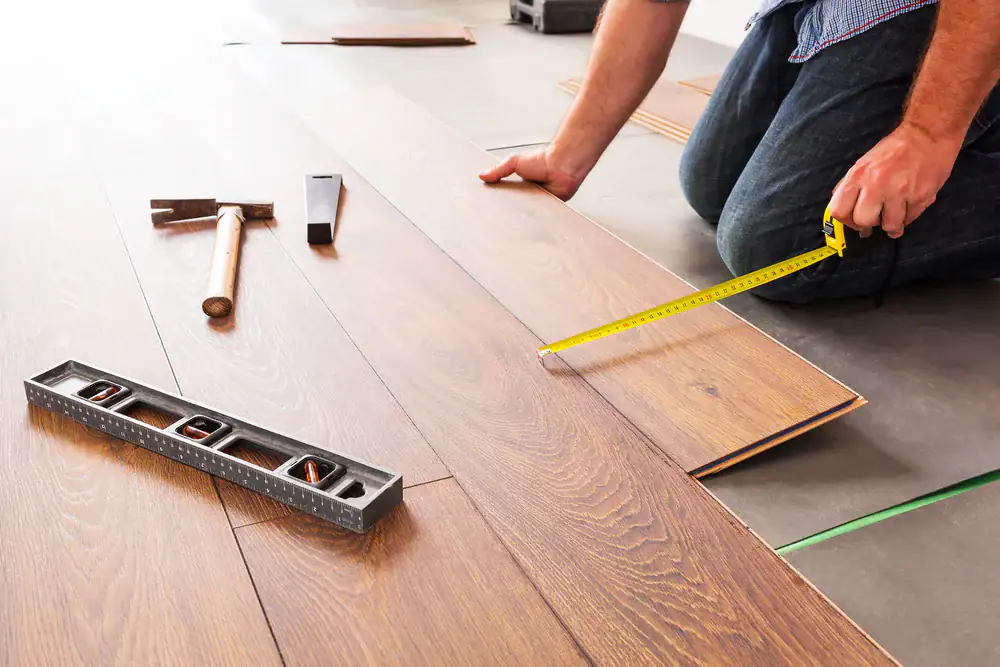
Hardwood Floor Installation in Gaines Mill
The difference between a floor that looks good now and one that still looks good in 15 years comes down to installation. Moisture management, subfloor prep, acclimation time, expansion gaps—these aren’t extras. They’re the reason your floor doesn’t buckle next summer or gap next winter.
You’re not just paying for someone to lay planks. You’re paying for someone who knows how Virginia’s humidity swings affect wood movement, who checks moisture levels before a single board goes down, and who won’t skip steps because they’re behind schedule.
When the job’s done, you get floors that handle real life. Kids, dogs, furniture moves, seasonal changes. The kind of durability that made you choose real hardwood in the first place. And if something ever needs attention down the road, hardwood can be refinished—which means your floor can outlast your mortgage if it’s installed correctly from day one.
Wood Flooring Contractor Serving Gaines Mill
Buff and Coat Floor Refinishing has been working on hardwood floors in the Richmond area since before dustless refinishing was standard. We’ve seen what holds up and what doesn’t. We’ve fixed plenty of DIY disasters and plenty of contractor shortcuts.
We’re BBB A+ rated, licensed with the Virginia Board for Contractors, and we’re based right here in Glen Allen. Most of our work comes from Henrico County homeowners who want their floors done once, done right, and done without turning their house into a construction zone for weeks.
Gaines Mill sits in an area where older homes with original hardwood mix with newer builds going for that same classic look. We’ve worked on both. The approach changes depending on what we’re dealing with, but the standards don’t.
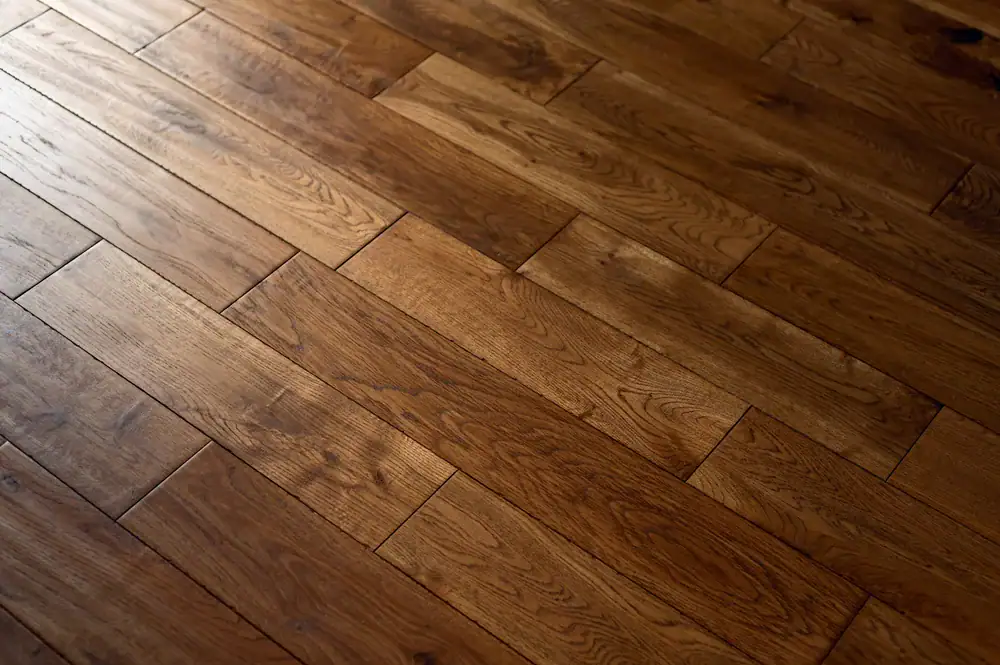
Our Hardwood Floor Installation Process
First, we look at your subfloor. Not every subfloor is ready for hardwood, and installing over one that isn’t is how you end up with squeaks, movement, or worse. We check for level, moisture, and structural issues before we agree to start.
Next, the wood needs to acclimate. Hardwood expands and contracts with humidity, and if it’s not given time to adjust to your home’s environment before installation, you’re asking for problems. We don’t rush this part.
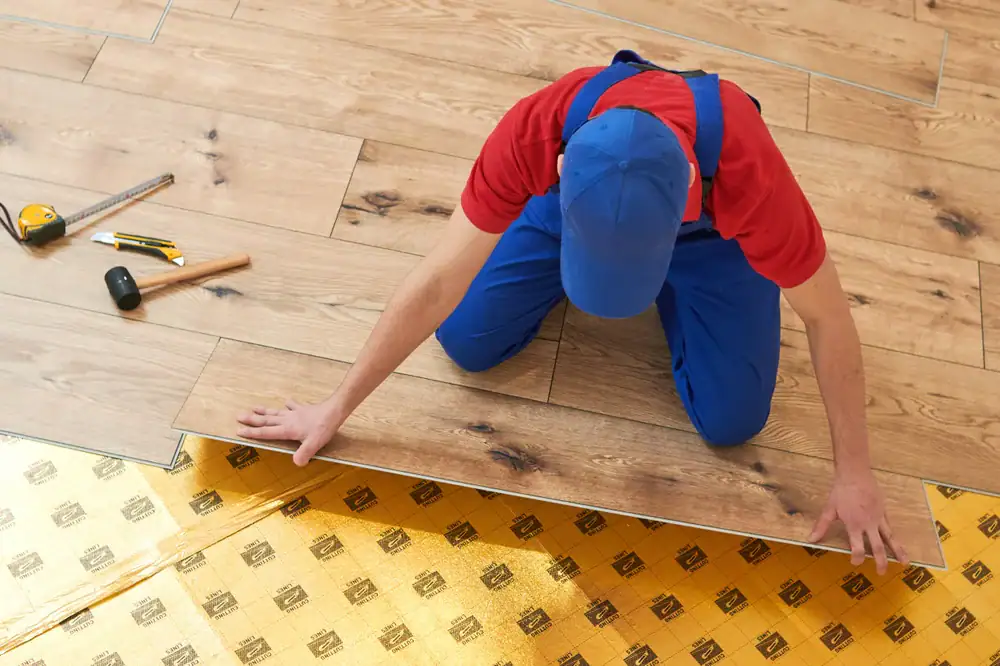
During installation, we’re managing expansion gaps, stagger patterns, and fastener placement. It’s repetitive work, but it’s not mindless. Every board gets checked. Every row gets measured. If something’s off, we catch it before it’s permanent.
After installation, we finish the floor if it’s unfinished hardwood, or we clean and inspect if it’s prefinished. Either way, you’re walking on floors that were installed with the kind of attention that keeps them looking good long after we’re gone.
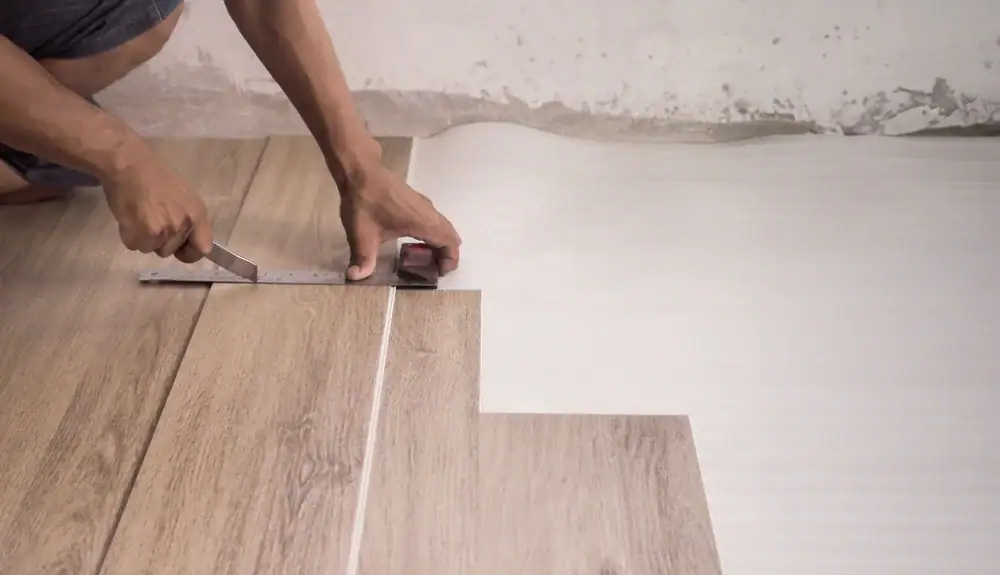
Solid Wood Flooring Installers Near You
You get a full subfloor inspection and any necessary prep work to make sure the foundation is solid. That includes leveling compounds, moisture barriers, or underlayment depending on what your specific floor needs. We don’t install over problems—we fix them first.
We handle the acclimation process, which means your wood sits in your home long enough to adjust to the humidity levels it’ll be living with. In Virginia, that matters. Henrico County sees humid summers and dry winters, and wood reacts to both.
Installation includes proper expansion gaps around the perimeter, which give your floor room to move without buckling. We also handle transitions between rooms, thresholds, and any trim work that needs to happen so the finished product looks intentional, not improvised.
If you’re going with unfinished hardwood, we sand and finish on-site using low-VOC products and dustless equipment. If you’ve chosen prefinished, we clean, inspect, and make sure every plank is seated correctly. Either way, the goal is the same: a floor that performs as well as it looks.
How long does it take to install hardwood floors in a typical home?
For an average-sized room—say, 300 to 500 square feet—installation usually takes one to two days once the wood has acclimated. Acclimation itself takes anywhere from three days to two weeks depending on the product and your home’s conditions.
If we’re doing multiple rooms, a whole main floor, or dealing with stairs, expect closer to a week. That includes subfloor prep, installation, and finishing if you’re going with unfinished hardwood. Prefinished floors skip the sanding and finishing time, so those jobs move faster.
The timeline also depends on what we find when we start. If your subfloor needs leveling or moisture mitigation, that adds time up front. But it’s time well spent—you don’t want to skip that and deal with a failed floor six months later.
What's the difference between solid hardwood and engineered wood flooring?
Solid hardwood is a single piece of wood from top to bottom, usually three-quarters of an inch thick. It can be sanded and refinished multiple times over its life, which is why it can last 50-plus years. It’s the most durable option and the one that adds the most value to your home.
Engineered wood has a real hardwood top layer bonded to layers of plywood underneath. It’s more stable in areas with moisture or temperature swings, which makes it a better choice for basements or over concrete slabs. You can refinish it, but only once or twice depending on how thick that top layer is.
For most of Gaines Mill, where you’re dealing with standard above-grade installations in climate-controlled homes, solid hardwood is the way to go. It’s what buyers expect, and it’s what holds up best long-term. Engineered has its place, but if your subfloor and environment can handle solid, that’s the better investment.
Can you install hardwood over my existing floor, or does it need to come out?
It depends on what’s there and what’s underneath it. If you’ve got old hardwood that’s still structurally sound, we can sometimes install over it. If it’s vinyl, linoleum, or thin laminate on a solid subfloor, we’ll usually remove it first to avoid height issues and ensure proper fastening.
Carpet always comes out. Tile usually comes out unless it’s perfectly level and well-adhered, which is rare. The goal is to get down to a clean, stable subfloor that we can work with confidently.
Height is another consideration. Adding three-quarters of an inch of hardwood can create awkward transitions at doorways or between rooms. If that’s going to be a problem, we talk through options before we start—whether that’s removing the old floor, trimming door casings, or adjusting thresholds. You need to know what you’re dealing with before the first board goes down.
How do I know if my subfloor is ready for hardwood installation?
Your subfloor needs to be clean, dry, flat, and structurally sound. We check moisture levels with a meter—wood subfloors should be below 12% moisture content, and the difference between subfloor and hardwood moisture levels shouldn’t exceed 4%. If it does, the floor will move after installation.
We also check for level. Subfloors can be off by a quarter inch or more over ten feet, and that needs to be corrected with leveling compound or shims. If we don’t fix it, you’ll see gaps, feel unevenness underfoot, or hear squeaks.
Structural issues like soft spots, rot, or improper joist spacing also need attention. If the subfloor flexes too much, your hardwood will move with it, and that leads to gaps or cracked boards. We don’t install over subfloors that aren’t ready. It’s not worth the callback, and it’s definitely not worth your money.
What type of hardwood holds up best in high-traffic areas?
White oak is the most popular choice for a reason. It’s hard, it’s durable, and it handles scratches and dents better than softer species like pine or fir. Red oak is a close second and slightly less expensive, but it dents a little easier.
If you want something even harder, hickory and maple are both tougher than oak. They’re great for homes with dogs or kids. The tradeoff is they can be harder to stain evenly, so if you’re going for a custom color, oak gives you more control.
Finish matters as much as species. Matte or satin finishes hide wear better than high-gloss, which shows every scuff. And wider planks—five inches or more—are on-trend right now, but they also show movement more than narrower boards. If you’re in a high-traffic area, a three-to-five-inch plank in white oak with a matte finish is about as bulletproof as you can get.
Do you offer warranties on your hardwood floor installation work?
Yes. We warranty our installation work, which covers issues related to how the floor was installed—things like improper fastening, inadequate expansion gaps, or subfloor prep that didn’t hold up. That’s separate from the manufacturer’s warranty on the wood itself, which covers defects in the product.
What we don’t cover is damage from neglect, water exposure, or changes you make to your home’s humidity levels after installation. Hardwood is a natural material, and it reacts to its environment. If you let your house sit at 20% humidity all winter or flood the floor, that’s outside the scope of any installation warranty.
We’ve been doing this for over 20 years, and we stand behind the work. If something goes wrong because of how we installed it, we come back and make it right. That’s part of being BBB A+ rated and part of why people keep calling us for their next project.
Other Services we provide in Gaines Mill