
Wood Floor Installers in Dumbarton, VA
Hardwood Floors Installed Right the First Time
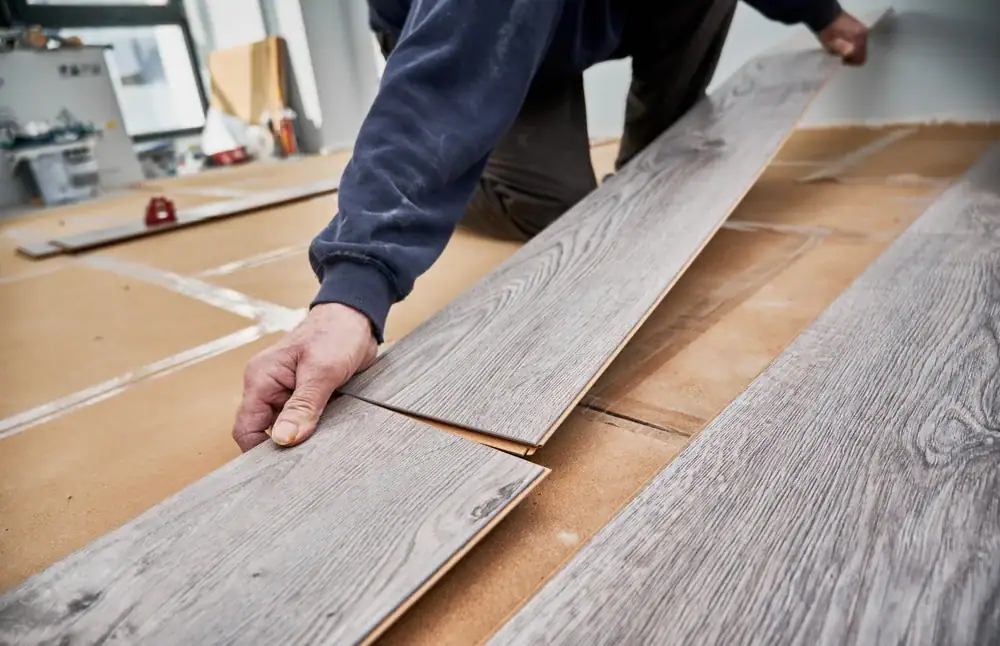
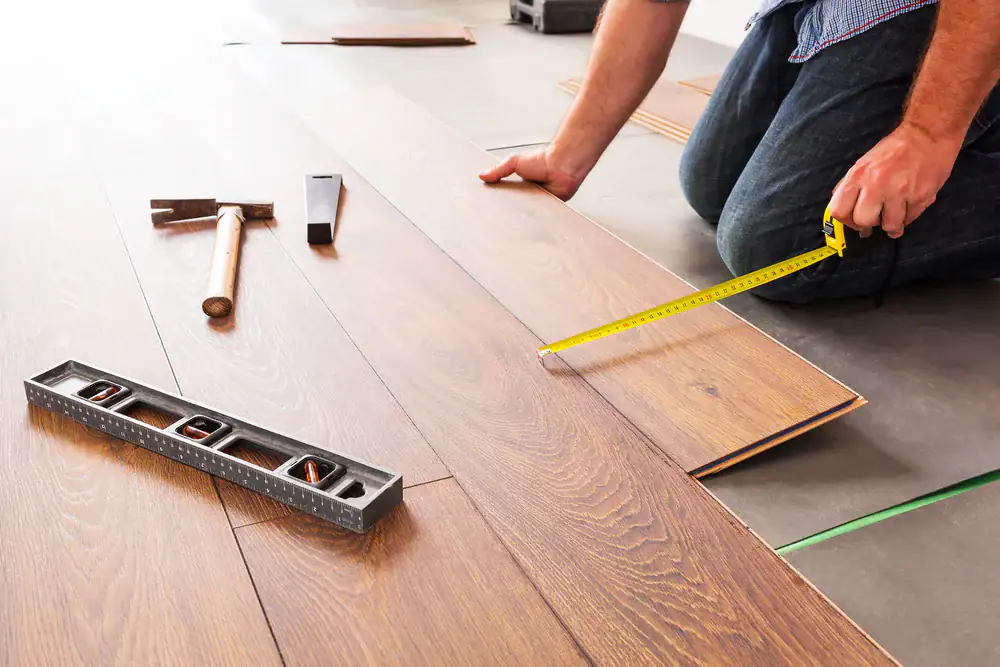
Hardwood Floor Installation in Dumbarton, VA
You’re not just getting wood on your floor. You’re getting a surface that won’t buckle when summer humidity hits 80%. You’re getting installation that accounts for seasonal wood movement so you don’t see gaps in winter. You’re adding somewhere between $15,000 and $25,000 to your home’s value in a market where houses move fast.
The difference between professional installation and a DIY attempt shows up in year two. That’s when improper acclimation causes boards to cup. When subfloor prep gets skipped and you hear squeaks with every step. When moisture barriers weren’t installed and you’re dealing with warping that costs more to fix than it would’ve cost to do it right initially.
Dumbarton homes built in the ’60s and ’70s have their quirks. Subfloors aren’t always level. Crawl spaces can trap moisture. HVAC systems weren’t designed with hardwood in mind. We know how to handle these issues before the first board goes down. That’s what keeps your floors looking good fifteen years from now instead of needing replacement in five.
Wood Flooring Contractor Serving Dumbarton, VA
Buff and Coat Floor Refinishing has been working in Henrico County homes since before the housing boom. We’ve installed hardwood in split-levels off Staples Mill, ranches near Hungary Road, and newer construction throughout Dumbarton. We know what works in Virginia’s climate because we’ve seen what fails.
Our installation crews are experienced with the full range of flooring types: solid oak, engineered hickory, reclaimed pine, wide-plank walnut. We handle subfloor leveling, moisture testing, and proper acclimation before installation starts. Every job includes dust containment systems because your home shouldn’t look like a construction site when we’re done.
You’ll work directly with installers who’ve been doing this for years, not a rotating crew learning on your project. We’re licensed, insured, and we warranty both materials and installation work.
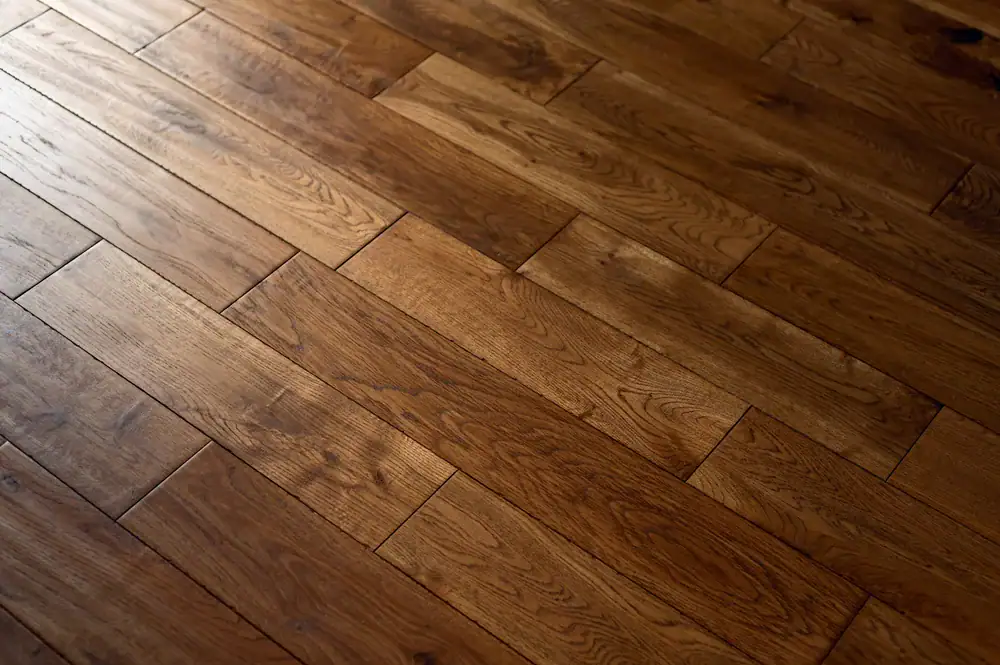
Our Hardwood Floor Installation Process
It starts with an in-home consultation where we assess your subfloor, check for moisture issues, and measure the space. We’ll discuss wood species, plank width, and finish options based on your lifestyle. If you have dogs, we’ll steer you toward harder woods. If your home gets direct sunlight, we’ll talk about UV-resistant finishes. This isn’t a sales pitch—it’s a planning session.
Once you approve the estimate, we order materials and let them acclimate in your home for 7-10 days. This step prevents 90% of expansion and contraction problems. While wood acclimates, we prep the subfloor: leveling high spots, securing loose boards, installing moisture barriers if needed.
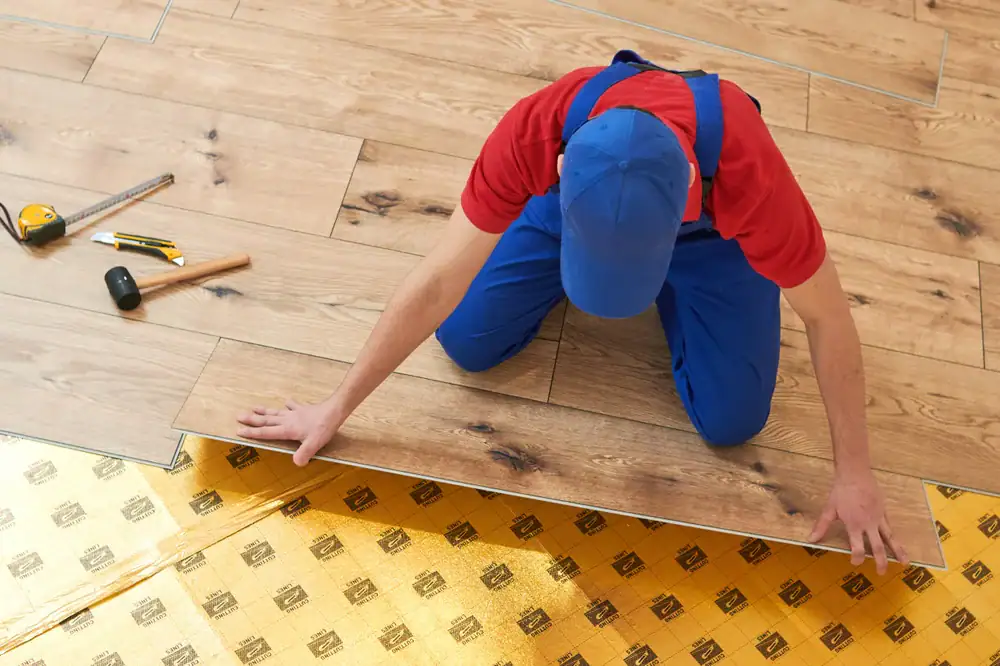
Installation day involves removing old flooring if necessary, final subfloor prep, and laying new hardwood with proper expansion gaps around the perimeter. We use dust containment systems that capture 99% of airborne particles. Most installations finish in one to three days depending on square footage. After installation, we apply finish coats if you’ve chosen unfinished wood, or we install pre-finished boards that are ready to walk on immediately.
Final walkthrough happens with you present. We explain maintenance requirements, show you where we’ve left extra boards for future repairs, and answer any questions about caring for your new floors.
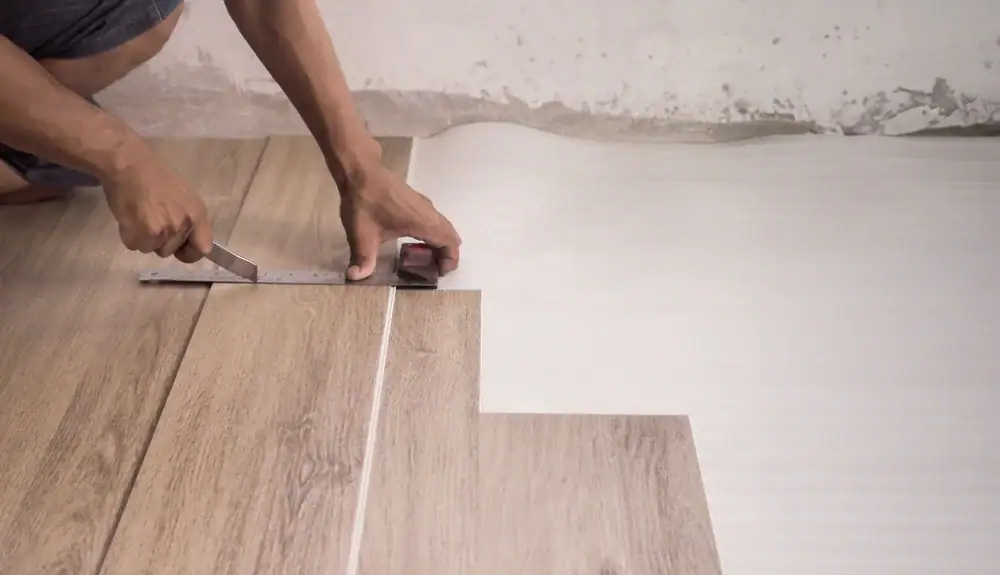
Solid Wood Flooring Installers in Dumbarton
Every installation includes subfloor evaluation and preparation. This matters more than most homeowners realize. Uneven subfloors cause squeaks and premature wear. Moisture in subfloors destroys hardwood from underneath. We test moisture levels, install vapor barriers when needed, and level subfloors to industry standards before any hardwood goes down.
You get proper wood acclimation based on your home’s specific humidity levels. Virginia’s climate swings from 30% humidity in winter to 80% in summer. Wood needs time to adjust to your home’s environment or it’ll expand and contract beyond what the installation can handle. We don’t skip this step to speed up timelines.
Installation includes all materials: underlayment, moisture barriers, adhesives or fasteners, and the hardwood itself. We handle furniture moving, old flooring removal if needed, and post-installation cleanup. Dumbarton homes often have transitions between rooms that need custom work—we handle that too. You’ll receive care instructions specific to your wood type and finish, plus warranty documentation covering both materials and installation labor.
The Richmond area has seen significant growth in home values, with prices up over 5% recently. Quality hardwood installation is one of the few home improvements that reliably returns more than it costs when you sell. But only if it’s done right.
How long does hardwood floor installation take in a typical Dumbarton home?
Most installations take one to three days depending on square footage and complexity. A standard 1,000-square-foot main level usually finishes in two days. Larger homes or projects involving multiple rooms, stairs, or extensive subfloor repair take longer.
The timeline also depends on whether you’re installing pre-finished or unfinished hardwood. Pre-finished boards are ready to walk on as soon as installation completes. Unfinished hardwood requires on-site sanding and finishing, which adds three to five days for finish coats to cure properly.
Acclimation happens before installation starts and takes 7-10 days. This isn’t wasted time—it’s preventing future problems. We can work around your schedule for the actual installation days, but the acclimation period is non-negotiable if you want floors that last.
What's the difference between solid and engineered hardwood for Dumbarton's climate?
Solid hardwood is exactly what it sounds like: planks milled from a single piece of wood, typically 3/4 inch thick. It can be sanded and refinished multiple times over its lifetime. In Virginia’s humid climate, solid hardwood needs proper moisture barriers and acclimation because it expands and contracts more than engineered options.
Engineered hardwood has a real wood veneer on top with plywood layers underneath. This construction makes it more dimensionally stable in humidity swings. It’s often a better choice for basements or homes without crawl space moisture control. The tradeoff is you can only refinish it once or twice before you hit the plywood core.
For Dumbarton homes built in the ’60s and ’70s, we often recommend engineered hardwood in lower levels and solid hardwood on main floors where humidity control is better. Neither option is universally better—it depends on your specific home’s conditions and how long you plan to stay. We test moisture levels during consultation and recommend based on what we find, not what’s easier for us to install.
Will hardwood floor installation really increase my home's value in Dumbarton?
Yes, but the return depends on doing it right. Quality hardwood installation typically adds $15,000 to $25,000 in value for Dumbarton homes in the $250,000 to $400,000 range. That’s based on recent sales data from Henrico County where homes with hardwood floors sell faster and for more than comparable homes with carpet or laminate.
The Richmond metro real estate market moves quickly right now. Homes are selling within days of listing. Hardwood floors are one of the top three features buyers search for, along with updated kitchens and bathrooms. But poorly installed hardwood actually hurts value because buyers see it as a problem they’ll need to fix.
The return on investment is highest when you install hardwood in main living areas: living room, dining room, hallways, and main-level bedrooms. Kitchen hardwood is popular but shows wear faster. Basement hardwood adds value only if moisture issues are properly addressed first. We’ll tell you honestly where hardwood makes sense and where it doesn’t based on your home’s layout and condition.
How do you handle subfloor problems during hardwood installation?
We find subfloor issues during the initial consultation before you commit to anything. Common problems in Dumbarton homes include uneven concrete slabs, squeaky plywood subfloors, and moisture coming up through crawl spaces. Each has a specific fix.
Uneven subfloors get leveled with self-leveling compound or by adding shims under plywood. Industry standard allows 3/16 inch variation over 10 feet. Anything beyond that causes problems. Squeaky subfloors mean the plywood isn’t properly secured to joists—we add screws to eliminate movement. Moisture issues require vapor barriers, and sometimes addressing crawl space ventilation or drainage before hardwood installation can proceed.
Subfloor prep adds cost and time, but skipping it guarantees problems later. We’ve seen DIY installations and budget contractor work fail within two years because subfloor issues weren’t addressed. We include basic subfloor prep in every estimate. If we find significant problems during consultation, we’ll give you options: fix it properly, or don’t install hardwood until the underlying issue is resolved. We won’t install hardwood over problems just to get the job.
What hardwood species and styles work best for Virginia homes?
Oak remains the most popular choice because it’s hard, takes stain well, and handles humidity reasonably well. Red oak has more visible grain; white oak has a cleaner look and is slightly harder. Both are good options for Dumbarton homes with kids or pets.
Hickory and maple are harder than oak and more scratch-resistant, but they don’t absorb stain as evenly. If you want natural or light finishes, they’re excellent choices. Walnut and cherry are softer and show wear faster, but many homeowners choose them for the rich color. For high-traffic areas, stick with harder species.
Current trends favor wide planks—6 inches and up—with matte or satin finishes instead of high gloss. Wire-brushed and hand-scraped textures hide wear better than smooth finishes. Natural and warm tones are replacing the gray-washed looks from five years ago. We bring samples to your home during consultation so you can see how different species and finishes look in your actual lighting. What looks good in a showroom doesn’t always work in your space.
Do you offer dust-free hardwood floor installation?
Yes. We use dust containment systems that capture 99% of airborne particles during installation. This matters more than most people realize until they’ve lived through a dusty flooring project. Standard installation creates fine wood dust that settles on every surface in your home and gets into HVAC systems.
Our containment system connects directly to saws and sanders, capturing dust at the source. We also seal off work areas with plastic barriers and use air scrubbers. You’ll still want to keep bedroom doors closed and cover furniture, but you won’t be cleaning dust off ceiling fans three weeks after we finish.
This is especially important if anyone in your home has allergies or respiratory issues. It’s also just cleaner and more professional. The equipment costs more and slows us down slightly, but it’s standard on every job we do. Some contractors charge extra for dust containment or don’t offer it at all. We include it because we wouldn’t want to work in a dust cloud all day, and we don’t expect you to live in one either.
Other Services we provide in Dumbarton