
Wood Floor Installers in Deep Bottom, VA
Floors That Last Without the Wait or Mess
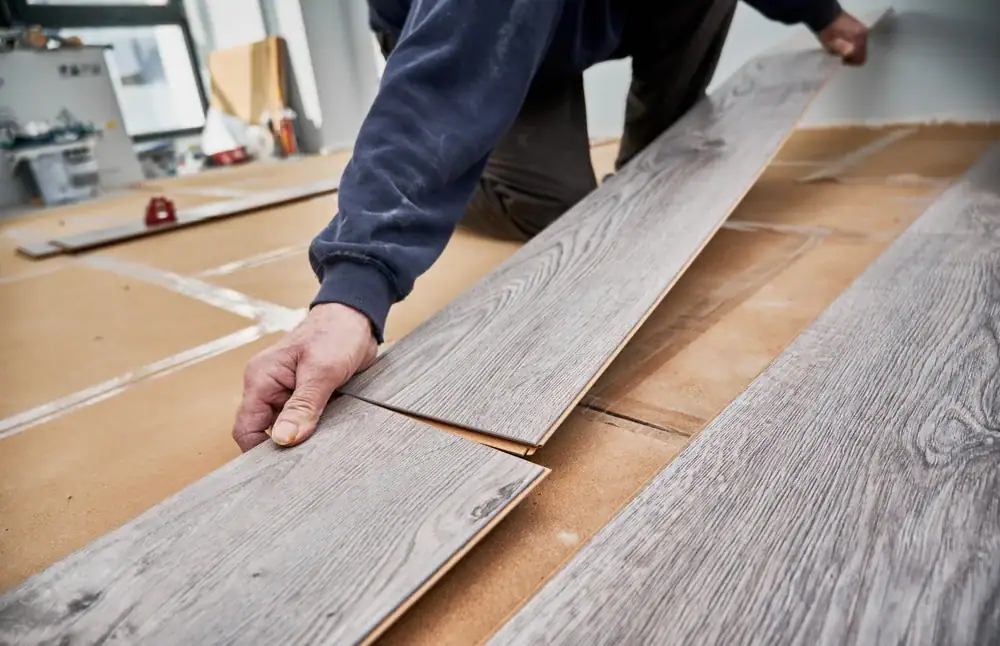
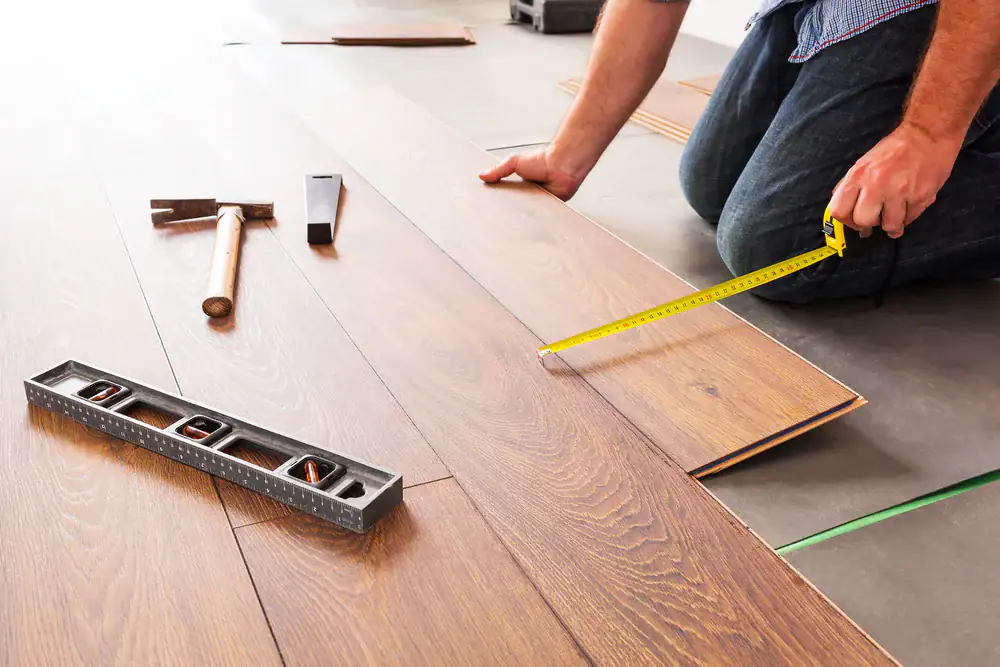
Hardwood Floor Installation in Deep Bottom
Most hardwood floor installation projects drag on for days or weeks. Dust gets everywhere. Your routine gets derailed. You’re left wondering if the contractor will even show up tomorrow.
That’s not how we work. When you’re getting new floors installed or bringing worn hardwood back to life, the process should fit your schedule, not hijack it. You leave in the morning, and by the time you’re back, your floors look completely different.
No dust clouds. No multi-day disruptions. No wondering when you’ll be able to use your own house again. The floors dry fast, they hold up to real life, and you’re not left cleaning up our mess for the next week.
Wood Flooring Contractor Serving Deep Bottom
We’ve been working on hardwood floors across Deep Bottom and the greater Richmond area for over 20 years. That means we’ve seen what holds up in Virginia’s humidity, what fails after a few years, and what homeowners actually regret spending money on.
Deep Bottom homes have character. Many have original hardwood that’s worth saving, and plenty of newer builds are going in with quality materials that deserve proper installation. We’ve worked in both, and our approach doesn’t change: show up on time, do the work right, and leave your home cleaner than most contractors would.
You’re not getting a national franchise or a crew that’s here one month and gone the next. You’re working with a local wood flooring contractor who’s built a reputation by finishing jobs correctly and standing behind the work.
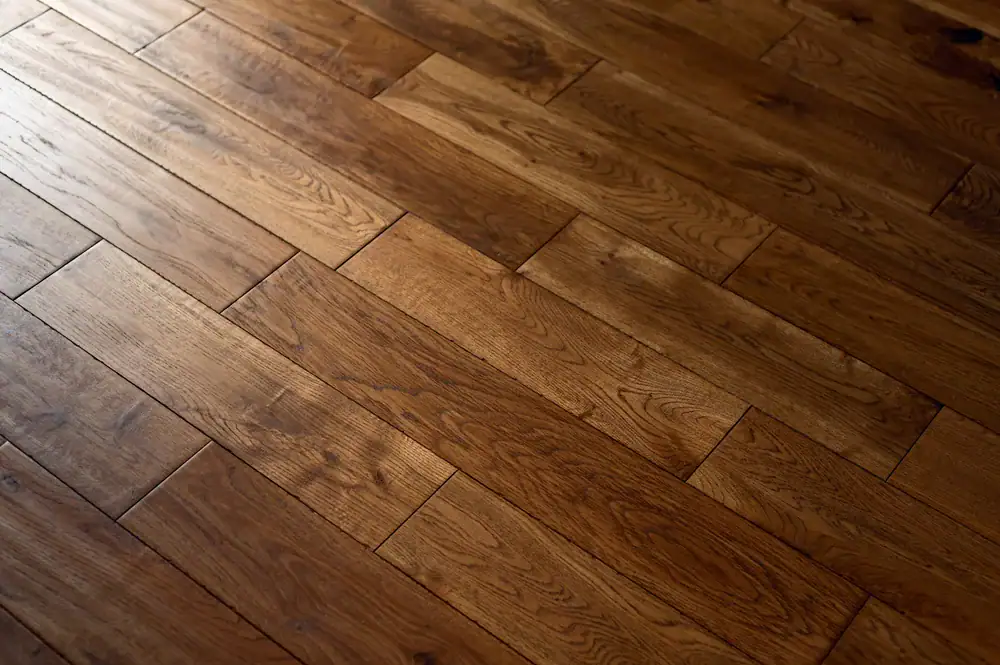
Our Hardwood Floor Repair Process
First, you schedule a walkthrough. We look at your floors, talk through what you’re trying to accomplish, and give you a clear quote with no surprises buried in fine print. If your subfloor has issues, we’ll tell you upfront, not three days into the job.
Once you’re ready to move forward, we schedule the work around your life. Most installations and refinishing jobs are completed in a single day. We use dustless equipment, so you’re not dealing with particles floating through your HVAC system or settling on every surface in the house.
During the job, we prep the space, handle the installation or refinishing work, and apply finishes that cure quickly without off-gassing harsh fumes. After we’re done, you get clear instructions on when you can walk on the floors, move furniture back, and return to your normal routine. If anything comes up after the fact, we’re a phone call away, not disappeared into the next county.
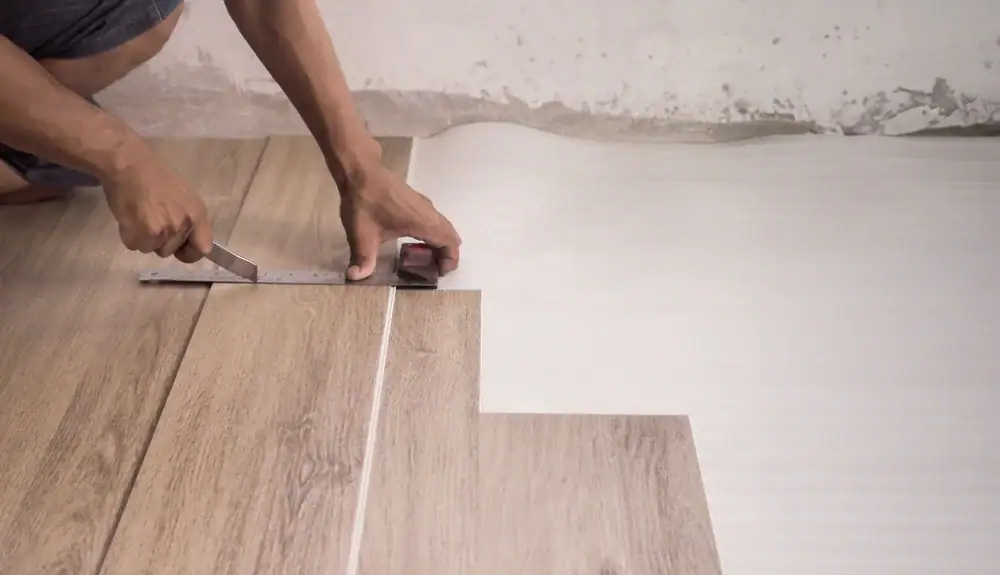
Floor Refinishing Services in Deep Bottom
You’re getting solid wood flooring installers who know how to work with different species, plank widths, and finishes. That includes installation of new hardwood, engineered wood, and refinishing existing floors that still have life left in them. If your floors just need a refresh, the buff and coat process brings back the finish without a full sand-down.
Deep Bottom’s housing market has pushed home values up over 30% in five years, and your floors are one of the first things buyers notice when they walk through the door. But even if you’re not selling, you’re living on those floors every day. They should look good and hold up to foot traffic, pets, and the humidity swings that come with Virginia weather.
We use low-VOC finishes that meet current environmental standards, and our equipment is designed to contain dust at the source. The materials are sourced for durability, not just aesthetics. Wide plank and matte finishes are trending nationally, and they happen to be what holds up best in real-world conditions, which is why we install a lot of them. You’ll get recommendations based on your space and how you actually use it, not what’s trendy in a design magazine.
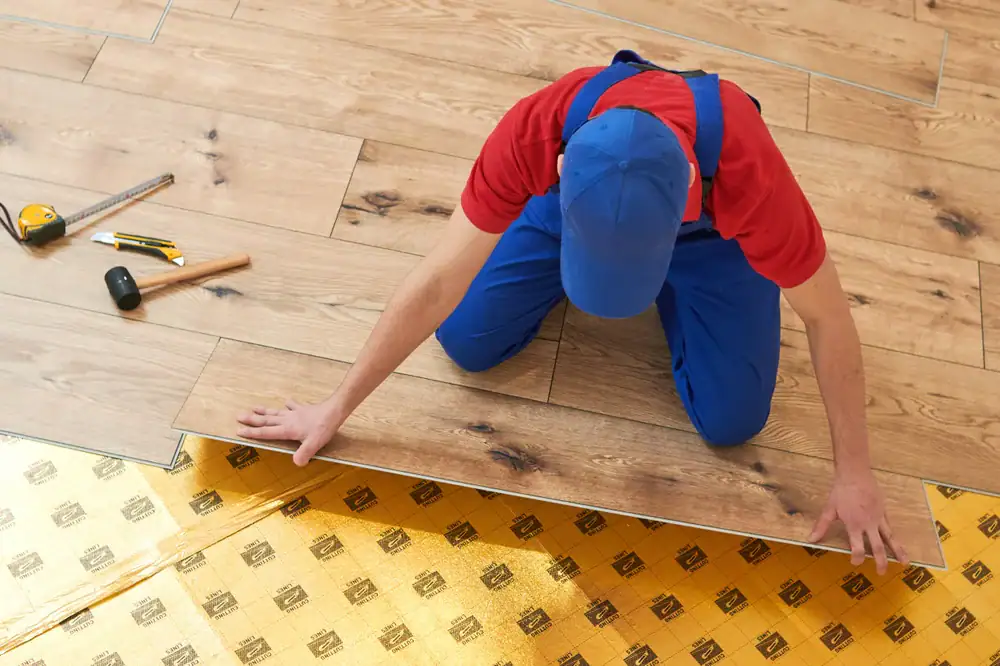
How long does hardwood floor installation actually take in Deep Bottom?
Most residential hardwood floor installation projects are completed in one day, assuming there are no major subfloor issues. If we’re working with an older Deep Bottom home and discover subfloor damage during demo, that can add time, but we flag those issues during the initial walkthrough whenever possible.
The timeline depends on square footage, the complexity of the layout, and whether we’re dealing with custom cuts around stairs or built-ins. A straightforward installation in a 1,200-square-foot main level usually wraps up within six to eight hours. Refinishing is faster since there’s no demolition involved.
You can typically walk on the floors within a few hours, but we recommend waiting 24 hours before moving furniture back. That gives the finish time to fully cure and prevents any accidental scuffs or dents while the surface is still setting.
What's the difference between refinishing and buff and coat?
Refinishing means sanding your floors down to bare wood and applying new stain and finish coats. It’s the right move if your floors have deep scratches, water damage, or uneven staining. You’re essentially starting over, which gives you the most control over the final look but takes longer and costs more.
Buff and coat is a faster, less invasive process. We lightly abrade the existing finish, clean the surface, and apply a fresh topcoat. It’s ideal for floors that are still structurally sound but have surface-level wear—minor scratches, dullness, or light traffic patterns. The process takes a few hours, costs a fraction of full refinishing, and extends the life of your floors by several years.
If your floors haven’t been refinished in 10 or 15 years and the finish is worn through to the wood in spots, refinishing is the better option. If they just look tired but the finish is mostly intact, buff and coat gets you back to looking new without the downtime.
Will the dust from floor work get all over my house?
Not with the equipment we use. Traditional sanding creates clouds of fine dust that work their way into every corner of your house, settle on furniture, and get pulled into your HVAC system. It’s a mess, and it’s a health concern if anyone in the house has asthma or allergies.
We use dustless refinishing technology that captures 99% of the dust at the source. The vacuum system is attached directly to the sanding equipment, so particles are pulled into a containment unit before they ever hit the air. You’ll still want to clear the room and cover nearby furniture as a precaution, but you’re not going to spend the next week wiping down baseboards and ceiling fans.
This is especially important in Deep Bottom homes where open floor plans mean dust can travel from the living room to the kitchen to the bedrooms in minutes. Keeping the job site contained means the rest of your house stays livable while we’re working.
How much does it cost to install or refinish hardwood floors?
Installation costs depend on the type of wood, the size of the space, and the condition of your subfloor. Solid hardwood installation typically runs higher than engineered wood, but it also lasts longer and can be refinished multiple times. If we find subfloor damage during the walkthrough, that’ll add to the cost, but we give you that number upfront.
Refinishing is generally less expensive than new installation because we’re working with what’s already there. Buff and coat is the most affordable option if your floors qualify—it’s a fraction of the cost of full refinishing and gives you several more years before you need to think about a bigger project.
We don’t give ballpark estimates over the phone because every job is different. Square footage matters, but so does the layout, the type of wood, and how much prep work is involved. The best way to get an accurate number is to schedule a walkthrough. We’ll measure, assess the condition, and give you a transparent quote with no hidden fees or surprise charges halfway through the job.
What type of hardwood works best in Deep Bottom's climate?
Virginia’s humidity swings are tough on hardwood. You get hot, sticky summers and dry winters when the heat kicks on, which causes wood to expand and contract. That movement can lead to gaps, cupping, or warping if the wood isn’t properly acclimated or if the wrong species is installed.
White oak and red oak are solid choices because they’re stable, durable, and handle moisture fluctuations better than softer woods like pine. Engineered hardwood is another good option, especially in basements or areas where humidity is harder to control. It’s constructed in layers, which makes it more resistant to expansion and contraction than solid wood.
Wider planks are popular right now, and they work well in Deep Bottom homes with larger, open layouts. Just know that wider boards show movement more than narrow ones, so proper installation and acclimation are even more critical. We let the wood sit in your home for a few days before installation so it adjusts to your specific environment. Skipping that step is how you end up with gaps six months later.
Do I need to leave my house during the installation or refinishing?
You don’t have to, but most people prefer to. The work itself isn’t dangerous, and with dustless equipment, the air quality stays manageable. But there’s noise from the sanding and installation process, and you won’t be able to walk on the floors until we’re finished and the finish has had time to set.
If you’re home, you’ll need to stay off the work area entirely. That means no cutting through the living room to grab something from the kitchen, no letting the dog run through, and no moving furniture mid-job. It’s easier to leave for the day and come back when everything’s done.
For refinishing and buff and coat jobs, the finishes we use are low-VOC, so you’re not dealing with overwhelming fumes. You’ll notice a slight smell, but it’s not the harsh chemical odor that older finishes produced. Most people are comfortable sleeping in the house the same night, though we recommend keeping windows cracked and running a fan if you’re sensitive to smells.
Other Services we provide in Deep Bottom