
Wood Floor Installers in Barkers Mill, VA
Hardwood Floors Installed Right the First Time
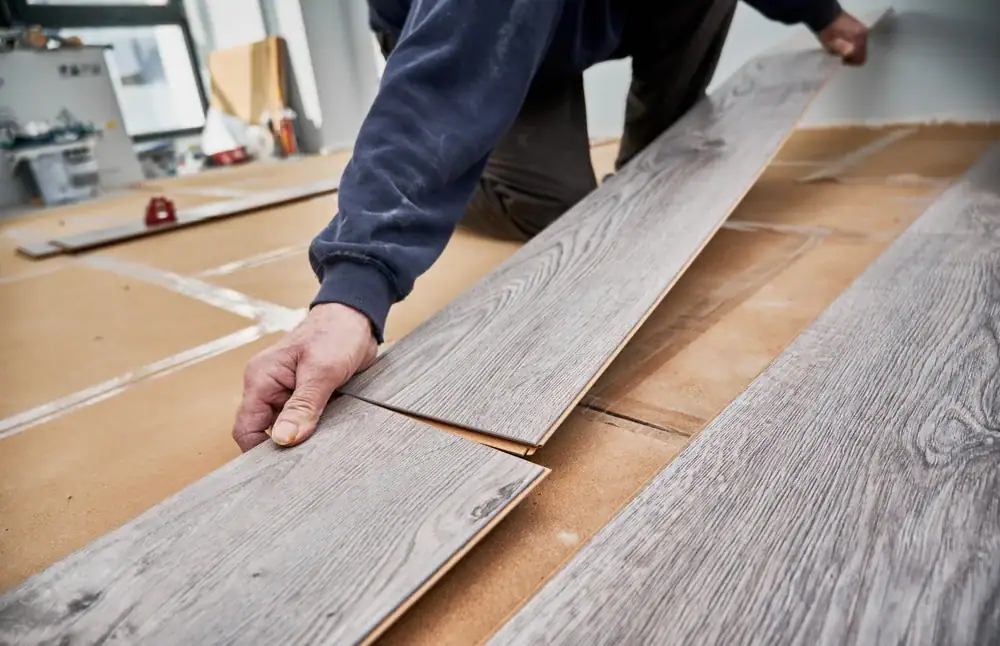
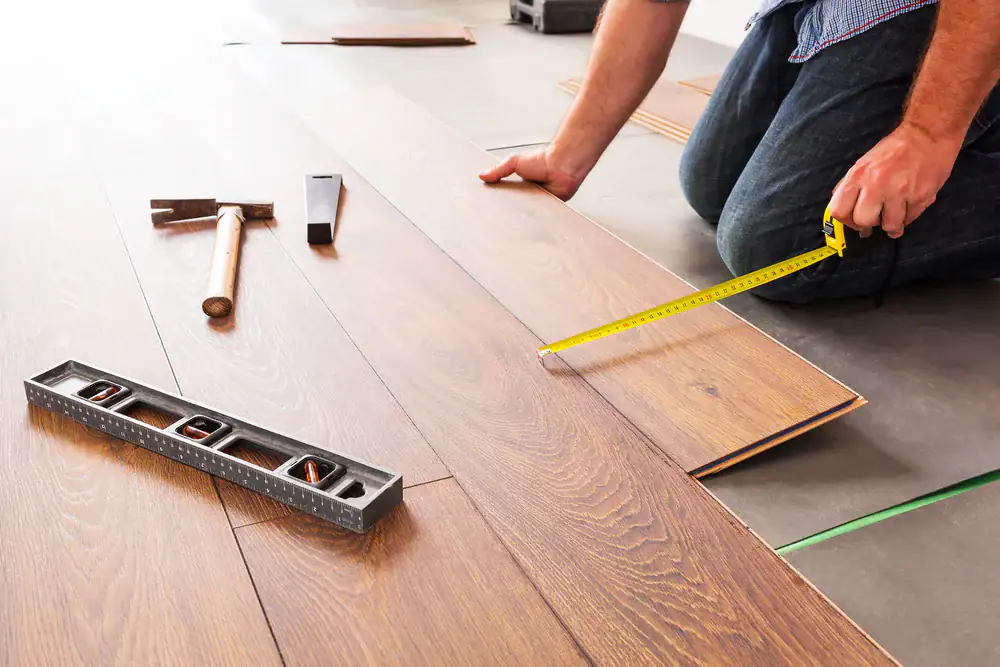
Professional Hardwood Floor Installation Services
You’re not just paying for someone to lay down planks. You’re paying to avoid the nightmare scenarios that show up six months after a bad install.
Buckling floors when summer humidity hits. Gaps that open up every winter. Boards that cup or crown because the subfloor wasn’t prepped right. Squeaks that drive you insane. These aren’t minor annoyances—they’re expensive problems that require tearing everything out and starting over.
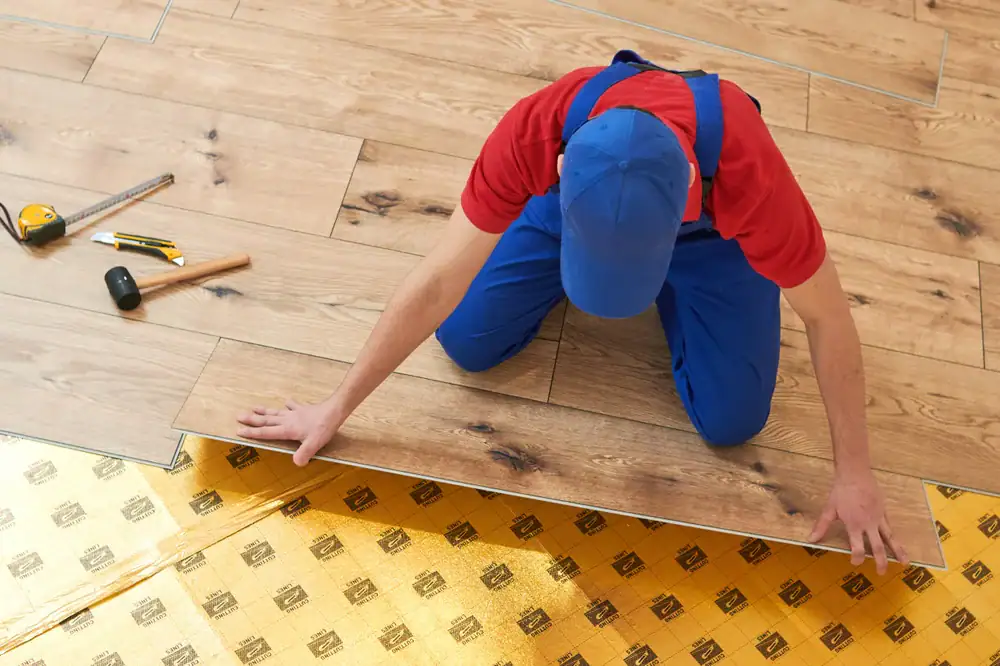
Proper hardwood floor installation means your subfloor gets checked for moisture and leveled correctly. It means the wood gets acclimated to your home’s environment before installation. It means expansion gaps are calculated based on Virginia’s climate, not guesswork. The install itself takes longer because it’s done right, but you’ll never think about your floors again except to appreciate how good they look.
That’s the difference between a wood flooring contractor who knows what they’re doing and someone who just wants to finish fast and move on.
Experienced Wood Floor Installers Near You
We’ve been working on hardwood floors in Virginia for over 20 years. We started with refinishing—bringing old floors back to life—and expanded into installation because we kept seeing the same problems from bad installs.
Homeowners in Barkers Mill and throughout the Richmond area deal with specific challenges. The humidity swings here are brutal on hardwood. Your subfloor conditions matter more than most contractors admit. The age and construction style of your home affects which installation method works best.
We’ve seen what happens when corners get cut. We’ve fixed enough disaster installs to know exactly what not to do. That experience shows up in how we prep, how we acclimate materials, and how we handle the details that other wood floor installers skip.
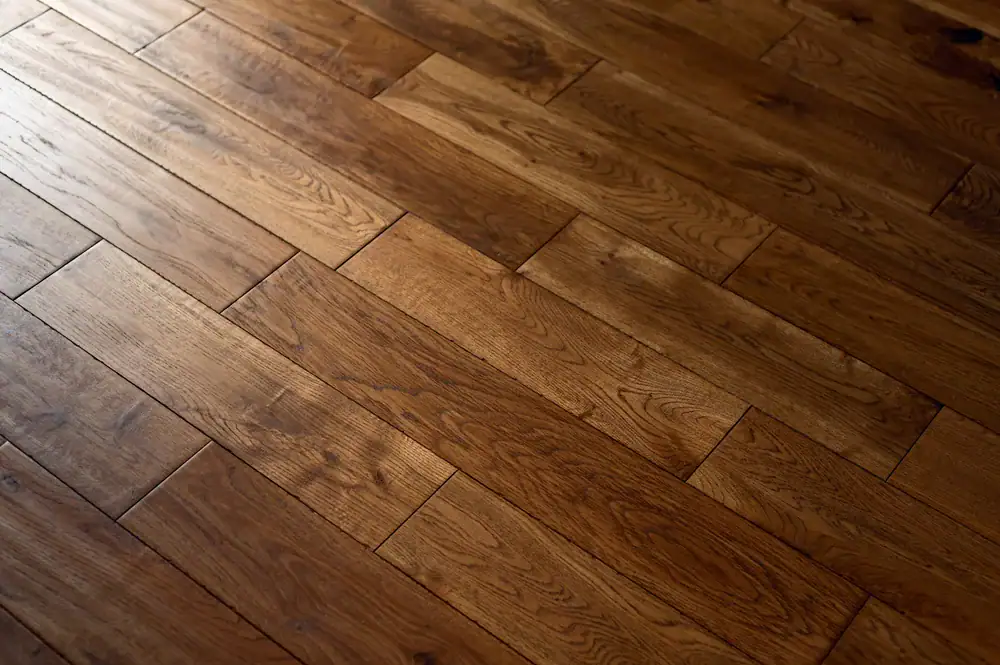
Our Hardwood Floor Installation Process
First, we assess your subfloor. Not a quick glance—an actual evaluation of moisture levels, structural integrity, and whether it’s level enough for installation. If it’s not right, we tell you what needs to happen before we lay a single board. This step gets skipped constantly, and it’s why so many floors fail early.
Next, your hardwood needs to acclimate. We bring the materials to your home and let them adjust to your environment for several days. Wood expands and contracts with temperature and humidity changes. Installing it before acclimation is asking for problems.
The installation itself depends on your subfloor type and the wood you’ve chosen. Nail-down, glue-down, or floating—each method has specific situations where it works best. We’re not locked into one approach. We use whatever your floor actually needs.
We calculate expansion gaps based on the wood species and Virginia’s climate patterns. We stagger seams properly. We check levelness as we go. The job takes as long as it takes to do it right. Most installations wrap up in a few days, but we’re not rushing to hit some arbitrary deadline if your floor isn’t ready.
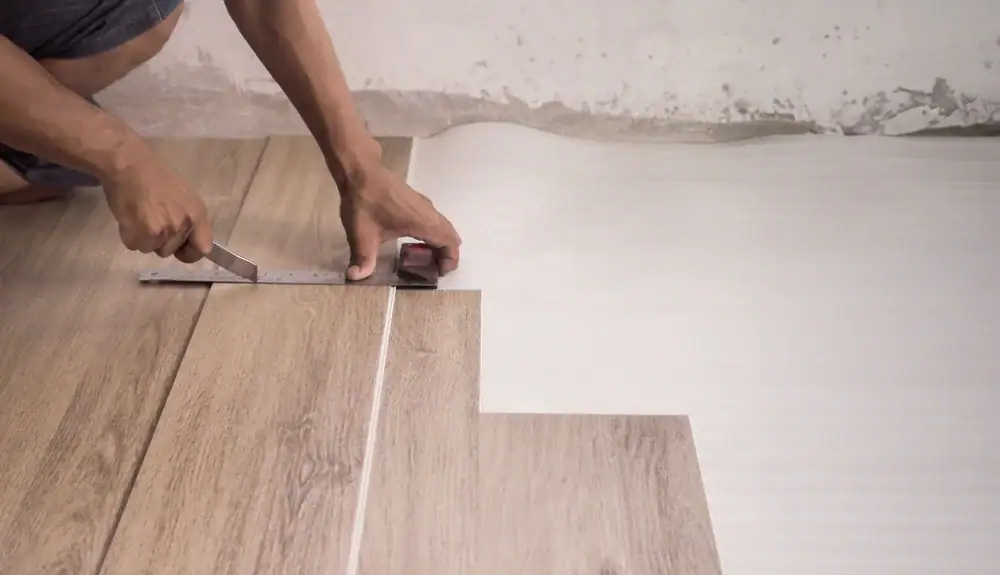
What's Included in Professional Installation
When you hire us for hardwood floor installation, you’re getting subfloor inspection and preparation, material acclimation time built into the schedule, and installation using the method that actually suits your home’s structure. Not the fastest method. The right one.
You’re also getting someone who understands Barkers Mill homes specifically. Many properties here are older, with subfloors that need attention before installation. Virginia’s humidity means we’re extra careful about moisture barriers and acclimation periods. We’ve worked in enough homes in this area to know what issues pop up and how to handle them before they become your problem.
The finish work matters too. Transitions between rooms, how the floor meets your baseboards, thresholds at doorways—these details affect both appearance and longevity. We handle them correctly instead of leaving you with gaps to fill or trim that doesn’t sit flush.
After installation, you get a walkthrough explaining what to expect as your floor settles, how to maintain it, and what’s normal versus what would indicate a problem. Most solid wood flooring installers disappear after the job. We make sure you know exactly what you’re looking at.
How much does professional hardwood floor installation cost in Barkers Mill?
Installation costs typically run between $6 and $12 per square foot for solid hardwood, depending on the wood species, your subfloor condition, and installation method required. That’s for the labor and installation materials—not the hardwood itself.
If your subfloor needs significant prep work, that adds to the cost. But skipping that prep to save money now means you’ll pay way more later when the floor fails. A 500-square-foot room usually runs $3,000 to $6,000 for complete professional installation, including proper subfloor prep.
The cheapest quote you get will probably come from someone who’s cutting corners somewhere. Maybe they’re not acclimating the wood. Maybe they’re skipping moisture testing. Maybe they’re using the wrong installation method because it’s faster. You won’t know until problems show up months later, and by then they’re long gone.
What's the biggest mistake homeowners make with hardwood floor installation?
Hiring based on price alone. It happens constantly, and it almost always ends badly.
The contractor who quotes $4 per square foot when everyone else is at $8 isn’t some genius who figured out how to work more efficiently. They’re skipping steps. They’re not acclimating materials, not properly preparing subfloors, not using enough fasteners, not leaving adequate expansion gaps. They’re in and out fast, and you’re stuck with the consequences.
The other big mistake is DIY installation. Hardwood looks straightforward until you’re actually doing it. Getting the subfloor right requires knowledge and equipment most homeowners don’t have. Understanding how different wood species behave, calculating proper expansion gaps for Virginia’s climate, knowing which installation method works for your specific situation—these aren’t things you pick up from a YouTube video. The cost of fixing a bad DIY install almost always exceeds what professional installation would have cost in the first place.
How long does hardwood floor installation take?
For an average room of 300-500 square feet, expect two to four days from start to finish. That includes subfloor prep, acclimation time, installation, and cleanup.
Larger projects take longer. If we’re doing multiple rooms or a whole floor of your home, plan on a week to ten days. The acclimation period alone takes several days—your hardwood needs to adjust to your home’s temperature and humidity before installation. Skipping this step is one of the main reasons floors develop problems later.
If your subfloor needs significant work, add time for that. We won’t know exactly what’s required until we pull up your existing flooring and assess what’s underneath. But we’ll tell you upfront what needs to happen and how long it’ll take. No surprises halfway through the job.
Can you install hardwood over my existing floor?
Sometimes, but it depends entirely on what’s underneath and what condition it’s in.
Installing over existing flooring adds height to your floor, which affects door clearances, transitions to other rooms, and appliances. If you’re covering vinyl or linoleum that’s firmly attached and level, it’s possible. If there’s any give, any soft spots, any moisture issues—no. The subfloor needs to be solid and stable, or your new hardwood will develop problems.
In most cases, removing the old flooring is the better choice. It lets us inspect the actual subfloor, address any issues we find, and ensure your new hardwood has the proper foundation. Yes, it adds some cost and time. But it’s the difference between an installation that lasts decades and one that starts failing in a few years. We’ll assess your specific situation and tell you honestly whether installing over existing flooring makes sense or if removal is necessary.
What type of hardwood works best in Virginia's climate?
Virginia’s humidity swings are tough on hardwood. You want wood species that handle moisture changes without excessive movement.
Oak—both red and white—performs well here. It’s stable, durable, and widely available. White oak is slightly more moisture-resistant than red. Hickory is even harder and more stable, though it has more color variation. If you want something more exotic, Brazilian cherry and teak handle humidity well, but they cost significantly more.
Avoid softer woods like pine for high-traffic areas. They dent and scratch easily. Also be cautious with very wide planks—anything over five inches. Wider boards expand and contract more noticeably with humidity changes, which can lead to gapping in winter when your heat is running.
The wood’s finish matters too. We typically recommend satin or matte finishes rather than high-gloss. They hide scratches and wear better, and they’re more slip-resistant. Your specific choice depends on your home’s style, your budget, and how much traffic the floor will see, but we’ll walk you through options that actually make sense for your situation.
Do you offer any warranty on your installation work?
Yes. Our installation work is warranted against defects in workmanship. If something goes wrong because we didn’t install it correctly, we fix it.
What’s not covered: damage from water exposure, scratches and dents from normal use, problems caused by extreme humidity changes if you’re not maintaining reasonable climate control in your home, or issues with the hardwood itself—that falls under the manufacturer’s warranty.
The reason we can offer this confidently is because we do the installation right from the start. Proper subfloor prep, correct acclimation, appropriate installation method for your specific situation, proper expansion gaps—all the steps that prevent problems down the road. We’ve been doing this for over 20 years, and our installation warranty claims are extremely rare because the work is done correctly the first time.
Most problems homeowners experience with hardwood floors trace back to installation shortcuts. When the foundation is right, hardwood is incredibly durable and low-maintenance. That’s what you’re paying for when you hire experienced wood floor installers instead of the cheapest option you can find.
Other Services we provide in Barkers Mill