
Wood Floor Installers in Atlee, VA
Hardwood Floors Installed Right the First Time
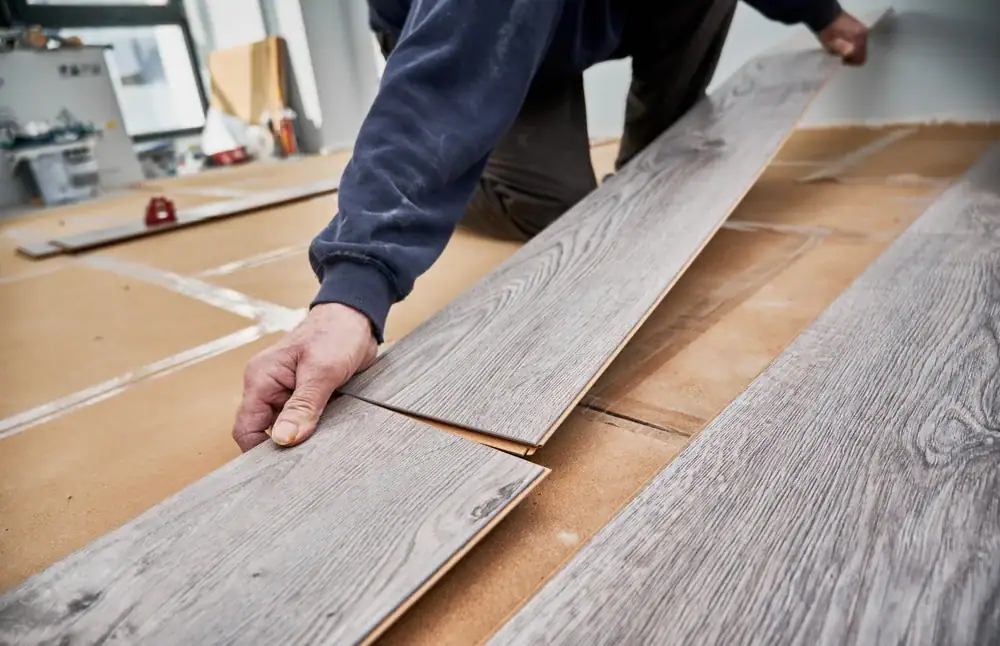
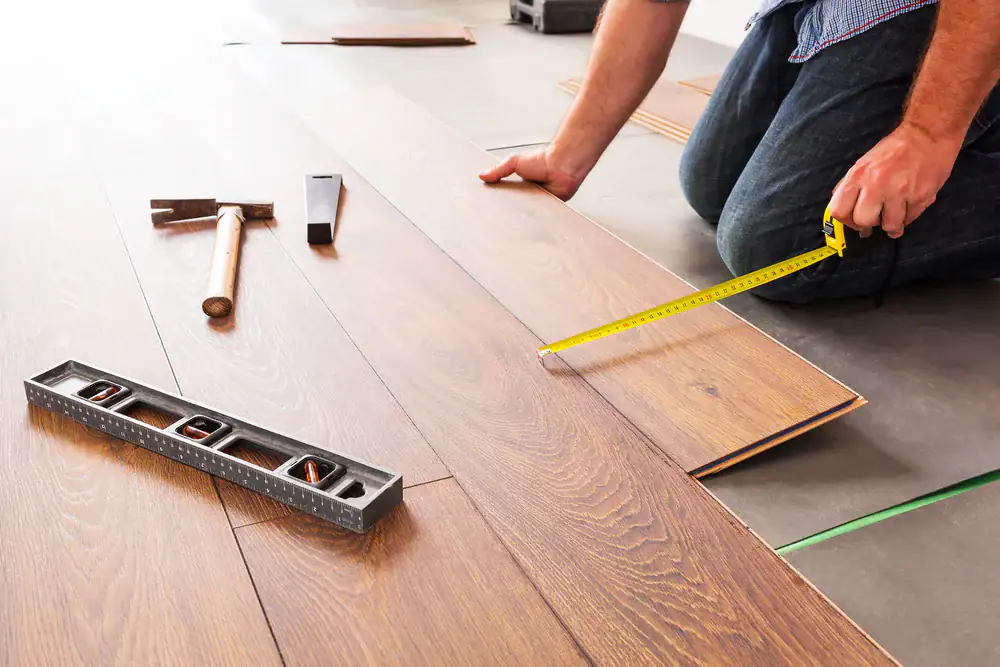
Professional Hardwood Floor Installation Services
The difference between a floor that looks good at installation and one that still looks good in ten years comes down to preparation and precision. Moisture barriers installed correctly. Subfloors leveled to exact specifications. Fasteners placed at proper intervals.
You’re not just getting wood nailed to your subfloor. You’re getting a system that accounts for Virginia’s humidity swings, seasonal expansion, and the daily wear of family life in Atlee.
Most installation problems don’t show up on day one. They appear six months later as gaps between boards. Or two years later as cupping near exterior walls. Professional installation means understanding how wood behaves in your specific home, not just following a generic process.
Your floors should enhance your home’s value, not become a source of regret. That means getting the subfloor prep right, using the correct moisture barriers, and installing with the precision that prevents future problems.
Trusted Wood Flooring Contractor in Atlee
We’ve been installing and refinishing hardwood floors in Virginia for over 20 years. That’s two decades of seeing what works, what fails, and what homeowners in communities like Atlee actually need.
Atlee homes represent significant investments. The median home value here reflects a community that expects quality, and homeowners who understand that cutting corners today means paying more tomorrow. We work in neighborhoods where 90% of residents own their homes and plan to stay.
Our approach is straightforward: assess your subfloor properly, address any moisture concerns before installation begins, and install with the precision that prevents callbacks. We’re not the cheapest option in the area, and that’s intentional. You’re paying for experience that saves you from having to redo the job.
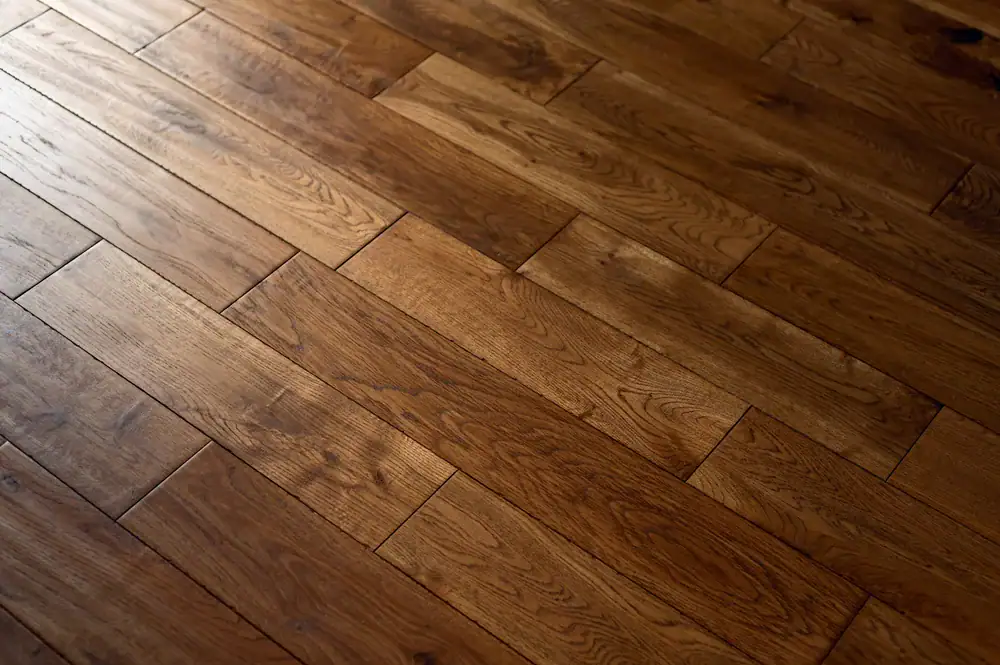
Our Hardwood Floor Installation Process
First, we assess your subfloor. This isn’t a quick glance—we’re checking for level, moisture content, and structural soundness. If there are issues, we address them before any wood goes down. Skipping this step is how installations fail.
Next, we handle acclimation. Your flooring materials need time to adjust to your home’s specific humidity and temperature. Rushing this process leads to expansion and contraction problems later. We also discuss layout options that work with your home’s architecture and traffic patterns.
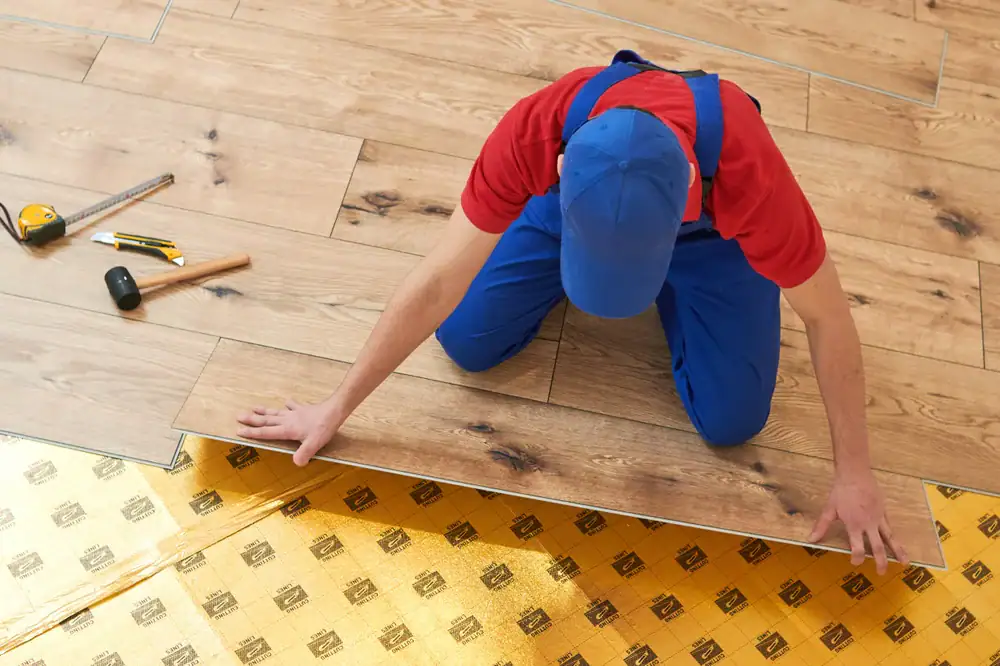
During installation, we use professional-grade fastening systems and maintain proper spacing for seasonal movement. We’re measuring constantly, checking levels, and ensuring each board is secured correctly. The details matter because they determine how your floor performs five years from now.
After installation, we handle finishing if you’ve chosen unfinished wood, or we ensure prefinished floors are properly cleaned and protected. You get a clear explanation of what to expect during the first year as your floors settle, plus maintenance guidance that actually makes sense for your lifestyle.
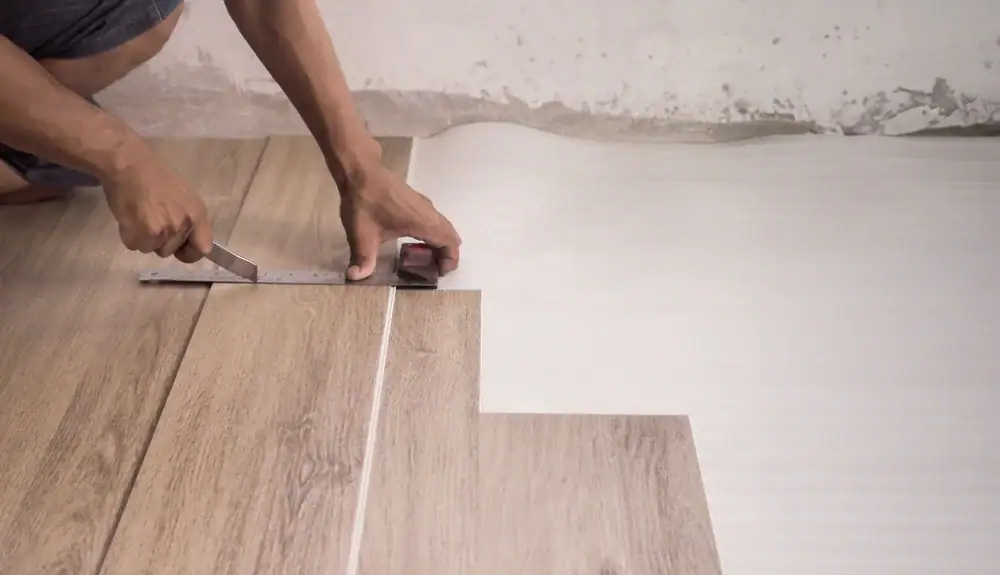
Solid Wood Flooring Installation in Atlee
Professional installation covers more than just laying boards. We handle furniture moving, subfloor preparation, moisture barrier installation, and complete cleanup. You’re not left managing contractors or coordinating different trades.
Atlee’s newer housing stock—with over half the homes built after 1999—often means dealing with engineered subfloors that require specific installation approaches. We adjust our methods based on your home’s construction, not a one-size-fits-all process.
We source materials from established flooring suppliers and can guide you through wood species selection based on your home’s light exposure, traffic patterns, and aesthetic goals. Wide plank installations are increasingly popular in Atlee homes because they create visual spaciousness, but they also require more precise installation techniques.
The current trend toward warmer wood tones—golden oak, honey pine, rich chestnut—reflects what we’re seeing in Atlee specifically. Homeowners are moving away from gray floors and choosing woods that add warmth to their spaces. We stay current on these trends because your floor should feel timeless, not dated in three years.
How long does hardwood floor installation take in a typical Atlee home?
Installation timeline depends on square footage, wood type, and subfloor condition, but most residential projects take three to five days. That includes subfloor prep, installation, and finishing if you’re using unfinished wood.
Prefinished hardwood installs faster because you’re not waiting for finish coats to dry. You can typically walk on prefinished floors the same day. Unfinished wood requires on-site finishing, which adds time but gives you more customization options for stain color and sheen level.
We don’t rush installations to hit arbitrary deadlines. Your subfloor needs proper prep time. Your wood needs acclimation time. Rushing these steps causes the problems we’re trying to prevent. Plan for the project to take a full week when you factor in furniture moving and allowing finishes to cure properly before replacing furniture.
What's the difference between solid hardwood and engineered wood flooring?
Solid hardwood is exactly what it sounds like—planks cut from a single piece of wood, typically three-quarters of an inch thick. It can be sanded and refinished multiple times over its lifespan, which in many cases spans decades or even centuries with proper care.
Engineered wood has a real wood veneer on top with plywood layers underneath. It’s more stable in environments with humidity fluctuations and can be installed in basements or over concrete, where solid wood typically can’t go. The tradeoff is refinishing limitations—you can only sand engineered wood once or twice before hitting the plywood layer.
For Atlee homes with crawl spaces or pier and beam foundations, solid hardwood is usually the better long-term investment. For areas with moisture concerns or concrete slabs, engineered wood makes more sense. We assess your specific situation and recommend based on your home’s construction, not which product has a higher margin.
How do I know if my subfloor is ready for hardwood installation?
Your subfloor needs to be clean, dry, level, and structurally sound. We use moisture meters to check that wood subfloors are below 12% moisture content and concrete is below 3%. Installing over wet subfloors is the fastest way to ruin a hardwood installation.
Level matters more than most homeowners realize. We check for variations using a six-foot level, and anything beyond a quarter inch over ten feet needs correction. Uneven subfloors cause hollow spots where boards can flex, leading to squeaks and eventually fastener failure.
Structural soundness means checking for loose boards, damaged joists, or areas that feel spongy when you walk on them. These issues get fixed before installation begins, not discovered afterward. Virginia’s humidity means we’re also checking for previous water damage or active moisture problems that need resolution first.
Will hardwood floors work with my home's HVAC system and humidity levels?
Hardwood floors and HVAC systems need to work together, especially in Virginia where we get humid summers and dry winters. Wood expands when it absorbs moisture and contracts when it dries out. This is normal, but extreme fluctuations cause problems.
Maintaining indoor humidity between 35% and 55% year-round gives you the best results. Most Atlee homes have central HVAC systems that can handle this with a whole-home humidifier in winter and proper AC use in summer. We space boards accounting for seasonal movement, but you need to maintain reasonable humidity levels.
If your home runs extremely dry in winter or stays humid in summer, you’ll see more expansion and contraction. This shows up as small gaps between boards in winter or slight cupping in summer. Neither means your installation failed—it means your environment is outside the ideal range. We discuss this during consultation so you know what to expect and how to minimize seasonal changes.
Can you install hardwood over my existing flooring?
Sometimes, but it depends on what’s currently installed and the condition of the subfloor underneath. Installing over existing flooring raises your floor height, which affects door clearances, transitions to other rooms, and sometimes appliance fit.
Installing over one layer of existing wood flooring is possible if that floor is solid, level, and properly fastened. Installing over vinyl, tile, or multiple layers of flooring typically isn’t recommended because you’re stacking materials that expand and contract at different rates.
The better approach in most cases is removing existing flooring so we can inspect and prepare the subfloor properly. This adds cost and time upfront but eliminates the risk of installing over hidden problems. We’ve seen too many installations fail because someone wanted to save money by skipping removal, only to have issues surface later that cost more to fix than removal would have cost initially.
How soon can I move furniture back onto new hardwood floors?
For prefinished hardwood, you can walk on floors immediately and move furniture back within 24 hours. Use felt pads under furniture legs and avoid dragging anything across the new surface.
Unfinished hardwood that we finish on-site requires more patience. You can walk on floors in socks after 24 hours, but furniture should stay off for at least three days. Full cure time for polyurethane finishes is actually two to four weeks, though the floor is usable before then.
During that first month, treat your floors gently. Don’t place rugs down yet—they can trap moisture and prevent proper curing. Avoid heavy furniture or appliances. Clean with a dry microfiber mop only. Once finishes fully cure, your floors can handle normal family life, but those first few weeks determine how well your finish holds up long-term. We give you specific guidance based on which finish products we use in your home.
Other Services we provide in Atlee